Material Selection Strategies for Special Cables in Harsh Industrial Environments
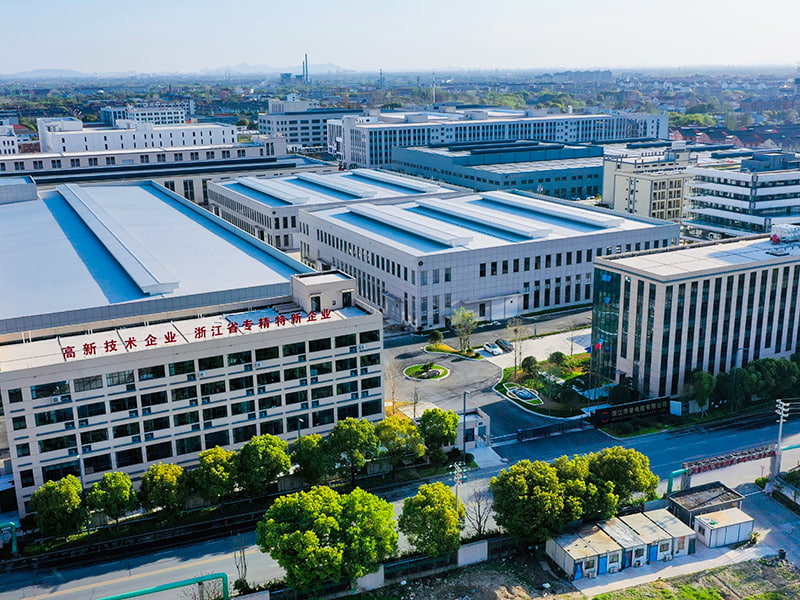
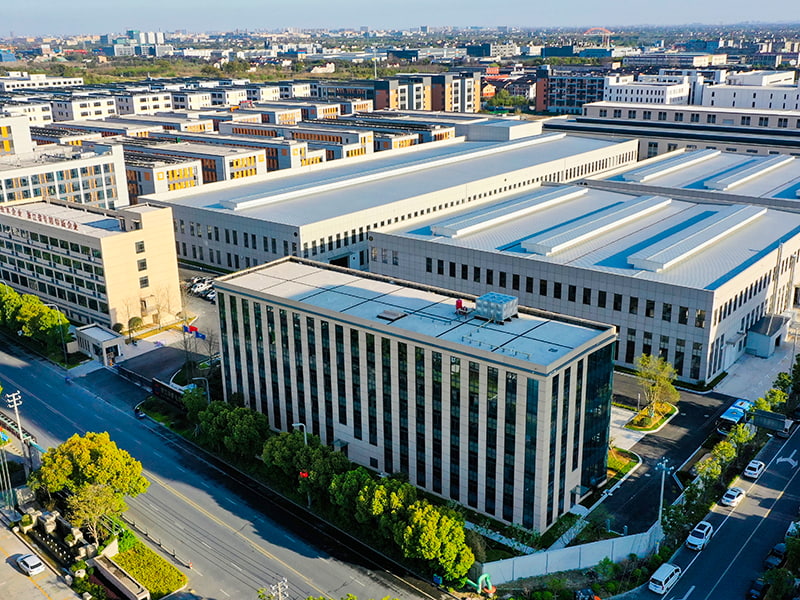
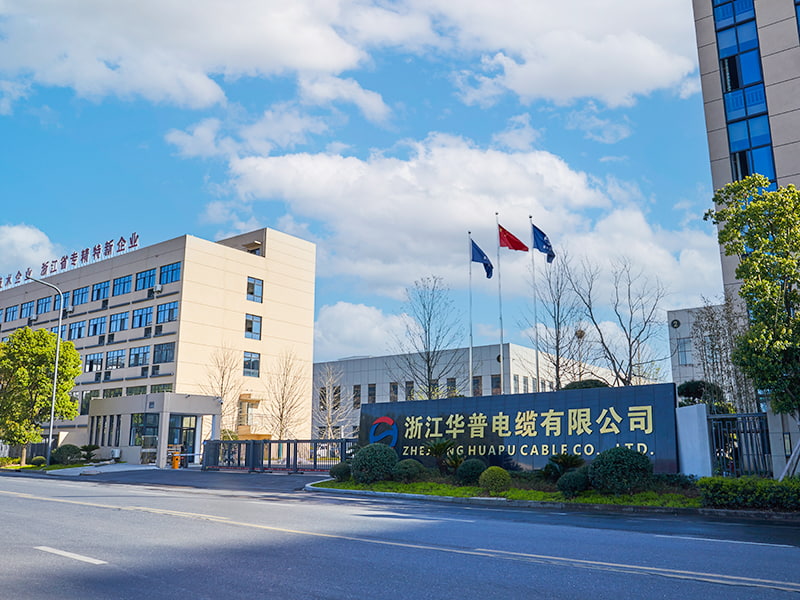
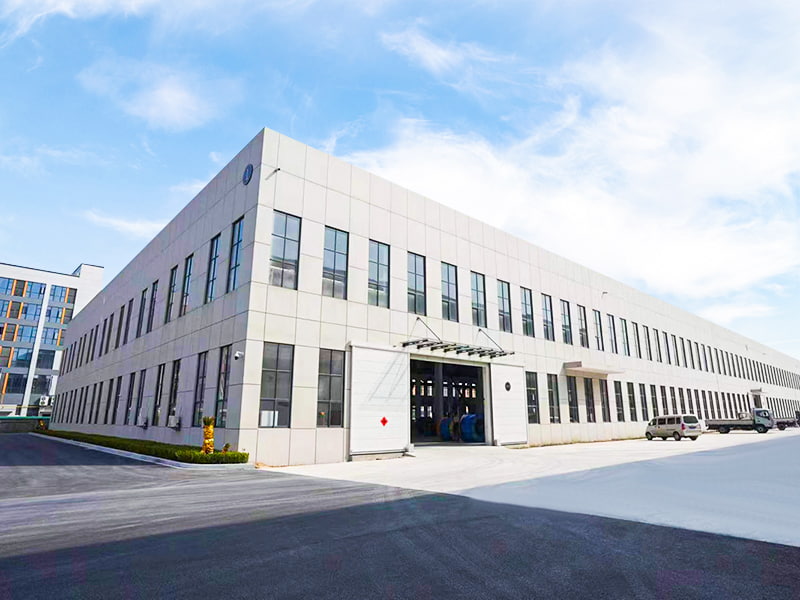
In heavy industry, transportation infrastructure, and advanced manufacturing, the reliability of special cables often depends on how well their material systems match the operating environment. Manufacturers such as Zhejiang Huapu Cable Co., Ltd., located in Deqing Economic Development Zone near Hangzhou, frequently design cable structures that must withstand temperature fluctuations, chemical exposure, vibration, and mechanical stress. Because the company operates in a region with strong manufacturing logistics—only three kilometers from a ring expressway exit and intersected by National Highway 104—its cable products are often distributed to a wide range of industries requiring customized performance.
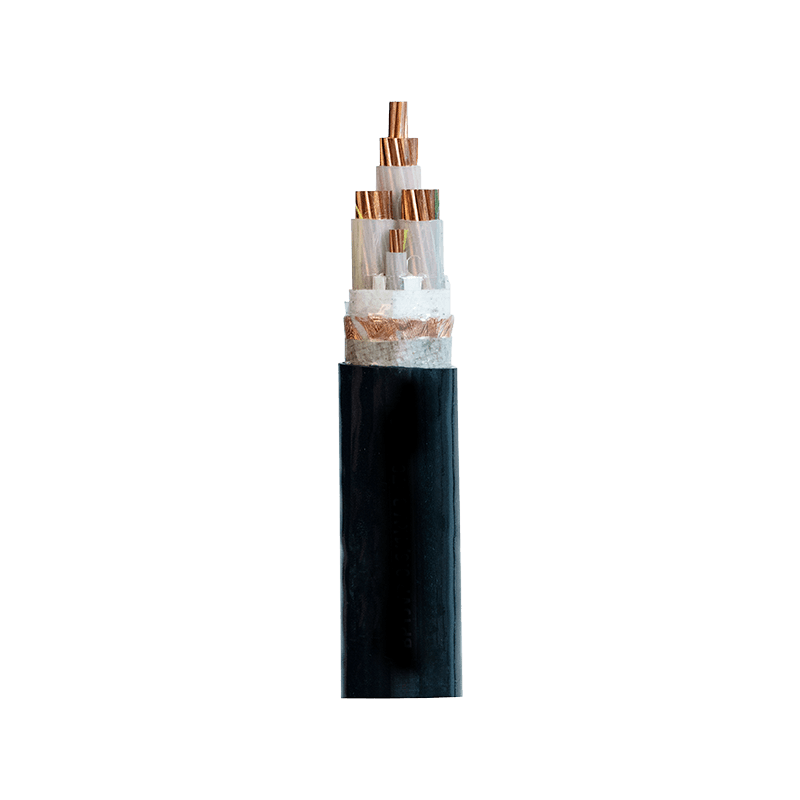
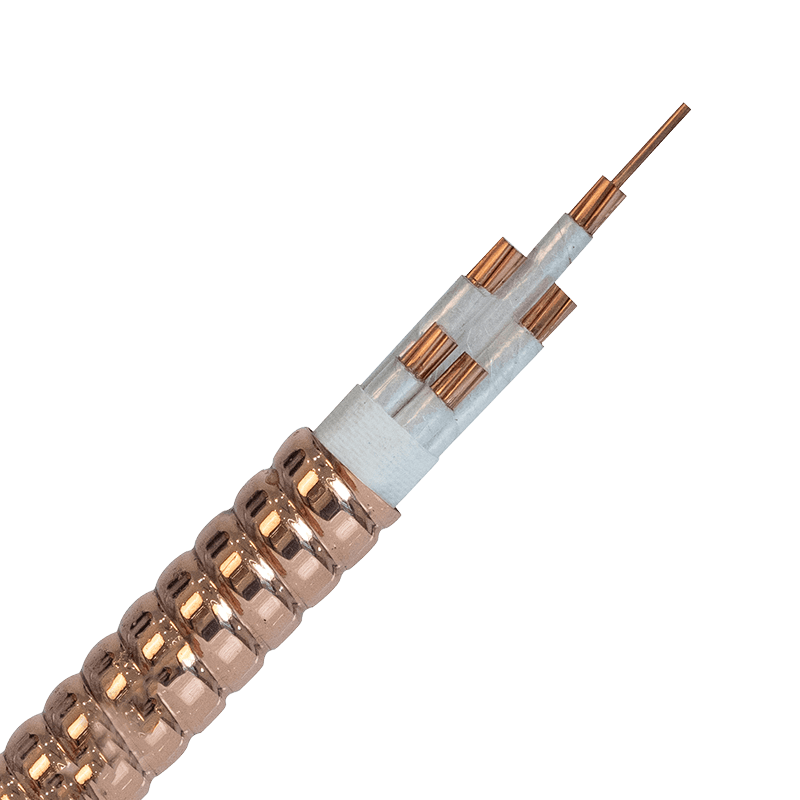
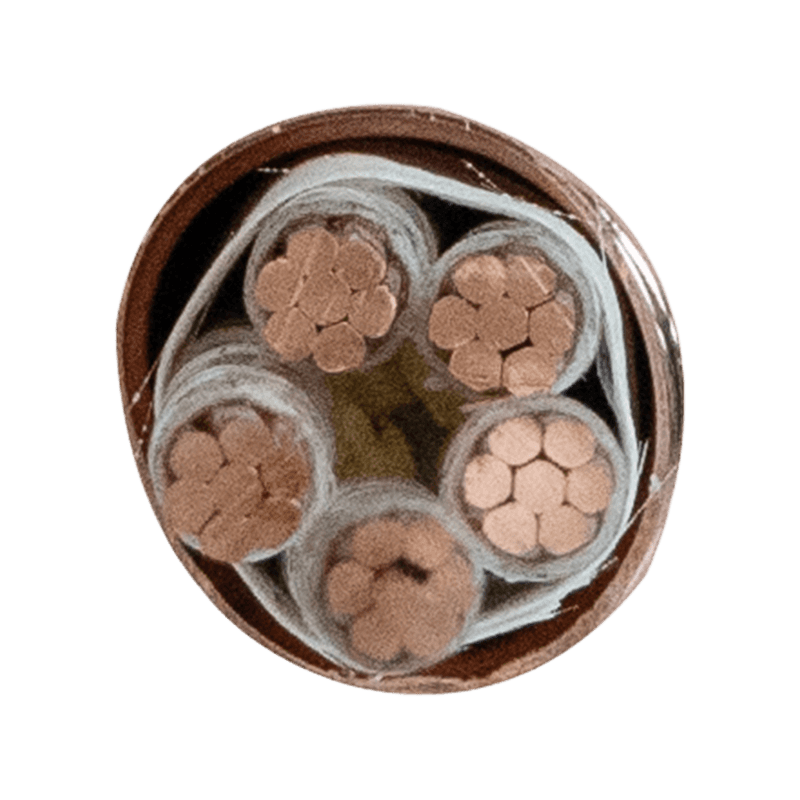
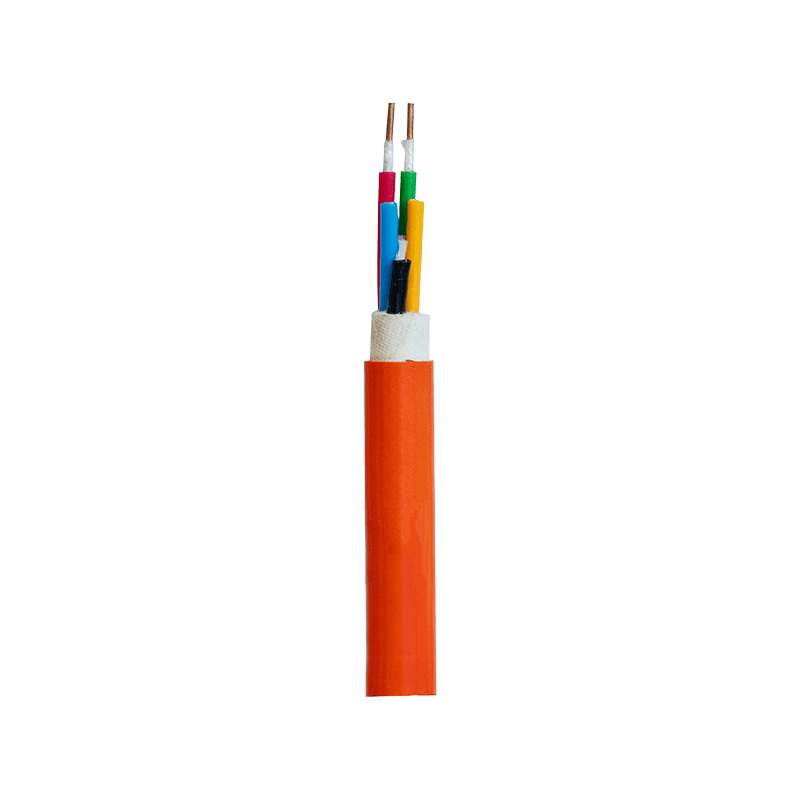
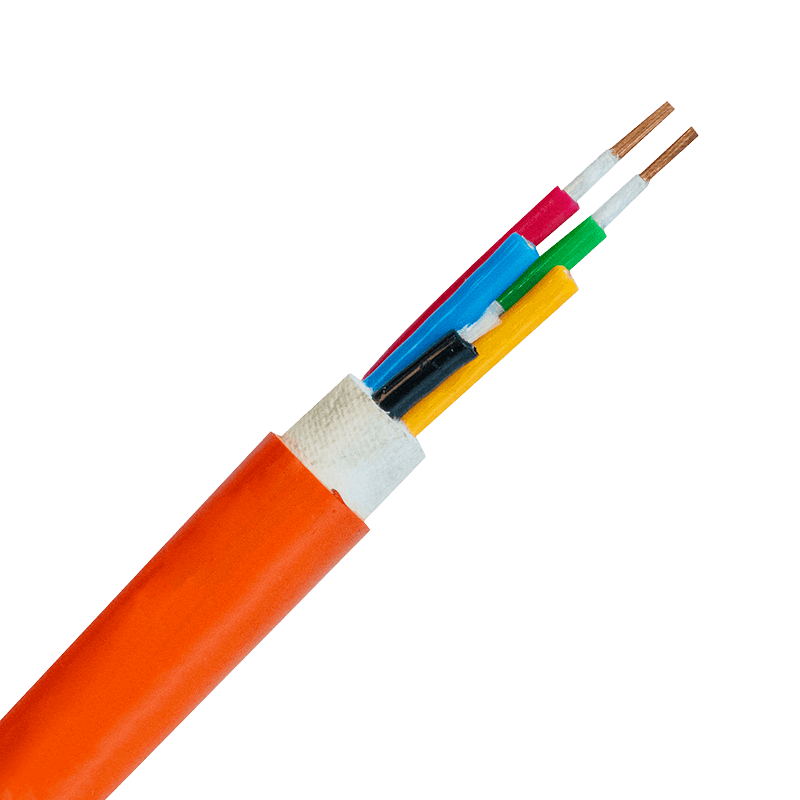
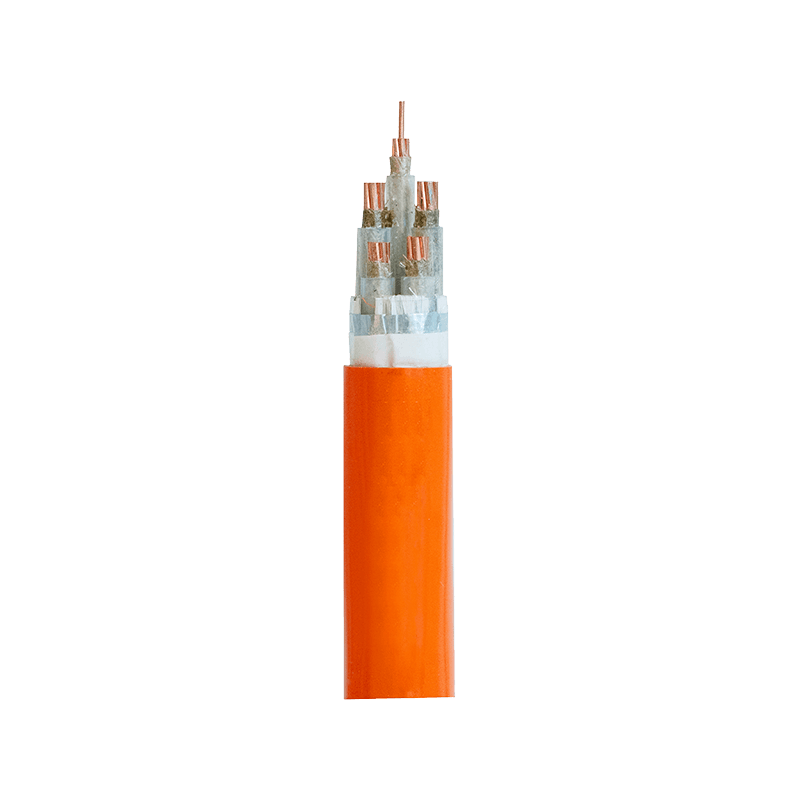
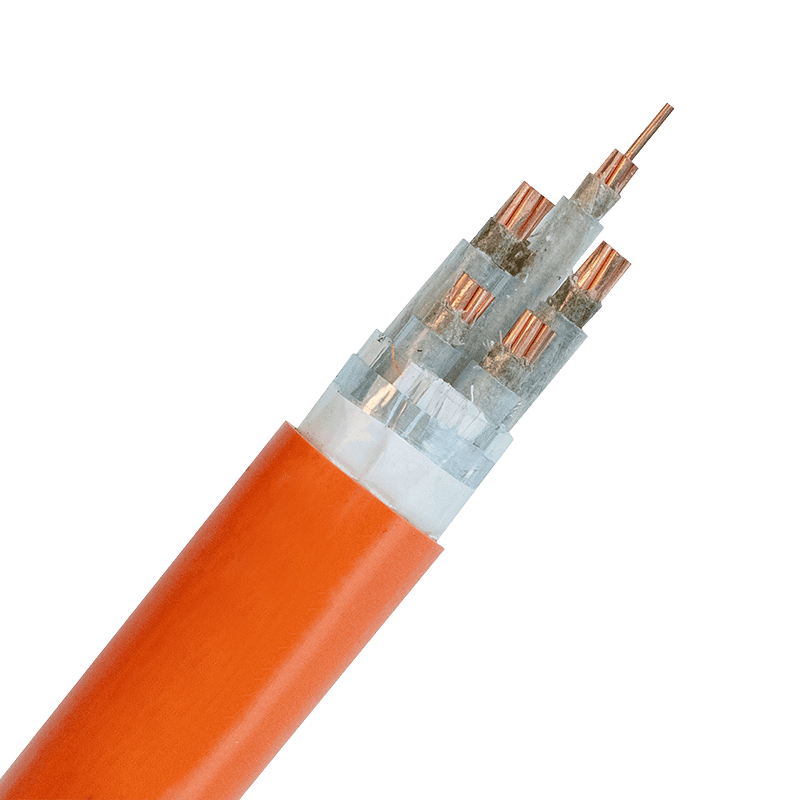
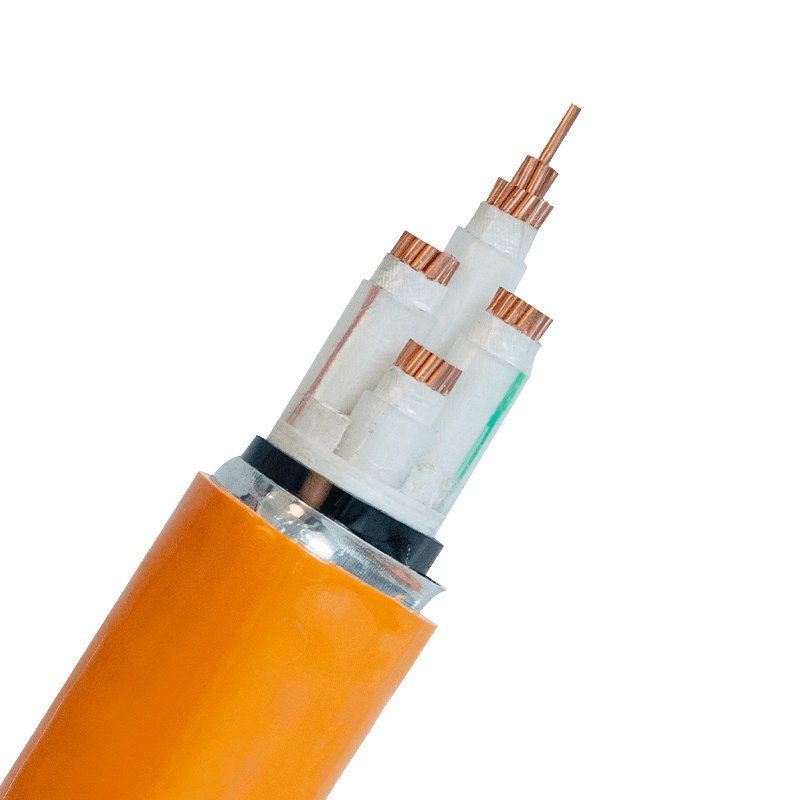
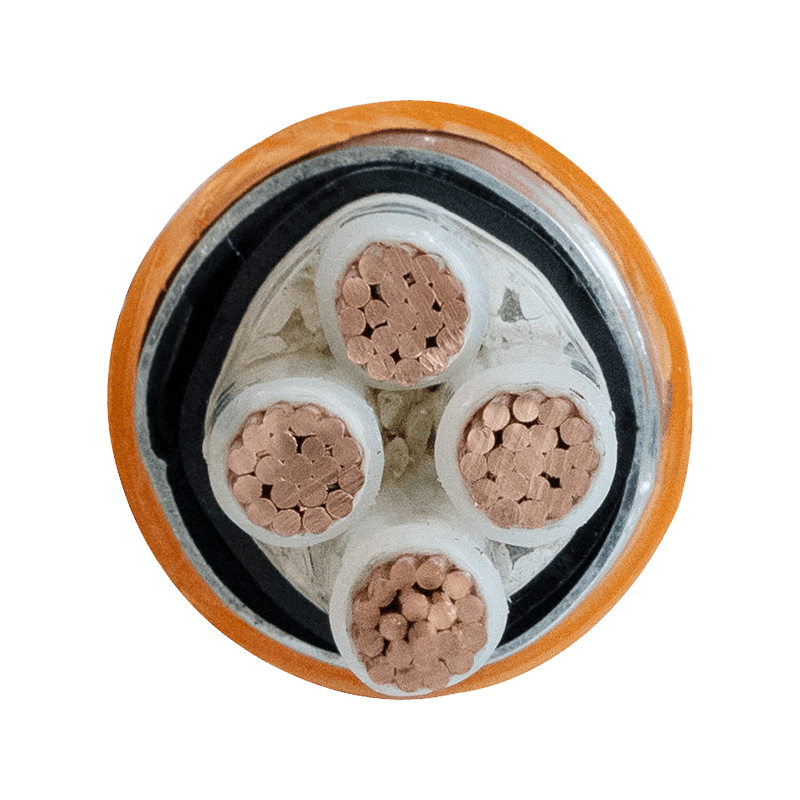
Selecting materials for special cables involves balancing insulation properties, flame resistance, mechanical durability, and electrical stability. For instance, in steel mills or mining equipment, cables must tolerate high temperatures while resisting abrasion and oil contamination. Silicone rubber insulation is commonly used in environments exceeding 180°C, while fluoropolymer materials such as FEP or PTFE provide both heat resistance and chemical stability. In outdoor renewable energy systems, UV-resistant polyethylene jackets and moisture-blocking compounds are essential for preventing insulation degradation.
- Silicone rubber insulation provides excellent flexibility and heat resistance for high-temperature machinery wiring.
- Fluoropolymer insulation materials resist chemicals, solvents, and extreme temperatures.
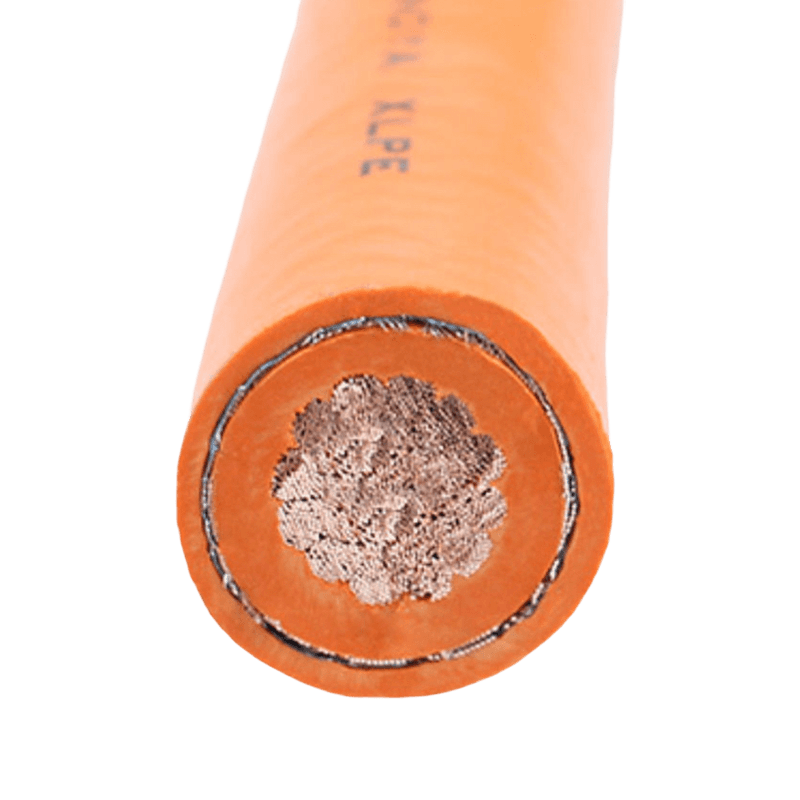
- Cross-linked polyethylene (XLPE) is widely used in power transmission cables due to its high dielectric strength.
- Thermoplastic polyurethane (TPU) jackets improve abrasion resistance and flexibility in mobile cable systems.
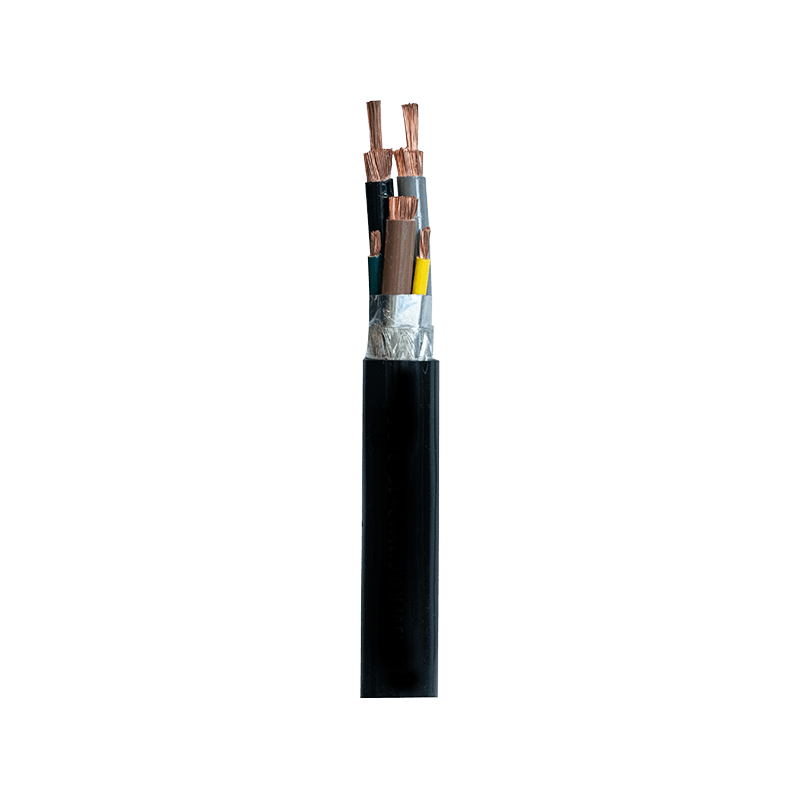
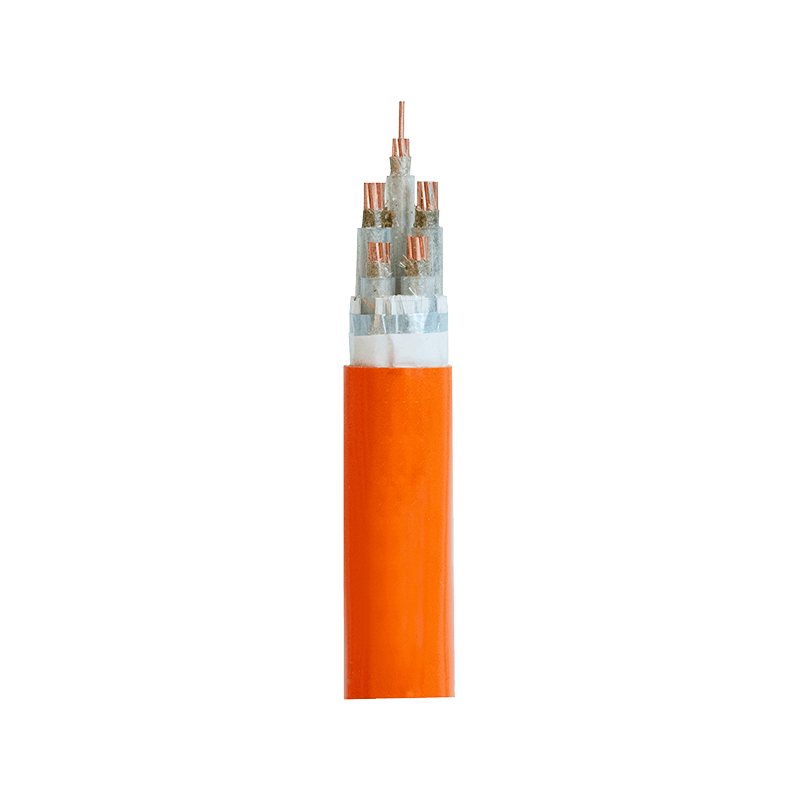
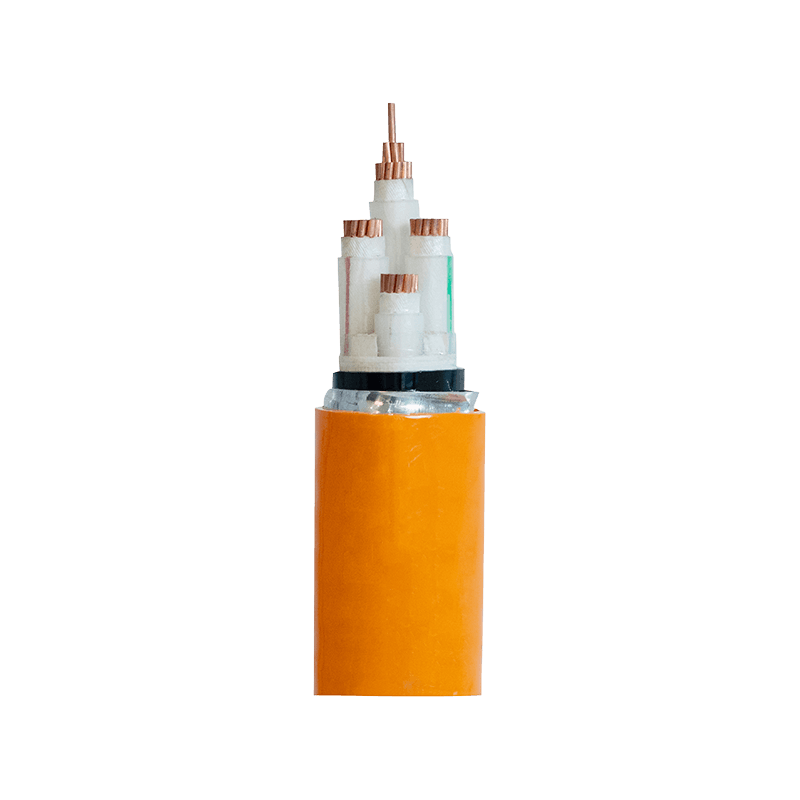
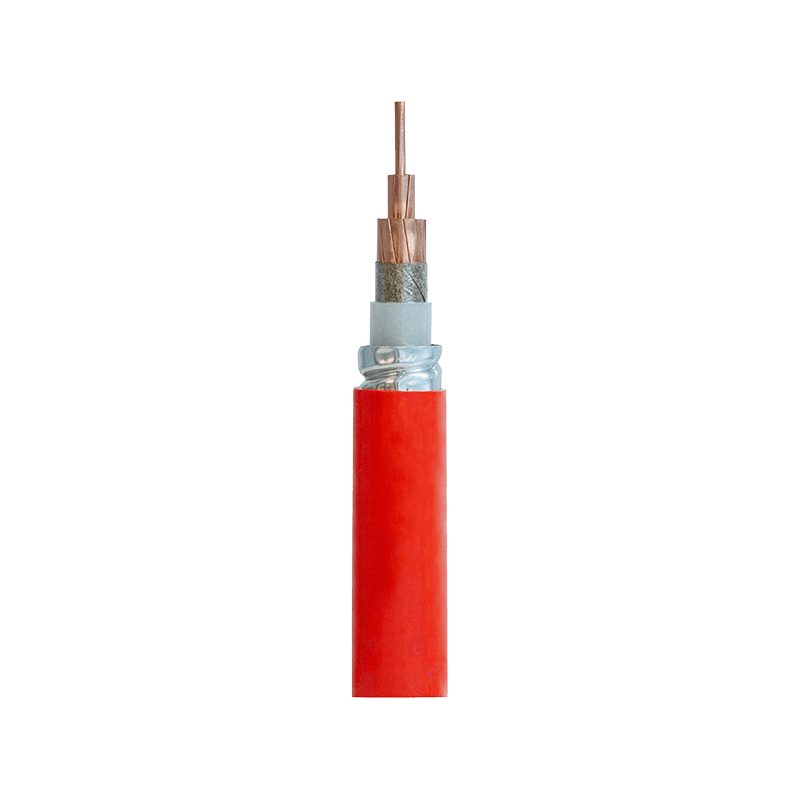
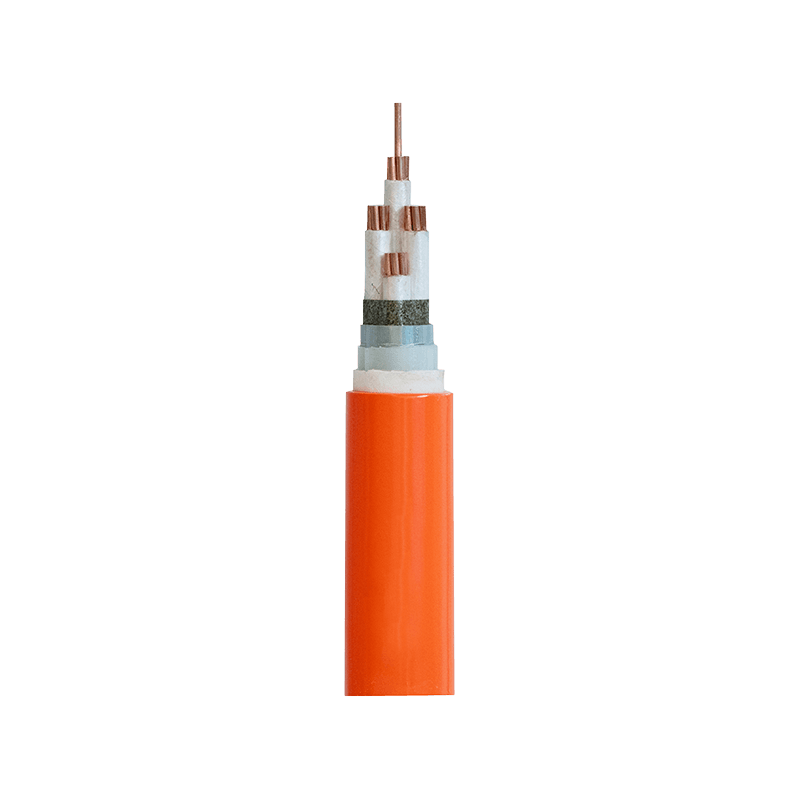
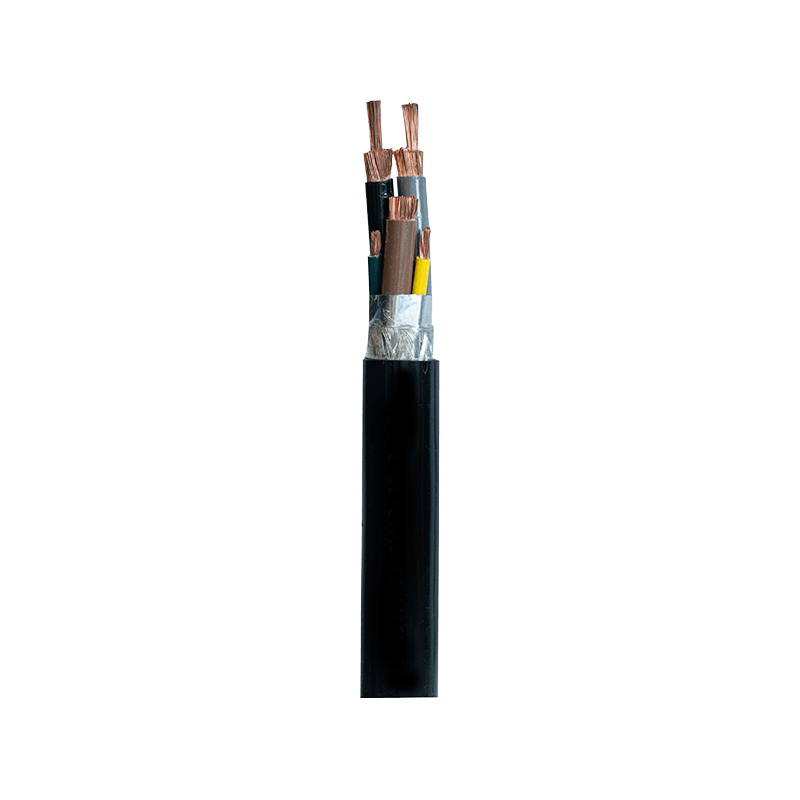
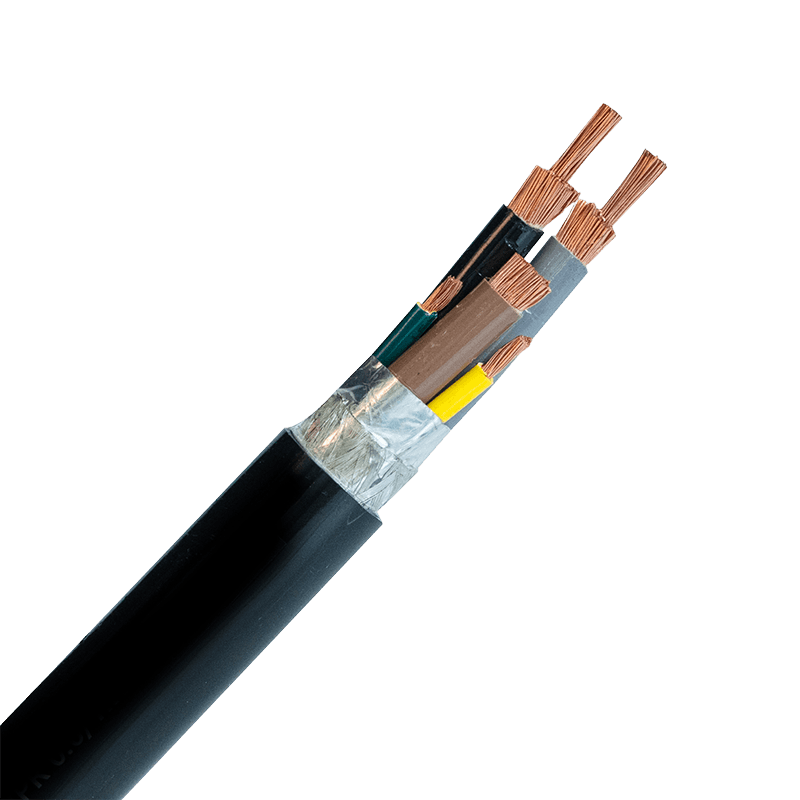
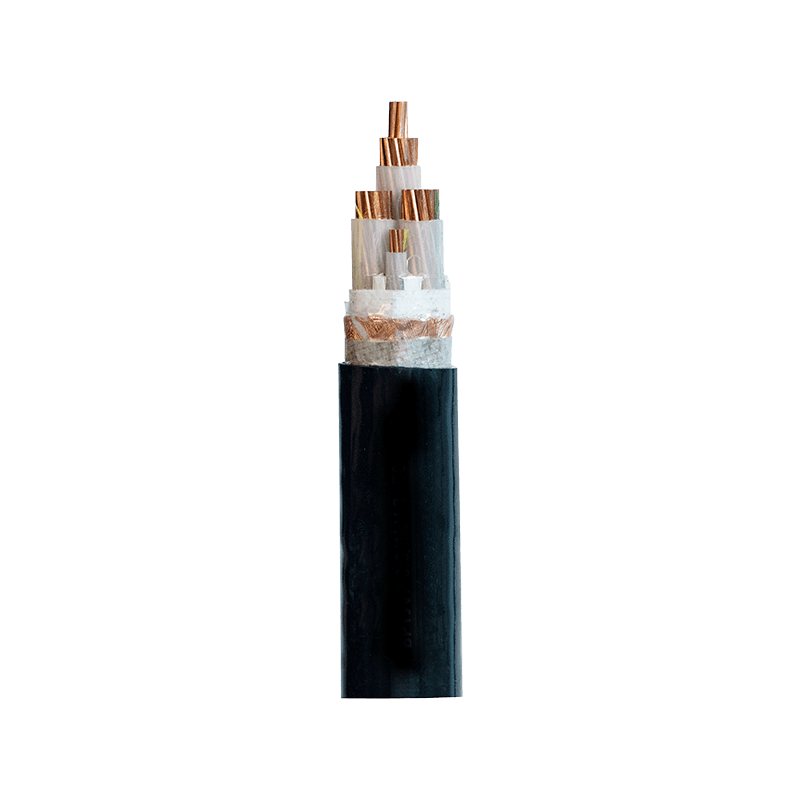
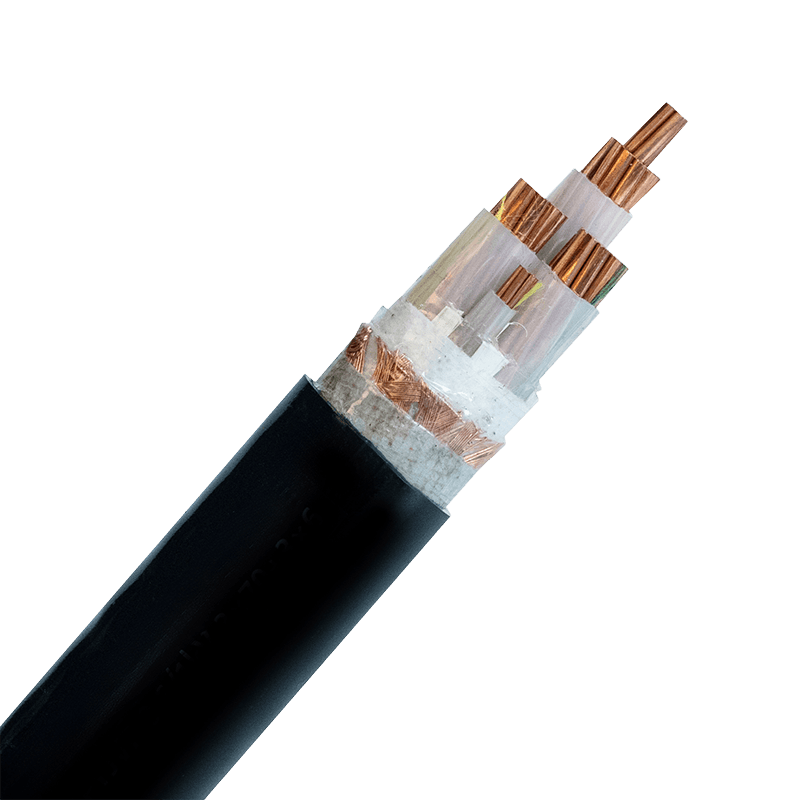
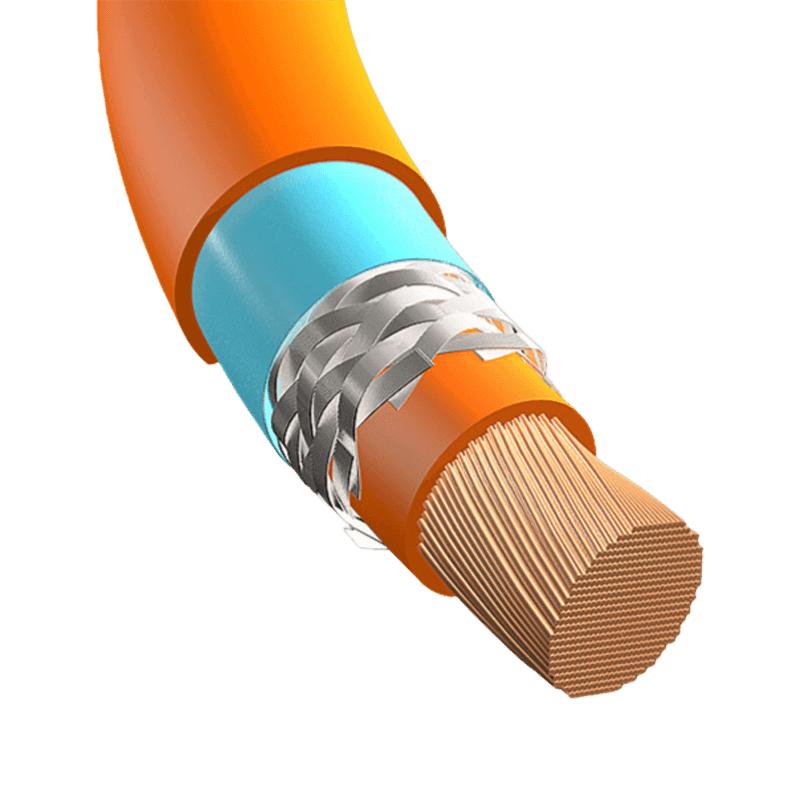
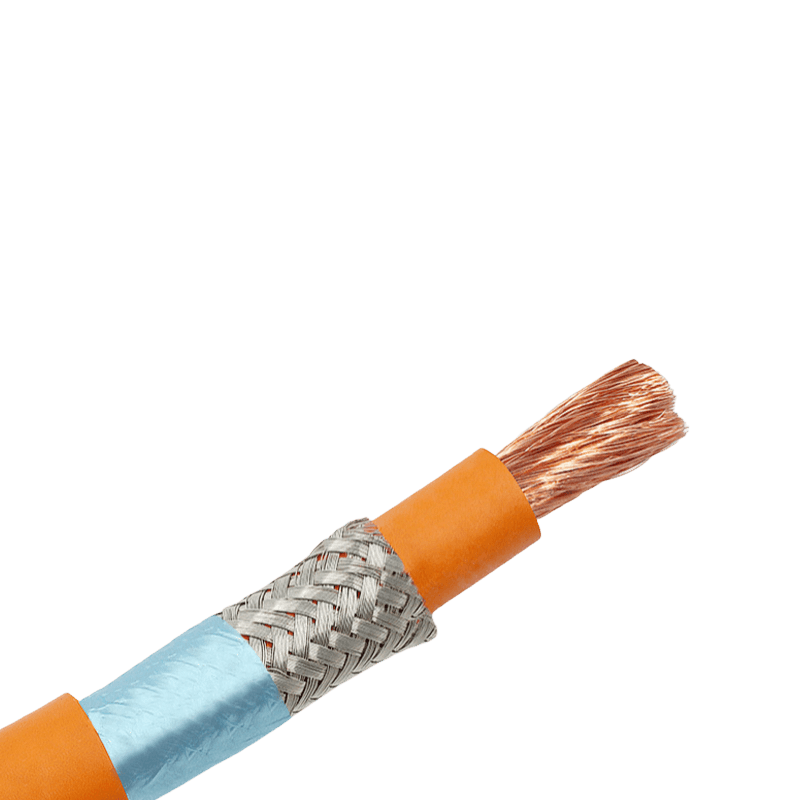
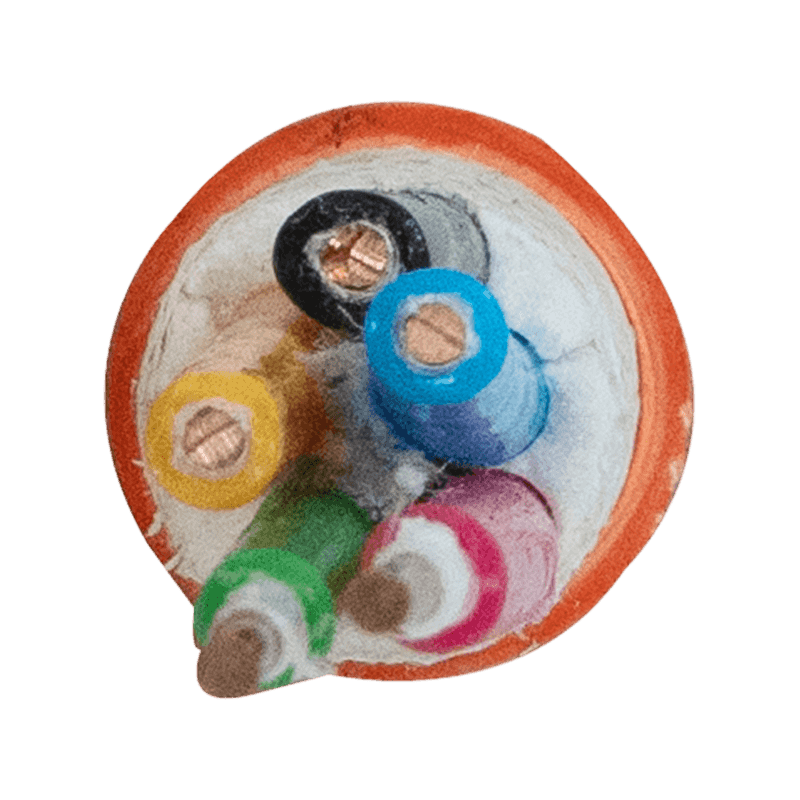
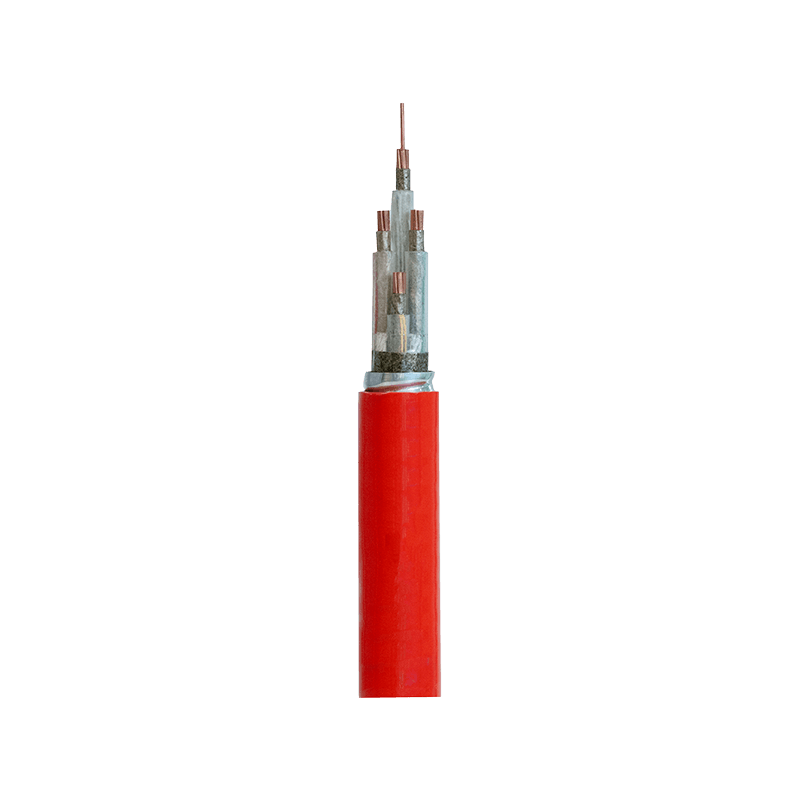
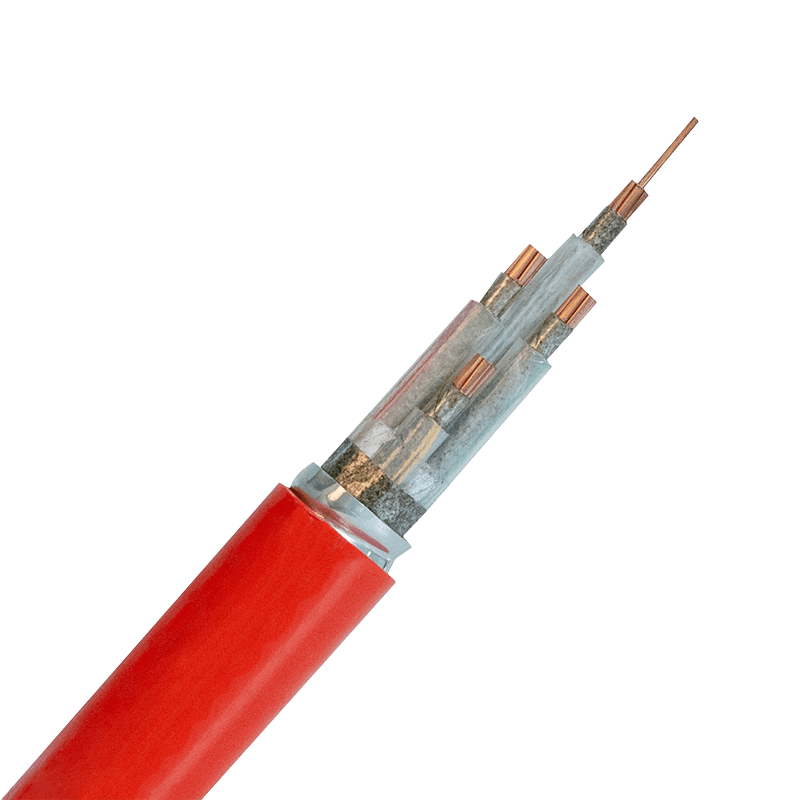
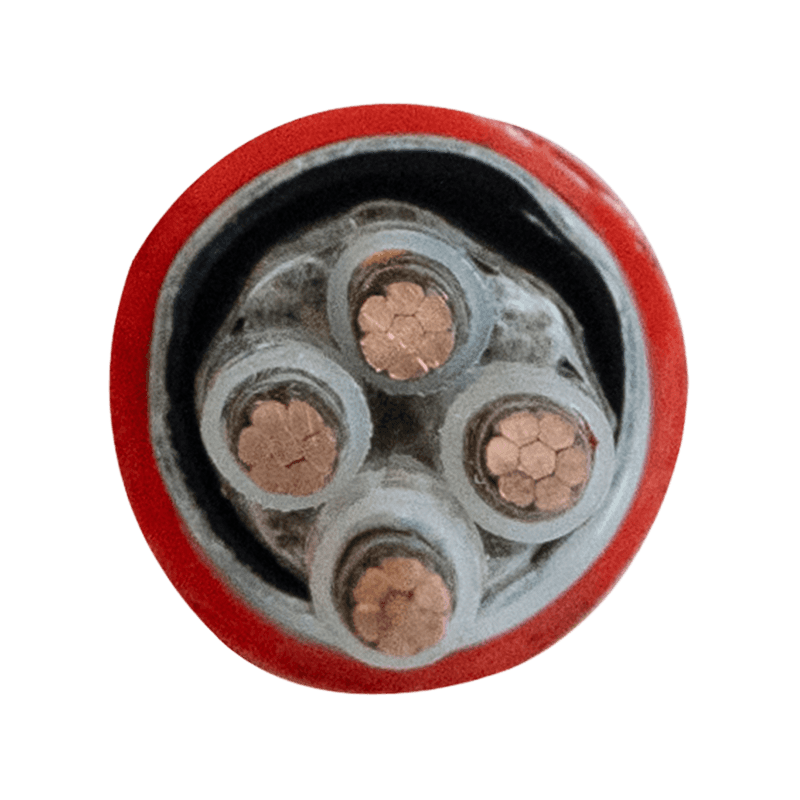
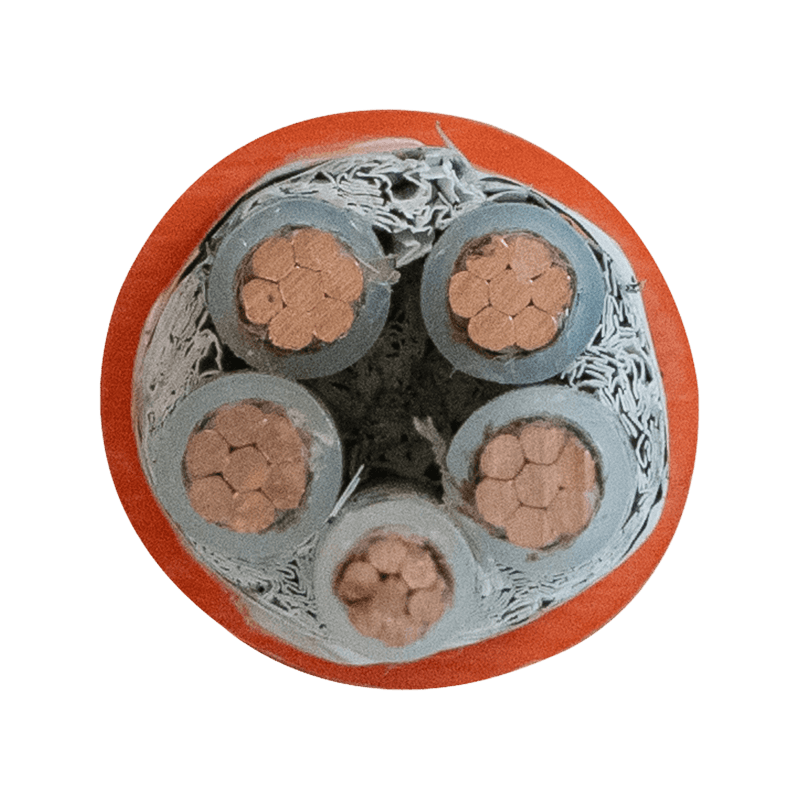
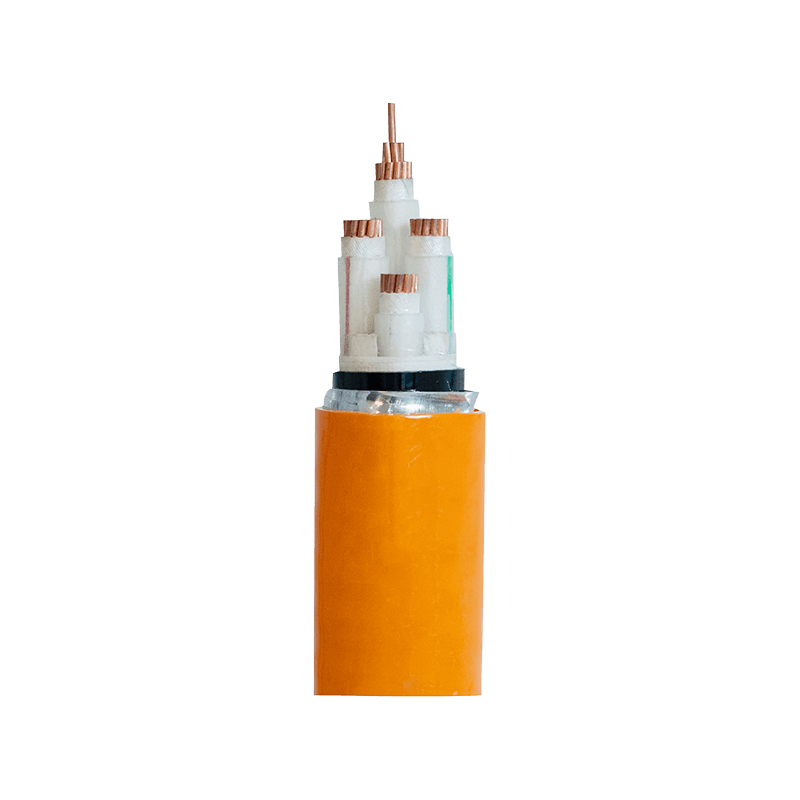
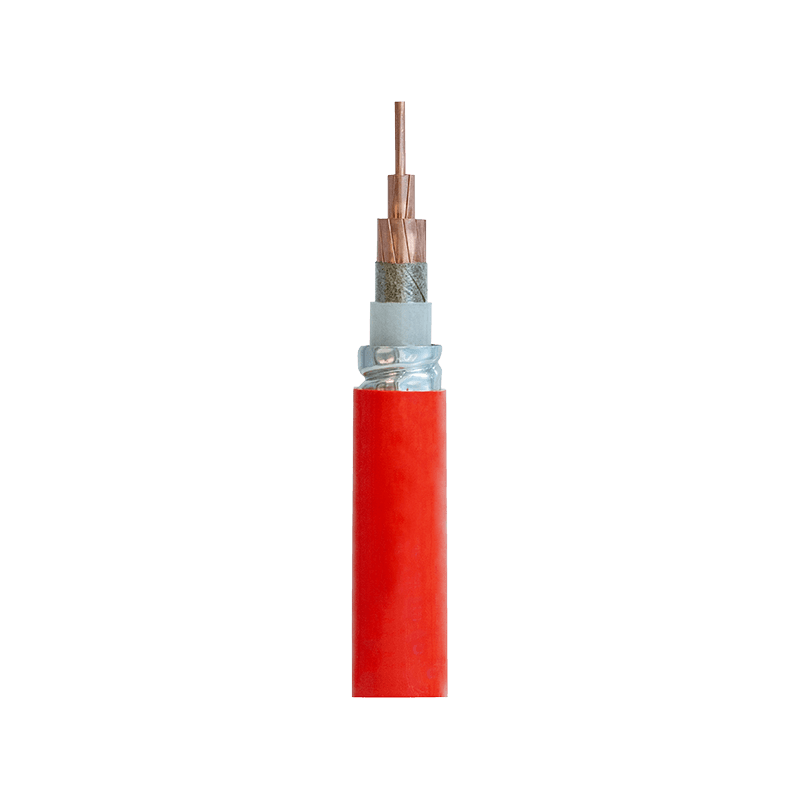
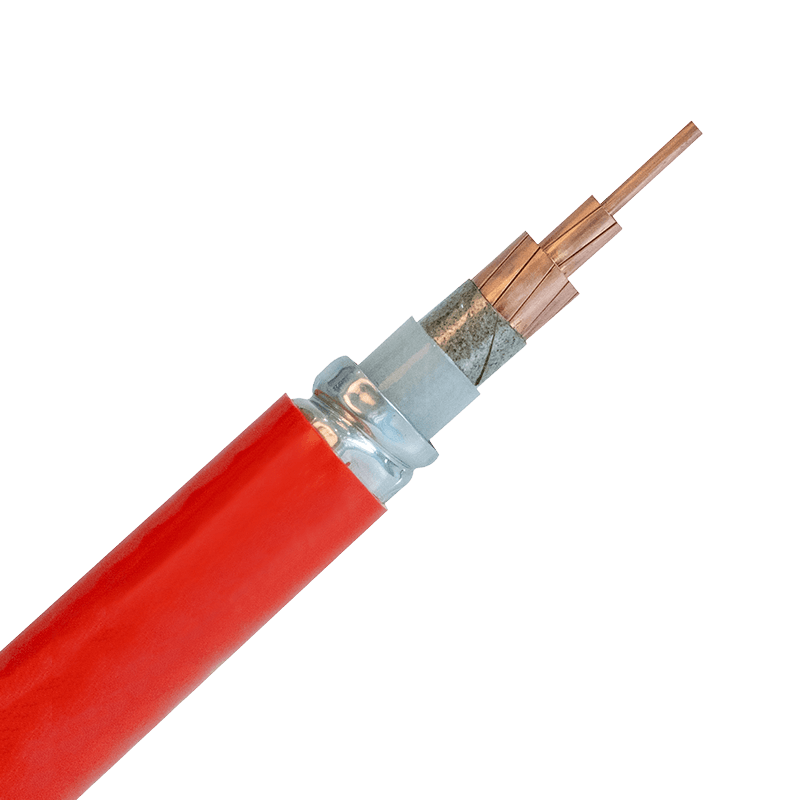
Material combinations are often layered strategically to achieve multi-functional protection. For example, a cable designed for robotics may combine fine-stranded copper conductors, TPE insulation, braided shielding for electromagnetic compatibility, and a polyurethane outer sheath to withstand repeated bending cycles. These layered designs ensure long operational life even in demanding dynamic applications.
Shielding Techniques Used in Special Cables to Reduce Electromagnetic Interference
Electromagnetic interference (EMI) is a significant concern in automation systems, communication networks, and high-precision electronic equipment. Special cables designed for these applications incorporate shielding structures to maintain signal integrity. Manufacturers such as Zhejiang Huapu Cable Co., Ltd. develop shielding configurations that are compatible with industrial automation environments where motors, drives, and switching equipment generate high levels of electromagnetic noise.
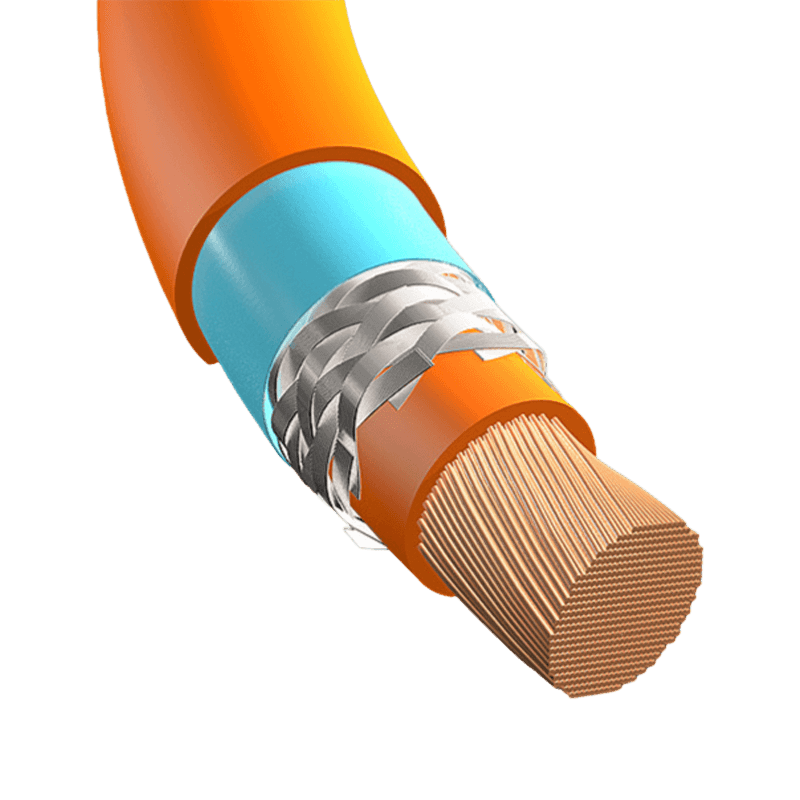
The purpose of shielding is twofold: preventing external electromagnetic fields from affecting internal signals, and preventing signals within the cable from radiating outward. Shielding effectiveness depends on material conductivity, coverage percentage, and grounding design. Braided copper shields provide excellent mechanical strength and flexibility, while aluminum-polyester foil shields deliver nearly 100% coverage against high-frequency interference.
| Shielding Type |
Typical Coverage |
Application Scenario |
| Copper Braid Shield |
70%–95% |
Industrial automation cables, servo motor wiring |
| Aluminum Foil Shield |
Nearly 100% |
Data communication cables and instrumentation wiring |
| Combination Shield |
High multi-frequency protection |
High-speed control systems and industrial networks |
A practical design consideration is grounding configuration. Improper grounding can convert shielding into an antenna, increasing interference rather than reducing it. Therefore, special cable designs typically include drain wires or dedicated grounding conductors to ensure stable signal performance across long cable runs.
Mechanical Design Features That Improve the Flexibility and Durability of Special Cables
In modern industrial equipment—such as robotic arms, automated warehouses, and CNC machinery—cables are subjected to constant bending, twisting, and mechanical vibration. These applications require special cables with enhanced mechanical resilience. Cable manufacturers located in industrial clusters, including Zhejiang Huapu Cable Co., Ltd. in the Deqing Economic Development Zone, often focus on mechanical design innovations that extend cable service life in dynamic environments.
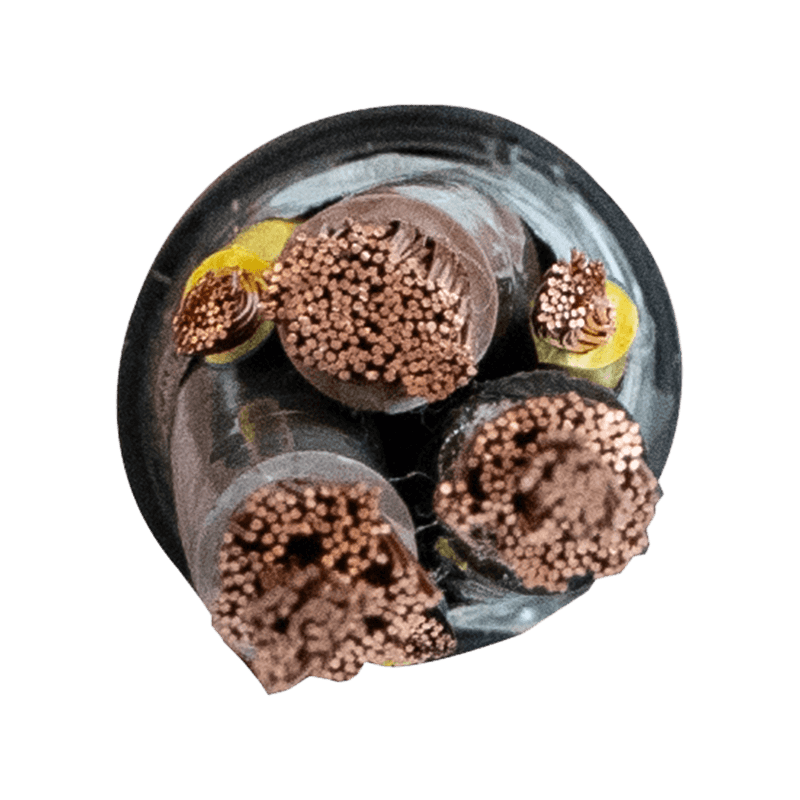
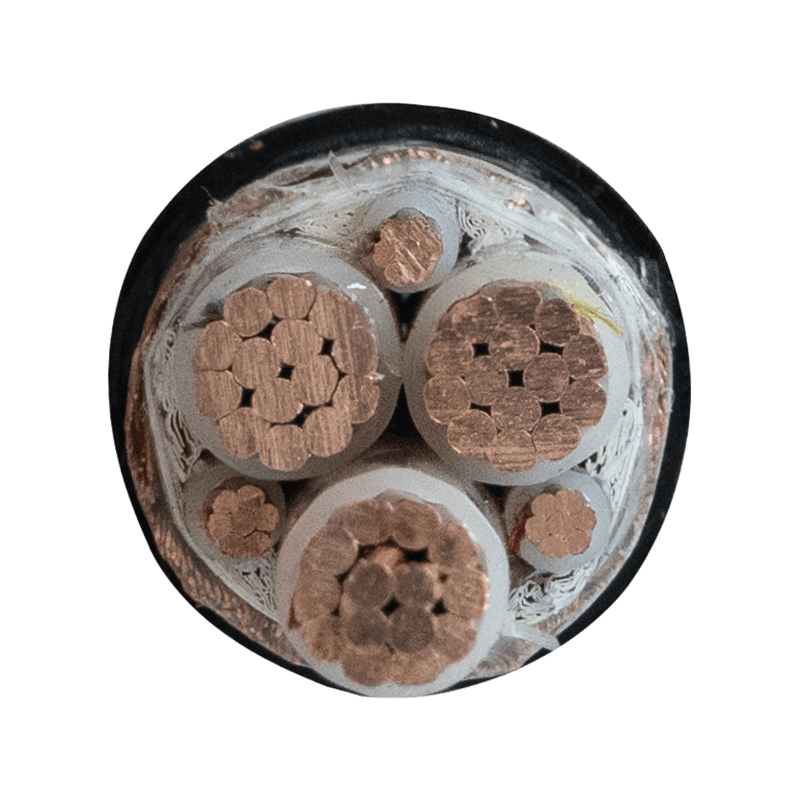
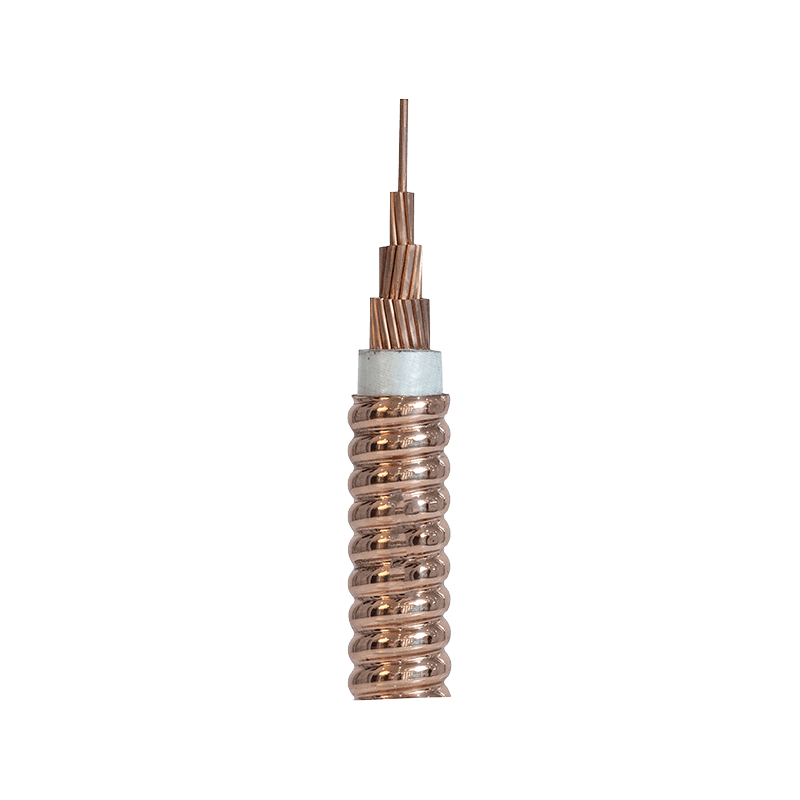
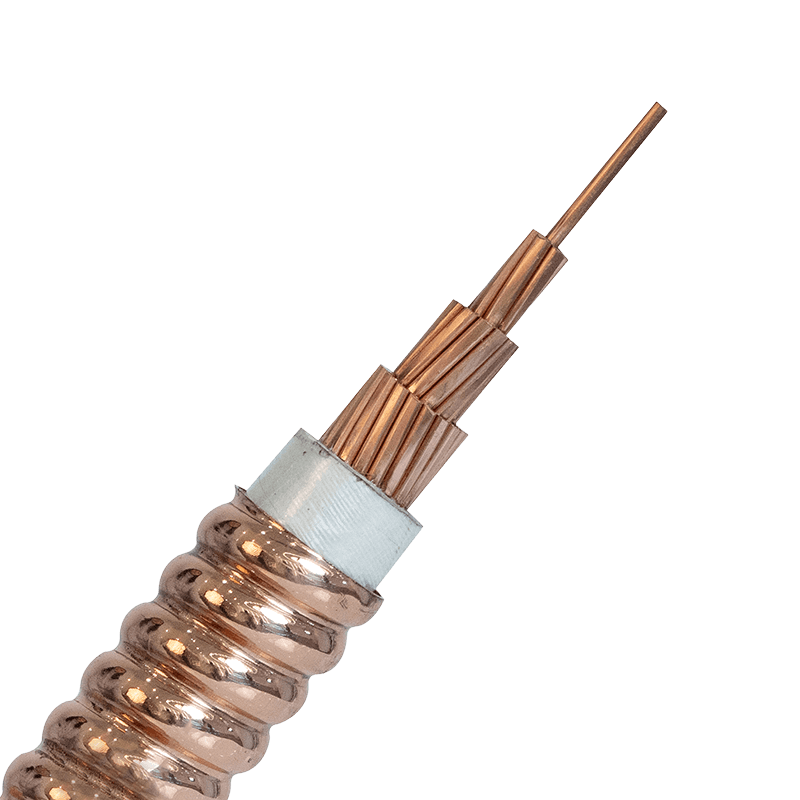
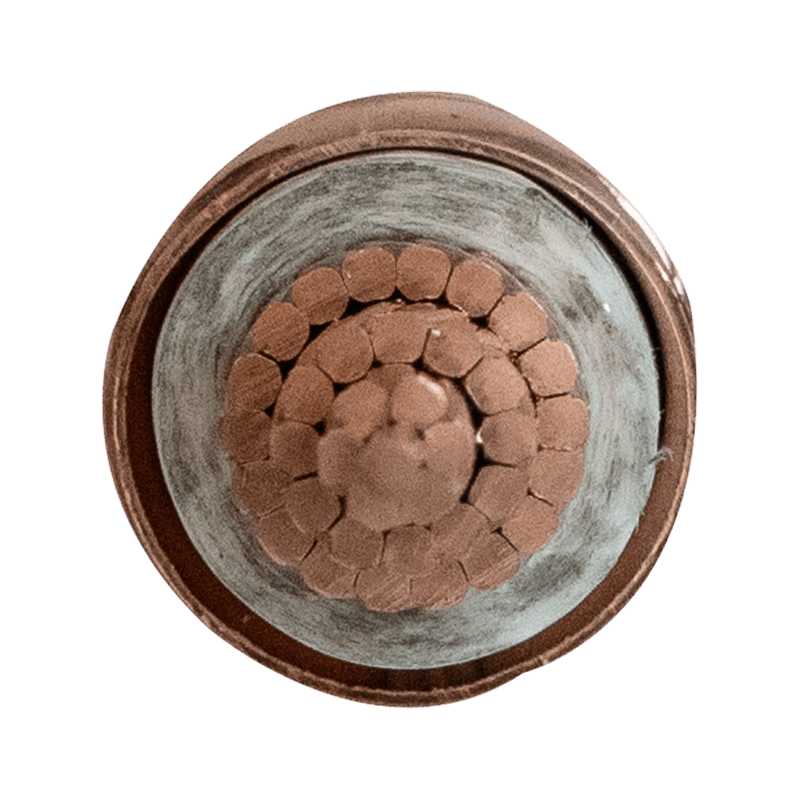
One critical factor is conductor structure. Instead of solid or coarse strands, highly flexible cables use ultra-fine copper strands arranged in multi-layer bundles. This structure distributes bending stress across many small wires, preventing conductor fatigue. Additionally, stranding methods such as reverse lay or rope stranding improve flexibility and reduce internal stress during repetitive movement.
- Fine-stranded copper conductors improve bending performance and reduce fatigue failure.
- Textile or aramid reinforcement layers increase tensile strength in drag-chain cables.
- Low-friction jacket materials help cables slide smoothly inside cable carriers.
- Optimized cable geometry prevents internal twisting during multi-axis movement.
Another important design detail is the use of fillers and separators. By maintaining consistent spacing between conductors, fillers prevent deformation when cables bend repeatedly. This structural stability reduces wear between internal components and helps maintain consistent electrical characteristics throughout the cable's lifespan.
Application-Oriented Design Considerations for Special Cables in Transportation and Energy Systems
Transportation infrastructure and energy distribution networks rely heavily on specialized cable solutions that meet strict safety and durability standards. Cable manufacturers operating near major logistics hubs—such as Zhejiang Huapu Cable Co., Ltd. in Zhejiang Province, positioned close to Hangzhou and major transportation routes—often supply cables for rail transit, renewable energy installations, and industrial power networks.
In rail transit systems, cables must be resistant to flame propagation, smoke emission, and mechanical vibration. Low-smoke zero-halogen (LSZH) materials are widely used in subway and railway wiring systems because they minimize toxic gas emissions during fires. For renewable energy projects such as wind farms or photovoltaic plants, cables must withstand ultraviolet radiation, moisture ingress, and long-term outdoor exposure.
Design considerations typically include environmental protection, safety performance, and long-term reliability. Engineers often evaluate cable structures according to specific operational risks associated with each infrastructure system.
- Rail transit cables require fire-resistant insulation and low-smoke jackets.
- Solar power cables need UV-resistant insulation and moisture barriers.
- Wind turbine cables must endure torsional stress caused by turbine rotation.
- Underground energy distribution cables often incorporate water-blocking tapes and armored layers.
By integrating application-specific features into cable structures, manufacturers ensure stable electrical performance even in demanding operational conditions. This approach allows special cables to support critical infrastructure systems while maintaining long service life and operational safety.

 en
en English