
 en
en English
 中文简体
中文简体 русский
 Español
 عربى
عربى
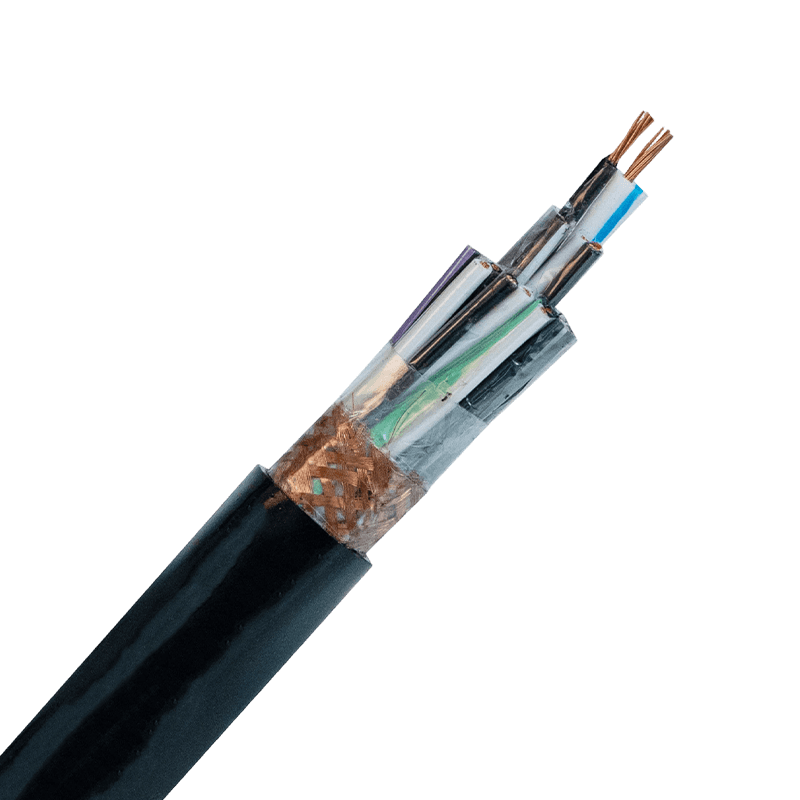
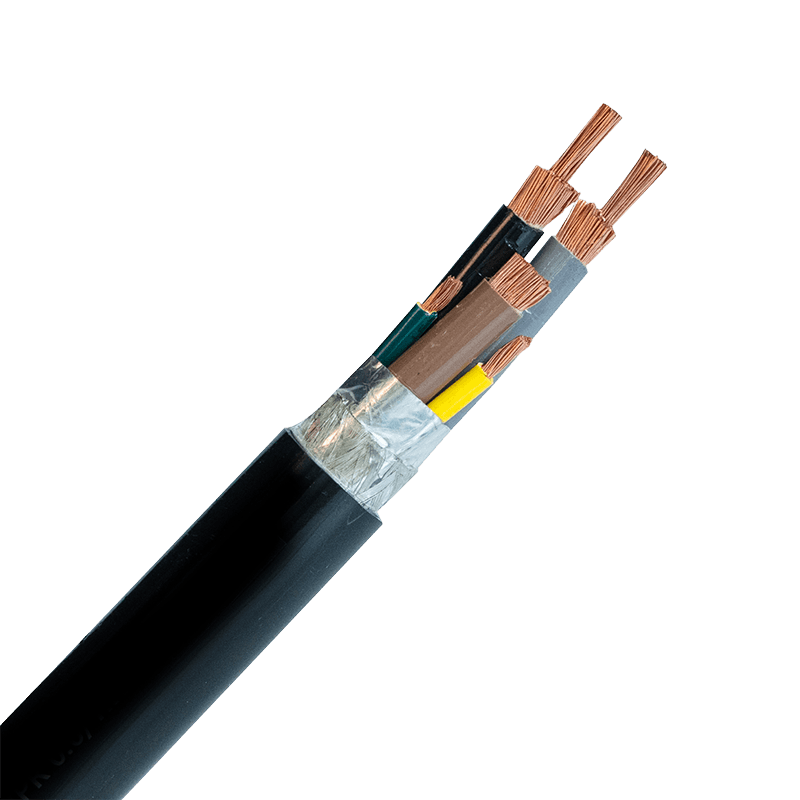
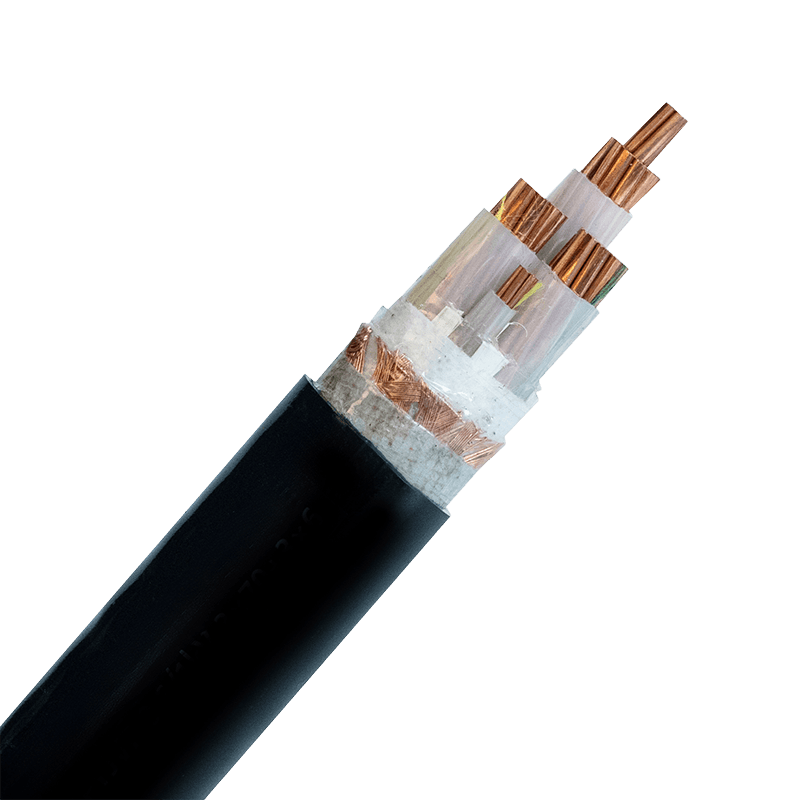
Structural Parameters
| Conductor | Copper |
| Insulation | XLPE |
| Filler | PP Filler Rope |
| Taping | Non-Woven Fabric |
| Shielding Layer | Al-Polyester Foil + Cu Tape / Cu Braid (360° full coverage, ≥85% coverage rate) |
| Sheath | PVC / LSZH |
| Max Conductor Temp. | 90°C |
| Bending Radius | 12–15D (fixed); 20D+ (flexing/moving application) |
| Core Configuration | 3 Cores + 3 Ground (symmetrical ground layout for EMI suppression) |
| Cross-Section Range | 1.5–400 mm² (AWG 16 – 1000 kcmil) |
| Conductor Flexibility | Class 2 / Class 5 |
Characteristic:
1. Resistant to voltage surges and frequency conversion pulses;
2. Excellent electromagnetic shielding, eliminating interference;
3. High temperature resistance, conductor operating temperature 90℃;
4. Good bending performance, minimum bending radius ≤ 15 times outer diameter.
Application:
1. Variable frequency control system with rated voltage of 10kV and below;
2. Connection between frequency converter and motor;
3. Industrial automation variable frequency equipment;
4. Power supply line for speed control system.
Description:
Meets enterprise standard Q/320282GAD016, possessing strong resistance to voltage surges and capable of withstanding frequency conversion pulse voltages; exhibits excellent electromagnetic shielding performance, effectively eliminating electromagnetic interference, reducing motor noise frequency, ensuring normal system operation, and guaranteeing safe and reliable use.
The cable conductor's maximum continuous operating temperature is 90℃, and the maximum temperature during a short circuit (lasting ≤5 seconds) is 250℃; the minimum allowable bending radius is not less than 15 times the cable's outer diameter; laying in ambient temperatures above 0℃ requires no preheating and is not limited by elevation differences, facilitating convenient construction.
Specifically designed for frequency conversion control systems with rated voltages of 10kV and below, it can be used as a power supply or electrical connection cable, precisely matching the specific operating requirements of frequency conversion systems.
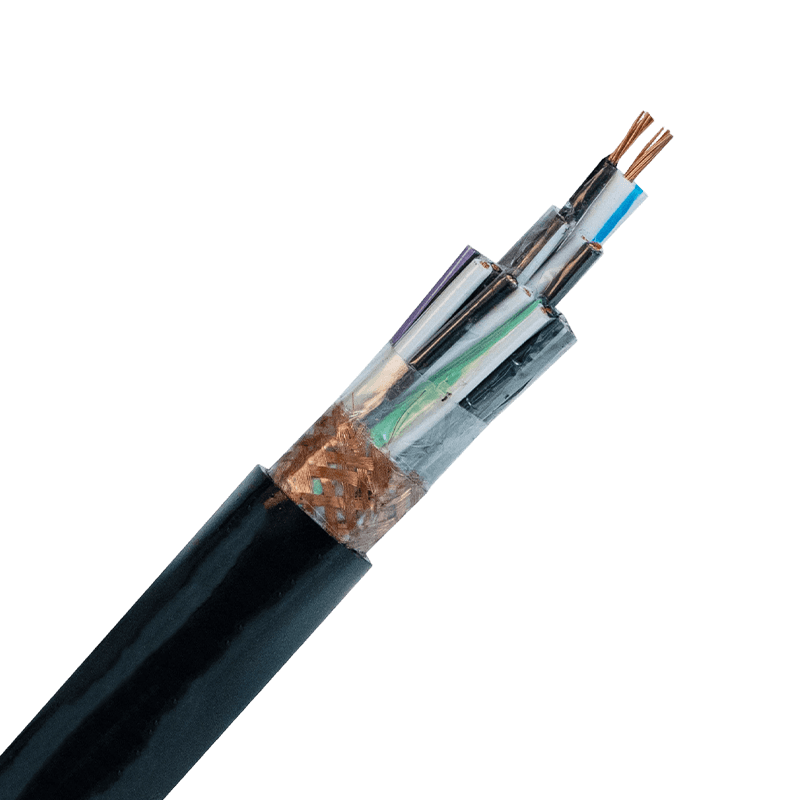
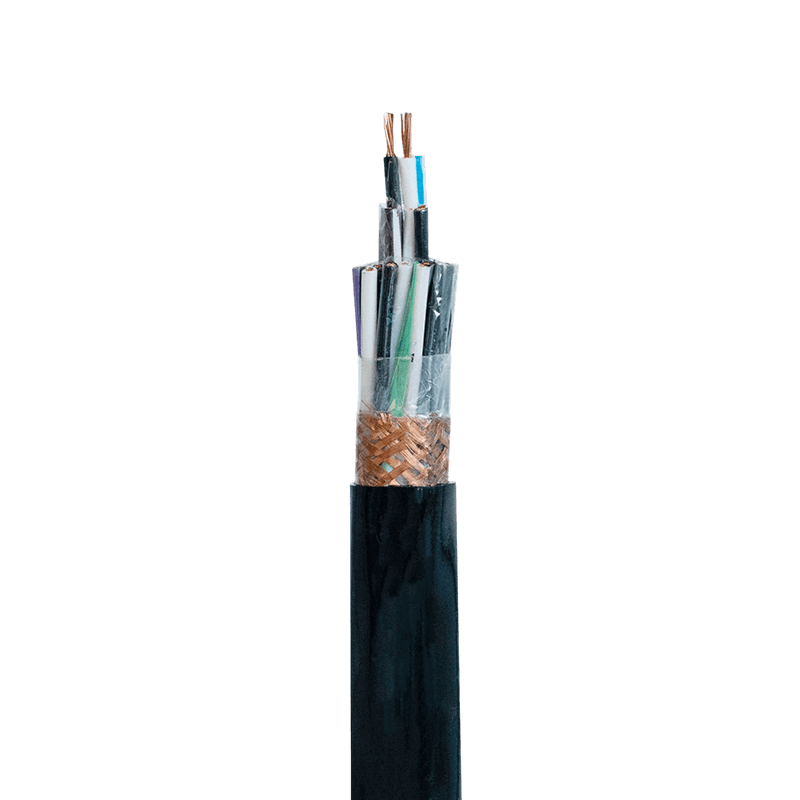
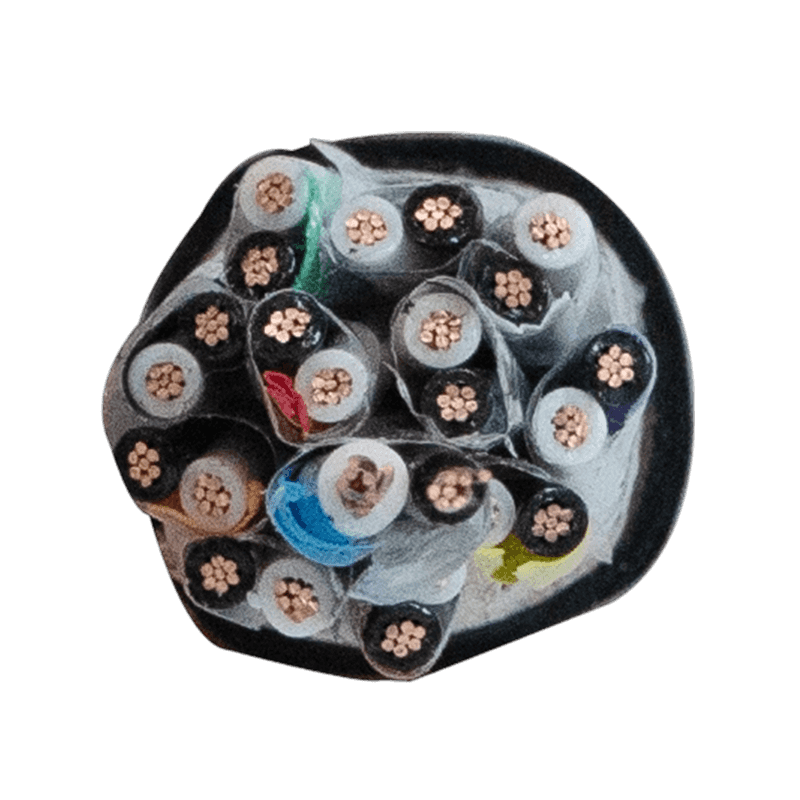
VFD (Variable Frequency Drive) Supply Cables
Obtain Quotations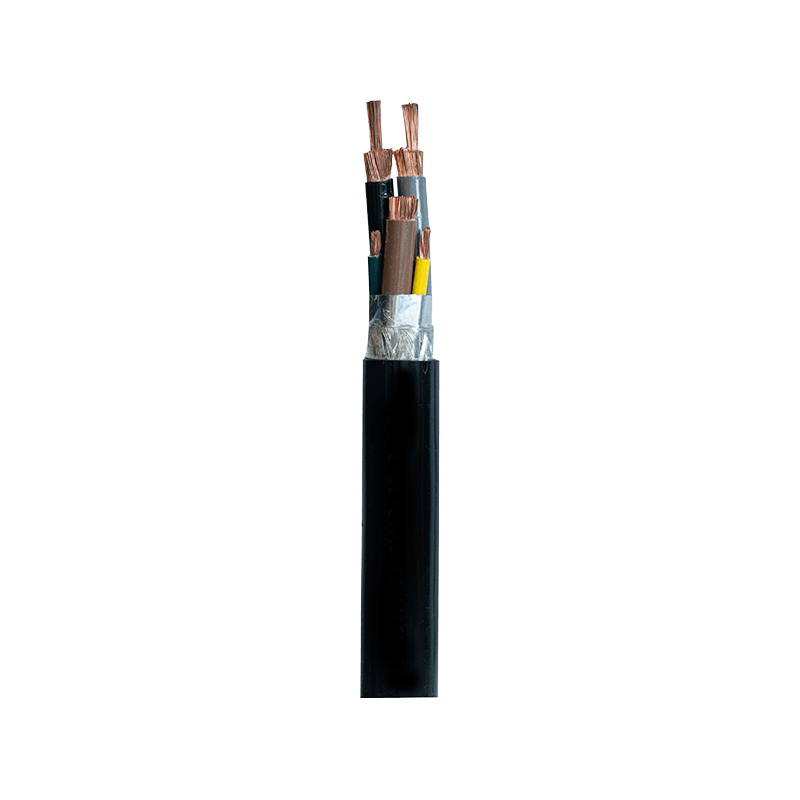
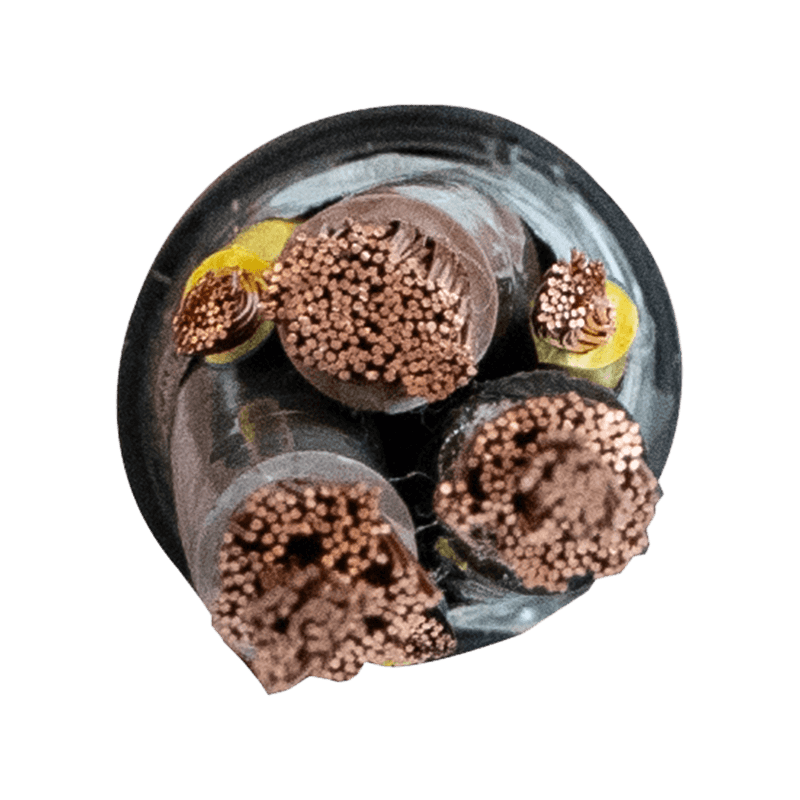
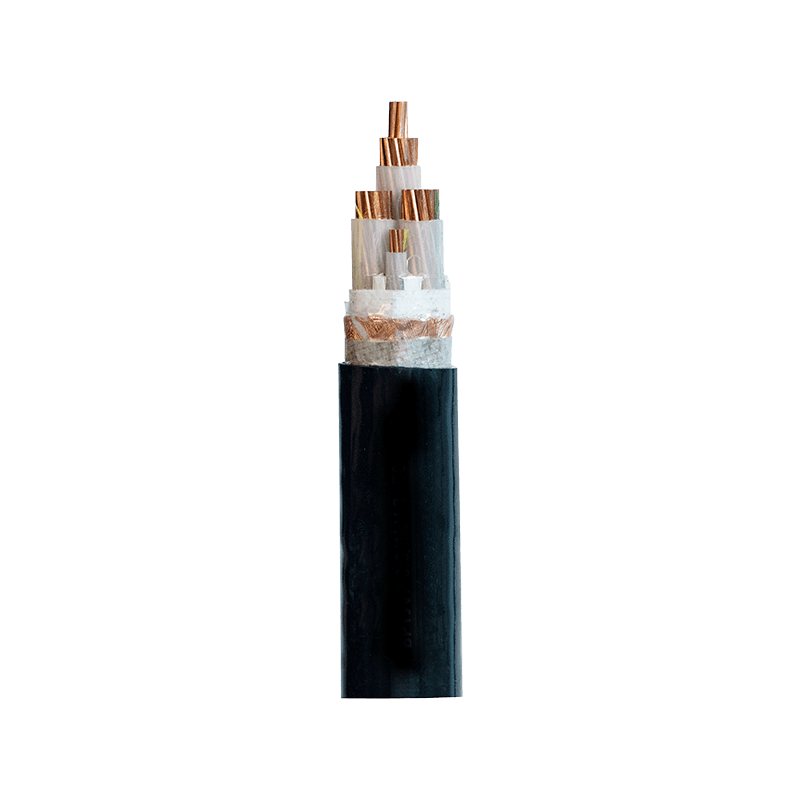
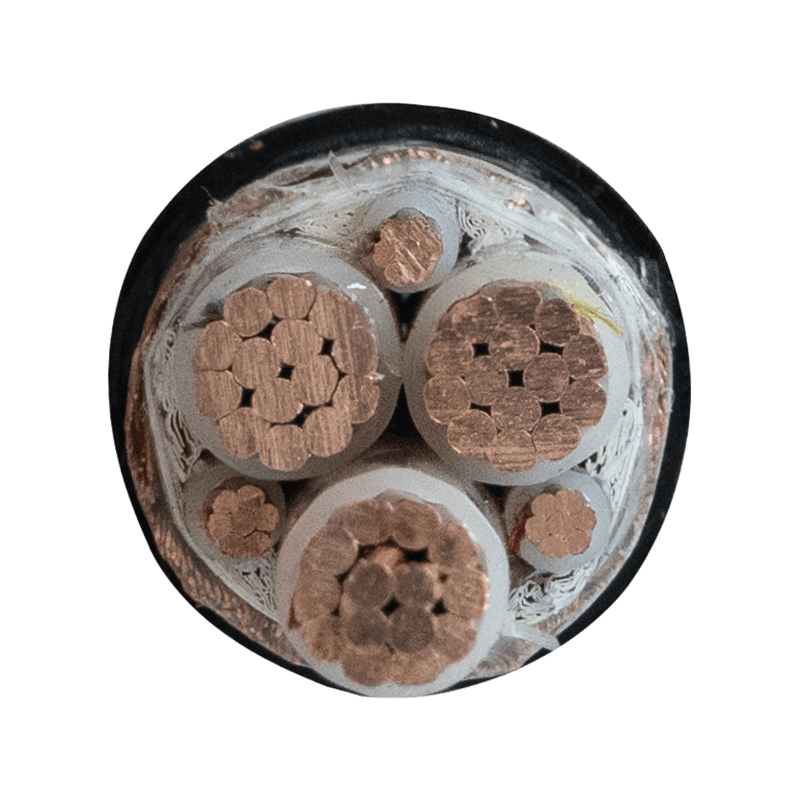
BPYJVPR 0.6/1KV 3*16+3*2.5
Obtain Quotations
0.6/1 kV Variable Frequency XLPE Cable (Class 5 Conductor)
| Conductor | Copper |
| Insulation | Cross-linked Polyethylene |
| Filling | Polypropylene-filled Rope |
| Bag strap | Non-woven Fabric |
| Shielding layer | Overall Bare Copper Wire Shield |
| Sheath | PVC |
| Highest temperature of conductor | 90 |
| Bending radius | 12-15D |
BPYJVP 0.6/1KV 3*70+3*6
Obtain Quotations
0.6/1 kV Variable Frequency XLPE Cable
| Conductor | Copper |
| Insulation | Cross-linked Polyethylene |
| Filling | Polypropylene-filled Rope |
| Bag strap | Non-woven Fabric |
| Shielding layer | Overall Bare Copper Wire Shield |
| Sheath | PVC |
| Highest temperature of conductor | 90 |
| Bending radius | 12-15D |
About us
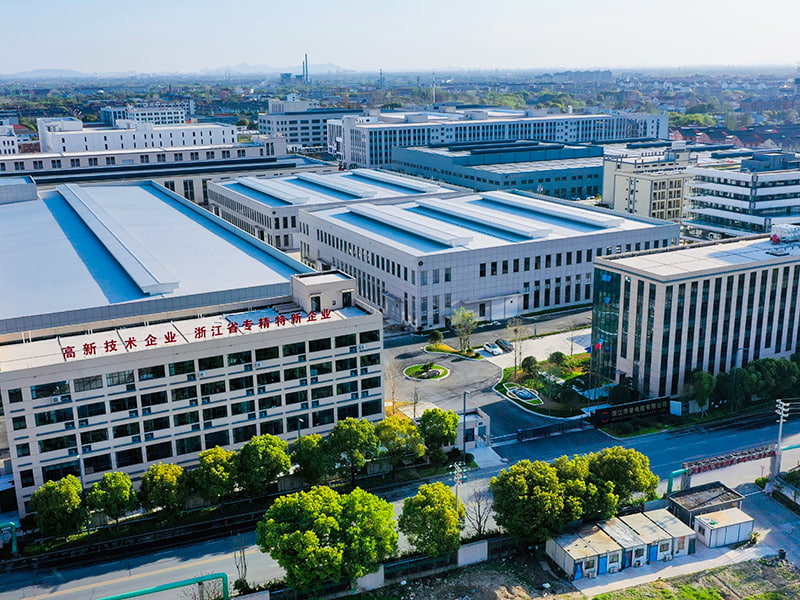
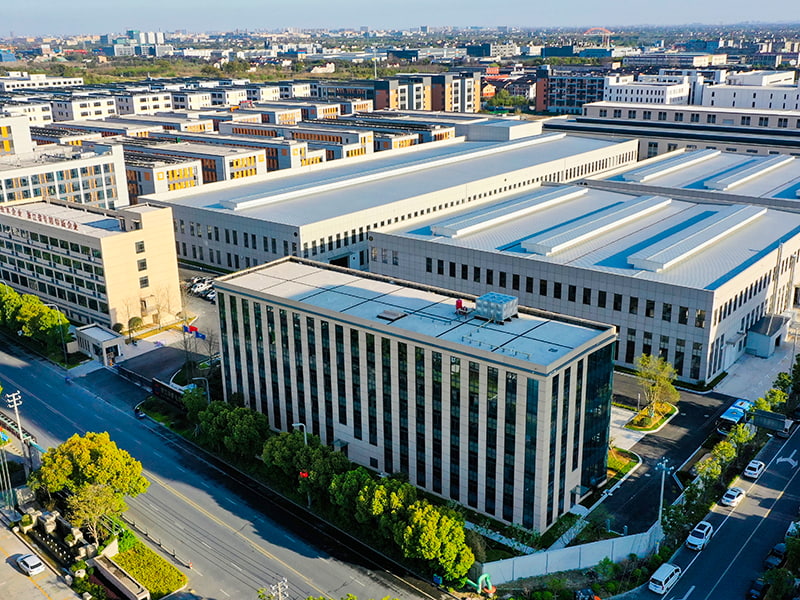
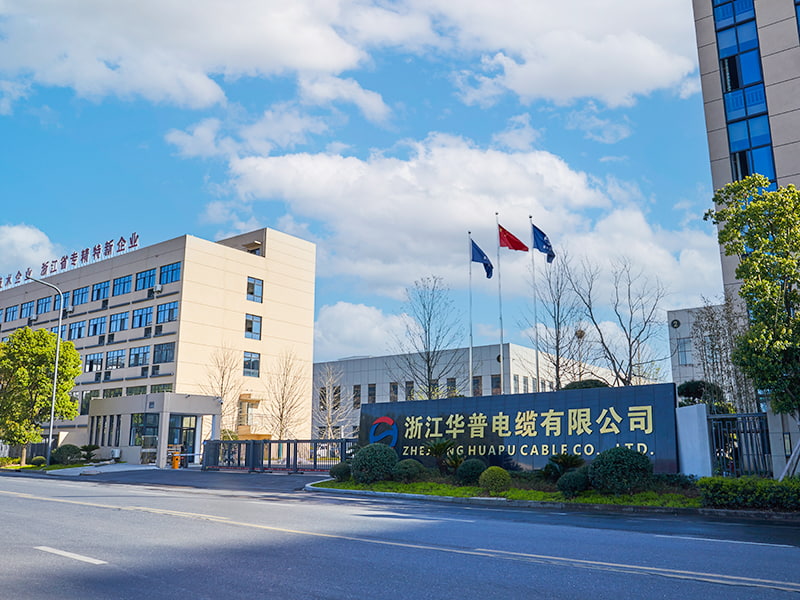
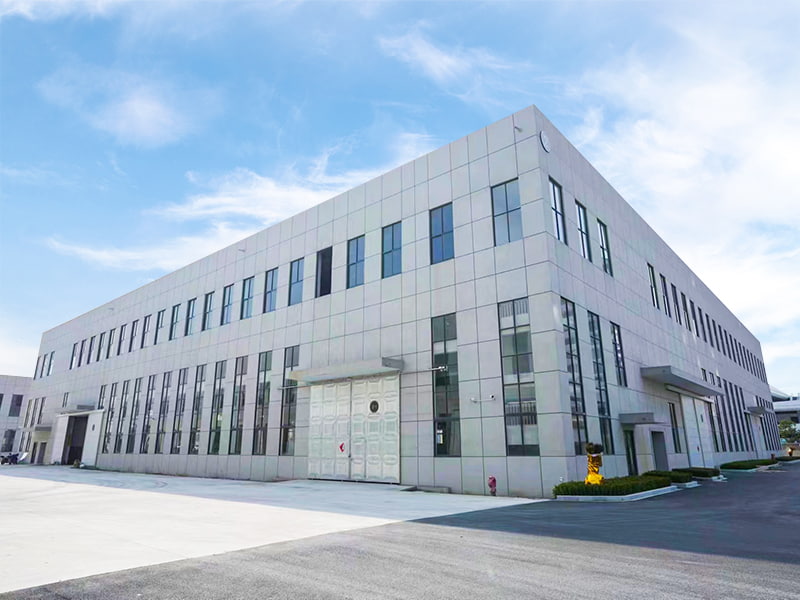
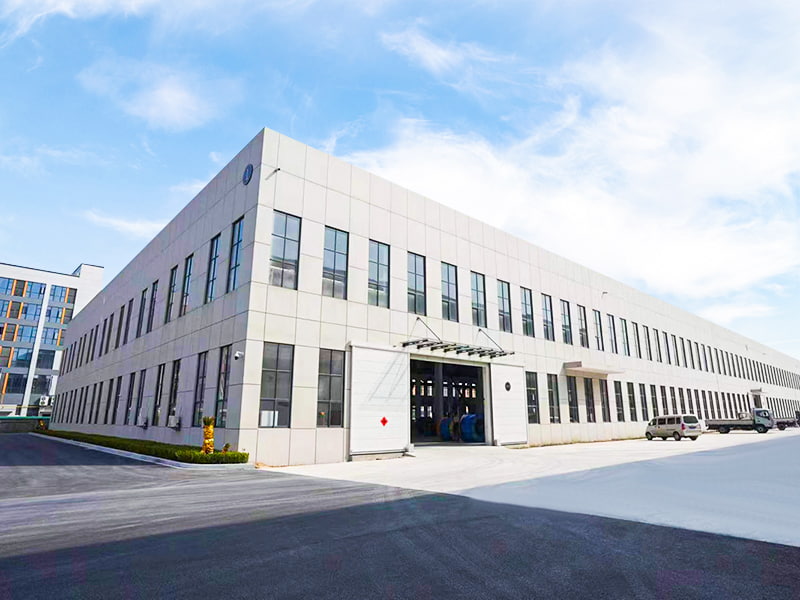
Zhejiang Huapu Cable Co., Ltd.
Zhejiang Huapu Cable Co., Ltd. is a professional wire and cable manufacturer integrating production, sales, R&D, and service. The company specializes in the production and development of a wide range of products, including cross-linked polyethylene and PVC insulated power cables, control cables, overhead cables, aluminum stranded wires, steel-cored aluminum stranded wires, building wires, general rubber-sheathed flexible cables, power plug cords, radio frequency cables, communication cables, computer cables, as well as special electrical equipment products such as low-smoke halogen-free, flame-retardant, fire-resistant, and fireproof cables.
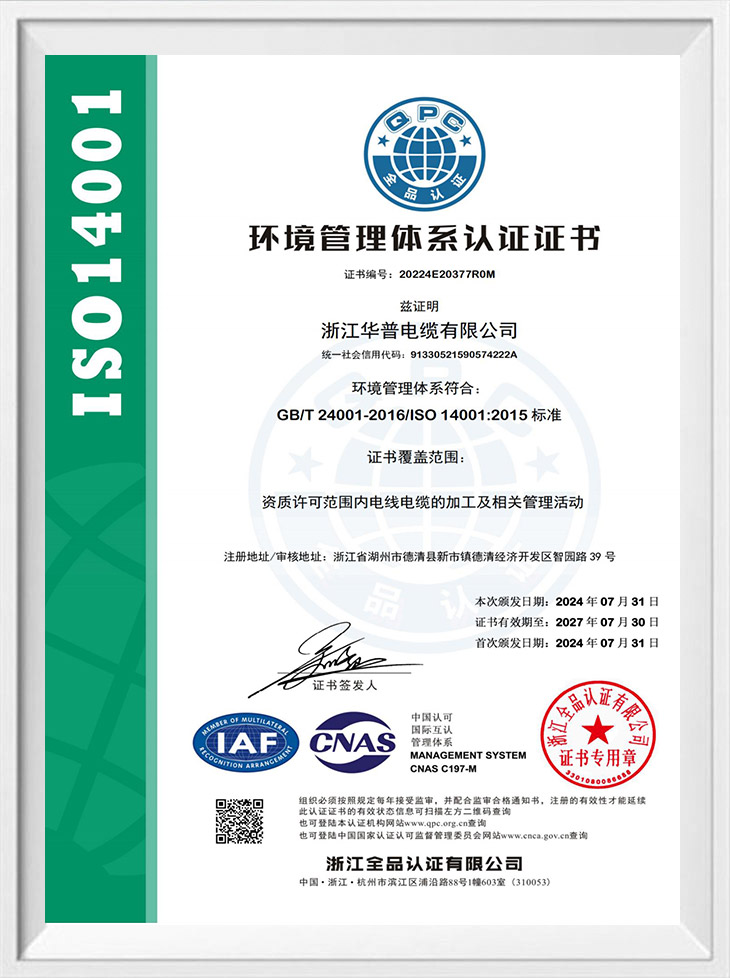
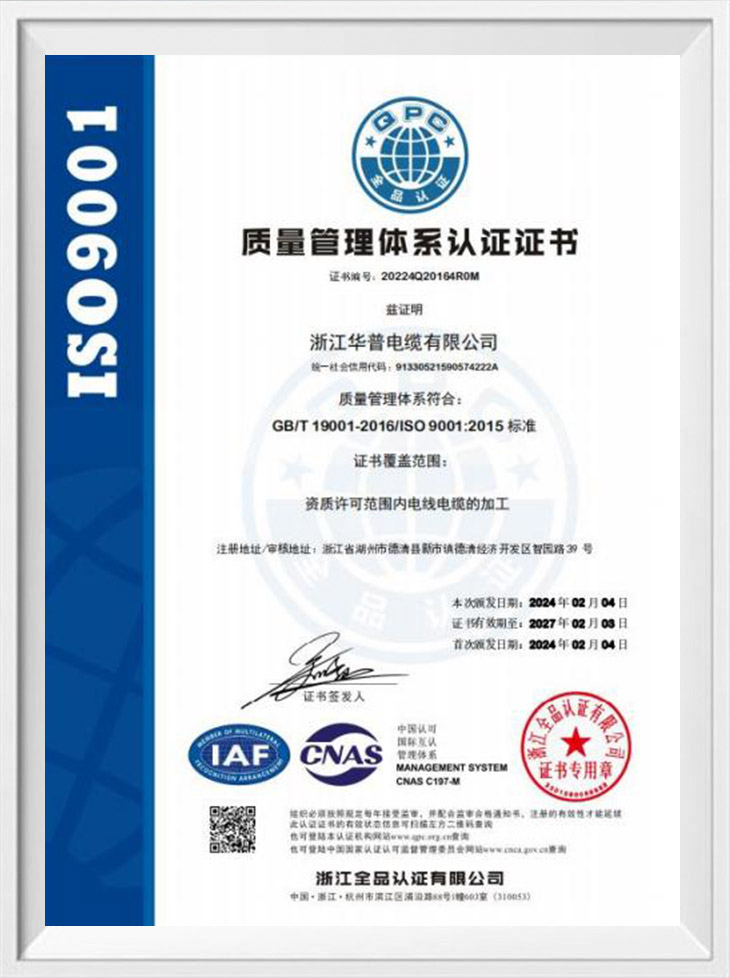
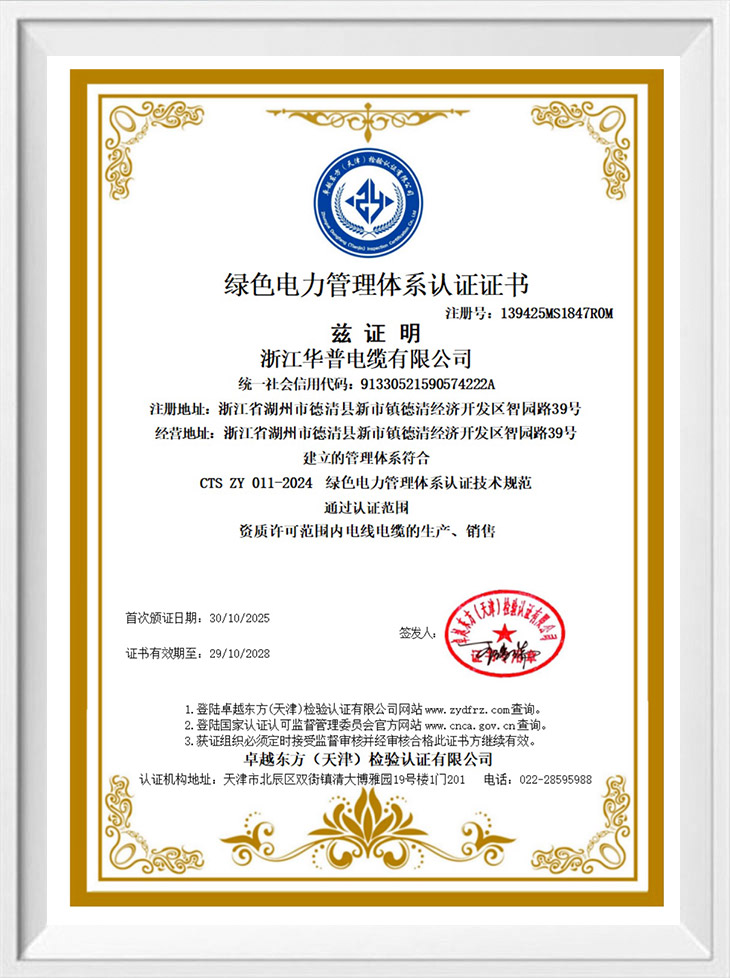
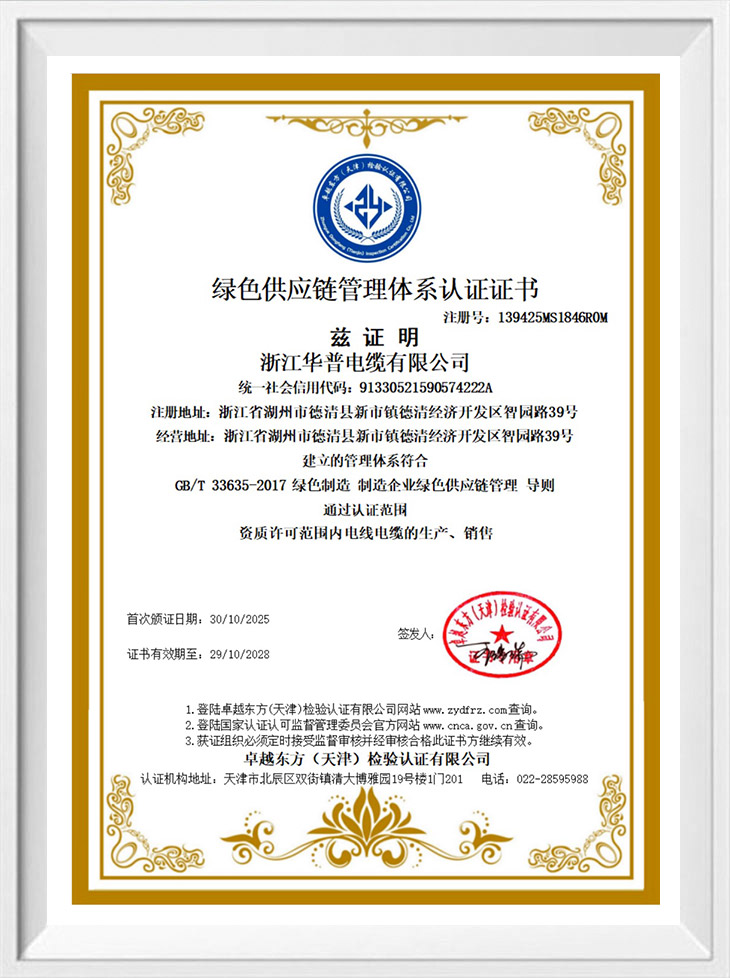
As VFD (Variable Frequency Drive) Supply Cables Manufacturers and VFD (Variable Frequency Drive) Supply Cables Suppliers in China, Equipped with advanced technology, robust technical expertise, comprehensive testing capabilities, and well-equipped laboratory facilities, the company operates modern production lines and utilizes state-of-the-art inspection and testing equipment. It has obtained certifications including National High-Tech Enterprise recognition, ISO 9001 Quality Management System, ISO 14001 Environmental Management System, OHSAS 18001 Occupational Health and Safety Management System, "Zhejiang Manufacturing" standards, and China Compulsory Product (CCC) certification. The company also holds a National Industrial Product Production License.
As VFD (Variable Frequency Drive) Supply Cables Factory and Variable Frequency Drive Power Cable with Rated Voltage 6kV and Below Suppliers, the company has established a comprehensive management system, firmly believing that superior quality is the key to customer satisfaction and market success, which helps build a high-end brand image. Based on customer needs, the company continuously strives for innovation to maximize benefits for its clients.
Guided by the principles of rigor, efficiency, integrity, pragmatism, humility, and unity, the company aims to become a global advocate for green and environmentally friendly products. While providing top-tier wire and cable products, supply Custom Variable Frequency Drive Power Cable with Rated Voltage 6kV and Below, it is committed to collaborating with partners from all sectors through scientific management, standardized production, premium quality, satisfactory service, and an outstanding reputation to achieve mutual success.
-

0 01
Company registered
-

0m² 02
Factory area
-

003
Employees
-

USD0million04
Annual Sales Volume
HIGH STANDARD HONOUR
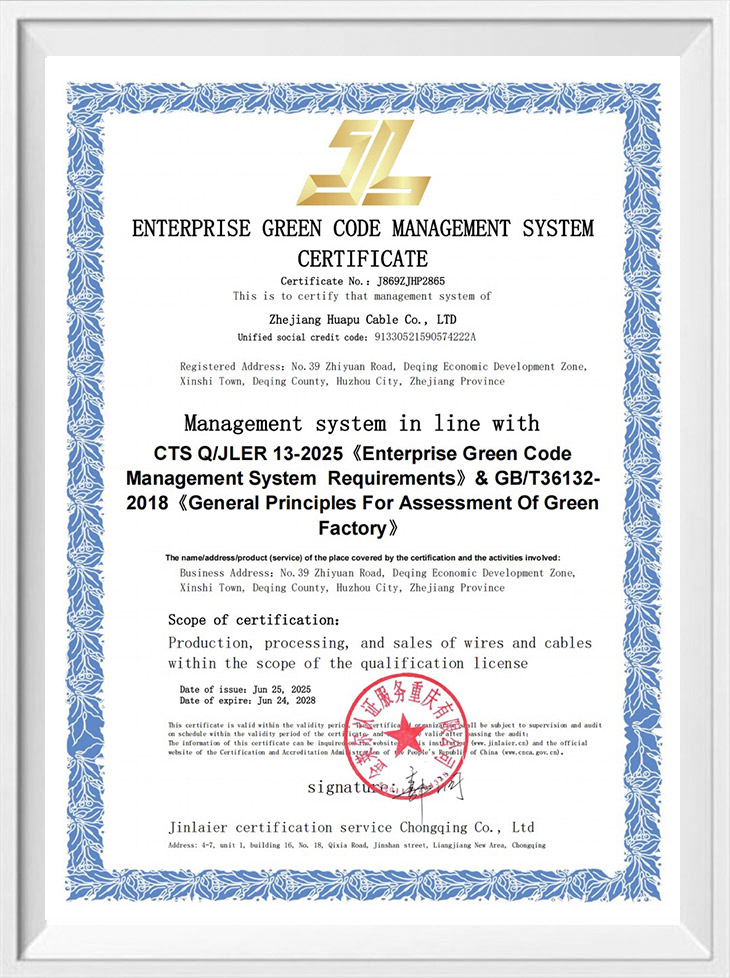
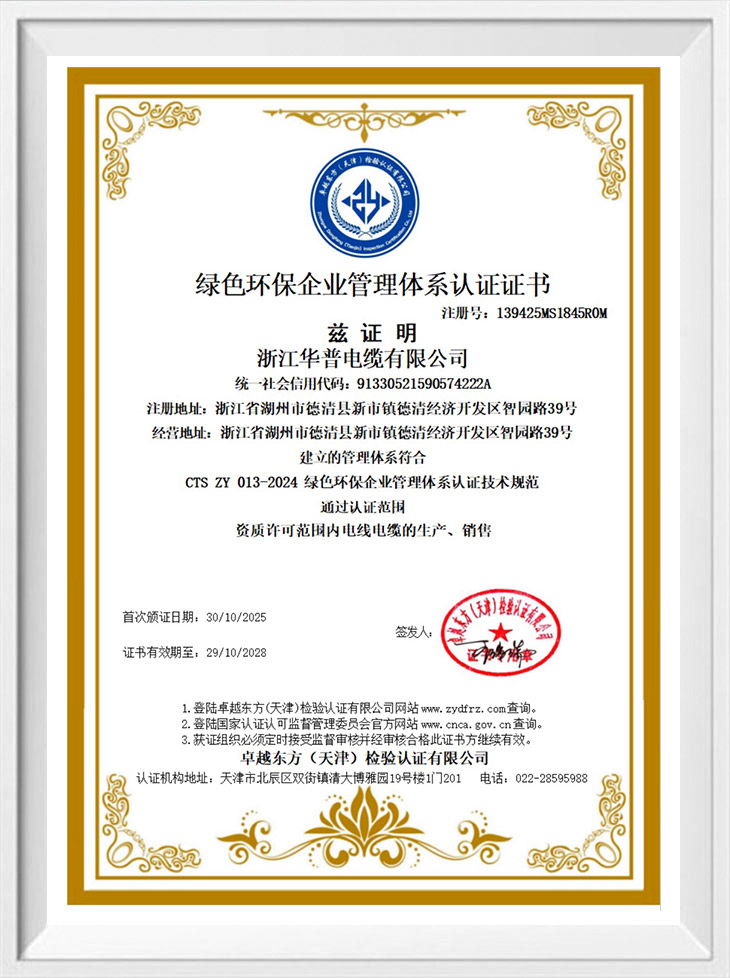
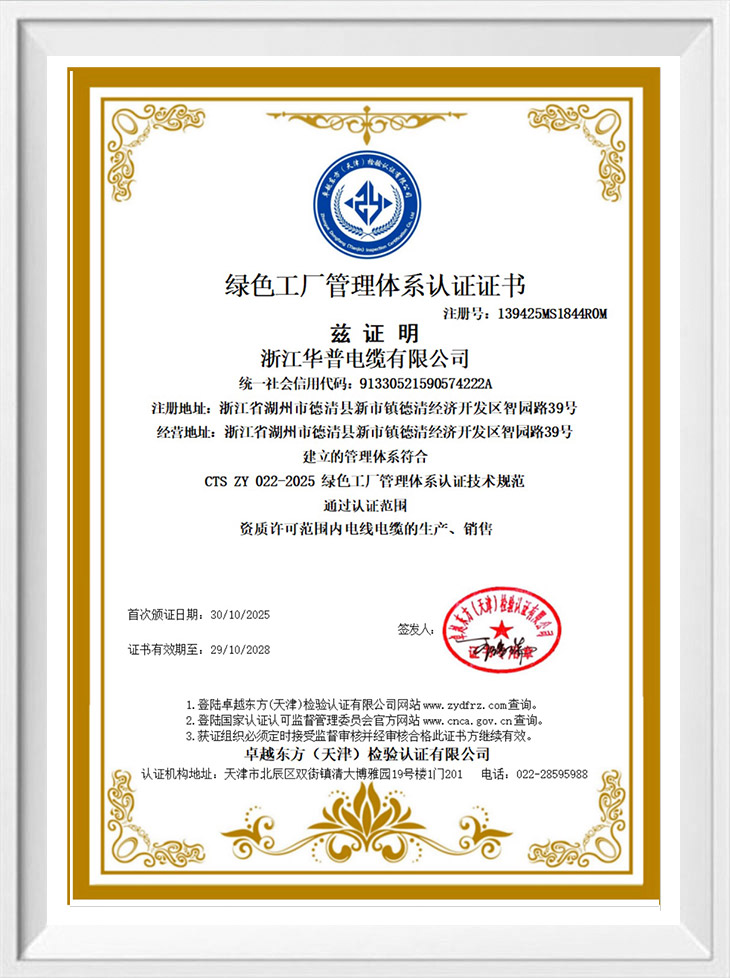
Environmental protection certification and standards
News & Blog

Industry knowledge
Why Standard Power Cables Fail in VFD Applications
Variable Frequency Drive (VFD) cables operate in an electrically hostile environment that conventional power cables are not designed to survive. When a VFD converts fixed-frequency AC power into variable-frequency output, it does so through rapid switching of IGBTs (Insulated Gate Bipolar Transistors) at carrier frequencies typically ranging from 2 kHz to 16 kHz. Each switching event generates steep-fronted voltage pulses with rise times as short as 0.1 to 1 microsecond and peak voltages that can reach 2 to 3 times the nominal DC bus voltage due to cable impedance mismatches and reflected wave phenomena. A standard XLPE or PVC insulated power cable subjected to this repetitive high-dV/dt stress will experience accelerated partial discharge activity within the insulation, leading to premature dielectric breakdown — often within months rather than the expected decades of service life. Variable Frequency Drive Power Cable with Rated Voltage 6kV and Below are specifically engineered with reinforced insulation systems, symmetrical grounding conductor arrangements, and low-capacitance construction to withstand these electrical stresses across their full rated service life.
Reflected Wave Voltage and How Cable Length Amplifies the Problem
One of the most underestimated risks in VFD installations is the reflected wave effect, which becomes increasingly severe as the cable run between the drive and motor grows longer. When a fast-rising voltage pulse travels down the cable and encounters the motor terminals — which present a high impedance relative to the cable's surge impedance — a portion of the pulse reflects back toward the drive. The superposition of the incident and reflected waves can produce peak voltages at the motor terminals significantly above the drive output voltage. For a 460 V drive system, terminal voltages exceeding 1,200 V are not uncommon on long cable runs. The critical cable length at which this effect becomes damaging depends on the drive's switching rise time and the cable's propagation velocity. As a general guideline, cable runs exceeding 50–100 meters with fast-switching drives (rise times below 0.5 µs) should be treated as high-risk without mitigation. Solutions include installing output reactors or dV/dt filters at the drive, using cables with higher surge impedance, or selecting Variable Frequency Drive power cables with grounding conductors arranged symmetrically to reduce the cable's characteristic impedance mismatch with the motor.
Symmetrical Grounding Conductor Arrangement: The Structural Core of VFD Cable Design
The defining structural feature of a purpose-built Variable Frequency Drive (VFD) cable — as opposed to a repurposed tray cable or standard motor feeder — is the symmetrical arrangement of its grounding conductors. Rather than a single ground wire offset to one side, a true VFD cable incorporates three symmetrically placed grounding conductors (or a full-coverage copper tape shield plus three ground conductors) surrounding the three phase conductors. This geometry serves two critical functions. First, it provides a low-impedance, high-frequency return path for common-mode currents generated by the VFD's switching action, confining them within the cable rather than allowing them to flow through the motor frame, bearings, and connected mechanical structures. Second, the symmetry ensures that the capacitive coupling from each phase conductor to the overall shield is equal, which reduces the net common-mode current injected into the ground system. At Zhejiang Huapu Cable Co., Ltd., our VFD cable constructions are developed with this symmetrical architecture as a non-negotiable design requirement, validated through our in-house laboratory with high-frequency impedance measurement equipment.
Insulation Voltage Ratings and Partial Discharge Performance at 6kV and Below
For Variable Frequency Drive power cables with rated voltage 6kV and below, the insulation system must be evaluated not just at power frequency (50/60 Hz) but under the pulse conditions that the VFD actually generates. The IEC 60034-17 and IEC 60034-25 standards address inverter-fed motor winding insulation, and their requirements cascade directly into the cable insulation specification. Partial discharge (PD) inception voltage (PDIV) is the key metric: the voltage at which self-sustaining ionization begins within voids or contaminants in the insulation. For medium-voltage VFD cables at 6kV class, the insulation is typically cross-linked polyethylene (XLPE) with a wall thickness designed to keep operating electrical stress well below the PD inception threshold even under pulse conditions. Type testing per IEC 60502-2 for 6kV cables includes AC voltage withstand at 3.5 × U0 for 5 minutes and partial discharge measurement at 1.73 × U0, but responsible manufacturers additionally perform impulse voltage tests that simulate the fast-rising pulses from VFD switching — a test not always required by the base standard but essential for confirming real-world reliability in drive applications.
Common-Mode Choke Compatibility and Its Implications for Cable Capacitance
Many VFD installations incorporate common-mode chokes (also called common-mode reactors) at the drive output to attenuate high-frequency common-mode noise before it enters the motor cable. The effectiveness of a common-mode choke is directly coupled to the cable's phase-to-ground capacitance: a cable with high distributed capacitance will partially bypass the choke at high frequencies, reducing its attenuation performance. This creates a design tension — the cable shield is necessary for EMC compliance and bearing current mitigation, but a heavy copper tape shield increases the phase-to-screen capacitance, which degrades choke performance. Variable Frequency Drive cables designed for compatibility with common-mode filtering typically use a braided shield or three discrete symmetrical ground conductors rather than a full-coverage tape, achieving adequate shielding effectiveness while keeping distributed capacitance to ground in the range of 100–300 pF/m. When specifying a VFD cable for an installation that includes common-mode filtering hardware, the cable manufacturer's published capacitance data per unit length should be cross-referenced with the choke manufacturer's recommended cable capacitance limits to ensure the system functions as designed.
Bearing Current Mechanisms and the Role of Cable Shield Grounding Practice
Premature motor bearing failure in VFD-driven systems is a well-documented problem, and the Variable Frequency Drive (VFD) cable's shielding and grounding arrangement is a primary variable in whether bearing currents cause damage. There are three distinct bearing current mechanisms, each with different mitigation requirements:
- Capacitive discharge currents (EDM currents): Caused by common-mode voltage building up on the rotor shaft via stray capacitance and discharging through the bearing oil film. Mitigated by low-impedance shaft grounding brushes and cable shields bonded at both ends.
- High-frequency circulating currents: Induced in larger motors (typically above 100 kW frame size) by common-mode flux in the motor frame. Require insulated non-drive-end bearings in addition to proper cable shielding.
- Common-mode ground currents: Flow through the motor frame to ground via the lowest impedance path available. A 360° low-impedance shield termination at both drive and motor ends — achieved with proper EMC cable glands rather than pigtail connections — is essential to keep these currents confined to the cable shield rather than motor structures.
The cable's shield termination method matters as much as the shield's coverage and conductivity. A pigtail ground connection — where the shield is folded back and twisted into a wire — introduces significant inductance at high frequencies, effectively negating the shield's effectiveness above a few hundred kilohertz. EMC cable glands that make circumferential contact with the shield braid or tape are the correct termination method for VFD cable installations where bearing current mitigation is a priority.
Comparing VFD Cable Construction Types by Application Suitability
Not all Variable Frequency Drive cables are constructed identically, and the right construction depends on the specific application parameters including voltage class, cable length, installation environment, and EMC requirements. The following table outlines the primary construction types and their appropriate use cases:
| Construction Type | Shield Configuration | Voltage Class | Best Suited For | Limitation |
| 3 symmetrical PE conductors + overall braid | Braid (75–85% coverage) | ≤ 1kV | General industrial VFD motor feeders, short-medium runs | Lower shielding effectiveness vs. tape at very high frequencies |
| 3 symmetrical PE conductors + copper tape + braid | Tape + Braid (>95% coverage) | ≤ 1kV | Sensitive EMC environments, long cable runs, high carrier frequency drives | Higher phase-to-ground capacitance; may reduce common-mode choke effectiveness |
| XLPE insulated, screened, armored | Individual core screens + overall wire armor | 3.6/6kV | Medium-voltage VFD drives in pumping stations, compressors, mining | Larger OD and weight; requires medium-voltage termination expertise |
| EPR insulated, overall copper wire screen | Copper wire screen | 3.6/6kV | High-flexibility applications, marine and offshore VFD systems | EPR compound cost premium; specialist sourcing required |
Thermal Derating in VFD-Fed Cables: Why Standard Ampacity Tables Do Not Directly Apply
Standard cable ampacity tables, as published in IEC 60364-5-52 or NEC 310, are calculated for sinusoidal current at 50 or 60 Hz. Variable Frequency Drive output current contains significant harmonic content — particularly odd-order harmonics (5th, 7th, 11th, 13th) plus the high-frequency switching ripple — which increases the cable's RMS current for the same fundamental-frequency load current and generates additional losses due to skin effect and proximity effect. At VFD carrier frequencies of 4–8 kHz, the skin depth in a copper conductor is only 0.7–1.0 mm, meaning that in larger cross-section conductors (50 mm² and above), only the outer annular region of the conductor carries high-frequency current effectively. This AC resistance increase at high frequencies can add 5–20% to the conductor's effective losses compared to DC or power-frequency operation, requiring a corresponding derating of the cable's continuous current capacity. For Variable Frequency Drive power cables with rated voltage 6kV and below operating at the upper end of their rated current, consulting the cable manufacturer's harmonic derating curves — rather than applying standard installation tables — is the technically correct approach to ensuring the cable operates within its thermal design limits.
EMC Compliance Requirements for VFD Installations and Cable's Role in Meeting Them
In industrial and commercial installations, VFD systems are subject to electromagnetic compatibility (EMC) regulations that limit the conducted and radiated emissions the drive system may inject into the power network and surrounding environment. In Europe, the IEC 61800-3 standard defines the applicable emission and immunity limits for variable speed drive systems, with different categories depending on whether the installation is in a first environment (public low-voltage network) or second environment (industrial). The Variable Frequency Drive (VFD) cable between the drive output and motor is a critical element in achieving compliance, because it is the primary conductor of high-frequency common-mode currents that would otherwise radiate or conduct back to the supply. A properly shielded VFD cable with 360° shield terminations at both ends, combined with an EMC-rated drive enclosure and input filter, can reduce conducted emissions by 20–40 dB compared to an unshielded cable installation. Third-party EMC test reports on the complete drive-cable-motor system are the most reliable basis for predicting compliance, as simulated or calculated results often underestimate the contribution of cable routing and termination quality. Backed by ISO 9001 certification and our comprehensive in-house testing laboratory, Zhejiang Huapu Cable Co., Ltd. provides shielding effectiveness test data for our VFD cable range to support customers' system-level EMC documentation.
Installation Practices That Determine Whether a VFD Cable Performs as Specified
Even a correctly specified Variable Frequency Drive power cable will underperform if installation practices compromise its design intent. Several field installation factors have an outsized impact on VFD cable system performance:
- Separation from signal and control cables: VFD output cables should be routed in dedicated conduit or cable trays, physically separated from low-voltage signal cables by at least 200–300 mm. Where crossings are unavoidable, they should be made at 90° angles to minimize capacitive coupling.
- Minimizing cable length: Every unnecessary meter of cable between drive and motor increases the reflected wave amplitude at motor terminals and the total common-mode current magnitude. Drive placement should be optimized during the design phase to minimize cable runs, particularly for 6kV medium-voltage VFD systems where cable cost and the consequences of reflected wave overvoltage are both substantially higher.
- Shield continuity through junction boxes: If a junction box is unavoidable mid-run, the cable shield must be continued through it with a 360° bonded connection, not interrupted and reconnected via a terminal block. Any break in shield continuity creates a high-impedance point for high-frequency currents that will radiate from the break point.
- Bending radius compliance: VFD cables with heavy shielding and armoring have specified minimum bending radii that, if violated during installation, can damage the shield's continuity or create localized insulation stress points. For screened and armored 6kV VFD cables, minimum bending radii of 12–15 times the overall cable diameter are typical; these should be confirmed from the manufacturer's datasheet before installation in confined spaces or cable trays with tight bends.
- Grounding at both ends vs. single-point grounding: VFD cables should be grounded at both the drive enclosure and the motor frame — unlike signal cables, which are often grounded at one end only to avoid ground loops. The high-frequency common-mode currents that the shield must carry require a return path at both ends; single-end grounding leaves the shield effective only for low-frequency electrostatic shielding, not for the HF noise management that VFD applications demand.
As a National High-Tech Enterprise with OHSAS 18001 and ISO 14001 certifications, Zhejiang Huapu Cable Co., Ltd. supports customers not only with compliant Variable Frequency Drive cable products but with application engineering guidance to ensure that installation practice preserves the performance our cables are designed to deliver.

Our Email
Our Tel
- +86-13588204183
Our Address
- No. 39 Zhiyuan Road, Deqing Economic Development Zone, Huzhou City, Zhejiang Province
QR Code

Quick Links
Online Message
Copyright © Zhejiang Huapu Cable Co., Ltd. All Rights Reserved.

Custom VFD (Variable Frequency Drive) Supply Cables Factory