
 en
en English
 中文简体
中文简体 русский
 Español
 عربى
عربى
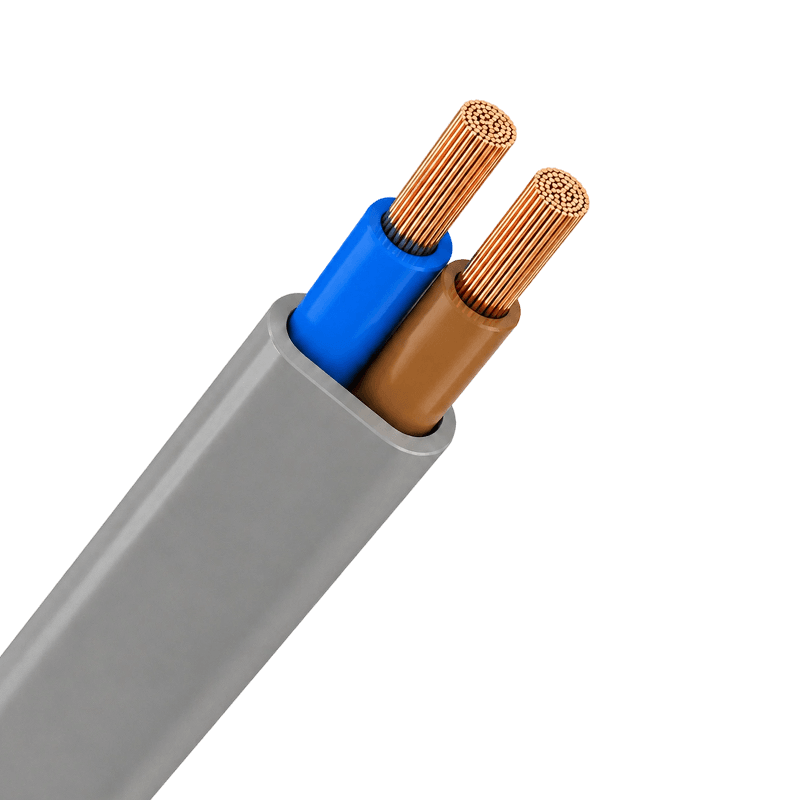
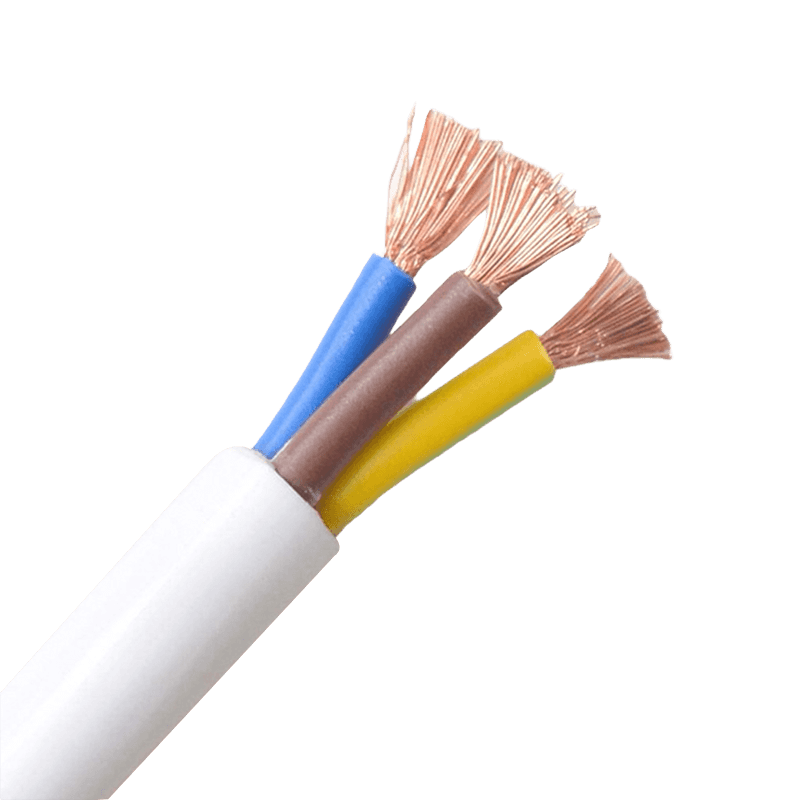
Structural Parameters
| Conductor | Cu / TC / Bare Cu / Flexible Stranded Cu / Al / CCA |
| Insulation | PVC / XLPE / PE / LSZH / EPR / PTFE / Silicone |
| Filler | PP Filler Rope / LSZH Filler / Cotton Yarn / Glass Fiber |
| Sheath | PVC / LSZH / PE / FR-PVC / PUR / CPE / CSPE |
| Max Conductor Temp. | 70–250°C (PVC: 70–90°C; XLPE/EPR: 90–105°C; Silicone/PTFE: up to 200–250°C) |
| Bending Radius | 6–12D |
| Core Configuration | 1–5 Cores (multi-core up to 61C available) |
| Cross-Section Range | 0.5–400 mm² (AWG 20 – 1000 kcmil) |
| Conductor Flexibility | Class 1 / 2 / 5 / 6 |
Characteristic:
1. Double-layer protection, integrated insulation sheath;
2. Strong resistance to mechanical damage;
3. Anti-aging, long service life;
4. Aesthetically pleasing wiring, space-saving.
Application:
1. Light-duty portable power tools, temporary power supplies for production lines, control cabinet connection cables, and logistics conveying equipment in industrial settings;
2. Power cords, extension cords, and office equipment connection cables in household and commercial settings;
3. Exposed wiring in indoor spaces (living room, bedroom);
4. External wiring for household appliances;
5. Power supply for small mechanical equipment;
6. Fixed wiring in temporary power supply locations;
7. Other non-extreme indoor and outdoor environments requiring oil resistance and moisture resistance.
Description:
This series of 450/750V rated PVC sheathed flexible cables is designed for electrical equipment requiring frequent movement and bending. While strictly adhering to safety and performance standards, it also boasts excellent flexibility, environmental resistance, and a convenient installation experience, making it a reliable connection choice for industrial tools, automated equipment, and various mobile power supply scenarios.
Featuring a double-layer protection structure of insulation and sheath, it is suitable for indoor surface wiring. It provides good mechanical protection, can be directly exposed, and is easy and aesthetically pleasing to install, making it widely applicable in civil and small industrial settings.
1. Rated Voltage: The rated voltage for this product at power frequency is Uo/U: 450/750V or 0.6/1kV.
2. Long-Term Operating Temperature: The maximum permissible long-term operating temperature of the cable conductor is 70℃. The PVC insulation layer ensures stable operation at this temperature, meeting most common applications.
3. Short-circuit withstand temperature: Under extreme short-circuit conditions lasting no more than 5 seconds, the conductor can withstand temperatures up to 160°C, providing critical protection for system safety.
4. Installation ambient temperature: The ambient temperature during installation should not be lower than 0°C. If installation is carried out in an environment below this temperature, preheating of the cable is recommended to ensure material performance.
5. Conductor structure: Utilizing multi-strand finely stranded oxygen-free copper wire conductors, the cable is flexible and easy to install.
6. Sheath characteristics: The polyvinyl chloride (PVC) sheath not only provides additional insulation but also possesses excellent resistance to abrasion, oil, moisture, and general chemical corrosion, ensuring durability in complex environments.
7. Please adhere to the following minimum bending radius requirements during installation:
Unarmored cables: The bending radius should be no less than 6 times the cable's outer diameter.
Armored or copper tape shielded cables: The bending radius should be no less than 12 times the cable's outer diameter.
Shielded flexible cables: The bending radius should be no less than 6 times the cable's outer diameter. This design makes wiring in confined spaces more flexible and greatly facilitates on-site installation and equipment connection.
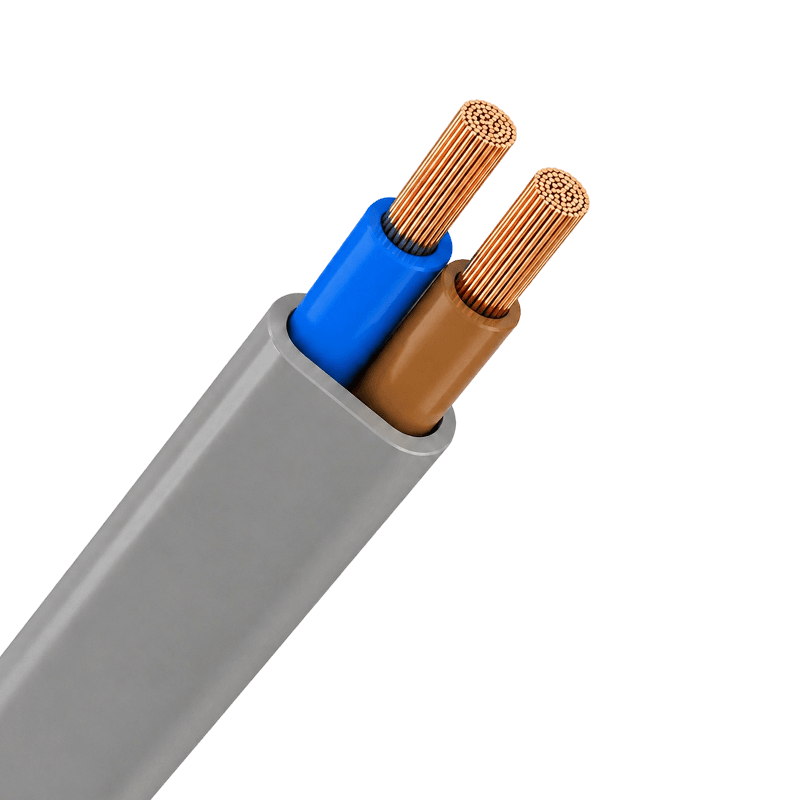
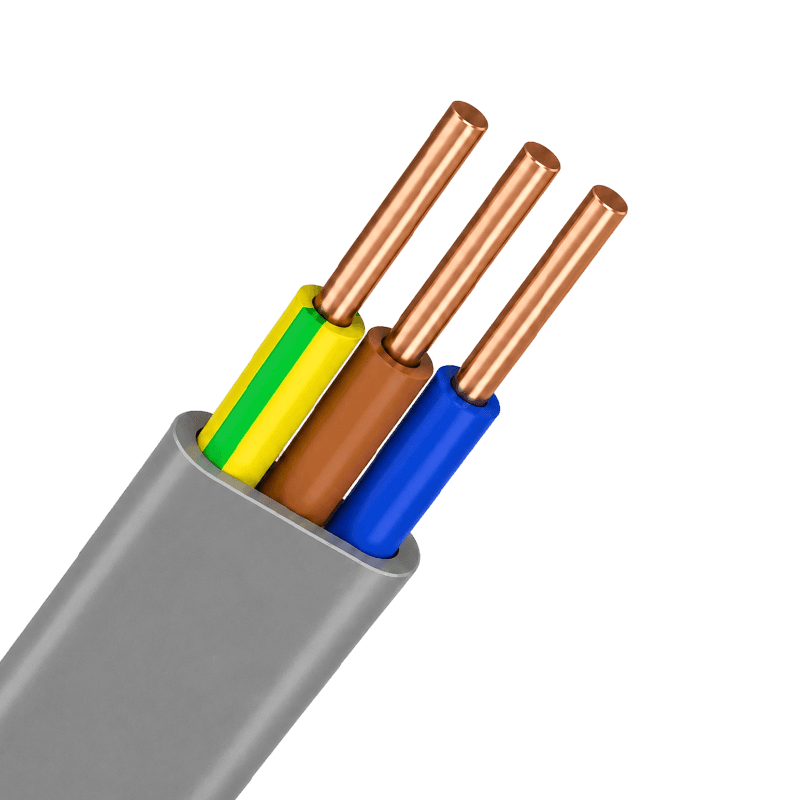
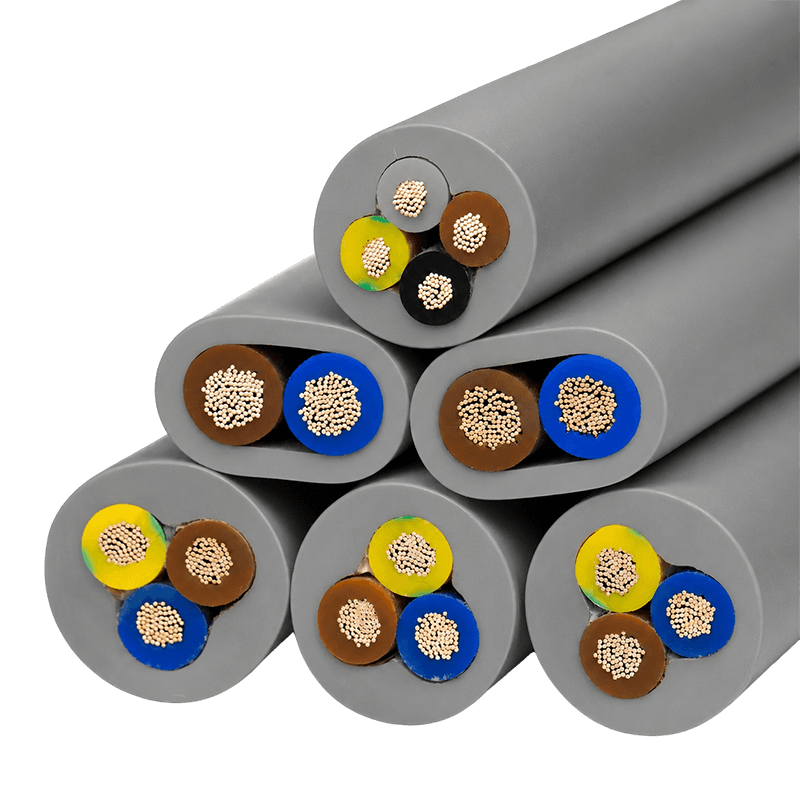
Sheathed Wires
| Conductor | Cu / TC / Bare Cu / Flexible Stranded Cu / Al / CCA |
| Insulation | PVC / XLPE / PE / LSZH / EPR / PTFE / Silicone |
| Filler | PP Filler Rope / LSZH Filler / Cotton Yarn / Glass Fiber |
| Sheath | PVC / LSZH / PE / FR-PVC / PUR / CPE / CSPE |
| Max Conductor Temp. | 70–250°C (PVC: 70–90°C; XLPE/EPR: 90–105°C; Silicone/PTFE: up to 200–250°C) |
| Bending Radius | 6–12D |
| Core Configuration | 1–5 Cores (multi-core up to 61C available) |
| Cross-Section Range | 0.5–400 mm² (AWG 20 – 1000 kcmil) |
| Conductor Flexibility | Class 1 / 2 / 5 / 6 |
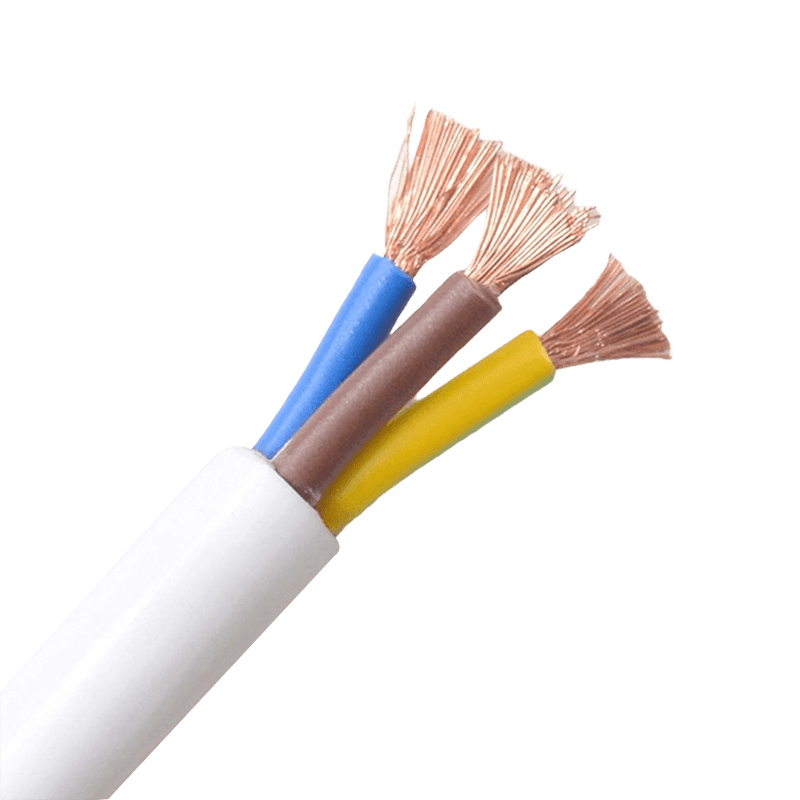
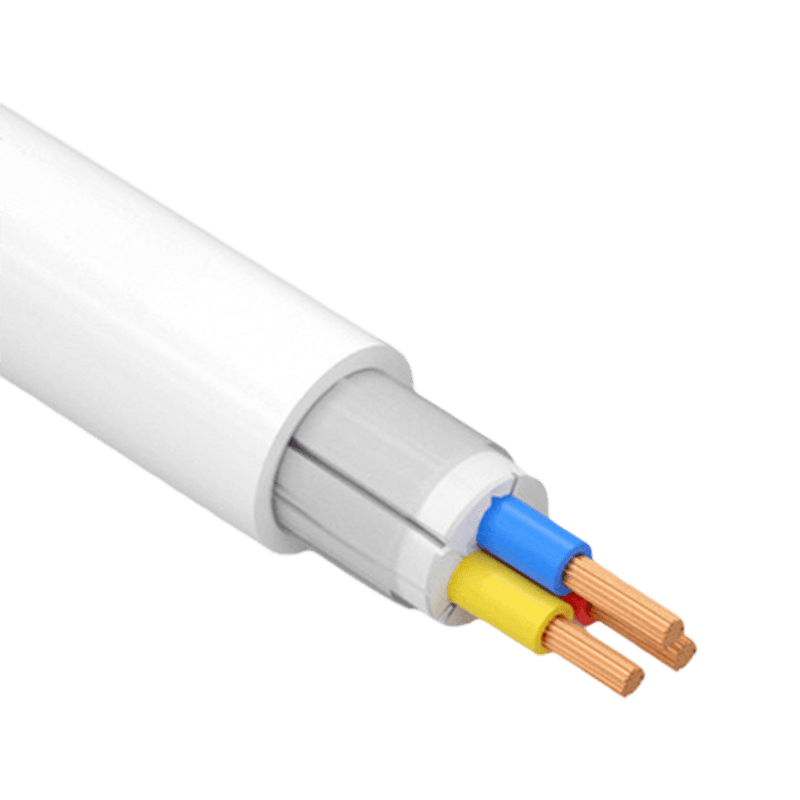
RVV
Obtain Quotations
PVC Sheathed Cable
| Conductor | Copper |
| Insulation | PVC |
| Filling | Polypropylene-filled Rope |
| Sheath | PVC |
| Highest temperature of conductor | 70 |
| Bending radius | 6-12D |
About us
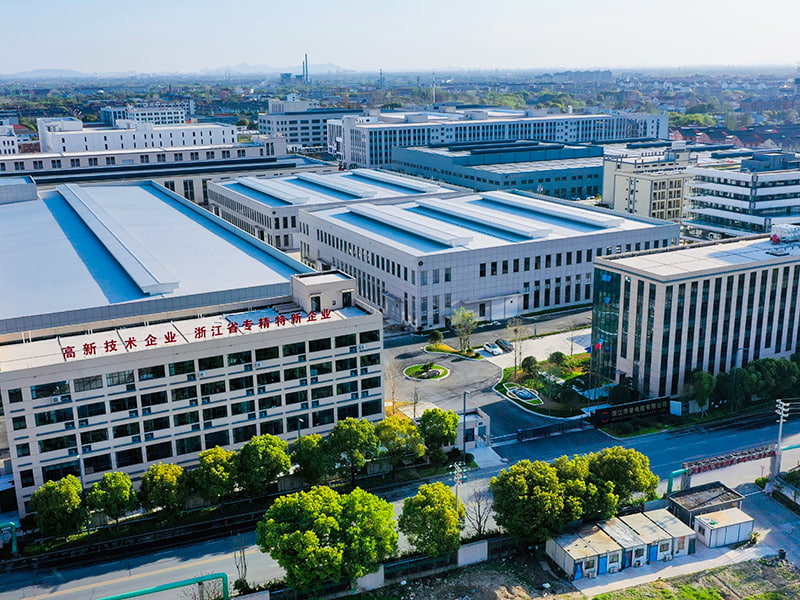
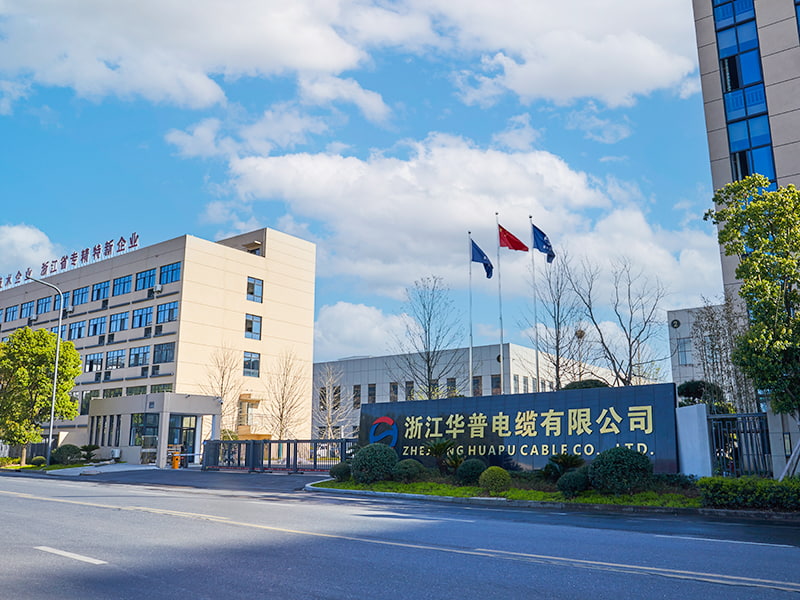
Zhejiang Huapu Cable Co., Ltd.
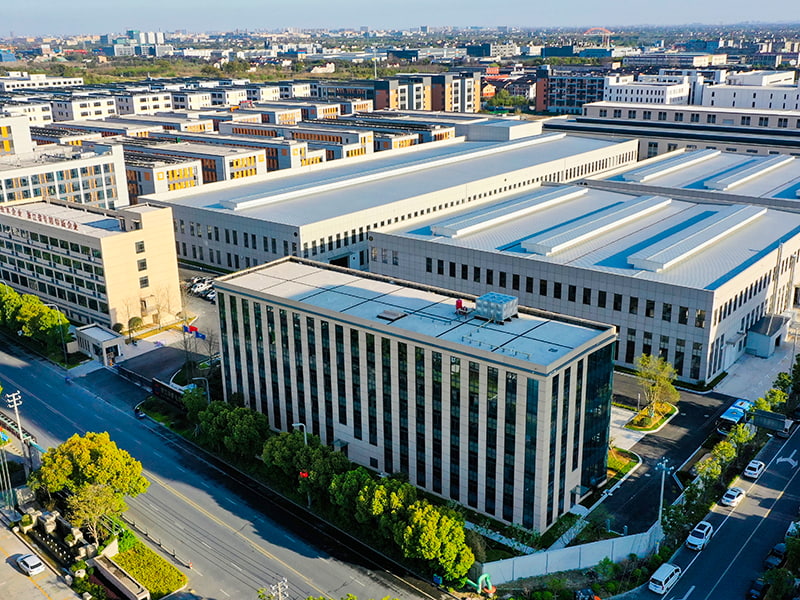
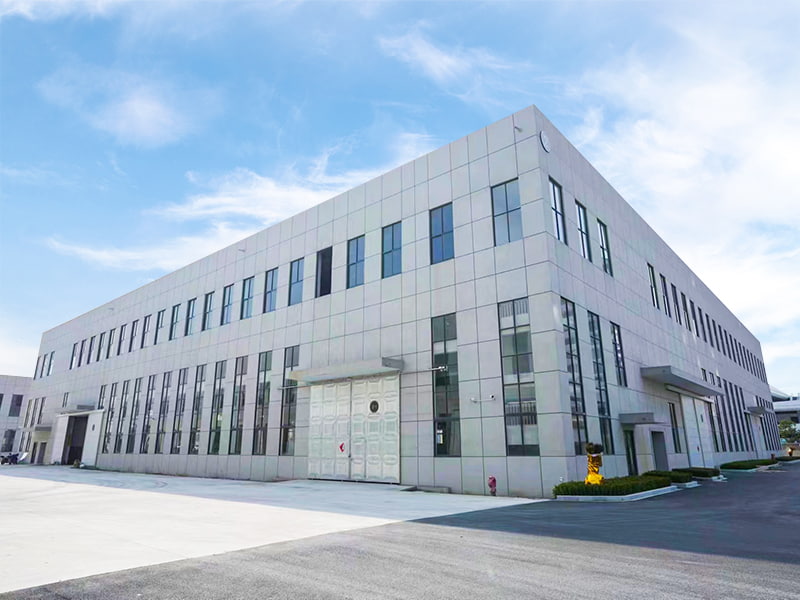
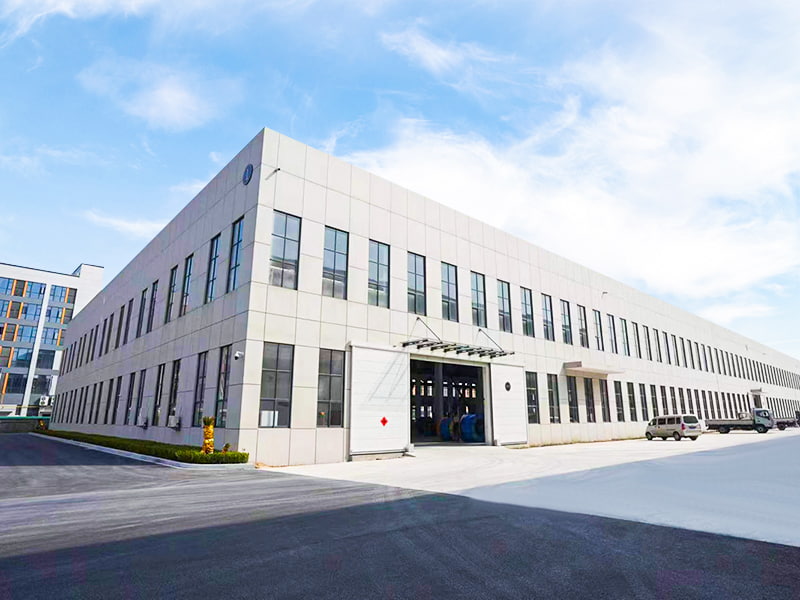
Zhejiang Huapu Cable Co., Ltd. is a professional wire and cable manufacturer integrating production, sales, R&D, and service. The company specializes in the production and development of a wide range of products, including cross-linked polyethylene and PVC insulated power cables, control cables, overhead cables, aluminum stranded wires, steel-cored aluminum stranded wires, building wires, general rubber-sheathed flexible cables, power plug cords, radio frequency cables, communication cables, computer cables, as well as special electrical equipment products such as low-smoke halogen-free, flame-retardant, fire-resistant, and fireproof cables.
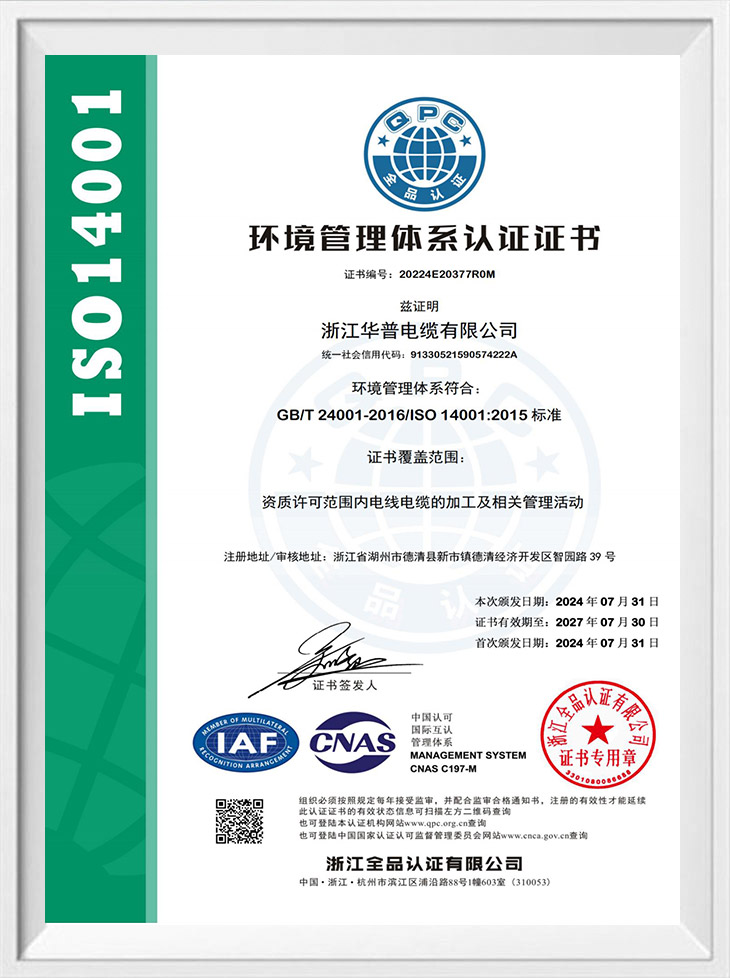
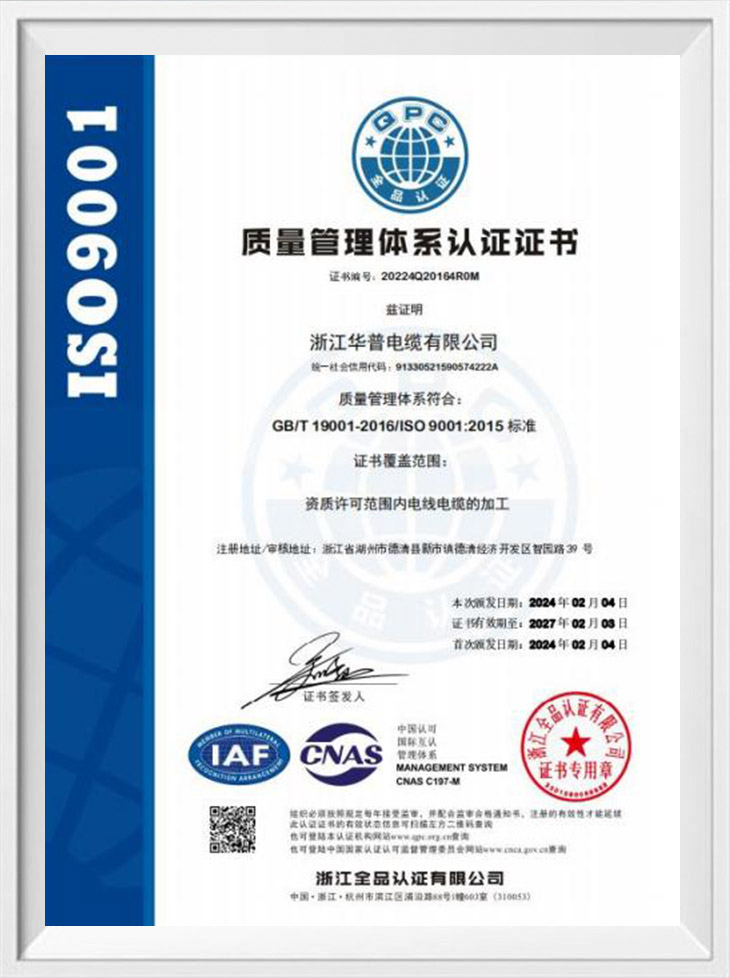
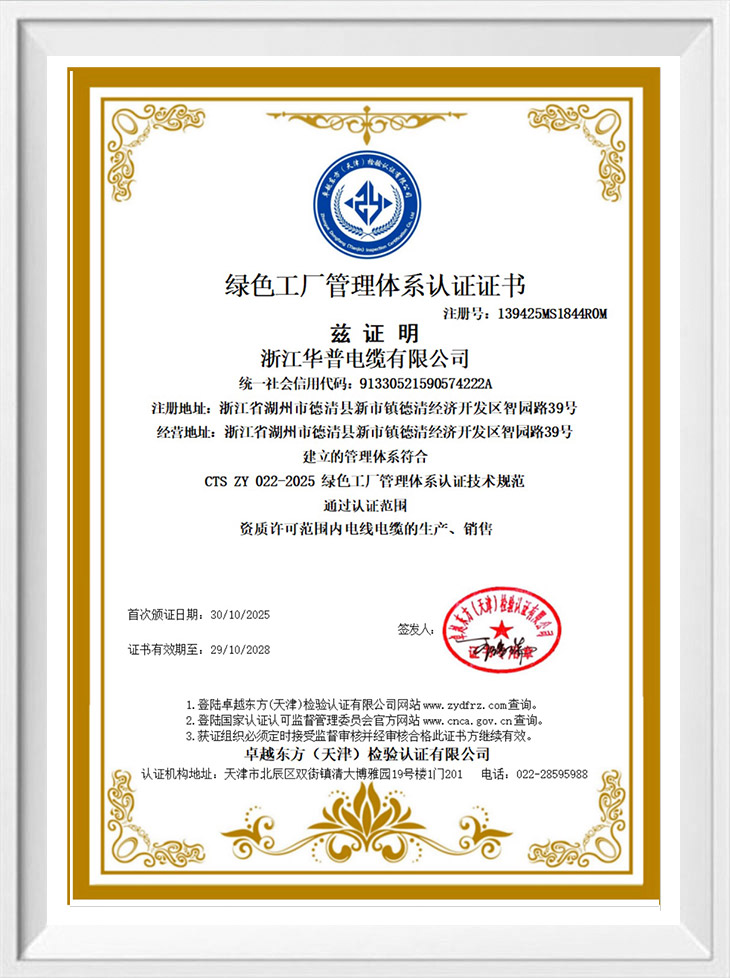
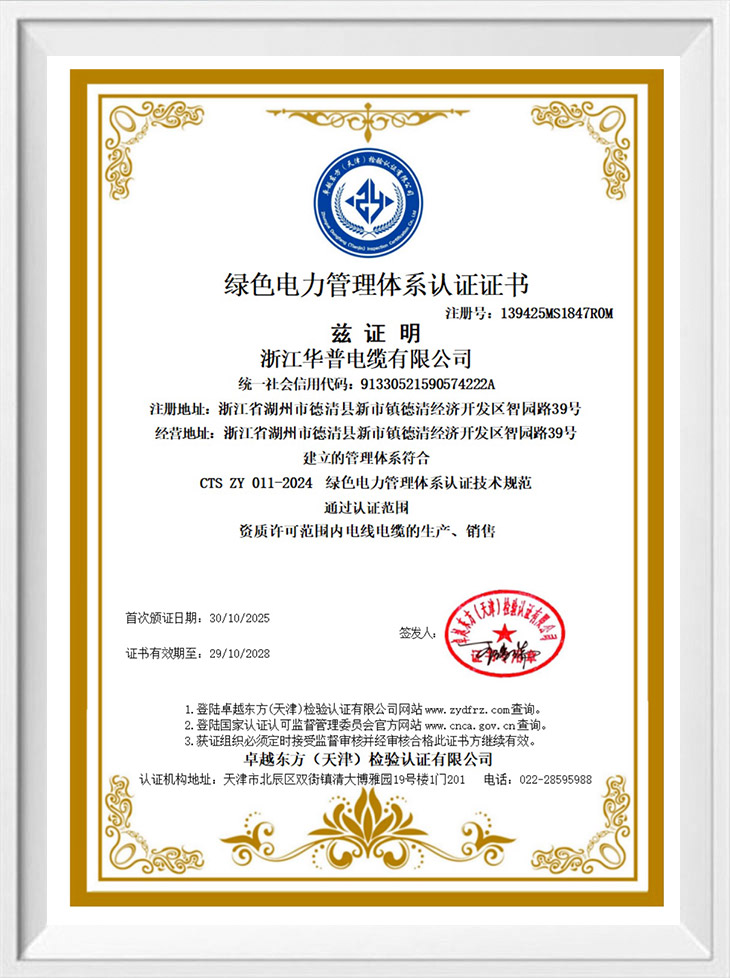
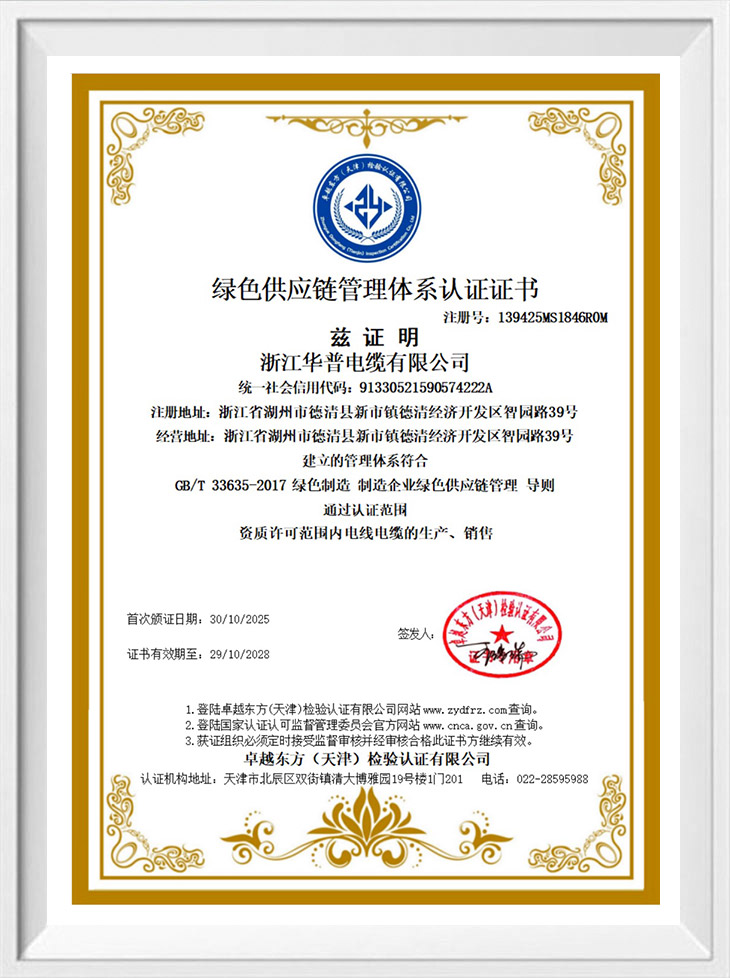
As Sheathed Wires Manufacturers and Sheathed Wires Suppliers in China, Equipped with advanced technology, robust technical expertise, comprehensive testing capabilities, and well-equipped laboratory facilities, the company operates modern production lines and utilizes state-of-the-art inspection and testing equipment. It has obtained certifications including National High-Tech Enterprise recognition, ISO 9001 Quality Management System, ISO 14001 Environmental Management System, OHSAS 18001 Occupational Health and Safety Management System, "Zhejiang Manufacturing" standards, and China Compulsory Product (CCC) certification. The company also holds a National Industrial Product Production License.
As Sheathed Wires Factory and PVC Sheathed Flexible Cable Suppliers, the company has established a comprehensive management system, firmly believing that superior quality is the key to customer satisfaction and market success, which helps build a high-end brand image. Based on customer needs, the company continuously strives for innovation to maximize benefits for its clients.
Guided by the principles of rigor, efficiency, integrity, pragmatism, humility, and unity, the company aims to become a global advocate for green and environmentally friendly products. While providing top-tier wire and cable products, supply Custom PVC Sheathed Flexible Cable, it is committed to collaborating with partners from all sectors through scientific management, standardized production, premium quality, satisfactory service, and an outstanding reputation to achieve mutual success.
-

0 01
Company registered
-

0m² 02
Factory area
-

003
Employees
-

USD0million04
Annual Sales Volume
HIGH STANDARD HONOUR
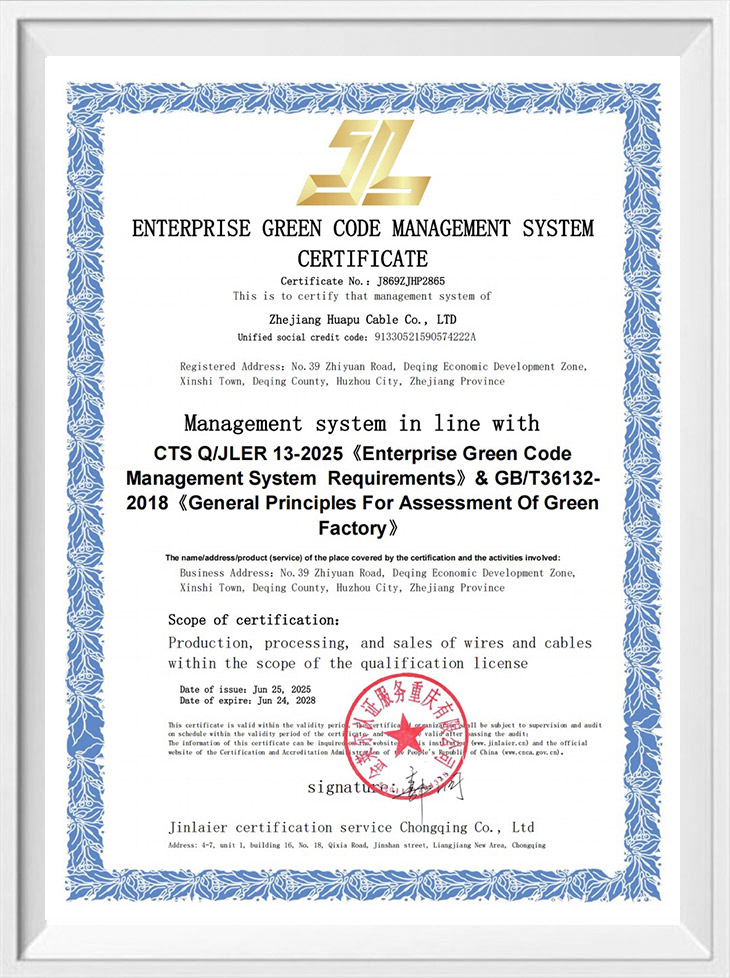
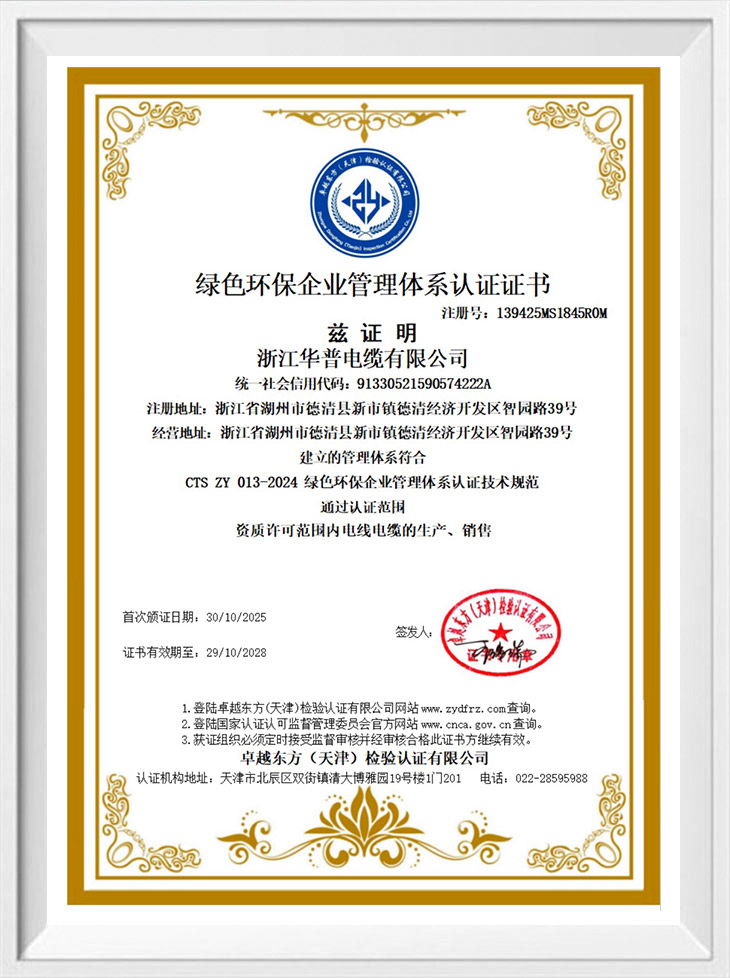
Environmental protection certification and standards
News & Blog

Industry knowledge
How to Match a Sheathed Wire to Your Load Requirements
Choosing the right sheathed wire starts with understanding your actual load — not just the nameplate wattage. A common mistake is selecting conductor cross-sections based on rated current alone, without accounting for ambient temperature, bundling derating, and duty cycle. Here's how the key factors interact:
| Cross-Section (mm²) | Typical Max Current (A) | Common Applications | Note |
|---|---|---|---|
| 0.75 | 6–10 | Control signal lines, lamp cords | Not for high-cycle portable tools |
| 1.5 | 13–16 | Household appliances, office equipment | Most common general-purpose size |
| 2.5 | 20–25 | Power tools, conveying equipment | Consider derating in bundled runs |
| 4.0 | 30–32 | Small machinery, temporary fixed wiring | Verify voltage drop on long runs |
When cables are bundled together or routed through conduit, ampacity can drop by 20–40% depending on the number of conductors. For production line control cabinet wiring — an area where Zhejiang Huapu Cable Co., Ltd. put significant development effort — this bundling derating is one of the most frequently overlooked factors in undersized cable failures.
PVC vs. Cross-Linked Polyethylene (XLPE) Sheathing: What the Difference Means in Practice
Both PVC and XLPE are standard insulation and sheathing materials for sheathed wires, but their performance profiles diverge significantly under stress. Understanding this helps avoid under-specifying in demanding environments.
Temperature Performance
Standard PVC-sheathed wires are typically rated to 70°C conductor temperature, while XLPE-insulated cables handle up to 90°C continuous and 250°C short-circuit peaks. In ambient-heavy environments like machinery enclosures or near heat sources, this directly translates to a higher usable ampacity — meaning XLPE can carry more current through the same conductor cross-section.
Flexibility and Aging
PVC becomes brittle over time, especially in low-temperature environments or with repeated flexing — a real concern for portable power tools and logistics conveying equipment where cables are in constant motion. XLPE maintains its mechanical properties better over a longer service life, though it is typically stiffer and harder to route in tight spaces.
Oil and Moisture Resistance
- Standard PVC offers moderate oil resistance — adequate for light industrial exposure but not prolonged immersion in cutting oils or hydraulic fluids.
- Oil-resistant PVC compounds (e.g., PVC/NBR blends) are specifically formulated for environments like production line floors where fluid contact is routine.
- Both materials provide good moisture resistance for non-extreme indoor and outdoor use; neither should be treated as a substitute for waterproof rated cable in submersion scenarios.
Reading Cable Markings: What the Code on a Sheathed Wire Actually Tells You
Cable markings under GB and IEC standards carry structured information that's easy to decode once you know the pattern. For buyers sourcing sheathed wires for specific applications, this is more useful than relying on product descriptions alone.
Take a common GB designation like RVV 3×1.5 as an example:
- R — Flexible conductor (stranded, not solid)
- V — PVC insulation
- V — PVC outer sheath
- 3×1.5 — 3 conductors, each 1.5 mm² cross-section
A prefix like YZ or YC indicates a rubber-sheathed flexible cable — YZ for medium-duty and YC for heavy-duty — commonly used where greater mechanical toughness is needed. The H05VV-F and H07RN-F designations under IEC follow a similar logic, encoding voltage class, insulation type, and construction in sequence.
One detail worth checking: the voltage rating printed on the sheath (e.g., 300/500V or 450/750V) refers to the conductor-to-conductor and conductor-to-earth ratings respectively — not the maximum system voltage the cable can be installed in without additional precautions.
Installation Practices That Affect Sheathed Wire Longevity
Even well-specified sheathed wires fail prematurely when installation details are ignored. These are the factors most commonly responsible for early degradation in real-world deployments:
Minimum Bend Radius
Repeatedly bending a cable tighter than its minimum bend radius fatigues the conductor strands and cracks the insulation from the inside out — invisible until failure. For flexible sheathed cables, the minimum bend radius is typically 6× the cable outer diameter for fixed installations and up to 10× for cables in continuous motion (e.g., drag chains on conveying equipment).
Strain Relief at Termination Points
Mechanical stress at connection points — plugs, glands, or junction boxes — is a leading cause of early failure in portable power tool cords and extension cords. Proper strain relief clamps transfer pull forces to the sheath rather than the conductor terminations, which is why cables designed for household and commercial power cord applications include reinforced entry zones.
Exposed Indoor Wiring: Surface vs. Conduit
- For exposed wiring in living rooms and bedrooms, surface-mounted cable clips should be sized to the cable OD — overtightened clips compress the sheath and can deform the insulation over time.
- Where cables pass through walls or flooring, bushing sleeves protect against abrasion at the entry point — a common failure site that's easy to prevent.
- In temporary power supply locations, avoid coiling excess cable tightly under load — current-carrying coils generate heat that accumulates, effectively raising the local ambient temperature and reducing safe ampacity. Fully extend cables before use when operating near rated current.

Our Email
Our Tel
- +86-13588204183
Our Address
- No. 39 Zhiyuan Road, Deqing Economic Development Zone, Huzhou City, Zhejiang Province
QR Code

Quick Links
Online Message
Copyright © Zhejiang Huapu Cable Co., Ltd. All Rights Reserved.

Custom Sheathed Wires Factory