
 en
en English
 中文简体
中文简体 русский
 Español
 عربى
عربى
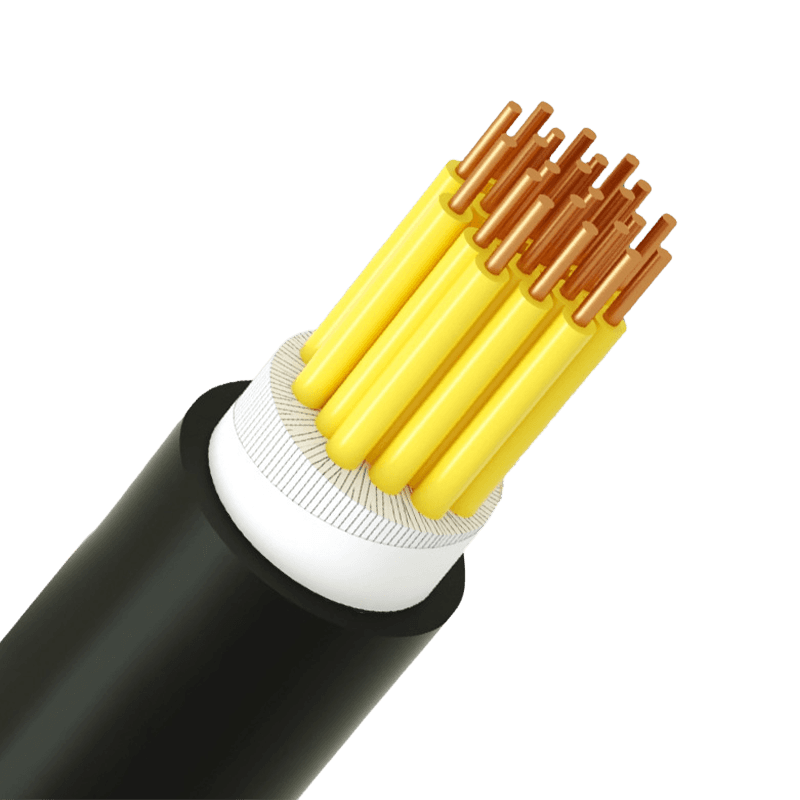
Structural Parameters
| Conductor | Cu / TC / Bare Cu / Flexible Stranded Cu |
| Insulation | PVC / XLPE / PE / LSZH |
| Filler | PP Rope / LSZH Filler / Cotton Yarn |
| Taping | CPP Tape / PET Tape / Non-Woven Fabric |
| Sheath | PVC / PE / LSZH / FR-PVC / PUR |
| Max Conductor Temperature | 70–125°C (Operation), up to 250°C (S/C) |
| Bending Radius | 6–12D |
| Core Configuration | Multi-Core (2–61C) |
| Cross-Section Range | 0.5–10 mm² (AWG 22–8) |
| Conductor Flexibility | Class 2 / 5 / 6 |
Characteristic:
1. Excellent insulation performance, ensuring stable signal transmission;
2. Multiple core count options to adapt to complex control systems;
3. Strong anti-interference capability, reducing signal attenuation;
4. Oil and chemical corrosion resistant, suitable for industrial environments.
Application:
This product is specifically designed for control systems and measurement circuits with rated voltages of 450/750V and below. It is suitable for stable connection and signal transmission in various control, signal, protection, and measurement systems.
1. Industrial automation control systems;
2. Power plant and substation control circuits;
3. Machine tool electrical control;
4. Instrument signal transmission
Description:
Plastic-insulated control cables are transmission lines specifically designed for automatic control, monitoring systems, and instrument connections with AC rated voltages of 450/750V and below. As the "neural network" of industrial automation, power systems, and intelligent buildings, they ensure the accurate and reliable transmission of control signals. This series of products strictly adheres to the national standard GB/T 9330-2020, using high-quality oxygen-free copper conductors and environmentally friendly plastic materials. It offers various insulation sheath combinations, including polyvinyl chloride (PVC) insulation, cross-linked polyethylene (XLPE) insulation, and low-smoke halogen-free (WDZ) insulation, meeting comprehensive needs from general applications to those with special environmental and safety requirements.
Rated Voltage Uo/U: 450/750V
Maximum Allowable Operating Temperature: PVC Insulation: 70℃
XLPE Insulation: 90℃
Maximum Conductor Temperature During Short Circuit (≤5s): PVC Insulation: 160℃
XLPE Insulation: 250℃
Ambient Temperature During Laying: Should not be lower than 0℃
Minimum Bending Radius Requirements During Installation:
Unarmored Cables:
PVC Insulation: Not less than 6 times the cable outer diameter
XLPE Insulation: Not less than 8 times the cable outer diameter
Armored or Copper Tape Shielded Cables: Not less than 12 times the cable outer diameter
Shielded Flexible Cables: Not less than 6 times the cable outer diameter
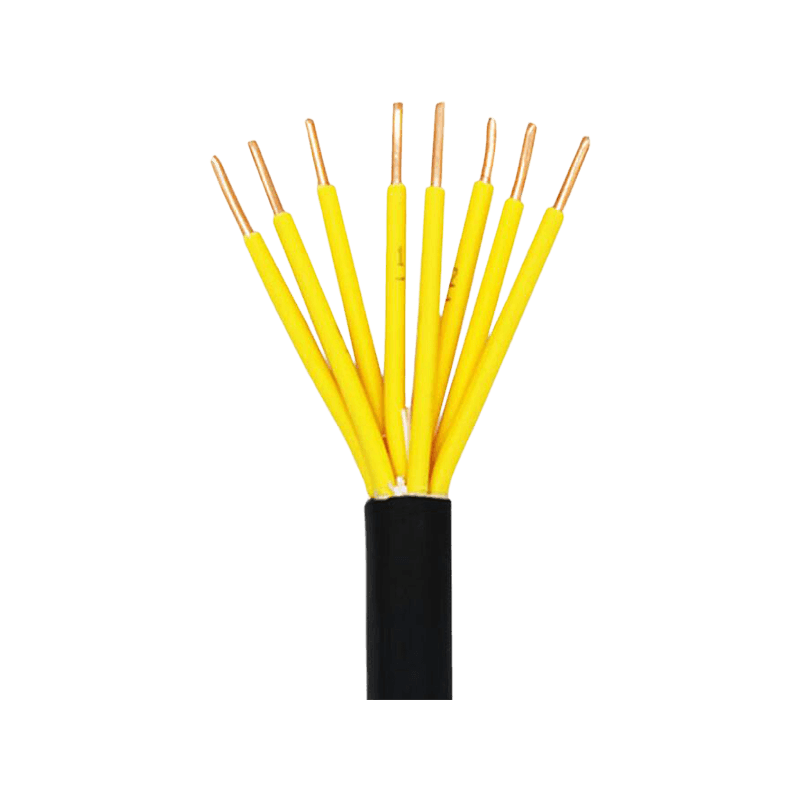
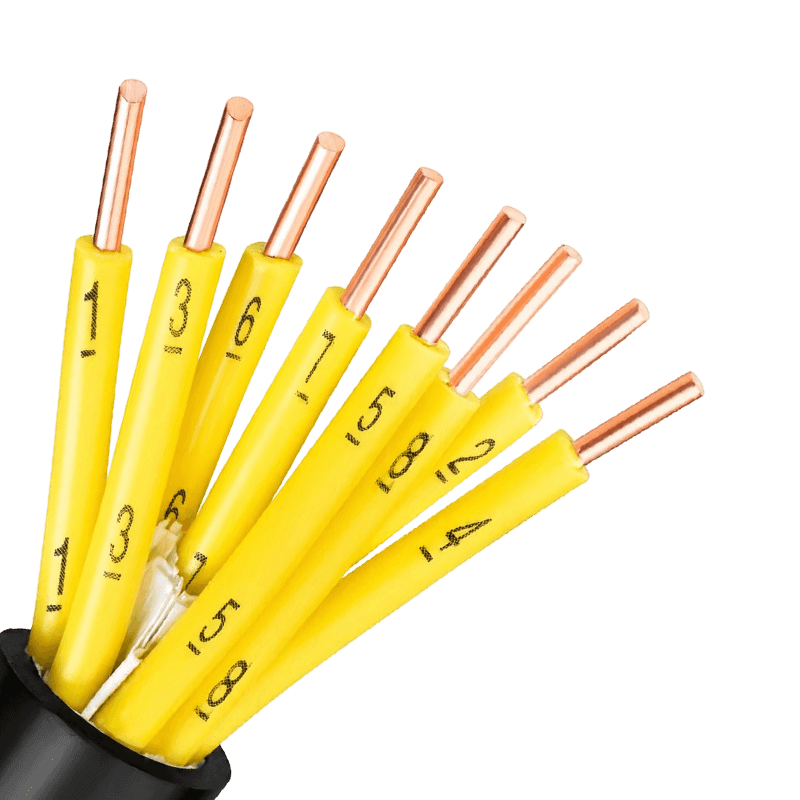
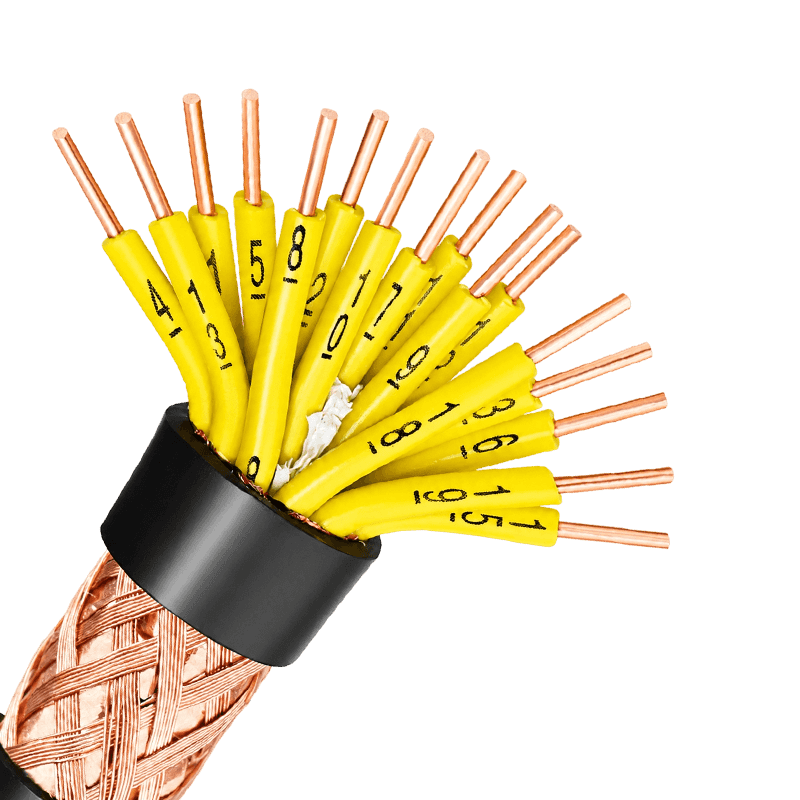
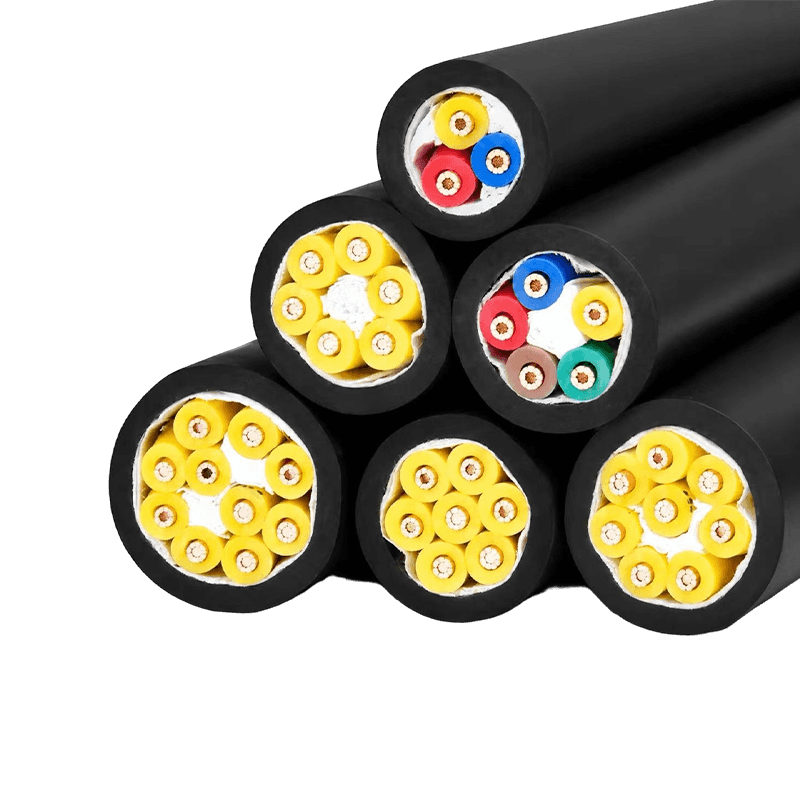
KVV
Obtain Quotations
Plastic Insulated Control Cable
| Conductor | Copper |
| Insulation | PVC |
| Filling | Polypropylene-filled Rope |
| Bag strap | CPP Tape |
| Sheath | PVC |
| Highest temperature of conductor | 70 |
| Bending radius | 6-12D |
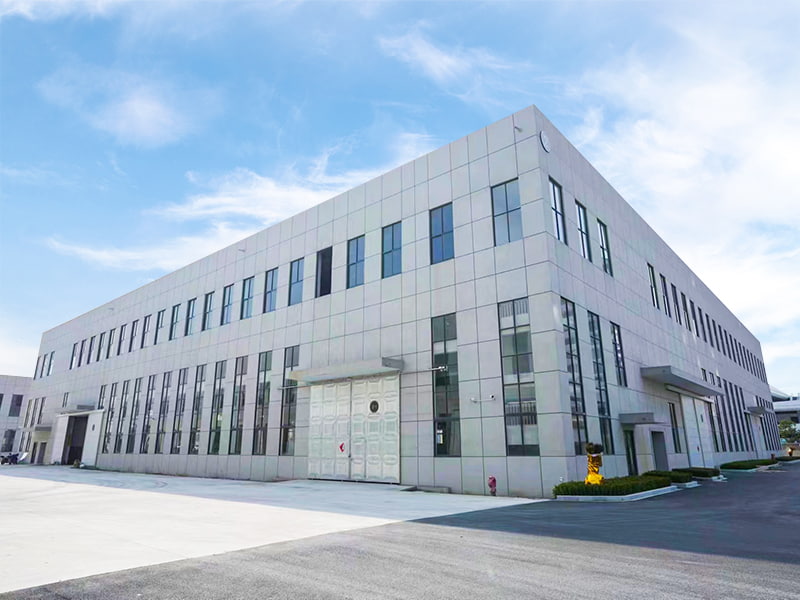
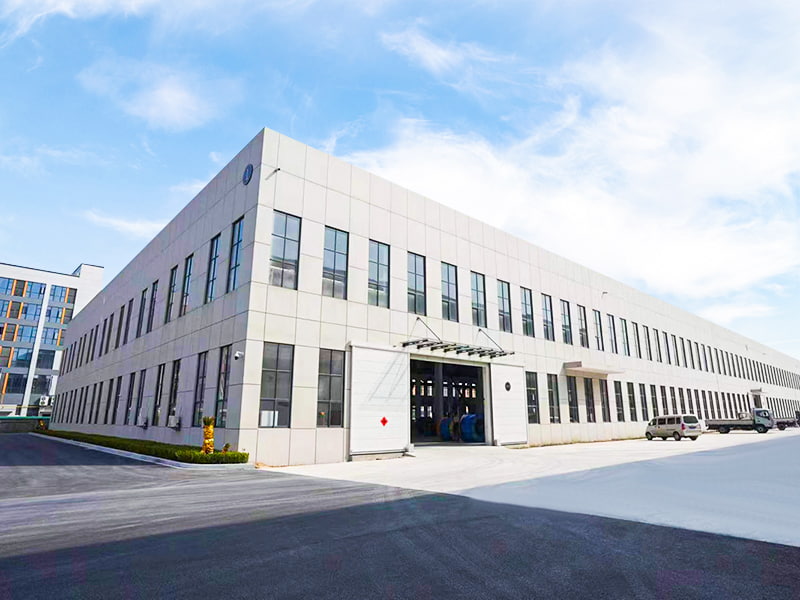
About us
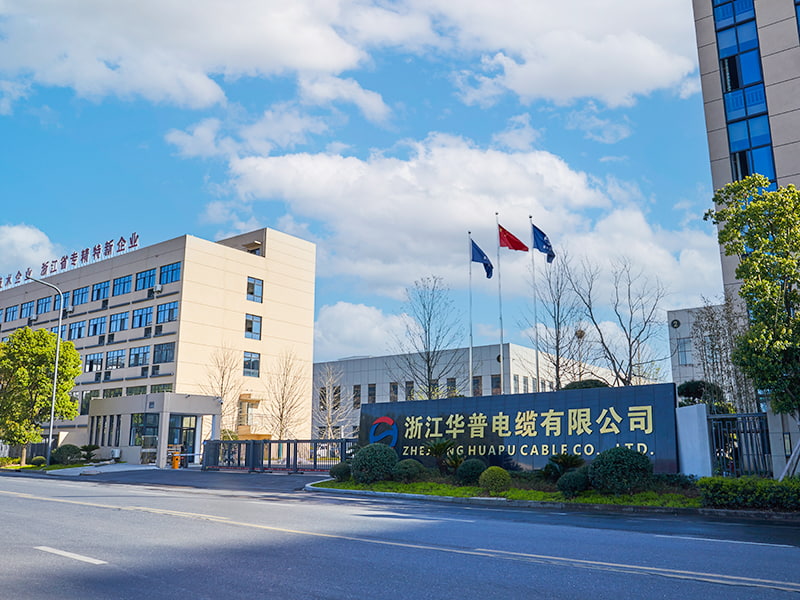
Zhejiang Huapu Cable Co., Ltd.
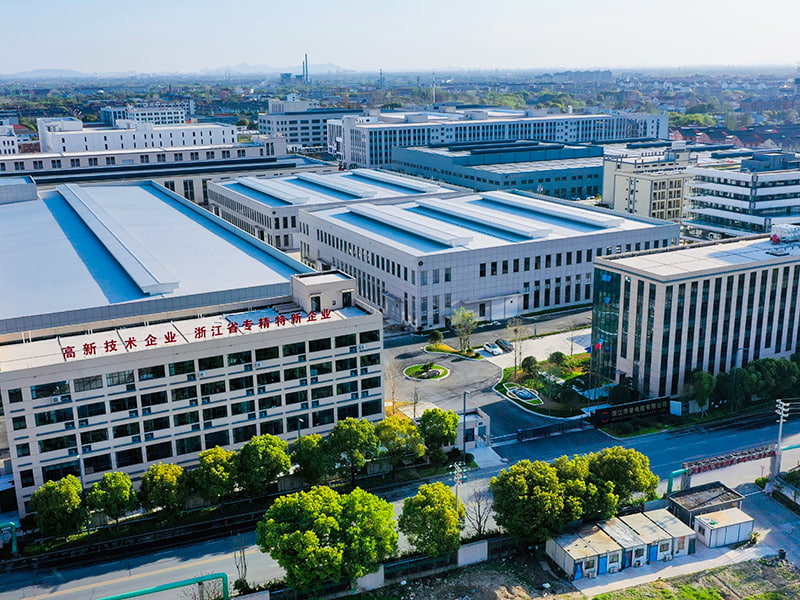
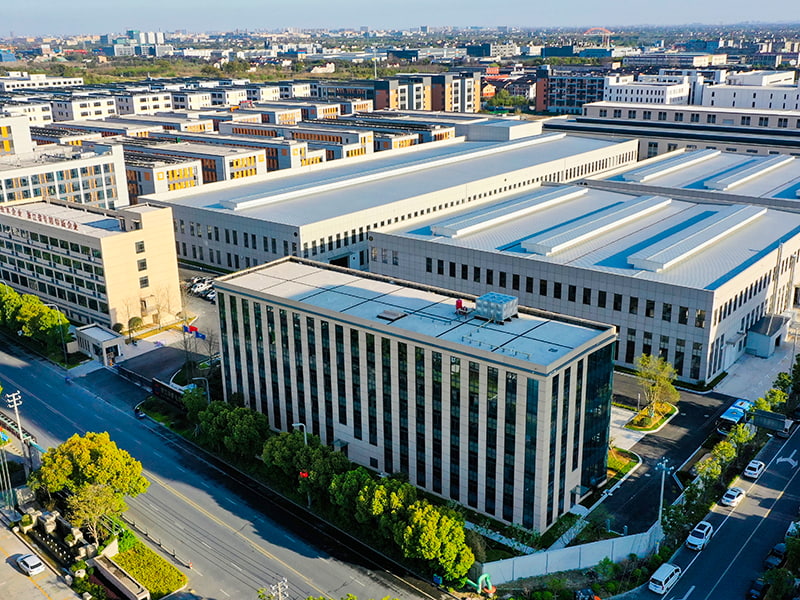
Zhejiang Huapu Cable Co., Ltd. is a professional wire and cable manufacturer integrating production, sales, R&D, and service. The company specializes in the production and development of a wide range of products, including cross-linked polyethylene and PVC insulated power cables, control cables, overhead cables, aluminum stranded wires, steel-cored aluminum stranded wires, building wires, general rubber-sheathed flexible cables, power plug cords, radio frequency cables, communication cables, computer cables, as well as special electrical equipment products such as low-smoke halogen-free, flame-retardant, fire-resistant, and fireproof cables.
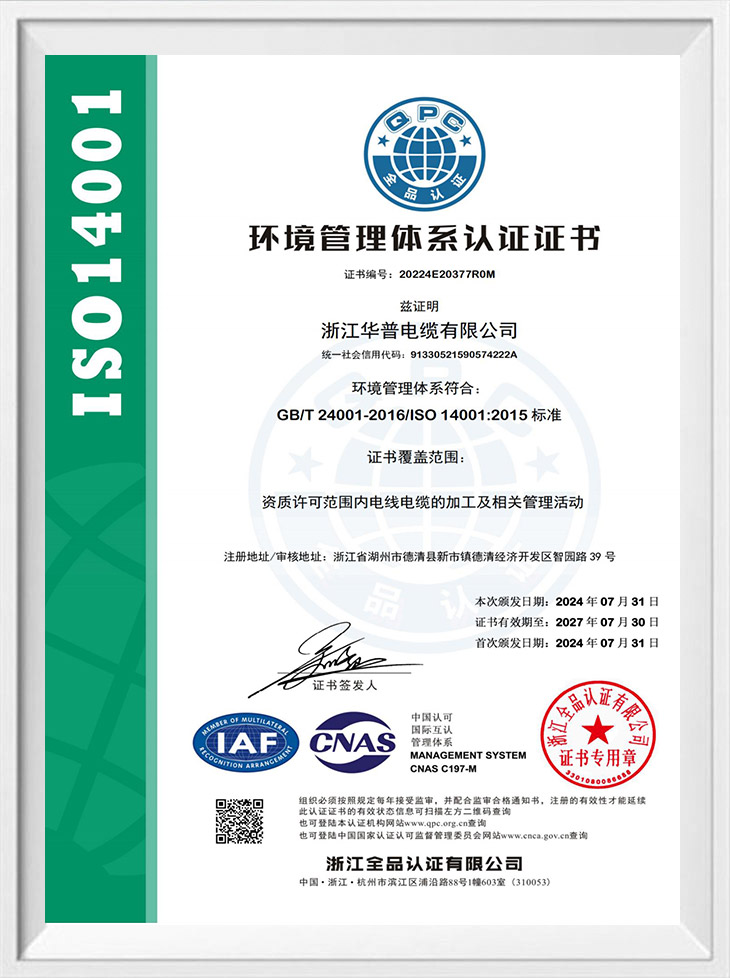
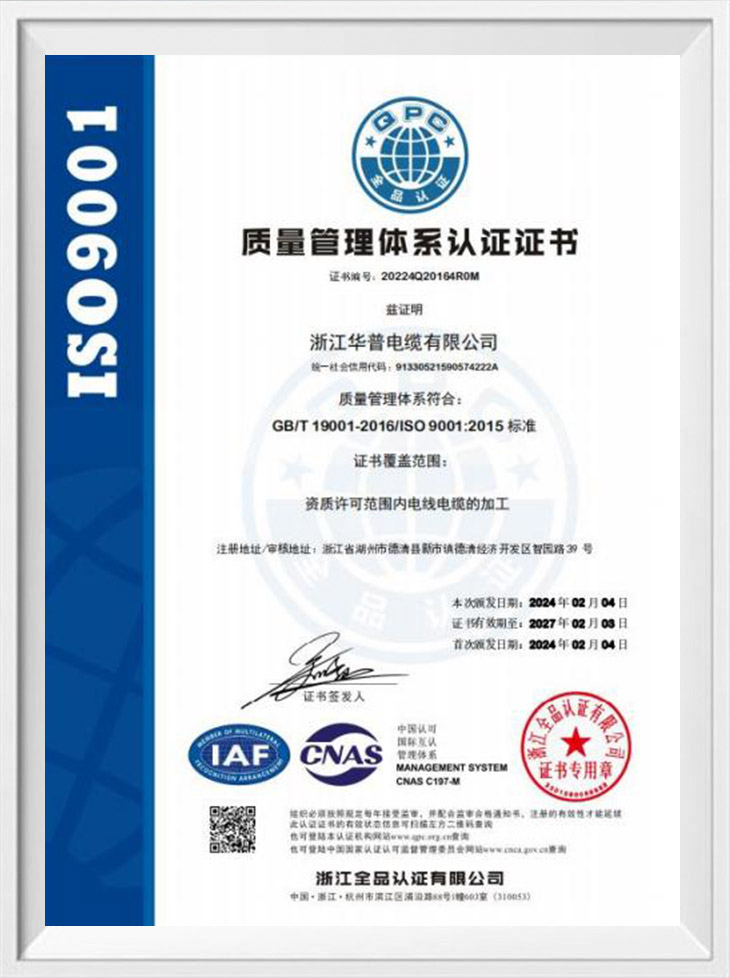
As Plastic Insulated Control Cable Manufacturers and Multi-Core Control Cable Suppliers in China, Equipped with advanced technology, robust technical expertise, comprehensive testing capabilities, and well-equipped laboratory facilities, the company operates modern production lines and utilizes state-of-the-art inspection and testing equipment. It has obtained certifications including National High-Tech Enterprise recognition, ISO 9001 Quality Management System, ISO 14001 Environmental Management System, OHSAS 18001 Occupational Health and Safety Management System, "Zhejiang Manufacturing" standards, and China Compulsory Product (CCC) certification. The company also holds a National Industrial Product Production License.
As Multi-Core Control Cable Factory and Plastic Insulated Control Cable Manufacturers, the company has established a comprehensive management system, firmly believing that superior quality is the key to customer satisfaction and market success, which helps build a high-end brand image. Based on customer needs, the company continuously strives for innovation to maximize benefits for its clients.
Guided by the principles of rigor, efficiency, integrity, pragmatism, humility, and unity, the company aims to become a global advocate for green and environmentally friendly products. While providing top-tier wire and cable products, supply Custom Control Cable, it is committed to collaborating with partners from all sectors through scientific management, standardized production, premium quality, satisfactory service, and an outstanding reputation to achieve mutual success.
-

0 01
Company registered
-

0m² 02
Factory area
-

003
Employees
-

USD0million04
Annual Sales Volume
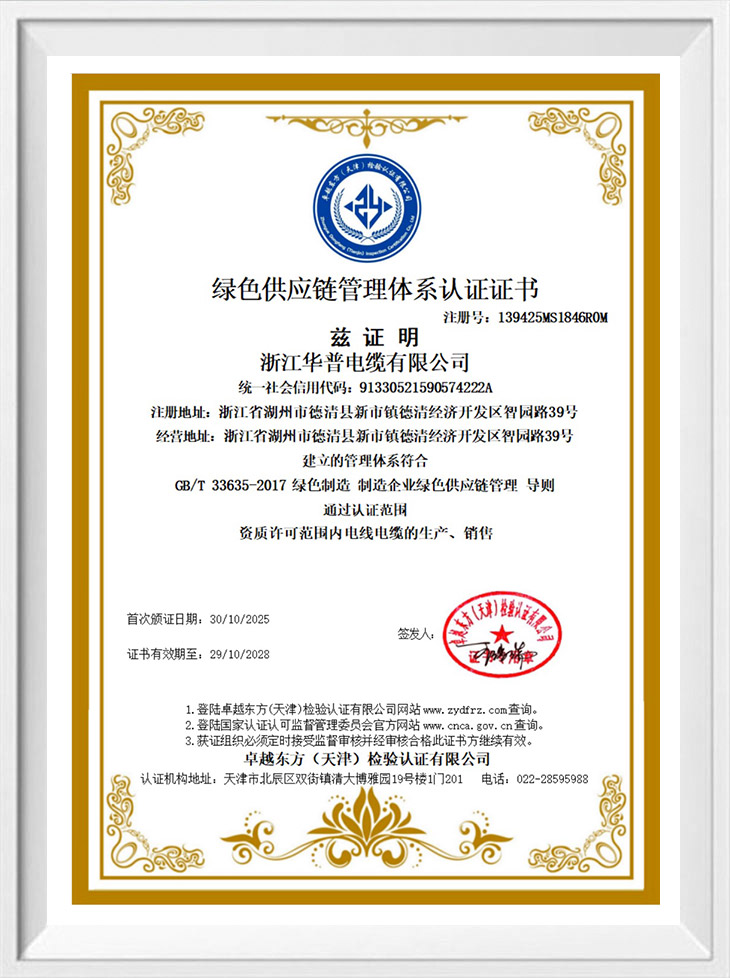
HIGH STANDARD HONOUR
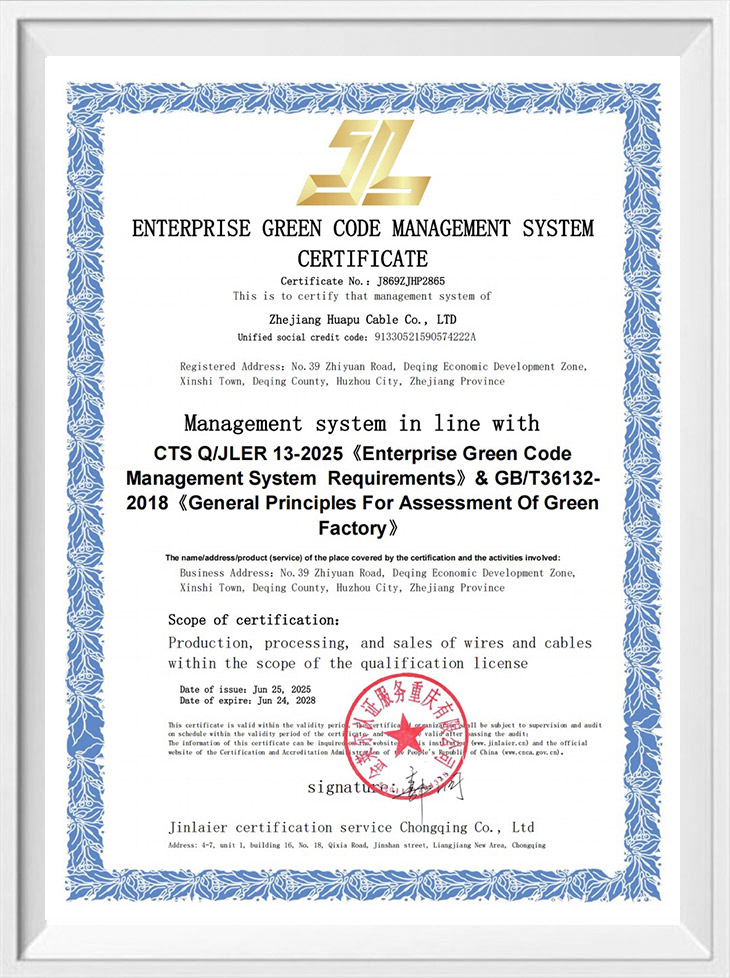
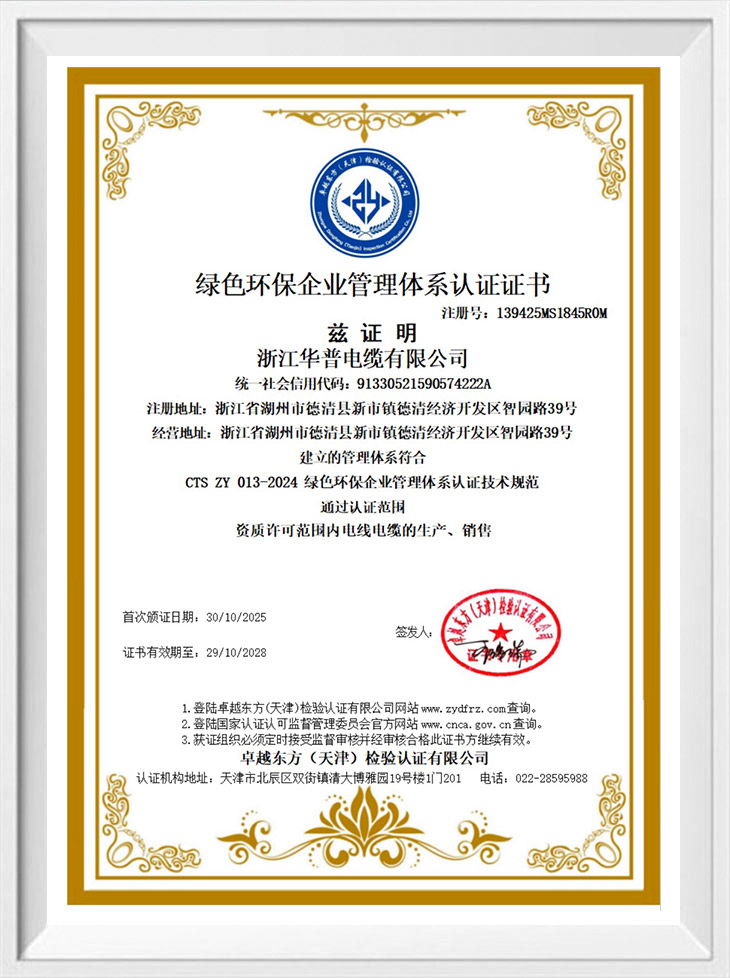
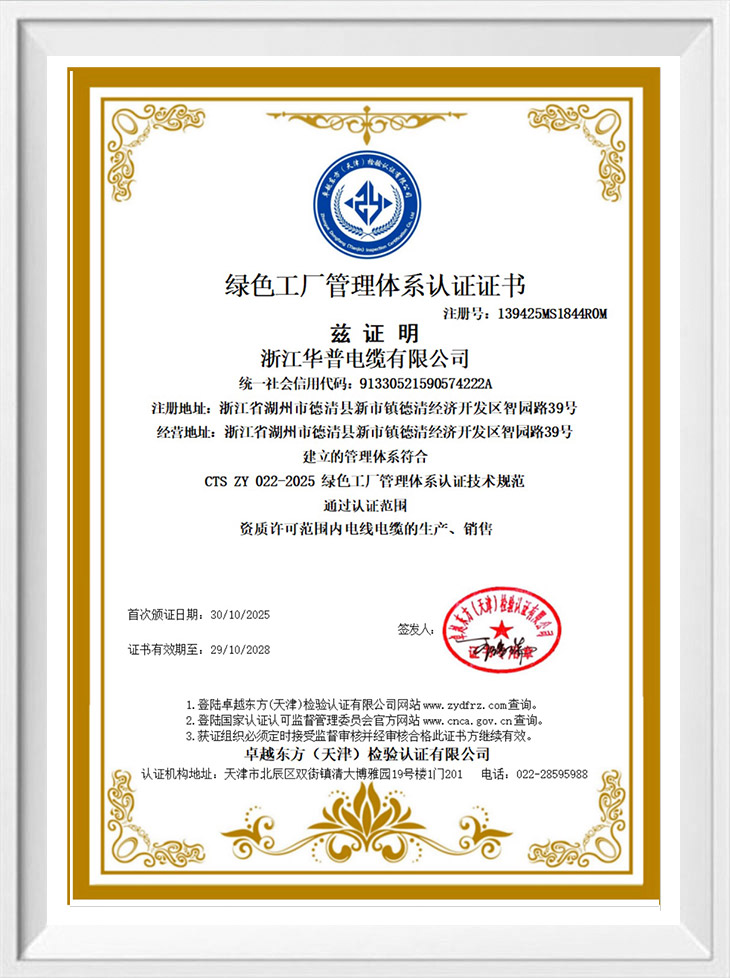
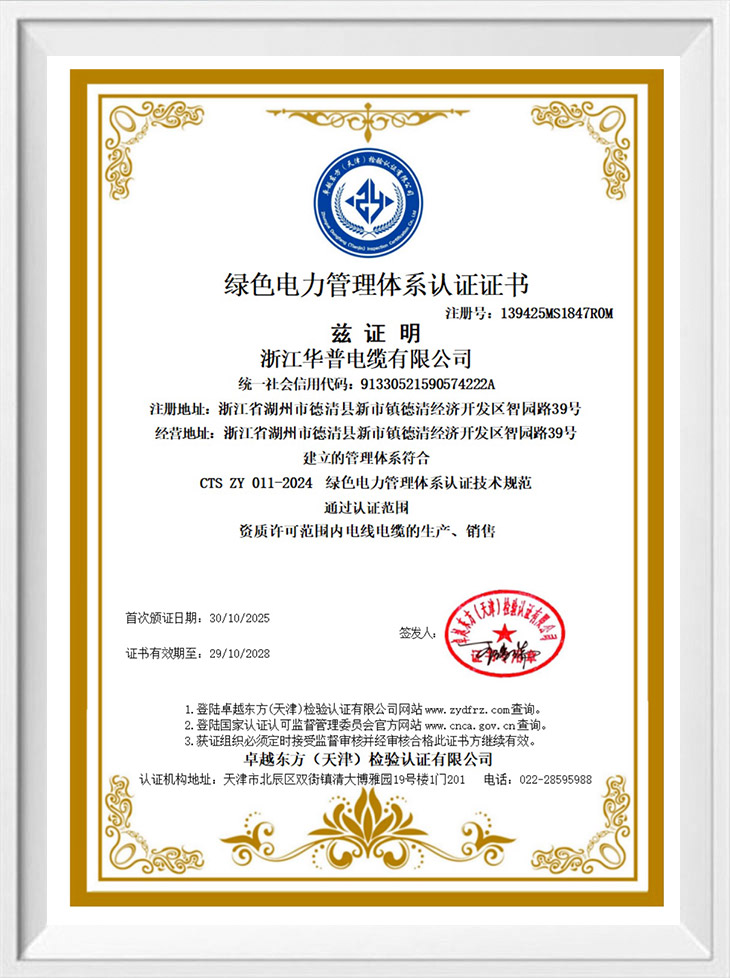
Environmental protection certification and standards
News & Blog

Industry knowledge
How Voltage Rating Affects Cable Selection in Control Systems
The 450/750V rating on plastic insulated control cables is not simply a maximum threshold — it defines the cable's insulation class and determines compatibility with protective devices, terminal blocks, and enclosures. Mismatching voltage ratings is one of the most common causes of early insulation degradation in control panels.
In practice, control circuits rarely operate near their rated voltage ceiling. The rating instead governs the dielectric strength and creepage distance required by the insulation material. For low-voltage control systems, 450/750V-rated cables provide a meaningful safety margin, especially in environments with transient spikes or ground faults.
Key factors to align with voltage class:
- Terminal block rated voltage must be equal to or greater than cable insulation rating
- Cable gland and conduit fittings should be rated for the same installation category
- Bundling cables of different voltage classes together requires the insulation of the highest-rated cable to apply across the bundle
- IEC 60227 and GB/T 9330 provide the formal reference framework for this cable family
Zhejiang Huapu Cable Co., Ltd. manufacture these cables in strict compliance with both IEC and GB standards, giving procurement teams the documentation confidence needed for audits and system certifications.
Core Count and Cross-Section: Matching Multi-Core Control Cable to Your Circuit Design
Multi-core control cables are specified by two primary parameters: number of cores and conductor cross-section (mm²). These are not interchangeable decisions — one governs signal capacity, the other governs current-carrying ability and voltage drop over distance.
| Application | Typical Cross-Section | Reason |
|---|---|---|
| Instrument signal transmission | 0.5 – 0.75 mm² | Low current, flexibility priority |
| PLC / relay control circuits | 1.0 – 1.5 mm² | Balance of current capacity and routing density |
| Motor control / contactor wiring | 2.5 mm² | Higher coil currents and longer runs |
| Substation protection circuits | 2.5 – 4.0 mm² | Fault current requirements and regulation compliance |
Core count selection should anticipate spare cores — industry practice recommends allocating 10–20% additional cores beyond current circuit needs to accommodate future modifications without re-pulling cables. This is particularly relevant in machine tool electrical control and panel builds where retrofitting is costly.
For dense multi-core layouts, conductor identification also matters: sequential numbering, color coding per IEC 60445, or a combination both reduce commissioning errors and simplify maintenance tracing.
PVC Insulation in Control Cables: Where It Performs and Where It Has Limits
PVC (polyvinyl chloride) remains the dominant insulation material for plastic insulated control cables due to its low cost, ease of processing, and broad chemical resistance. However, material choice should be driven by installation environment, not just price.
Where standard PVC insulation performs well:
- Indoor installations with stable ambient temperatures (typically –15°C to +70°C)
- Control cabinets, cable trays, and conduit systems with limited UV exposure
- Environments without sustained contact with oils, solvents, or concentrated acids
When to consider alternatives:
- Low-smoke halogen-free (LSHF/LSZH) variants are required in enclosed public spaces, tunnels, and rail environments where toxic fume generation during fire events is regulated
- Flame-retardant or fire-resistant grades are specified for power plant control circuits and safety-critical systems where continued circuit integrity during a fire event is mandatory
- Cross-linked polyethylene (XLPE) insulation offers superior thermal endurance for applications exceeding 70°C continuous operating temperature
Our production range covers all of these insulation categories, which means specifiers can standardize supplier relationships while still meeting application-specific requirements across a facility.
Shielding in Control Cables: When It's Necessary and What Type to Specify
Not all multi-core control cable runs require shielding, but misidentifying those that do is a frequent source of signal interference in industrial installations. The decision depends on signal type, cable routing, and the electromagnetic environment of the facility.
In general, analog signals (4–20mA, 0–10V) and low-level sensor outputs are most vulnerable to electromagnetic interference (EMI). Digital control signals are more noise-tolerant, though shielding is still recommended when cables run parallel to power cables over long distances.
| Shield Type | Coverage | Best For | Trade-off |
|---|---|---|---|
| Aluminum foil (overall) | ~100% | High-frequency interference, compact routing | Less flexible, prone to foil cracking under repeated flex |
| Copper braid (overall) | 85–95% | Low-frequency EMI, drag chain / moving applications | Larger diameter, higher cost |
| Individual pair shielding | Per pair | Crosstalk prevention between signal pairs | More complex termination at both ends |
A commonly overlooked rule: shield grounding must be implemented at one end only in most instrument signal circuits to prevent ground loop currents that introduce the very noise the shield is meant to block. In power plant and substation control circuits, grounding practice may differ — always follow the system integrator's earthing scheme.
Routing discipline is equally important: maintaining physical separation between control cable bundles and high-current power cables — ideally 200mm or more where parallel runs are unavoidable — reduces interference at the source, reducing dependence on shielding alone.

Our Email
Our Tel
- +86-13588204183
Our Address
- No. 39 Zhiyuan Road, Deqing Economic Development Zone, Huzhou City, Zhejiang Province
QR Code

Quick Links
Online Message
Copyright © Zhejiang Huapu Cable Co., Ltd. All Rights Reserved.

Custom Plastic Insulated Control Cable Suppliers