
 en
en English
 中文简体
中文简体 русский
 Español
 عربى
عربى
Technical Specification: Power Cable Conductor Forms - A Comprehensive Guide to Round, Compacted (Sector), and Profiled (Trapezoidal) Conductors
Content
In power engineering and cable selection, the conductor form is a critical factor influencing cable performance, structural dimensions, and project costs. Different conductor structures exhibit significant variations in filling factor, outer diameter, material utilization, and installation methods.
Common conductor forms in current engineering include Round Conductors, Compacted (Sector/Tile-shaped) Conductors, and Profiled (Trapezoidal) Conductors. This document systematically analyzes these structures to provide a clear reference for designers and procurement personnel.
I. Why Differentiate Conductor Forms?
While conductors must primarily meet cross-sectional area and resistance requirements, practical engineering demands more:
- Structural Gaps: In multi-core cables, gaps between conductors affect the overall structure.
- Outer Diameter: The conductor structure directly impacts the cable's overall diameter.
- Installation Efficiency: Outer diameter determines the required laying space, conduit size, and construction difficulty.
- Design Optimization: Selecting the right form is a key method for optimizing cable structural design.
- Material Efficiency: For medium-to-large cross-sections, the conductor form is often more important than simply adding material.
II. Round Conductors
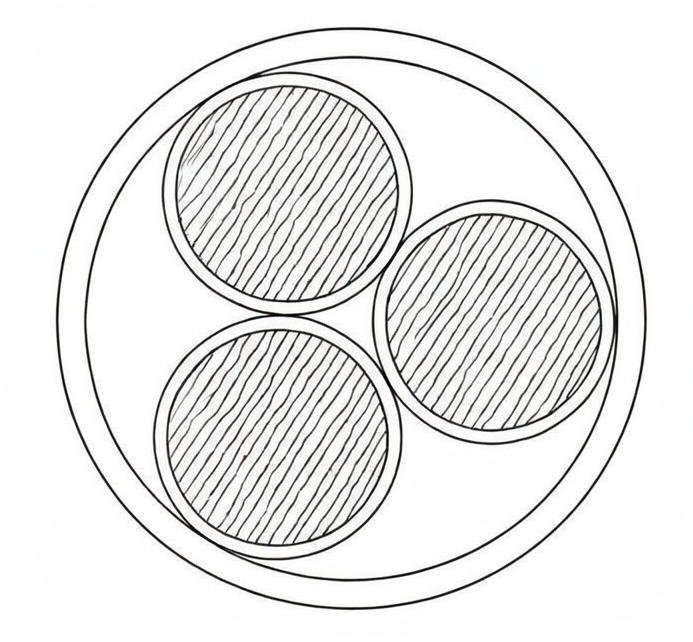
1. Construction:
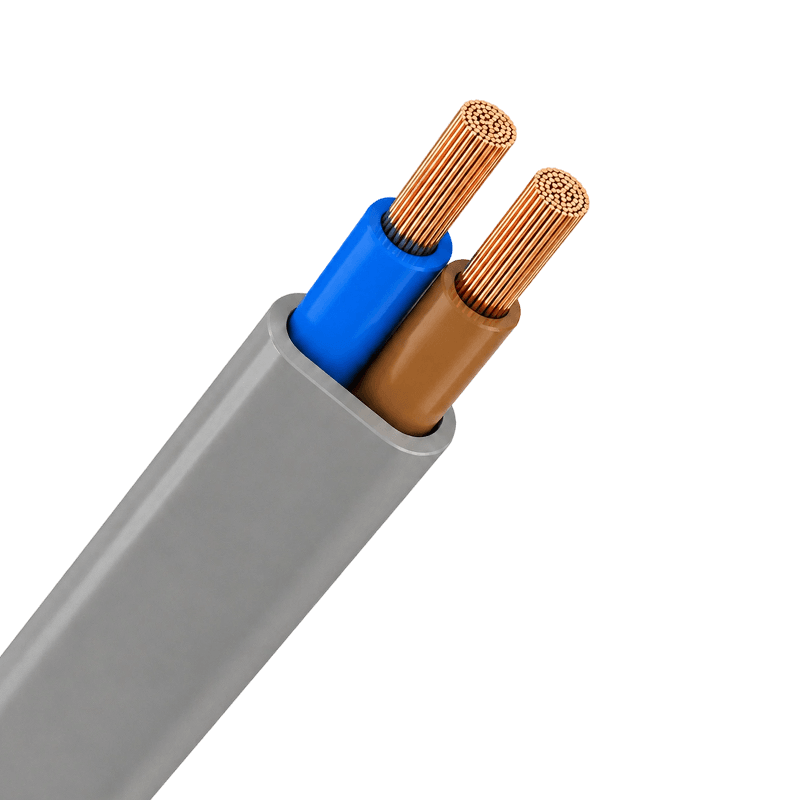
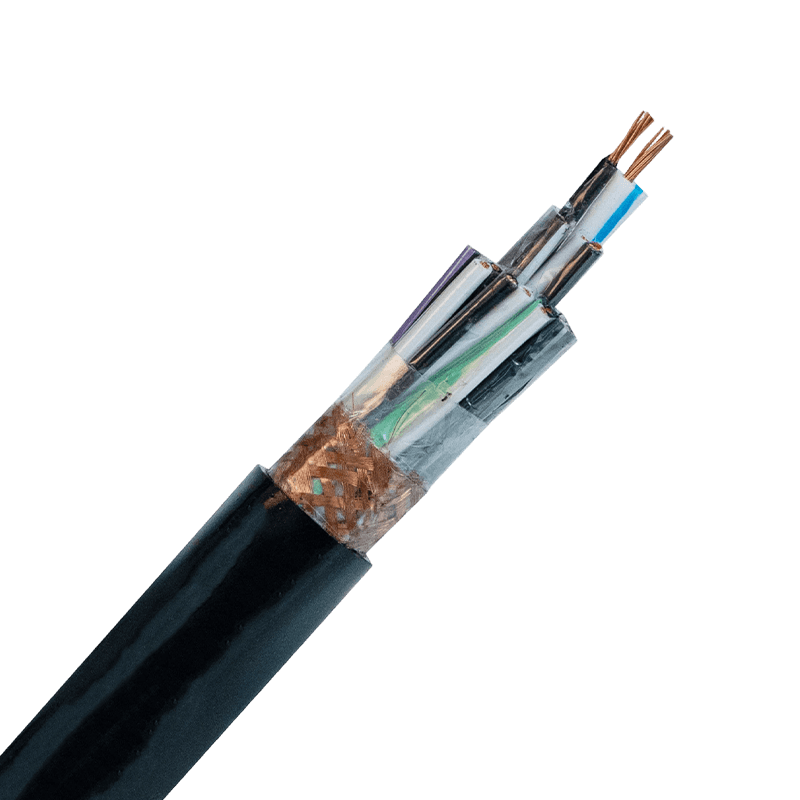
The most common form, consisting of stranded round copper or aluminum wires, available in standard stranded or compacted round structures.
2. Advantages:
- Mature manufacturing process with the longest history of application.
- Excellent flexibility, facilitating easy bending and installation.
- High compatibility with standard cable terminals.
- Versatile for various cable types.
3. Limitations:
Natural gaps between round wires result in a lower filling factor, leading to less space efficiency and larger outer diameters in multi-core designs.
4. Applications:
Small to large cross-section power cables, building wires, control/instrument cables, and high-flexibility applications.
III. Compacted (Sector / Tile-shaped) Conductors
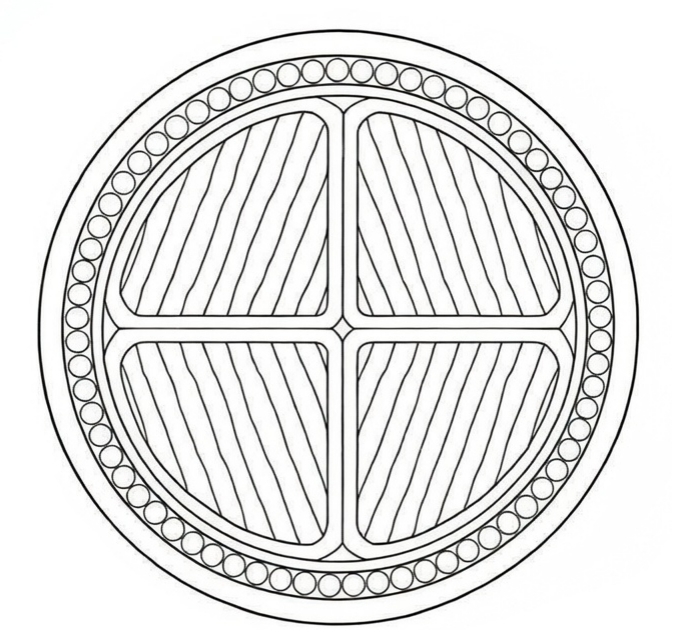
1. Definition:
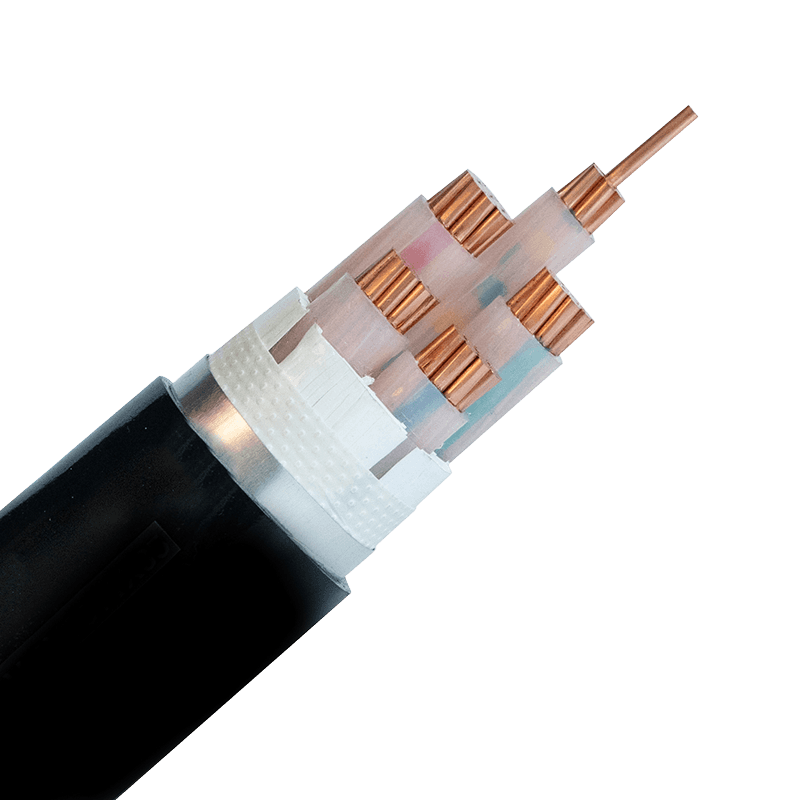
Conductors formed by pressing wires into non-circular cross-sections to increase the filling factor; commonly seen as Sector or Tile-like shapes.
2. Advantages:
- Significantly higher conductor filling factor.
- Effectively reduces the overall cable outer diameter.
- Reduces the required volume of insulation and sheath materials.
- Enhances the compactness of multi-core cable structures.
Result: Under the same cross-section, these are more compact than round conductors.
3. Application Notes:
Due to the non-circular section, specific terminals or end-shaping are required during termination.
4. Applications:
Low-voltage multi-core cables, distribution trunk lines, cables with cross-sections of 35mm² and above, and municipal power projects.
IV. Profiled (Trapezoidal / Shaped) Conductors
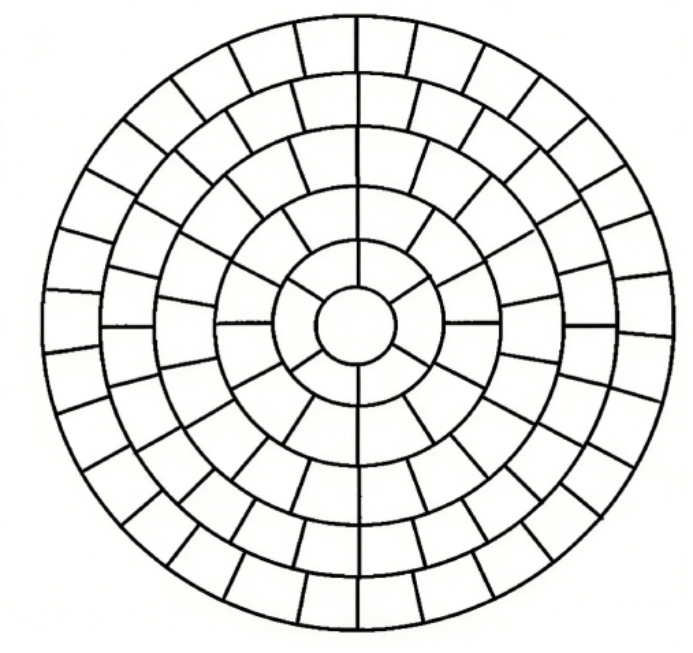
1. Construction:
Also known as trapezoidal conductors, these utilize trapezoidal-shaped wire strands to form a highly dense structure through precision pressing.
2. Advantages:
- Highest conductor filling coefficient.
- Most compact cable structure.
- Further reduction in outer diameter while maintaining electrical performance.
- Optimized metal material utilization.
3. Applications:
Medium-to-large cross-section power cables, urban grid upgrades, industrial power systems, and projects with strict limits on cable diameter and weight.
V. Comparison and Selection Guide
1. Comparison Table
|
Feature |
Round Conductor |
Compacted (Sector) |
Profiled (Trapezoidal) |
|
Filling Factor |
Low (~75-80%) |
High (~85-90%) |
Very High (> 92%) |
|
Outer Diameter |
Largest |
Small |
Smallest |
|
Flexibility |
Excellent |
Moderate |
Low / Rigid |
|
Economic Value |
Best for small sections |
Best for multi-core S-M cables |
Best for space-critical projects |
2. Electrical Performance & Selection Advice
- Electrical Standard: Regardless of the form, all conductors meet DC resistance requirements (e.g., IEC 60228) for a given cross-section. Choosing a form is an engineering optimizationchoice, not an electrical safety one.
- Small Cross-sections: Use round conductors for economy and versatility.
- Multi-core Medium/Large sections: Prioritize compacted (sector) conductors for mature design.
- Strict Space Requirements: Use profiled (trapezoidal) conductors for maximum compactness.

- +86-13588204183
- No. 39 Zhiyuan Road, Deqing Economic Development Zone, Huzhou City, Zhejiang Province

Copyright © Zhejiang Huapu Cable Co., Ltd. All Rights Reserved.
 ISO 9001 Cable Manufacturer