
 en
en English
 中文简体
中文简体 русский
 Español
 عربى
عربى
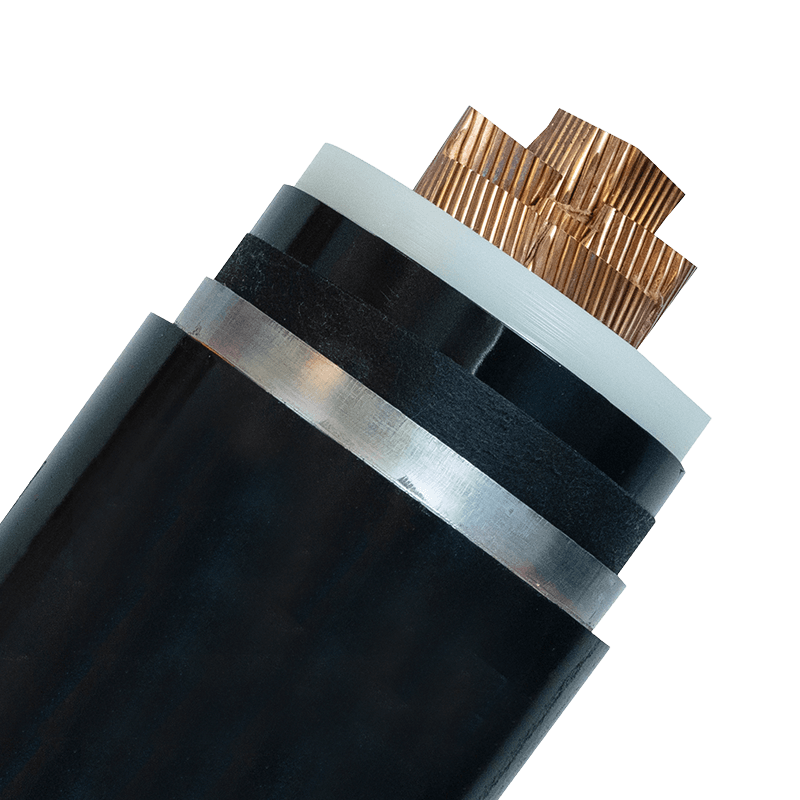
Structural Parameters
| Conductor | Cu / Al / TC / Annealed Cu / Compact Stranded Cu |
| Conductor Shielding Layer | XLPE SC / SC PE / Bonded or Strippable SC Compound |
| Insulation | XLPE / TR-XLPE / EPR / HEPR / LSZH |
| Insulation Shielding Layer | XLPE SC / Bonded SC Layer / Strippable SC Layer |
| Metal Layer | Al Tape / Cu Wire / Cu Tape / Pb Sheath / Corrugated Al Sheath |
| Sheath | PVC / PE / LSZH / HDPE / MDPE / FR-PVC / UV Resistant PE / Oil Resistant Sheath |
| Max Conductor Temperature | 70–130°C (Operation), up to 250°C (S/C) |
| Core Configuration | 1C / 2C / 3C / 4C / 5C / Multi-Cores |
| Cross-Section Range | 16–4000 mm² (250–8000 kcmil) |
| Conductor Flexibility | Class 1 / 2 / 5 / 6 |
Characteristic:
1. Excellent heat resistance and aging resistance; long-term operating temperature up to 90℃
2. Good electrical insulation performance; low partial discharge level and low dielectric loss
3. High mechanical strength, corrosion resistance and resistance to environmental stress cracking
4. Flexible installation, suitable for various installation scenarios such as underground and tunnels
Application:
1. Power system backbone: urban power grids, industrial parks, and ultra-high voltage projects
2. Long-distance power transmission: high-current, high-capacity transmission lines
3. Critical facilities: nuclear power plants, substations, rail transit, data centers, etc.
4. Urban underground cable engineering: can replace traditional oil-impregnated paper-insulated cables, improving safety
Description:
As a core product for power transmission, it is suitable for high-voltage scenarios ranging from 38kV to 500kV. Utilizing cross-linked polyethylene insulation, it possesses excellent electrical performance and mechanical stability, enabling long-term reliable operation in complex environments. Supporting large-span, high-load power transmission requirements, it is a key piece of equipment for modern power grid construction and upgrading.
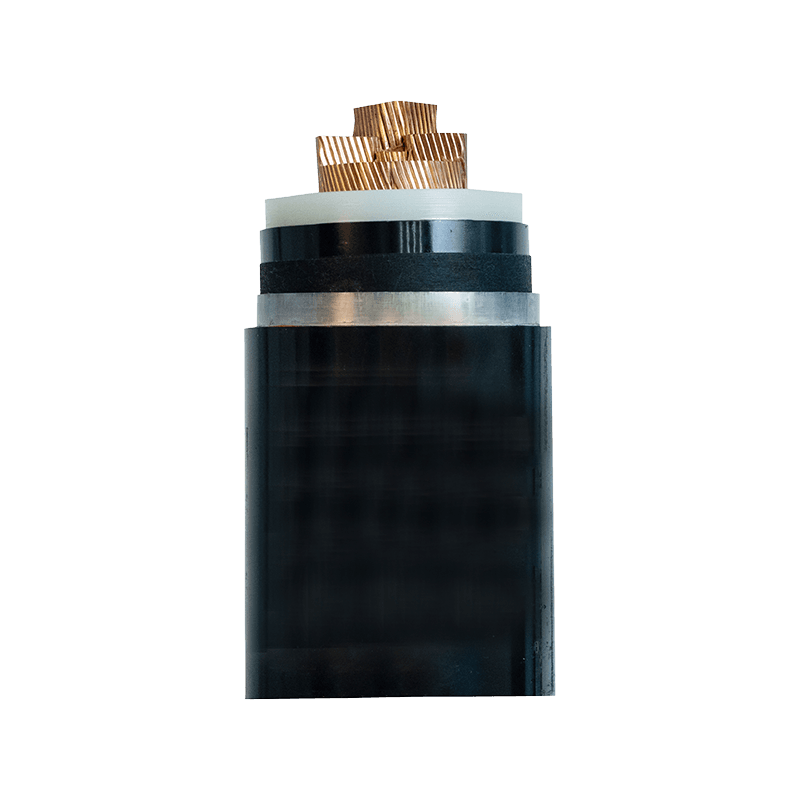
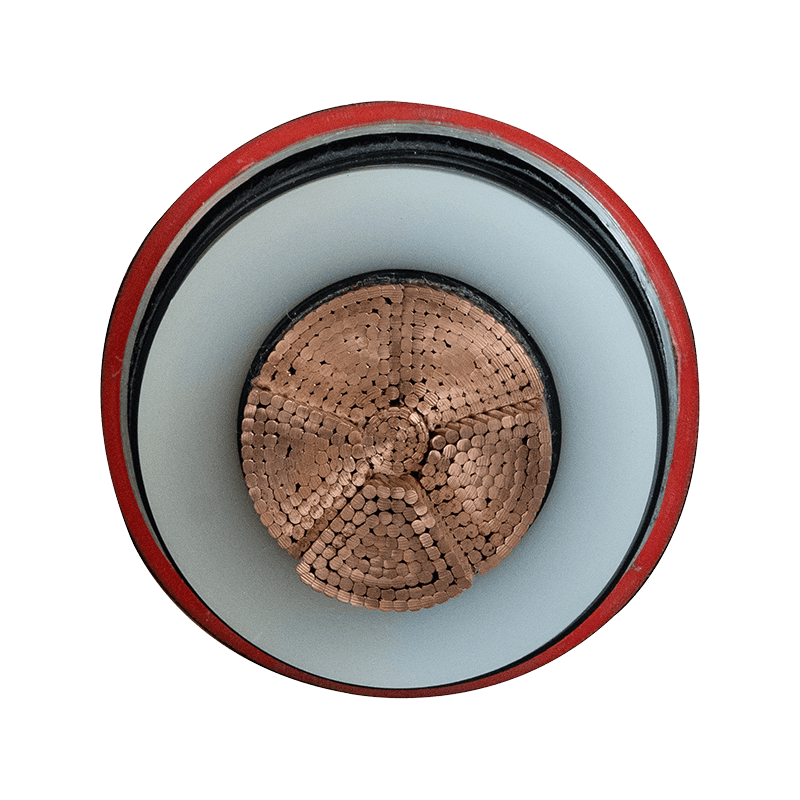
ZC-YJPL03 127/220KV 1*3500
Obtain Quotations
127/220 kV XLPE Insulated Cable
| Conductor | Copper |
| Conductor shielding layer | Cross-linked Polyethylene |
| Insulation | Cross-linked Polyethylene |
| Insulating shielding layer | Cross-linked Polyethylene |
| Metal layer(Anti-interference) | Aluminum Tape |
| Sheath | PVC |
| Highest temperature of conductor | 90 |
About us
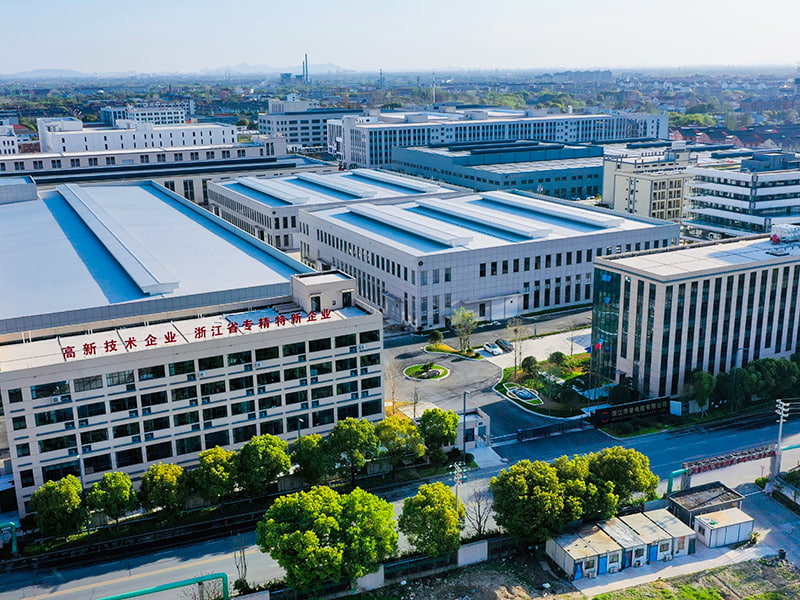
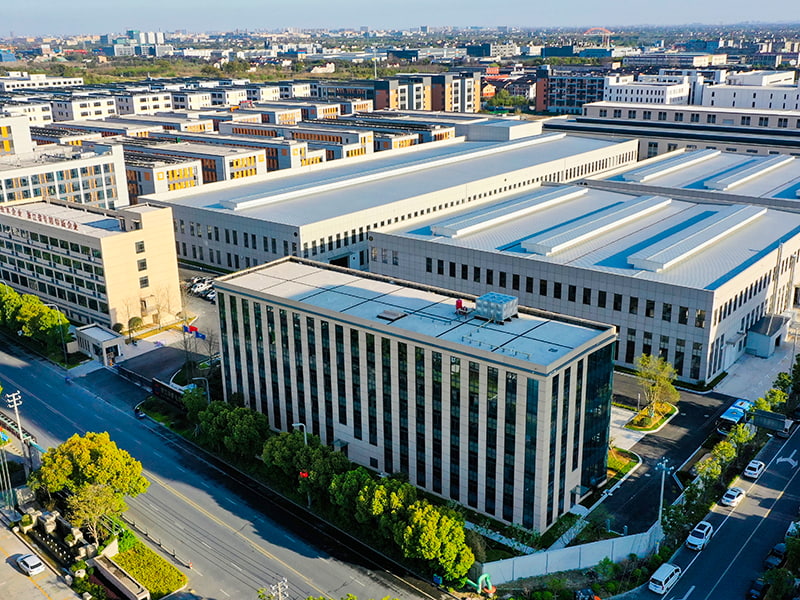
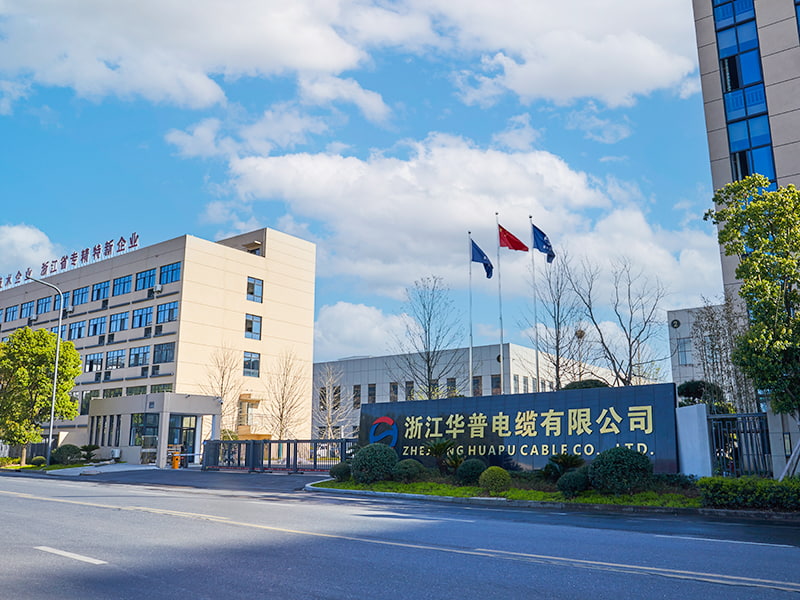
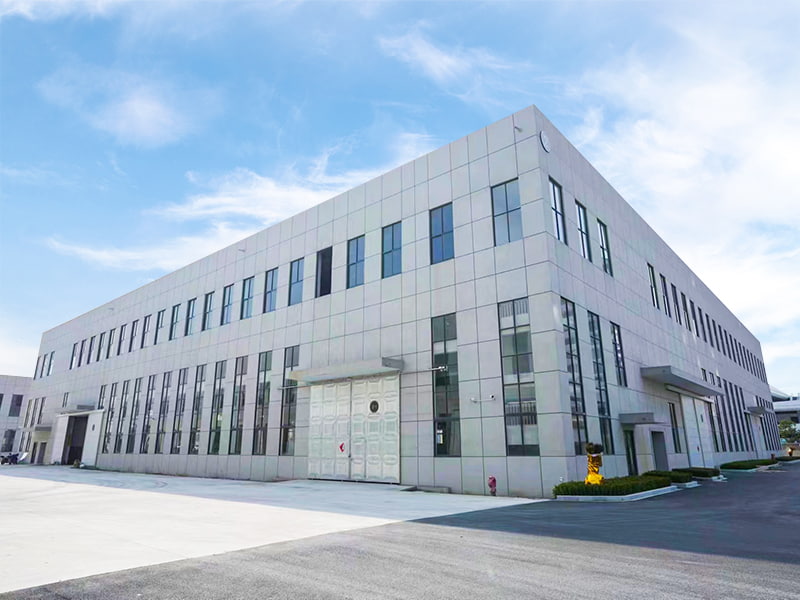
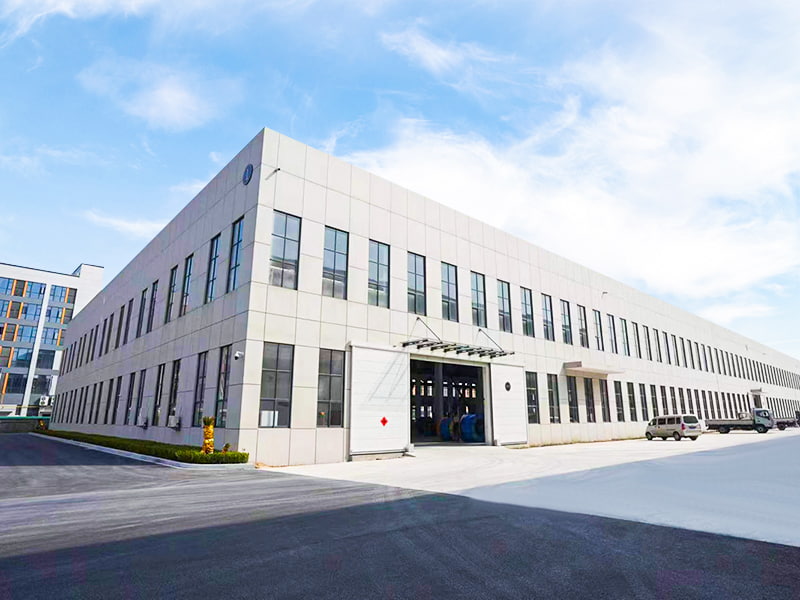
Zhejiang Huapu Cable Co., Ltd.
Zhejiang Huapu Cable Co., Ltd. is a professional wire and cable manufacturer integrating production, sales, R&D, and service. The company specializes in the production and development of a wide range of products, including cross-linked polyethylene and PVC insulated power cables, control cables, overhead cables, aluminum stranded wires, steel-cored aluminum stranded wires, building wires, general rubber-sheathed flexible cables, power plug cords, radio frequency cables, communication cables, computer cables, as well as special electrical equipment products such as low-smoke halogen-free, flame-retardant, fire-resistant, and fireproof cables.
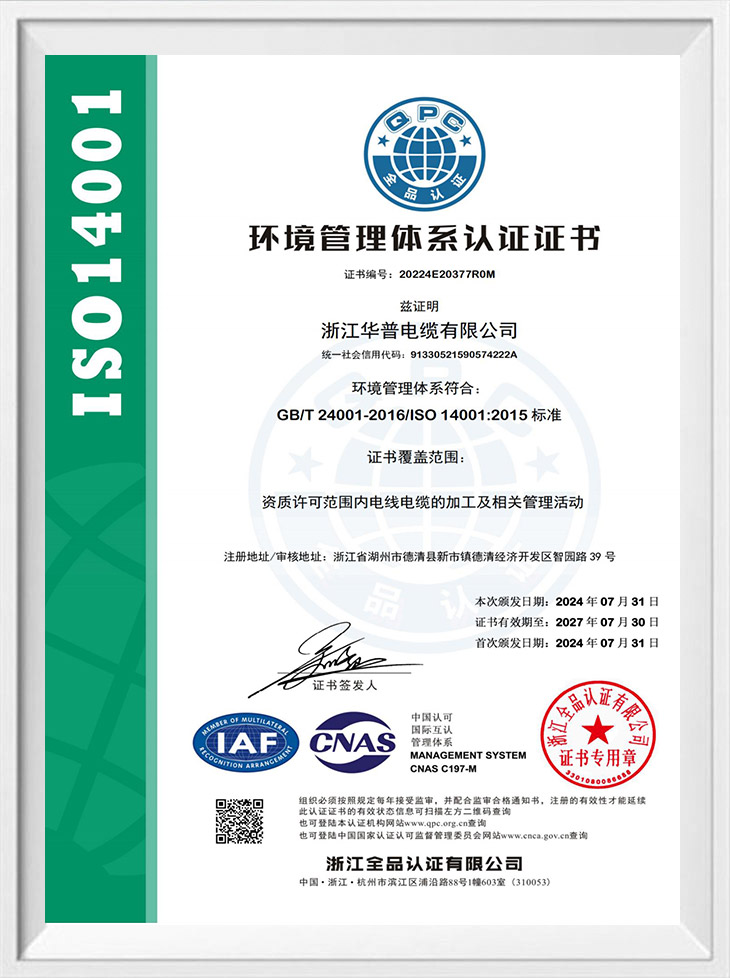
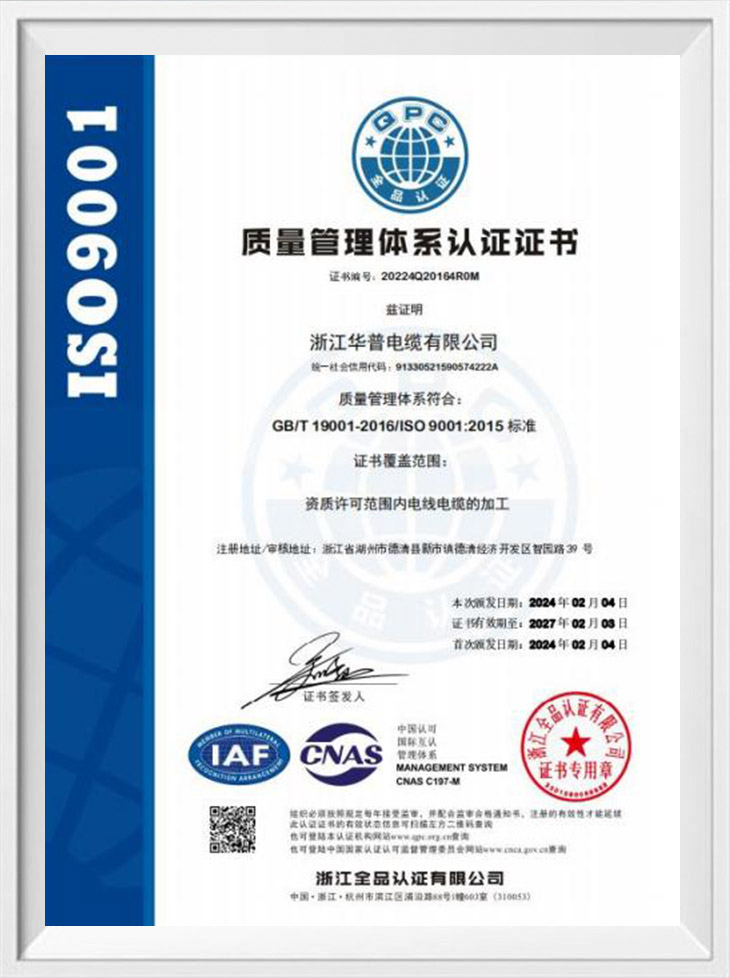
As High-Voltage Power Cables Manufacturers and High-Voltage Power Cables Suppliers in China, Equipped with advanced technology, robust technical expertise, comprehensive testing capabilities, and well-equipped laboratory facilities, the company operates modern production lines and utilizes state-of-the-art inspection and testing equipment. It has obtained certifications including National High-Tech Enterprise recognition, ISO 9001 Quality Management System, ISO 14001 Environmental Management System, OHSAS 18001 Occupational Health and Safety Management System, "Zhejiang Manufacturing" standards, and China Compulsory Product (CCC) certification. The company also holds a National Industrial Product Production License.
As High-Voltage Power Cables Factory and 38/66kV-290/500kV XLPE Insulated Power Cables Suppliers, the company has established a comprehensive management system, firmly believing that superior quality is the key to customer satisfaction and market success, which helps build a high-end brand image. Based on customer needs, the company continuously strives for innovation to maximize benefits for its clients.
Guided by the principles of rigor, efficiency, integrity, pragmatism, humility, and unity, the company aims to become a global advocate for green and environmentally friendly products. While providing top-tier wire and cable products, supply Custom 38/66kV-290/500kV XLPE Insulated Power Cables, it is committed to collaborating with partners from all sectors through scientific management, standardized production, premium quality, satisfactory service, and an outstanding reputation to achieve mutual success.
-

0 01
Company registered
-

0m² 02
Factory area
-

003
Employees
-

USD0million04
Annual Sales Volume
HIGH STANDARD HONOUR
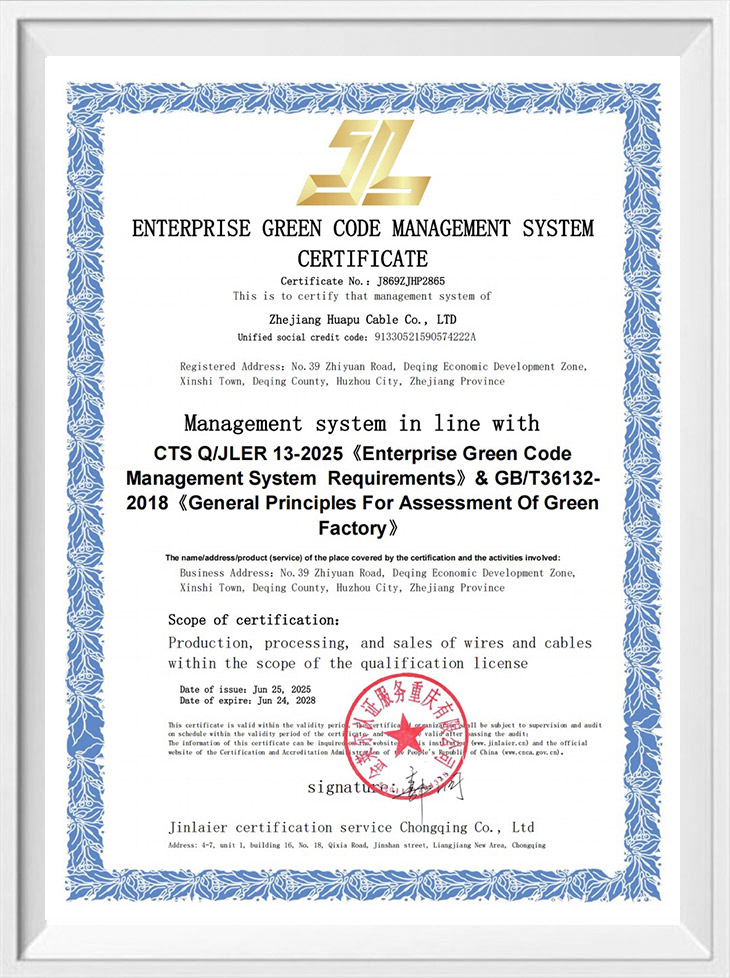
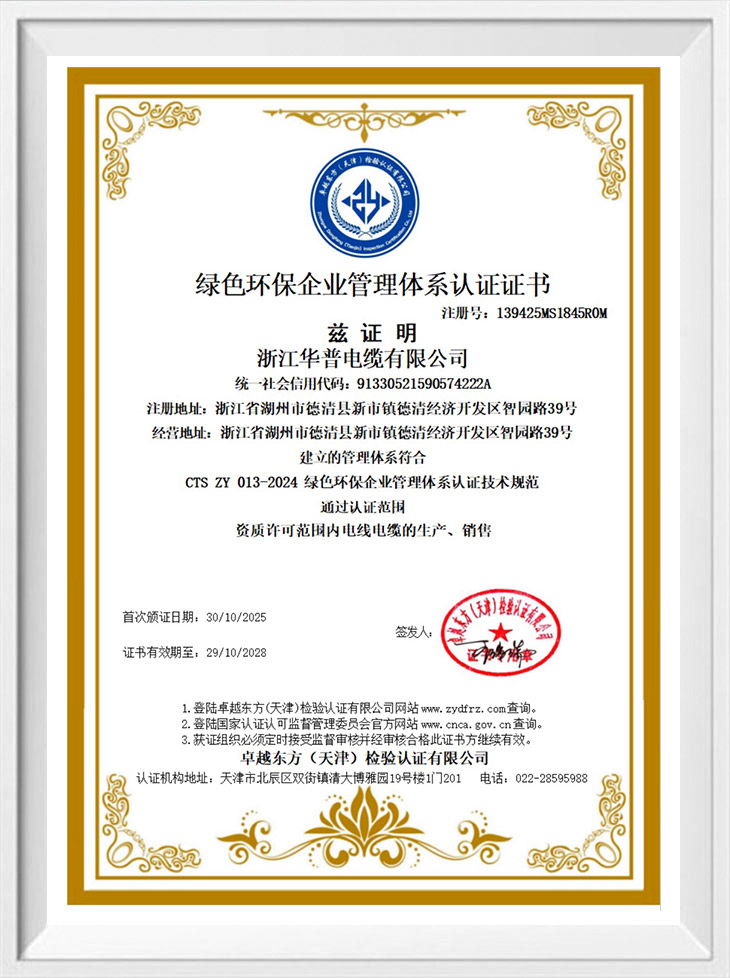
Environmental protection certification and standards
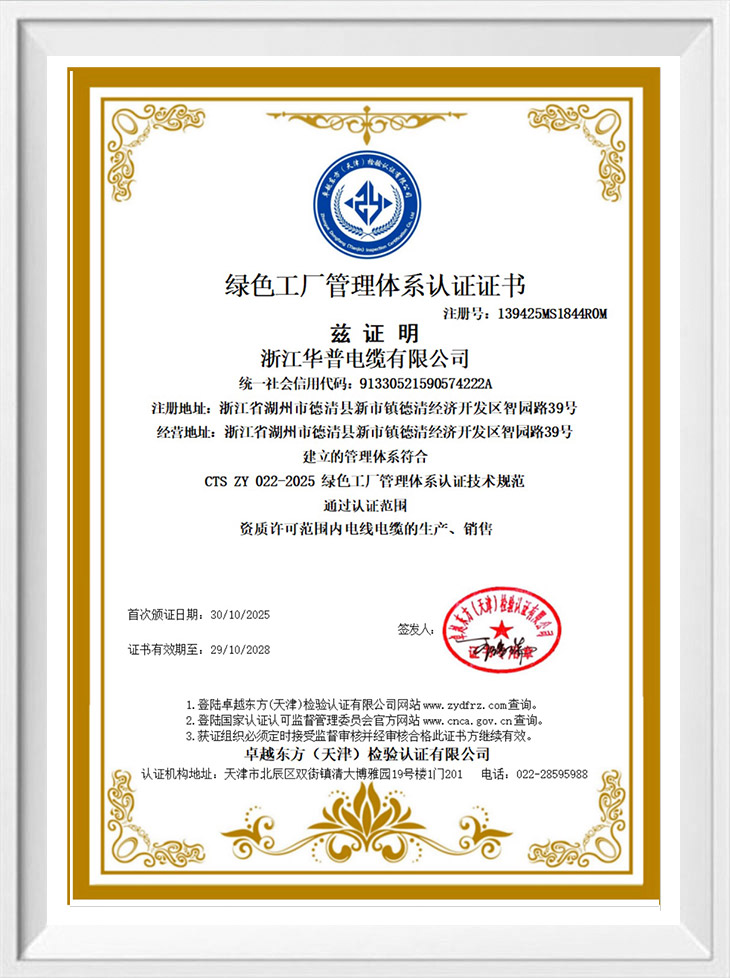
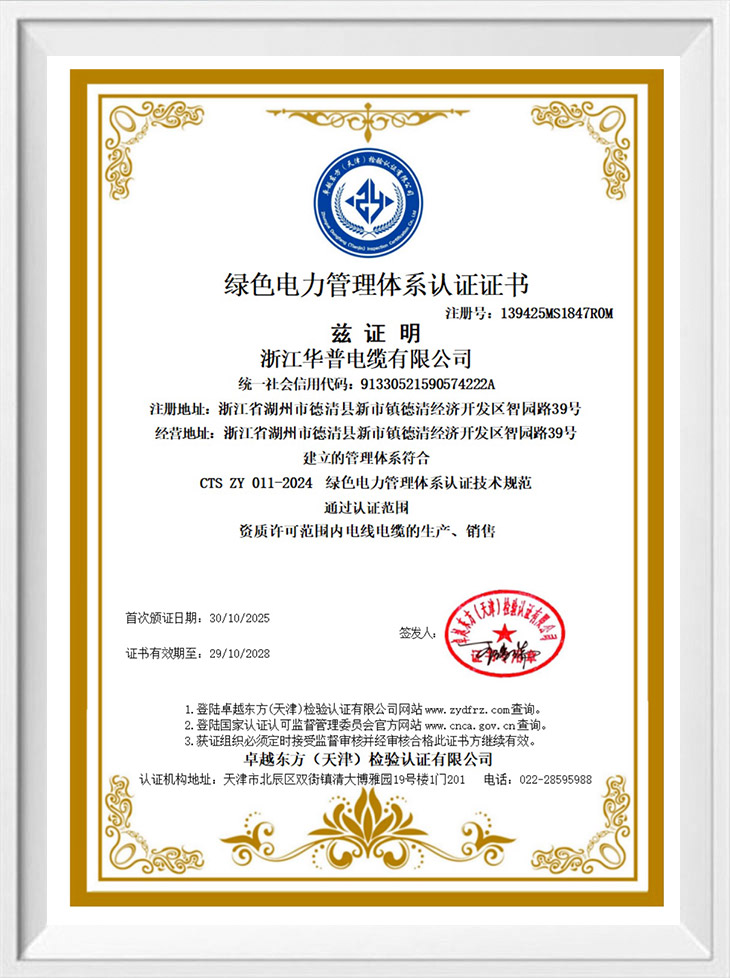
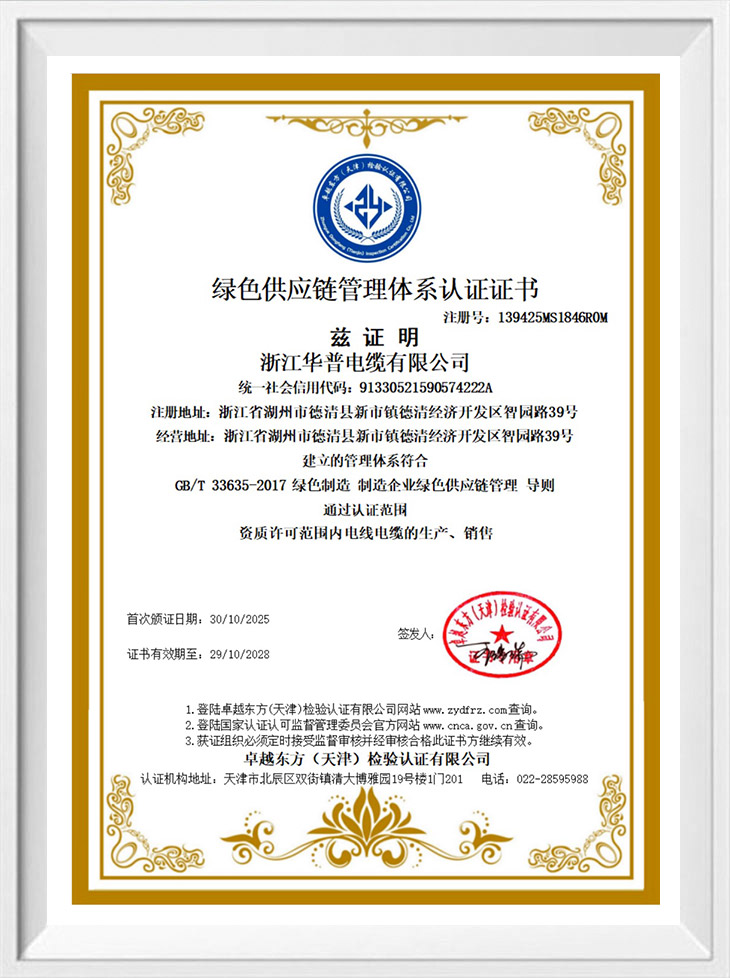
News & Blog

Industry knowledge
Selecting High-Voltage Cable Voltage Classes for Grid Infrastructure
High-voltage transmission projects rely on carefully selected cable voltage classes to balance transmission capacity, insulation reliability, and infrastructure cost. In modern grid planning, 38/66kV, 64/110kV, 127/220kV, and 290/500kV cable systems are commonly deployed to serve different layers of the power transmission network, from regional distribution to ultra-high-capacity trunk transmission.
In practical engineering projects, the voltage class determines conductor size, insulation thickness, shielding design, and installation method. Choosing the appropriate level can significantly improve grid stability while minimizing long-term maintenance costs.
| Voltage Class | Typical Application Scenario | Transmission Characteristics |
|---|---|---|
| 38 / 66kV | Urban distribution networks, industrial zones | Medium capacity, flexible installation |
| 64 / 110kV | Regional substations and city power grids | High reliability distribution backbone |
| 127 / 220kV | Long-distance power transmission | Large power transfer capability |
| 290 / 500kV | Ultra-high voltage backbone networks | Extremely high transmission capacity |
In our experience working with global infrastructure projects, selecting the proper voltage level is often the first step toward building a stable, high-capacity and future-ready transmission system.
Why XLPE Insulation Dominates Modern High-Voltage Cable Design
Cross-linked polyethylene (XLPE) insulation has largely replaced traditional oil-impregnated paper insulation in modern high-voltage power cables. Its molecular cross-linking structure provides outstanding thermal, electrical, and mechanical properties, allowing cables to operate safely under high electrical stress for decades.
Key Technical Advantages
- Higher thermal endurance, supporting continuous operating temperatures up to 90℃
- Lower dielectric loss compared with conventional insulation materials
- Excellent resistance to electrical treeing and partial discharge
- Improved environmental safety without oil leakage risk
- Greater mechanical flexibility for underground installation
These characteristics allow XLPE cables to support the increasing demand for high-capacity transmission in modern cities, renewable energy projects, and industrial power networks.
Through continuous production optimization and strict testing procedures, we ensure that the XLPE insulation used in our high-voltage cables maintains stable dielectric performance and long service life even in demanding operating environments.
Engineering Considerations for Underground High-Voltage Cable Installation
Underground cable systems are widely adopted in dense urban environments where overhead lines are impractical or visually undesirable. High-voltage XLPE cables provide the mechanical robustness and insulation reliability required for long-distance underground installations.
Common Installation Environments
- Direct burial in prepared cable trenches
- Installation inside concrete cable ducts
- Tunnel-based power transmission corridors
- Substation or industrial facility cable galleries
Several engineering factors must be carefully evaluated before installation. Thermal dissipation conditions, soil resistivity, cable spacing, and mechanical protection measures all influence the long-term performance of the cable system.
From our perspective as a cable manufacturer involved in multiple infrastructure supply projects, proper installation design often determines whether a cable system can reach its full service life.
Manufacturing Quality and Testing Standards for High-Voltage Cables
High-voltage power cables reliability depends heavily on manufacturing precision and rigorous quality control. From conductor stranding to insulation extrusion and shielding layers, every step must maintain strict process stability to avoid microscopic defects that could later cause electrical failure.
Typical Factory Testing Procedures
| Test Type | Purpose | Importance |
|---|---|---|
| Partial Discharge Test | Detect insulation defects | Prevents early insulation failure |
| AC Withstand Voltage Test | Verify insulation strength | Ensures safety margin |
| Conductor Resistance Test | Measure electrical efficiency | Controls power losses |
| Mechanical Performance Test | Evaluate structural strength | Improves durability |
At Zhejiang Huapu Cable Co., Ltd., we integrate production, research, and quality verification under a comprehensive management system supported by modern laboratories and advanced inspection equipment. Our facilities operate under internationally recognized management systems including ISO 9001, ISO 14001, and OHSAS 18001, ensuring that each high-voltage cable delivered to customers meets demanding grid-level performance standards.
By combining standardized production processes with continuous technical innovation, we aim to provide high-voltage cable solutions that help customers build reliable, efficient, and future-oriented power infrastructure.

Our Email
Our Tel
- +86-13588204183
Our Address
- No. 39 Zhiyuan Road, Deqing Economic Development Zone, Huzhou City, Zhejiang Province
QR Code

Quick Links
Online Message
Copyright © Zhejiang Huapu Cable Co., Ltd. All Rights Reserved.

Custom High-Voltage Power Cables Factory