
 en
en English
 中文简体
中文简体 русский
 Español
 عربى
عربى
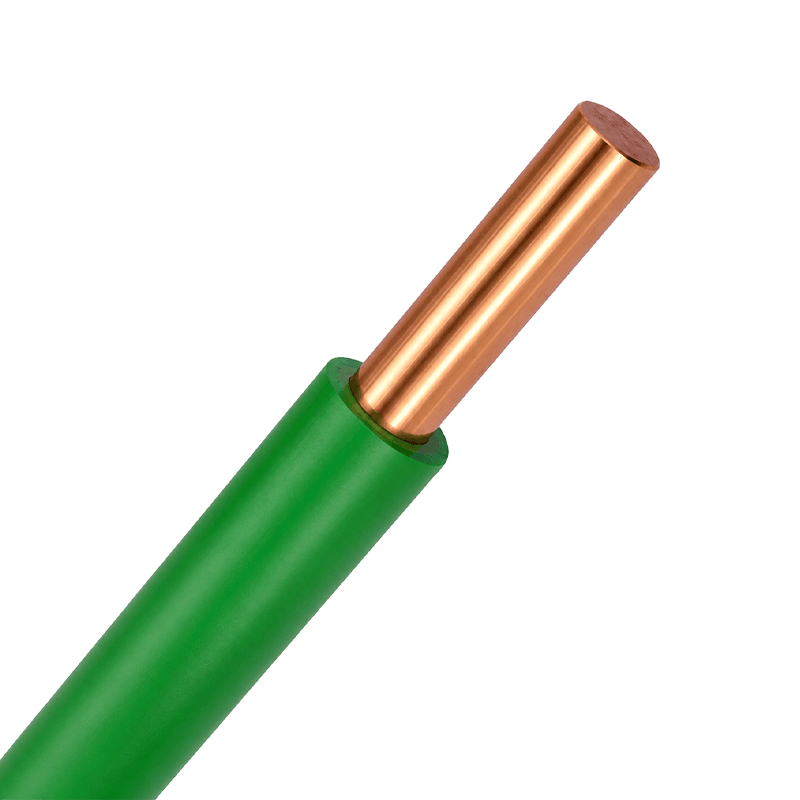
Structural Parameters
| Conductor | Cu |
| Insulation | PVC / XLPE / PE / LSZH / EPR / PTFE |
| Sheath | PVC / LSZH / PE / FR-PVC / XLPE |
| Max Conductor Temp. | 70–150°C (PVC: 70–90°C; XLPE/EPR: 90°C; PTFE/Silicone: up to 150°C) |
| Bending Radius | 6–12D |
| Core Configuration | 1–5 Cores |
| Cross-Section Range | 1–400 mm² (AWG 16 – 1000 kcmil) |
| Conductor Flexibility | Class 1 / 2 / 5 |
Characteristic:
1. Reliable insulation performance, ensuring safety;
2. Complete range of wire diameters to suit different loads;
3. Easy installation and flexible wiring;
4. Environmentally friendly materials, meeting safety standards.
Application:
This type of cable uses PVC insulation and sheathing, and is suitable for various electrical systems with rated voltage Uo/U of 450/750V or 0.6/1kV and below. It is suitable for:
1. Indoor lighting wiring in civil buildings;
2. Power connection for household appliances;
3. Internal wiring for small electrical equipment;
4. Electrical system renovation in office spaces. Its design aims to meet the stability and safety requirements of control, signal, protection, and measurement circuits for the connection cable.
Description:
We offer a full range of wires rated at 450/750V and below, covering cross-linked polyolefin (XLPO), polyvinyl chloride (PVC), and rubber insulation types. Our products strictly adhere to international standards (such as IEC, BS, VDE) and are designed for building engineering, industrial equipment, fixed wiring, and various electrical installations. They excel in safety, durability, and environmental adaptability, making them a reliable power transmission partner.
Primarily used for indoor electrical wiring in buildings, we offer a variety of wire diameters to meet the needs of different power appliances. Using environmentally friendly insulation materials, they comply with national electrical safety standards, ensuring safe indoor electrical use.
Rated Voltage: The rated voltage of this product for power frequency is Uo/U: 450/750V or 0.6/1kV.
Long-term Operating Temperature: The maximum allowable long-term operating temperature of the cable conductor is 70℃.
Installation Ambient Temperature: The ambient temperature during installation should not be lower than 0℃. If installation is carried out in an environment below this temperature, preheating of the cable is recommended.
To ensure cable performance and avoid mechanical damage, please adhere to the following minimum bending radius requirements during installation:
Unarmored cables: Bending radius should be no less than 6 times the cable's outer diameter.
Armored or copper tape shielded cables: Bending radius should be no less than 12 times the cable's outer diameter.
Shielded flexible cables: Bending radius should be no less than 6 times the cable's outer diameter.
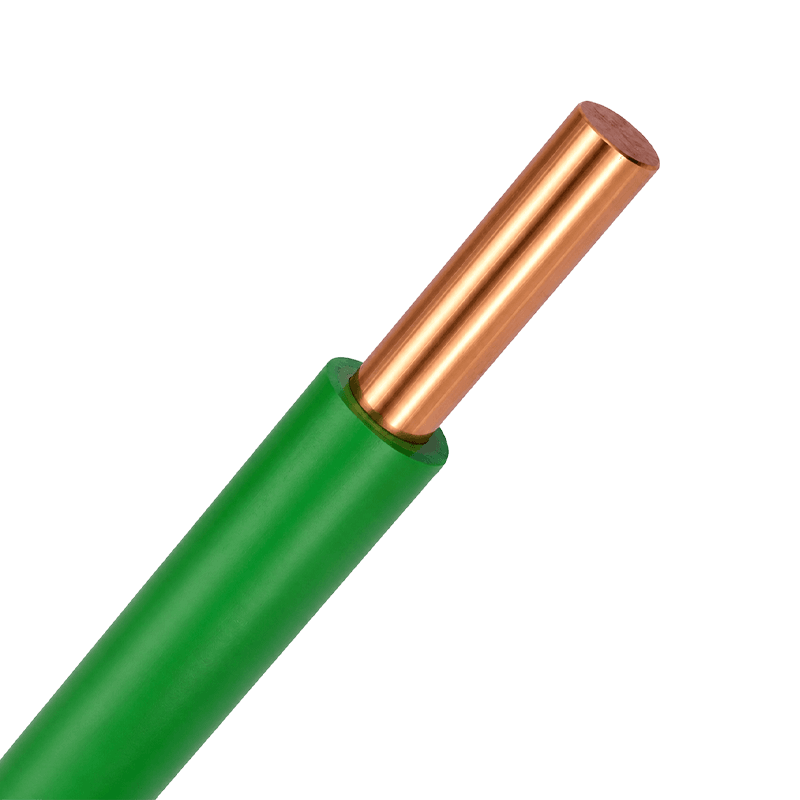
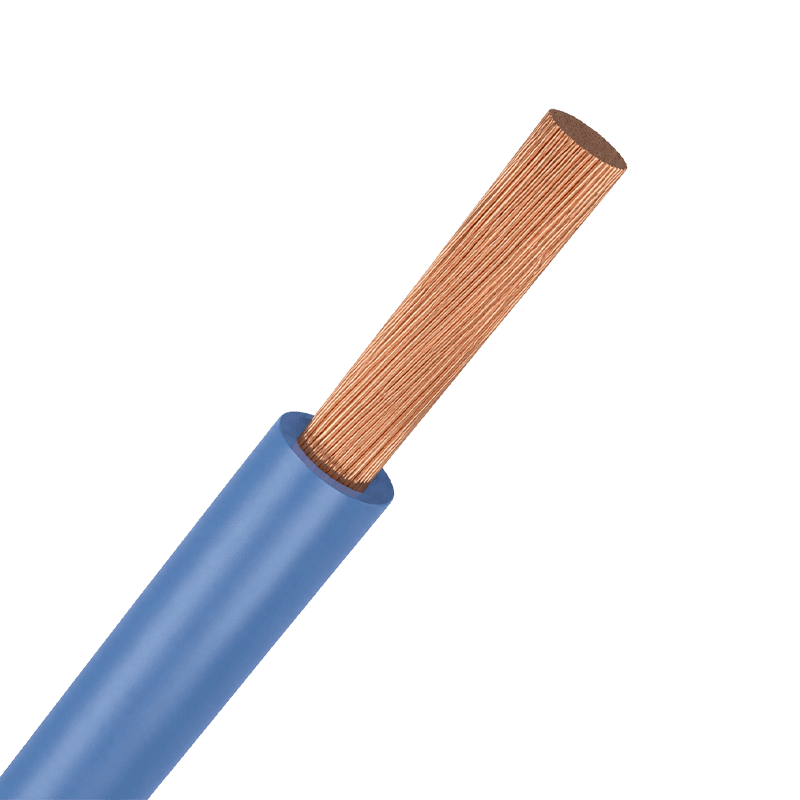
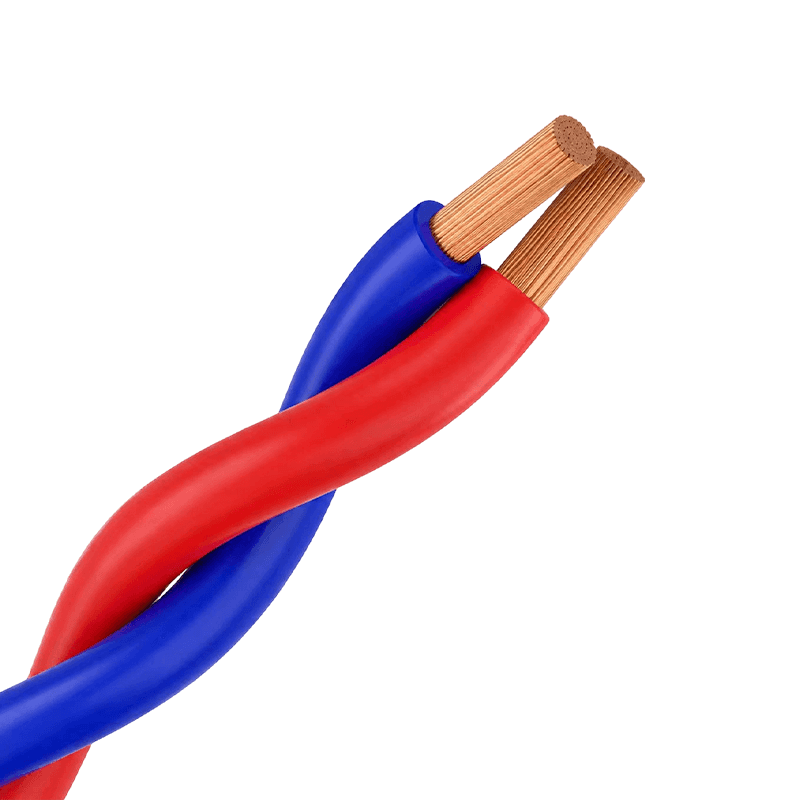
Copper Building Wire (PVC/XLPE Insulated Electrical Wire)
| Conductor | Cu |
| Insulation | PVC / XLPE / PE / LSZH / EPR / PTFE |
| Sheath | PVC / LSZH / PE / FR-PVC / XLPE |
| Max Conductor Temp. | 70–150°C (PVC: 70–90°C; XLPE/EPR: 90°C; PTFE/Silicone: up to 150°C) |
| Bending Radius | 6–12D |
| Core Configuration | 1–5 Cores |
| Cross-Section Range | 1–400 mm² (AWG 16 – 1000 kcmil) |
| Conductor Flexibility | Class 1 / 2 / 5 |
|
International Type |
Standards |
Conductor |
Insulation |
Typical Application |
|
BV / H07V-U |
IEC 60227 · BS 6004 · GB/T 5023 |
Copper, Class 1 |
PVC |
Fixed wiring, conduit & trunking |
|
BVR / H07V-K |
IEC 60227 · BS 6004 · GB/T 5023 |
Copper, Class 5 |
PVC |
Fixed wiring where flexibility is needed |
|
NYM |
DIN VDE 0250 |
Copper, Class 2 |
PVC |
European indoor installation, unarmoured |
|
H07VV-F / RV |
IEC 60227 |
Copper, Class 5 |
PVC |
Flexible connection & appliances |
|
LSZH Building Wire |
IEC 60332-3 · IEC 60754 · IEC 61034 |
Copper, Class 1/2 |
LSZH |
Low-smoke, halogen-free wiring for public buildings & transit systems |
|
XLPE Building Wire (XHHW-type) |
IEC 60502-1 |
Copper, Class 2 |
XLPE |
Higher-temperature wiring (90°C), wet & dry locations |
|
High-Temp PTFE/Silicone Wire |
IEC 60702 |
Copper, Class 5 |
PTFE / Silicone |
Fire-safety-critical & high-temperature applications (up to 150°C) |
|
THHN/THWN* |
UL 83 |
Copper, Class 2 |
PVC + Nylon |
US/Canada conduit wiring, 600V *available on request/customization |
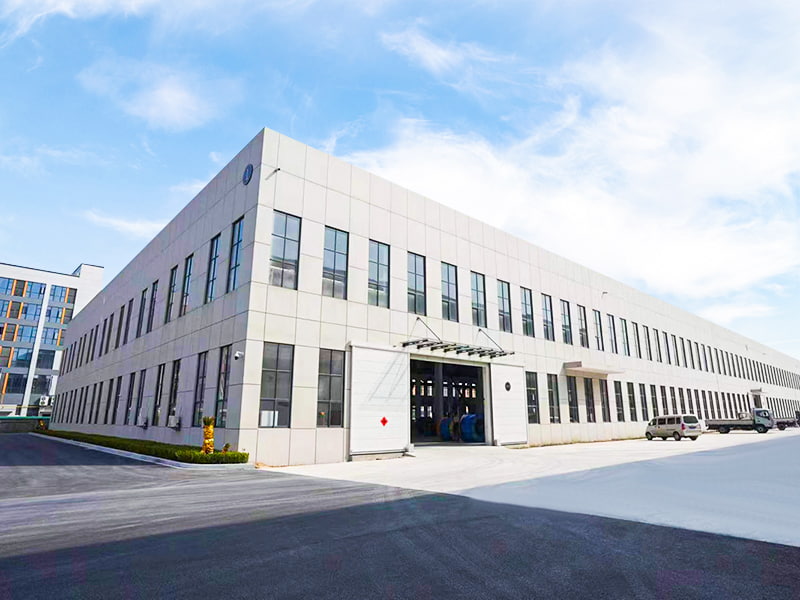
About us
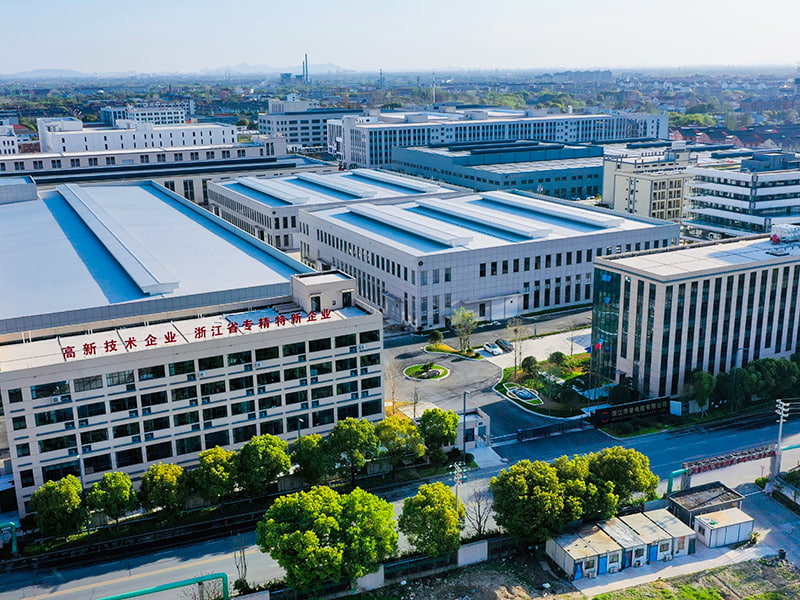
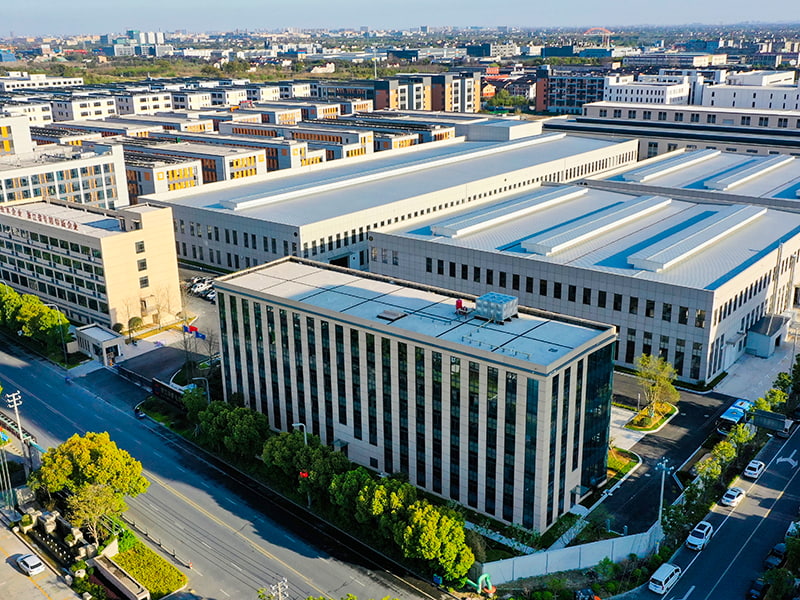
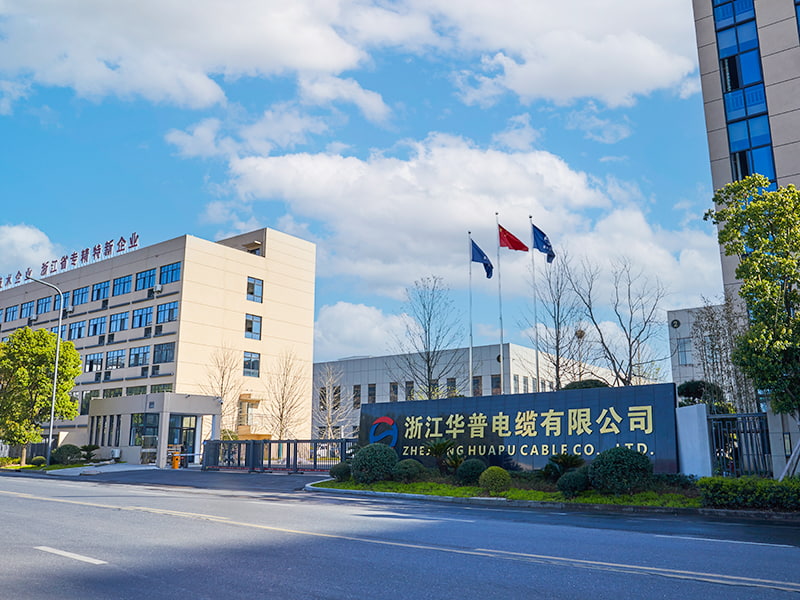
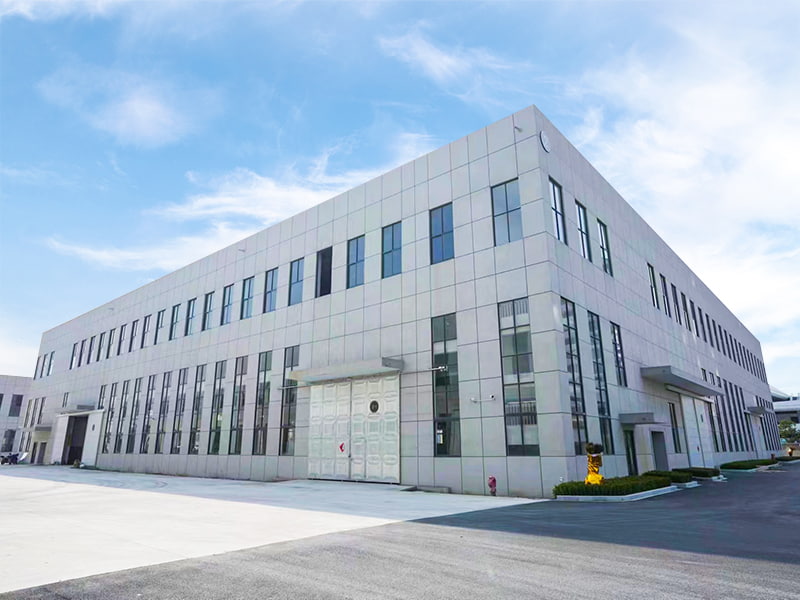
Zhejiang Huapu Cable Co., Ltd.
Zhejiang Huapu Cable Co., Ltd. is a professional wire and cable manufacturer integrating production, sales, R&D, and service. The company specializes in the production and development of a wide range of products, including cross-linked polyethylene and PVC insulated power cables, control cables, overhead cables, aluminum stranded wires, steel-cored aluminum stranded wires, building wires, general rubber-sheathed flexible cables, power plug cords, radio frequency cables, communication cables, computer cables, as well as special electrical equipment products such as low-smoke halogen-free, flame-retardant, fire-resistant, and fireproof cables.
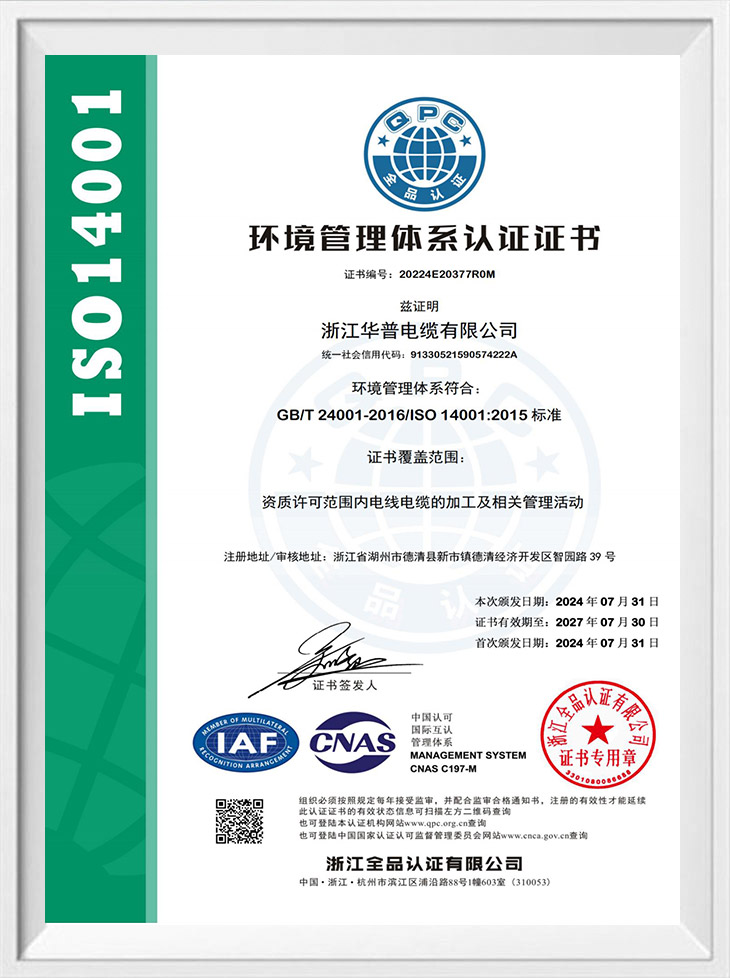
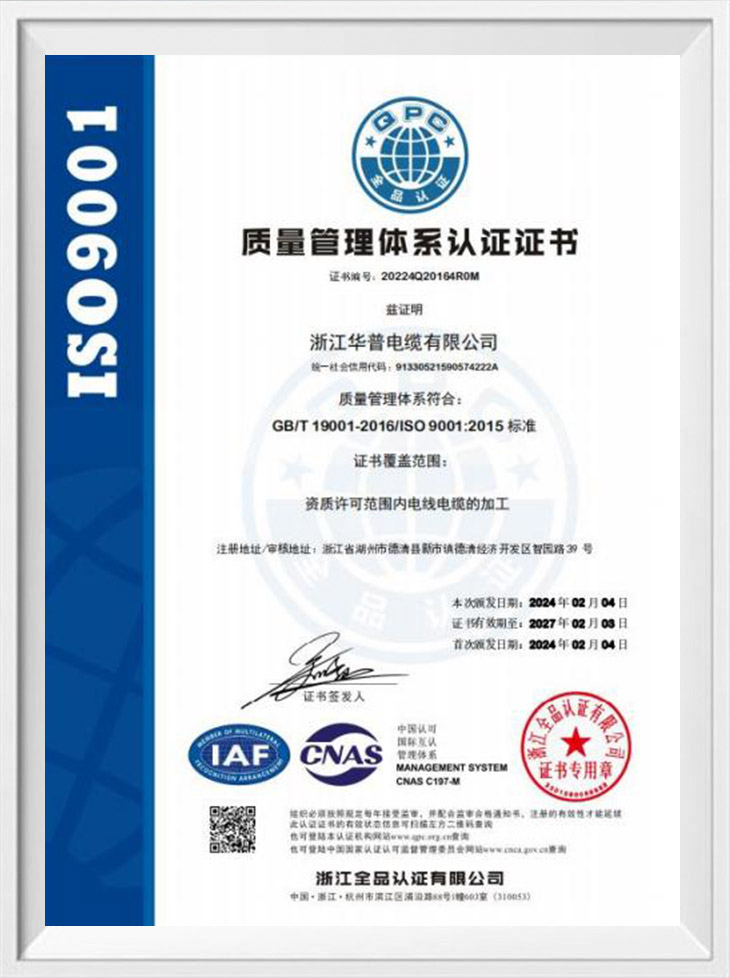
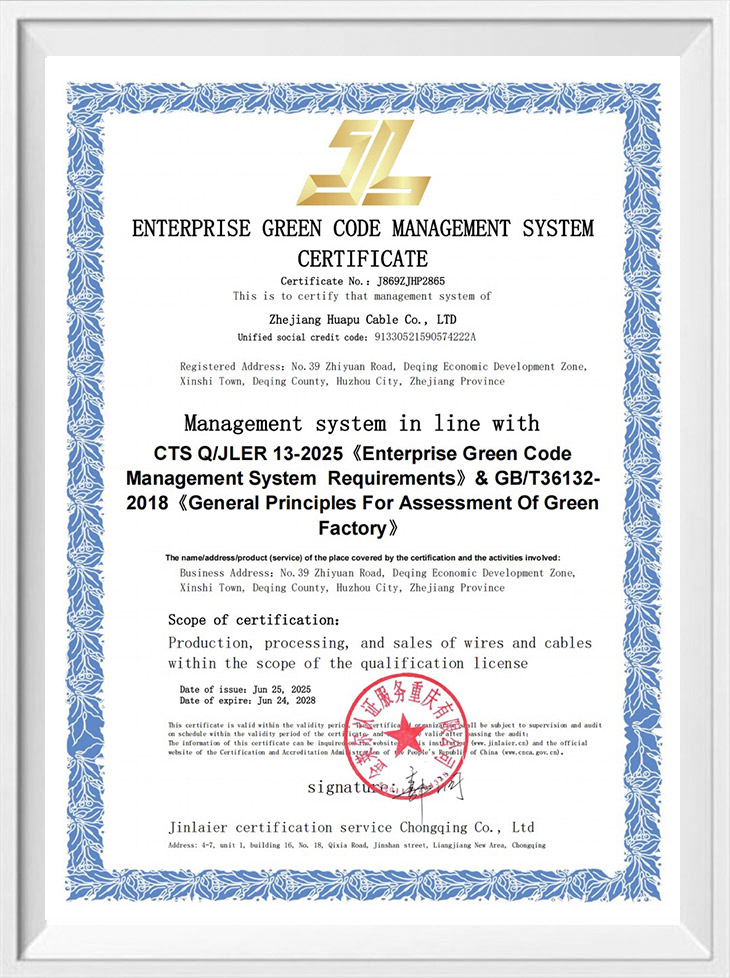
As Building Wires Manufacturers and Building Wires Suppliers in China, Equipped with advanced technology, robust technical expertise, comprehensive testing capabilities, and well-equipped laboratory facilities, the company operates modern production lines and utilizes state-of-the-art inspection and testing equipment. It has obtained certifications including National High-Tech Enterprise recognition, ISO 9001 Quality Management System, ISO 14001 Environmental Management System, OHSAS 18001 Occupational Health and Safety Management System, "Zhejiang Manufacturing" standards, and China Compulsory Product (CCC) certification. The company also holds a National Industrial Product Production License.
As Building Wires Factory and Cross-linked Polyolefin/PVC/Rubber Insulated Cable with Rated Voltage 450/750V and Below Suppliers, the company has established a comprehensive management system, firmly believing that superior quality is the key to customer satisfaction and market success, which helps build a high-end brand image. Based on customer needs, the company continuously strives for innovation to maximize benefits for its clients.
Guided by the principles of rigor, efficiency, integrity, pragmatism, humility, and unity, the company aims to become a global advocate for green and environmentally friendly products. While providing top-tier wire and cable products, supply Custom Cross-linked Polyolefin/PVC/Rubber Insulated Cable with Rated Voltage 450/750V and Below, it is committed to collaborating with partners from all sectors through scientific management, standardized production, premium quality, satisfactory service, and an outstanding reputation to achieve mutual success.
-

0 01
Company registered
-

0m² 02
Factory area
-

003
Employees
-

USD0million04
Annual Sales Volume
HIGH STANDARD HONOUR
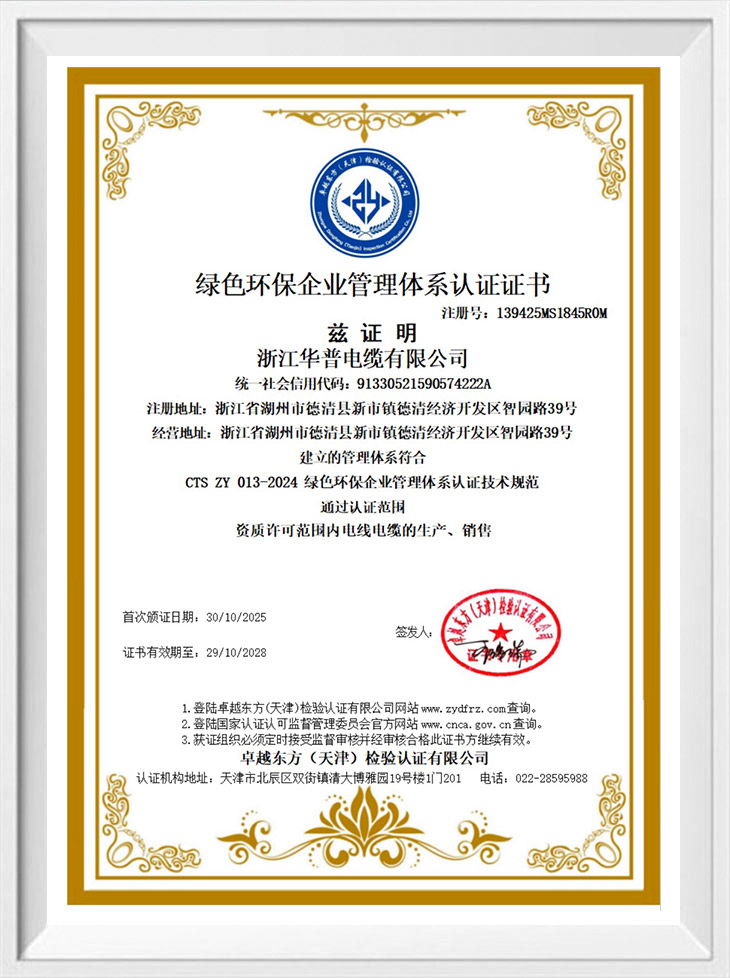
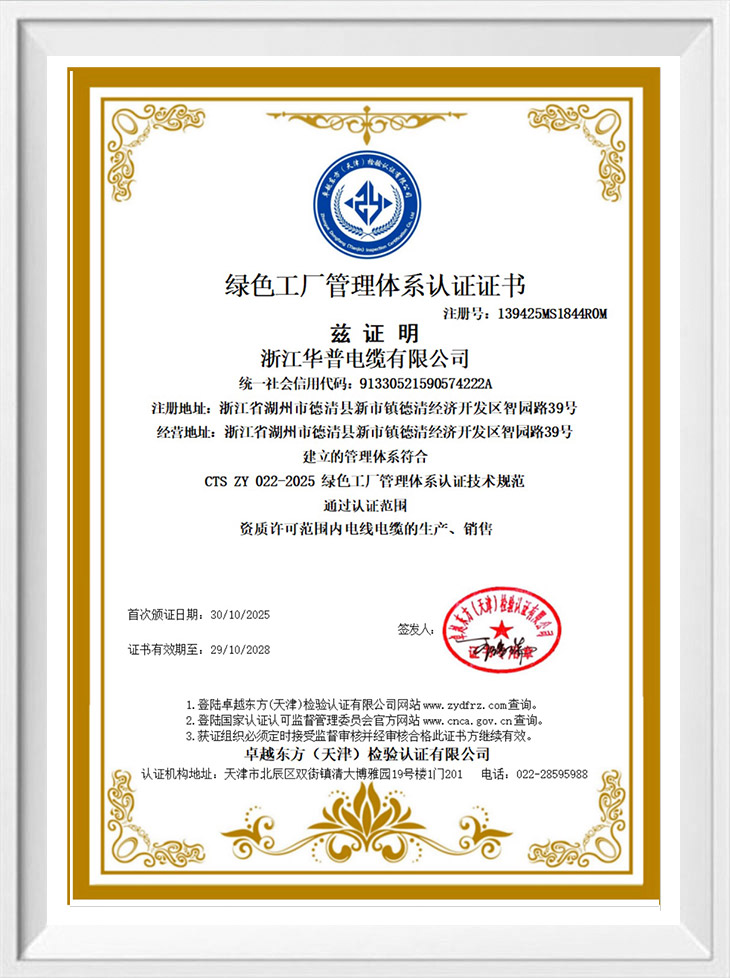
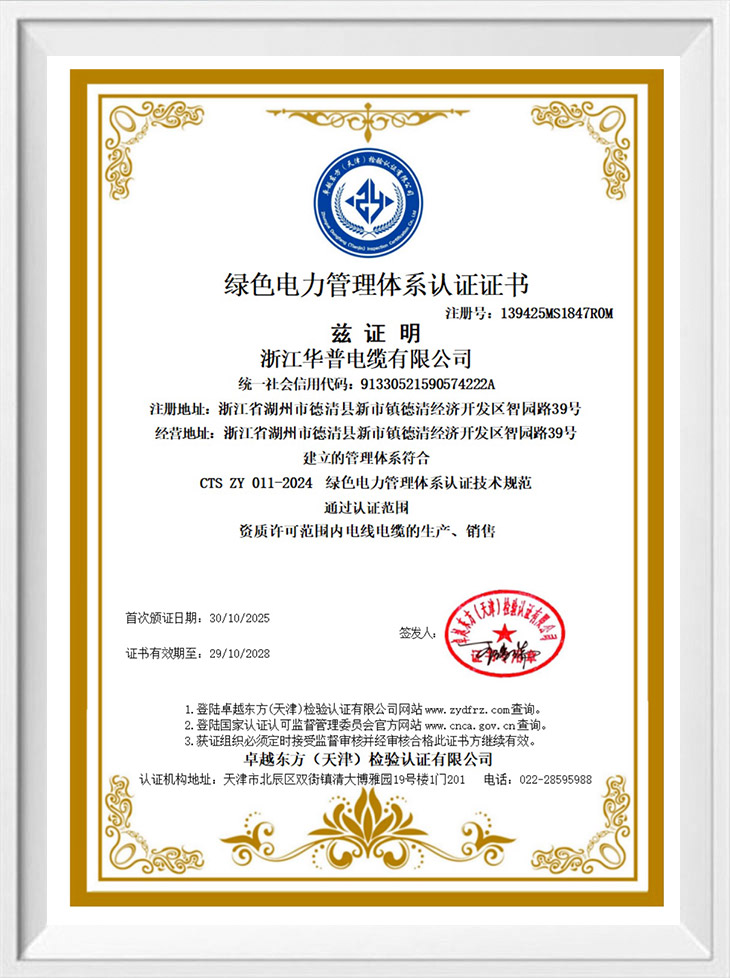
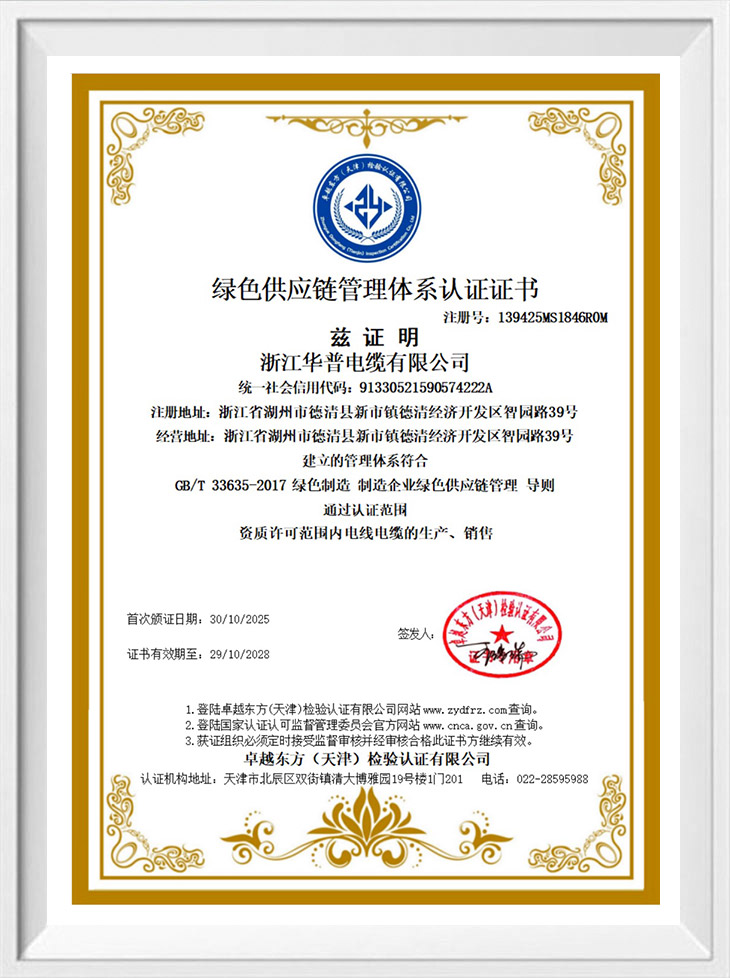
Environmental protection certification and standards
News & Blog

Industry knowledge
How to Read a Building Wire Specification: Voltage Rating Demystified
When sourcing building wires, the voltage designation on a product listing — such as 450/750V or 0.6/1kV — is often misread or overlooked. Understanding what these numbers mean helps you select the right wire the first time.
The format is Uo/U, where:
- Uo = rated voltage between conductor and earth (ground reference)
- U = rated voltage between conductors (phase-to-phase)
So a wire rated 450/750V can handle 450V to earth and 750V between live conductors — appropriate for single-phase lighting circuits and small appliance connections in civil buildings. The 0.6/1kV rating steps this up for heavier loads like sub-distribution boards or industrial equipment circuits.
Matching the wire rating to the system voltage isn't just best practice — undersized insulation degrades faster under thermal and dielectric stress, leading to premature failure. Zhejiang Huapu Cable Co., Ltd. take compliance with IEC and GB standards seriously precisely because these thresholds are not arbitrary.
PVC vs. Cross-Linked Polyethylene (XLPE): Choosing the Right Insulation for Building Wires
Both PVC and XLPE are widely used insulation materials for building wires, but they perform differently across key parameters. The choice affects not just compliance, but longevity and safety in service.
| Property | PVC Insulation | XLPE Insulation |
|---|---|---|
| Max. conductor temp. (normal) | 70°C | 90°C |
| Max. conductor temp. (short circuit) | 160°C | 250°C |
| Moisture resistance | Good | Excellent |
| Flexibility at low temp. | Stiffens below 0°C | More flexible |
| Current-carrying capacity | Standard | ~15–20% higher |
| Typical application fit | Indoor lighting, office renovation, light appliances | Higher-load circuits, outdoor or damp environments |
For standard indoor building wire applications — lighting, household appliances, small equipment — PVC insulation offers a proven, cost-effective solution. Where load density is higher or ambient temperatures are elevated, XLPE's thermal headroom becomes a practical advantage worth the cost difference.
Office Electrical Renovation: What to Verify Before Reusing Existing Wiring
Office space renovation is one of the most common scenarios where building wire is specified — and also one where shortcuts lead to costly callbacks. Before deciding whether to retain or replace existing wiring, there are several technical checks worth conducting:
Insulation Resistance Test
Use a megohmmeter (typically at 500V DC) to measure insulation resistance between conductors and between conductors and earth. A reading below 1 MΩ per circuit is a red flag indicating degraded PVC insulation — often caused by age, heat exposure, or previous overloading. Cables meeting this threshold should be replaced, not reused.
Load Capacity Reassessment
Modern offices consume significantly more power per square meter than they did 15–20 years ago, driven by denser computing equipment, LED retrofit drivers, and HVAC expansion. The original wire cross-section may no longer match actual load demand. Recalculate using current load schedules — don't assume historical sizing is adequate.
Circuit Identification and Documentation
Undocumented or improperly labeled circuits are a safety liability during renovation. Before any new wiring is pulled, map all existing circuits and verify continuity. This step is frequently skipped to save time — and is equally frequently the source of post-renovation faults.
Zhejiang Huapu Cable Co., Ltd. supply building wires specifically suited to the demands of commercial renovation projects, with consistent cross-section tolerances and insulation quality verified through standard testing protocols — because reliable performance starts before installation.
Flame-Retardant, Fire-Resistant, and Fireproof: These Are Not Interchangeable Terms
In procurement specs and product listings, these three terms appear frequently — and are frequently confused. The distinction matters significantly for both regulatory compliance and actual fire performance:
- Flame-retardant (ZR): The cable will self-extinguish after the ignition source is removed. It may still burn while the source is present and will not prevent fire spread if many cables are bundled together in a tray. Suitable for general building wiring where fire load is managed.
- Fire-resistant (NH): The cable continues to operate during a fire for a defined period (commonly 90 minutes at 750–800°C per IEC 60331). This is the specification required for emergency systems — fire alarms, emergency lighting, evacuation systems — where circuit integrity under fire conditions is mandatory.
- Fireproof / Low-smoke halogen-free (LSZH/LSOH): Focuses on smoke toxicity and corrosivity rather than burn behavior. In enclosed spaces like tunnels, hospitals, or data centers, halogen-free materials significantly reduce toxic gas emission during combustion — a critical factor for occupant evacuation and equipment survival.
A cable can be both flame-retardant and fire-resistant, or low-smoke and fire-resistant — these properties stack. Specifying only "flame-retardant" for an emergency circuit is a code compliance gap in most jurisdictions. Always cross-reference local fire code requirements, GB 31247 (China), or IEC equivalents when finalizing cable specifications for fire-safety-critical circuits.

Our Email
Our Tel
- +86-13588204183
Our Address
- No. 39 Zhiyuan Road, Deqing Economic Development Zone, Huzhou City, Zhejiang Province
QR Code

Quick Links
Online Message
Copyright © Zhejiang Huapu Cable Co., Ltd. All Rights Reserved.

Custom Building Wires Factory