
 en
en English
 中文简体
中文简体 русский
 Español
 عربى
عربى
H1Z2Z2-K vs PV1-F Solar Cable: Technical Comparison and Application Guide
Content
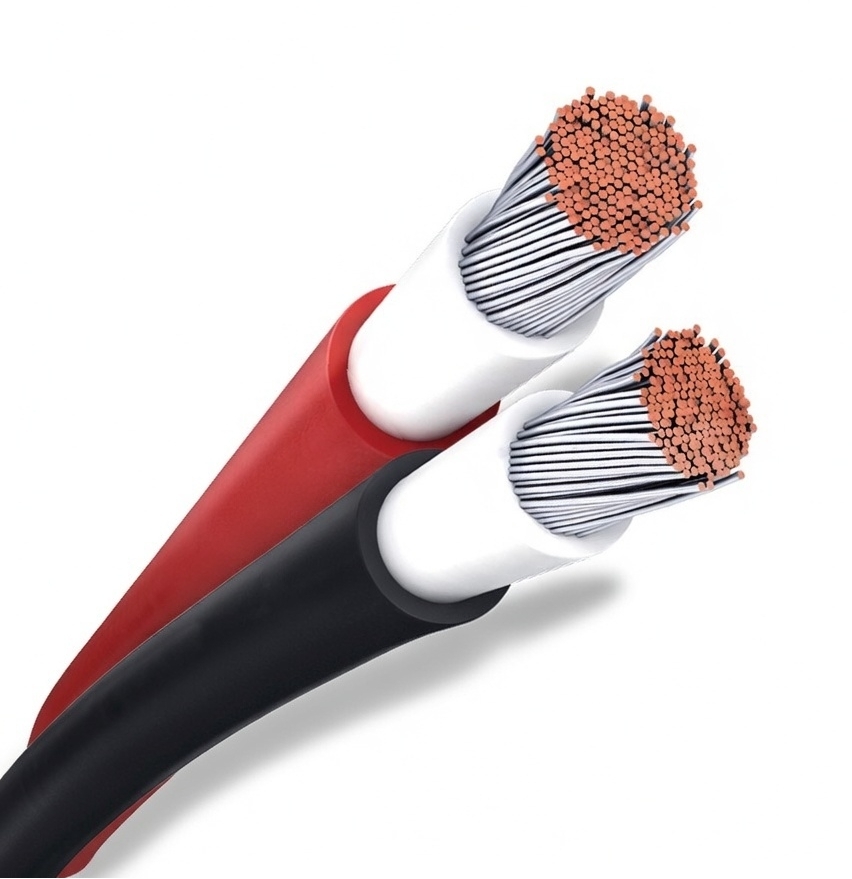
In photovoltaic (PV) systems, DC cables play a critical role in system safety, efficiency, and long‑term reliability. Selecting the correct solar cable is therefore not only a design choice but also a compliance and risk‑management decision. This article provides a technical comparison between the modern H1Z2Z2‑K solar cable and the earlier PV1‑F type that has been widely used in PV installations.
Executive Summary
H1Z2Z2‑K solar cable is designed according to the European standard EN 50618 and is also technically aligned with IEC 62930. It was developed to support modern photovoltaic systems, particularly 1500 V DC installations. PV1‑F cables are typically manufactured according to TÜV 2 PfG 1169/08.2007 certification requirements and were originally designed for earlier 1000 V DC photovoltaic systems.
As solar plants have moved toward higher voltage architectures to reduce Balance of System (BOS) costs, H1Z2Z2‑K has become the preferred solution for new installations.
Key Technical Differences
1. Voltage Rating
Utility‑scale photovoltaic plants are increasingly built using 1500 V DC systems because higher voltage strings reduce current levels and therefore decrease copper usage, installation cost, and power loss.
H1Z2Z2‑K cables are typically rated for 1.5 kV DC photovoltaic systems (with system design voltages often allowing up to approximately 1.8 kV under certain testing conditions depending on manufacturer specifications). This makes them suitable for modern high‑voltage solar installations.
PV1‑F cables are generally designed for photovoltaic systems up to 1000 V DC and therefore may not meet the design requirements of newer 1500 V systems.
2. Insulation and Sheath Materials
Both cable types typically use cross‑linked polyolefin insulation materials (often abbreviated as XLPO or XLPE). In most modern designs these materials are halogen‑free and low‑smoke (LSZH), providing improved fire safety and environmental performance.
H1Z2Z2‑K cables normally feature double‑layer cross‑linked insulation and sheathing specifically optimized for long‑term UV exposure, ozone resistance, and harsh outdoor environments.
3. Water Resistance and Environmental Protection
H1Z2Z2‑K cables are designed with high levels of environmental resistance, including strong protection against moisture, UV radiation, ozone, and weathering. Some manufacturers classify these cables according to high water‑resistance levels defined in installation standards (such as AD7 or AD8 depending on testing conditions and manufacturer documentation).
In practical terms, this means the cable can tolerate very wet environments such as floating solar plants or installations exposed to frequent rain. However, permanent submersion performance should always be verified through the specific manufacturer's certification and installation guidelines.
PV1‑F cables also provide good outdoor durability but typically have lower performance margins in extremely wet or mechanically demanding environments.
4. Mechanical Strength and Installation
H1Z2Z2‑K cables are designed with improved sheath robustness and mechanical durability compared to PV1‑F. This makes them more suitable for demanding installation environments.
Although protective conduit or cable trays are still recommended as best practice, H1Z2Z2‑K cables may be installed in certain direct‑burial or harsh outdoor conditions when appropriate mechanical protection and local electrical regulations are followed.
PV1‑F cables generally require more controlled installation conditions and are less commonly used in mechanically demanding layouts.
5. Temperature Performance and Service Life
Typical operating temperature ranges for modern solar cables are approximately -40°C to +90°C under normal operating conditions, with higher short‑term temperature tolerance depending on the conductor and insulation design.
Solar cables designed under EN 50618 standards are typically engineered for a service life of approximately 25 years under proper installation and operating conditions, which aligns with the expected lifetime of photovoltaic modules.
Conclusion
PV1‑F cables played an important role in early photovoltaic deployment and remain present in many legacy systems. However, H1Z2Z2‑K cables have become the preferred solution for modern PV installations due to their higher voltage capability, improved environmental resistance, and stronger mechanical performance.
For distributors, EPC contractors, and solar developers, specifying H1Z2Z2‑K cables helps ensure compatibility with current photovoltaic system designs and long‑term project reliability.

- +86-13588204183
- No. 39 Zhiyuan Road, Deqing Economic Development Zone, Huzhou City, Zhejiang Province

Copyright © Zhejiang Huapu Cable Co., Ltd. All Rights Reserved.
 ISO 9001 Cable Manufacturer