How to Choose the Right Conductor Material: Copper vs. Aluminum
The conductor is the core of any electrical equipment cable, and the choice between copper and aluminum significantly affects performance, cost, and installation complexity. Here's a practical comparison to guide your sourcing decisions:
| Property |
Copper Conductor |
Aluminum Conductor |
| Electrical Conductivity |
~100% IACS (higher) |
~61% IACS |
| Weight |
Heavier |
~1/3 lighter than copper |
| Cost |
Higher |
30–50% lower material cost |
| Flexibility |
Excellent — suited for tight routing |
Less flexible, prone to cracking at bends |
| Typical Application |
Control cables, automotive, household appliances |
Overhead cables, long-distance power transmission |
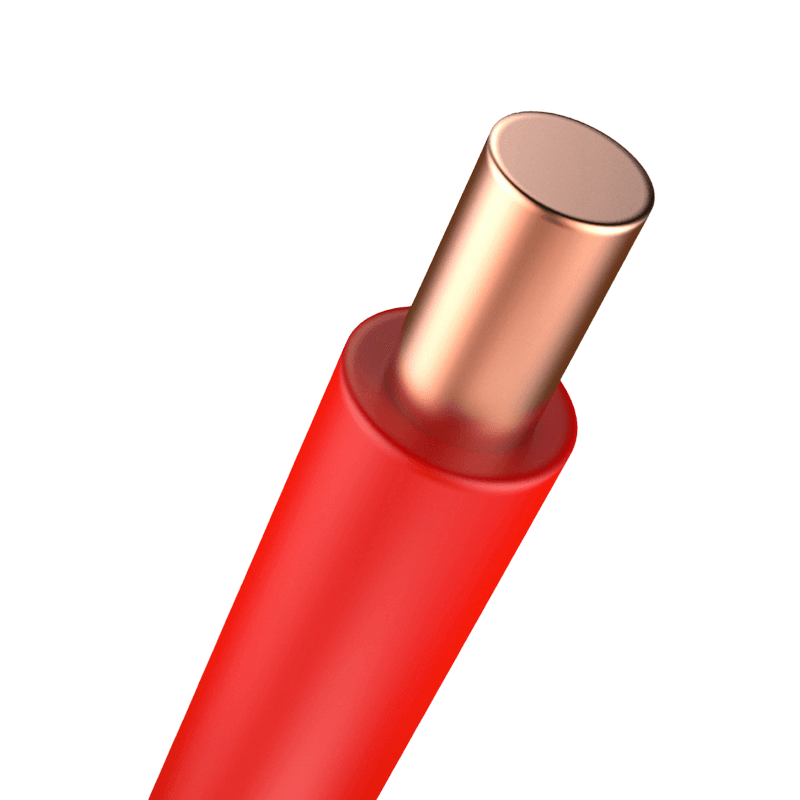
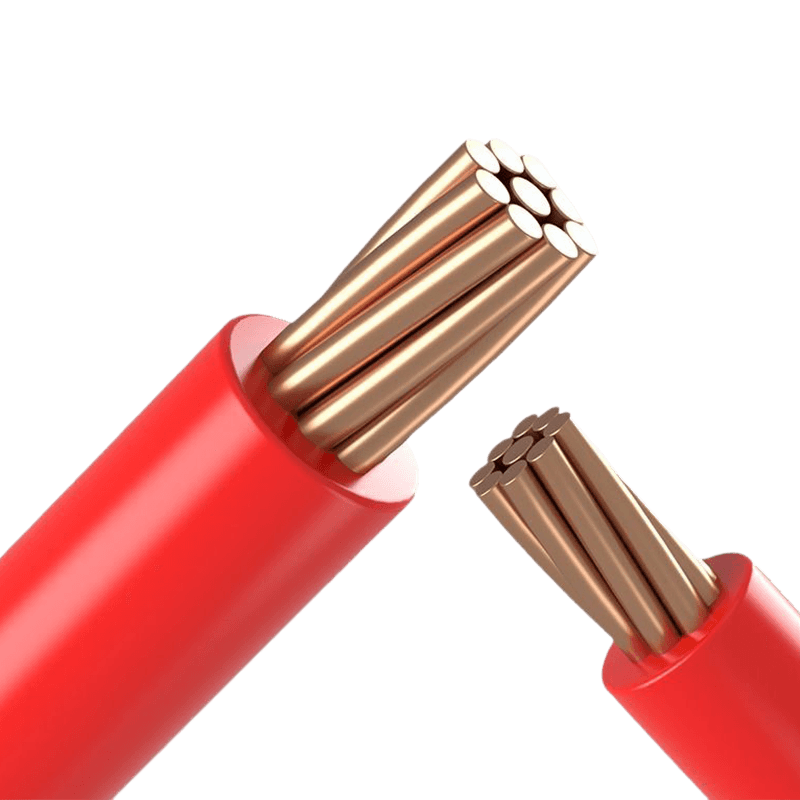
Copper vs. aluminum conductor comparison for electrical equipment cables
For most industrial machinery and communication equipment applications, high-purity copper conductors are the preferred choice due to their superior conductivity and flexibility. Aluminum-based options — including aluminum stranded wires and steel-cored aluminum stranded wires — are more economical for overhead and long-span installations where weight reduction matters more than flexibility.
Insulation Materials Decoded: PVC, XLPE, and Rubber
The insulation layer determines a cable's performance envelope — temperature tolerance, chemical resistance, and lifespan. Choosing the wrong material for your operating environment is one of the most common sources of premature cable failure.
PVC (Polyvinyl Chloride)
- Operating range: typically -15°C to +70°C
- Cost-effective and widely available; suitable for most indoor commercial and household applications
- Emits toxic fumes when burned — not ideal for confined or public spaces
- Common in building wires and general power plug cords
XLPE (Cross-Linked Polyethylene)
- Operating range: up to +90°C continuous, +250°C short-circuit
- Superior dielectric strength and moisture resistance — preferred for medium and high-voltage power cables
- Lighter than rubber with better long-term mechanical stability
- Widely used in industrial power distribution and underground installations
Rubber
- Excellent flexibility even at low temperatures; handles repeated bending and mechanical stress
- Ideal for moving parts, portable equipment, and outdoor environments with mechanical friction
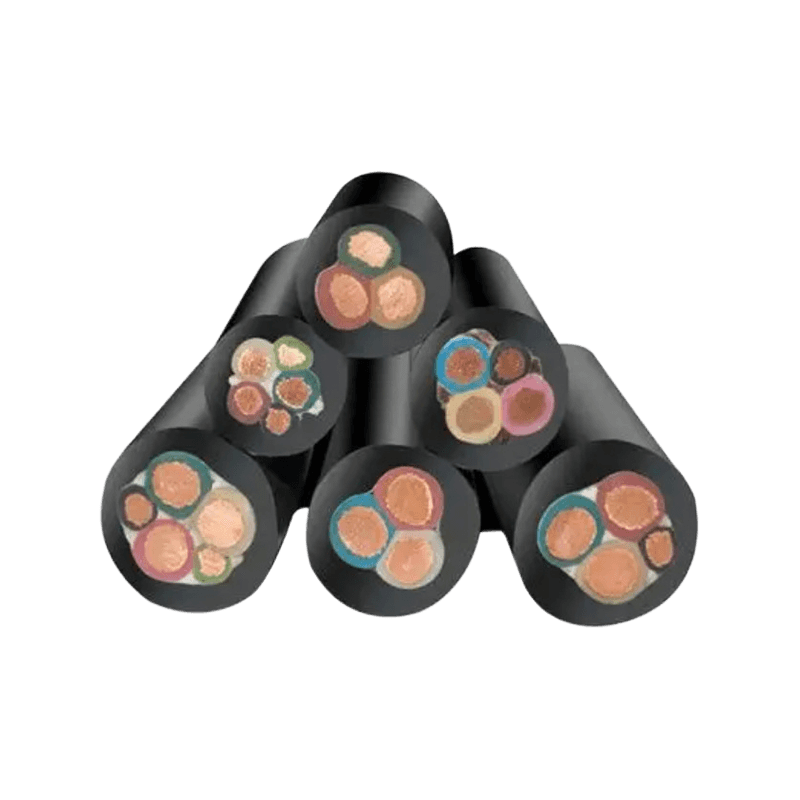
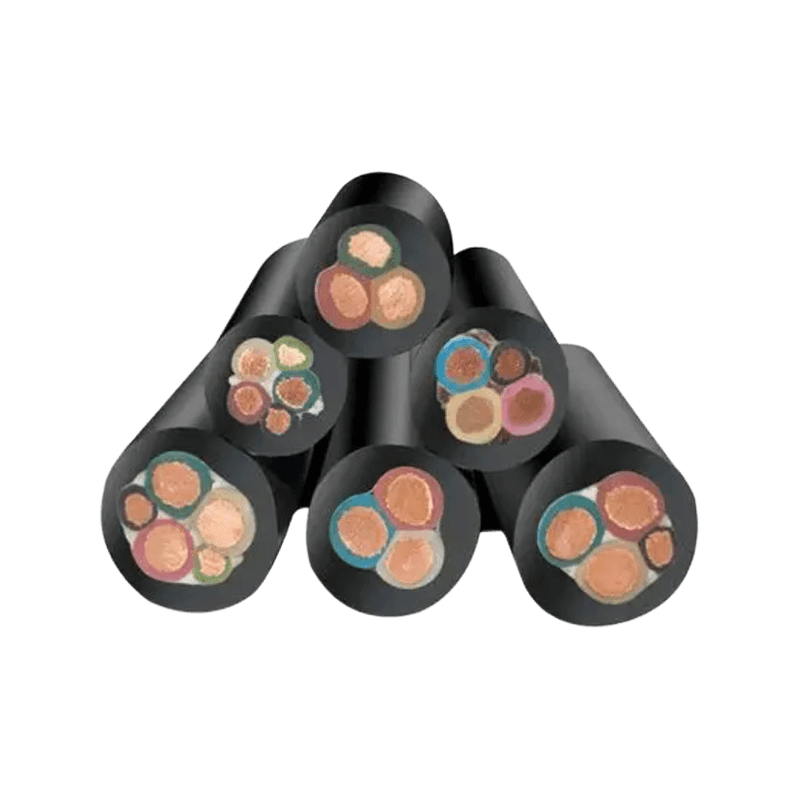
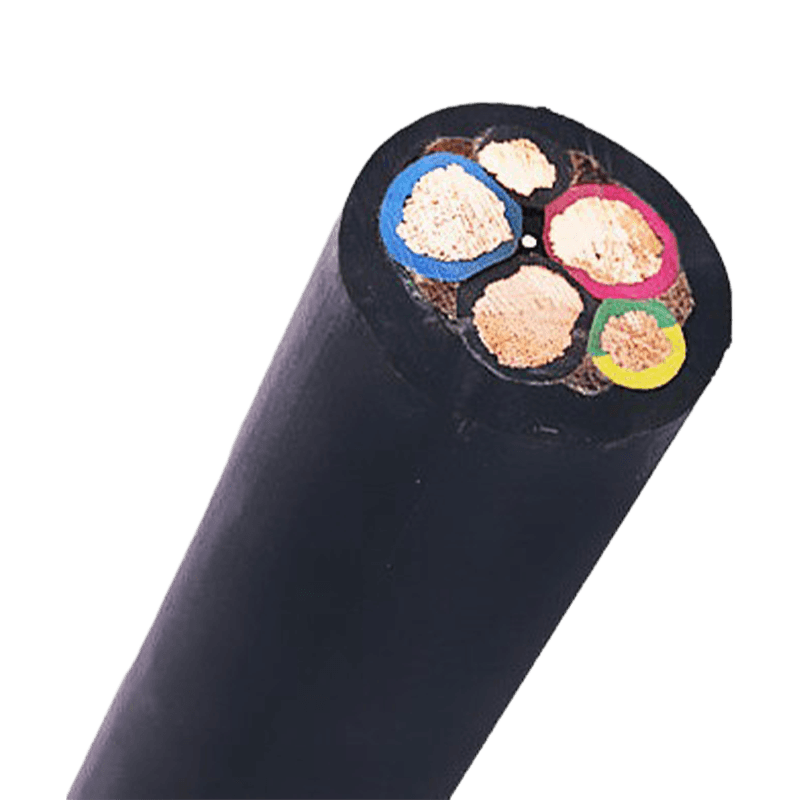
- General rubber-sheathed flexible cables are the go-to for construction and mobile industrial applications
Zhejiang Huapu Cable Co., Ltd. offer all three insulation types across our product range — if you're uncertain which suits your environment, our technical team is happy to advise.
When Standard Cables Aren't Enough: Special-Function Cable Types
Regulatory requirements, safety codes, and harsh operating environments increasingly demand cables that go beyond basic electrical performance. Understanding the distinctions between special cable categories helps avoid costly specification errors.
Flame-Retardant vs. Fire-Resistant vs. Fireproof
These three terms are often confused but represent very different performance levels:
- Flame-retardant cables self-extinguish after the ignition source is removed. They limit fire spread but will eventually fail in a sustained fire.
- Fire-resistant cables continue to function electrically even while exposed to fire — critical for emergency power, fire alarms, and evacuation systems. Typically rated for 90 minutes at 750–1000°C.
- Fireproof cables (mineral-insulated) offer the highest protection, maintaining circuit integrity under extreme conditions including direct flame and water immersion.
Low-Smoke Halogen-Free (LSOH/LSZH)
Conventional PVC cables release hydrogen chloride gas and dense black smoke when burned, which impairs evacuation and damages sensitive equipment. Low-smoke halogen-free cables are designed to emit minimal smoke and no toxic halogen gases. They are now mandatory in many applications including tunnels, airports, hospitals, data centers, and public transportation systems. Compliance with IEC 60754 and IEC 61034 standards is the benchmark to look for.
Key Standards and What They Mean for Buyers
Electrical equipment cable specifications reference a range of international and national standards. Knowing what each standard covers helps you verify that a product genuinely meets your project requirements — not just on paper.
- IEC standards (e.g., IEC 60227, IEC 60502) are the primary international benchmarks for insulated cables — covering conductor resistance, insulation thickness, voltage ratings, and test methods. Products complying with IEC are accepted in most global markets.
- GB standards are China's national equivalents, often closely aligned with IEC but with specific localized requirements. For procurement within China or export projects specifying GB compliance, ensure the manufacturer can provide GB-certified test reports.
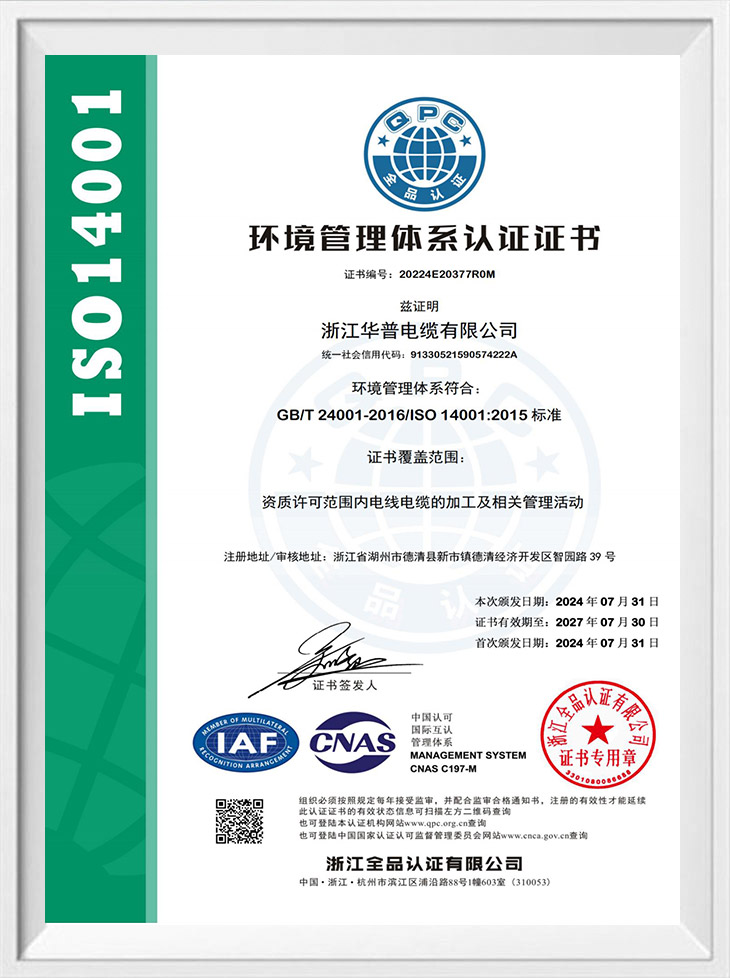
- ISO 9001 certification applies to the manufacturer's quality management system — it speaks to process consistency, not just the product itself. It is not a product certification, but it does indicate that manufacturing controls are in place.
- Voltage rating (e.g., 0.6/1kV, 6/10kV) defines the maximum sustained voltage the cable is designed to handle. Always match the cable's rated voltage to your system's operating voltage with appropriate safety margin.
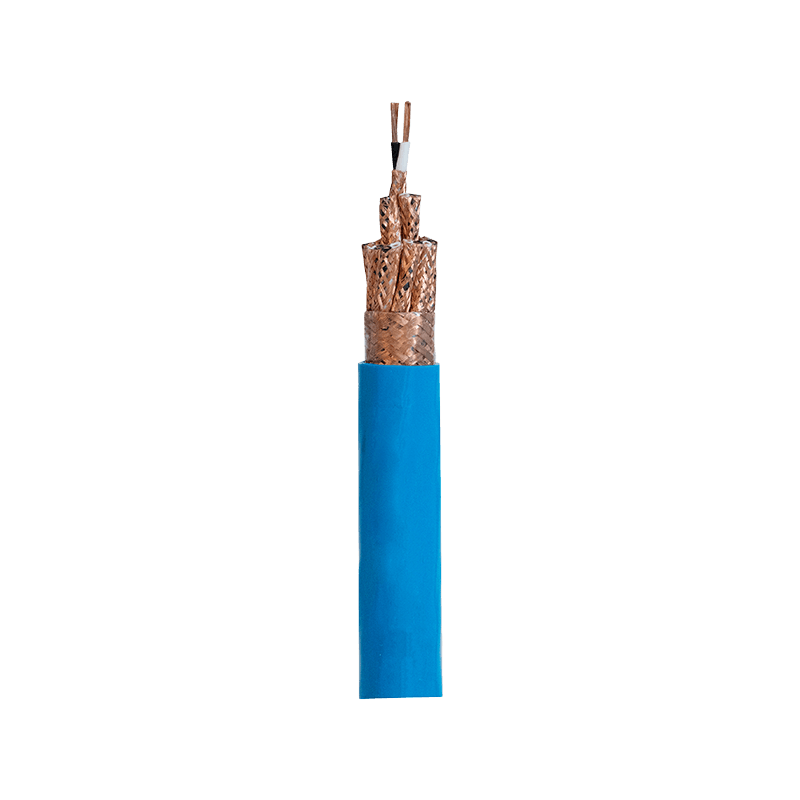
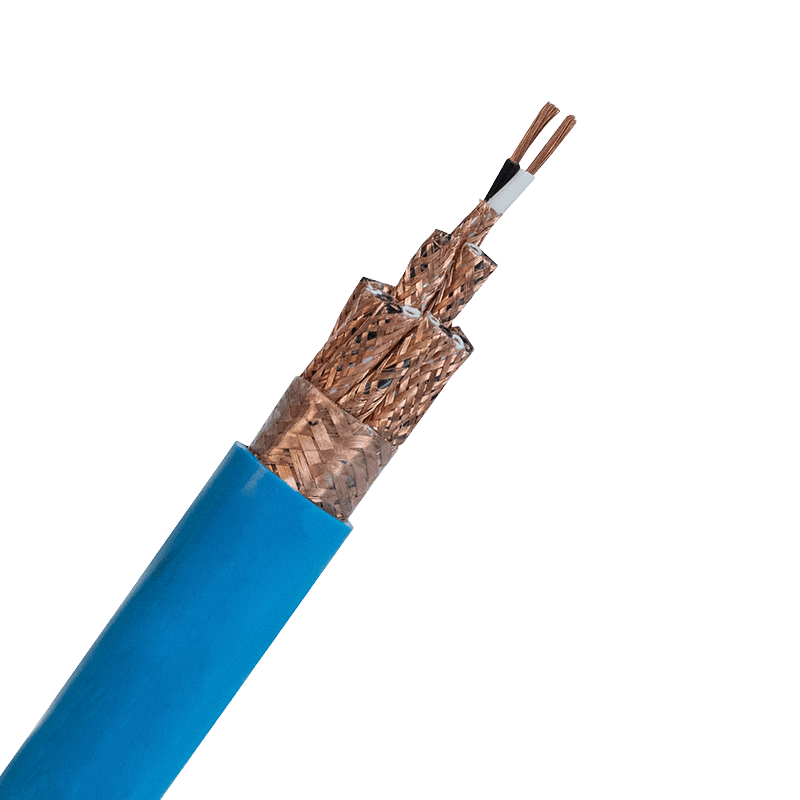
- For signal and communication applications, look for compliance with specific standards governing shielding effectiveness, impedance, and attenuation — generic power cable standards do not cover these parameters.
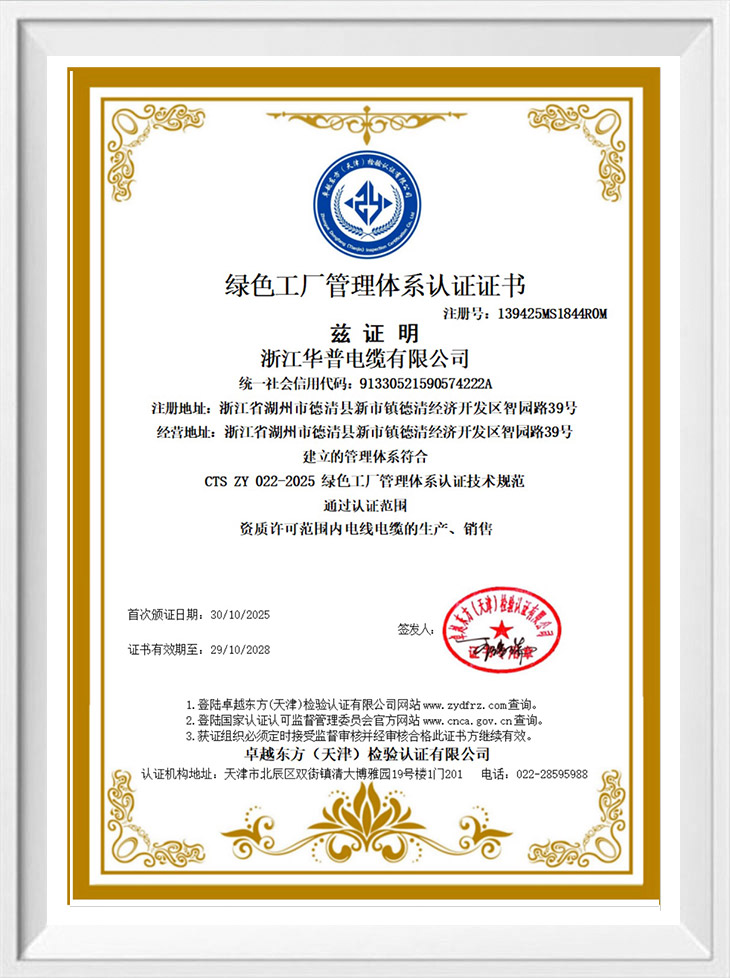
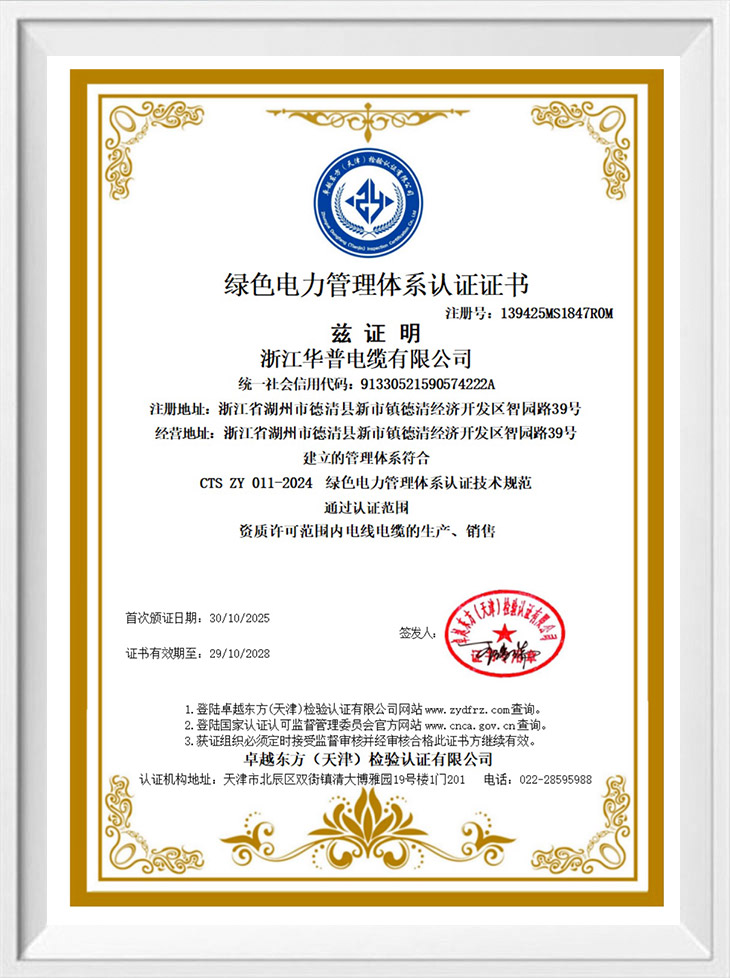
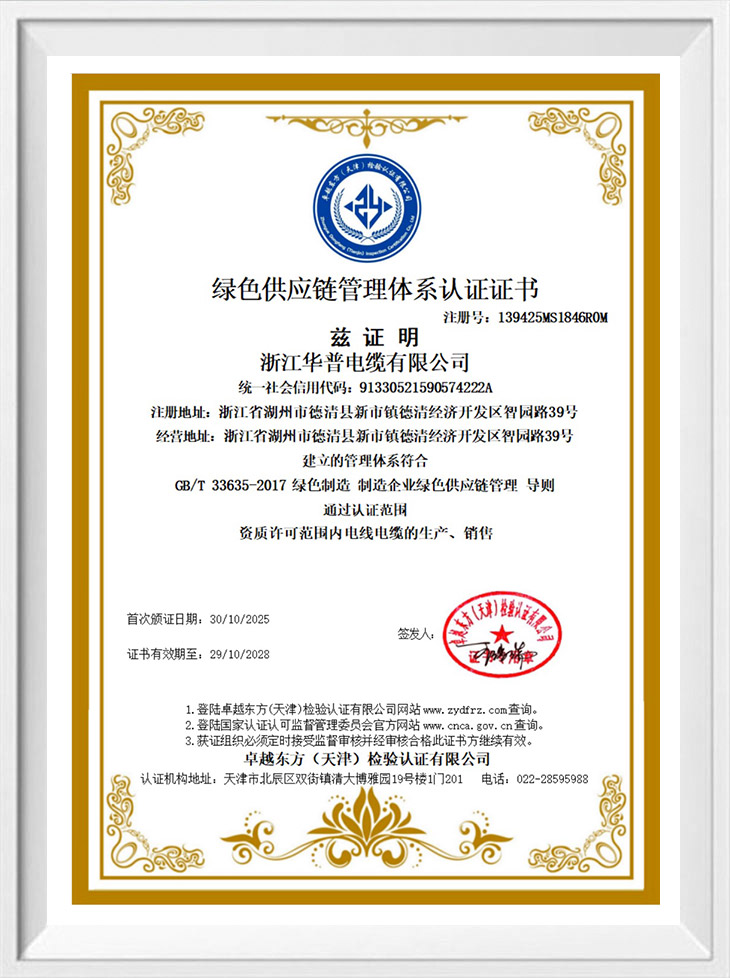
Our products are designed and tested in compliance with both IEC and GB standards. Zhejiang Huapu Cable Co., Ltd. maintain full documentation and can provide test reports on request — something Zhejiang Huapu Cable Co., Ltd. consider a baseline expectation, not an extra step.

 en
en English