Water Blocking Technologies Applied in Waterproof Cables for Underground Infrastructure
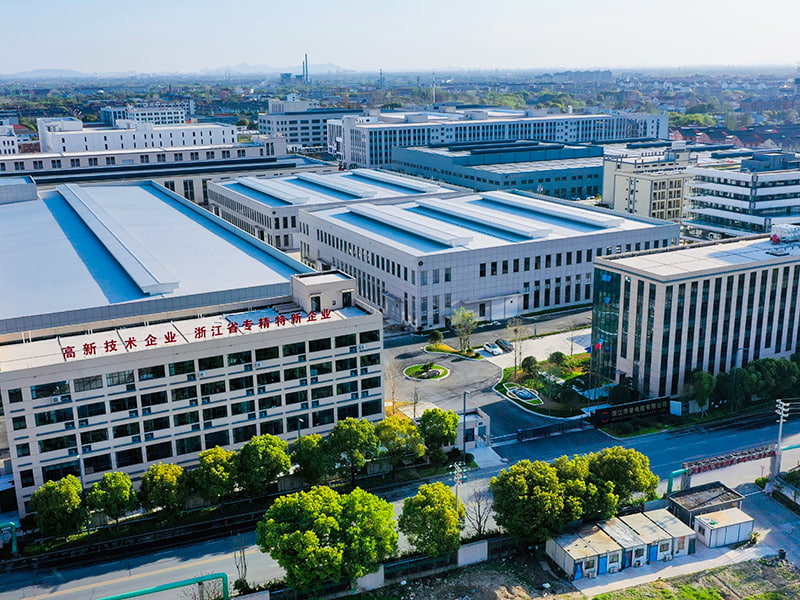
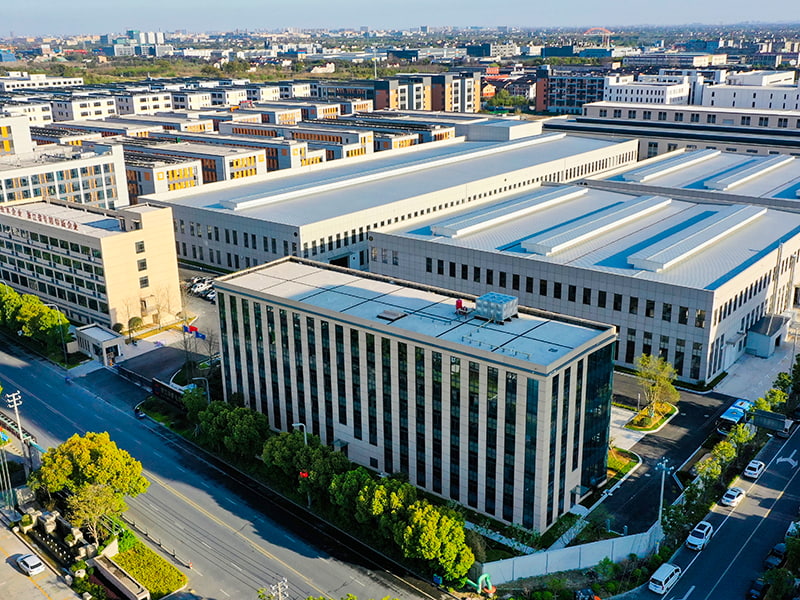
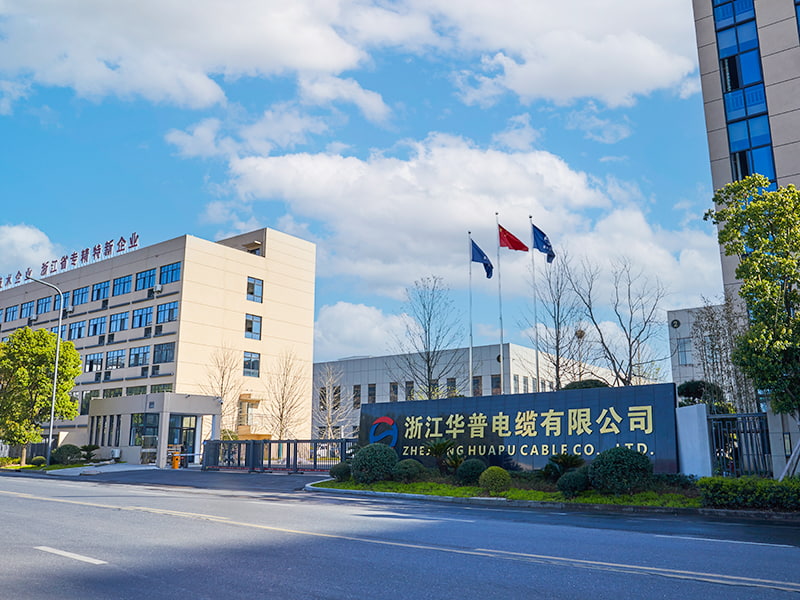
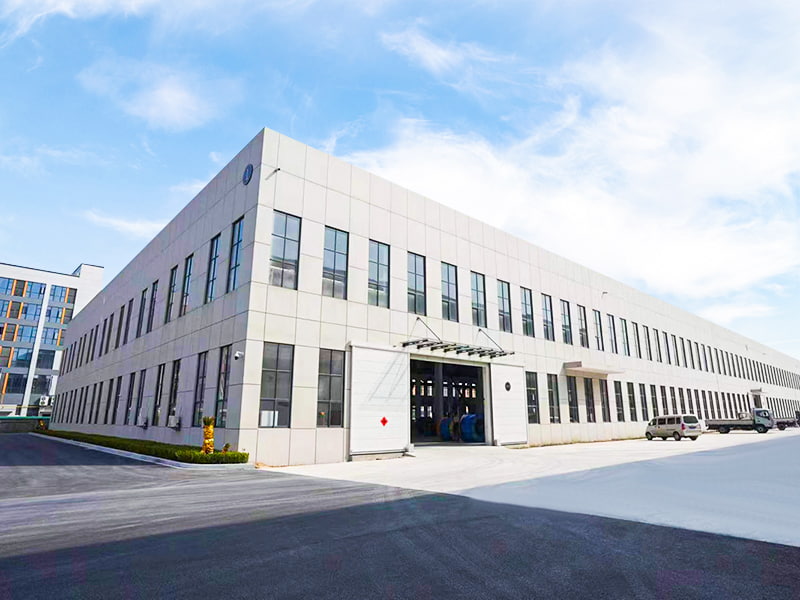
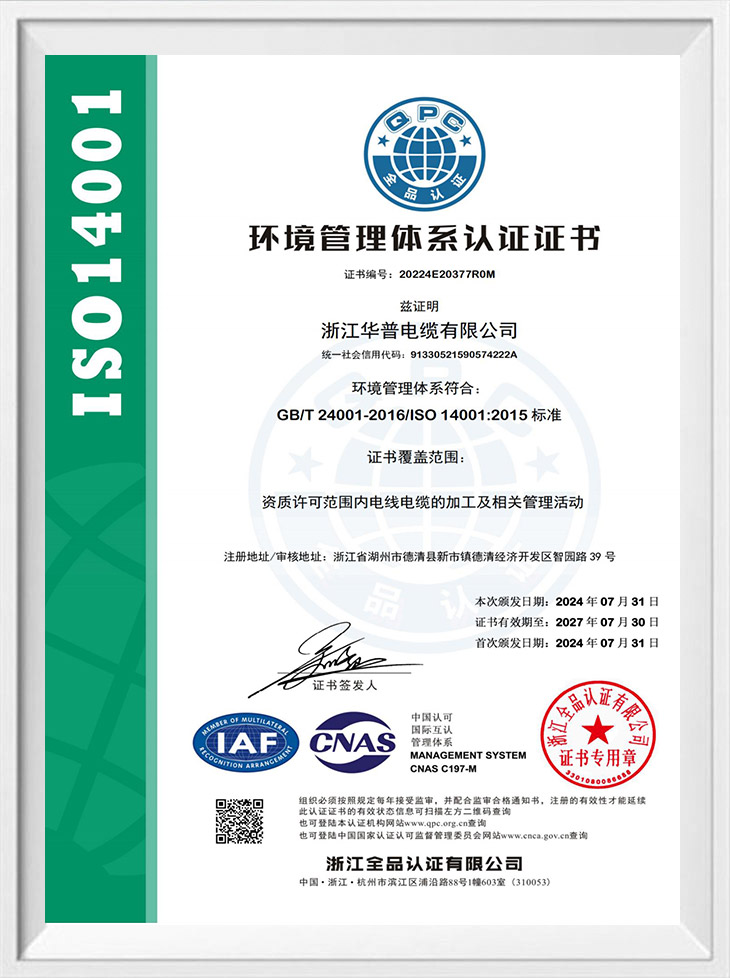
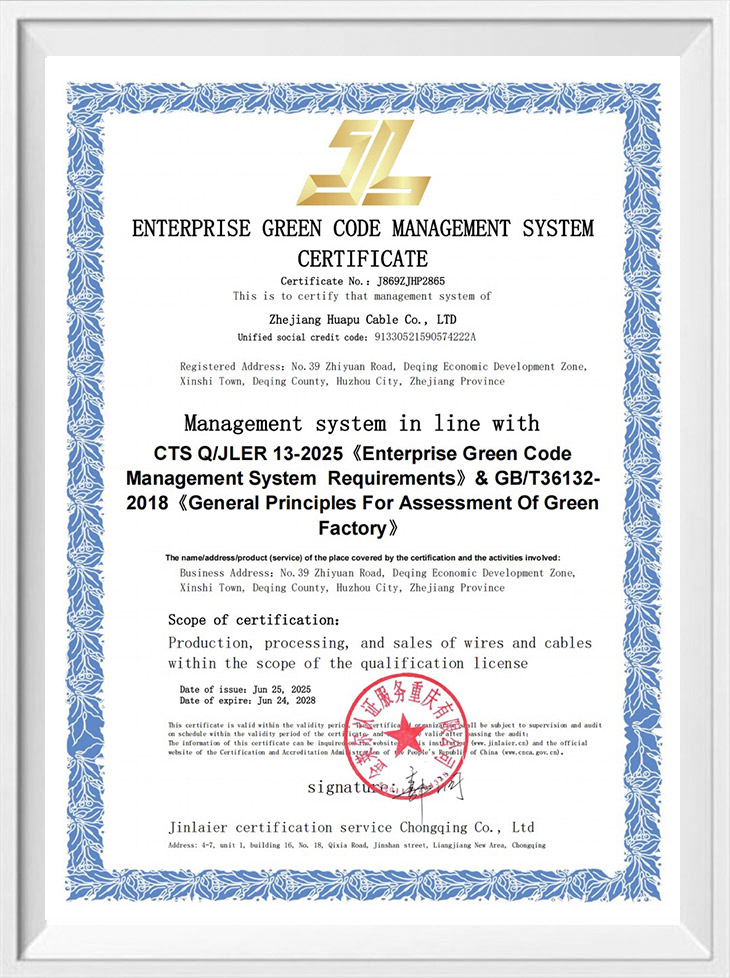
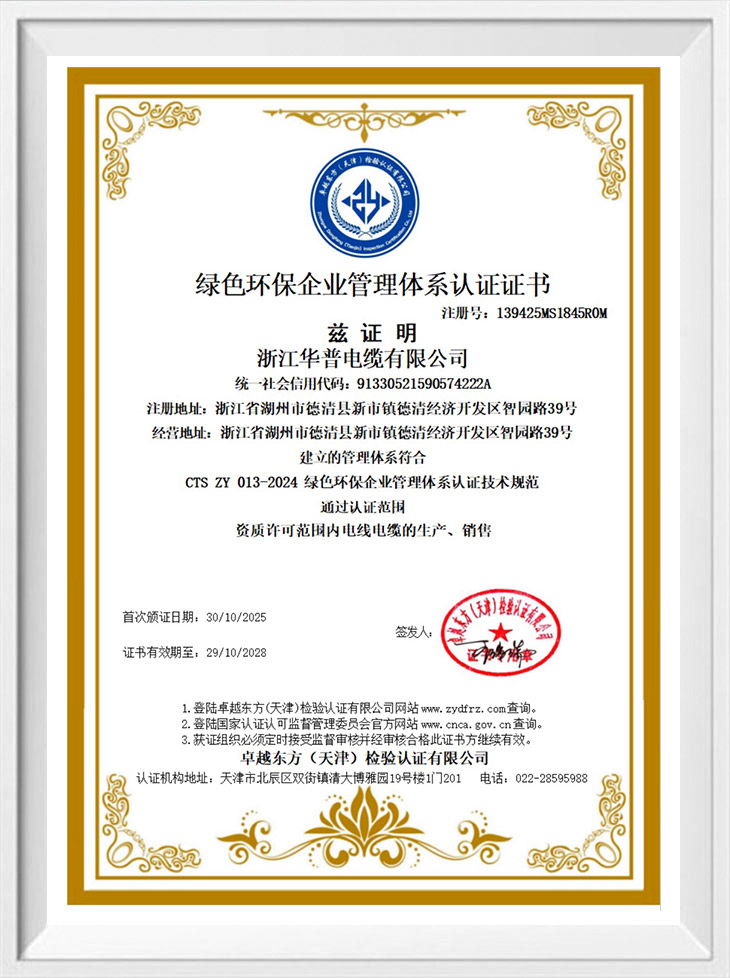
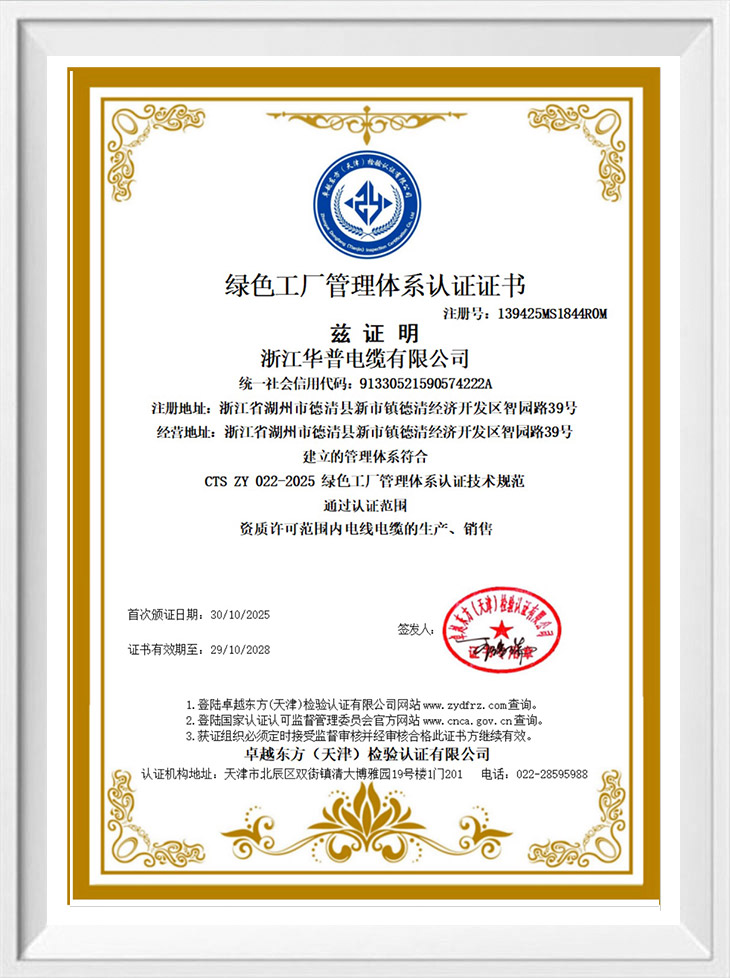
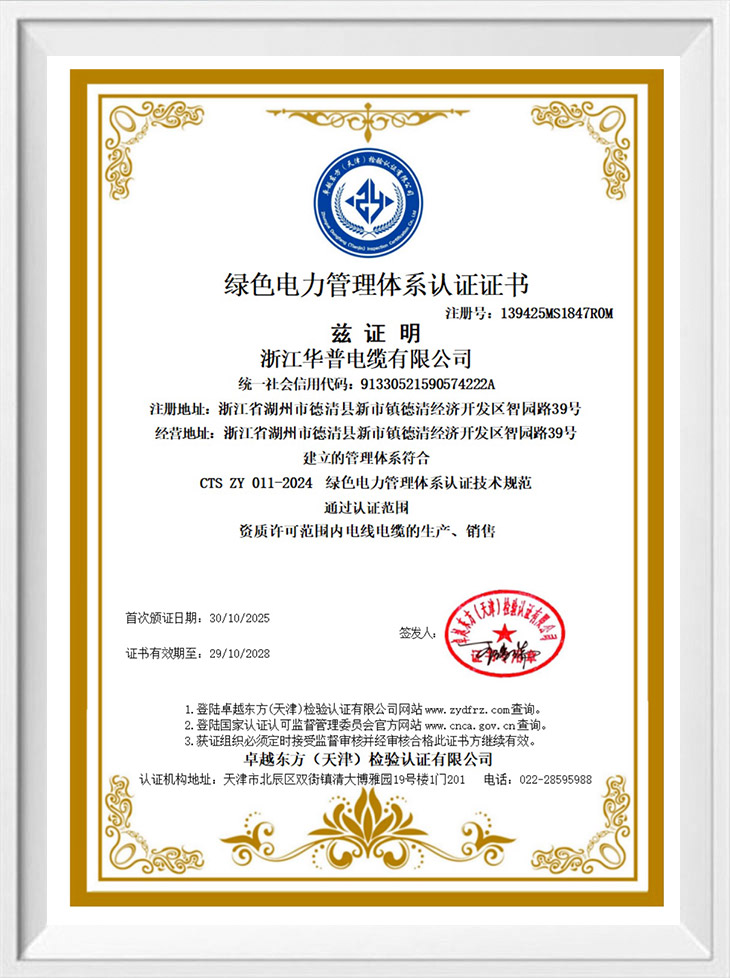
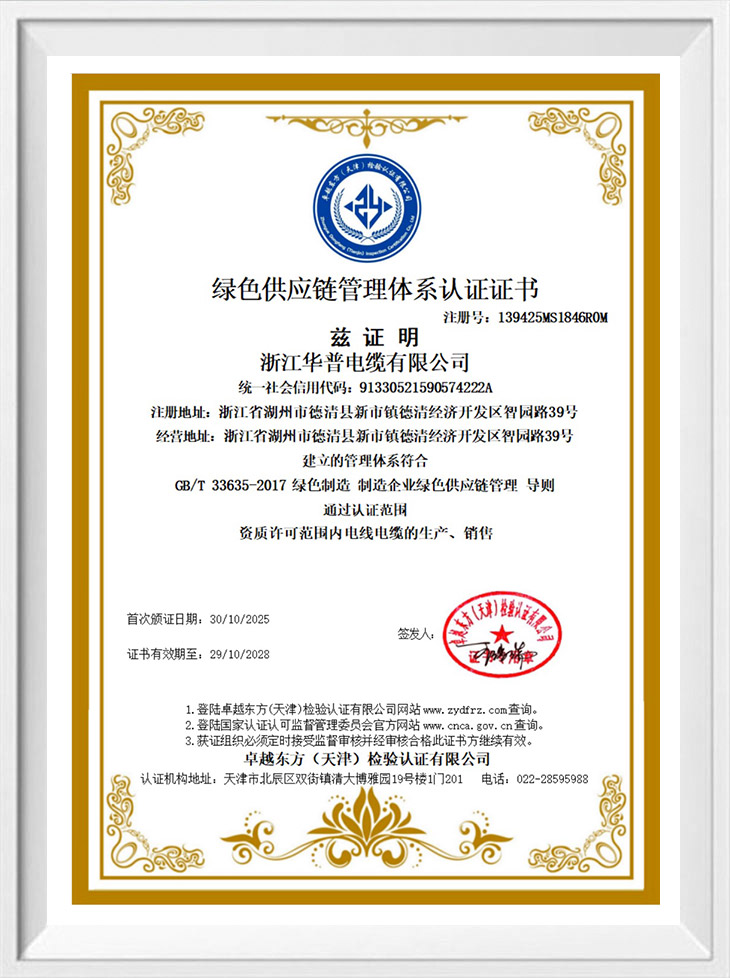
In underground power distribution systems, moisture ingress is one of the primary causes of insulation degradation and electrical failure. Waterproof cables are therefore designed with multiple water-blocking strategies that prevent water from traveling along the cable core. Manufacturers such as Zhejiang Huapu Cable Co., Ltd., a professional wire and cable company integrating production, sales, R&D, and service, focus on developing cable structures that maintain long-term reliability in humid environments. Located at No. 39 Zhiyuan Road in the Deqing Economic Development Zone near Hangzhou, the company benefits from convenient transportation links including National Highway 104 and a nearby expressway exit, enabling efficient supply of specialized cable products to infrastructure projects.
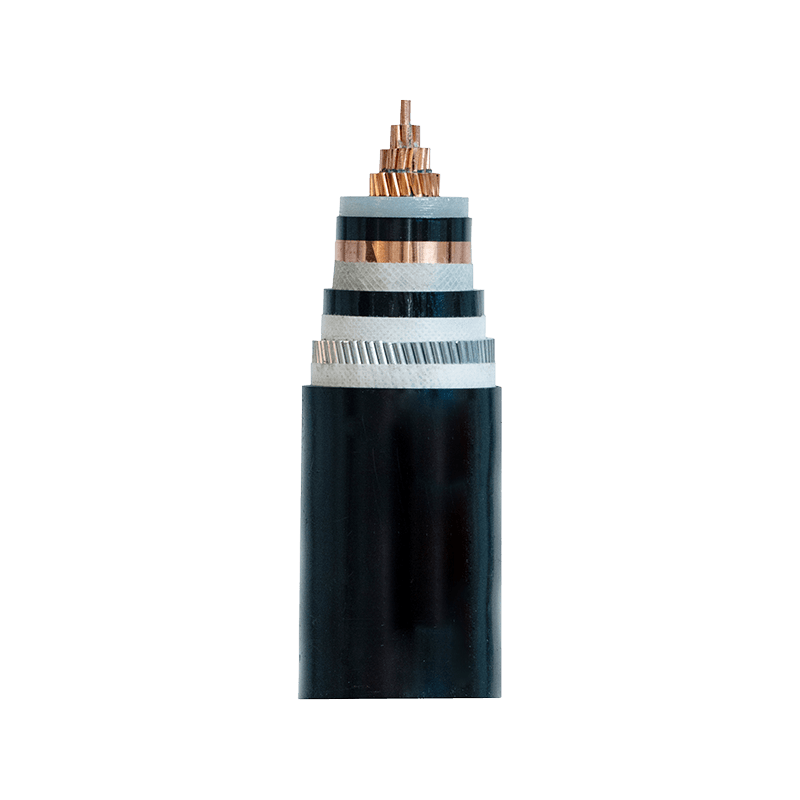
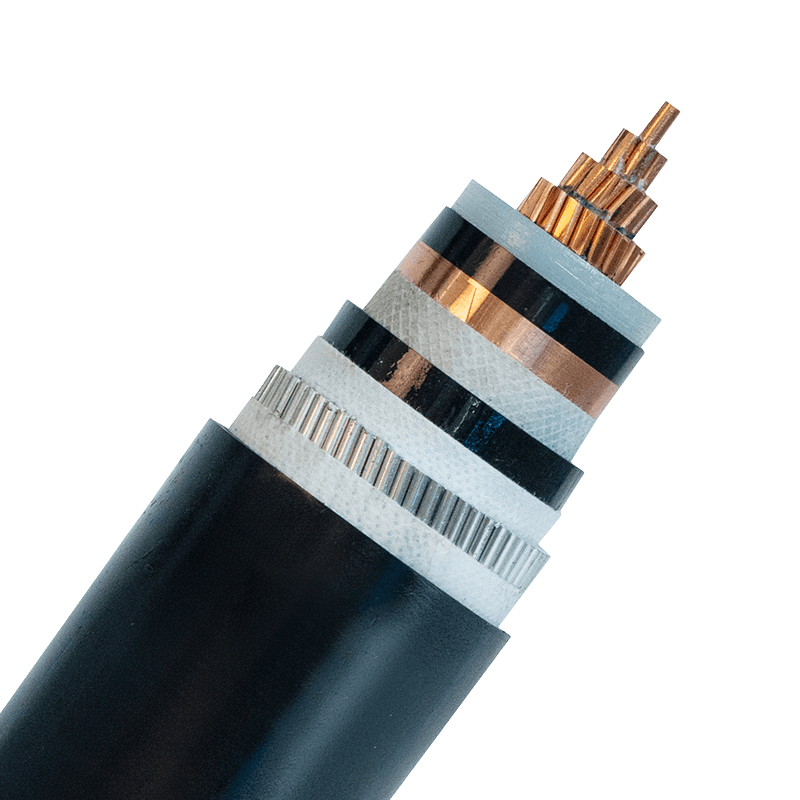
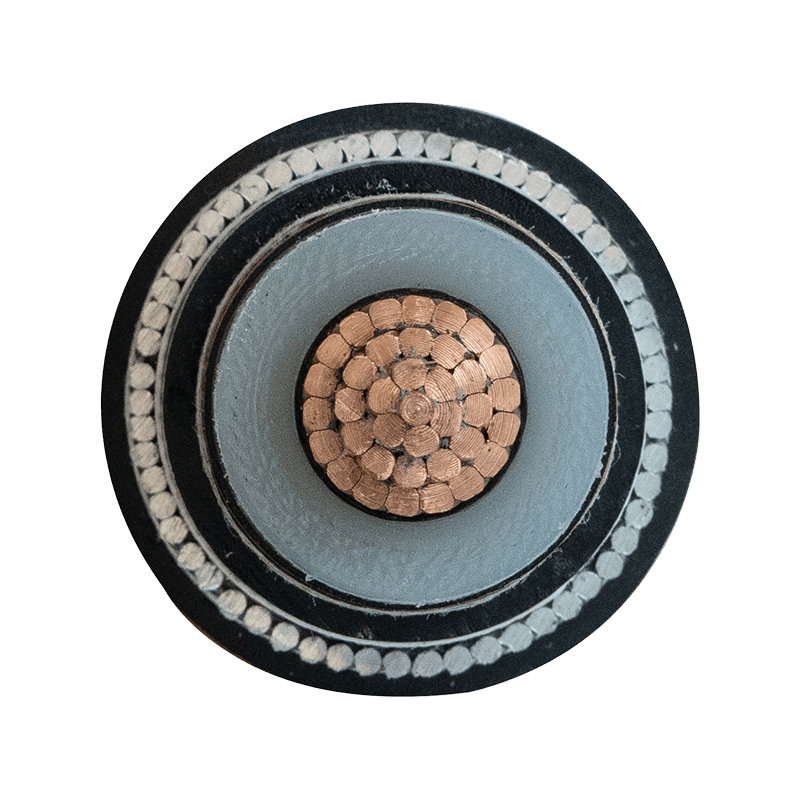
A common method for preventing longitudinal water penetration is the use of water-blocking tapes and powders. These materials expand when they come into contact with water, sealing the gaps within the cable core and stopping moisture from spreading further along the conductor strands. In many underground or submarine cable installations, additional protective measures such as laminated aluminum barriers or moisture-resistant outer sheaths are also applied to improve durability.
- Water-swellable tapes expand upon contact with moisture, blocking water pathways within the cable structure.
- Powder-based water blocking compounds are often applied between conductor strands to prevent capillary water movement.
- Metal moisture barriers such as aluminum laminated tape improve radial water resistance.
- Thick polyethylene outer sheaths provide additional protection against soil moisture and groundwater.
These design strategies are particularly important in coastal infrastructure, underground substations, and irrigation systems where prolonged exposure to water or humidity is unavoidable. Effective water-blocking technology ensures that electrical insulation remains stable even when cables are subjected to constant environmental moisture.
Performance Optimization of Waterproof XLPE/PVC Insulated Cables in Wet Industrial Environments
Waterproof XLPE/PVC insulated cables are widely used in industrial environments where both mechanical protection and moisture resistance are required. The combination of cross-linked polyethylene (XLPE) insulation and polyvinyl chloride (PVC) outer sheathing provides a balance of electrical insulation performance, chemical stability, and environmental protection. Cable manufacturers such as Zhejiang Huapu Cable Co., Ltd., operating in the Deqing Economic Development Zone near Hangzhou, develop such cable configurations to meet the needs of infrastructure sectors including water treatment plants, coastal facilities, and underground power networks.
In wet environments, long-term insulation reliability depends on controlling water diffusion into the insulation layer. XLPE materials exhibit excellent resistance to electrical treeing and moisture penetration, while PVC outer sheaths protect against mechanical abrasion and chemical exposure. In addition, specialized compounding techniques can further improve resistance to microbial attack and hydrolysis.
| Cable Component |
Primary Function |
Benefit in Moist Environments |
| XLPE Insulation |
Electrical insulation and thermal stability |
Resists water-induced insulation breakdown |
| PVC Outer Sheath |
Mechanical protection |
Prevents external moisture and chemical penetration |
| Water Blocking Layer |
Moisture containment |
Stops water migration along cable core |
When these components are combined in a properly engineered cable structure, they provide reliable electrical performance even in environments where cables are frequently exposed to standing water, humidity, or occasional flooding.
Installation and Routing Techniques That Improve the Durability of Waterproof Cables
Even with advanced waterproof materials, installation methods greatly influence cable longevity. Engineers working with waterproof cables often focus on routing techniques that minimize water accumulation and mechanical stress. Zhejiang Huapu Cable Co., Ltd., located in the well-connected Deqing Economic Development Zone close to Hangzhou, frequently supports infrastructure projects where careful installation planning is necessary to maximize cable performance in wet environments.
One practical strategy is to design cable routes that avoid long-term water pooling areas whenever possible. Drainage systems, elevated cable trays, or sealed conduits can reduce direct contact with water. In underground installations, trench design and backfill materials also influence the long-term moisture exposure of cables.
Practical Installation Measures
- Use waterproof cable joints and sealed connectors to prevent moisture from entering connection points.
- Install drainage channels in underground trenches to avoid long-term water accumulation.
- Apply protective conduits in areas where cables pass through wet soil or submerged sections.
- Perform periodic inspection of cable entry points in buildings to detect early signs of moisture infiltration.
These installation practices complement the waterproof design of modern cables, ensuring that electrical systems remain stable and operational even in environments with persistent moisture exposure.

 en
en English