Material Engineering Approaches Used in Termite-Proof and Rodent-Proof Wires and Cables
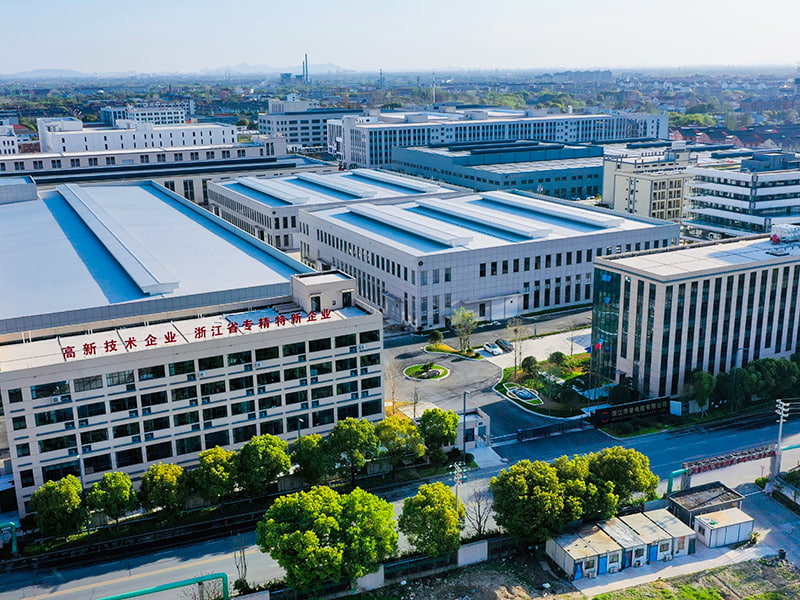
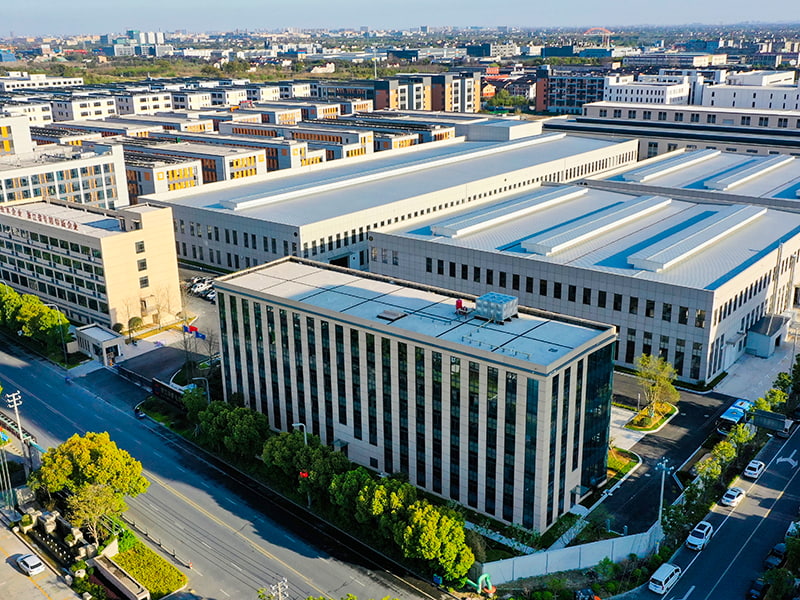
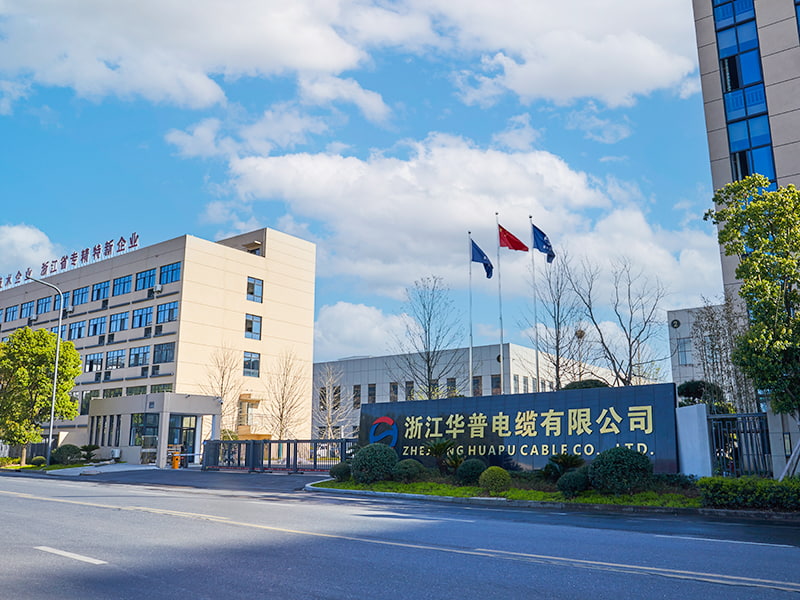
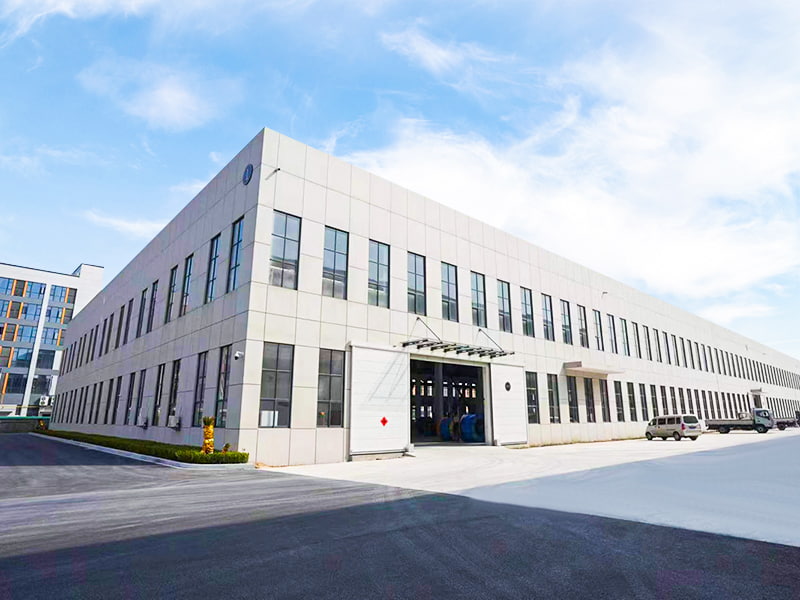
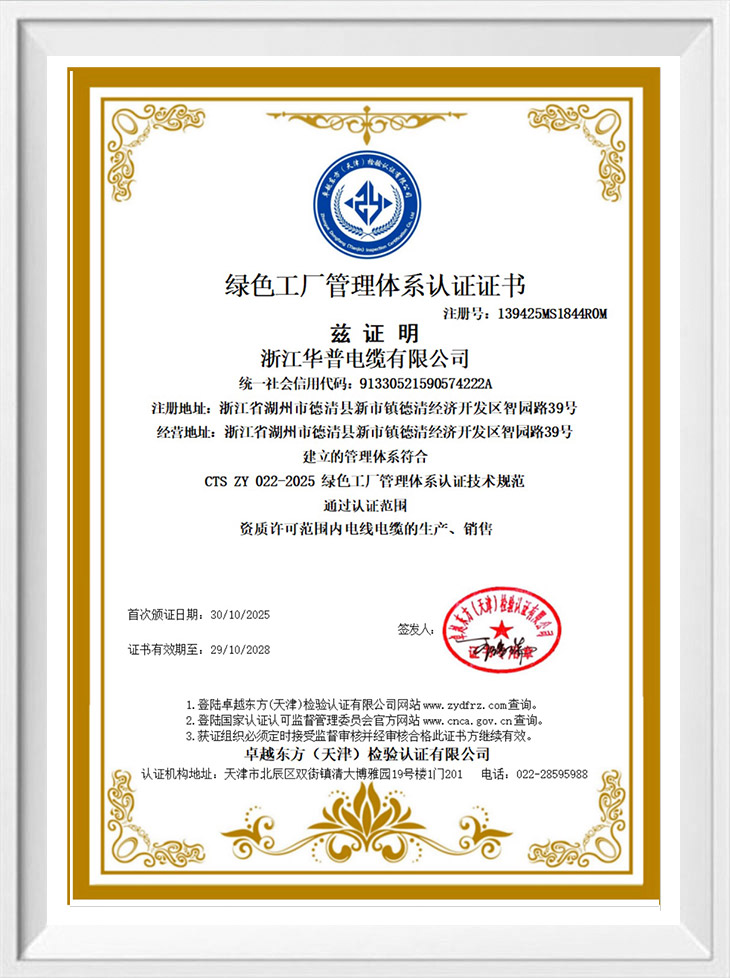
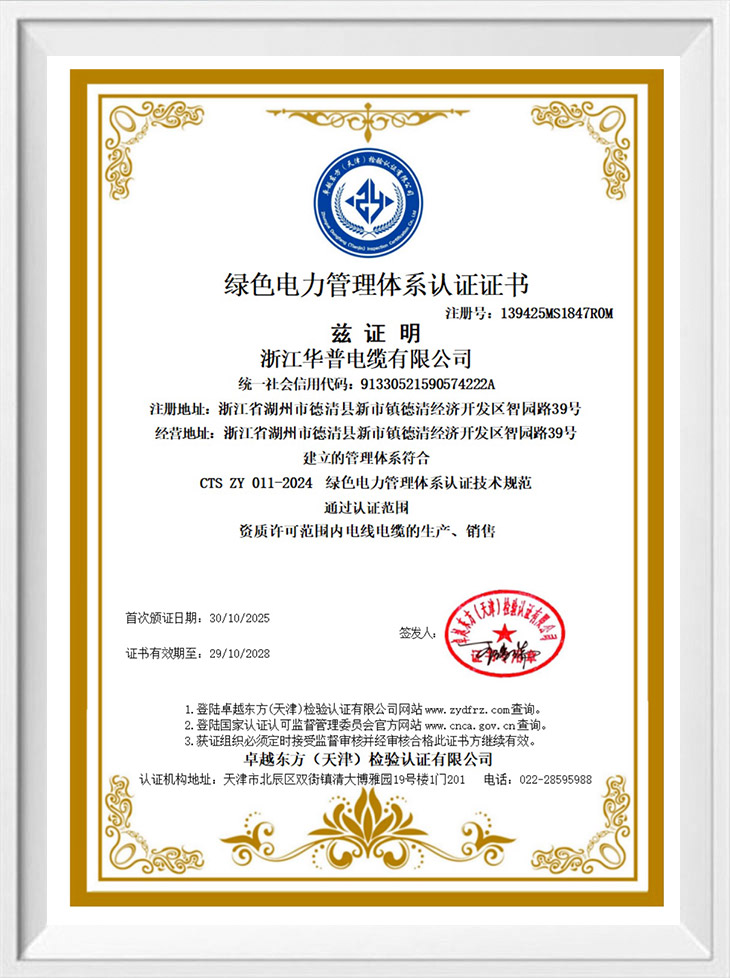
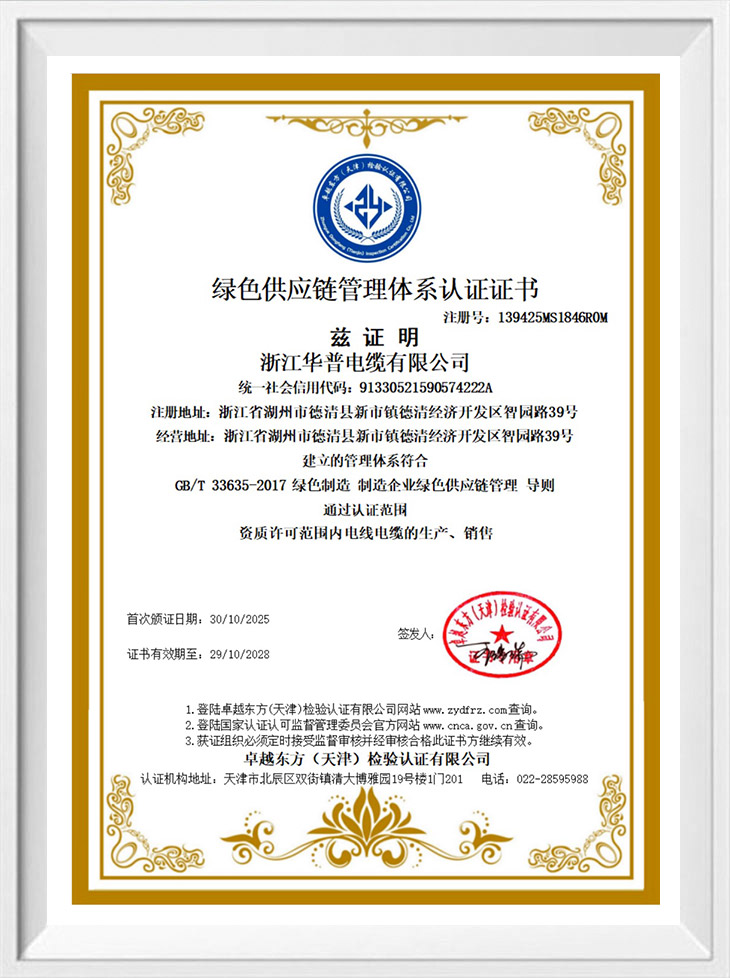
In regions where underground installation and outdoor infrastructure are common, biological damage caused by termites and rodents can significantly shorten the service life of electrical cables. Modern termite-proof and rodent-proof wires and cables therefore rely on specialized material engineering rather than simple mechanical barriers. Manufacturers such as Zhejiang Huapu Cable Co., Ltd., a professional wire and cable company integrating production, R&D, sales, and service, actively develop such solutions. Located at No. 39 Zhiyuan Road in the Deqing Economic Development Zone near Hangzhou, the company benefits from convenient logistics access via National Highway 104 and nearby expressways, enabling efficient distribution of specialized cable products to industrial and infrastructure markets.
One effective strategy is the use of modified outer sheath materials containing non-toxic anti-termite additives. These additives alter the taste and odor profile of the cable jacket, discouraging insects from chewing through the material. In rodent-prone environments, high-density polymer compounds and mineral-filled sheaths are used to increase hardness and abrasion resistance. This approach makes it physically difficult for rodents to gnaw through the protective layers.
- Polyethylene jackets blended with mineral fillers improve hardness and resistance to rodent chewing.
- Special anti-termite additives create chemical deterrents without affecting insulation performance.
- Multi-layer sheath structures increase the time required for pests to penetrate the cable.
- Armored metal tape layers provide additional mechanical barriers in high-risk environments.
Combining chemical deterrence with structural reinforcement allows these cables to remain reliable even when installed underground, in agricultural areas, or in environments where pest activity is difficult to control through external measures.
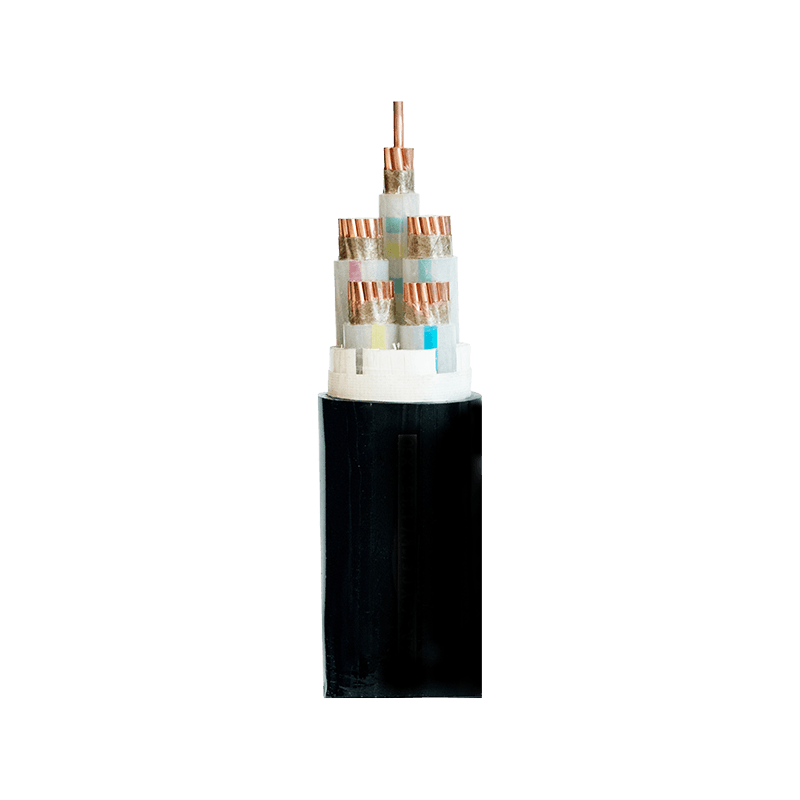
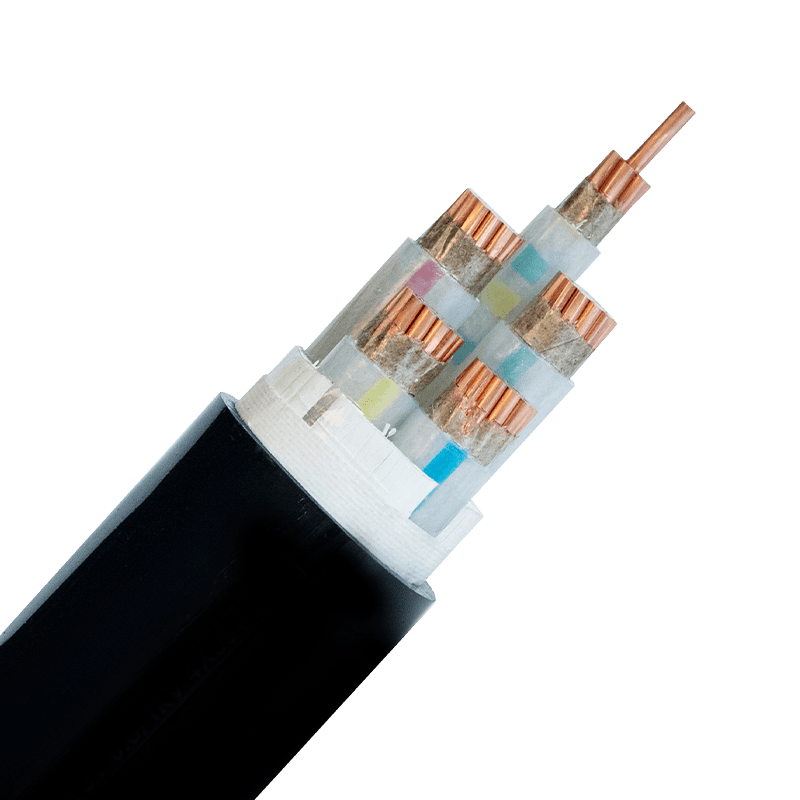
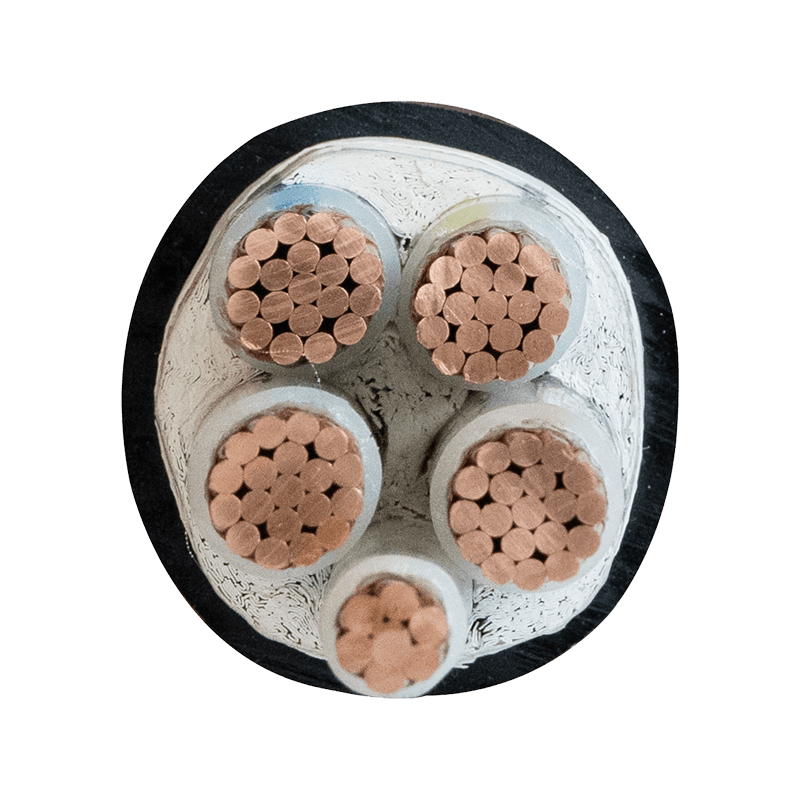
Structural Design Features of Termite-Proof and Rodent-Proof XLPE Insulated Cables and Wires
Termite-proof and rodent-proof XLPE insulated cables and wires are often used in power distribution networks, underground utility systems, and industrial installations. The use of cross-linked polyethylene (XLPE) insulation provides excellent electrical insulation and thermal resistance, but pest protection requires additional structural elements. Manufacturers such as Zhejiang Huapu Cable Co., Ltd. integrate these features into cable designs intended for long-term infrastructure deployment.
In these cable constructions, XLPE insulation protects the conductor while outer layers provide environmental and biological protection. Engineers often incorporate reinforced sheathing materials, steel tape armor, or glass fiber layers to increase mechanical durability. These protective layers also help prevent cable deformation under soil pressure or mechanical impact.
| Cable Layer |
Function |
Contribution to Pest Protection |
| XLPE Insulation |
Electrical insulation and thermal stability |
Prevents electrical damage if outer sheath is partially compromised |
| Inner Sheath |
Mechanical protection and shape stability |
Acts as an additional barrier layer |
| Metal Armor Layer |
Impact and compression resistance |
Prevents rodents from penetrating the cable structure |
| Specialized Outer Jacket |
Environmental and chemical protection |
Contains anti-termite compounds and hardened polymer blends |
This layered structure ensures that even if the outer sheath experiences partial damage, the internal insulation and protective layers maintain electrical safety and system reliability.
Installation Practices That Improve the Effectiveness of Pest-Resistant Cable Systems
Even when using advanced termite-proof and rodent-proof cables, installation methods play a critical role in preventing long-term damage. Infrastructure engineers often combine specialized cables with strategic routing and environmental protection techniques to minimize pest exposure. Companies such as Zhejiang Huapu Cable Co., Ltd., located in the well-connected Deqing Economic Development Zone near Hangzhou, frequently provide technical guidance to ensure that their pest-resistant cable products perform effectively after installation.
One common practice is the use of protective conduits or cable ducts in areas where rodent activity is frequent, such as agricultural land, warehouses, and underground transportation tunnels. Proper trench depth and backfill materials also influence pest resistance. For example, compacted sand or gravel backfill can discourage burrowing animals from approaching cable routes.
Environmental Planning Measures
- Avoid installing cables directly next to waste disposal areas or food storage facilities where rodent populations may be high.
- Use sealed cable entry points in buildings to prevent pests from following cable routes indoors.
- Maintain regular inspection schedules for underground cable routes to identify early signs of pest activity.
- Combine pest-resistant cables with integrated pest management strategies in high-risk environments.
By integrating advanced cable materials with careful installation planning, infrastructure operators can significantly reduce maintenance costs and extend the operational life of electrical systems in pest-prone environments.

 en
en English