Engineering Design Considerations for IEC 60331 Flame-Retardant Cable in Critical Power Systems
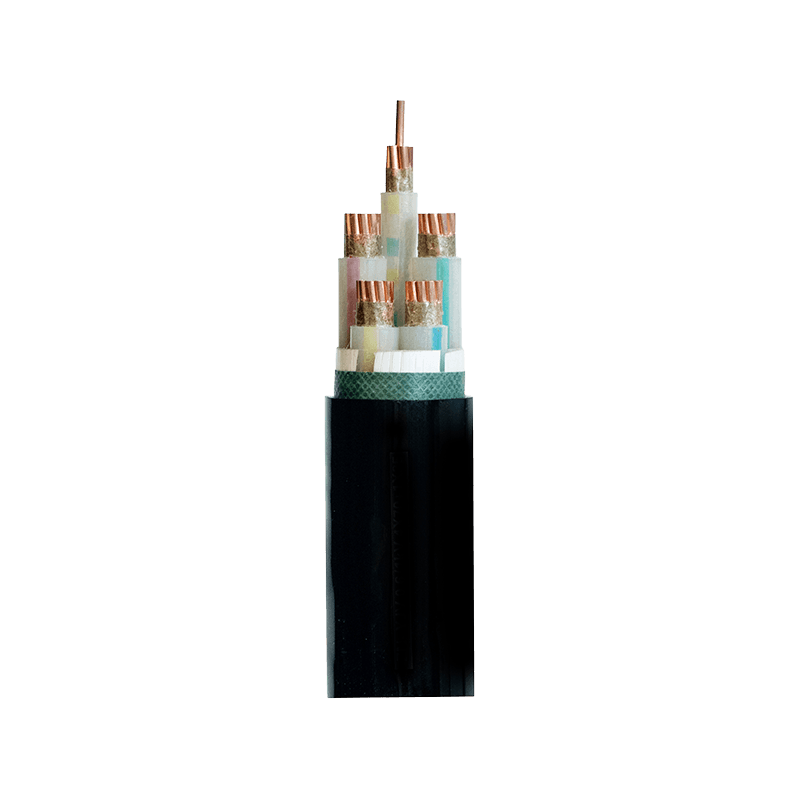
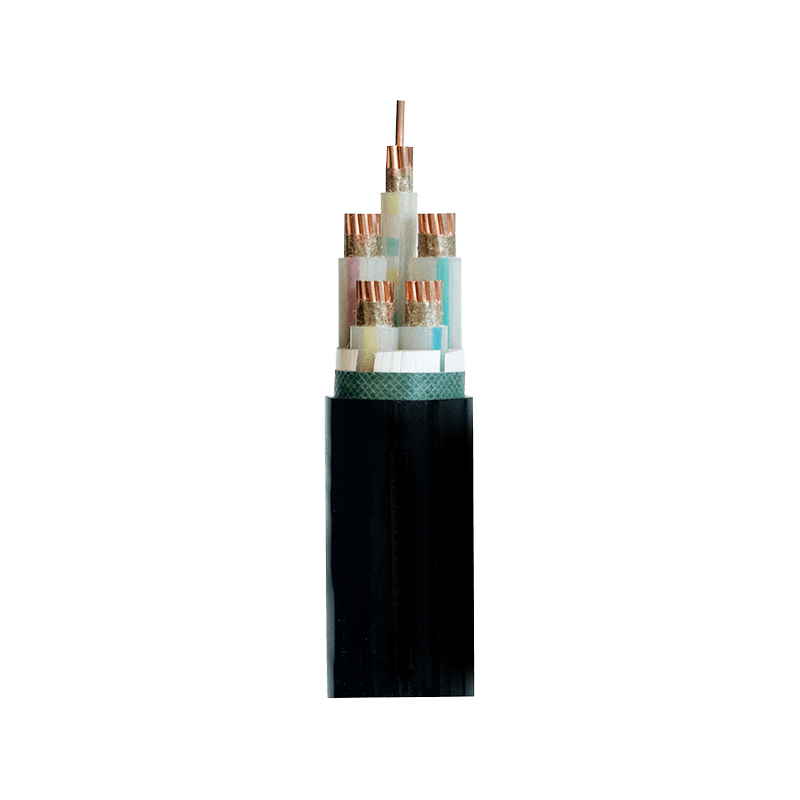
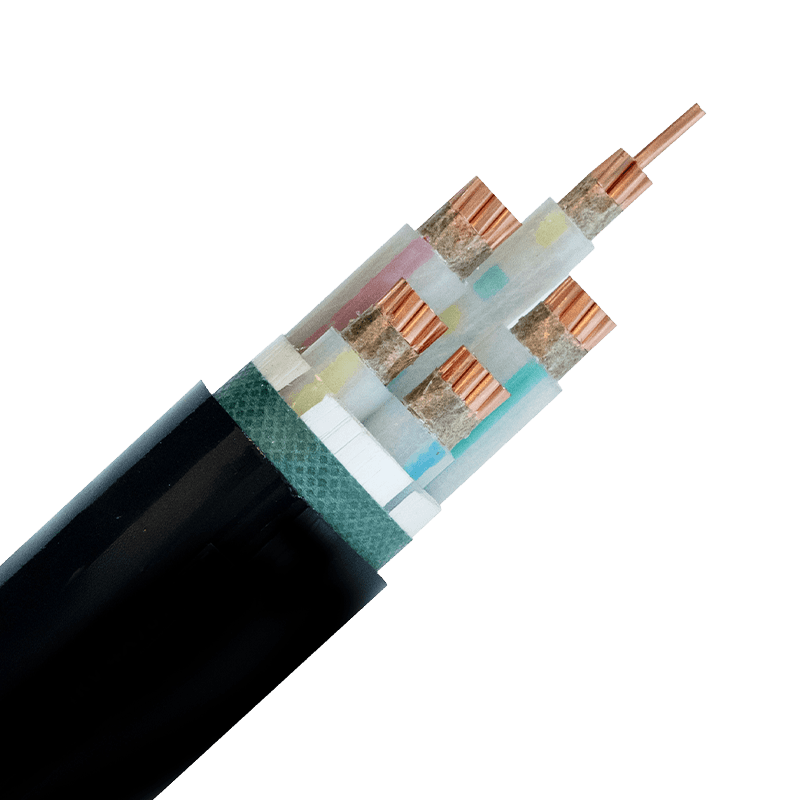
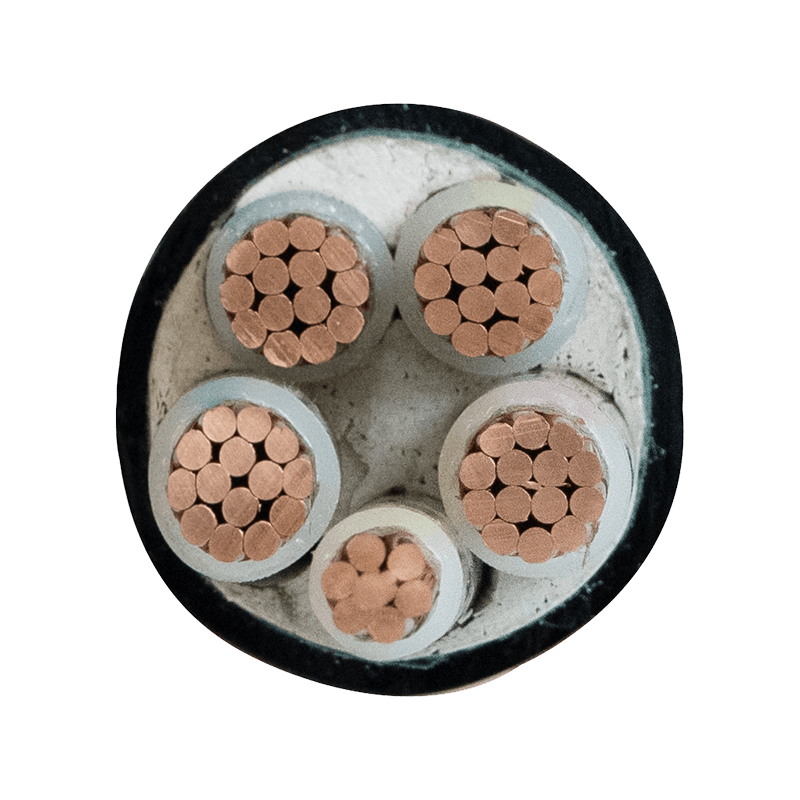
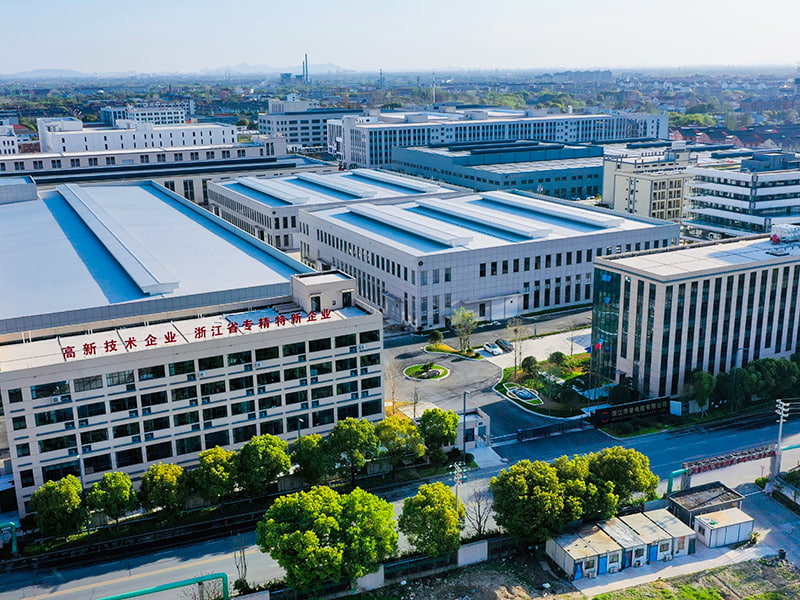
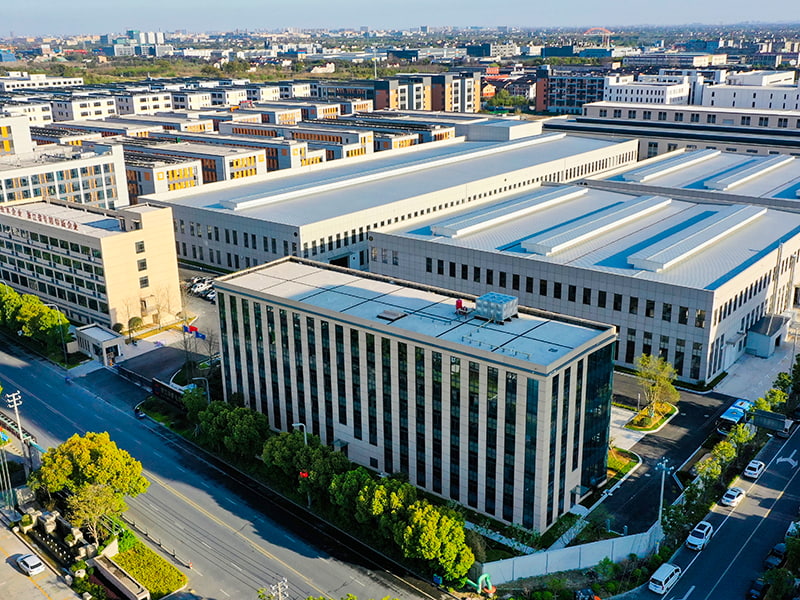
In modern infrastructure projects, IEC 60331 flame-retardant cable is widely used in environments where circuit integrity must be maintained during fire exposure. Beyond meeting regulatory compliance, engineers must consider installation methods, thermal loading, and system redundancy when integrating these cables into critical power networks. Zhejiang Huapu Cable Co., Ltd., a professional wire and cable manufacturer located at No. 39 Zhiyuan Road in the Deqing Economic Development Zone near Hangzhou, focuses on the development and supply of specialized cable solutions. Its strategic location—only three kilometers from the ring expressway exit and connected by National Highway 104—supports efficient logistics for supplying cables to infrastructure and industrial clients.
When designing systems with Fire Resistant Cable Data Center, engineers must evaluate both the fire resistance duration and the thermal insulation performance of surrounding structures. Fire-resistant cables are typically installed in emergency power circuits, fire alarm systems, and evacuation lighting networks. However, maintaining circuit continuity during a fire depends not only on the cable but also on the cable tray material, fastening hardware, and spacing between cables. Metal cable trays with fire-resistant coatings are often preferred because they provide structural stability at high temperatures.
- Use fire-rated cable supports that can maintain mechanical strength during prolonged heat exposure.
- Avoid overcrowding cable trays to reduce heat accumulation and allow flame-resistant properties to function effectively.
- Install fire barriers or protective conduits in areas with high combustible material concentration.
- Ensure grounding systems remain intact during fire conditions to prevent electrical instability.
Proper system-level design significantly enhances the performance of flame-retardant cables. In high-risk facilities such as hospitals, transportation hubs, and industrial plants, combining IEC 60331 cables with fire compartmentalization strategies improves overall safety and reliability.
Thermal Stability Design Techniques for High-Temperature Resistant Cables
High-temperature resistant cables are frequently deployed in environments such as steel manufacturing plants, glass processing facilities, petrochemical installations, and heavy industrial machinery. In these environments, cable performance depends heavily on the thermal stability of insulation materials and conductor structures. Manufacturers like Zhejiang Huapu Cable Co., Ltd., based in the Deqing Economic Development Zone near Hangzhou, develop cable solutions designed to withstand continuous exposure to extreme temperatures while maintaining electrical stability and mechanical flexibility.
Designing high-temperature resistant cables requires careful material selection and structural optimization. Silicone rubber, fluoropolymer insulation, and mica tape layers are often used to ensure thermal endurance. Additionally, conductor oxidation at high temperatures can reduce conductivity over time, so specialized plating techniques—such as nickel-plated copper conductors—are frequently applied.
| Material Component |
Temperature Resistance Range |
Typical Application |
| Silicone Rubber Insulation |
Up to 180°C |
Industrial furnace wiring |
| Fluoropolymer (FEP/PTFE) |
200–260°C |
Chemical processing plants |
| Mica Tape Layer |
Fire resistance up to 1000°C for short periods |
Fire survival cables |
Thermal management also includes external design features such as heat-resistant sheathing, ventilation spacing during installation, and minimizing direct contact with hot surfaces. These engineering measures extend cable lifespan and reduce maintenance frequency in high-temperature industrial environments.
Fire Resistant Cable Design Strategies for Data Center Power Infrastructure
Modern data centers rely on highly reliable power distribution networks, where even short interruptions can result in data loss or service outages. Fire resistant cable solutions are increasingly used in these environments to maintain electrical continuity during emergency situations. Zhejiang Huapu Cable Co., Ltd., a cable manufacturer located in the well-connected Deqing Economic Development Zone close to Hangzhou, supplies specialized cable products to industries that demand high reliability, including telecommunications infrastructure and data processing facilities.
Unlike traditional building wiring, cables in data centers must support dense installation layouts, high electrical loads, and strict fire safety requirements. Fire resistant cable designs often incorporate mica tape insulation, low-smoke halogen-free outer jackets, and advanced shielding structures to reduce electromagnetic interference between densely packed circuits.
Cable Routing Considerations in High-Density Server Environments
Cable routing plays a significant role in maintaining both safety and performance. Data center cable trays often carry multiple power and communication cables simultaneously. To prevent overheating and ensure fire safety, engineers typically separate power cables from sensitive signal lines and maintain airflow channels within cable pathways.
- Install fire resistant cables in dedicated power trays separated from data transmission cables.
- Use low-smoke zero-halogen materials to reduce toxic gas emissions in enclosed server rooms.
- Ensure sufficient spacing between cable bundles to allow heat dissipation.
- Combine fire resistant cable systems with automated fire suppression infrastructure.
By integrating fire resistant cable technologies with advanced infrastructure planning, data center operators can significantly improve operational resilience. This approach ensures that emergency power circuits remain functional long enough to support backup systems, safe shutdown procedures, and uninterrupted critical services.

 en
en English