How EV Charging Cable Standards Differ Across Global Markets
Electric vehicle charging cables are not universally interchangeable — they follow distinct regional standards shaped by regulatory bodies, grid infrastructure, and automaker alliances. In North America, the Combined Charging System (CCS1) and the Tesla-originated NACS connector dominate, while Europe standardized around CCS2 (IEC 62196-2 Type 2) for AC and DC fast charging. Japan continues to rely on CHAdeMO for DC, though its market share is shrinking globally. China mandates its own GB/T standard for both AC and DC charging, which applies to all vehicles sold domestically, including imported models. Understanding which connector standard applies to your target market is essential before selecting an electric vehicle charging cable for deployment in charging stations, fleet operations, or OEM supply chains.
Conductor Material and Cross-Section: What Really Affects Charging Performance
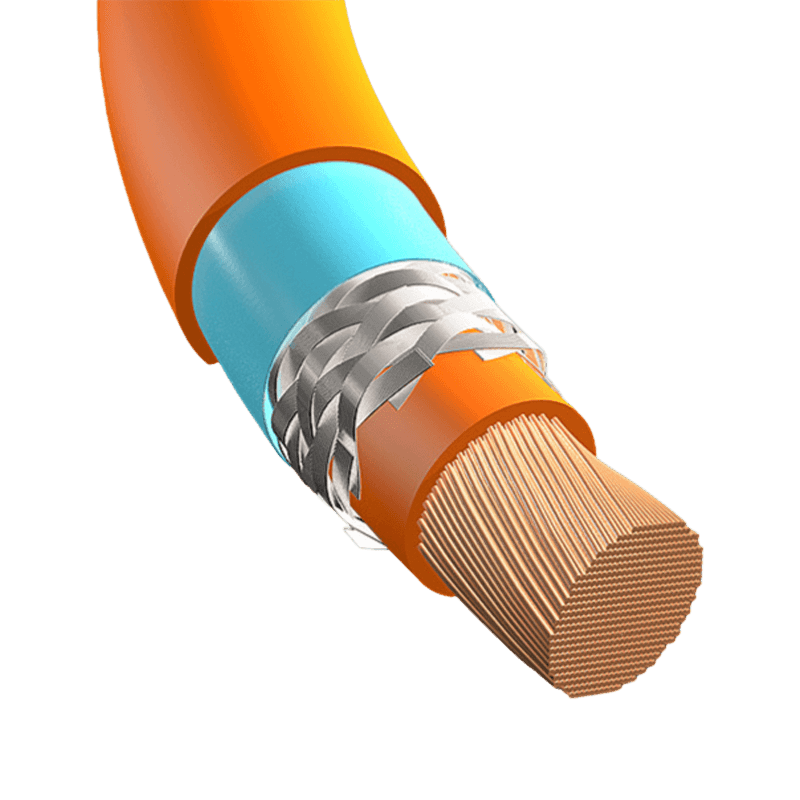
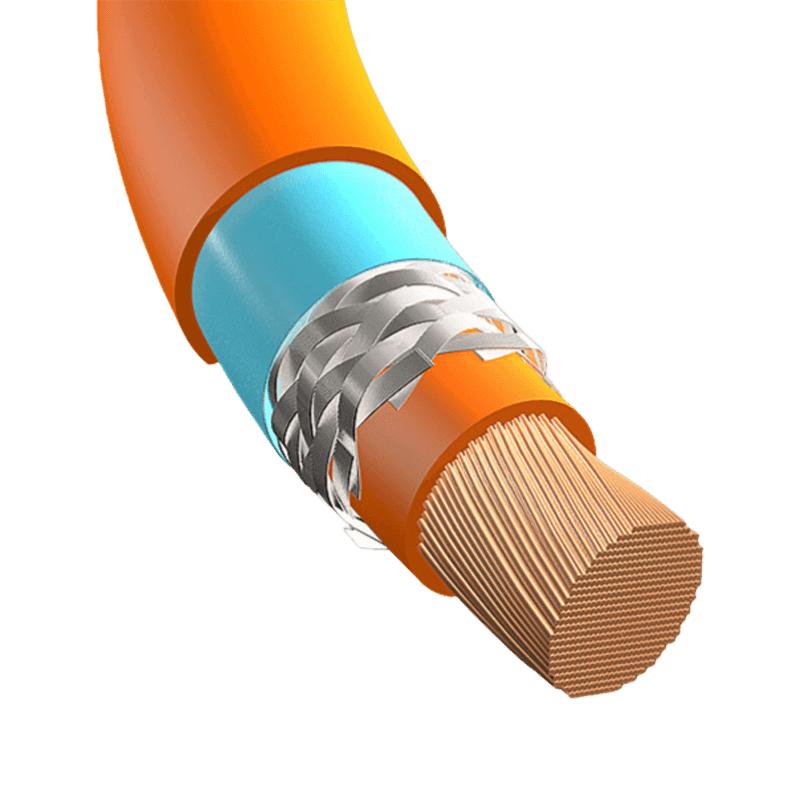
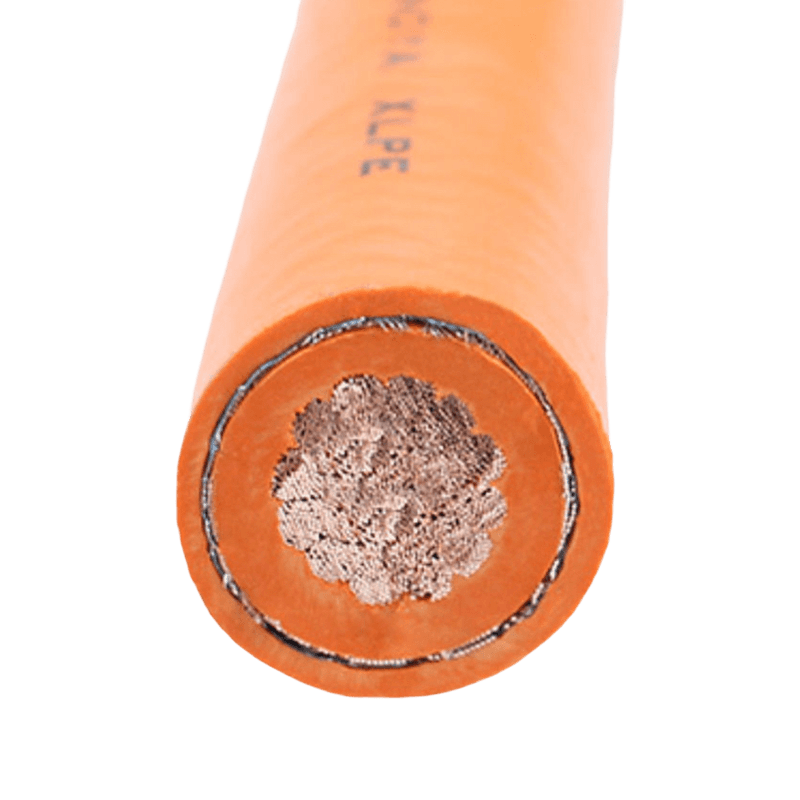
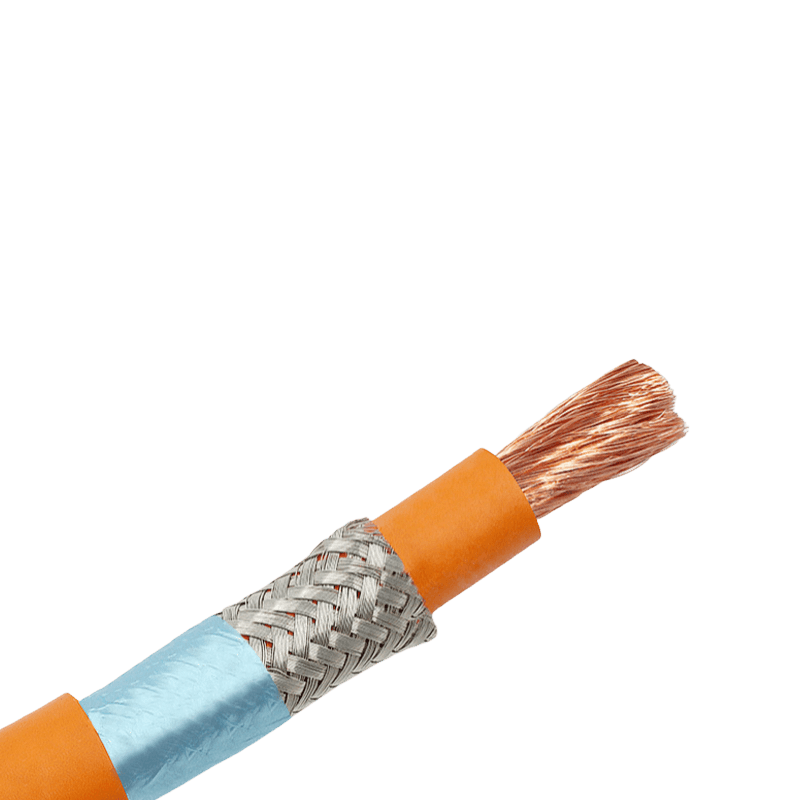
The electrical performance of an EV charging cable depends heavily on conductor material and cross-sectional area. Copper remains the preferred conductor material due to its superior conductivity (approximately 58 MS/m), but aluminum conductors are increasingly considered for high-power stationary charging equipment where weight and cost are priorities. For AC Mode 2 and Mode 3 charging cables, conductor cross-sections typically range from 1.5 mm² to 6 mm², while DC fast-charging cables — particularly those handling 150 kW to 350 kW — require much larger cross-sections, often 35 mm² to 95 mm², combined with active liquid or air cooling systems to maintain safe operating temperatures. At Zhejiang Huapu Cable Co., Ltd., our conductor manufacturing capabilities span a wide range of cross-sections with tight tolerances, ensuring minimal resistance and heat generation under sustained high-current loads.
Insulation and Sheath Materials: Matching the Cable to the Environment
The durability of electric vehicle charging cables in real-world conditions is largely determined by the choice of insulation and outer sheath material. Different deployment environments demand different material properties:
- Cross-linked polyethylene (XLPE): Offers excellent thermal resistance (up to 90°C continuous, 250°C short-circuit), superior electrical insulation, and resistance to environmental stress cracking — suitable for both indoor and outdoor fixed charging infrastructure.
- Thermoplastic elastomer (TPE) / Thermoplastic rubber (TPR): Commonly used for portable Mode 2 EVSE cables due to high flexibility, good UV resistance, and the ability to remain pliable at low temperatures (down to -40°C), which is critical for use in cold climates.
- PVC (polyvinyl chloride): Cost-effective and widely used for indoor applications; however, standard PVC is not ideal for extreme outdoor exposure without UV stabilizer additives.
- Low-smoke halogen-free (LSZH) compounds: Essential for underground parking structures, tunnels, and enclosed public charging areas where toxic smoke from a cable fire would be a serious hazard. We produce LSZH-sheathed EV charging cables specifically engineered for confined-space safety compliance.
Understanding IP Ratings for Charging Cable Assemblies and Connectors
Ingress protection (IP) ratings defined by IEC 60529 directly determine where an EV charging cable assembly can be safely deployed. Outdoor public charging stations require connectors and cable entry points rated at least IP44 (protected against solid objects over 1mm and water splashes from any direction), with IP55 or IP67 being preferred for exposed installations in regions with heavy rainfall or frequent cleaning with pressured water. The cable body itself, however, is often not assigned a formal IP rating — instead, its resistance to water and dust ingress is governed by the sheath material specification. When evaluating electric vehicle charging cables for outdoor or semi-outdoor use, procurement teams should verify the IP rating of the connector housing separately from the cable's sheath performance data, as these are tested and certified independently.
Thermal Management in High-Power DC Fast Charging Cables
As DC fast charging power levels climb beyond 150 kW — and now regularly reaching 350 kW at HPC (High Power Charging) stations — passive heat dissipation through the cable sheath is no longer sufficient. Liquid-cooled charging cables have become the standard solution for ultra-fast charging. These cables incorporate internal coolant channels running alongside the power conductors, circulating a dielectric cooling fluid (typically a glycol-water mixture or dielectric oil) to carry heat away from the conductor and connector. This allows the cable to maintain a much smaller outer diameter and greater flexibility compared to a passively cooled cable of equivalent ampacity. The trade-off is added system complexity: a pump, reservoir, heat exchanger, and leak-monitoring system must be integrated into the charging station hardware. For operators selecting EV charging cables for HPC deployments, the cooling system's maintenance interval and coolant compatibility with cable materials are key long-term operational considerations.
Mechanical Durability: Bend Radius, Torsion, and Plug-In Cycle Ratings
Electric vehicle charging cables endure repeated mechanical stress that static power cables are never subjected to: daily coiling and uncoiling, dragging across pavement, bending at the connector entry point, and torsional stress as users rotate the connector during insertion. Industry standards address these demands through specific test protocols. The IEC 62893 series, which governs charging cables for EVs, specifies minimum bend radius requirements (typically 7.5× outer diameter for fixed-flexing installations and 5× for portable use), as well as torsion endurance tests simulating ±180° twist cycles. Connector assemblies rated to 10,000 mating cycles are standard for public charging stations. When specifying electric vehicle charging cables for high-utilization applications — such as taxi fleet charging hubs or highway rest stops — requesting test reports against IEC 62893-4 or equivalent standards provides an objective basis for comparing cable mechanical lifespans.
Comparing EV Charging Modes: Cable Requirements at Each Level
The IEC 61851-1 standard defines four charging modes, each with distinct implications for cable design and specification. The table below summarizes key parameters:
| Charging Mode |
Supply Type |
Typical Power Range |
Cable Type |
Key Cable Requirement |
| Mode 1 |
AC, standard socket |
Up to 3.7 kW |
Portable, no control pilot |
Basic flexible sheathed cable; now largely phased out in new deployments |
| Mode 2 |
AC, standard socket with ICCB |
Up to 3.7 kW (single-phase) |
Portable with in-cable control box |
High flexibility, cold-temperature performance, integrated pilot wire |
| Mode 3 |
AC, dedicated EVSE |
3.7 kW – 22 kW (up to 43 kW 3-phase) |
Tethered or untethered Type 2 |
IEC 62893 compliant, UV/ozone resistant sheath, 10,000-cycle connector |
| Mode 4 |
DC, off-board charger |
50 kW – 350 kW+ |
Tethered, often liquid-cooled |
Large cross-section conductors or active cooling, shielded signal pairs, robust strain relief |
Signal and Communication Conductors Within EV Charging Cables
Modern electric vehicle charging cables are not purely power cables — they carry multiple signal and communication conductors alongside the main power cores. In a CCS2 or Type 2 AC cable, you will typically find a control pilot (CP) wire and a proximity pilot (PP) wire in addition to the phase conductors, neutral, and protective earth. The CP wire carries a 1 kHz PWM signal that communicates the maximum available current from the EVSE to the vehicle's onboard charger. In DC fast-charging cables, the communication complexity increases further: the Combined Charging System uses power line communication (PLC) over the CP line based on the ISO 15118 protocol, enabling features such as Plug & Charge authentication, smart charging scheduling, and bidirectional power flow (V2G). These signal conductors must be carefully shielded within the cable construction to prevent interference from the high-frequency switching noise generated by the power electronics in the charger. At Zhejiang Huapu Cable Co., Ltd., our expertise in computer cables and communication cables directly informs how we approach shielding architecture in multi-conductor EV charging cable designs.
Chemical and Oil Resistance: Critical for Fleet and Industrial Charging Environments
Fleet operators charging commercial EVs — electric buses, delivery vans, or industrial vehicles — frequently deploy charging cables in environments where contact with hydraulic fluids, diesel residues, cleaning agents, or lubricating oils is routine. Standard TPE or PVC sheaths may swell, crack, or lose flexibility when exposed to hydrocarbon-based substances over time. For these applications, cable sheaths compounded with chlorinated polyethylene (CPE) or polychloroprene (CR, commonly known as neoprene) offer significantly better chemical resistance while retaining the flexibility needed for daily handling. When sourcing electric vehicle charging cables for fleet depots or logistics centers, requesting test data per IEC 60811-404 (resistance to mineral oil) and specifying the chemical exposure conditions expected in the environment allows manufacturers to match the sheath compound to the deployment reality rather than relying on a generic specification.
Fire Safety Classifications and Their Impact on Cable Selection for Charging Infrastructure
As EV charging infrastructure expands into multi-story car parks, shopping centers, residential buildings, and transit hubs, fire safety classifications for cables become a compliance requirement rather than an optional upgrade. The European CPR (Construction Products Regulation) EN 50575 framework classifies cables from Aca (highest fire performance) down to Fca, with intermediate classes including Cca, Dca, and Eca — each requiring demonstration of specific flame spread, heat release, smoke production, and flaming droplet characteristics. For EV charging cables installed as part of fixed building infrastructure — such as tethered cables in wall-mounted EVSE units or cable management systems in underground garages — the applicable CPR class must be identified based on the installation location and national building codes. Cables used in Mode 4 DC charging stations installed outdoors on standalone pillars may fall outside the CPR scope entirely, while the same cable routed through a building structure would require full CPR compliance. We manufacture flame-retardant and fire-resistant cable variants with documented CPR performance, supporting our customers' compliance documentation across European markets.

 en
en English