Insulation Layer Design Considerations for Overhead Cables
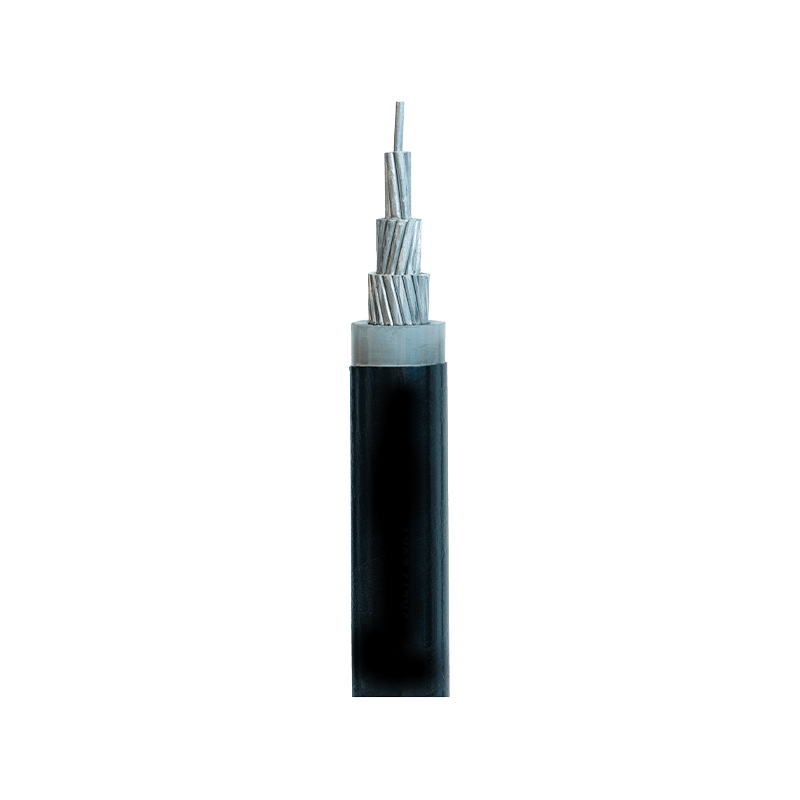
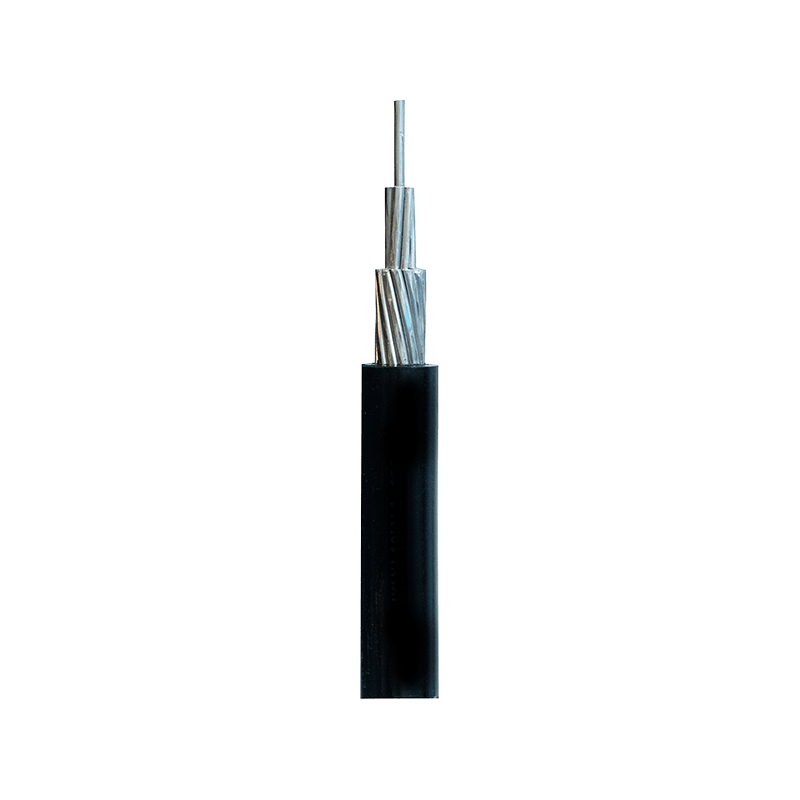
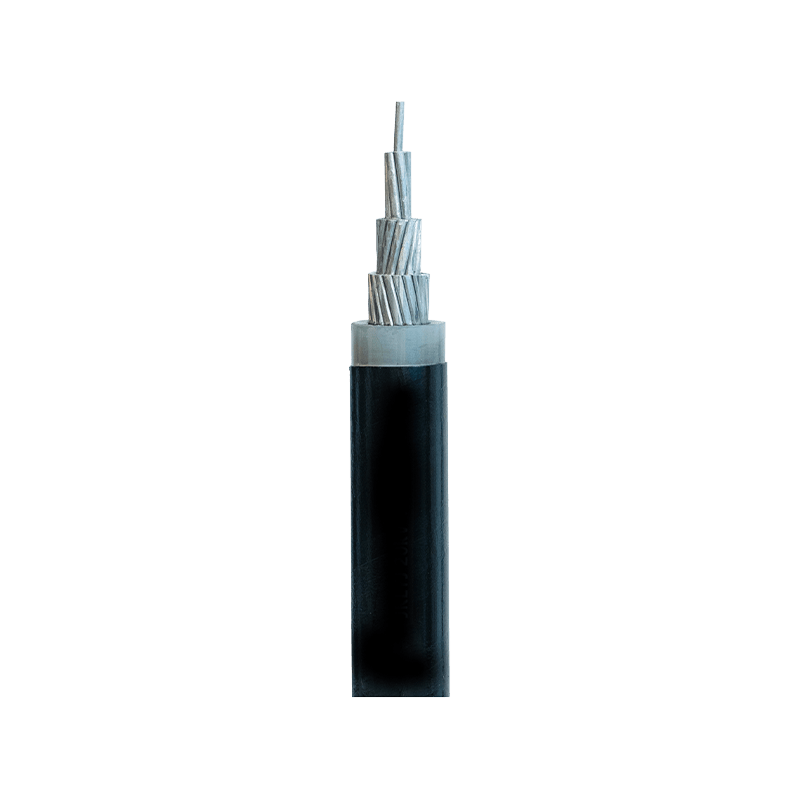
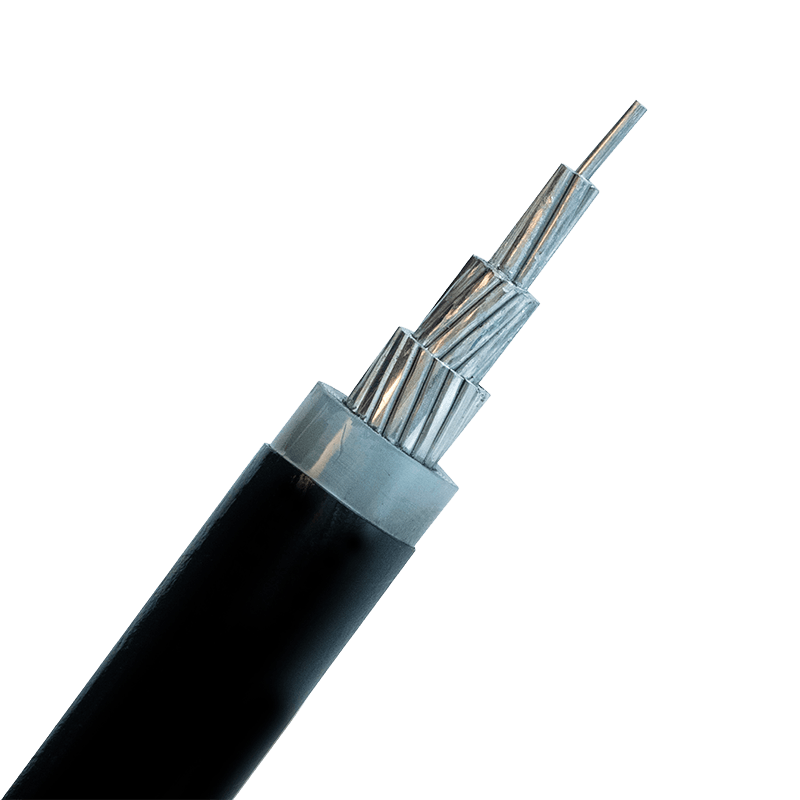
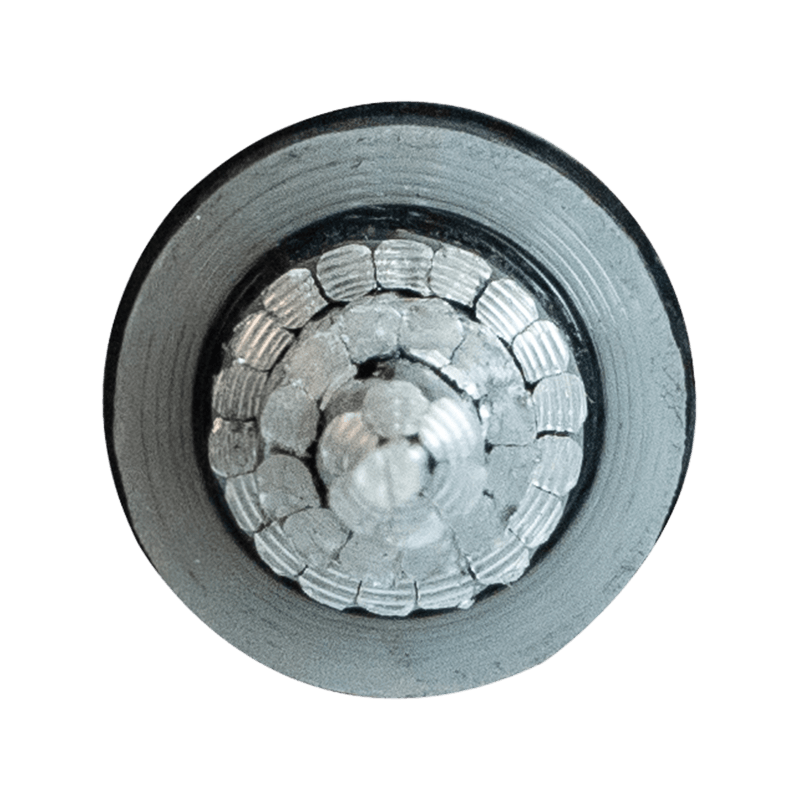
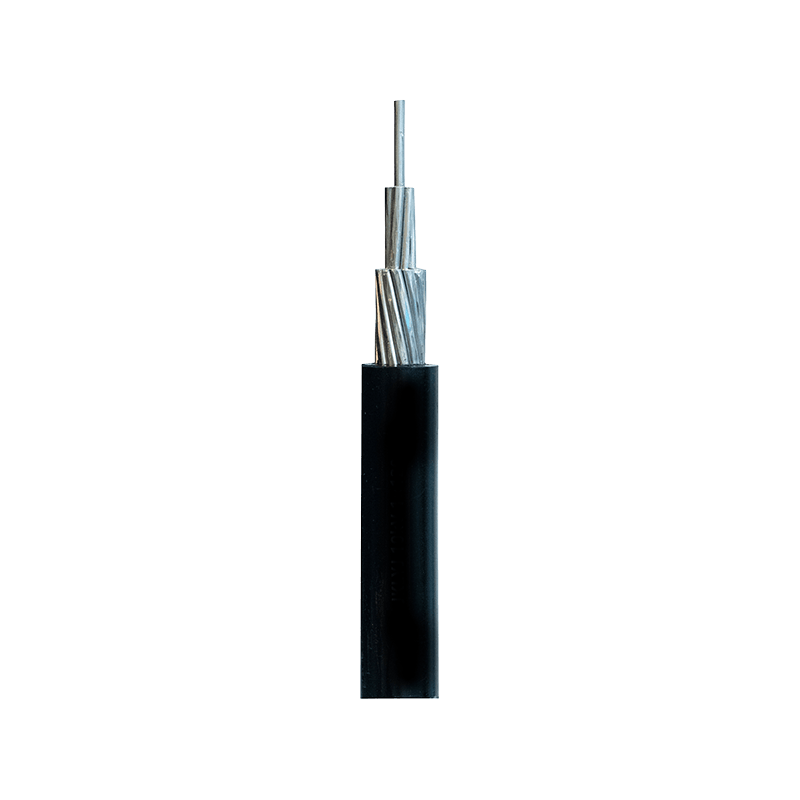
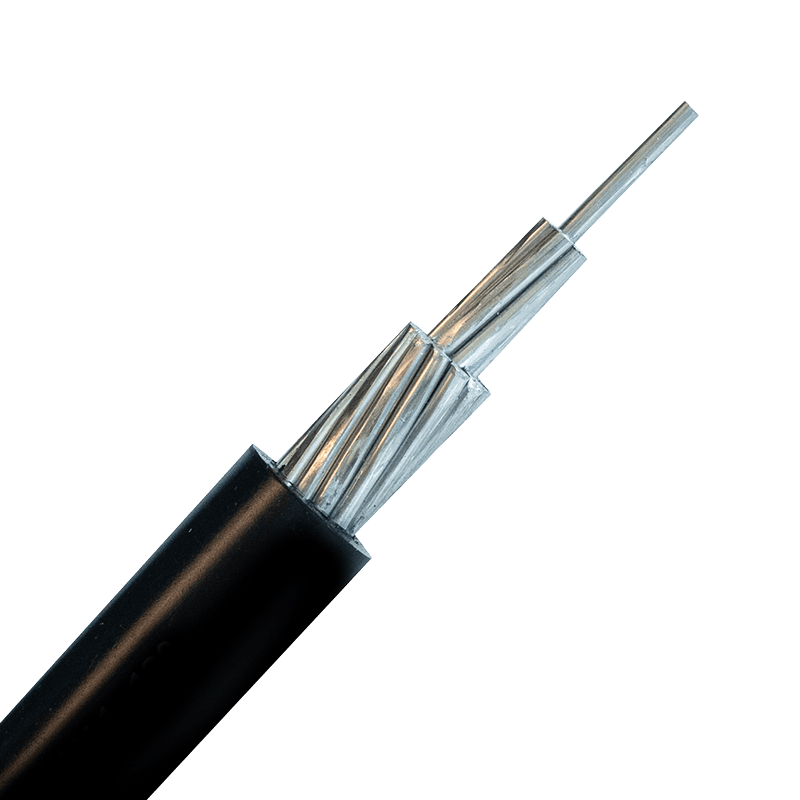
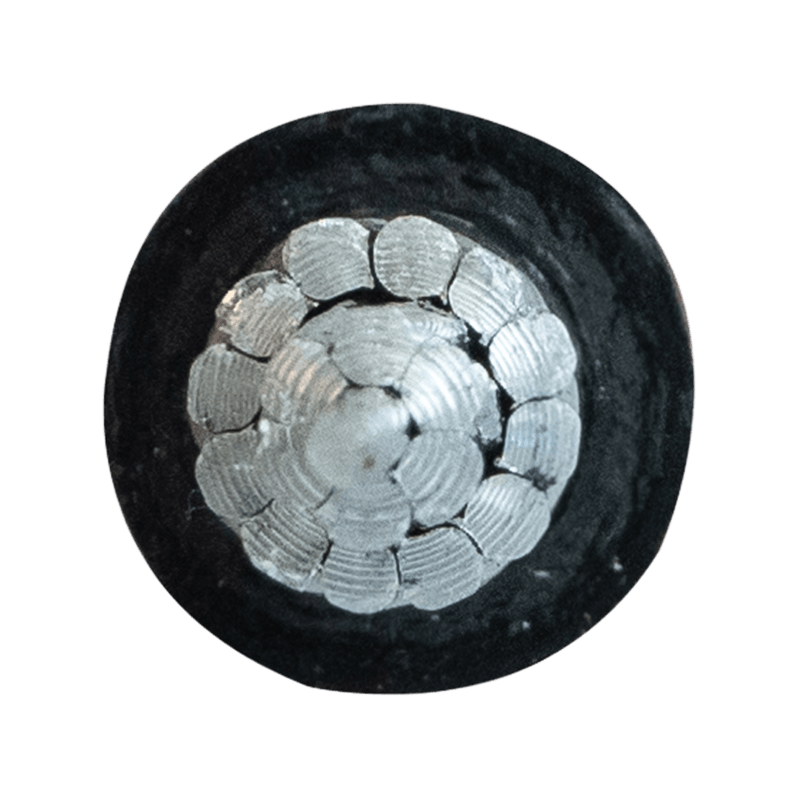
In medium- and low-voltage overhead distribution systems, the insulation layer is not merely a protective coating but a critical component influencing electrical safety, weather resistance, and long-term operational stability. 10kV Overhead Insulated Cable must withstand mechanical stress, UV radiation, moisture exposure, and airborne contaminants throughout their service life. Selecting appropriate insulation materials and structural thickness plays a key role in maintaining reliable grid performance.
In most medium-voltage overhead cables designs, cross-linked polyethylene (XLPE) or weather-resistant polyethylene insulation is used due to their superior dielectric properties and thermal endurance. Compared with bare conductors, insulated low-voltage overhead cables significantly reduce accidental short circuits caused by tree branches, wind-driven debris, or animals.
Key Environmental Stress Factors
- Ultraviolet radiation causing long-term insulation degradation
- Moisture penetration during rainfall and condensation cycles
- Temperature fluctuations between day and night
- Air pollution and salt spray in coastal environments
Well-designed insulation systems allow cables to maintain stable operation for decades. In practical grid projects, engineers often consider insulation thickness and weathering performance simultaneously, ensuring that cables maintain a stable dielectric strength and long outdoor service life.
Voltage Level Selection in Overhead Distribution Networks
Different voltage levels in 20kV overhead insulated cable correspond to specific application environments within modern distribution systems. Choosing the appropriate cable rating is essential for balancing transmission efficiency, installation cost, and safety performance. Medium-voltage overhead networks typically support regional distribution, while lower voltage systems are used closer to end users.
| Voltage Level |
Typical Application |
Grid Role |
| 1 kV |
Residential service lines |
Final distribution to buildings |
| 10 kV |
Urban distribution feeders |
Primary distribution networks |
| 20 kV |
Industrial parks and development zones |
Medium-distance regional supply |
| 35 kV |
Substation distribution lines |
High-capacity feeder systems |
Typical voltage levels and application scenarios in overhead insulated cable distribution networks
From an engineering perspective, selecting the correct voltage grade ensures efficient power transmission while minimizing line losses and operational risks. In many rural grid modernization projects, upgrading bare conductors to insulated cables within the 10–35 kV range dramatically improves reliability.
Mechanical Performance in Complex Terrain Installations
Overhead distribution lines installed in mountainous regions, coastal zones, or areas with strong winds must withstand significant mechanical stress. Cable conductors and supporting structures must maintain structural integrity under tension, vibration, and environmental load conditions.
Common Mechanical Stress Sources
- Wind-induced conductor oscillation
- Ice accumulation increasing line weight
- Temperature-related expansion and contraction
- Long-span installation tension between poles
Because of these factors, conductor structures often incorporate aluminum stranded or steel-reinforced aluminum designs to achieve a balance between weight and strength. The combination allows the cable to maintain high tensile strength while preserving excellent electrical conductivity.
From our own project experience, engineers often prioritize cables with strong mechanical endurance when building distribution networks in mountainous areas, where maintenance access can be difficult.
Quality Control and Testing in Cable Manufacturing
Reliable overhead cable performance begins with strict manufacturing quality control. Professional cable manufacturers typically implement multi-stage inspection processes covering raw materials, conductor stranding, insulation extrusion, and final electrical testing.
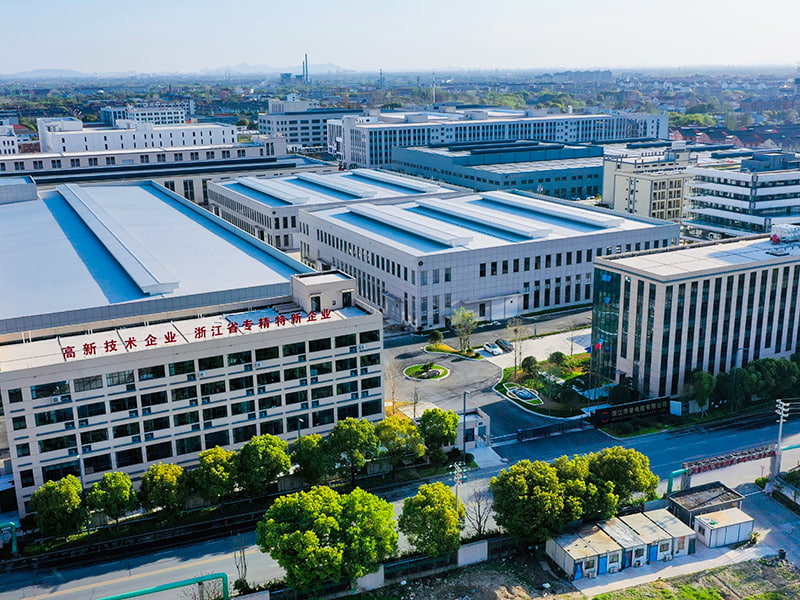
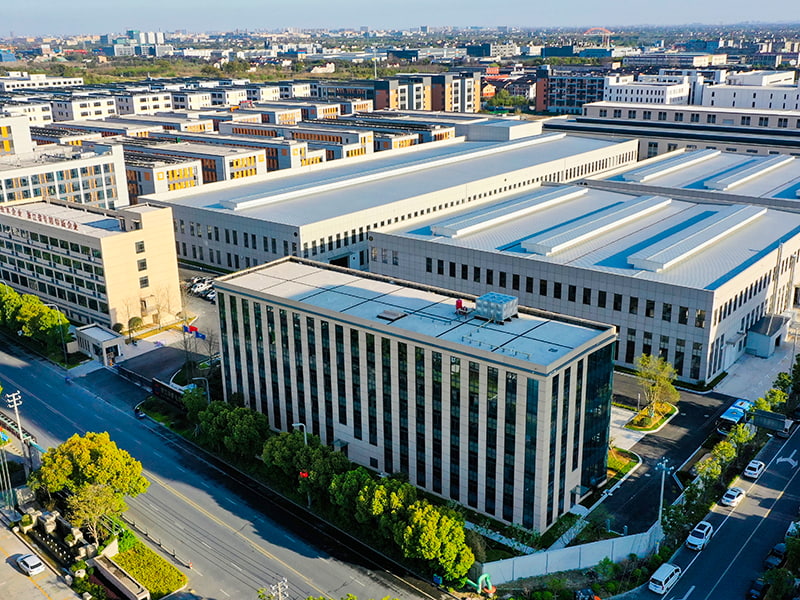
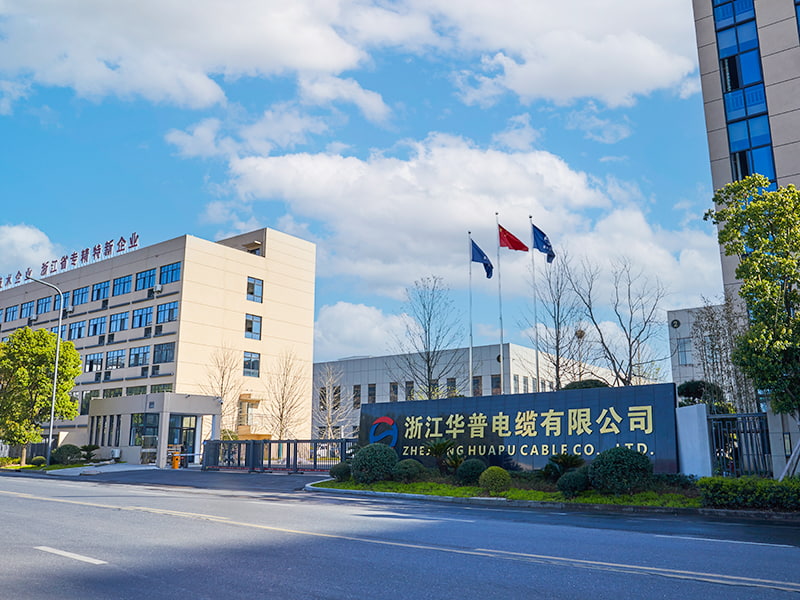
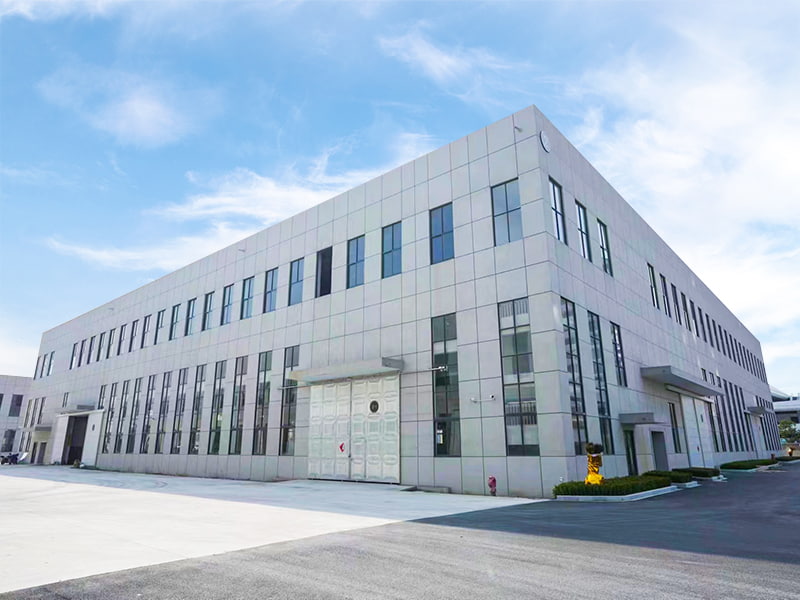
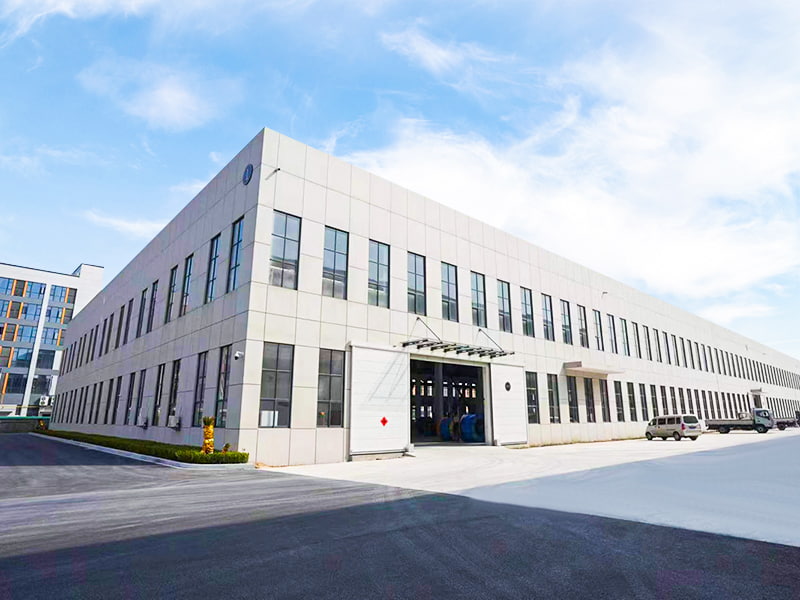
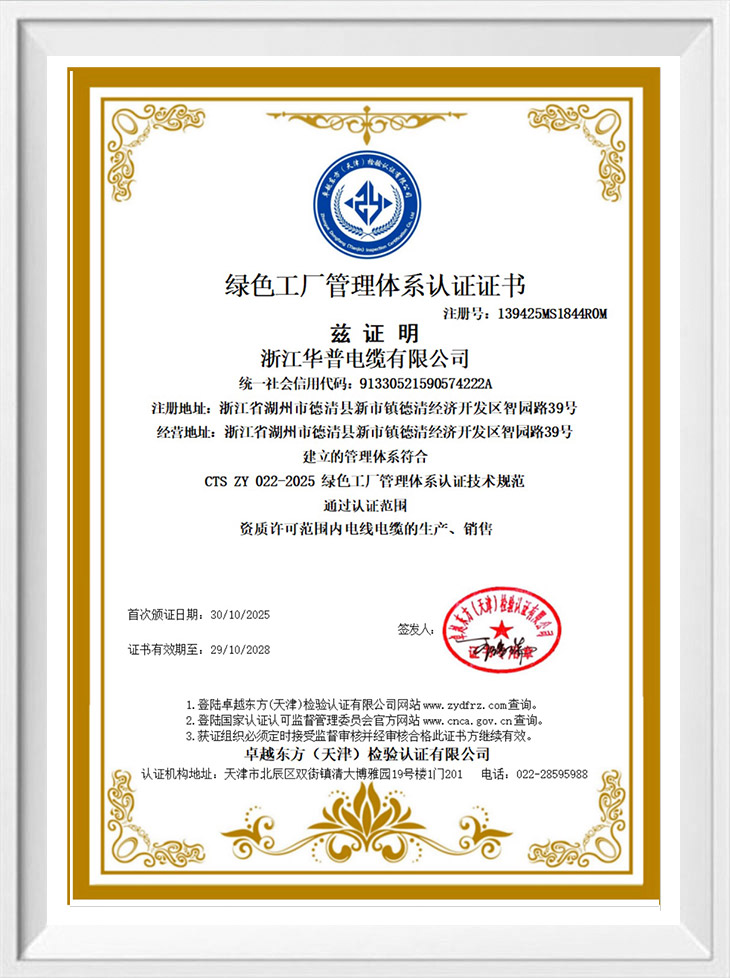
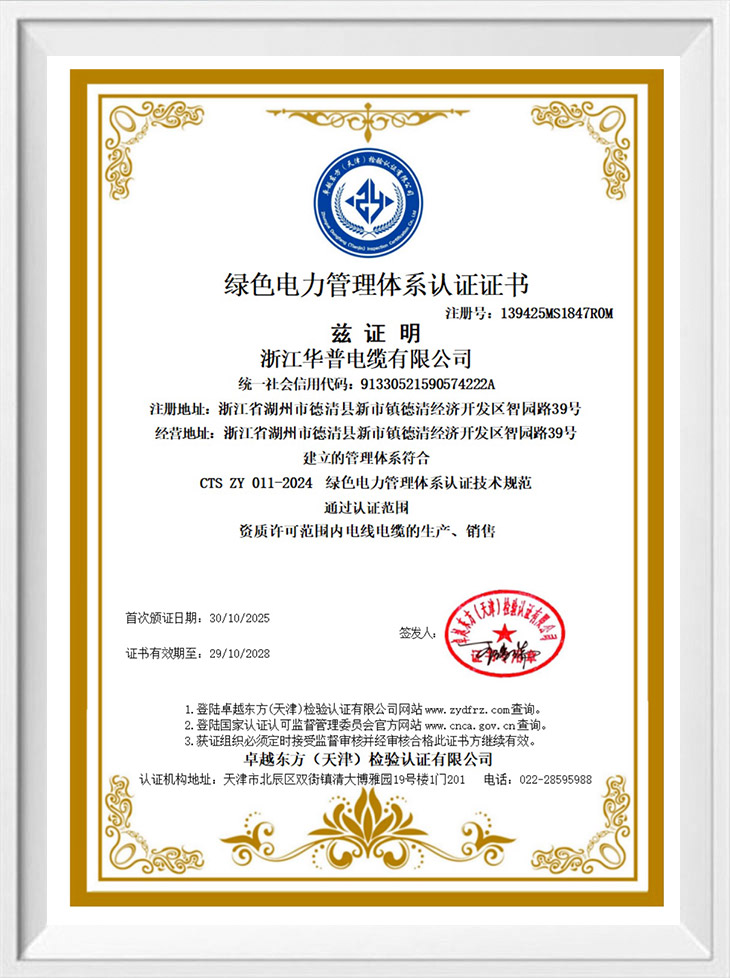
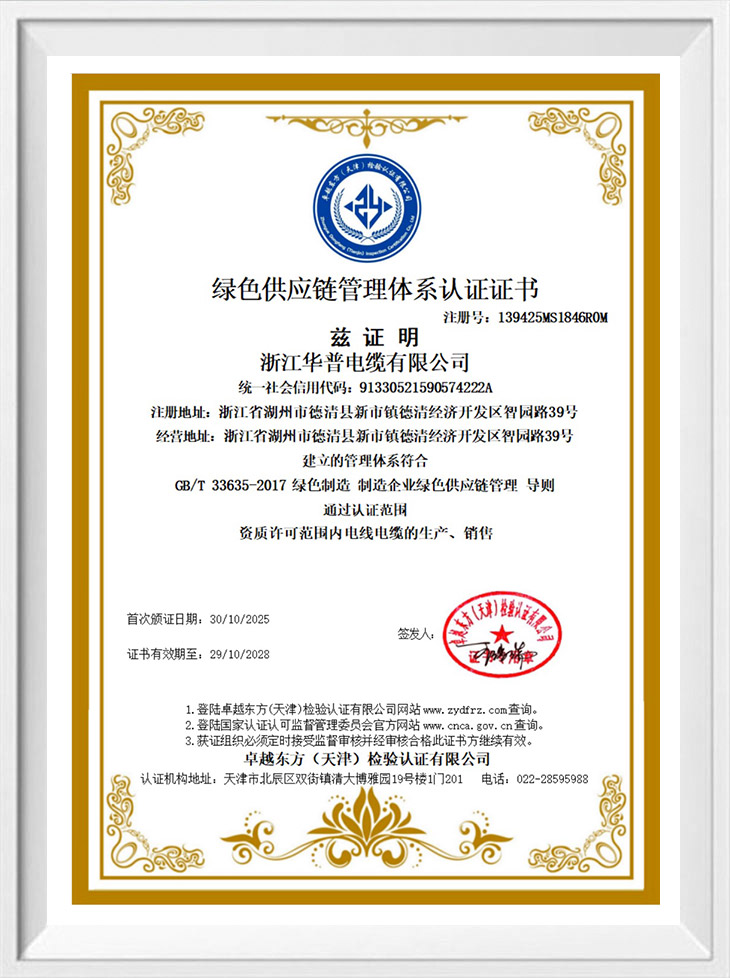
At Zhejiang Huapu Cable Co., Ltd., we operate integrated production and testing systems that ensure each cable meets demanding industry standards. Our facilities combine modern production lines with laboratory verification equipment, enabling continuous monitoring of insulation performance, conductor resistance, and environmental durability.
Typical Factory Testing Items
- Conductor resistance measurement
- High-voltage withstand testing
- Insulation thickness and eccentricity inspection
- Aging and environmental simulation tests
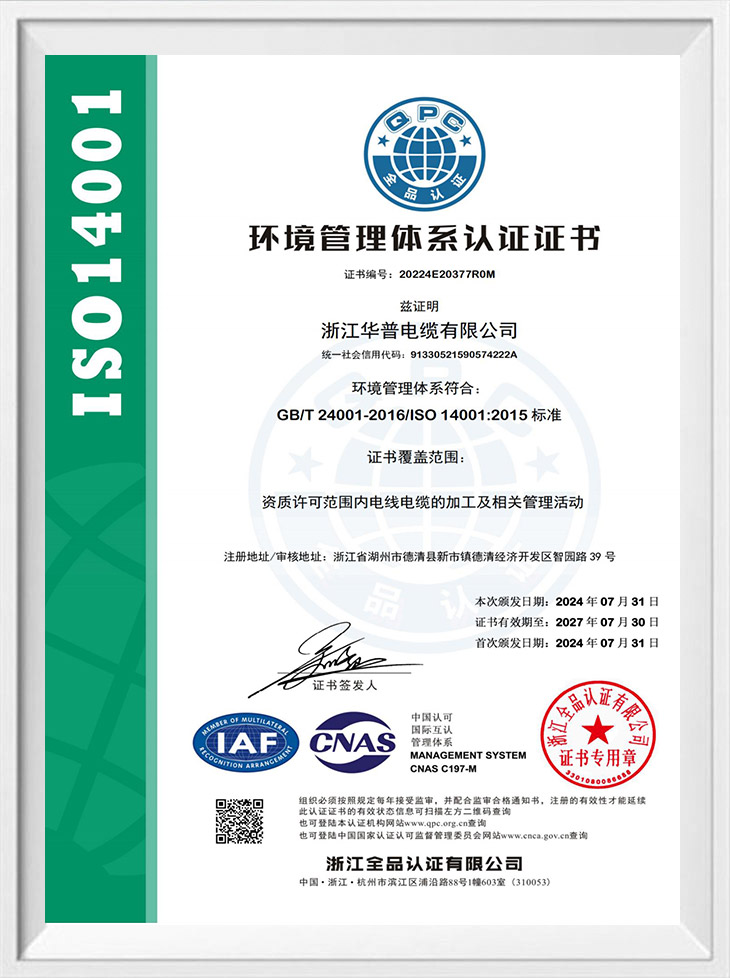
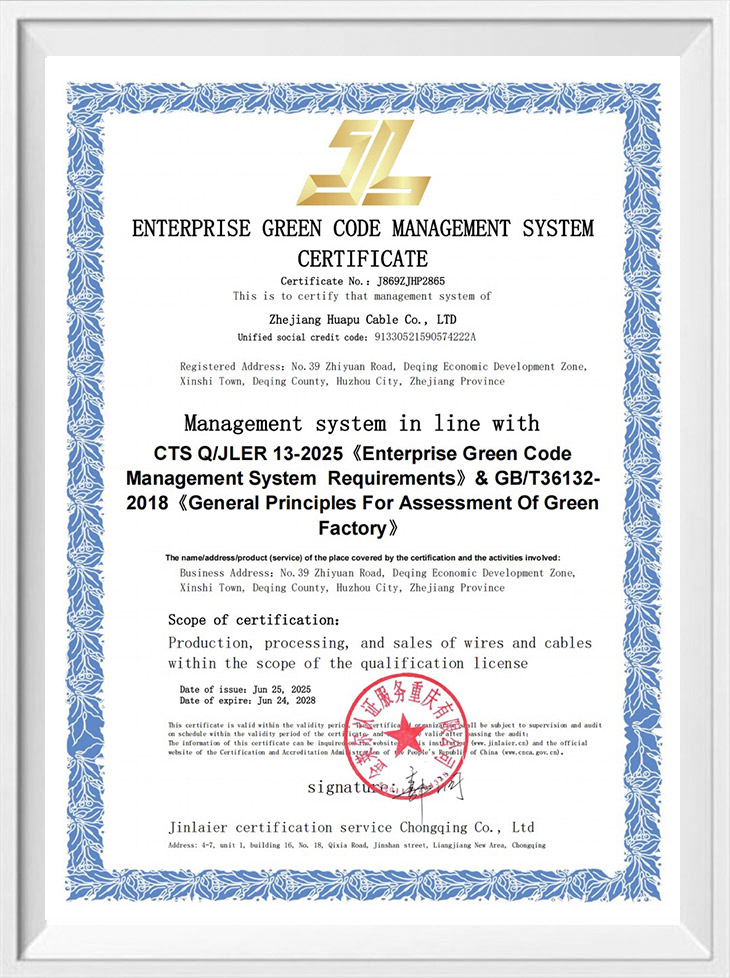
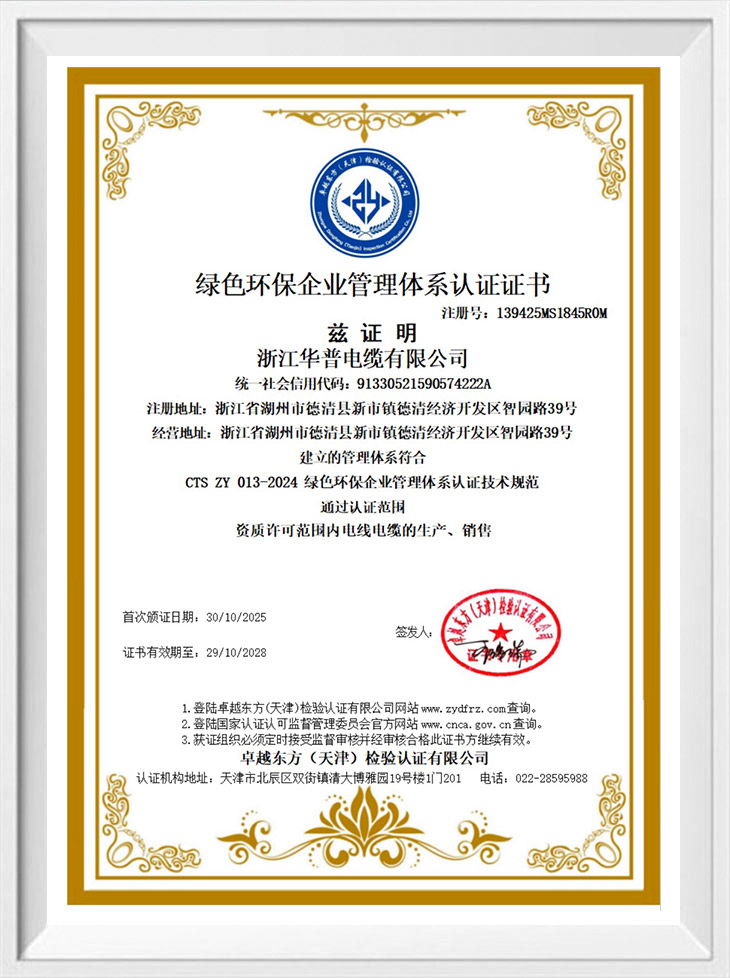
Through certifications such as ISO quality and environmental management systems, manufacturers can maintain consistent production standards. From our perspective as a cable manufacturer, maintaining stable product quality and strict testing procedures is essential for supporting reliable power infrastructure across urban and rural grids.

 en
en English