Understanding Insulation Material Selection in 0.6/1kV Power Cables
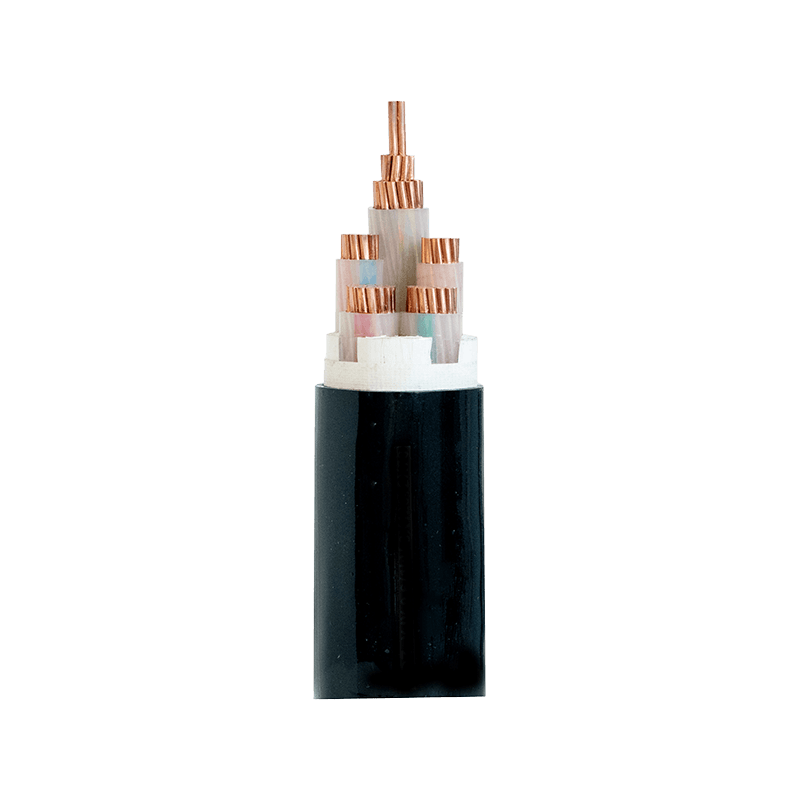
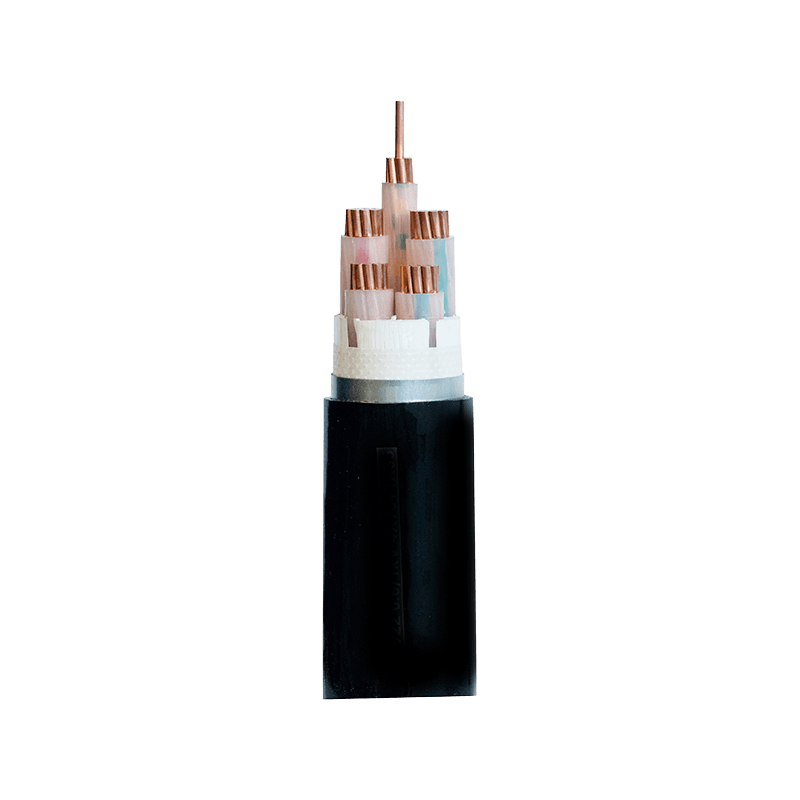
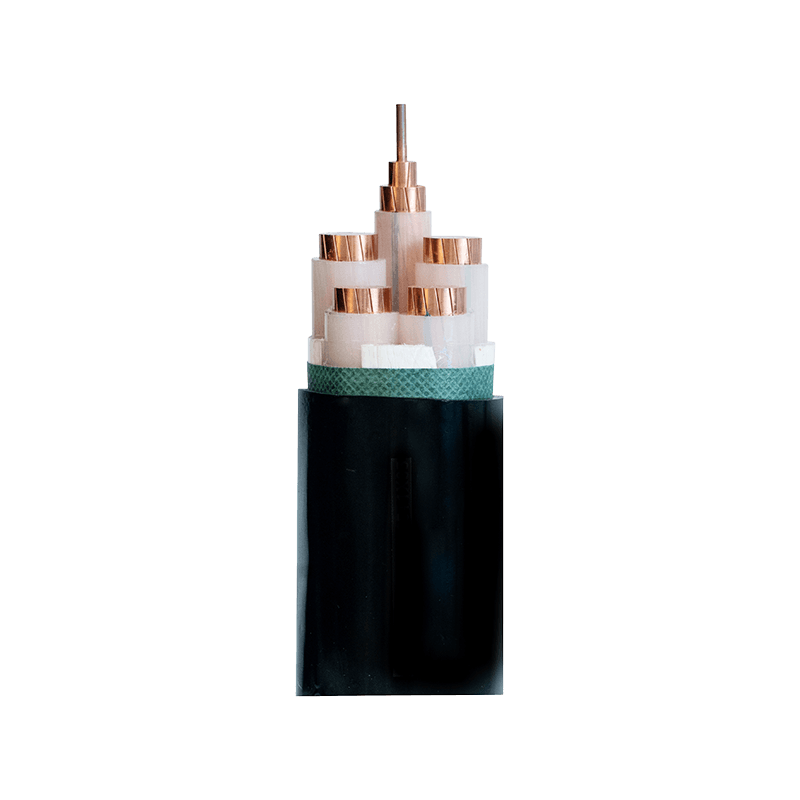
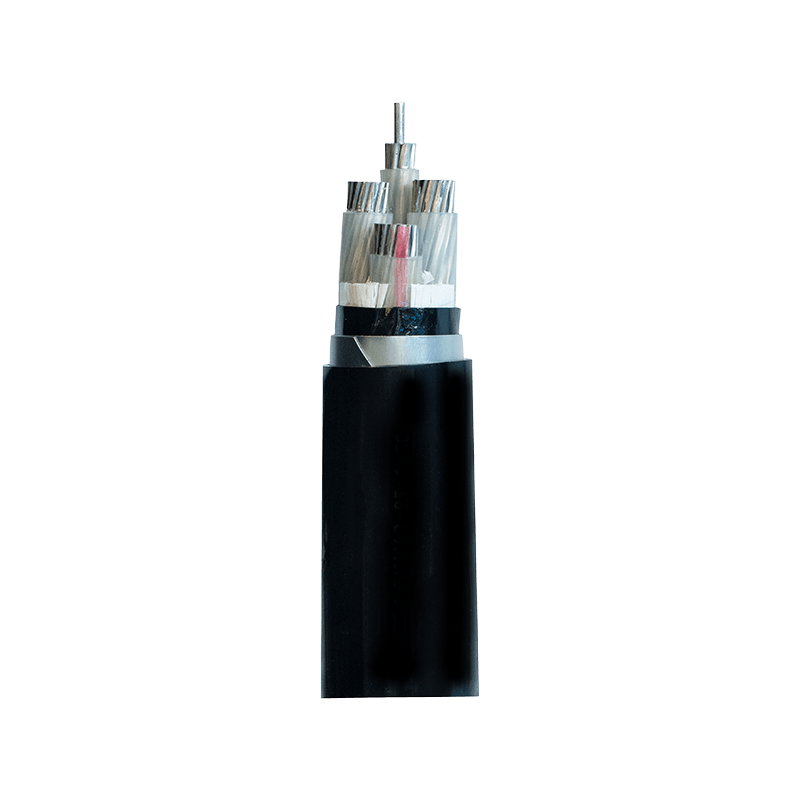
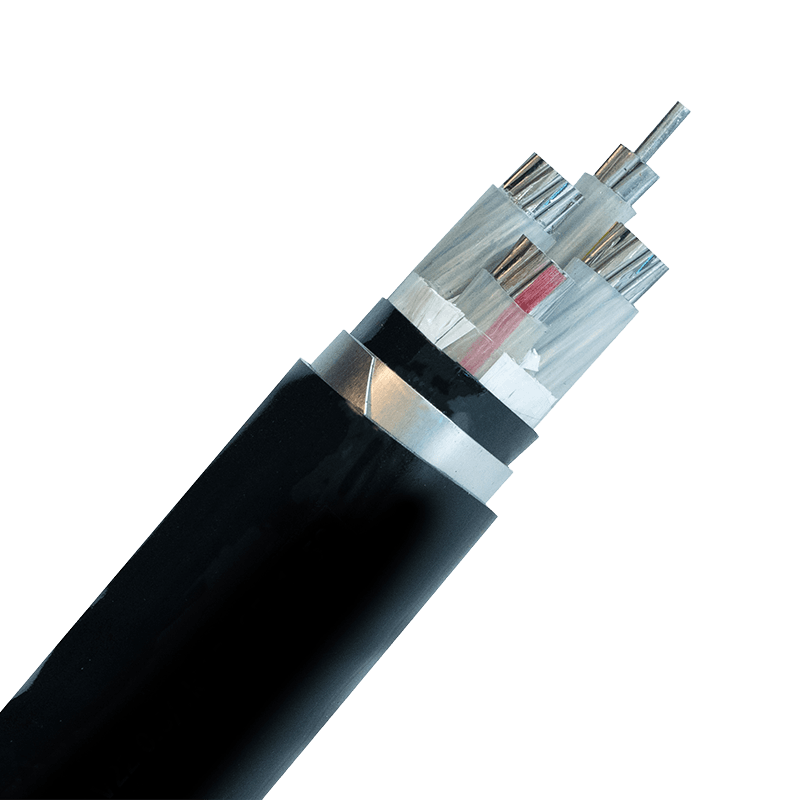
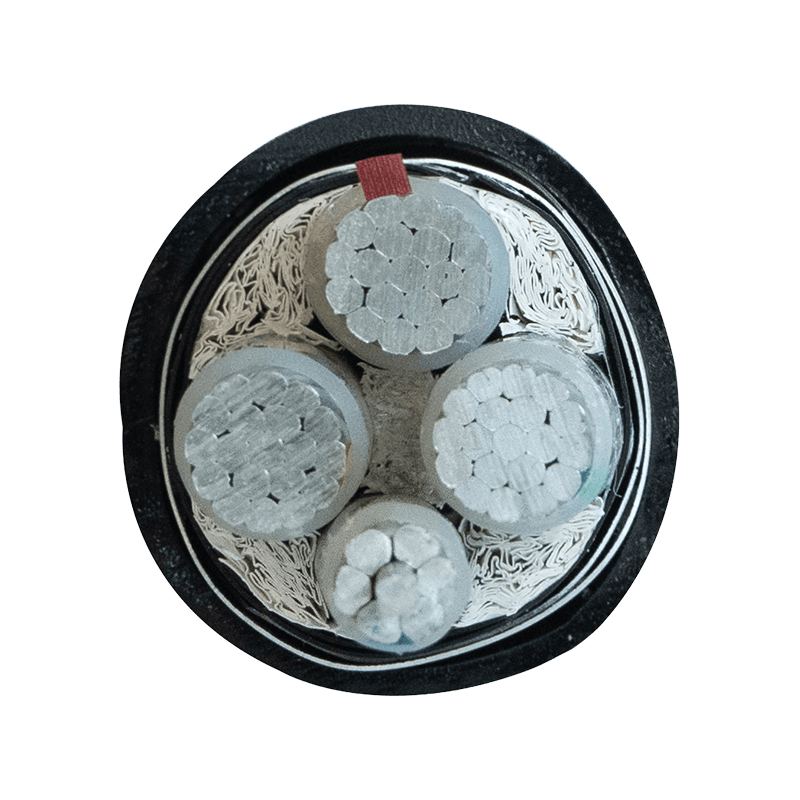
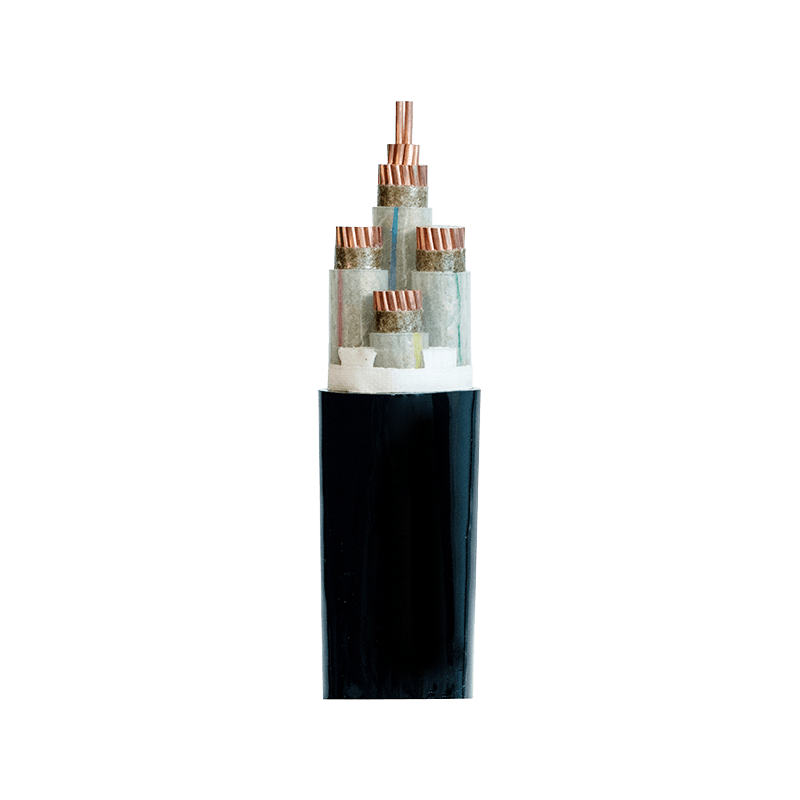
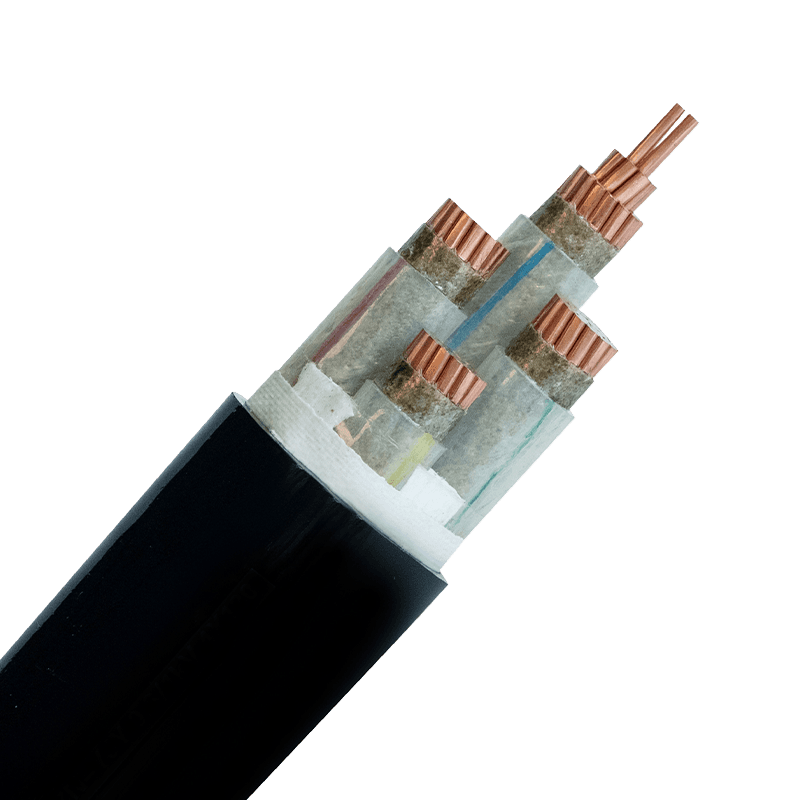
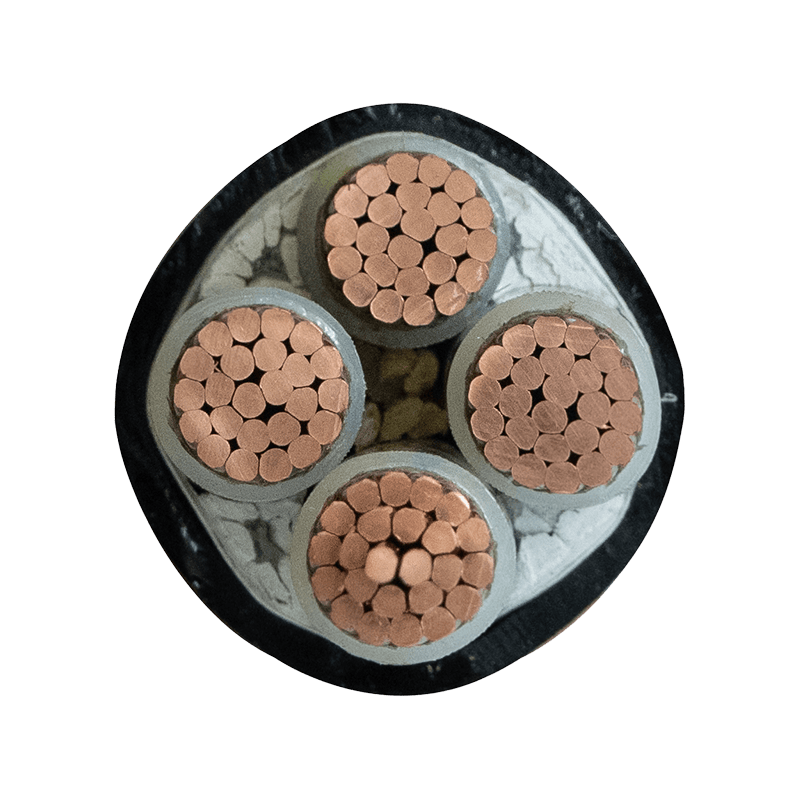
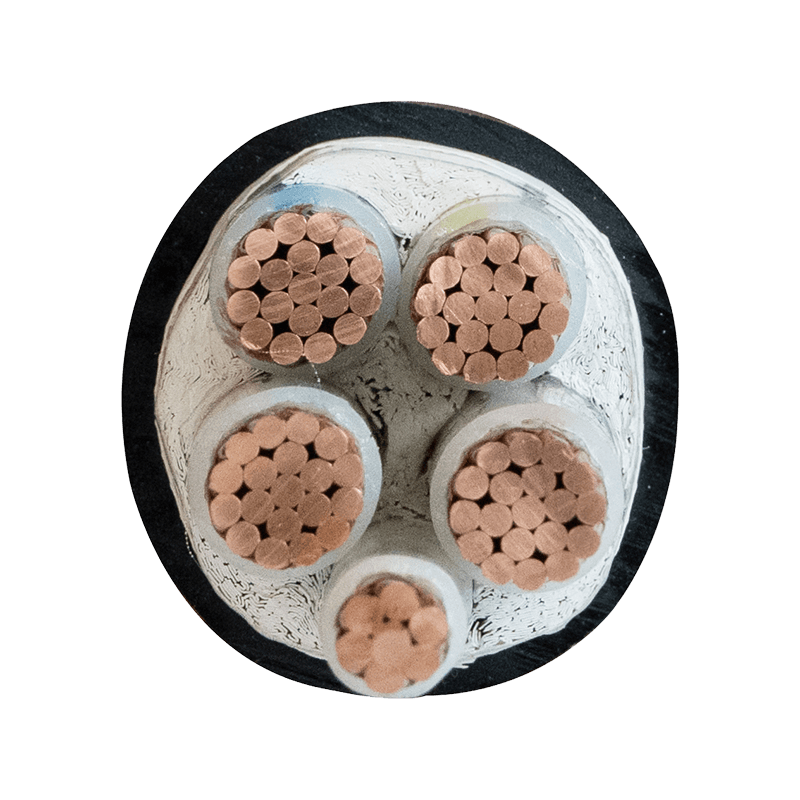
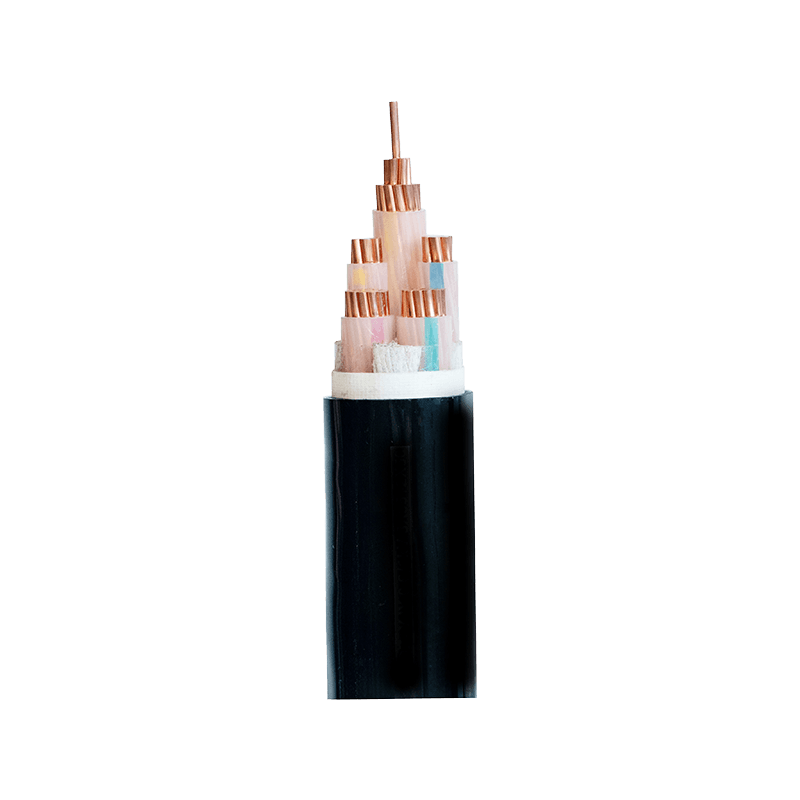
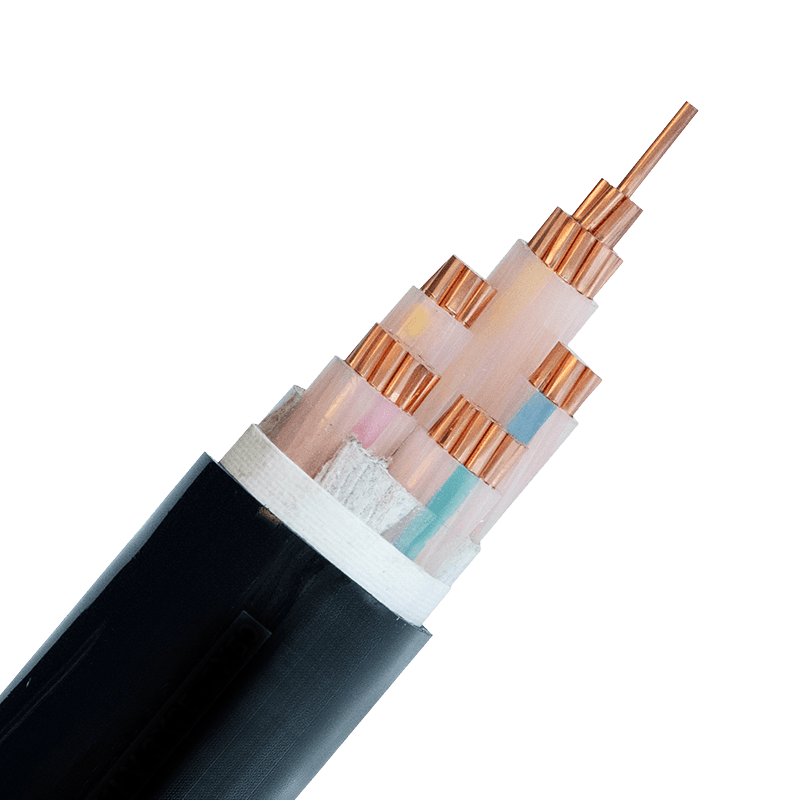
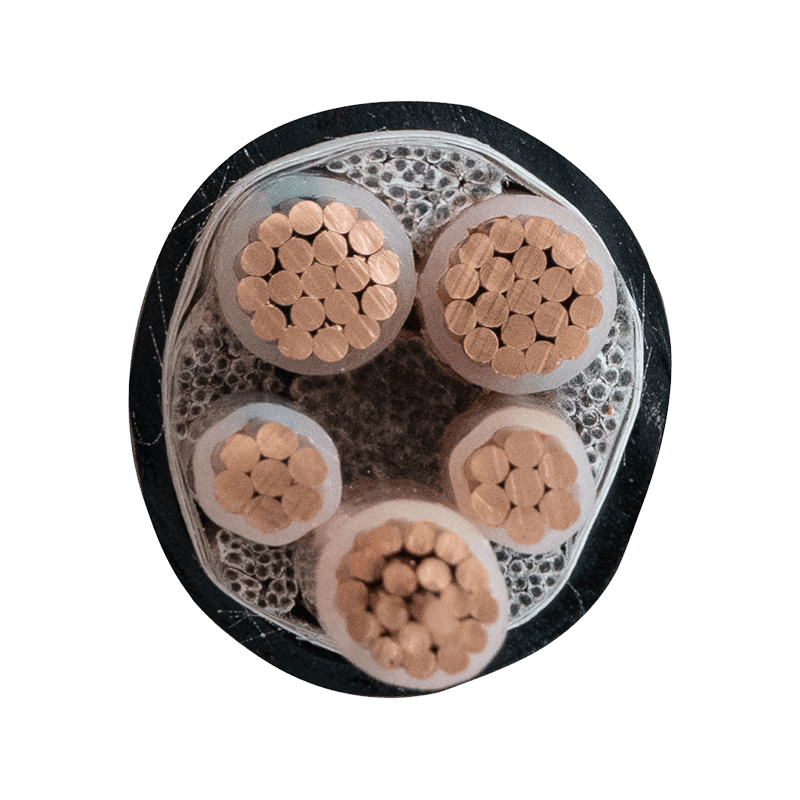
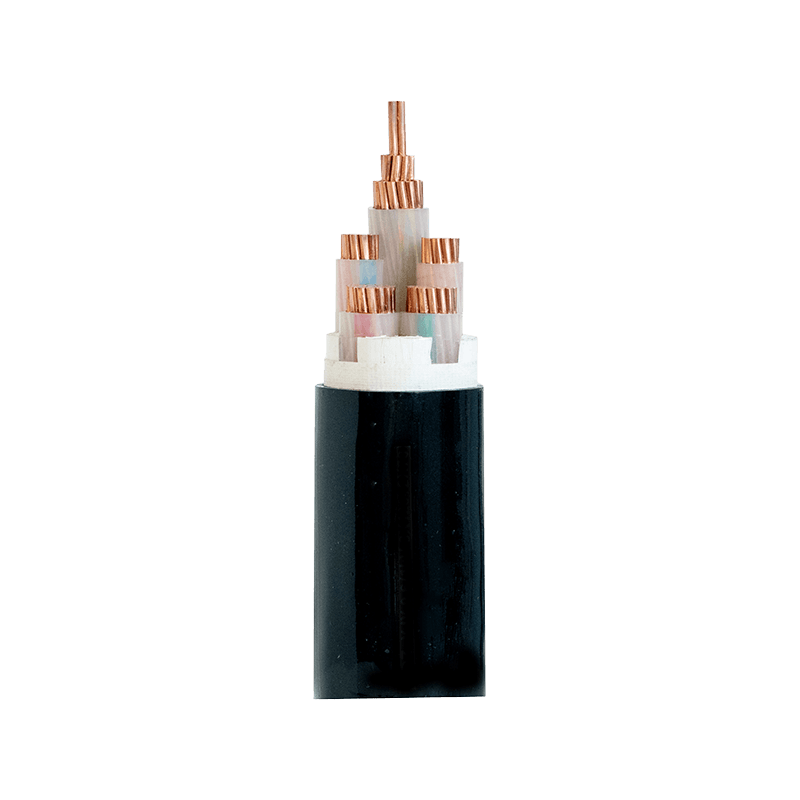
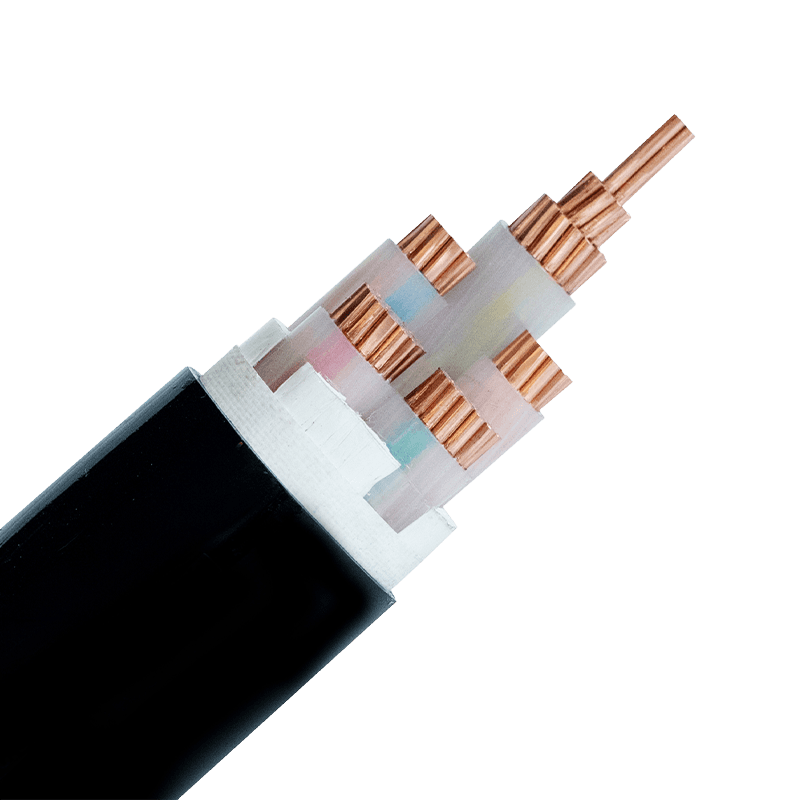
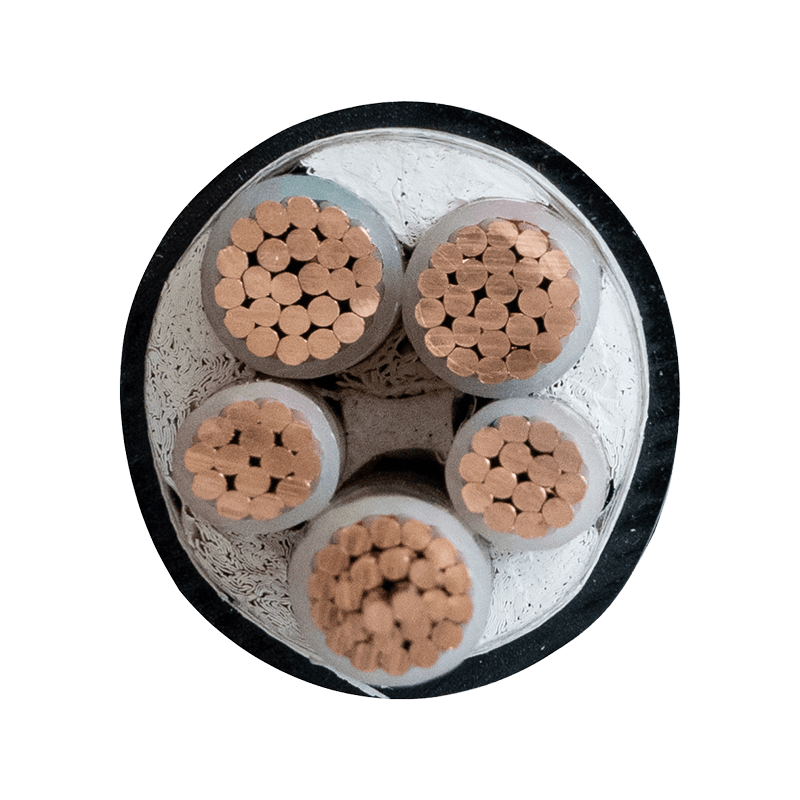
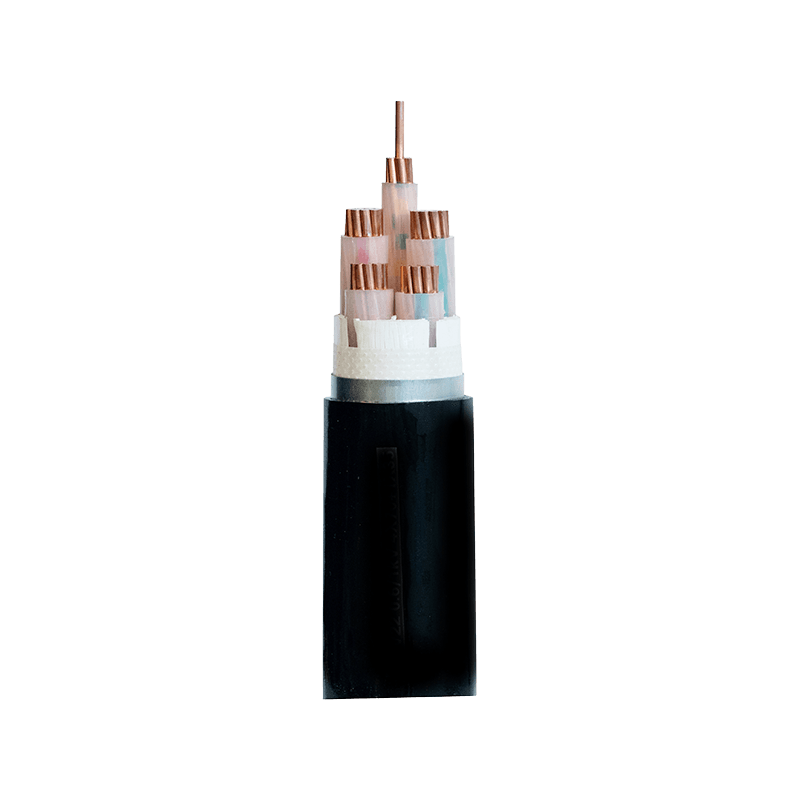
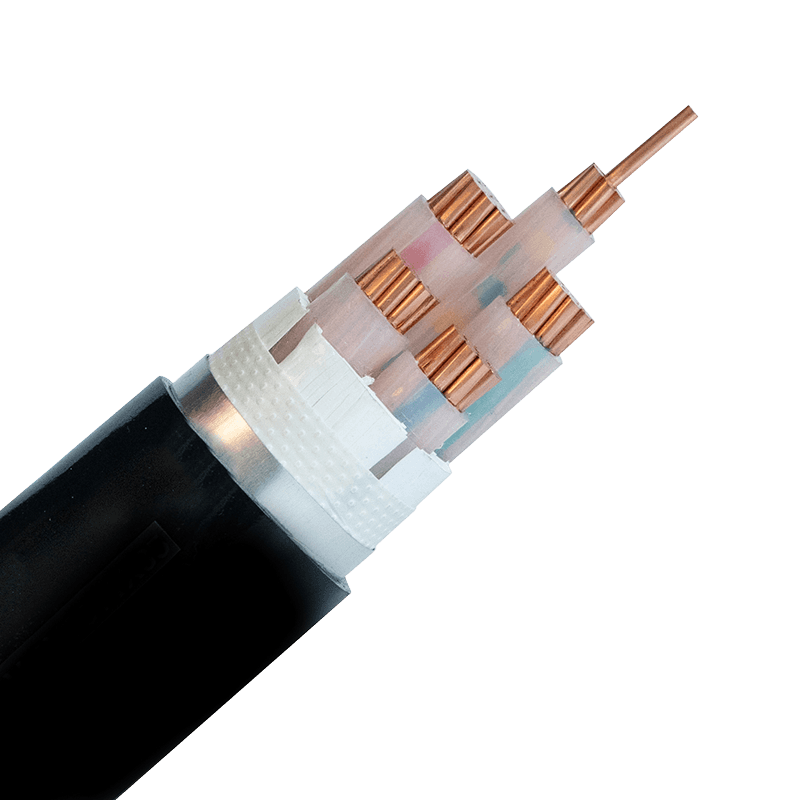
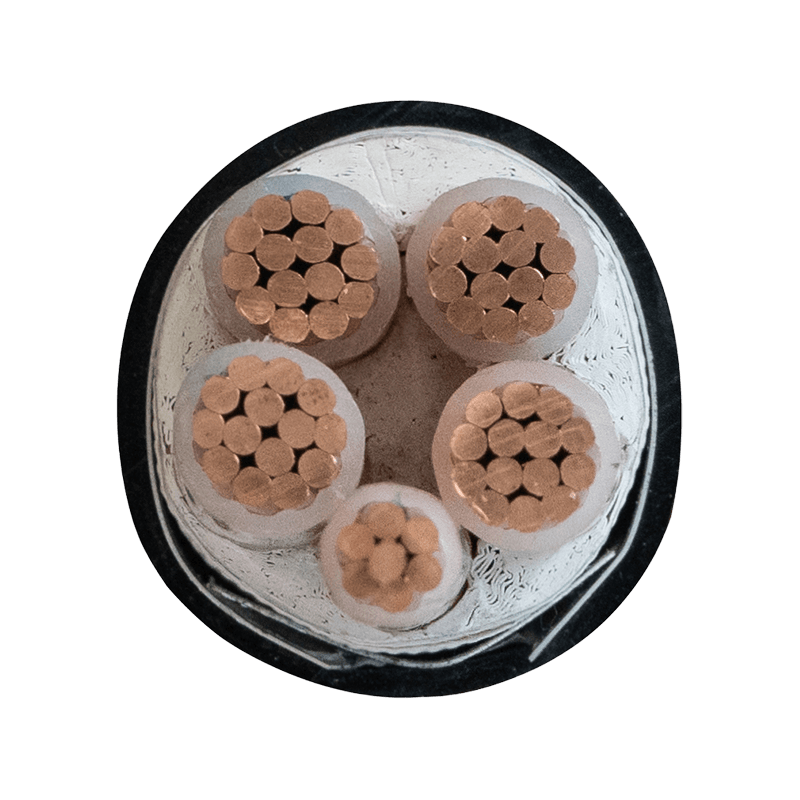
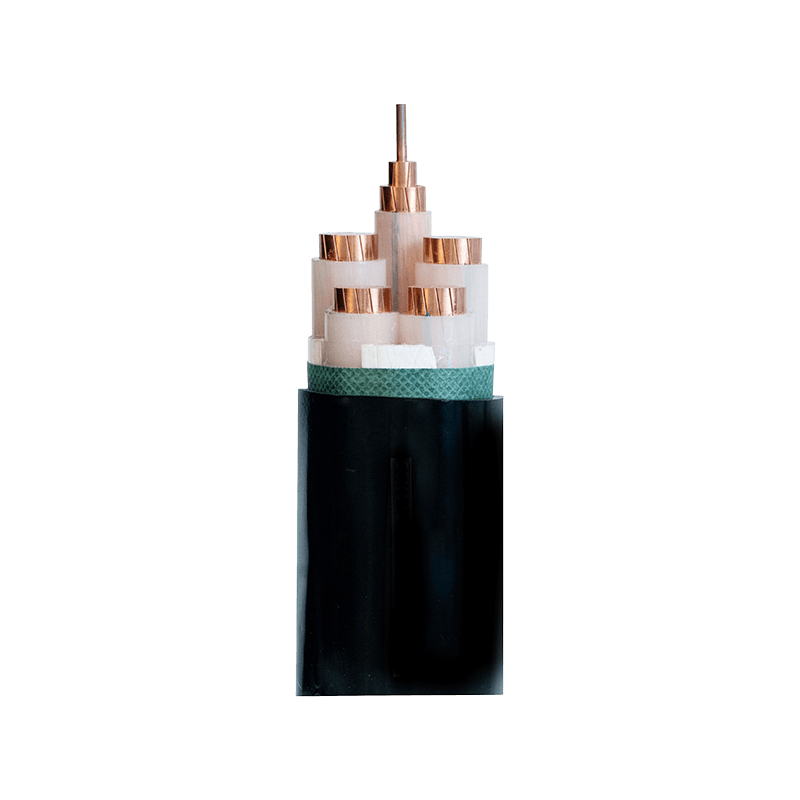
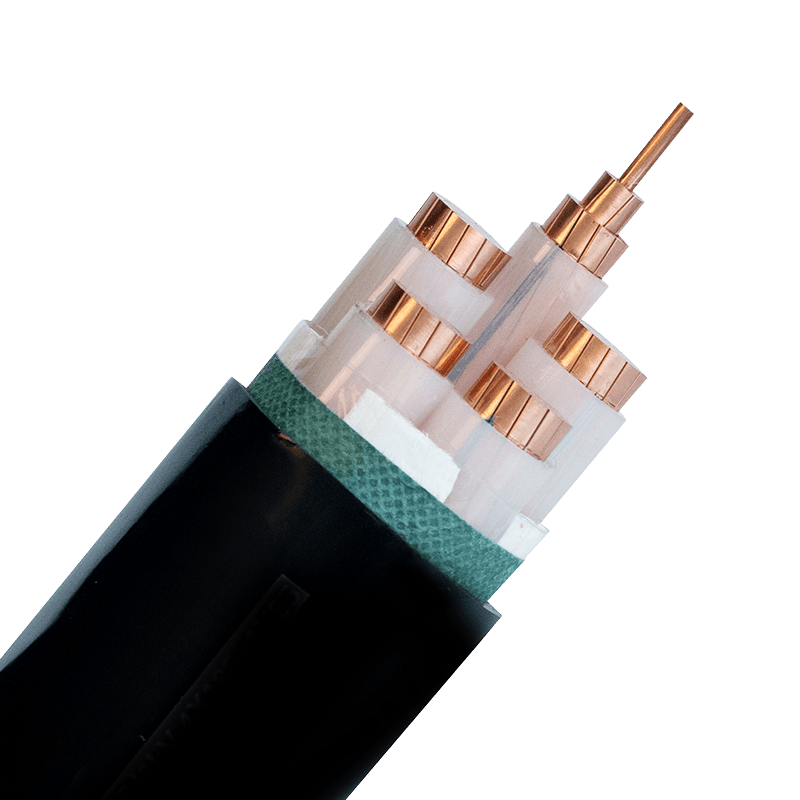
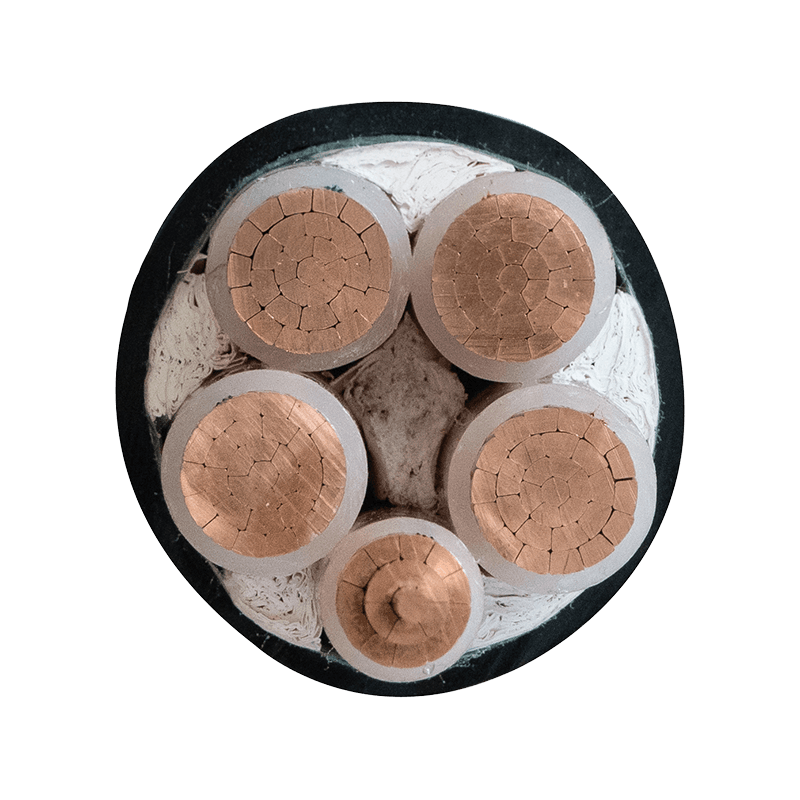
In low-voltage distribution systems, insulation material plays a decisive role in determining cable lifespan, thermal tolerance, and installation flexibility. Two of the most widely used materials in 0.6/1kV PVC Insulated Power Cable are cross-linked polyethylene (XLPE) and polyvinyl chloride (PVC). Each offers different advantages depending on the installation environment, load conditions, and cost considerations.
From a technical standpoint, XLPE insulation supports higher operating temperatures and better dielectric strength, making it suitable for circuits carrying heavier loads or running continuously. PVC insulation, on the other hand, provides a balance of cost efficiency and mechanical flexibility, which is valuable for indoor wiring and installations requiring frequent bending.
| Insulation Material |
Typical Operating Temperature |
Mechanical Flexibility |
Typical Application |
| XLPE |
Up to 90°C continuous |
Moderate |
Industrial circuits and higher load distribution |
| PVC |
Up to 70°C continuous |
High |
Building wiring and household power supply |
Comparison of common insulation materials used in 0.6/1kV low-voltage power cables
In practice, engineers often select insulation materials based on installation temperature limits and expected load cycles. In our own production experience, providing both insulation options allows buyers to select a cable configuration that matches the exact electrical and mechanical demands of their projects.
How Flame Retardancy and Fire Resistance Improve Electrical Safety
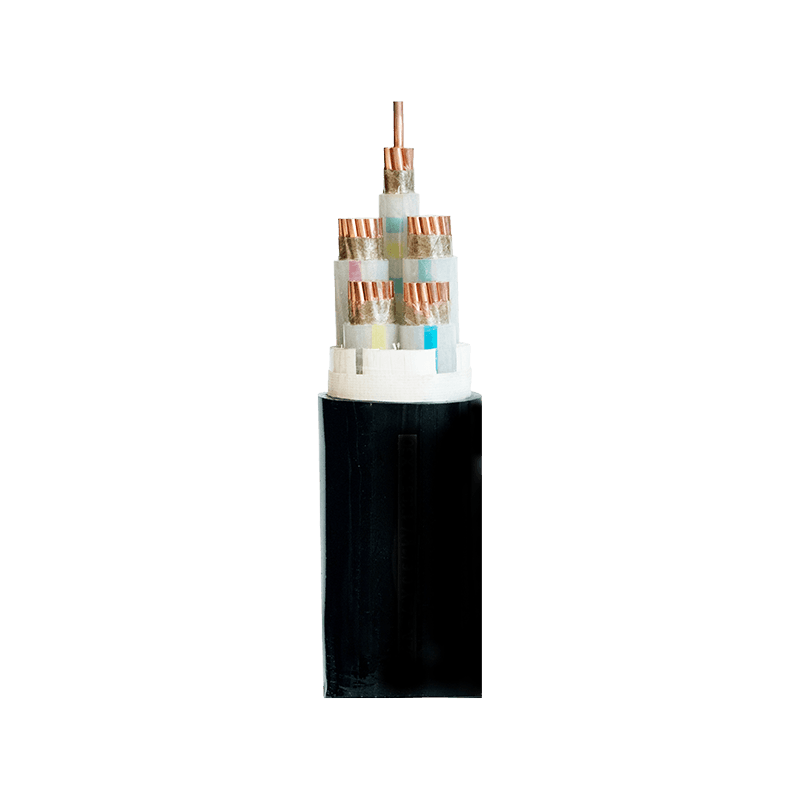
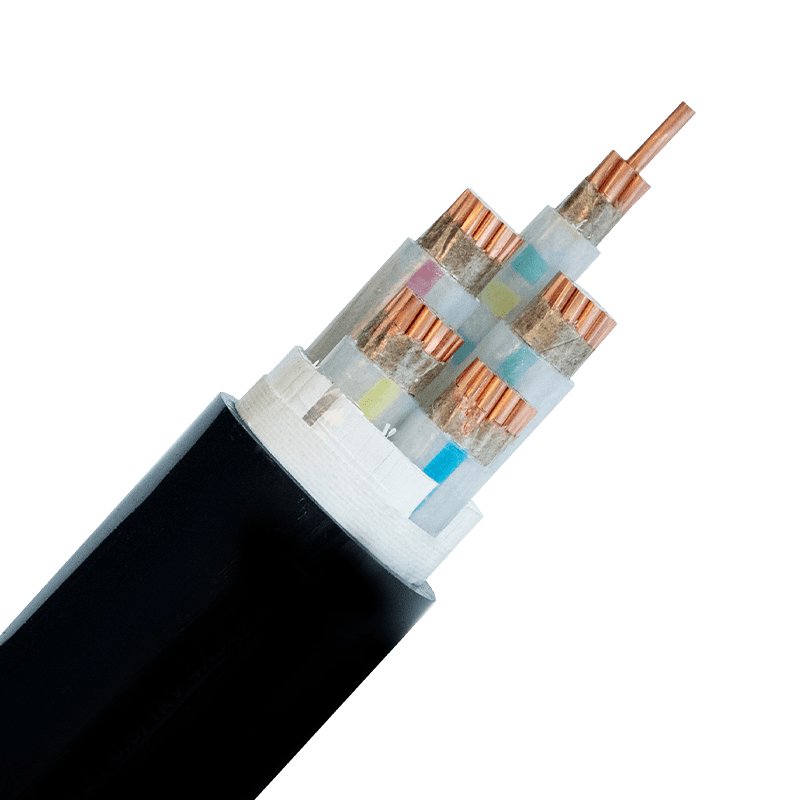
In dense electrical environments such as commercial buildings, factories, and public facilities, cable safety is closely linked to fire behavior. Standard insulation protects conductors during normal operation, but flame-retardant and fire-resistant designs provide additional protection during abnormal events such as electrical faults or short circuits.
- Flame-retardant cables slow down the spread of fire along cable routes.
- Low smoke halogen free cables reduce toxic gas release during combustion.
- Fire Resistant Power Cable maintain circuit integrity for a limited period during fire.
- Improved sheath materials help limit smoke density in enclosed spaces.
The practical implication is clear: cables designed with flame-retardant or fire-resistant structures can significantly reduce secondary damage during electrical accidents. This is particularly important for evacuation lighting circuits, alarm systems, and emergency power supplies.
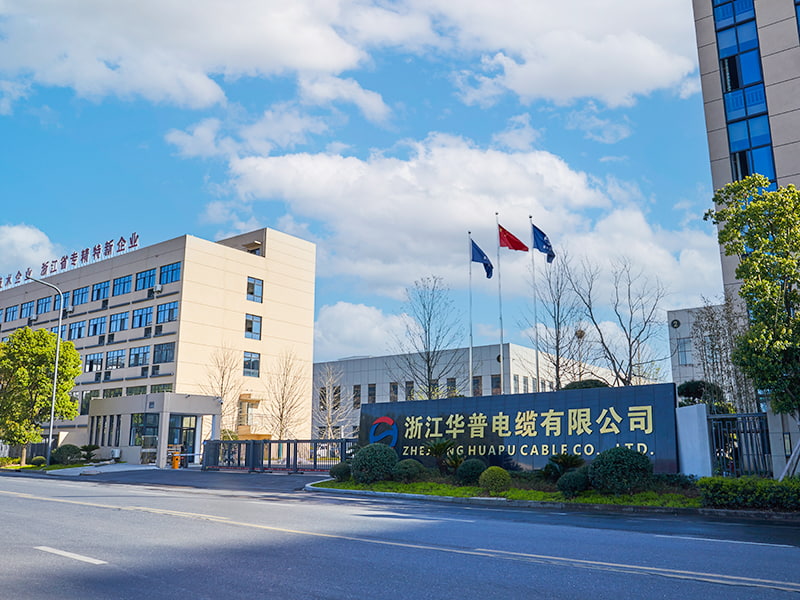
At Zhejiang Huapu Cable Co., Ltd., we frequently work with buyers who require cables that comply with strict safety regulations. Our production lines support low-smoke halogen-free and fire-resistant structures, allowing project designers to match safety performance with regulatory requirements.
Installation Considerations for Low-Voltage Power Distribution Cables
Cable selection alone does not guarantee reliable power transmission. Installation conditions—including bending radius, environmental exposure, and cable routing—can significantly influence long-term performance. For low-voltage cables such as 0.6/1kV power cables, proper installation practices help maintain insulation integrity and conductor stability.
Typical Installation Factors
- Minimum bending radius to prevent insulation cracking.
- Ambient temperature during installation and operation.
- Protection against mechanical damage in exposed environments.
- Separation from high-temperature pipelines or heat sources.
For example, maintaining a sufficient bending radius helps prevent internal stress in the insulation layer. Improper cable routing is one of the most common causes of early insulation degradation, especially in compact equipment rooms or crowded cable trays.
Based on our manufacturing and project supply experience, flexible PVC-insulated power cables are often favored for indoor installations where routing complexity is high, while XLPE-insulated cables are preferred when thermal performance is a priority.
Quality Control Factors That Influence Cable Reliability
Power cables operate continuously for many years, so manufacturing precision directly affects long-term reliability. Several production and testing parameters determine whether a cable will maintain stable performance throughout its service life.
Key Manufacturing Control Points
- Conductor purity and stranding uniformity.
- Consistency of insulation thickness.
- Sheath adhesion and mechanical durability.
- Electrical testing such as voltage withstand and insulation resistance.
From a buyer’s perspective, uniform insulation thickness and stable conductivity are critical indicators of cable quality. Even small variations in insulation layers can influence dielectric strength and long-term safety.
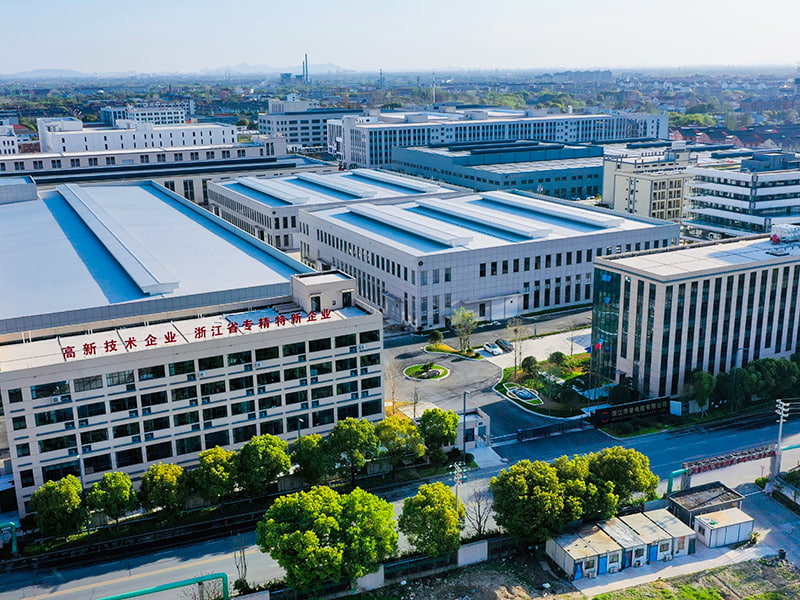
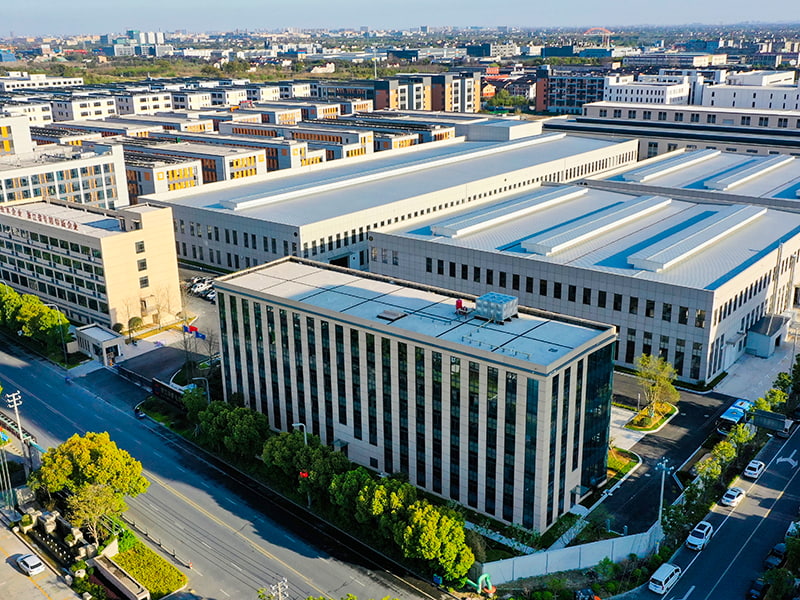
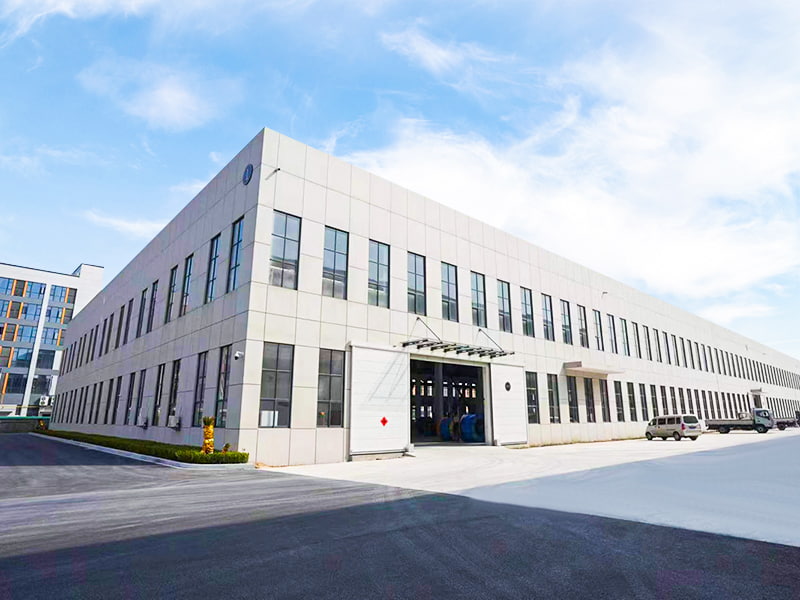
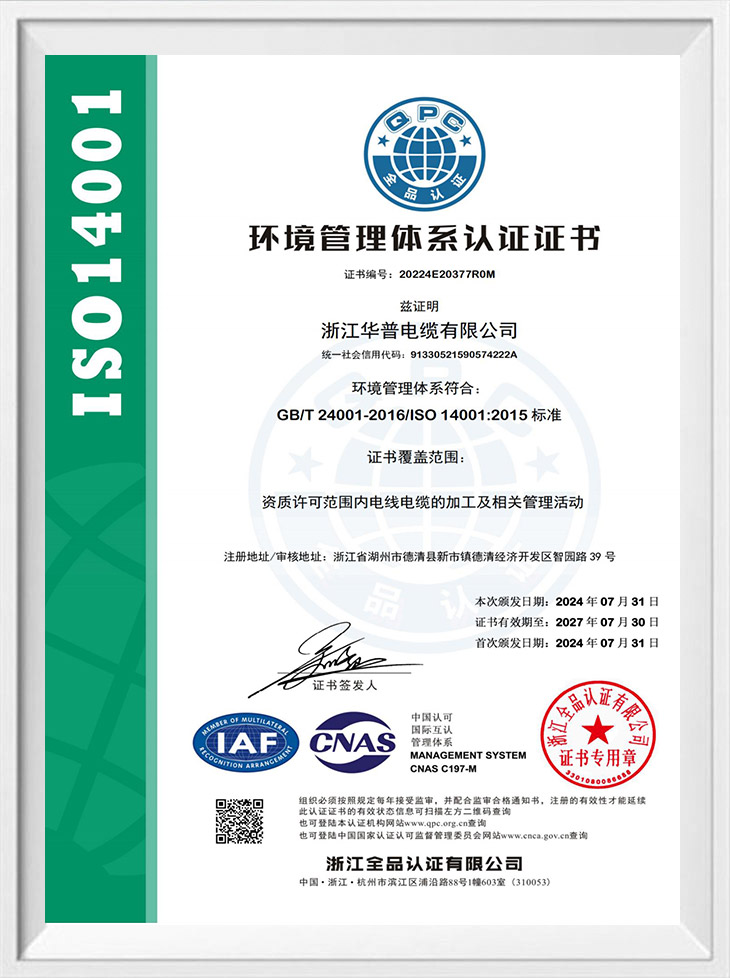
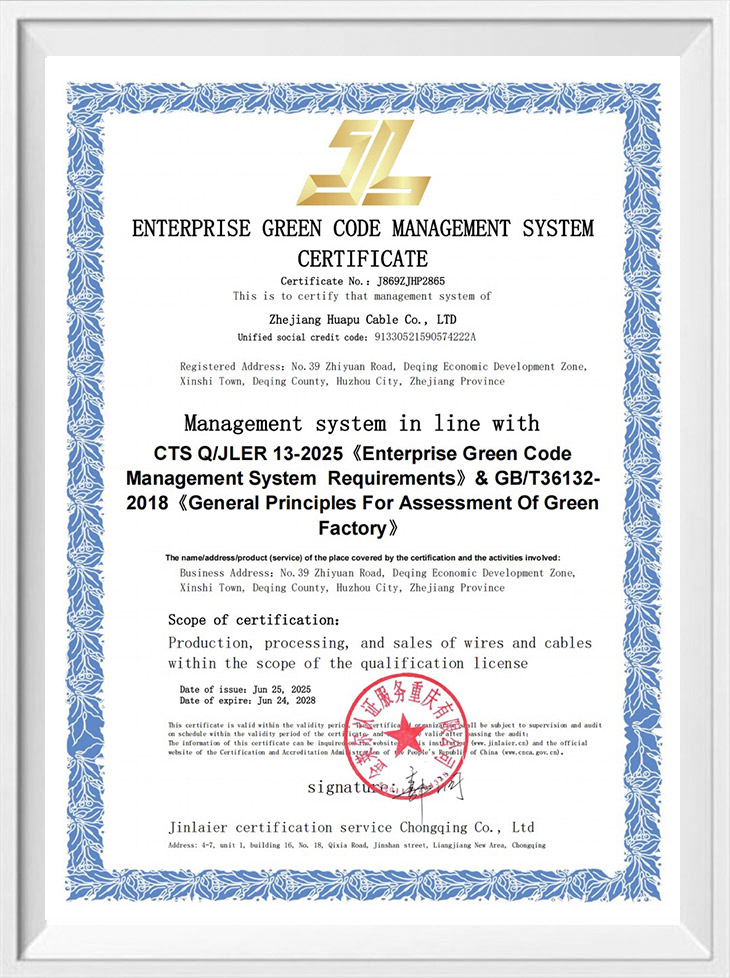
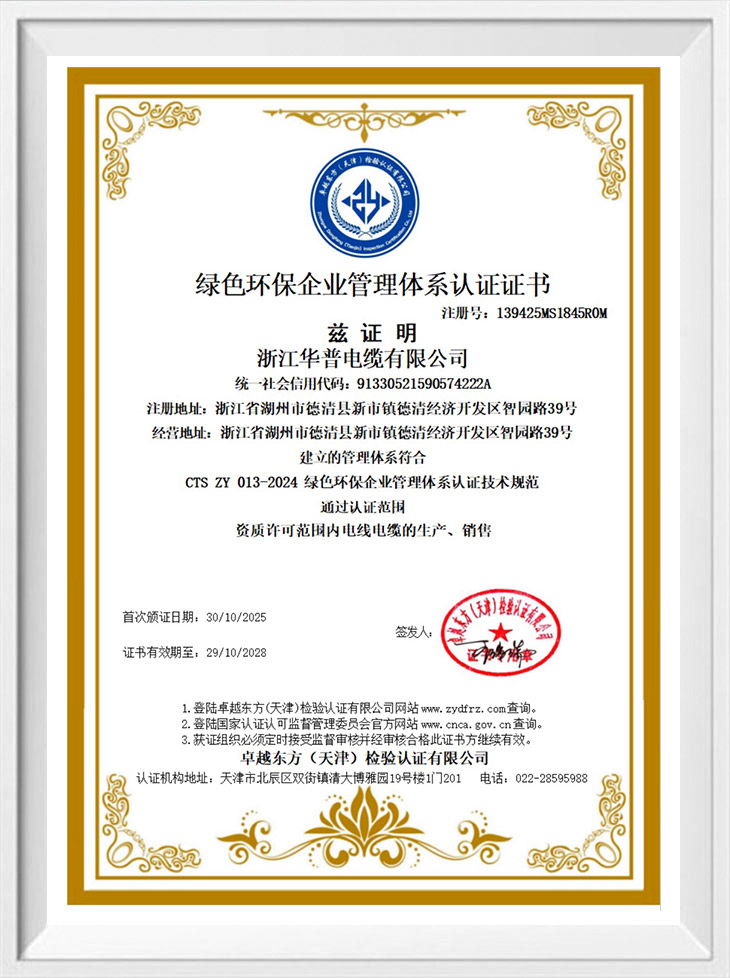
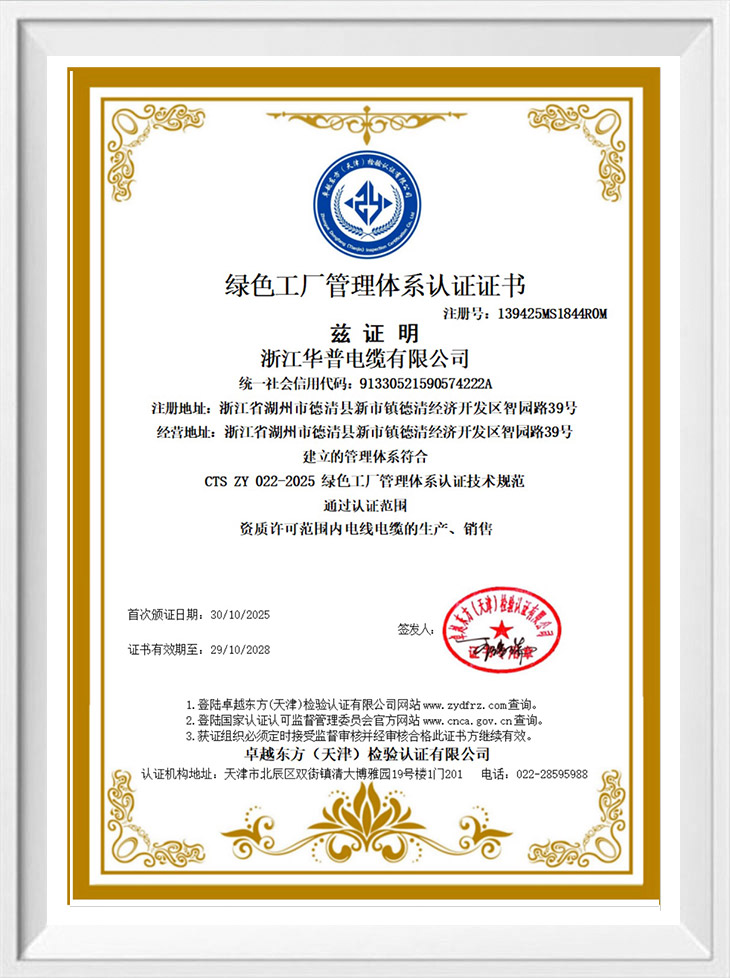
Zhejiang Huapu Cable Co., Ltd. integrates R&D, manufacturing, and testing within its production system. Our facilities include modern production lines, advanced inspection equipment, and laboratory testing capabilities, supported by certifications such as ISO quality management and national industrial product production licensing. In our daily work with international buyers, these systems help ensure that each batch of cables meets consistent technical standards while supporting customized project requirements.

 en
en English