 en
en English
Control Cables Manufacturers
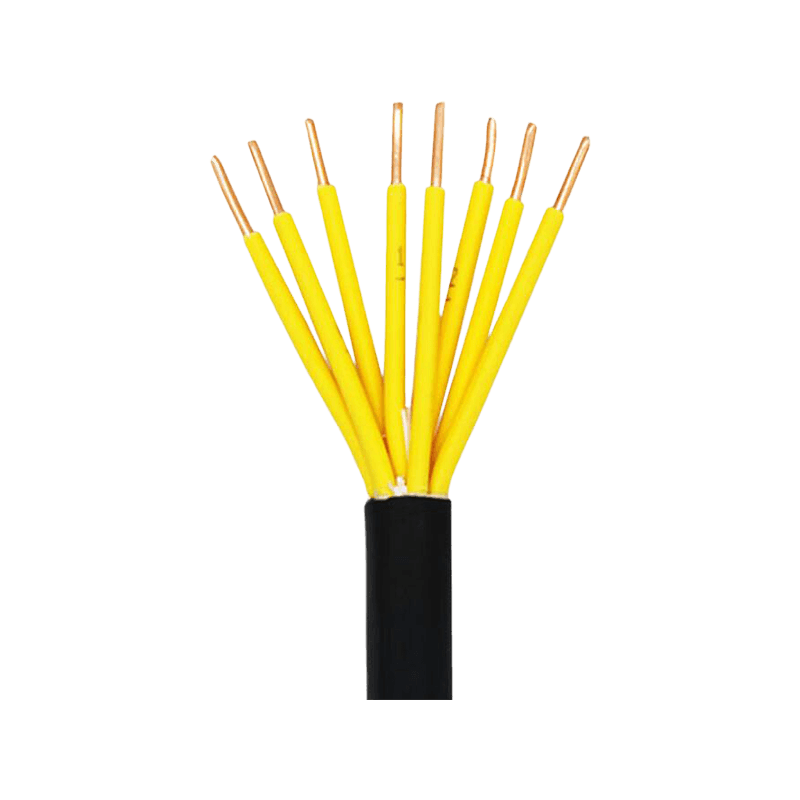
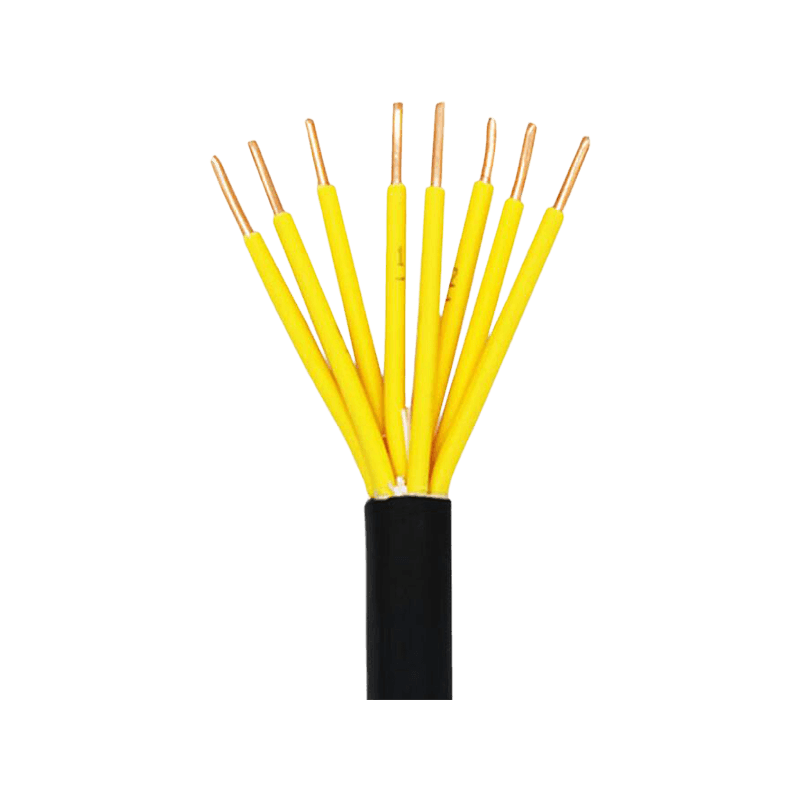
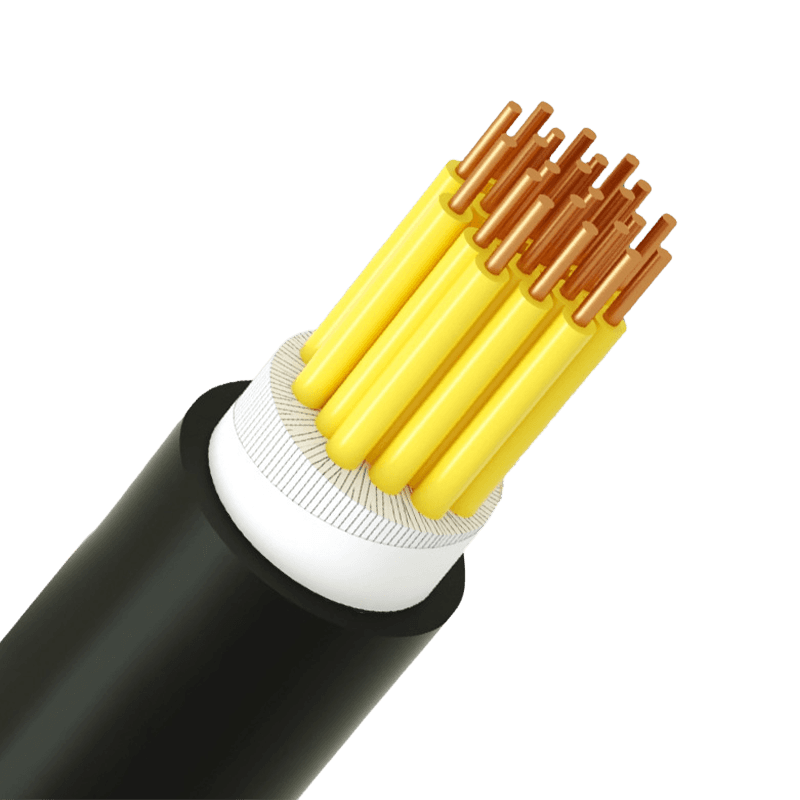
Plastic Insulated Control Cable
Characteristic:
1. Excellent insulation performance, ensuring stable signal transmission;
2. Multiple core count options to adapt to complex control systems;
3. Strong anti-interference capability, reducing signal attenuation;
4. Oil and chemical corrosion resistant, suitable for industrial environments.
Application:
This product is specifically designed for control systems and measurement circuits with rated voltages of 450/750V and below. It is suitable for stable connection and signal transmission in various control, signal, protection, and measurement systems.
1. Industrial automation control systems;
2. Power plant and substation control circuits;
3. Machine tool electrical control;
4. Instrument signal transmission
Description:
Plastic-insulated control cables are transmission lines specifically designed for automatic control, monitoring systems, and instrument connections with AC rated voltages of 450/750V and below. As the "neural network" of industrial automation, power systems, and intelligent buildings, they ensure the accurate and reliable transmission of control signals. This series of products strictly adheres to the national standard GB/T 9330-2020, using high-quality oxygen-free copper conductors and environmentally friendly plastic materials. It offers various insulation sheath combinations, including polyvinyl chloride (PVC) insulation, cross-linked polyethylene (XLPE) insulation, and low-smoke halogen-free (WDZ) insulation, meeting comprehensive needs from general applications to those with special environmental and safety requirements.
Rated Voltage Uo/U: 450/750V
Maximum Allowable Operating Temperature: PVC Insulation: 70℃
XLPE Insulation: 90℃
Maximum Conductor Temperature During Short Circuit (≤5s): PVC Insulation: 160℃
XLPE Insulation: 250℃
Ambient Temperature During Laying: Should not be lower than 0℃
Minimum Bending Radius Requirements During Installation:
Unarmored Cables:
PVC Insulation: Not less than 6 times the cable outer diameter
XLPE Insulation: Not less than 8 times the cable outer diameter
Armored or Copper Tape Shielded Cables: Not less than 12 times the cable outer diameter
Shielded Flexible Cables: Not less than 6 times the cable outer diameter