 en
en English
Building Wires Manufacturers
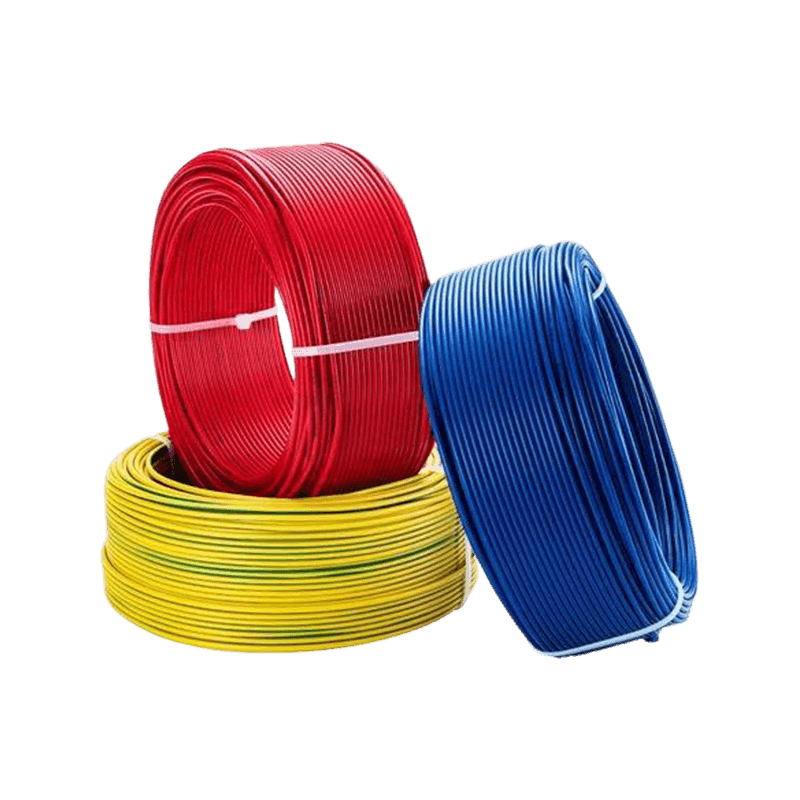
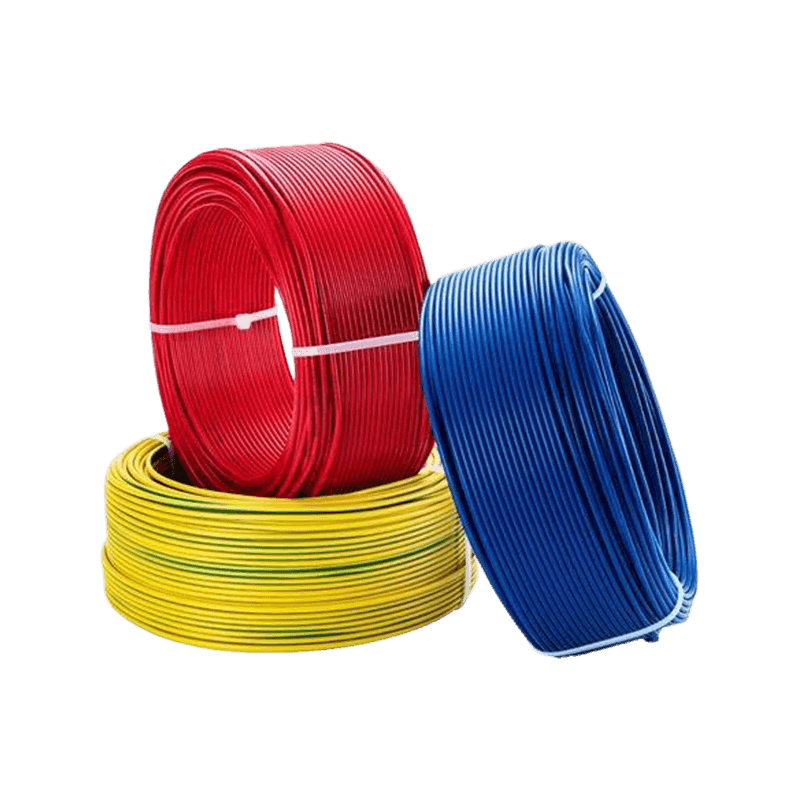
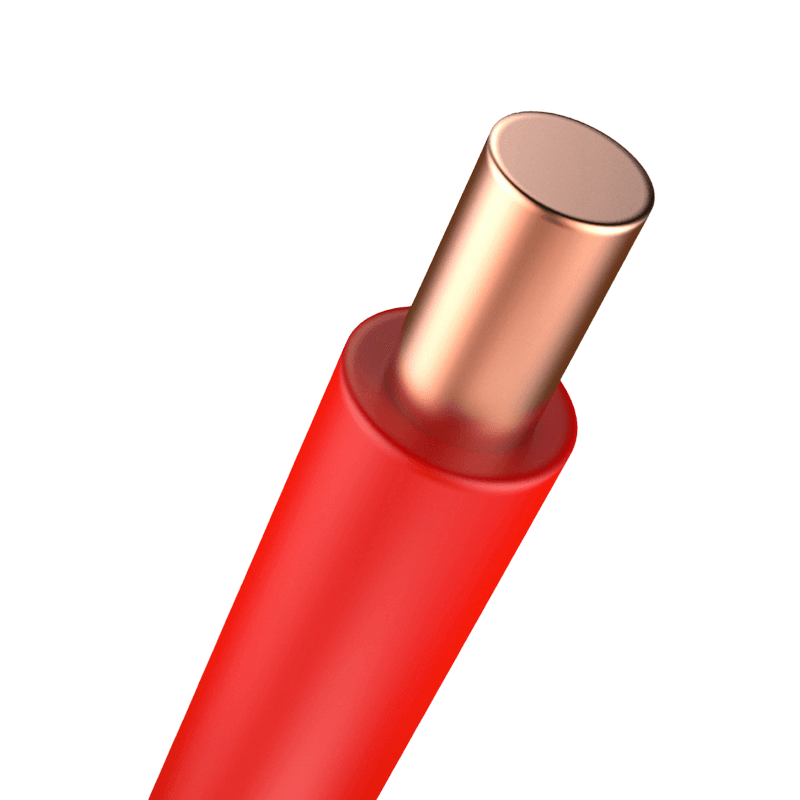
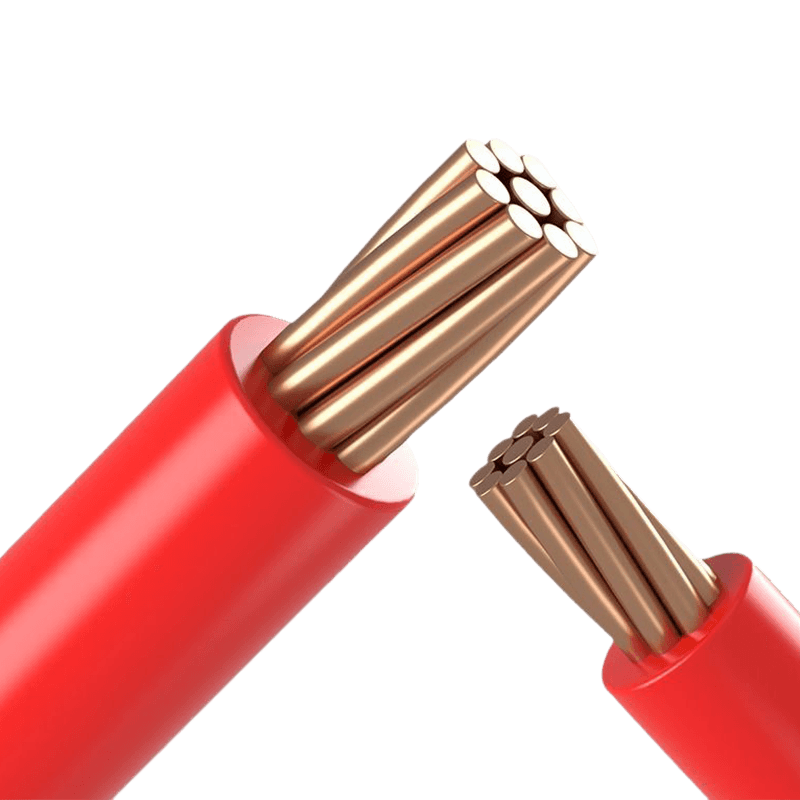
Cross-linked Polyolefin/PVC/Rubber Insulated Cable with Rated Voltage 450/750V and Below
Characteristic:
1. Reliable insulation performance, ensuring safety;
2. Complete range of wire diameters to suit different loads;
3. Easy installation and flexible wiring;
4. Environmentally friendly materials, meeting safety standards.
Application:
This type of cable uses PVC insulation and sheathing, and is suitable for various electrical systems with rated voltage Uo/U of 450/750V or 0.6/1kV and below. It is suitable for:
1. Indoor lighting wiring in civil buildings;
2. Power connection for household appliances;
3. Internal wiring for small electrical equipment;
4. Electrical system renovation in office spaces. Its design aims to meet the stability and safety requirements of control, signal, protection, and measurement circuits for the connection cable.
Description:
We offer a full range of wires rated at 450/750V and below, covering cross-linked polyolefin (XLPO), polyvinyl chloride (PVC), and rubber insulation types. Our products strictly adhere to international standards (such as IEC, BS, VDE) and are designed for building engineering, industrial equipment, fixed wiring, and various electrical installations. They excel in safety, durability, and environmental adaptability, making them a reliable power transmission partner.
Primarily used for indoor electrical wiring in buildings, we offer a variety of wire diameters to meet the needs of different power appliances. Using environmentally friendly insulation materials, they comply with national electrical safety standards, ensuring safe indoor electrical use.
Rated Voltage: The rated voltage of this product for power frequency is Uo/U: 450/750V or 0.6/1kV.
Long-term Operating Temperature: The maximum allowable long-term operating temperature of the cable conductor is 70℃.
Installation Ambient Temperature: The ambient temperature during installation should not be lower than 0℃. If installation is carried out in an environment below this temperature, preheating of the cable is recommended.
To ensure cable performance and avoid mechanical damage, please adhere to the following minimum bending radius requirements during installation:
Unarmored cables: Bending radius should be no less than 6 times the cable's outer diameter.
Armored or copper tape shielded cables: Bending radius should be no less than 12 times the cable's outer diameter.
Shielded flexible cables: Bending radius should be no less than 6 times the cable's outer diameter.