Why Cat6A Ethernet Cable Is Commonly Chosen for High-Density Data Center Network Cable Systems
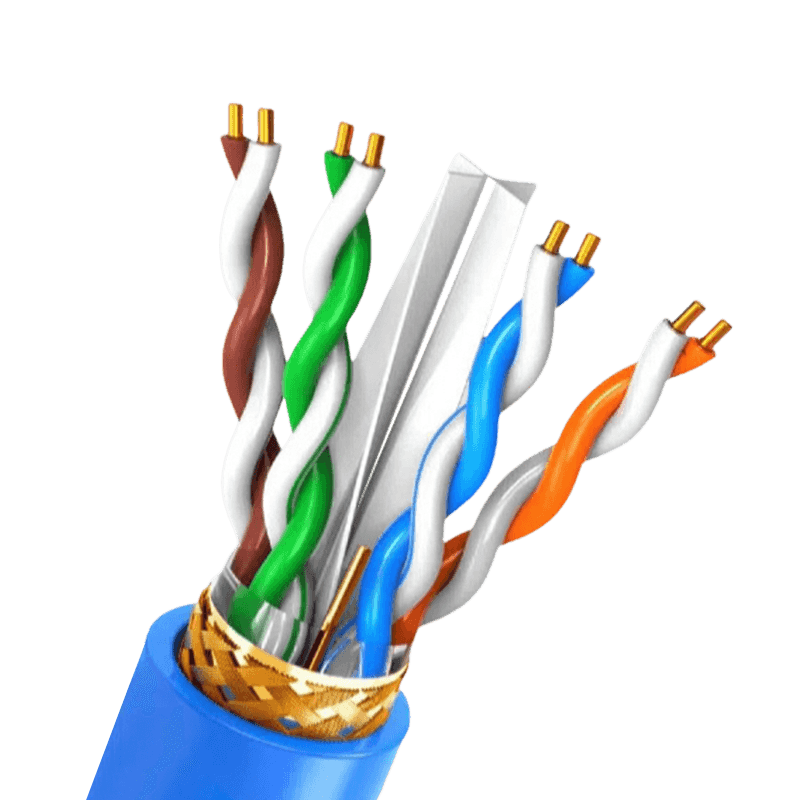
In modern data center environments, cabling infrastructure must handle extremely high bandwidth demands while maintaining signal stability across long cable runs. Cat6A Ethernet Cable is widely adopted in these scenarios because it supports 10 Gigabit Ethernet transmission up to 100 meters while maintaining strong resistance to alien crosstalk. Compared with earlier cable categories, Cat6A features tighter twisting structures and often includes shielding layers that significantly improve signal integrity in densely packed racks and cable trays.
When planning Data Center Network Cable layouts, engineers often consider electromagnetic interference from power distribution units, cooling equipment, and neighboring cables. In these situations, Cat6Aa Shielded Twisted Pair becomes particularly valuable because the shielding layer helps isolate each pair from external noise. In large-scale server rooms where thousands of cables run in parallel, shielding reduces packet loss and improves overall network reliability.
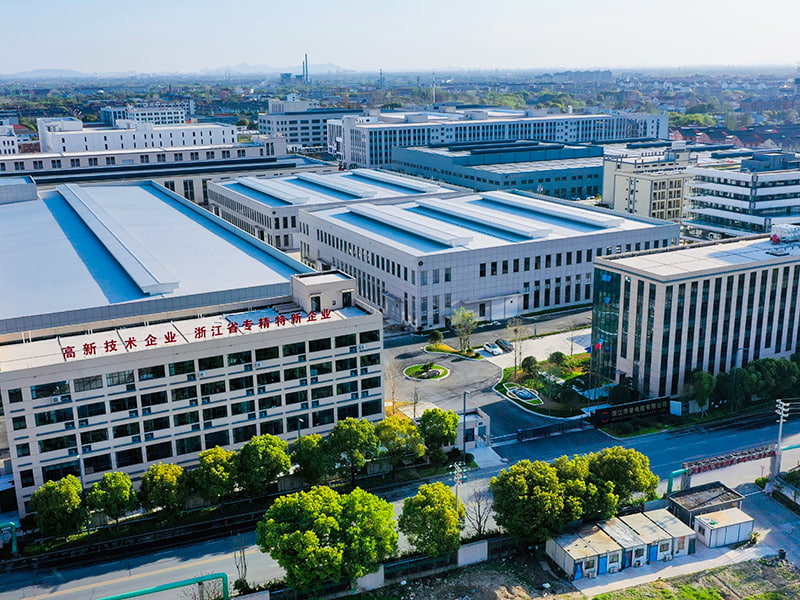
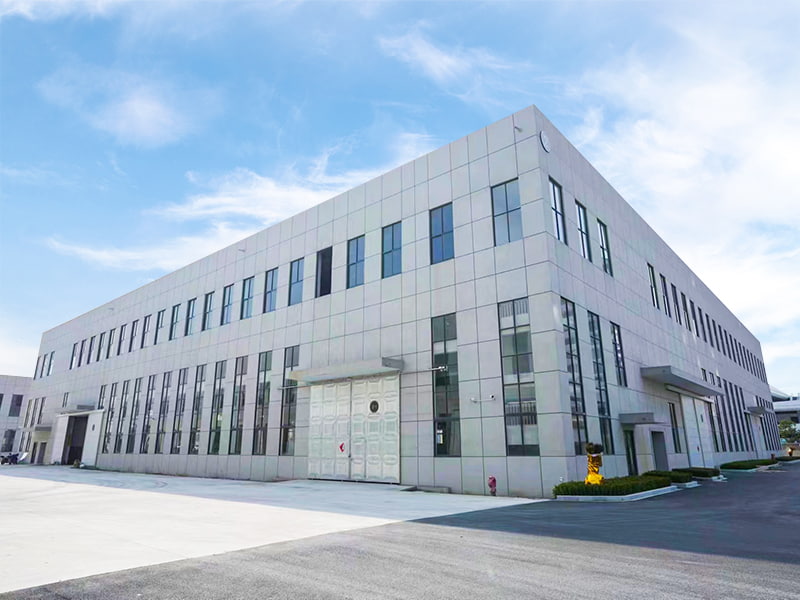
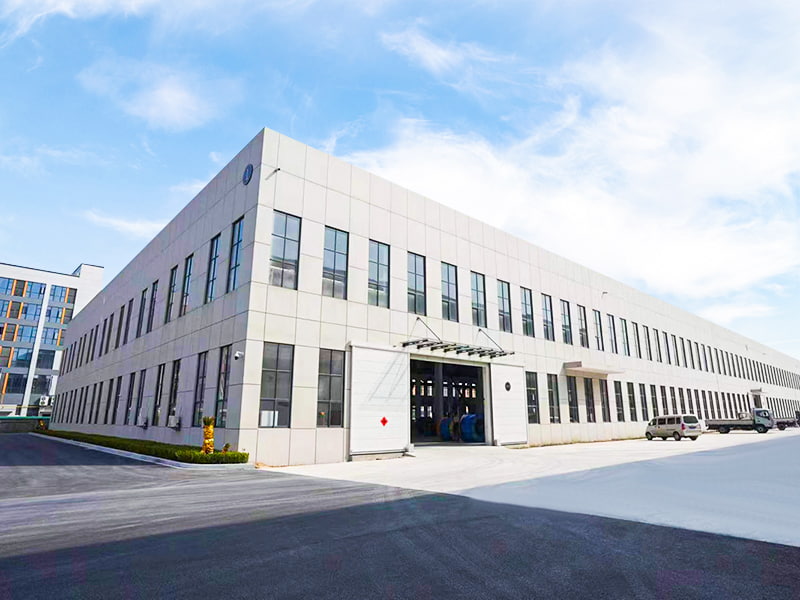
From our experience at Zhejiang Huapu Cable Co., Ltd., clients designing new data halls often prioritize cables that balance performance with long-term infrastructure stability. That is why many integrators select well-manufactured Network Cable solutions that meet strict electrical and fire safety requirements. We often see that properly designed Cat6A cabling reduces troubleshooting time in large server deployments.
Practical Differences Between Cat6A Ethernet Cable and Standard Network Cable in Structured Cabling
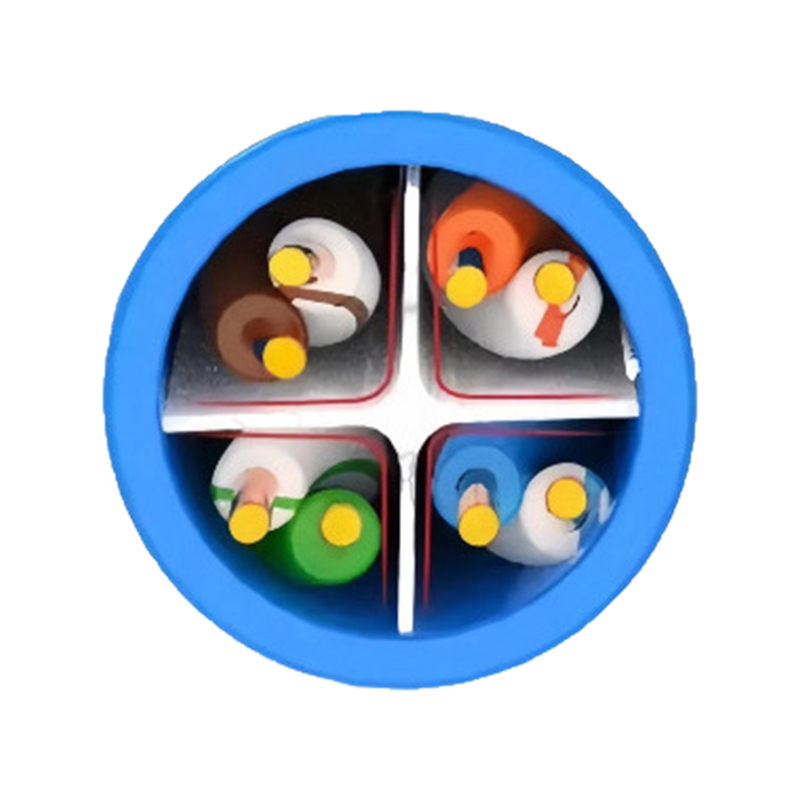
Although many buildings still use standard Network Cable systems such as Cat5e or Cat6, the transition to Cat6A Ethernet Cable has become more common in environments where network capacity growth is expected. One important technical difference lies in the cable diameter and internal separator structure. Cat6A cables are generally thicker due to improved insulation and pair separation designed to minimize signal interference.
- Higher bandwidth capability that supports 500 MHz transmission.
- Reduced alien crosstalk in high-density cable bundles.
- More stable performance in large office networks and cloud computing facilities.
- Better compatibility with modern switches supporting 10GBASE-T.
For companies managing large enterprise networks, the cost difference between Cat6 and Cat6A Ethernet Cable is often outweighed by the future scalability it provides. Many infrastructure planners treat Cat6A as a long-term investment that can support evolving network technologies without frequent rewiring.
Where Cat6Aa Shielded Twisted Pair Shows Its Real Advantages
The use of Cat6Aa Shielded Twisted Pair becomes particularly important in environments where electromagnetic interference is unavoidable. Manufacturing facilities, transportation hubs, and high-power equipment rooms often generate electrical noise that can degrade signal quality in unshielded cables.
| Application Environment |
Why Shielding Matters |
Typical Use of Cat6Aa Shielded Twisted Pair |
| Industrial workshops |
Motors and heavy machinery generate EMI |
Stable machine communication networks |
| Large data centers |
High cable density causes crosstalk |
High-speed server interconnections |
| Commercial buildings |
Complex electrical infrastructure |
Reliable structured cabling systems |
From our production perspective at Zhejiang Huapu Cable Co., Ltd., shielding materials and twisting precision directly influence the overall performance of Cat6Aa Shielded Twisted Pair. Careful manufacturing control ensures that each Network Cable maintains stable impedance and transmission quality, especially when deployed in mission-critical networks.
Key Installation Considerations for Data Center Network Cable Deployment
Even high-quality Cat6A Ethernet Cable may fail to deliver expected performance if installation practices are not carefully followed. Data center designers typically pay close attention to bending radius, cable separation, and grounding when installing Data Center Network Cable infrastructure.
- Maintain appropriate cable bending radius to prevent signal attenuation.
- Separate network cables from high-voltage power lines.
- Ensure proper grounding when using Cat6Aa Shielded Twisted Pair.
- Avoid excessive cable bundling that could increase heat accumulation.
Many installers also label and document each Network Cable route carefully to simplify maintenance and future expansion. In our projects supplying cabling materials, we often recommend planning spare capacity in cable trays so that additional Data Center Network Cable runs can be added without disrupting existing infrastructure.
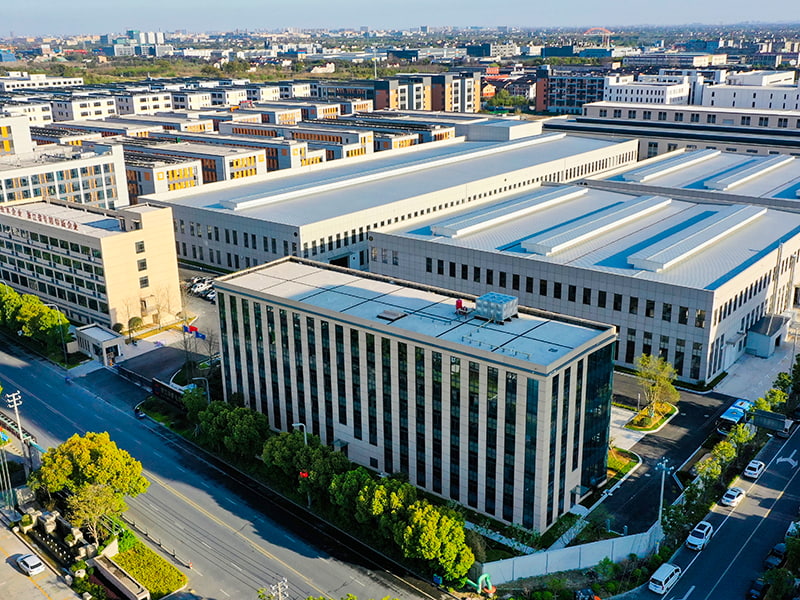
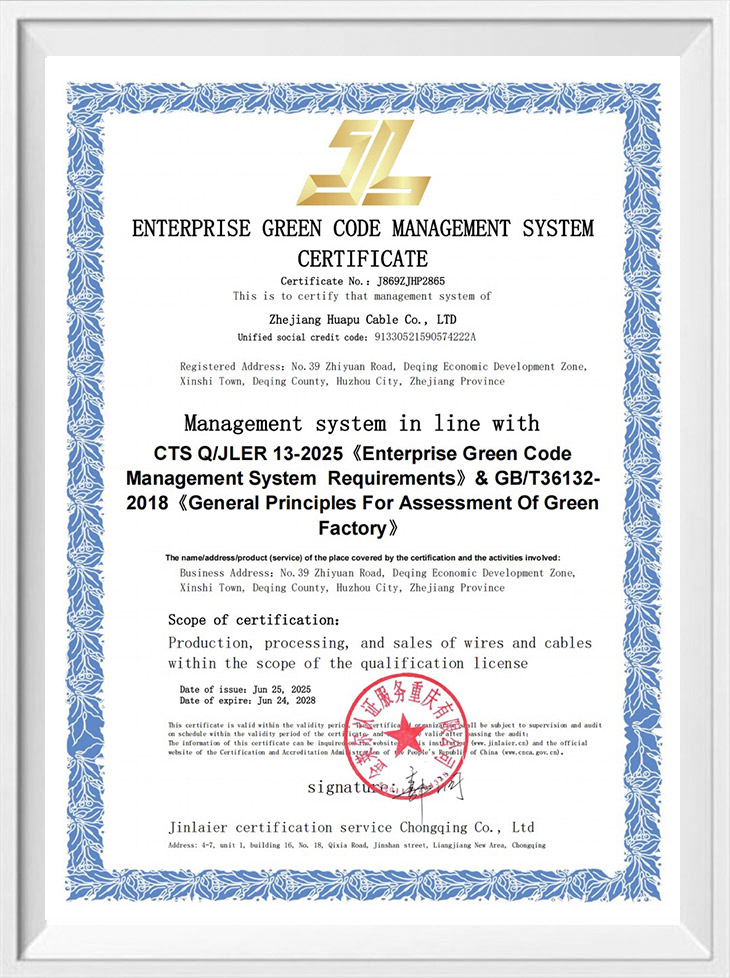
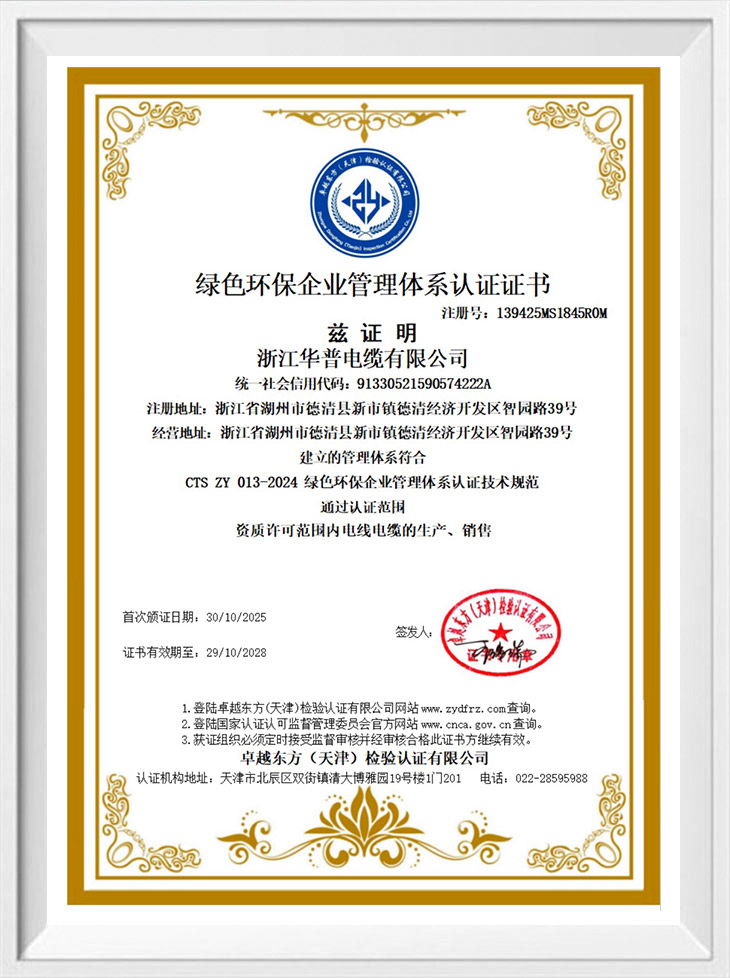
With decades of manufacturing experience, we at Zhejiang Huapu Cable Co., Ltd. focus on producing communication cables that combine durability, electrical performance, and safety features such as low-smoke halogen-free insulation. These characteristics are particularly valuable when deploying large-scale Cat6A Ethernet Cable networks in mission-critical facilities.

 en
en English