Signal Stability Factors That Affect Video Coaxial Cables in Surveillance Systems
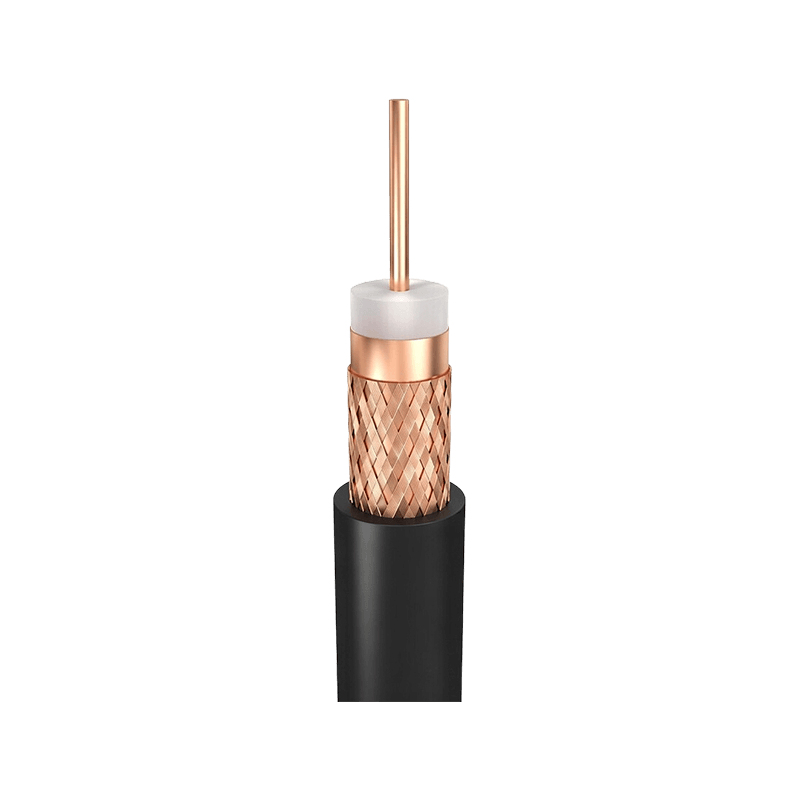
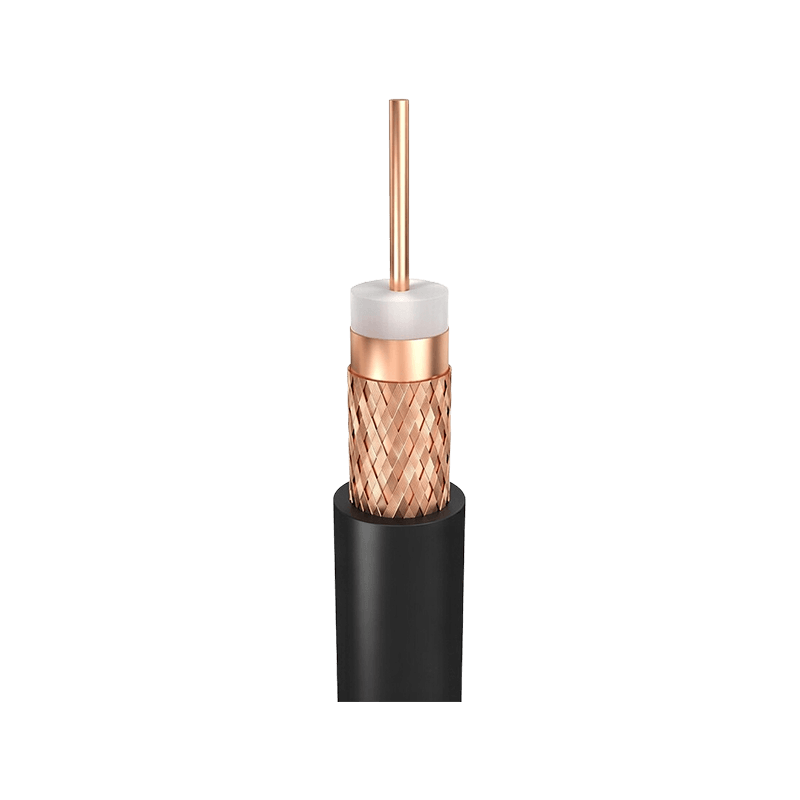
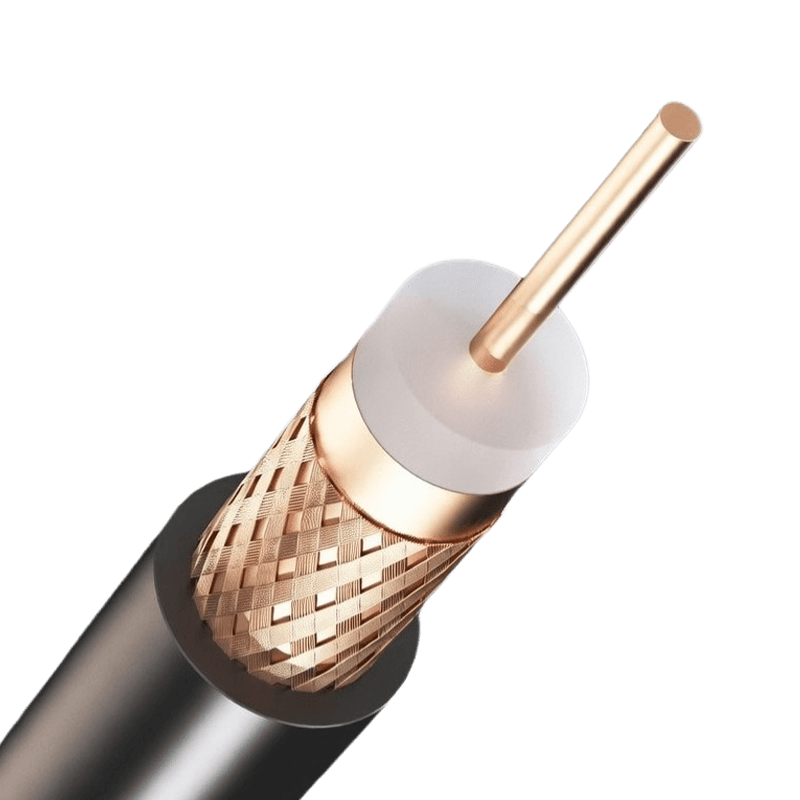
In large surveillance networks, the stability of Video Coaxial Cables plays a critical role in maintaining consistent video transmission quality over long distances. One often overlooked factor is the impedance consistency along the entire length of the cable. Even small variations in impedance can cause signal reflections, which may appear as ghosting or distortion in video feeds. For security installations where cameras may be located far from recording equipment, well-manufactured Coaxial Cables help maintain signal integrity and reduce transmission loss.
In practice, installers often evaluate shielding coverage and conductor purity when selecting Video Coaxial Cables. High shielding density reduces electromagnetic interference from nearby power equipment, elevators, or wireless devices. At Zhejiang Huapu Cable Co., Ltd., we have seen that surveillance projects with dense electrical infrastructure benefit significantly from carefully engineered cable shielding and stable conductor structures.
- Consistent impedance control helps maintain clean analog or HD video signals.
- Dense braided shielding improves resistance to electromagnetic interference.
- Quality insulation materials help maintain signal stability under temperature fluctuations.
- Proper cable routing reduces mechanical stress that may affect transmission performance.
Choosing Coaxial Cables for Long-Distance Video Transmission Environments
When designing video transmission networks that rely on Video Coaxial Cables, signal attenuation becomes a key design consideration. Longer cable runs naturally introduce signal loss, which may affect image clarity if the cable structure is not optimized for high-frequency transmission. Selecting appropriate Coaxial Cables with suitable conductor thickness and insulation characteristics helps reduce attenuation over extended distances.
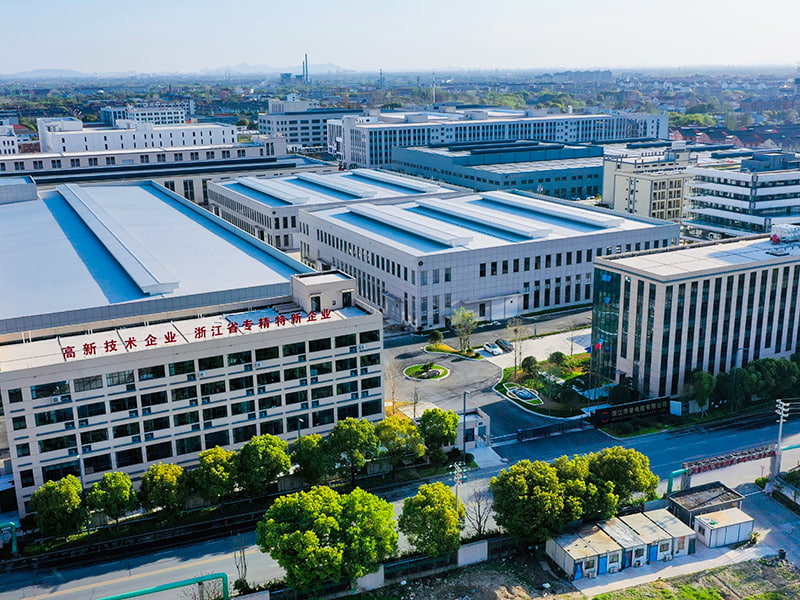
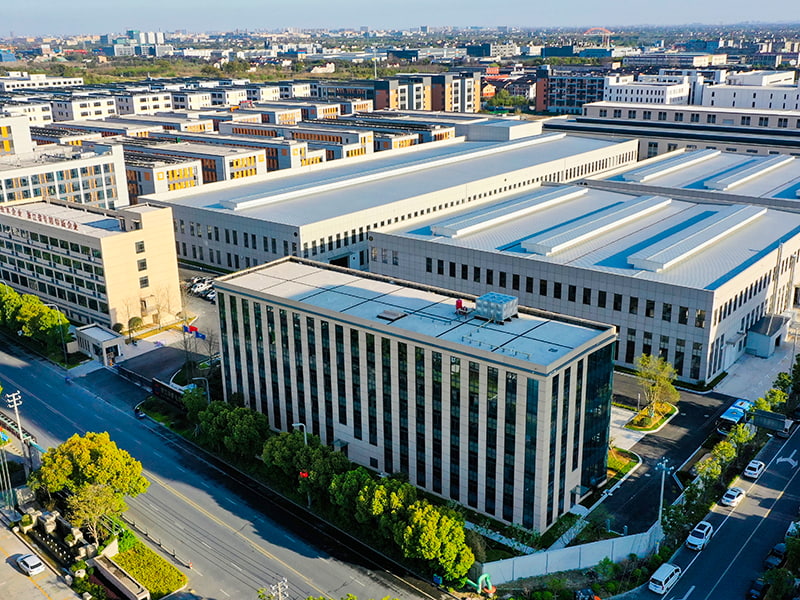
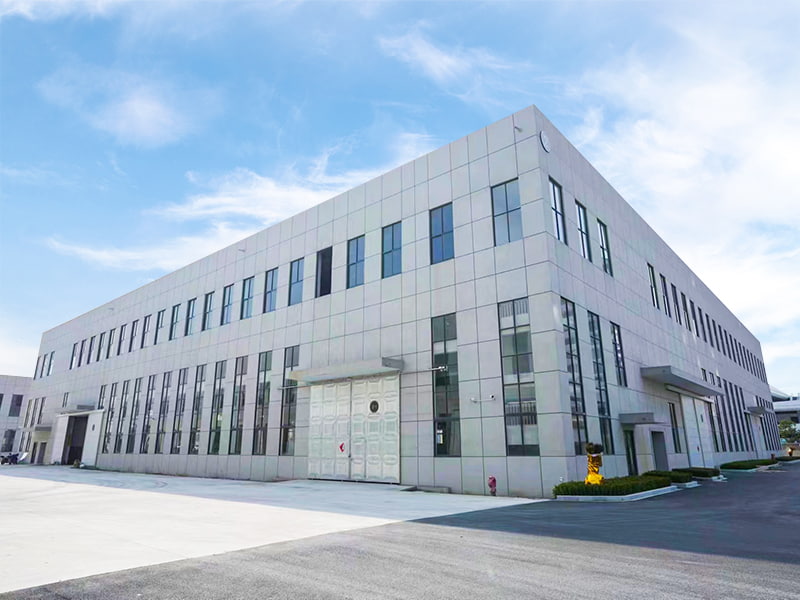
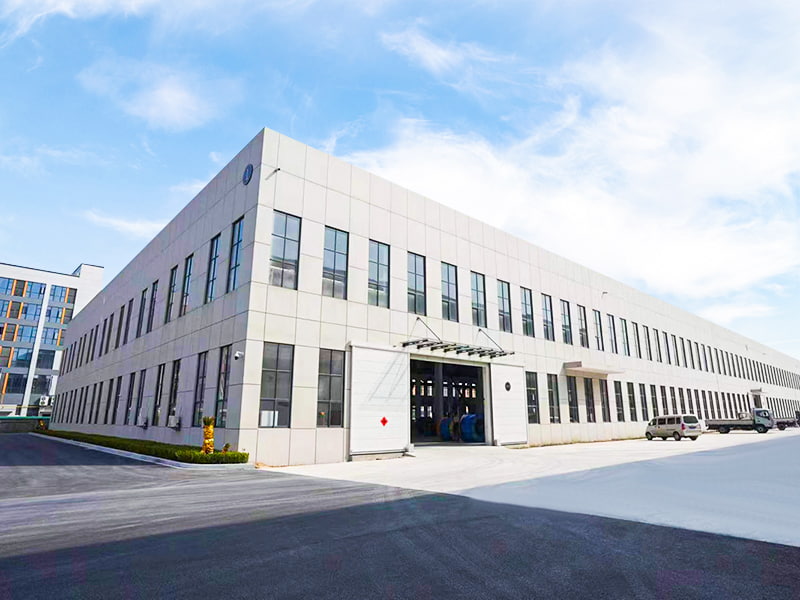
Manufacturers often design cables with specific dielectric materials that maintain stable electrical properties under different environmental conditions. At Zhejiang Huapu Cable Co., Ltd., our production facilities focus on consistent insulation extrusion and conductor precision, which are important for maintaining predictable signal transmission across large video networks.
| Cable Feature |
Impact on Video Transmission |
Typical Application Scenario |
| Thicker center conductor |
Lower resistance and reduced signal loss |
Large campus surveillance systems |
| High-density braided shield |
Improved protection against external interference |
Urban monitoring installations |
| Stable dielectric insulation |
Maintains impedance consistency |
Broadcast and video distribution networks |
Installation Practices That Improve the Performance of Video Coaxial Cables
Even high-quality Coaxial Cables may fail to deliver expected results if installation practices are not carefully followed. During large-scale surveillance or broadcast installations, improper bending, excessive tension, or poor connector installation can degrade the performance of Video Coaxial Cables. Maintaining correct installation techniques ensures long-term signal reliability.
Experienced installers typically pay attention to cable routing, grounding, and connector compatibility. For example, bending Video Coaxial Cables beyond the recommended radius may alter the internal structure of the dielectric layer, potentially causing impedance fluctuations and signal reflections.
- Avoid sharp bends that could deform the cable’s internal structure.
- Use compatible connectors designed for the specific cable diameter.
- Separate video cables from strong electrical power lines.
- Ensure stable grounding in installations exposed to electromagnetic interference.
Through years of manufacturing communication and radio frequency cables, we at Zhejiang Huapu Cable Co., Ltd. have learned that cable performance is not determined only by materials, but also by installation environment and system design. This is why many integrators prefer reliable Coaxial Cables that maintain structural integrity even in complex infrastructure projects.
Environmental Durability Considerations for Outdoor Coaxial Cables
Outdoor video monitoring and broadcast systems expose Video Coaxial Cables to a variety of environmental conditions such as UV radiation, temperature variation, humidity, and mechanical stress. Selecting Coaxial Cables designed with appropriate jacket materials helps prevent premature aging and performance degradation.
Low-smoke halogen-free insulation materials and flame-retardant jackets are increasingly used in modern infrastructure projects, particularly in tunnels, airports, and transportation facilities. At Zhejiang Huapu Cable Co., Ltd., our cable production also focuses on developing durable cable jackets that maintain flexibility and mechanical strength under demanding conditions.
In practice, well-designed Video Coaxial Cables used in outdoor installations can remain stable for many years when protected from excessive physical strain and properly installed in conduit systems or cable trays. These considerations are particularly important in large surveillance networks where maintenance access may be limited.

 en
en English