
 en
en English
 中文简体
中文简体 русский
 Español
 عربى
عربى
Electrical Equipment Cables: Types, Materials & Standards
Content
What Are Electrical Equipment Cables?
A plant engineer replacing a motor connection on a packaging line knows that grabbing any off‑the‑shelf power cable can lead to insulation cracking, signal interference, or a production shutdown within months. Electrical equipment cables are engineered specifically for connecting machinery, control panels, appliances, and lighting fixtures—not for long‑distance grid transmission. They prioritize flexibility, oil and chemical resistance, flame retardance, and signal integrity to match the demands of the equipment they serve.
Unlike utility distribution cables, these cables must survive continuous flexing, tight bend radii, and exposure to coolants or lubricants. The right selection balances conductor material, insulation compound, and shielding design with the operating environment. Choosing a cable designed for equipment rather than general power distribution is the first line of defense against premature failure.
How Applications Define the Right Cable Type
Industrial and commercial settings rely on distinct cable families, each optimized for a specific functional role. Understanding these categories prevents overspending on unnecessary features or underestimating the harshness of the installation site.
Control Cables for Precision and Safety
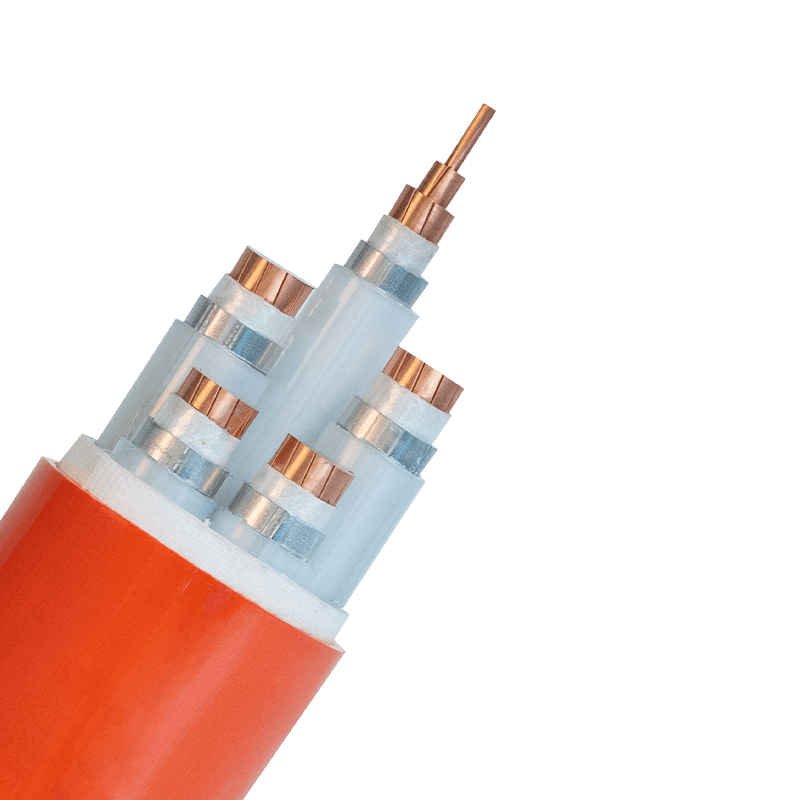
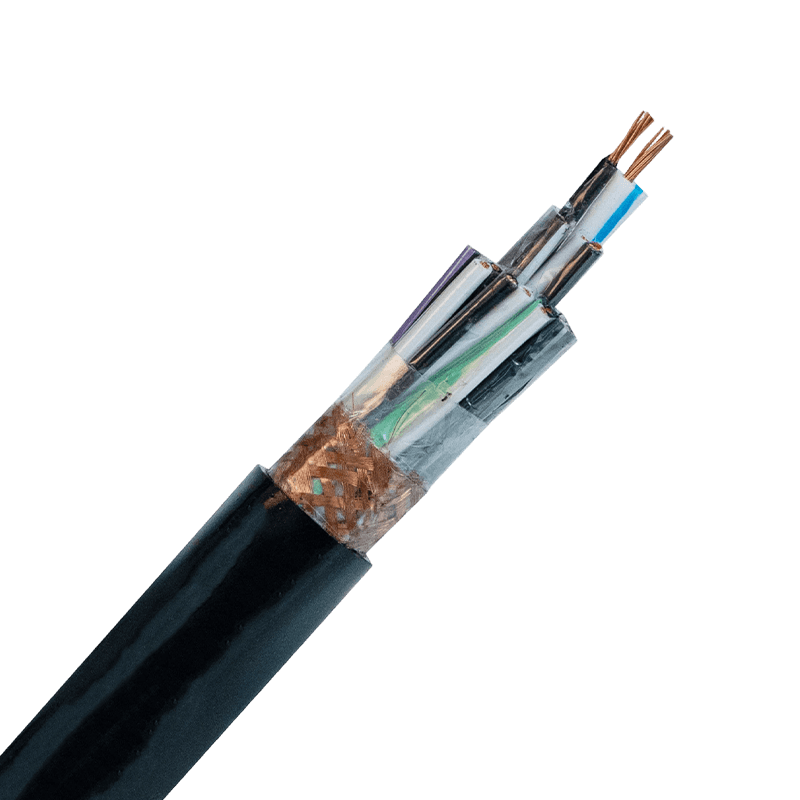
Control cables carry low‑voltage signals that govern motor starters, sensors, actuators, and safety circuits. A failure here can halt an entire production line or disable emergency‑stop systems. These cables typically use stranded copper conductors with PVC or XLPE insulation and may include overall shielding to reject electromagnetic interference from nearby power lines. The multicore construction—often 2 to 61 cores—allows one cable to handle multiple signals neatly. For any application where signal integrity directly impacts machine safety, shielded control cables are non‑negotiable.
Explore multicore control cables that meet IEC insulation and shielding requirements for factory automation.
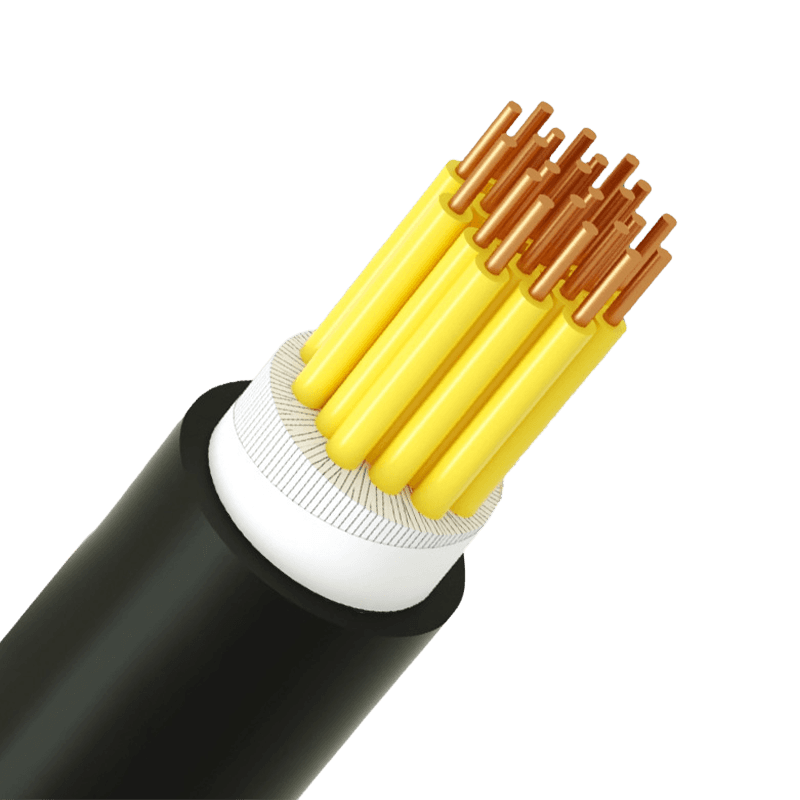 Plastic Insulated Control Cable Manufacturers, Multi-Core Control Cable SupplierAs Control Cable Manufacturers and Plastic Insulated Control Cable Suppliers, Multi-Core Control Cable Factory, Huapu offer Custom Contro...View Product →
Sheathed Wires and Building Wires for Fixed Installations
Inside walls, conduit, and trunking, building wires and sheathed wires carry power from distribution boards to outlets, switches, and lighting points. Building wires feature a single layer of thermoplastic insulation (often PVC or nylon‑jacketed PVC) and are pulled through conduit for physical protection. Sheathed wires add an outer jacket that bundles two or more insulated conductors together, eliminating the need for separate conduit in dry, protected locations. Both types must comply with flame‑propagation limits and temperature ratings defined in standards like IEC 60227 or national wiring codes.
These are the workhorses of commercial and residential electrical infrastructure. PVC sheathed wires simplify installation in surface‑mounted or concealed applications, while solid and stranded building wires provide the backbone of conduit‑based systems.
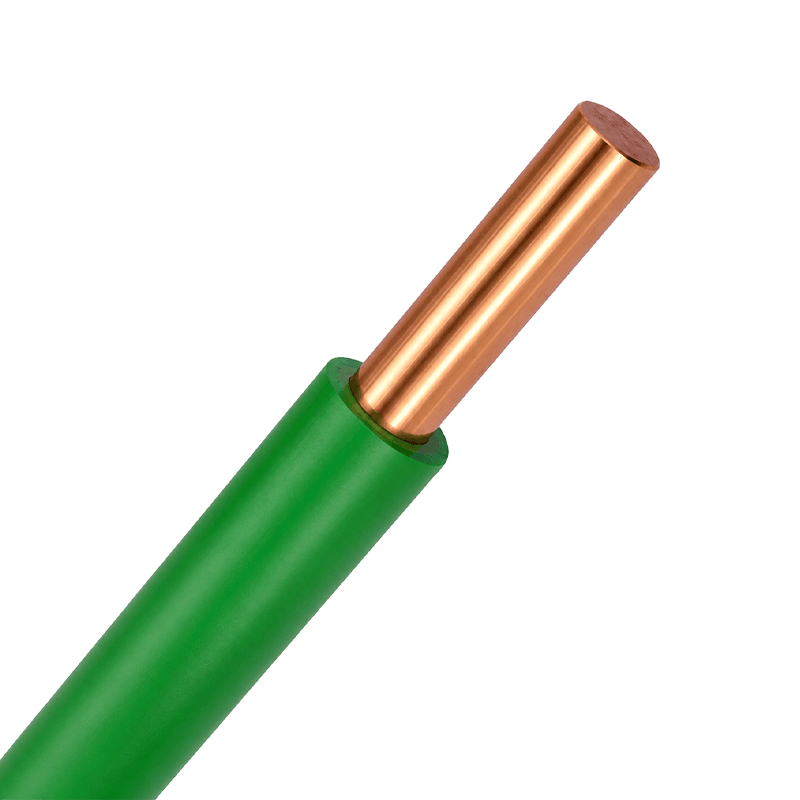 Building Wires Manufacturers, Suppliers, FactoryAs China Building Wires Manufacturers, Building Wires Suppliers and Factory, Huapu offer Custom Cross-linked Polyolefin/PVC/Rubber Insula...View Product →
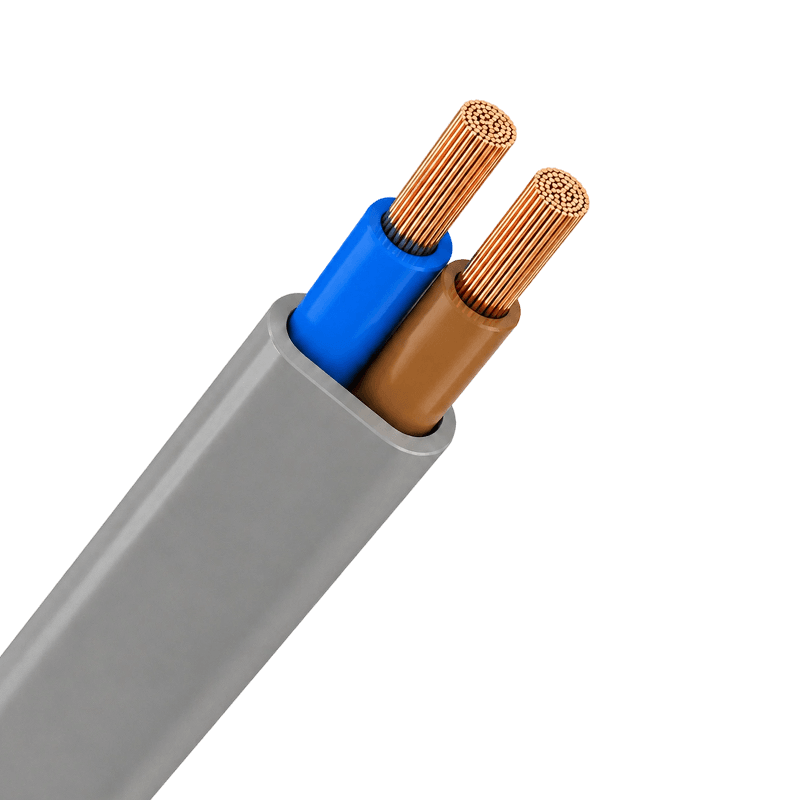 Sheathed Wires Manufacturers, Suppliers, FactoryAs China Sheathed Wires Manufacturers, Sheathed Wires Suppliers and Factory, Huapu offer Custom PVC Sheathed Flexible Cable for sale.View Product →
Rubber and Specialty Cables for Harsh Environments
When equipment operates outdoors, in wet areas, or where frequent movement is required, rubber‑sheathed cables offer superior flexibility, abrasion resistance, and water resistance. They are commonly found in portable tools, temporary power connections, and mining equipment. Additional specialty types—such as instrumentation cables for data centers—achieve exceptional signal purity through individual pair shielding and precise impedance control.
Conductor and Insulation Choices That Dictate Reliability
Copper vs. Aluminum Conductors
The choice between copper and aluminum is rarely about a simple “better” material; it is about matching the installation’s mechanical and electrical needs. Copper delivers higher conductivity (roughly 56 × 10⁶ S/m at 20 °C), superior tensile strength, and better resistance to oxidation at termination points. It is the default for control cables, flexible applications, and any circuit where vibration or frequent handling is expected.
Aluminum, at about 61% of the conductivity of copper by cross‑section, is lighter and less expensive. It works well in fixed, high‑capacity feeder circuits where weight savings and material cost matter, provided proper compression connectors and anti‑oxidant compounds are used. In applications demanding mechanical toughness or compact cable diameters, copper remains the safer long‑term investment. For a deeper comparison, see our detailed analysis of copper vs aluminum wiring pros and cons.
Insulation Materials: PVC, XLPE, and LSZH
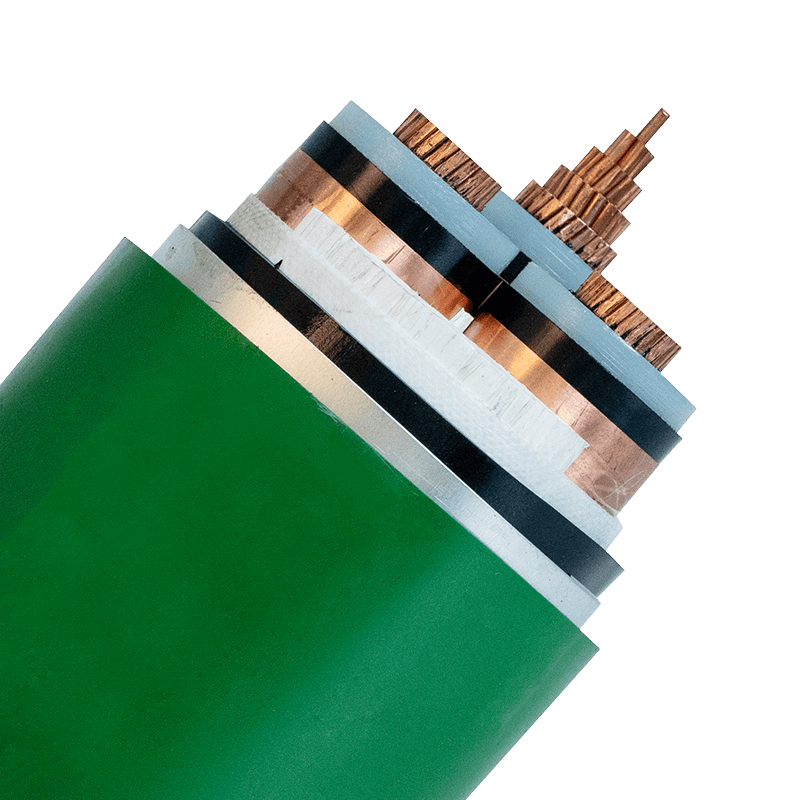
The insulation and outer sheath define how a cable withstands heat, fire, moisture, and chemicals. Polyvinyl chloride (PVC) is cost‑effective and widely used in building wiring with a continuous conductor temperature of 70 °C. Cross‑linked polyethylene (XLPE) raises that limit to 90 °C, allowing higher current ratings for the same conductor size, and also delivers better moisture resistance for direct‑burial applications.
Low‑smoke zero‑halogen (LSZH) materials replace PVC where fire safety is critical. They emit no corrosive halogen gases and produce limited smoke, protecting both people and sensitive electronics in tunnels, data centers, and public buildings. Whenever fire response times are a concern, LSZH‑sheathed cables dramatically improve escape visibility and equipment recovery. Learn more about the importance of LSZH cables in fire safety.
Understanding IEC and NEC Benchmarks
Compliance with recognized standards gives engineers confidence that a cable will perform as specified under rated voltage, temperature, and fault conditions. Key references include:
- IEC 60502‑1 – Low‑voltage power cables (1 kV and below), defining construction, test methods, and permissible current ratings for PVC and XLPE insulated cables.
- IEC 60227 – PVC‑insulated cables for rated voltages up to 450/750 V, covering building wires and flexible cords.
- IEC 60331 – Fire‑resistance testing for cables that must maintain circuit integrity during a fire, critical for emergency lighting and safety systems.
- IEC 60228 – Conductor definitions, including Class 5 flexible conductors, which directly impact flexibility and termination reliability.
These standards form the backbone of cable specifications used by procurement teams from Asia to North America, and they align with many NEC requirements when engineered for the US market.
Industry Applications That Demand the Right Cable
Manufacturing and Automation
Modern factories deploy thousands of sensors, drives, and robotic cells, all linked by equipment cables that must tolerate oil mist, continuous motion, and rapid temperature swings. Control cables with numbered or color‑coded cores simplify commissioning, while shielded variants preserve encoder and resolver signals in industrial automation environments.
Renewable Energy and Data Centers
Photovoltaic systems rely on UV‑resistant, double‑insulated cables capable of withstanding 1500 V DC. Data centers, on the other hand, prioritize flame‑retardant, low‑smoke cables that protect servers and personnel. Both sectors highlight the importance of selecting a supplier whose cables are tested to the specific IEC or UL standards that govern these high‑stakes installations.
Every electrical equipment cable carries a set of silent engineering trade‑offs. By aligning the cable’s conductor, insulation, shielding, and fire‑safety profile with the real conditions on the factory floor or building site, engineers eliminate variables that lead to downtime and safety violations. A structured selection process—guided by application requirements and internationally recognized standards—transforms cable procurement from a commodity buy into a reliability investment.



- +86-13588204183
- No. 39 Zhiyuan Road, Deqing Economic Development Zone, Huzhou City, Zhejiang Province

Copyright © Zhejiang Huapu Cable Co., Ltd. All Rights Reserved.
 ISO 9001 Cable Manufacturer