Building Wires Supplier
Home / Cable Series / Electrical Equipment Cables / Building Wires / Copper Building Wire (PVC/XLPE Insulated Electrical Wire)

Copper Building Wire (PVC/XLPE Insulated Electrical Wire)

Product Overview
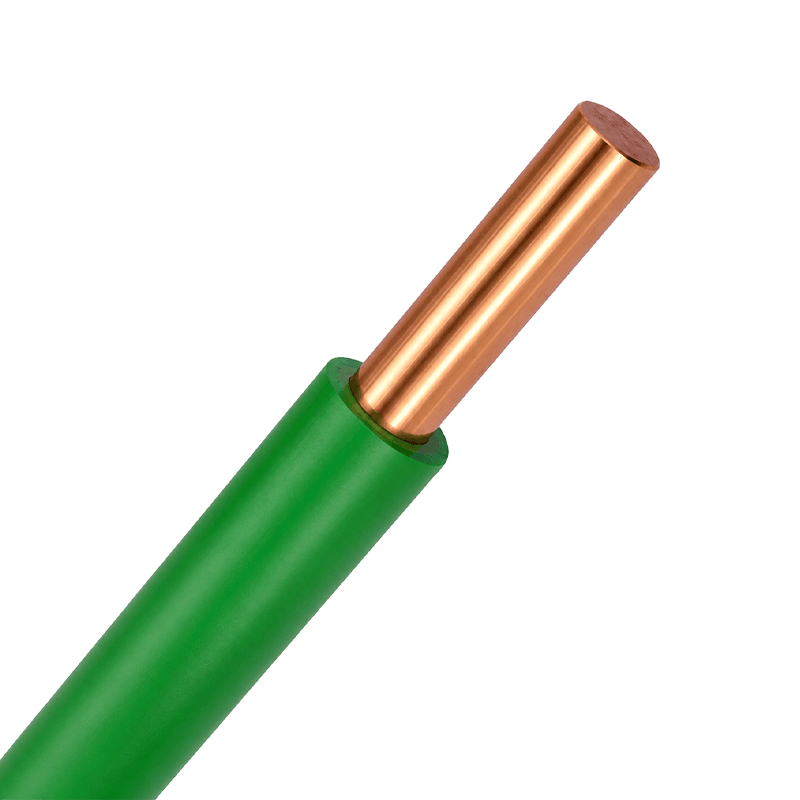
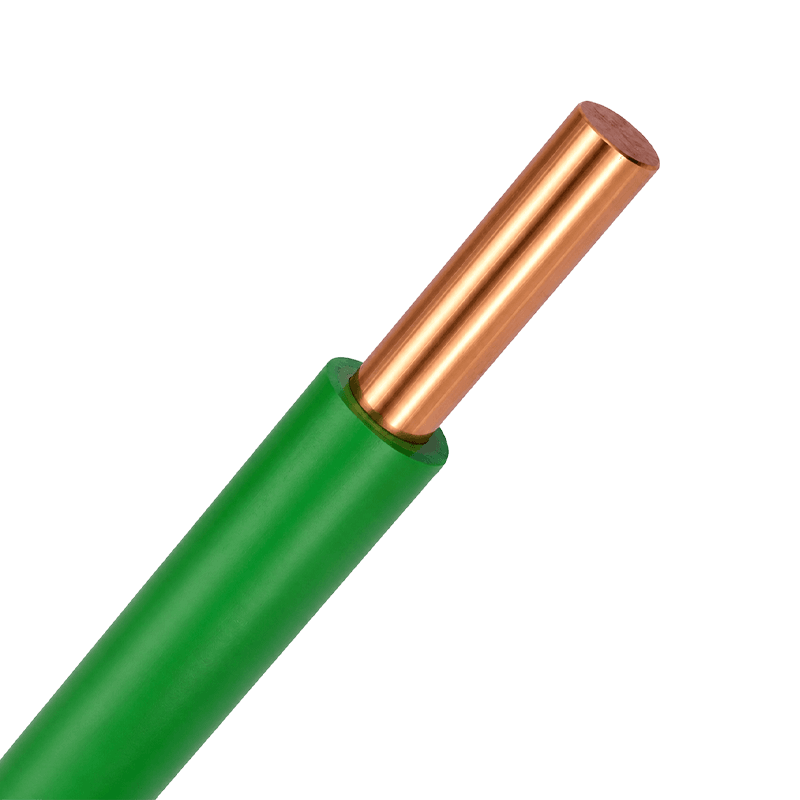
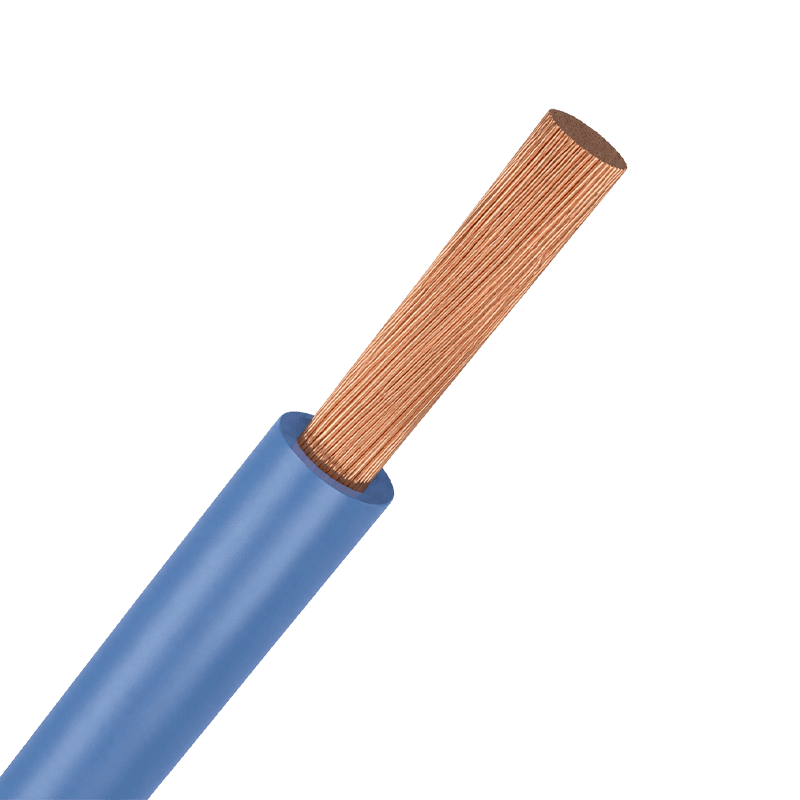
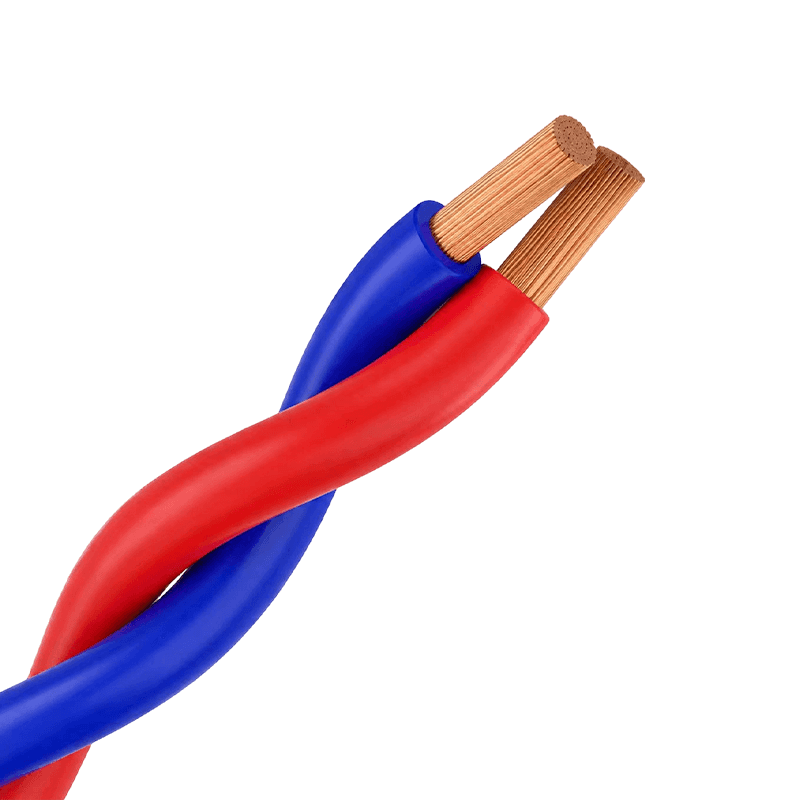
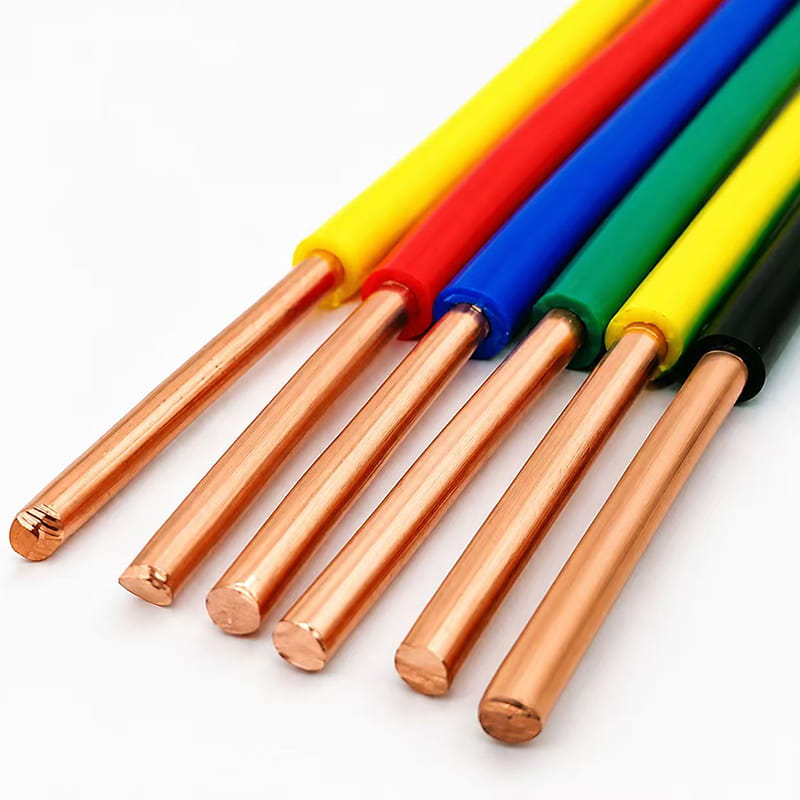
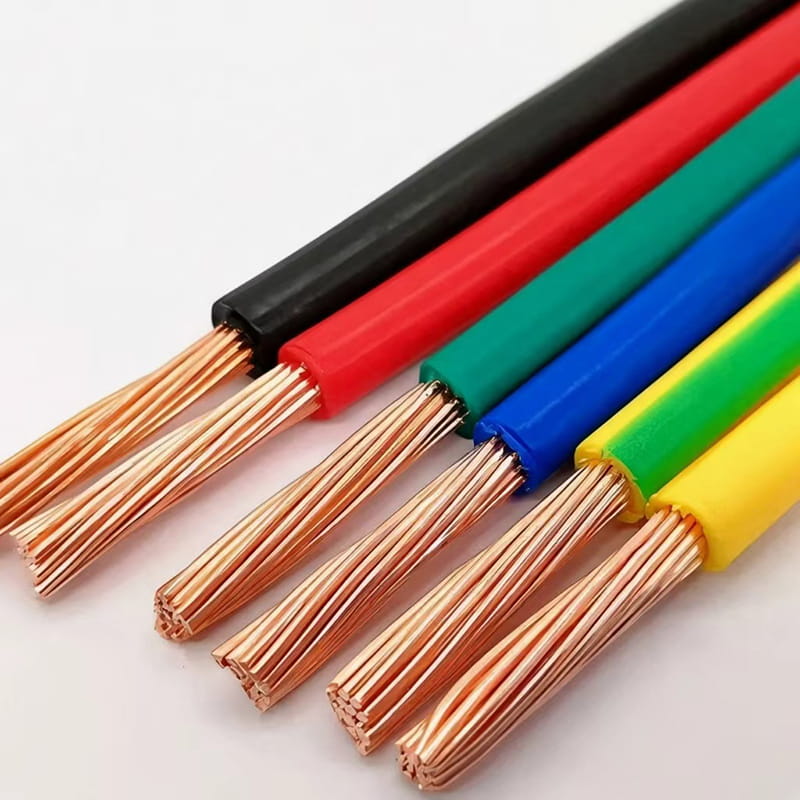
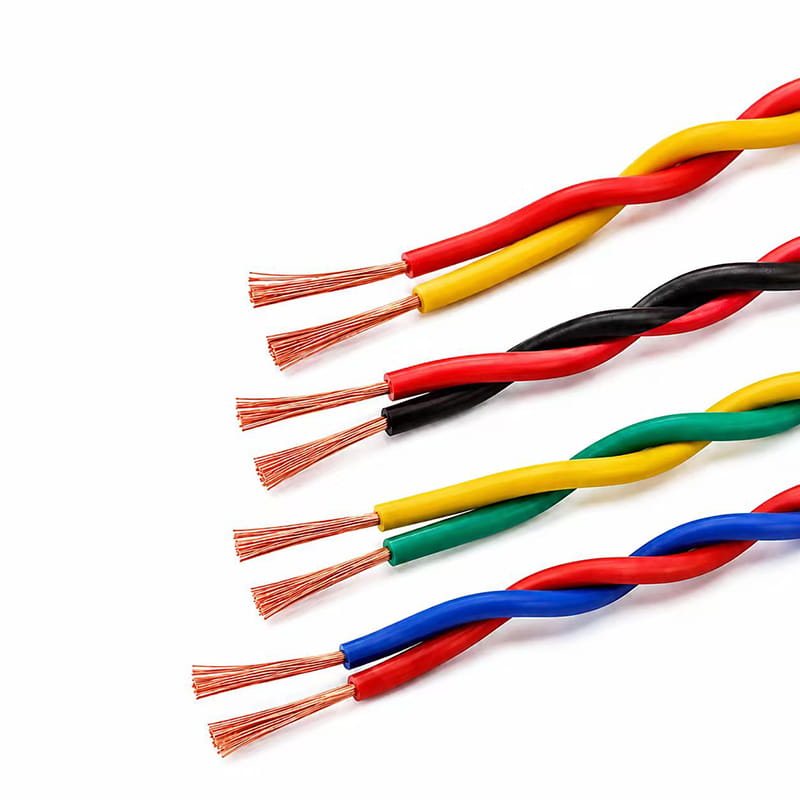
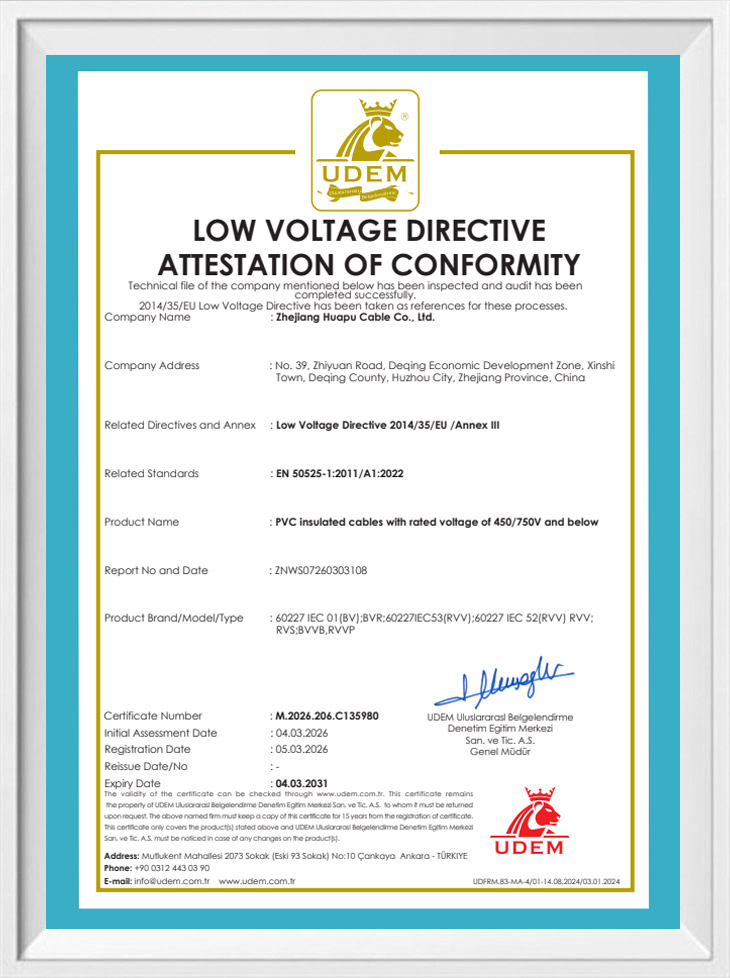
Huapu's Building Wire series offers a comprehensive range of copper conductor wires for safe, reliable electrical wiring in residential, commercial, and industrial buildings. Available in PVC, XLPE, PE, and LSZH (low smoke zero halogen) insulation options, with cross-sections from 1–400mm² (AWG 16–1000 kcmil) and single-core to 5-core configurations, our wires meet diverse project requirements while complying with IEC and CE standards.

Obtain Quotations
  • Conductor Cu 
    Insulation PVC / XLPE / PE / LSZH / EPR / PTFE
    Sheath PVC / LSZH / PE / FR-PVC / XLPE
    Max Conductor Temp. 70–150°C (PVC: 70–90°C; XLPE/EPR: 90°C; PTFE/Silicone: up to 150°C)
    Bending Radius 6–12D
    Core Configuration 1–5 Cores
    Cross-Section Range 1–400 mm² (AWG 16 – 1000 kcmil)
    Conductor Flexibility Class 1 / 2 / 5
    Key Features:
    • Conductor: Copper (Cu)
    • Insulation options: PVC / XLPE / PE / LSZH / EPR / PTFE
    • Sheath options: PVC / LSZH / PE / FR-PVC / XLPE
    • Temperature rating: 70–150°C
    • Cross-section range: 1–400mm² (AWG 16–1000 kcmil)
    • Core configuration: 1–5 cores
    • Conductor flexibility: Class 1 / 2 / 5
Application

Huapu building wires are widely used in residential, commercial, and industrial projects, with LSZH (low smoke zero halogen) variants specified for fire-safety-sensitive environments such as hospitals, metro systems, and high-rise buildings. All products meet IEC and CE standards, ensuring reliable performance across diverse project requirements.

High Standard industries

Client Cases

Project name

Project type

Location

Products supplied

West China Hospital of Sichuan University

Public Building Project

Chengdu

Building wires, Power Cable

Deqing Qiushi High School

Public Building Project

Huzhou

Building wires, Power Cable

Hangzhou Xiaoshan International Airport

Public Building Project

Hangzhou

Building wires, Power Cable

UN Conference on Geographic Information

Public Building Project

Huzhou

Building wires, Power Cable

FAQ

Q1: What certifications does Huapu building wire have?
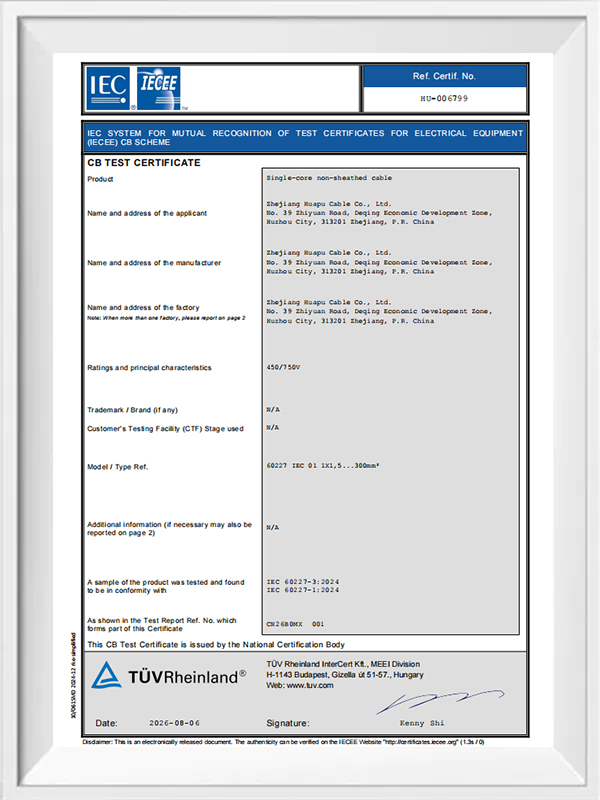
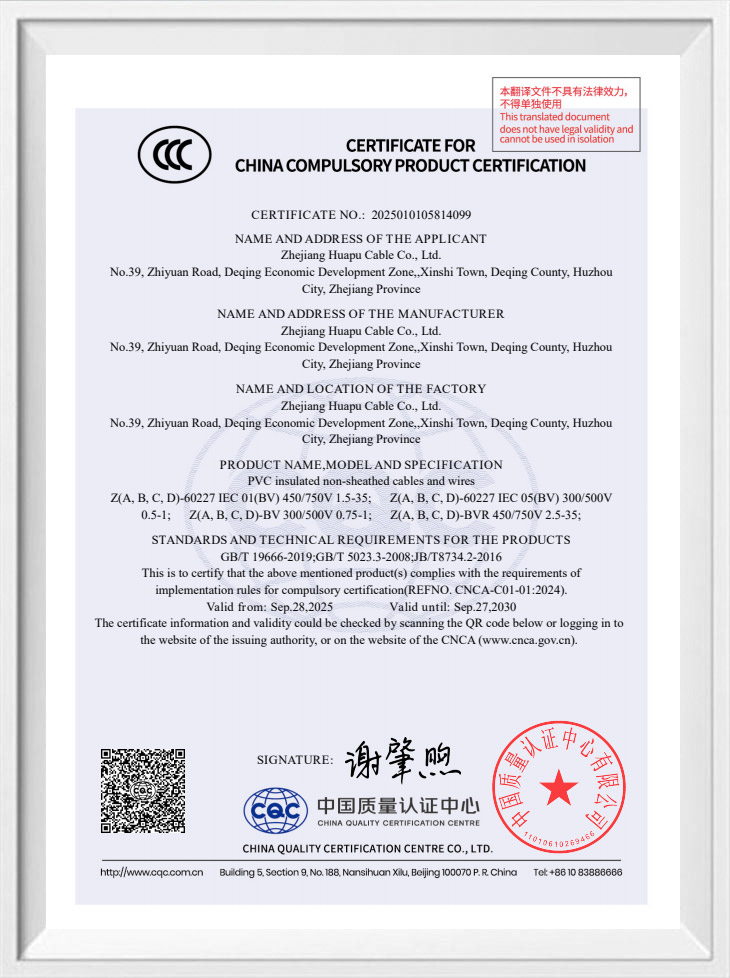
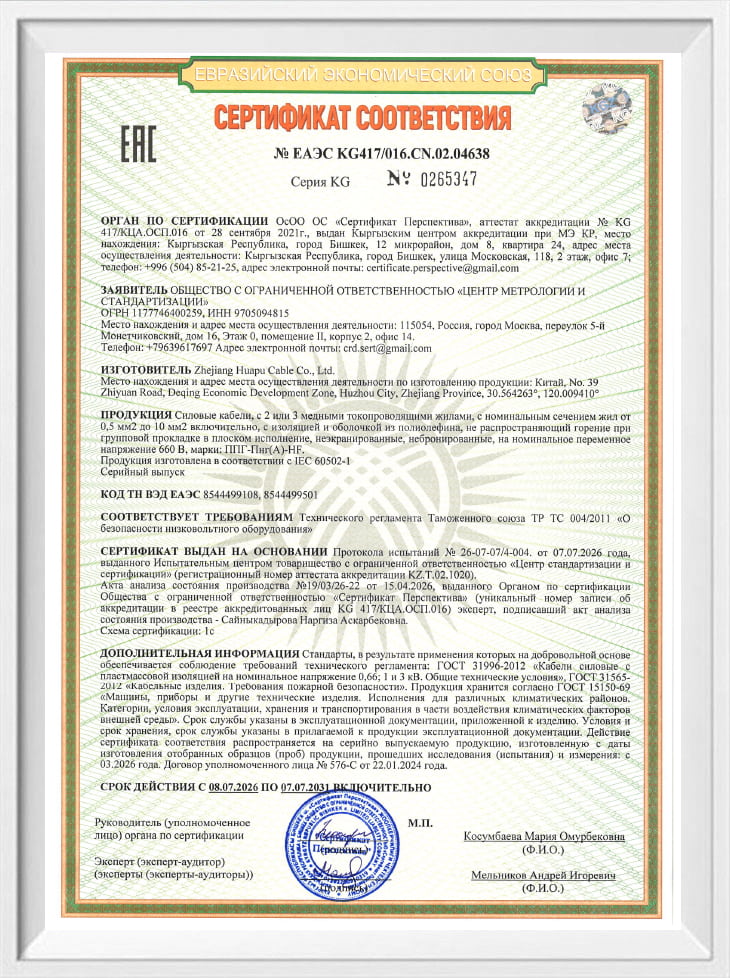
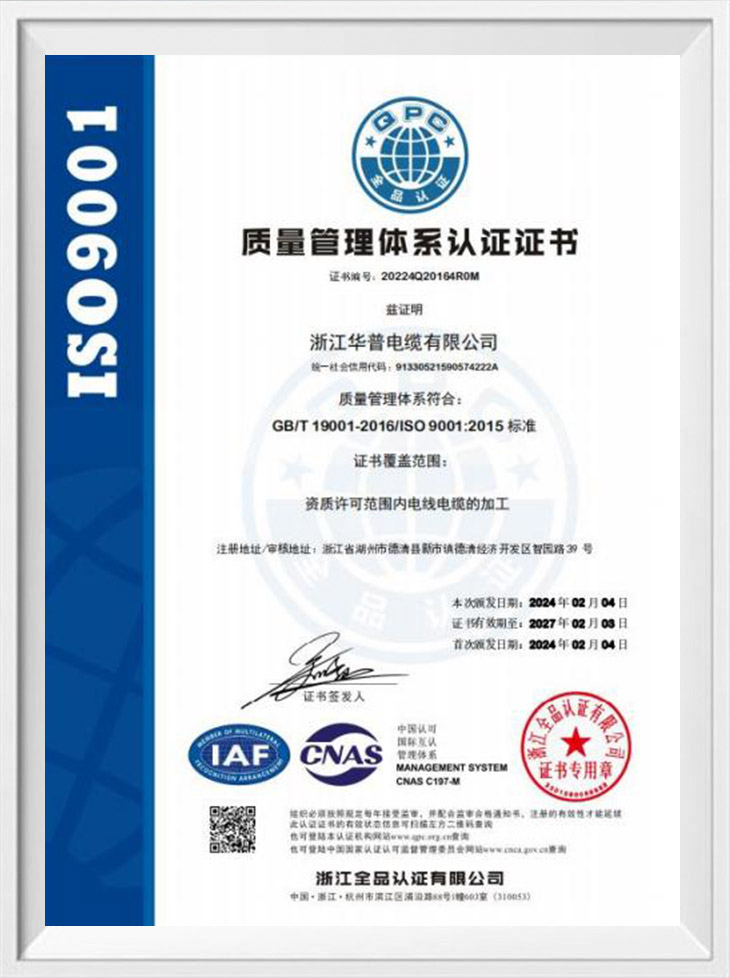
Our building wire is manufactured in compliance with IEC and CE standards, and produced under ISO 9001 quality management. Certification documents are available upon request.

Q2: What is the minimum order quantity (MOQ)?
MOQ is flexible and can be tailored to your project needs. Contact our team to discuss the right quantity for your order.

Q3: Do you offer standard products or custom manufacturing?
Both. We stock standard sizes for quick shipment, and also offer full customization on colors, cross-sections, lengths, and packaging to match your project specifications.

Q4: Is building wire available in stock for wholesale orders?
Yes, we maintain stock of common sizes and support wholesale/bulk orders with fast turnaround.

Q5: What is the warranty period?
All Huapu building wire products come with a 3-year warranty.

Q6: Can I get a free sample before placing a bulk order?
Yes, samples are available so you can verify quality before committing to a larger order.

Q7: Do you offer OEM/ODM services?
Yes, we provide OEM and ODM services, including custom branding, private labeling, and project-specific specifications.

Q8: What makes LSZH building wire different from standard PVC wire?
LSZH (Low Smoke Zero Halogen) insulation emits significantly less smoke and no toxic, corrosive gases when exposed to fire, making it the preferred choice for hospitals, metro systems, airports, and other occupant-safety-critical buildings.

  • Zhejiang Huapu Cable Co., Ltd.
  • Zhejiang Huapu Cable Co., Ltd.
  • Zhejiang Huapu Cable Co., Ltd.
  • Zhejiang Huapu Cable Co., Ltd.
  • Zhejiang Huapu Cable Co., Ltd.

About us

Zhejiang Huapu Cable Co., Ltd.

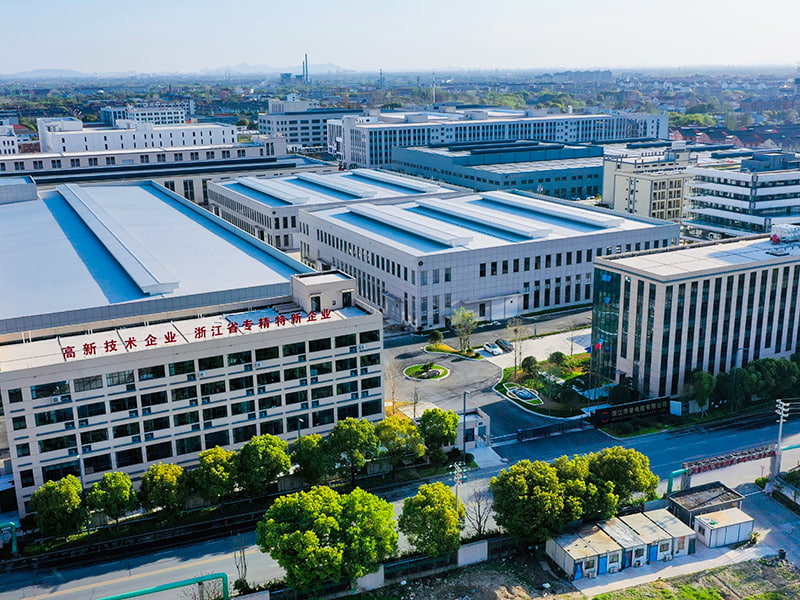
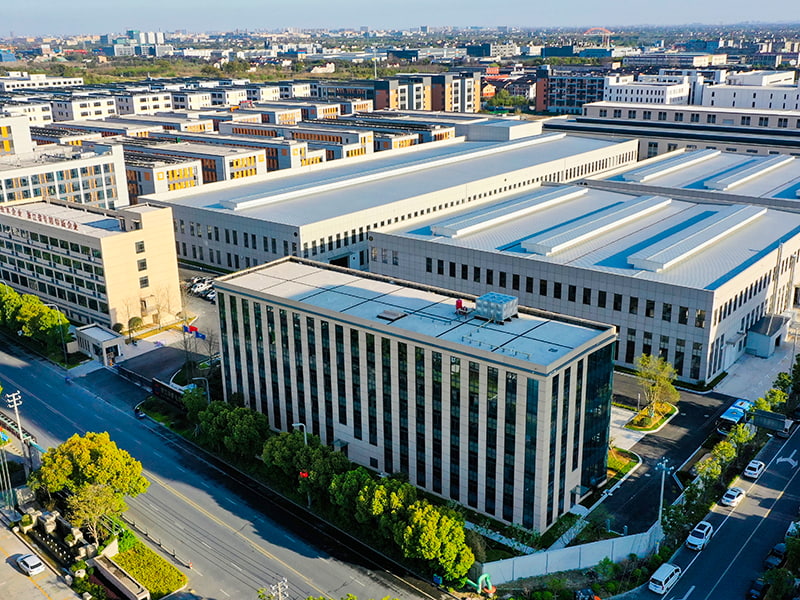
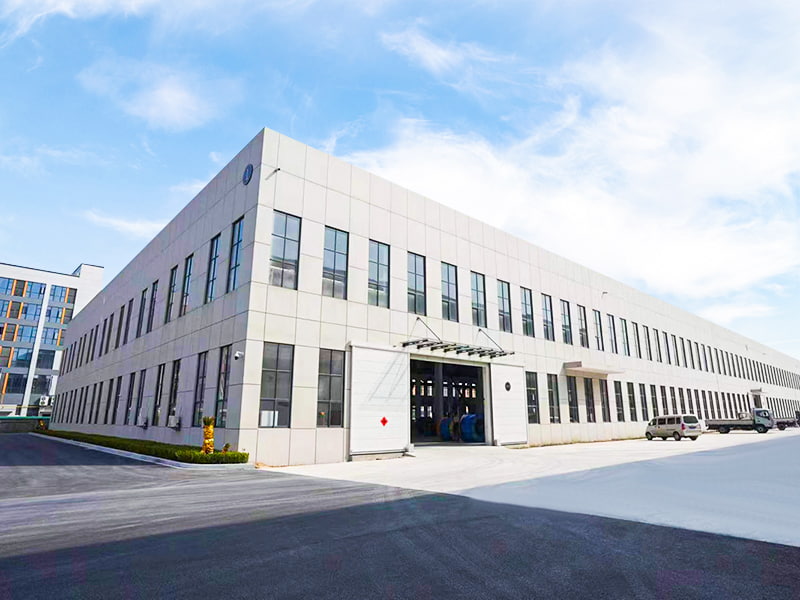
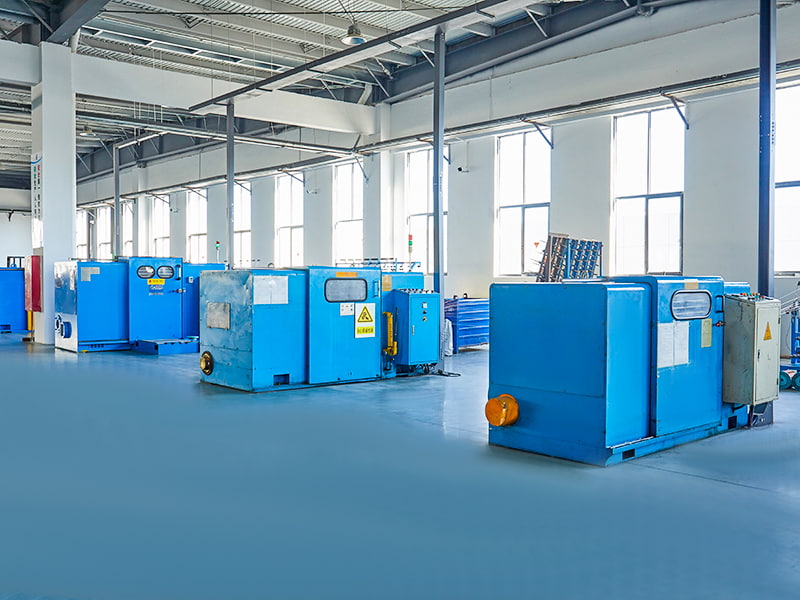
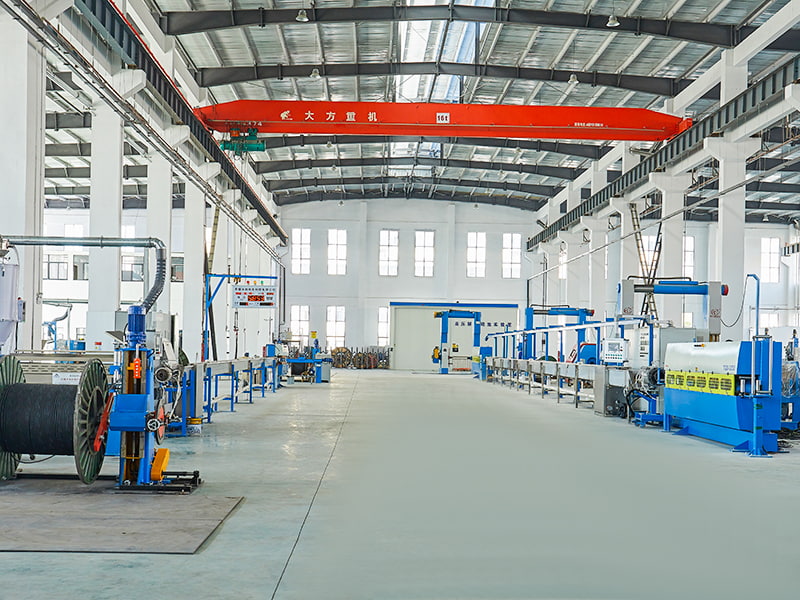
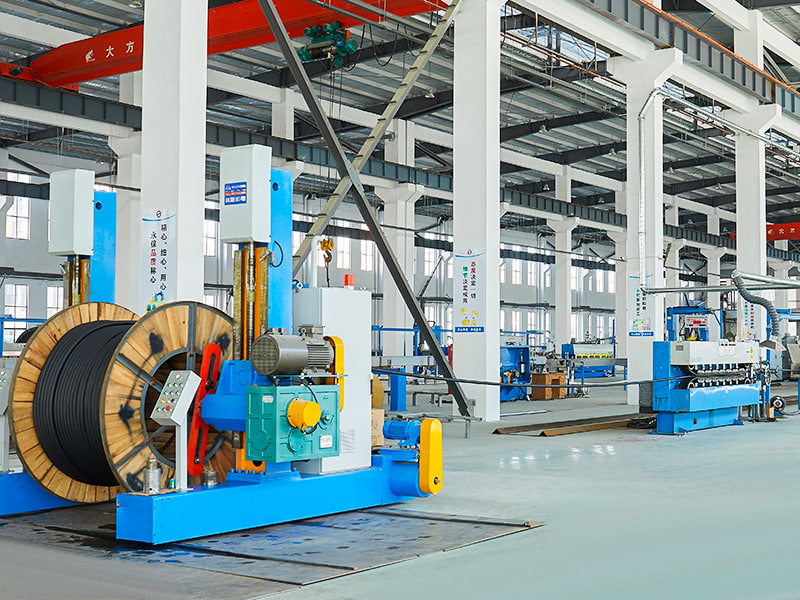
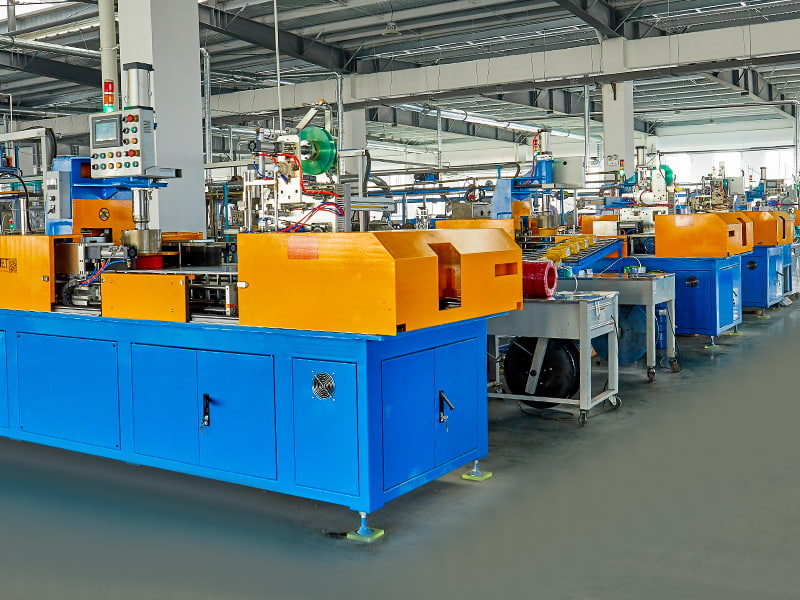
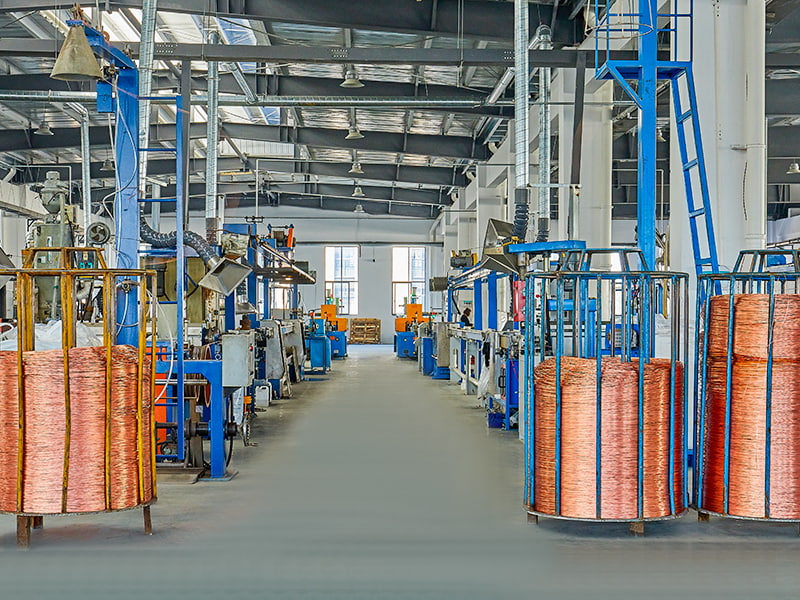
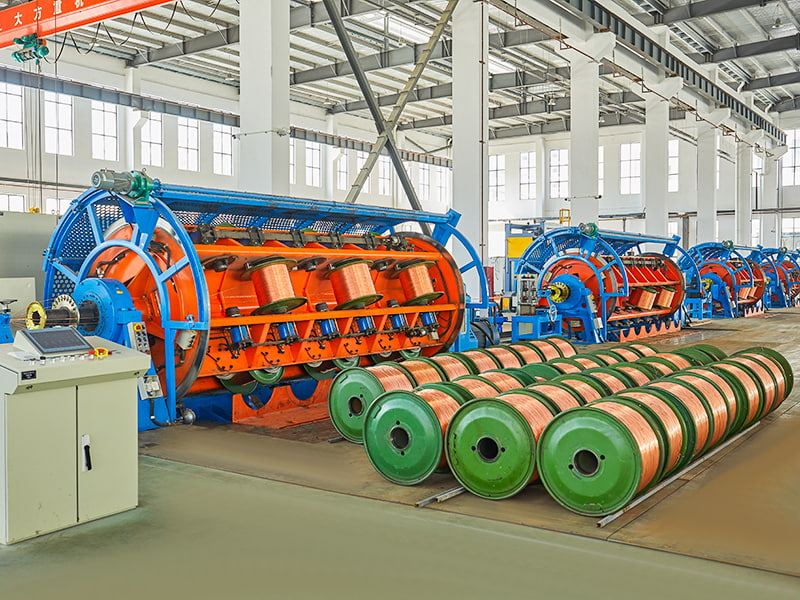
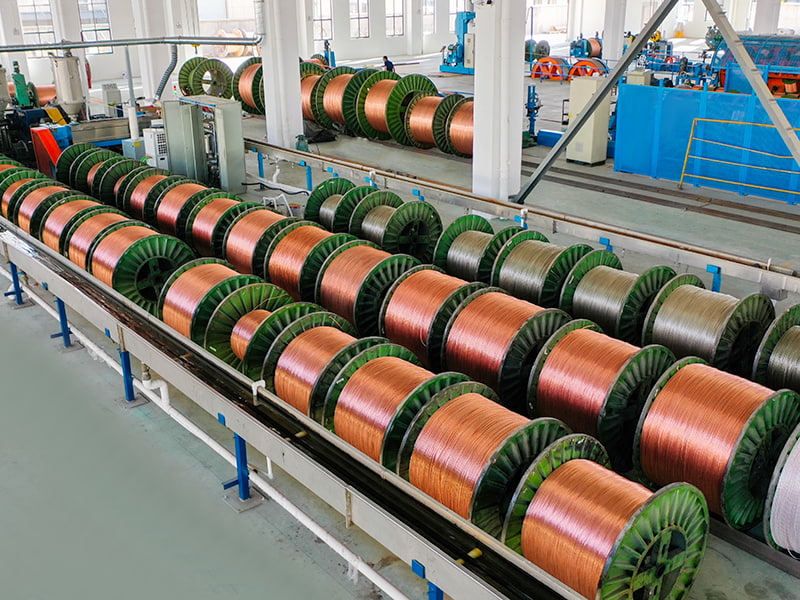
Zhejiang Huapu Cable Co., Ltd. is a professional wire and cable manufacturer integrating production, sales, R&D, and service. The company specializes in the production and development of a wide range of products, including cross-linked polyethylene and PVC insulated power cables, control cables, overhead cables, aluminum stranded wires, steel-cored aluminum stranded wires, building wires, general rubber-sheathed flexible cables, power plug cords, radio frequency cables, communication cables, computer cables, as well as special electrical equipment products such as low-smoke halogen-free, flame-retardant, fire-resistant, and fireproof cables.

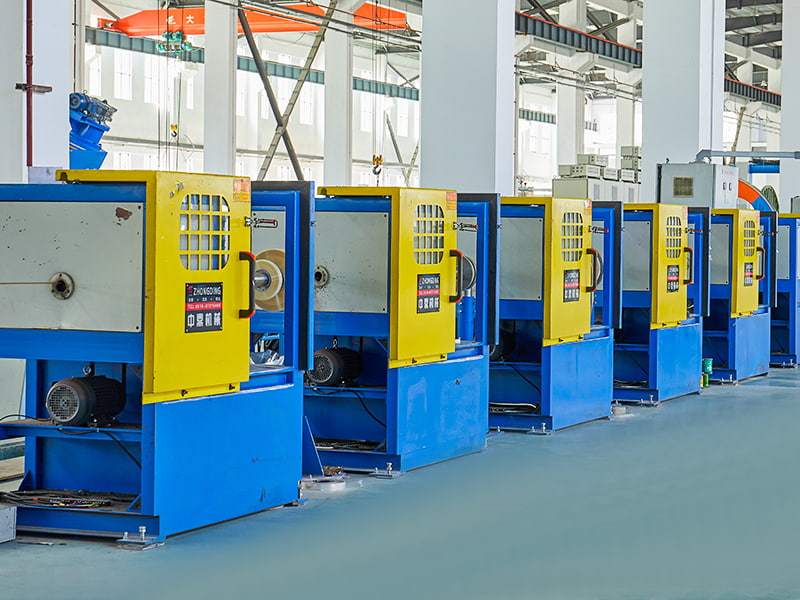
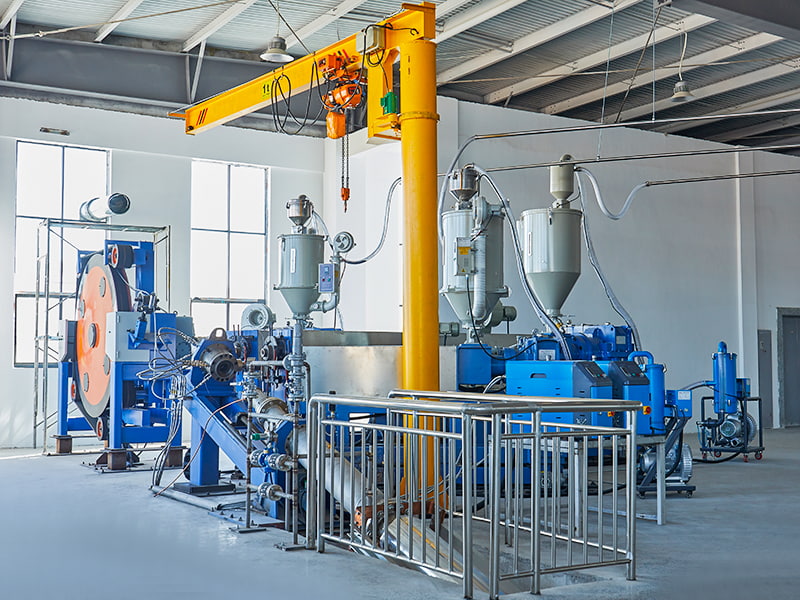
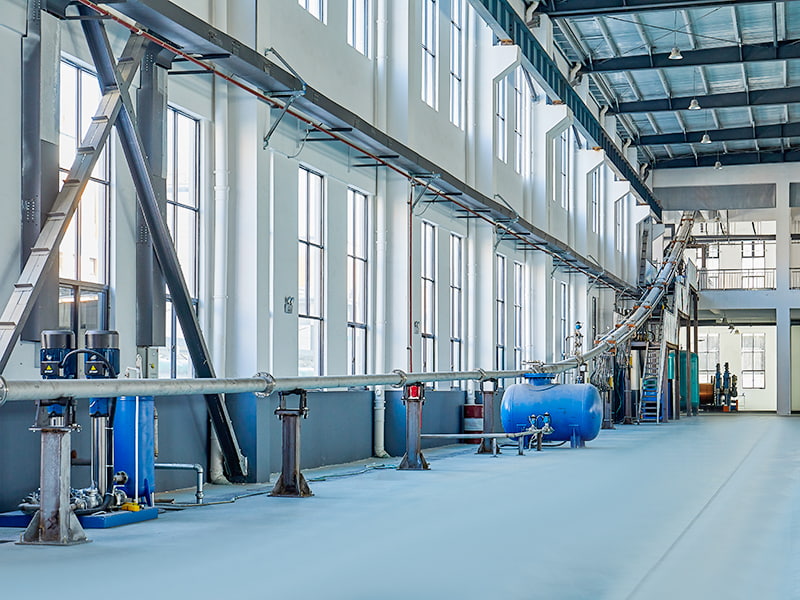
As Copper Building Wire (PVC/XLPE Insulated Electrical Wire) Manufacturers and Copper Building Wire (PVC/XLPE Insulated Electrical Wire) Suppliers in China, Equipped with advanced technology, robust technical expertise, comprehensive testing capabilities, and well-equipped laboratory facilities, the company operates modern production lines and utilizes state-of-the-art inspection and testing equipment. It has obtained certifications including National High-Tech Enterprise recognition, ISO 9001 Quality Management System, ISO 14001 Environmental Management System, OHSAS 18001 Occupational Health and Safety Management System, "Zhejiang Manufacturing" standards, and China Compulsory Product (CCC) certification. The company also holds a National Industrial Product Production License.

As Copper Building Wire (PVC/XLPE Insulated Electrical Wire) Factory and Cross-linked Polyolefin/PVC/Rubber Insulated Cable with Rated Voltage 450/750V and Below Suppliers, the company has established a comprehensive management system, firmly believing that superior quality is the key to customer satisfaction and market success, which helps build a high-end brand image. Based on customer needs, the company continuously strives for innovation to maximize benefits for its clients.

Guided by the principles of rigor, efficiency, integrity, pragmatism, humility, and unity, the company aims to become a global advocate for green and environmentally friendly products. While providing top-tier wire and cable products, supply Custom Cross-linked Polyolefin/PVC/Rubber Insulated Cable with Rated Voltage 450/750V and Below, it is committed to collaborating with partners from all sectors through scientific management, standardized production, premium quality, satisfactory service, and an outstanding reputation to achieve mutual success.

  • Zhejiang Huapu Cable Co., Ltd.

    0 01

    Company registered

  • Zhejiang Huapu Cable Co., Ltd.

    002

    Factory area

  • Zhejiang Huapu Cable Co., Ltd.

    003

    Employees

  • Zhejiang Huapu Cable Co., Ltd.

    USD0million04

    Annual Sales Volume

HIGH STANDARD HONOUR

Environmental protection certification and standards

News & Blog
  • Meet Huapu Cable at Booth B6 & B6A | Erbil Build Expo 2026 Meet Huapu Cable at Booth B6 & B6A | Erbil Build Expo 2026
    23 Jul 26- We are delighted to announce that Zhejiang Huapu Cable Co., Ltd. will participate in Erbil Build Expo 2026, one of the largest and most influential construction and infrastructure exhibitions in Iraq and the Kurdistan Region. As a professional wire and cable manufacturer from China, we warmly invite distributors, EPC contractors, electrical wholesalers, construction companies, project developers, and industry professionals to visit our booth and discover our latest cable solutions.   Exhibition Information Exhibition:Erbil Build Expo 2026 Date:August 27–30, 2026 Venue:Erbil International Fairground, Erbil, Iraq Booth:B6 & B6A  Products on Display:Building Wires, Power Cables, Solar Cables, Fire-Resistant Cables, Flame-Retardant Cables, Control Cables and Customized Cable Solutions Erbil Build Expo is one of Iraq's premier construction exhibitions, attracting hundreds of exhibitors and thousands of professional visitors from Iraq, the Middle East, and neighboring countries. It provides an excellent platform for manufacturers, suppliers, contractors, and distributors to establish new partnerships and explore business opportunities in the region. Visit Huapu Cable at Booth B6 & B6A If you are looking for a reliable wire and cable manufacturer in China, we invite you to visit Booth B6 & B6A during Erbil Build Expo 2026. Our experienced sales and technical teams will be available throughout the exhibition to introduce our latest products, discuss your project requirements, and explore long-term cooperation opportunities. Whether you are sourcing products for residential construction, commercial buildings, industrial facilities, renewable energy projects, or infrastructure developments, Huapu Cable is ready to support your business with reliable products and professional service. Why Iraq Is an Important Market for Wire & Cable Driven by continuous investment in housing, commercial construction, industrial facilities, renewable energy, and public infrastructure, Iraq's demand for high-quality electrical cables continues to grow. Professional distributors and contractors are increasingly seeking manufacturers capable of supplying products that offer consistent quality, competitive pricing, and reliable delivery. Huapu Cable is committed to supporting customers in Iraq with dependable cable solutions tailored to local market requirements. Products We Will Showcase During Erbil Build Expo 2026, visitors will have the opportunity to explore our comprehensive range of cable products. Building Wires Reliable building wires designed for residential, commercial, and industrial electrical installations with excellent safety and durability. Low Voltage Power Cables Suitable for power distribution systems, industrial plants, utility projects, commercial buildings, and infrastructure applications. Solar PV Cables Designed for photovoltaic systems with outstanding UV resistance, weather resistance, and long service life under harsh outdoor environments. Fire-Resistant & Flame-Retardant Cables Ideal for hospitals, airports, shopping malls, metro systems, high-rise buildings, and other projects requiring enhanced fire safety. Control Cables Reliable solutions for industrial automation, machinery, instrumentation, and process control applications. Customized Cable Solutions We also provide customized services including: OEM & ODM manufacturing Customized cable structures Private label printing Special packaging Project-specific specifications Why Choose Huapu Cable With more than 20 years of manufacturing experience, Zhejiang Huapu Cable Co., Ltd. has become a trusted supplier serving customers in multiple international markets. Our advantages include: Modern manufacturing facilities Advanced production equipment Strict quality management Professional R&D and engineering support International manufacturing standards Flexible OEM & ODM services Stable production capacity Competitive pricing Reliable delivery Professional export experience Our mission is to provide high-quality cable products that help our partners succeed in competitive markets. Looking for Business Partners in Iraq At Erbil Build Expo 2026, we are actively seeking long-term cooperation with: Electrical distributors Cable wholesalers EPC contractors Construction companies Government project suppliers Renewable energy companies Industrial manufacturers Engineering consultants Whether you require standard products or customized cable solutions, our team is ready to discuss your business needs and provide professional technical support. Let's Meet at Booth B6 & B6A If you will be attending Erbil Build Expo 2026, we sincerely invite you to visit Booth B6 & B6A. Meet our sales and technical specialists, explore our latest products, discuss your projects, and discover how Huapu Cable can become your reliable cable manufacturing partner for Iraq and the Middle East. Exhibition Details Booth: B6 & B6A Date: August 27–30, 2026 Venue: Erbil International Fairground, Erbil, Iraq We look forward to welcoming you and building long-term partnerships together. Frequently Asked Questions (FAQ) What products will Huapu Cable exhibit at Erbil Build Expo 2026? We will showcase building wires, low-voltage power cables, solar PV cables, fire-resistant cables, flame-retardant cables, control cables, and customized cable solutions for residential, commercial, industrial, and infrastructure projects. Can Huapu Cable provide OEM cable manufacturing? Yes. We offer comprehensive OEM and ODM services, including customized cable specifications, packaging, printing, branding, and project-specific manufacturing. Do you export cables to Iraq and the Middle East? Yes. Huapu Cable is actively expanding its presence in Iraq and the Middle East and is seeking long-term partnerships with distributors, contractors, EPC companies, and project developers throughout the region. Why should I visit Booth B6 & B6A? At Booth B6 & B6A, you can meet our experienced sales and technical team, explore our latest products, discuss your project requirements, request quotations, and discover customized cable solutions tailored to your business....
  • Zhejiang Huapu Cable Successfully Wraps Up at ASEW Thailand 2026: Expanding Our Footprint in Southeast Asia Zhejiang Huapu Cable Successfully Wraps Up at ASEW Thailand 2026: Expanding Our Footprint in Southeast Asia
    09 Jul 26- Bangkok, Thailand — What an incredible week of innovation and connection! Zhejiang Huapu Cable Co., Ltd. is proud to announce the successful conclusion of our exhibition at the ASEAN Sustainable Energy Week (ASEW) 2026 in Bangkok. First and foremost, we would like to extend our deepest gratitude to the Zhejiang Provincial Department of Commerce for their gracious invitation and ongoing support. It was a privilege to represent the strength and quality of Zhejiang’s manufacturing industry on one of Southeast Asia's most prominent international stages. Exploring a Vibrant and Dynamic Thai Market Navigating the bustling exhibition floor at ASEW 2026 made one thing abundantly clear: Thailand is a remarkably vibrant, dynamic, and forward-looking market. With rapid advancements in local infrastructure, industrial development, and renewable energy sectors, the demand for reliable and high-quality electrical cable solutions has never been higher. As a dedicated global electrical cable manufacturer, we were thrilled to see how perfectly our high-standard cable products align with the technical demands of Thailand's expanding energy grid and industrial projects. Building Global Connections and Local Partnerships   An exhibition is only as successful as the relationships it builds. Throughout the event, our sales and technical teams had the pleasure of meeting a diverse group of industry professionals, project engineers, and new friends from across the region. We engaged in deep, highly productive conversations regarding global cable manufacturing standards (such as IEC and TISI) and discussed tailored solutions for specific local applications. Thanks to these meaningful B2B exchanges, Zhejiang Huapu Cable has successfully reached preliminary cooperation agreements with several prominent local companies. Looking Ahead: Deepening Our Presence in Thailand These new partnerships mark a fantastic milestone for our international market expansion. We are incredibly optimistic about the future and look forward to deeply rooting our presence in Thailand. By continuously providing superior cable manufacturing, strict quality control, and exceptional customer service, we aim to grow alongside our new Thai partners and contribute to the region's sustainable development. Thank you to everyone who visited our booth, shared their industry insights, and made this exhibition a resounding success. We look forward to our next meeting! Are you looking for a reliable cable manufacturer for your next project? Explore our comprehensive range of high-quality industrial and residential cables today.  ...
  • Electrical Equipment Cables: Types, Materials & Selection Guide Electrical Equipment Cables: Types, Materials & Selection Guide
    26 Jun 26- Not All Cables Are Created Equal — Start Here A wrong cable choice rarely announces itself at purchase. It shows up six months later as a tripped breaker, a failed sensor loop, or a melted jacket on a production floor. The root cause is almost always the same: the buyer selected by voltage rating alone and ignored the application environment. Electrical equipment cables are a distinct category from power transmission cables. They connect, control, and signal within devices and installations — household appliances, industrial machinery, automation panels, computer systems — and each sub-type is engineered for a specific job. This guide cuts through the confusion so you can match the right cable to your actual requirements. Five Cable Types in This Category — and Their Real-World Jobs The category covers five product families, each with a different structural logic: Electrical equipment cable types and primary use cases Cable Type Typical Code Primary Use Max Conductor Temp Building wires for fixed indoor wiring BV (60227 IEC 01) Residential and commercial fixed wiring, lighting, outlets 70°C PVC sheathed wires for flexible connections RVV Appliances, security systems, light-duty portable equipment 70°C Plastic-insulated control cables for automation panels KVV PLC panels, relay control, motor control circuits 70°C PE-insulated computer cables for signal transmission DJYPVPR / DJYP3VP3 DCS/SCADA systems, instrumentation, EMI-sensitive data loops Per system spec Rubber-sheathed flexible cables for mobile equipment YC Construction tools, portable industrial equipment, outdoor use Per rubber grade The BV building wire — single-core, copper conductor, PVC insulation — is the workhorse of fixed wiring. It bends at 6–12D minimum radius and handles the everyday demands of residential and commercial circuits. The RVV sheathed cable bundles multiple PVC-insulated cores under an outer PVC sheath, making it the standard choice wherever a multi-conductor flexible connection is needed without special environmental demands. Conductor and Insulation: The Two Decisions That Shape Everything Else Copper is the conductor of choice across this entire category. For electrical equipment cables used in control, instrumentation, and building wiring, the combination of high conductivity (~100% IACS), flexibility, and solderability makes aluminum a non-starter. Aluminum conductors are reserved for overhead power lines and large-span transmission — not for equipment wiring where repeated flexing and tight-radius routing are the norm. Insulation material is where the real differentiation happens. PVC covers the majority of applications: cost-effective, widely available, rated for conductor temperatures up to 70°C, and fully compliant with standard installation environments. Rubber (ethylene propylene or synthetic elastomer) shifts the performance envelope toward mechanical resilience — the YC rubber-sheathed cable uses a Synthetic Elastomer SE4 type sheath precisely because construction and mobile industrial applications subject cables to continuous bending, abrasion, and outdoor exposure that PVC jackets cannot sustain long-term. PE insulation, used in computer cables, adds another dimension: superior dielectric properties that preserve signal integrity in multi-pair instrumentation loops. Reading the Product Code — Practical Examples Cable designation codes look cryptic until you understand the system. Two real examples from the product range illustrate it clearly: IA-DJYPVPR 300/500V 12×2×1.5 — Intrinsically safe (IA), PE-insulated, individual bare copper wire screen (YP), overall bare copper wire shield (R), PVC sheath (V), 300/500V rated, 12 twisted pairs, 1.5 mm² conductor cross-section. This is a fully shielded computer cable built for process control environments with high EMI. DJYP3VP3 300/500V 8×2×2.5 — Similar structure but uses aluminum-plastic composite tape for both individual pair screening (P3) and overall shielding (P3) instead of bare copper wire. Lower cost in applications where the composite tape shielding is sufficient for the noise environment. KVV — Copper conductor, PVC insulation, polypropylene-filled rope, CPP tape banding, PVC sheath. Conductor temperature ceiling: 70°C. Standard plastic-insulated control cable for fixed panel wiring; bending radius 6–12D. The voltage rating (300/500V for most computer and control cables, 450/750V for BV building wire) tells you the maximum continuous operating voltage. Always confirm your system's nominal voltage against the cable's rated Uo/U pair — the first figure is phase-to-ground, the second is phase-to-phase. Shielding: When You Need It and What Type to Specify Control circuits and instrumentation loops running near variable frequency drives, motors, or switching equipment pick up electromagnetic interference that corrupts signal readings and triggers false trips. Shielding is the engineering fix — but not all shield designs perform equally. Bare copper wire braid shields (as in IA-DJYPVPR) offer higher mechanical durability and better low-frequency coverage. Aluminum-plastic composite tape (as in DJYP3VP3) provides cost-effective high-frequency shielding for less demanding environments. For the most demanding DCS/SCADA installations, individual pair screening plus overall shielding — the approach used in the 12×2×1.5 computer cable — eliminates both inter-pair crosstalk and common-mode interference simultaneously. If your signal cables share trays with power cables, individual pair shielding is not optional; it is the baseline. Standards: What to Verify Before You Commit to a Supplier Two standards govern the bulk of this product category. IEC 60227 covers PVC-insulated cables rated up to 450/750V, specifying conductor resistance limits, insulation thickness, voltage test methods, and marking requirements. The BV building wire (sold under the designation 60227 IEC 01) and the RVV sheathed cable both fall under this standard's scope. GB standards — China's national equivalents — align closely with IEC in most parameters but include localized test procedures; for projects requiring GB compliance, ask for GB-certified test reports, not just IEC. ISO 9001 certification on the manufacturer side confirms process controls are in place, but it is not a product certification. The key documents to request are the product test report and the CCC certificate for cables sold into the Chinese market. For export, confirm which specific IEC part number the product complies with and request the third-party test data to support it. A supplier that hesitates on this is a supplier worth reconsidering. Selecting the right electrical equipment cables comes down to four questions answered in sequence: What is the application (power, control, signal)? What is the operating environment (temperature, moisture, mechanical stress, EMI)? What conductor cross-section does the load current require? And which standard governs your project? Work through those four in order and the product specification largely writes itself. .article-section { margin-bottom: 40px; } .article-section h2 { font-size: 22px; font-weight: bold; text-align: left; margin-bottom: 12px; } .article-section h3 { font-size: 16px; font-weight: bold; text-align: left; margin-bottom: 12px; } .article-section p { font-size: 16px; margin-bottom: 12px; } .article-section ul, .article-section ol { margin-bottom: 12px; } .article-section ul { list-style-type: disc; list-style-position: inside; } .article-section ol { list-style-type: decimal; } .article-section li { font-size: 16px; margin-bottom: 5px; } .article-table { display: table; text-align: center; border-collapse: collapse; width: 100%; font-size: 16px; margin-bottom: 15px; } .article-table thead { display: table-header-group; } .article-table tbody { display: table-row-group; } .article-table tr { display: table-row; } .article-table th { display: table-cell; font-weight: bold; border: 1px solid #cccccc; padding: 8px; } .article-table td { display: table-cell; border: 1px solid #cccccc; padding: 8px; } .article-table caption { caption-side: bottom; font-size: 16px; margin-bottom: 12px; font-style: italic; color: #808080; } ...
  • Flame-Retardant Cables: How They Work, Standards, and Selection Guide for Buyers Flame-Retardant Cables: How They Work, Standards, and Selection Guide for Buyers
    27 Aug 26- On a high-rise project, twenty floors of power and control cable often share a single vertical riser. Every meter of that cable is wrapped in polymer insulation — PVC, XLPE, rubber — and all of it is fuel. If a fire starts on one floor and the cable lets the flames travel up the bundle, the fire effectively climbs the building along its own wiring. This is the scenario flame-retardant cables are built for, and it is why serious tenders specify them by test standard rather than by a friendly adjective. The short answer: a flame-retardant cable is engineered to stop fire from spreading along the cable itself. It is not engineered to keep supplying power while the building burns — that is the job of fire-resistant cable, a different product tested to a different standard. Confusing the two either wastes money on circuits that never needed fire-rated construction or, far worse, leaves critical circuits dead at the exact moment they are needed most. The sections below cover how flame retardancy actually works, which standards govern it, how it differs from fire resistance, and how to match the right category to the way the cable will really be installed. What a Flame-Retardant Cable Is Designed to Do Across the industry, the working definition is deliberately blunt: a flame-retardant cable is one that will not convey or propagate flame beyond defined limits when tested. In a typical laboratory procedure, a standardized burner is applied to the cable — either a single sample or a whole bundle mounted on a vertical ladder — and then removed. The cable must self-extinguish within a fixed time, and the charred zone must stop below a set height. The numbers behind that definition matter more than the label. Under IEC 60332-3, a 3.5-meter bundle of cables burns in a vertical ladder tray, and the damaged portion must not extend more than 2.5 meters above the burner. The series is split into categories by how much non-metallic material the tray holds per meter: Category A (7 liters/m), Category B (3.5 L/m), Category C (1.5 L/m) and Category D (0.5 L/m), so a designer can match the test severity to the real density of the installation. In North America, UL 1685 (often cited together with IEEE 1202) covers vertical-tray fire spread and UL 1666 is the classic riser test; in the EU, EN 50575 makes fire performance a declared, CE-marked property of every cable intended for permanent installation in construction works. Why all this engineering for a cable? Because modern buildings carry enormous lengths of it, and a burning bundle behaves like a wick: rising heat, dripping molten insulation and fresh unburnt cable feeding in from below. Flame-retardant compounds are what break that loop, confining a small ignition to a small area instead of distributing it through the riser. Flame-Retardant and High-Temperature Resistant Wires and CablesFlame-Retardant Cables ManufacturersHigh-Temperature Resistant Wire and CableView Product → Flame-Retardant Is Not Fire-Resistant: The Difference That Decides the Spec Conclusion first: flame-retardant cable protects the building from the cable, while fire-resistant cable protects the circuit from the fire. A flame-retardant feeder that successfully self-extinguishes has still lost its insulation and its electrical continuity once flames reach it. If that feeder happens to serve a fire pump, a smoke-extraction fan, emergency lighting or a sprinkler control panel, losing the circuit during the fire itself is unacceptable — and that is precisely where codes require fire-resistant construction instead. Fire-resistant (fire-rated) cable is built and tested differently. IEC 60331 exposes the cable to a 750 °C flame for 90 minutes and requires the circuit to stay energized throughout, without short circuit or breakdown. BS 6387 goes further by adding water-spray (W) and mechanical-shock (Z) sequences on top of the fire-alone test (C). On the construction side there are two established routes: fire-resistant mica-glass tape wrapped over each conductor beneath the normal insulation, or true mineral insulated (MI) cable with a solid copper sheath and compressed magnesium oxide insulation that contains nothing combustible at all. Table 1. The two protections answer different engineering questions and are not substitutes for each other. Aspect Flame-retardant cable Fire-resistant cable Primary function Stop flame from propagating along the cable run Keep the circuit energized during the fire itself Governing tests IEC 60332 series, UL 1685/IEEE 1202, UL 1666, EN 50575 (CPR Euroclasses) IEC 60331, BS 6387, UL 2196 Behavior during a fire Cable self-extinguishes; the circuit may be lost Circuit remains live for the rated duration Typical applications General power, lighting, control and data runs in trays and risers Fire pumps, smoke extraction, emergency lighting, sprinkler controls, emergency power Mineral Insulated Fire-Resistant CablesMineral Insulated Fire-Resistant Cables ManufacturersMineral Insulated Fire-Resistant CablesView Product → Where Flame Retardancy Comes From: Halogenated vs. Halogen-Free Two chemistry routes dominate the market, and choosing between them is mostly a smoke question. The halogenated route Traditional halogenated designs use PVC compounds, usually with antimony trioxide added. When heated, the formulation releases chlorine species that interfere with the flame's radical chain reactions and promotes charring, so the cable quenches itself. It is economical and still widely used — but while it works, it emits hydrogen chloride, dense black smoke and corrosive gases, which endanger the people evacuating and corrode the electronics that survive the fire. The halogen-free route Halogen-free designs replace that chemistry with polyolefin or EVA compounds filled with aluminum trihydrate or magnesium hydroxide. Above roughly 200 °C, aluminum trihydrate releases chemically bound water in an endothermic reaction that cools the burning surface and leaves a stable, ceramic-like char. The cable still resists flame spread, but with little smoke and no corrosive halogen acid gas — the defining property of LSZH (low smoke zero halogen) designs. Smoke density is measured under IEC 61034, where many specifications demand at least 60% light transmittance, and halogen acid output is capped under the IEC 60754 series. For a fuller walkthrough of the labeling and standards, see our guide to what LSZH cables are and the fire-safety standards behind them. Tunnels, metro stations, airports, hospitals, data centers and high-rise escape routes are where low smoke earns its premium, because evacuation there depends on visibility and breathable air. Price-driven runs in ordinary, ventilated service spaces may not justify it. LSZH compounds generally cost more and can be slightly stiffer to bend, so blanket-specifying them everywhere is not automatically the safest or the cheapest engineering decision. Matching the Category to the Real Installation The most expensive mistake in this product family is buying a test result that does not match the installation. A cable that passes the single-cable test of IEC 60332-1 can still spread fire when installed twenty-deep in a ladder tray, because bundle geometry changes flame behavior completely. Specify by geometry instead: single drops in accessible spaces may legitimately rely on single-cable performance, while risers, dense trays and confined routes need bundled performance at a category matched to the expected cable volume. Regulatory context shapes the paperwork too. In the EU, EN 50575 folds fire performance into CE marking for construction cables, with CPR Euroclasses such as B2ca, Cca and Dca. In China, GB/T 18380 mirrors the IEC 60332 tests, designations ZA, ZB and ZC correspond to Category A, B and C behavior, and the WDZ prefix identifies low-smoke halogen-free constructions. A practical example from our own catalogue is WDZB1N-BYJ building wire, where WD marks low smoke and halogen-free, Z the flame-retardant function, B1 a defined burning-behavior grade and N fire-resistant performance — one construction carrying both protections for fixed building wiring. The classic demand points are high-rise risers, hospital and airport distribution, shopping-mall lighting and control, metro and rail-tunnel circuits and data-center pathways — in short, most of what modern building and infrastructure electrical installations contain. Building Wires for Fixed InstallationBuilding Wires ManufacturersCross-linked Polyolefin/PVC/Rubber Insulated Cable with Rated Voltage 450/750V and BelowView Product → A Procurement Checklist That Survives Review Before the purchase order goes out, run the specification through these six checks: Map the installation first: tray density, vertical runs and confinement decide whether single-cable or bundled-cable performance is required. Write the standard and category into the bill of quantities — "IEC 60332-3-24, Category C" — instead of the generic phrase "flame retardant," which invites the cheapest passing interpretation. Settle the halogen question explicitly: choose LSZH where evacuation visibility or sensitive electronics matter, and require the smoke and gas tests (IEC 61034, IEC 60754) on the same datasheet. Split the two protections deliberately: circuits that must stay live in a fire — fire pumps, smoke extraction, emergency lighting — get IEC 60331 or BS 6387 fire-resistant cable, not just stronger flame retardancy. Ask for type-test reports tied to the exact construction, conductor size and voltage rating; a certificate for a different design is decoration, not evidence. Check whether one combined construction — flame-retardant, low-smoke and fire-resistant — can replace stacked single-purpose cables; combined designs usually reduce tray congestion and total cost. Flame-retardant cable is a purchase where the specification language does most of the safety work. Keep the distinction clear — retardancy stops flame spread, resistance keeps the circuit alive — match the test standard to the real installation geometry, and verify every claim with reports rather than adjectives. Zhejiang Huapu Cable manufactures across the power, electrical-equipment, special and communication cable ranges, including flame-retardant and high-temperature-resistant constructions, mineral insulated fire-resistant cable and LSZH building wire. Our engineers work regularly with buyers and contractors who need a tender's fire-safety clauses translated into the right product with supporting test documentation, and we welcome drawings or specification extracts for exactly that kind of review. .article-section table{display: table!important;} .article-section thead{display: table-header-group!important;} .article-section tbody{display: table-row-group!important;} .article-section tr{display: table-row!important;} .article-section th{display: table-cell!important;} .article-section td{display: table-cell!important;} .article-section caption{caption-side:bottom;font-size:16px;margin-bottom:12px;font-style:italic;color:#808080;} .article-section th{font-weight:bold;border:1px solid #cccccc;padding:8px;} .article-section td{border:1px solid #cccccc;padding:8px;} .article-section ol{margin-bottom:12px;list-style-type:decimal;list-style-position:inside;padding-left:0;} .article-section ul{margin-bottom:12px;list-style-type:disc;list-style-position:inside;} .article-section li{list-style:inherit;font-size:16px;margin-bottom:6px;} .article-section h2{font-size:22px;font-weight:bold;text-align:left;margin-bottom:12px!important;} .article-section h3{font-size:16px;font-weight:bold;text-align:left;margin-bottom:12px;} .article-section p{font-size:16px!important;margin-bottom:12px;} .product-card{display:block;margin:20px 0;border:1px solid #e5e7eb;border-radius:10px;overflow:hidden;font-style:normal;background:#fff} .pc-inner{display:flex;text-decoration:none;color:inherit;align-items:center;min-height:120px} .pc-img{width:160px;min-width:160px;aspect-ratio:4/3;height:auto;min-height:120px;object-fit:cover;flex-shrink:0;display:block;align-self:stretch} .pc-body{padding:12px 16px;flex:1;min-width:0;display:flex;flex-direction:column;align-self:stretch;justify-content:center} .pc-title{display:block;font-size:15px;font-weight:600;color:#111;margin:0 0 6px;line-height:1.4} .pc-desc{display:-webkit-box;font-size:13px;color:#6b7280;margin:0 0 8px;line-height:1.5;overflow:hidden;-webkit-line-clamp:2;line-clamp:2;-webkit-box-orient:vertical} .pc-cta{display:block;font-size:13px;font-weight:600;color:inherit;margin-top:auto} .pc-inner:hover .pc-title{text-decoration:underline} .article-section a:not(.pc-inner),article a:not(.pc-inner){color:inherit}.pc-cta{color:inherit!important}...

  • Sheathed Wires Explained: Types, Benefits, and Practical Selection Guide Sheathed Wires Explained: Types, Benefits, and Practical Selection Guide
    21 Aug 26- On a typical wiring project, the difference between a reliable electrical system and a costly failure often comes down to the cable jacket. Sheathed wires—also called thermoplastic-sheathed cables or non-metallic sheathed cables—are a common choice for fixed installations because they combine several individually insulated conductors inside a single protective outer sheath. That sheath is the first line of defense against abrasion, moisture, and accidental impact. The short version: for most residential and light commercial indoor wiring, PVC sheathed wires deliver the best balance of performance and cost. For industrial environments or public buildings where smoke and heat are a concern, low-smoke zero-halogen (LSZH) or rubber sheathing is the safer choice. Once you understand the materials and the installation conditions, the selection process becomes fairly simple. What Exactly Is a Sheathed Wire? A sheathed wire is a complete cable assembly. Inside the outer sheath you find two or more individually insulated conductors, and sometimes a bare or insulated earth or ground conductor. The outer sheath binds them together, protects them, and allows one cable to be pulled through a wall or conduit as a single unit. Insulation and sheath serve different roles. Insulation covers each conductor to keep current from leaking. The sheath wraps the whole group to provide additional mechanical and environmental protection. In a TPS cable, the sheath is typically extruded PVC, which is tough, flexible, and resistant to many chemicals. In North America, this construction is called NM (non-metallic) sheathed cable, and it is widely used in residential branch wiring. Because the sheath is the part you touch and route, its properties directly affect how easy the cable is to install and how long it lasts in service. Why the Sheath Matters The functional role of a sheathed wire goes beyond simply keeping conductors together. A well-designed sheath provides several measurable benefits: Mechanical protection: The sheath absorbs the abuse of pulling, bending, and tightening during installation and routine maintenance. Moisture and chemical resistance: Depending on material, the sheath protects conductors from humidity, oils, and corrosive atmospheres. Fire performance: Materials such as LSZH limit smoke and halogens, giving occupants more time to escape in an emergency. Safety and compliance: The correct sheath helps you meet local electrical standards for residential and industrial installations. Convenience and organization: Sheathed wires reduce clutter and make it easier to identify circuits and routings. These advantages are why building codes in many countries require a protective sheath for fixed wiring rather than allowing bare insulated conductors alone. Sheathing Materials Compared The main difference between sheathed wire models is the outer jacket material. Each material has a set of properties that suit certain environments, so matching the sheath to the application is critical. Table 1. Common sheath materials and typical use cases for sheathed wires. Material Key Characteristics Typical Applications PVC Flexible, resistant to moisture and abrasion, low cost Residential wiring, commercial lighting, conduit installations LSZH Low smoke, no halogens, improved fire safety Public buildings, tunnels, data centers, escape routes Rubber High flexibility, tough, withstands oils and extreme temperatures Industrial machinery, portable tools, outdoor areas Metal / Armored High mechanical strength, rodent protection Direct burial, industrial plants, buried cable runs For most building wiring, a good PVC sheathed wire is cost-effective and performs well. At Huapu Cable, our range of PVC sheathed wires covers common power and lighting circuits with reliable insulation and a durable jacket. Sheathed Wires Manufacturers, Suppliers, FactoryAs China Sheathed Wires Manufacturers, Sheathed Wires Suppliers and Factory, Huapu offer Custom PVC Sheathed Flexible Cable for sale.View Product → Where to Use Sheathed Wires Sheathed wires appear in almost every building with fixed electrical equipment. They are the everyday cable for final connections and branch circuits. Residential: Two-core and three-core cables for lighting circuits, socket outlets, and domestic appliances. Commercial: Power supply for office outlets, HVAC equipment, and general lighting in shops and offices. Industrial: Control circuits, motor wiring, and equipment connections where durability and flexibility matter. Outdoor and underground: Cables with appropriate moisture resistance and mechanical armor for trench or duct installation. For industrial control panels and motor circuits, flexible control cables with robust PVC sheathing are often a better fit than standard building wires. Infrastructure projects such as schools, hospitals, and transport hubs also rely on sheathed wires for branch circuits and final connections, which is why we maintain dedicated support for infrastructure wiring projects. Plastic Insulated Control Cable Manufacturers, Multi-Core Control Cable SupplierAs Control Cable Manufacturers and Plastic Insulated Control Cable Suppliers, Multi-Core Control Cable Factory, Huapu offer Custom Contro...View Product → How to Choose the Right Sheathed Wire Start with the electrical requirements, then add the environment. The following steps reflect the same logic our engineers use when helping contractors and maintenance teams select cable. Determine the operating voltage: Choose a cable rated for your system voltage, such as 300/500V or 450/750V. Calculate the current: Select a conductor size in mm² or AWG that handles the expected load with proper derating for ambient temperature and bundling. Choose the number of cores: Typical configurations are 2, 3, 4, or 5 cores for single-phase or three-phase circuits. Select the sheath material: Use PVC for general indoor use, LSZH for occupied areas with fire risk, and rubber for flexing or harsh environments. Consider installation conditions: Ambient temperature, sunlight exposure, moisture, and mechanical impact all affect sheath performance. Don’t oversize or undersize the cable. Under-sizing causes overheating; oversizing wastes money and makes termination more difficult. A reliable way to avoid both is to follow the specific current-carrying capacity tables in the standard you are working to. For a clearer understanding of real-world failure and safety factors, our technical guide explains how sheathed wires enhance safety in industrial and residential settings. Your installation may also need building wire options for panel wiring, meter connections, or other fixed internal runs. Building Wires Manufacturers, Suppliers, FactoryAs China Building Wires Manufacturers, Building Wires Suppliers and Factory, Huapu offer Custom Cross-linked Polyolefin/PVC/Rubber Insula...View Product → Practical Installation Tips Even a good cable will fail early if it is installed carelessly. Respect the minimum bending radius to avoid cracking the sheath. Always strip the sheath with a proper tool so you don’t nick the conductor insulation. In conduit runs, pull with steady pressure and use cable lubricant when needed. For outdoor burial, verify that the cable is rated for direct burial or install it in a duct. Sheathed wires are forgiving, but the jacket is the key to long service life. A small scratch or crush during installation can let moisture in and cause a fault years later. Careful handling pays off. Conclusion Choosing the right sheathed wire is about matching the outer protection to the real working environment. PVC sheathed wires cover most indoor building needs, LSZH adds fire safety, and rubber or armored types handle the harshest site conditions. Take a few minutes to check voltage, current, core count, and sheath material before ordering; the investment in a few simple decisions pays off in faster installation and fewer callbacks. .article-section table{display: table!important;} .article-section thead{display: table-header-group!important;} .article-section tbody{display: table-row-group!important;} .article-section tr{display: table-row!important;} .article-section th{display: table-cell!important;} .article-section td{display: table-cell!important;} .article-section caption{caption-side:bottom;font-size:16px;margin-bottom:12px;font-style:italic;color:#808080;} .article-section th{font-weight:bold;border:1px solid #cccccc;padding:8px;} .article-section td{border:1px solid #cccccc;padding:8px;} .article-section ol{margin-bottom:12px;list-style-type:decimal;list-style-position:inside;padding-left:0;} .article-section ul{margin-bottom:12px;list-style-type:disc;list-style-position:inside;} .article-section li{list-style:inherit;font-size:16px;margin-bottom:6px;} .article-section h2{font-size:22px;font-weight:bold;text-align:left;margin-bottom:12px!important;} .article-section h3{font-size:16px;font-weight:bold;text-align:left;margin-bottom:12px;} .article-section p{font-size:16px!important;margin-bottom:12px;} .product-card{display:block;margin:20px 0;border:1px solid #e5e7eb;border-radius:10px;overflow:hidden;font-style:normal;background:#fff} .pc-inner{display:flex;text-decoration:none;color:inherit;align-items:center;min-height:120px} .pc-img{width:160px;min-width:160px;aspect-ratio:4/3;height:auto;min-height:120px;object-fit:cover;flex-shrink:0;display:block;align-self:stretch} .pc-body{padding:12px 16px;flex:1;min-width:0;display:flex;flex-direction:column;align-self:stretch;justify-content:center} .pc-title{display:block;font-size:15px;font-weight:600;color:#111;margin:0 0 6px;line-height:1.4} .pc-desc{display:-webkit-box;font-size:13px;color:#6b7280;margin:0 0 8px;line-height:1.5;overflow:hidden;-webkit-line-clamp:2;line-clamp:2;-webkit-box-orient:vertical} .pc-cta{display:block;font-size:13px;font-weight:600;color:inherit;margin-top:auto} .pc-inner:hover .pc-title{text-decoration:underline} .article-section a:not(.pc-inner),article a:not(.pc-inner){color:inherit}.pc-cta{color:inherit!important}...
  • STA vs. SSTA Armour: Structure and Applications in Medium Voltage Cables STA vs. SSTA Armour: Structure and Applications in Medium Voltage Cables
    20 Aug 26- STA vs. SSTA: Why Does Armour Structure Matter in Medium Voltage Cables? For medium voltage cables, cable selection is not only about conductor size and voltage rating. In underground power distribution, industrial plants, substations, renewable energy projects, and infrastructure systems, cables may be exposed to mechanical impact, soil pressure, moisture, chemicals, and long-term environmental stress. The armour layer provides an additional level of mechanical protection. However, the appropriate armour material depends on the installation environment.   Two armour constructions frequently specified for power cables are: STA — Steel Tape Armour SSTA — Stainless Steel Tape Armour Although both use tape armour, the material and environmental performance are different. This guide explains the structure, material characteristics, advantages, limitations, and typical applications of STA and SSTA medium voltage cables. 01. Cable Structure | Typical MV Armoured Cable Construction A typical XLPE insulated medium voltage power cable may consist of: Conductor → Conductor Screen → XLPE Insulation → Insulation Screen → Metallic Screen → Inner Covering → Armour → Outer Sheath A typical construction can be represented as: CU / XLPE / CWS / STA / PVC Where: CU— Copper Conductor XLPE— Cross-Linked Polyethylene Insulation CWS— Copper Wire Screen STA— Steel Tape Armour PVC— PVC Outer Sheath The exact construction depends on the required voltage class, national standards, project specifications, installation method, and manufacturer design. For IEC-based medium voltage applications, IEC 60502-2 is an important reference for power cables with extruded insulation in the applicable voltage range. 02. What Is STA Armour? STA = Steel Tape Armour STA uses steel tape as the armour layer around the cable assembly. A typical structure is: Conductor → XLPE → Metallic Screen → Inner Covering → Steel Tape → Outer Sheath The main purpose of the steel tape is to provide mechanical protection. It can help protect the cable against: External impact Compression Soil pressure Mechanical damage during installation Rodent damage External forces in underground applications Key Characteristics Good Mechanical Protection Provides a protective metallic layer around the cable. Cost Effective Conventional steel tape is generally more economical than stainless steel tape. Widely Used STA is commonly considered for underground and fixed industrial power cable applications. Typical Applications Underground power distribution Industrial power systems Substations Cable trenches Utility networks Infrastructure projects General medium voltage installations 03. What Is SSTA Armour? SSTA = Stainless Steel Tape Armour SSTA uses stainless steel tape instead of conventional steel tape. The basic cable structure remains similar: Conductor → XLPE → Metallic Screen → Inner Covering → Stainless Steel Tape → Outer Sheath The main additional advantage is enhanced corrosion resistance. SSTA can therefore be considered when the cable is exposed to more demanding environmental conditions. Key Characteristics Enhanced corrosion resistance Good mechanical protection Better resistance in humid environments Suitable for demanding outdoor environments Higher material cost Typical applications may include: Coastal power projects High-humidity environments Chemical and industrial facilities Water treatment facilities Corrosive soil conditions Specialized infrastructure projects Important: SSTA is not a universally standardized abbreviation across all cable standards. The actual armour material, stainless steel grade, thickness, and construction should always be confirmed from the manufacturer's technical specification. 04. STA vs. SSTA | Side-by-Side Comparison Comparison Factor STA SSTA Armour Material Steel Tape Stainless Steel Tape Mechanical Protection Good Good Corrosion Resistance Standard Enhanced Humid Environment Suitable with proper design Better suited Coastal Environment Project dependent More suitable Chemical Environment Project dependent May be preferred Material Cost Lower Higher Typical Application General MV Projects Harsh / Corrosive Environments The fundamental difference is simple: STA focuses on mechanical protection and cost efficiency. SSTA combines mechanical protection with enhanced corrosion resistance. Therefore, SSTA should not automatically be considered "better." The correct selection depends on the actual project environment. 05. Why Does Armour Material Matter? Medium voltage power cables are often designed for long-term service. During underground installation, the armour may be exposed to: Moisture Groundwater Salts Soil contaminants Chemicals Temperature variations For this reason, armour material can become an important part of the cable's long-term reliability strategy. However, corrosion resistance does not depend on armour material alone. The complete cable system should be evaluated, including: Armour + Outer Sheath + Water Resistance + Soil Conditions + Installation Method For projects with severe moisture or water-ingress risks, additional cable design measures may be required rather than simply changing STA to SSTA. 06. Typical Applications | Where Is STA Used? STA is generally suitable for conventional medium voltage power distribution projects. Underground Power Distribution STA armoured cables can provide additional mechanical protection for underground installations. Industrial Plants They may be used for connections between: Transformers Switchgear Motors Distribution panels Industrial equipment Substations STA constructions may be used for fixed cable connections where the project specification requires armoured cable. Infrastructure Projects For standard environmental conditions, STA offers a practical balance between mechanical protection and material cost. 07. Typical Applications | Where Is SSTA Used? SSTA becomes more attractive when corrosion is an important consideration. Coastal Projects Salt and moisture can create additional corrosion risks for metallic components. High-Humidity Environments Long-term moisture exposure can increase the importance of corrosion-resistant armour materials. Chemical Plants Industrial environments may expose cables to aggressive chemical conditions. The complete cable construction should be selected according to the specific chemical exposure. Water and Infrastructure Projects Projects near water treatment facilities, reservoirs, or other high-moisture environments may consider stainless steel armour where appropriate. 08. Armour vs. Metallic Screen This distinction is particularly important for medium voltage XLPE cables. Metallic Screen and Armour are not the same component. For example: XLPE Insulation → Copper Wire Screen → Inner Covering → Steel Tape Armour → Outer Sheath The metallic screen is primarily associated with: Electric field control Earthing Fault-current paths The armour primarily provides: Mechanical protection External damage resistance Depending on the cable design and bonding arrangement, armour may also have an electrical function. Therefore, armour cannot simply replace the metallic screen. 09. Does SSTA Increase Cable Ampacity? Not automatically. Changing the armour from steel tape to stainless steel tape does not by itself increase the current-carrying capacity of a medium voltage cable. Cable ampacity depends on factors such as: Conductor material Conductor cross-sectional area XLPE insulation Installation method Ambient temperature Soil thermal resistivity Cable spacing Metallic screen arrangement Armour characteristics For example, the ampacity of an 11kV or 33kV cable must be evaluated according to its complete construction and actual installation conditions. 10. How to Choose the Right Armour? 01 — Installation Environment First determine whether the cable will be installed by: Direct burial Cable trench Duct Tunnel Cable tray Industrial installation Different installation methods create different mechanical and environmental requirements. 02 — Corrosion Risk Ask: Is the cable exposed to moisture, salt, chemicals, or corrosive soil? If the corrosion risk is low, STA may be sufficient. If corrosion resistance is a major concern, SSTA may be worth considering. 03 — Project Specification EPC contractors, utilities, and industrial customers may specify: Armour material Armour thickness Sheath material Water-blocking requirements Fire performance Mechanical protection Testing requirements The project specification should always take priority. 04 — Lifecycle Cost The lowest purchase price is not always the lowest lifecycle cost. A better comparison is: Initial Cost + Installation Cost + Maintenance Risk + Expected Service Life This approach helps determine whether the additional cost of SSTA provides meaningful value. 11. Applicable Standards For IEC-based medium voltage power cables, IEC 60502-2 is an important international reference. The standard covers power cables with extruded insulation for rated voltages from 1 kV (Um = 1.2 kV) up to 30 kV (Um = 36 kV). However, the terms STA and SSTA alone do not determine whether a cable complies with a particular standard or project requirement. Always verify the complete: Cable Construction + Voltage Rating + Materials + Tests + Installation Requirements with the manufacturer's technical datasheet. 12. Quick Selection Guide Project Condition Recommended Direction Standard underground MV distribution STA General industrial power distribution STA Cable trench installation STA Cost-sensitive projects STA Coastal environment Evaluate SSTA High-humidity environment Evaluate SSTA Corrosive soil SSTA may be preferred Chemical / industrial environment SSTA may be preferred High mechanical risk Evaluate the complete armour design The key principle: Select the armour according to the environment, not simply according to the assumption that one material is universally better. FAQ Is STA suitable for medium voltage cables? Yes. STA is widely used for fixed medium voltage cable applications where additional mechanical protection is required. Is SSTA better than STA? Not in every application. SSTA primarily provides enhanced corrosion resistance, while STA offers a more economical solution for conventional environments. What does STA stand for? STA stands for Steel Tape Armour. What does SSTA stand for? SSTA generally refers to Stainless Steel Tape Armour. The exact designation should be confirmed according to the manufacturer's cable construction. What is the difference between STA and SWA? STA uses steel tape armour, while SWA uses steel wire armour. They have different mechanical characteristics and are selected according to the installation requirements. Can STA be used for underground power cables? Yes. STA is commonly used in underground power distribution and industrial power cable applications where mechanical protection is required. KEY TAKEAWAY STA and SSTA are different armour solutions for different project requirements. STA — Steel Tape Armour Cost-effective Good mechanical protection Suitable for general medium voltage applications SSTA — Stainless Steel Tape Armour Enhanced corrosion resistance Good mechanical protection More suitable for demanding or corrosive environments Higher material cost The right choice depends on: Installation Environment + Mechanical Risk + Corrosion Risk + Project Specification + Lifecycle Cost For medium voltage power cable projects, armour should always be evaluated as part of the complete cable construction. HUAPU CABLE | Medium Voltage Cable Solutions We provide customized XLPE medium voltage cables, armoured power cables, underground power cables, and MV cable solutions according to voltage rating, conductor material, armour construction, sheath material, and installation requirements.  ...