
 en
en English
 中文简体
中文简体 русский
 Español
 عربى
عربى
What is the lifespan of XLPE insulated cable?
Content
The design life of Cross-Linked Polyethylene (XLPE) insulated cables is typically 20 to 30 years. However, in actual operation, the physical service life of modern XLPE cables can reach 40 to 60 years, provided they are not subjected to long-term operation at maximum load limits and are protected from extreme environmental damage. At the rated operating temperature of 90°C, the insulation material maintains high dielectric strength. However, when the operating temperature rises to between 95°C and 105°C, the expected lifespan of the cable plummets to just 7 to 30 years.
XLPE cables have become the core backbone of medium, high, and extra-high voltage power grids due to their superior electrical insulation properties, extremely low dielectric loss, excellent heat resistance, and high mechanical strength. A cable's lifespan is a dynamic degradation function jointly determined by temperature, electric field, humidity (water treeing effect), and mechanical stress.
Core Lifespan Data and International Standards
- Design Baseline:International standards such as IEC 60502 strictly stipulate a maximum allowable continuous conductor operating temperature of 90°C for XLPE cables. This threshold is set based on the thermal oxidative degradation rate of high-molecular polymers.
- Temperature Limits:The permissible emergency overload temperature for XLPE cables ranges from 105°C to 130°C, while the instantaneous temperature they can withstand during a short circuit can reach up to 250°C (for a duration not exceeding 5 seconds).
- Actual Service Life: At the standard operating temperature of 90°C, the expected lifespan of XLPE material is between 40 and 60 years. If the cable consistently operates under partial load conditions in real-world applications (for example, with the conductor temperature maintained around 70°C), its actual lifespan can easily exceed the 50-year mark.
Core Aging Mechanisms of XLPE Cables
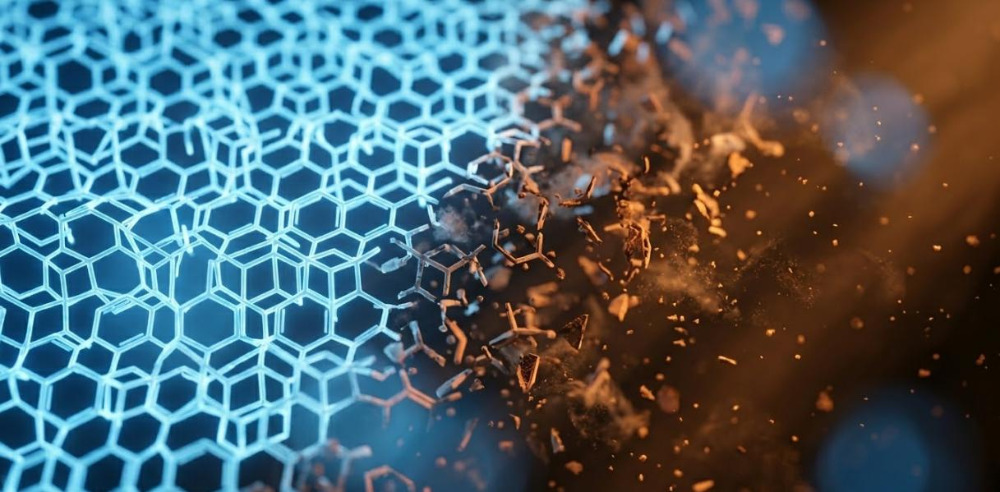
Cable insulation aging is an irreversible physical and chemical process that leads to a decline in dielectric strength. The primary mechanisms are driven by the following four stresses:
- Thermal Aging:Long-term exposure to high temperatures causes thermal oxidative degradation. Macroscopically, this manifests as embrittlement of the material, with significant drops in Elongation at Break (EAB) and tensile strength. In engineering assessments, when the EAB falls to 50% of its initial value, it is deemed the "end of physical life" for the material.
- Electrical Aging:Microscopic defects (such as voids or impurities) within the insulation layer cause electric field distortion, leading to Partial Discharge (PD). Over time, electrical corrosion forms "Electrical Treeing," which eventually penetrates the insulation layer, resulting in catastrophic breakdown. The accumulation of space charge in High Voltage Direct Current (HVDC) applications also exacerbates electric field distortion.
- Water Treeing:This is the "invisible killer" in moist environments. Under the action of an alternating electric field, moisture intrudes into microscopic defects within the insulator, forming a tree-like network of water-filled micro-voids. This significantly reduces the overall voltage-withstand capability of the insulator.
- Mechanical and Chemical Stress: Failure to adhere to minimum bending radius requirements during installation (mechanical fatigue) will expand microscopic voids, greatly promoting the initiation of partial discharge and water treeing. Furthermore, anions such as chloride ions in marine environments can trigger chemical degradation at high temperatures, causing a sharp decline in the volume resistivity of the XLPE.
Lifespan Prediction and Advanced Diagnostic Methods
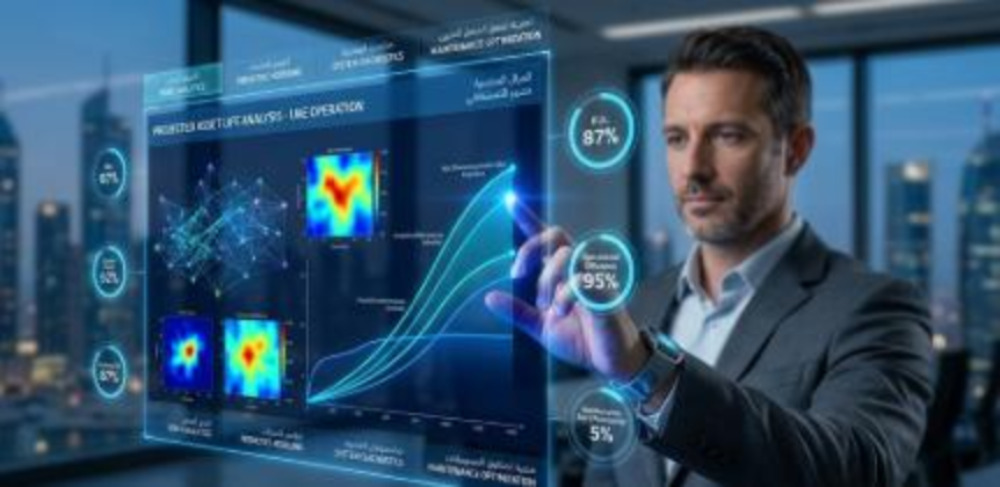
To accurately estimate the Remaining Useful Life (RUL), the industry employs the following mathematical models and non-destructive testing technologies:
Mathematical Models
- Thermal Life Prediction Model:Based on the Arrhenius equation. This model reveals an exponential relationship between temperature and lifespan: for every 10°C drop in temperature, the thermal aging lifespan doubles.
- Electrical Stress Life Model:Based on the Inverse Power Model (IPM). Its key parameter, the Voltage Endurance Coefficient (VEC), measures the material's resistance to electrical aging. High-quality XLPE materials typically have a VEC between 15 and 30.
The Evolution of Diagnostic Methods
- DC Hipot (Direct Current High Potential Testing):This is now obsolete and highly destructive. High DC voltage accumulates "space charge" inside the XLPE insulation. When AC operation resumes, the superimposed electric fields can instantly break down the fragile insulation layer.
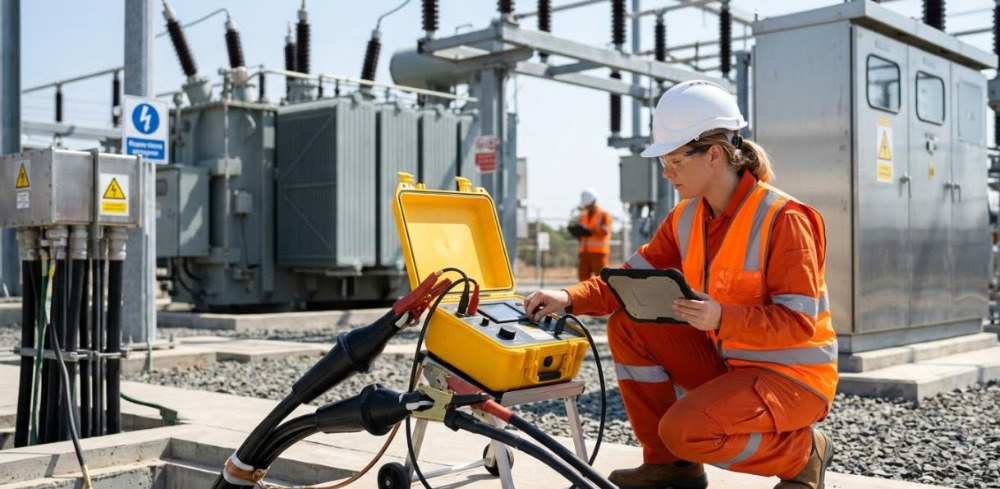
- VLF (Very Low Frequency) Testing:The industry's preferred alternative. It uses ultra-low frequency (0.1 Hz) AC power, which avoids the space charge effect while causing severely deteriorated defects to break down safely during controlled testing.
- Tan Delta (Dielectric Loss Angle Tangent) Diagnostics:The "gold standard" for assessing water tree aging and moisture ingress in XLPE cables. By measuring the non-linear increase in loss values as testing voltage rises (the "Tip-up" effect), it precisely quantifies the severity of the aging.
- Partial Discharge (PD) Monitoring: Used to accurately pinpoint microscopic defects within the insulation layer (e.g., air gaps in joints or damaged shielding layers).
Engineering Practices and Quality Assurance for Extending XLPE Cable Lifespan
Achieving a service life of over 50 years for XLPE cables requires comprehensive quality control from manufacturing to operation:
- Ultimate Control in Manufacturing and Premium Material Selection
High-purity materials must be used and produced in an ultra-clean environment.
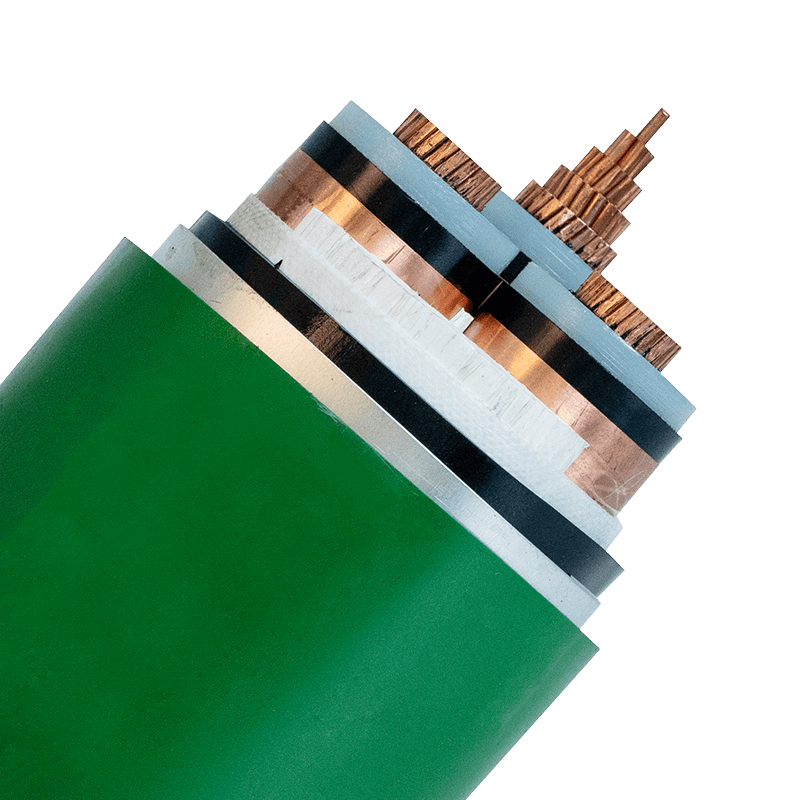
Implementing a triple extrusion process ensures atomic-level bonding between the conductor shield, XLPE insulation layer, and insulation shield, completely eliminating interlayer air gaps that could trigger partial discharge.
Utilizing Tree-Retardant XLPE (TR-XLPE) materials and comprehensive water-blocking designs (longitudinal water-blocking yarns/tapes, radial water-blocking sheaths) to absolutely isolate external moisture.
- Compliant Installation and Mechanical Protection
The bending radius (no less than 10 to 15 times the outer diameter) and pulling tension must be strictly controlled to prevent micro-cracks in the insulation layer.
Joints and terminations are the most vulnerable parts of a cable line. Their fabrication must be carried out in relatively dry, dust-free environments to avoid introducing impurities.
- Operational Environment Optimization and Thermal Management
Maintain reasonable spacing between cables to facilitate heat dissipation and prevent heat accumulation.
It is recommended to adopt derated operation, leaving an appropriate ampacity margin to avoid long-term full-load operation.
Install reliable surge protectors (lightning arresters) to absorb high-frequency voltage spikes caused by switching overvoltages and lightning strikes.
Frequently Asked Questions:
Q1: Why do modern power systems widely use XLPE cables instead of traditional PVC cables?
A: XLPE (Cross-Linked Polyethylene) features a three-dimensional networked thermosetting structure, allowing continuous operating temperatures up to 90°C, far exceeding PVC (maximum 70°C). Furthermore, XLPE boasts higher dielectric strength, lower dielectric loss, and does not release toxic halogen gases when burned. It comprehensively outperforms PVC cables in both lifespan and electrical performance.
Q2: The maximum operating temperature of an XLPE cable is 90°C. Will occasionally exceeding this temperature cause the cable to burn out immediately?
A: It will not burn out immediately, but it will accelerate thermal aging. International standards allow short-term emergency overloading up to 105°C or even 130°C. However, according to the Arrhenius aging model, for every 10°C the temperature exceeds the rated value, the degradation rate of the insulation layer doubles. Long-term over-temperature operation will drastically reduce the cable's total lifespan.
Q3: What is "Water Treeing," and how can it be prevented?
A: Water treeing is a tree-like network of micro-voids formed when moisture invades microscopic defects in the insulator and continuously extends under the combined action of an alternating electric field and a humid environment in XLPE cables. Prevention methods include: utilizing water-blocking designs (such as radial water-blocking sheaths and longitudinal water-blocking yarns), using Tree-Retardant materials (TR-XLPE), and ensuring the cable's outer sheath is not scratched during installation.
Q4: I want to test the insulation status of cables that have been in service for many years. Can I use a standard DC Hipot tester?
A: Absolutely not. Performing traditional high-voltage DC tests on XLPE cables is highly destructive. High DC voltage accumulates "space charge" within the insulation. Once AC power is restored after the test, the insulation layer—which might have otherwise continued operating normally—is highly susceptible to instant breakdown.
Q5: If DC Hipot testing shouldn't be used, how should the aging degree of XLPE cables be scientifically evaluated?
A: Industry standards recommend using Very Low Frequency (VLF, 0.1 Hz) AC withstand voltage testing combined with Tan Delta (Dielectric Loss Angle Tangent) diagnostics. VLF testing does not generate harmful space charges, while Tan Delta testing can accurately quantify the severity of water treeing inside the cable by measuring the non-linear increase characteristics (Tip-up) of leakage current at different voltages, thereby helping you plan preventive replacements.
Looking for highly reliable XLPE cables for your next project?
> Our engineering team at HUAPU CABLE is ready to help you select, customize, and deploy cables. Contact us today for a technical consultation or a custom quote.

- +86-13588204183
- No. 39 Zhiyuan Road, Deqing Economic Development Zone, Huzhou City, Zhejiang Province

Copyright © Zhejiang Huapu Cable Co., Ltd. All Rights Reserved.
 ISO 9001 Cable Manufacturer