
 en
en English
 中文简体
中文简体 русский
 Español
 عربى
عربى
Sheathed Wires Explained: Types, Benefits, and Practical Selection Guide
Content
On a typical wiring project, the difference between a reliable electrical system and a costly failure often comes down to the cable jacket. Sheathed wires—also called thermoplastic-sheathed cables or non-metallic sheathed cables—are a common choice for fixed installations because they combine several individually insulated conductors inside a single protective outer sheath. That sheath is the first line of defense against abrasion, moisture, and accidental impact.
The short version: for most residential and light commercial indoor wiring, PVC sheathed wires deliver the best balance of performance and cost. For industrial environments or public buildings where smoke and heat are a concern, low-smoke zero-halogen (LSZH) or rubber sheathing is the safer choice. Once you understand the materials and the installation conditions, the selection process becomes fairly simple.
What Exactly Is a Sheathed Wire?
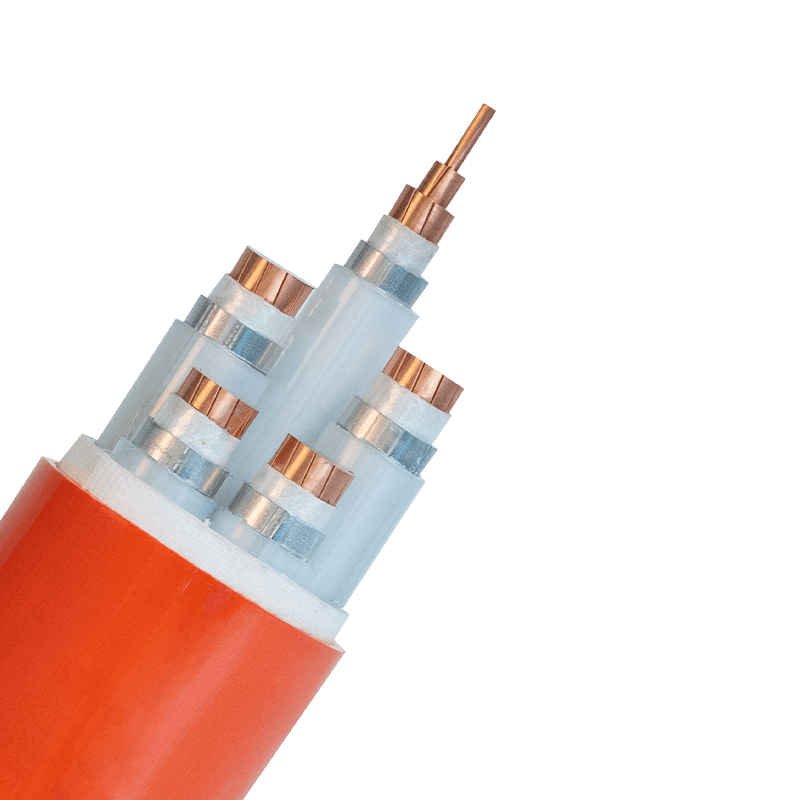
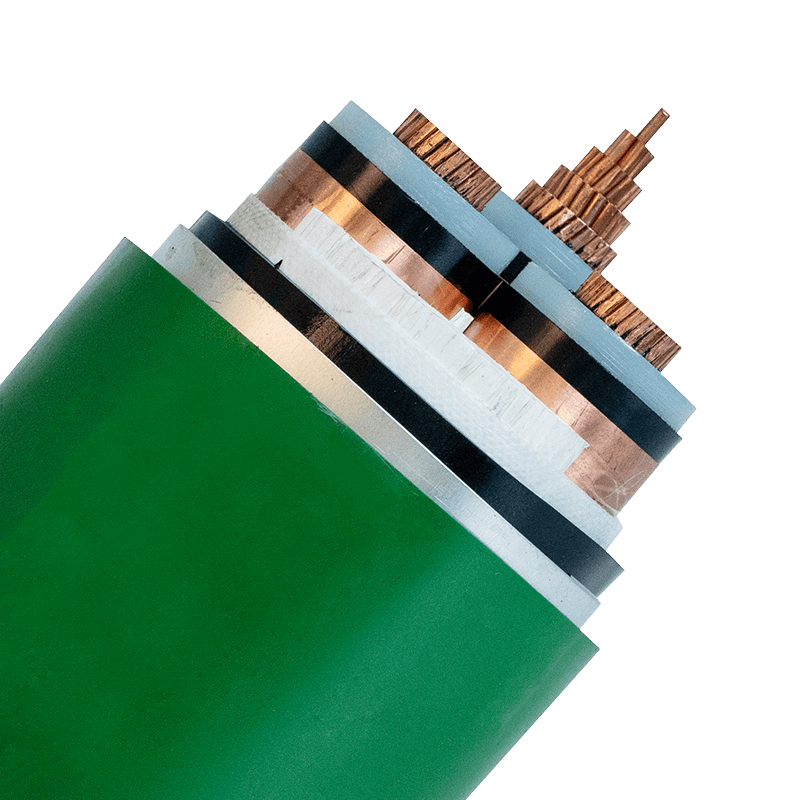
A sheathed wire is a complete cable assembly. Inside the outer sheath you find two or more individually insulated conductors, and sometimes a bare or insulated earth or ground conductor. The outer sheath binds them together, protects them, and allows one cable to be pulled through a wall or conduit as a single unit.
Insulation and sheath serve different roles. Insulation covers each conductor to keep current from leaking. The sheath wraps the whole group to provide additional mechanical and environmental protection. In a TPS cable, the sheath is typically extruded PVC, which is tough, flexible, and resistant to many chemicals. In North America, this construction is called NM (non-metallic) sheathed cable, and it is widely used in residential branch wiring.
Because the sheath is the part you touch and route, its properties directly affect how easy the cable is to install and how long it lasts in service.
Why the Sheath Matters
The functional role of a sheathed wire goes beyond simply keeping conductors together. A well-designed sheath provides several measurable benefits:
- Mechanical protection: The sheath absorbs the abuse of pulling, bending, and tightening during installation and routine maintenance.
- Moisture and chemical resistance: Depending on material, the sheath protects conductors from humidity, oils, and corrosive atmospheres.
- Fire performance: Materials such as LSZH limit smoke and halogens, giving occupants more time to escape in an emergency.
- Safety and compliance: The correct sheath helps you meet local electrical standards for residential and industrial installations.
- Convenience and organization: Sheathed wires reduce clutter and make it easier to identify circuits and routings.
These advantages are why building codes in many countries require a protective sheath for fixed wiring rather than allowing bare insulated conductors alone.
Sheathing Materials Compared
The main difference between sheathed wire models is the outer jacket material. Each material has a set of properties that suit certain environments, so matching the sheath to the application is critical.
| Material | Key Characteristics | Typical Applications |
|---|---|---|
| PVC | Flexible, resistant to moisture and abrasion, low cost | Residential wiring, commercial lighting, conduit installations |
| LSZH | Low smoke, no halogens, improved fire safety | Public buildings, tunnels, data centers, escape routes |
| Rubber | High flexibility, tough, withstands oils and extreme temperatures | Industrial machinery, portable tools, outdoor areas |
| Metal / Armored | High mechanical strength, rodent protection | Direct burial, industrial plants, buried cable runs |
For most building wiring, a good PVC sheathed wire is cost-effective and performs well. At Huapu Cable, our range of PVC sheathed wires covers common power and lighting circuits with reliable insulation and a durable jacket.
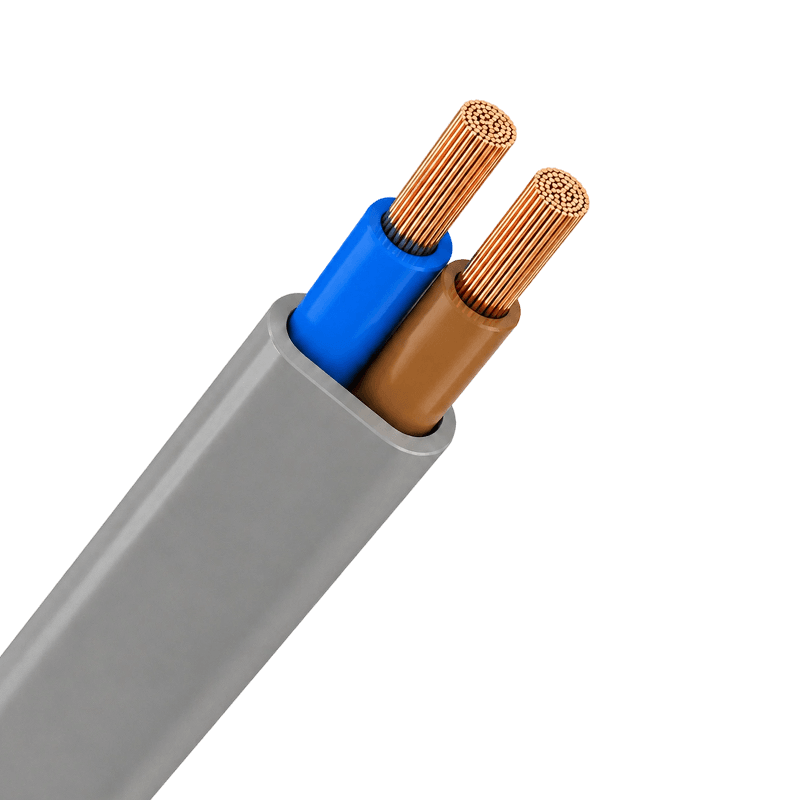 Sheathed Wires Manufacturers, Suppliers, FactoryAs China Sheathed Wires Manufacturers, Sheathed Wires Suppliers and Factory, Huapu offer Custom PVC Sheathed Flexible Cable for sale.View Product →
Where to Use Sheathed Wires
Sheathed wires appear in almost every building with fixed electrical equipment. They are the everyday cable for final connections and branch circuits.
- Residential: Two-core and three-core cables for lighting circuits, socket outlets, and domestic appliances.
- Commercial: Power supply for office outlets, HVAC equipment, and general lighting in shops and offices.
- Industrial: Control circuits, motor wiring, and equipment connections where durability and flexibility matter.
- Outdoor and underground: Cables with appropriate moisture resistance and mechanical armor for trench or duct installation.
For industrial control panels and motor circuits, flexible control cables with robust PVC sheathing are often a better fit than standard building wires. Infrastructure projects such as schools, hospitals, and transport hubs also rely on sheathed wires for branch circuits and final connections, which is why we maintain dedicated support for infrastructure wiring projects.
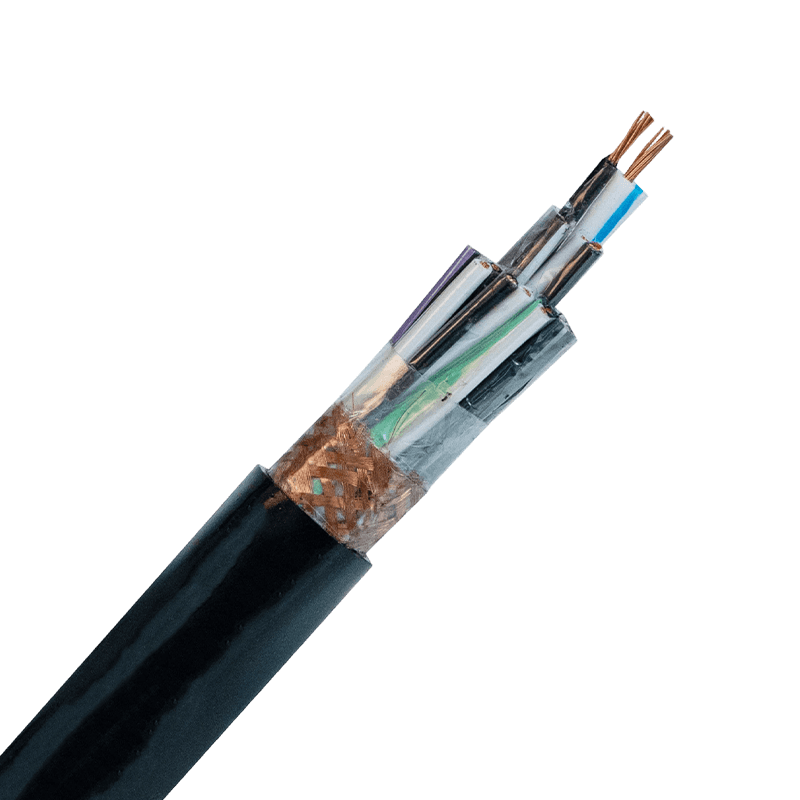
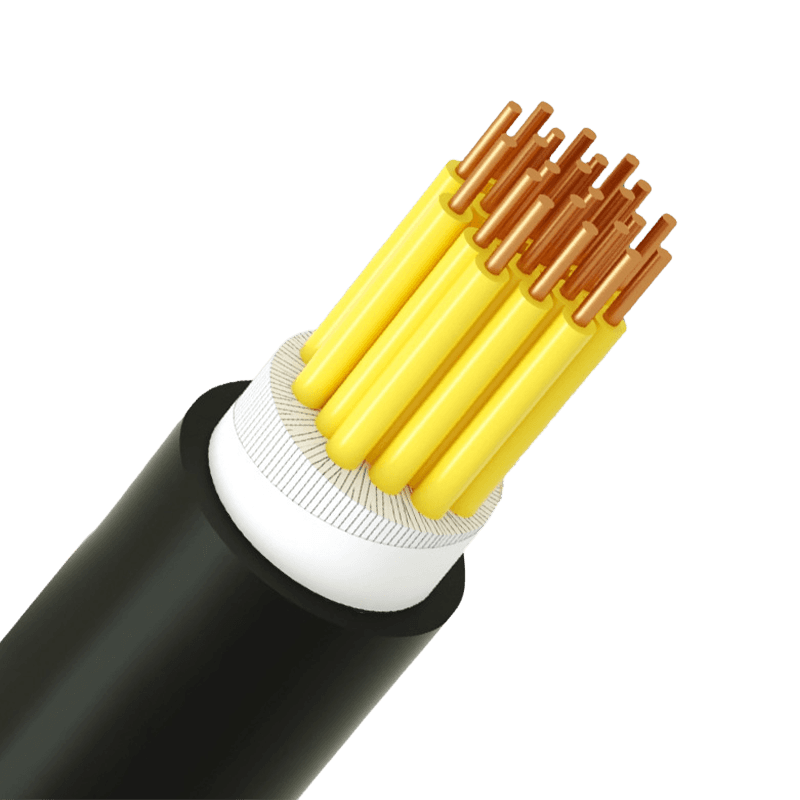 Plastic Insulated Control Cable Manufacturers, Multi-Core Control Cable SupplierAs Control Cable Manufacturers and Plastic Insulated Control Cable Suppliers, Multi-Core Control Cable Factory, Huapu offer Custom Contro...View Product →
How to Choose the Right Sheathed Wire
Start with the electrical requirements, then add the environment. The following steps reflect the same logic our engineers use when helping contractors and maintenance teams select cable.
- Determine the operating voltage: Choose a cable rated for your system voltage, such as 300/500V or 450/750V.
- Calculate the current: Select a conductor size in mm² or AWG that handles the expected load with proper derating for ambient temperature and bundling.
- Choose the number of cores: Typical configurations are 2, 3, 4, or 5 cores for single-phase or three-phase circuits.
- Select the sheath material: Use PVC for general indoor use, LSZH for occupied areas with fire risk, and rubber for flexing or harsh environments.
- Consider installation conditions: Ambient temperature, sunlight exposure, moisture, and mechanical impact all affect sheath performance.
Don’t oversize or undersize the cable. Under-sizing causes overheating; oversizing wastes money and makes termination more difficult. A reliable way to avoid both is to follow the specific current-carrying capacity tables in the standard you are working to. For a clearer understanding of real-world failure and safety factors, our technical guide explains how sheathed wires enhance safety in industrial and residential settings. Your installation may also need building wire options for panel wiring, meter connections, or other fixed internal runs.
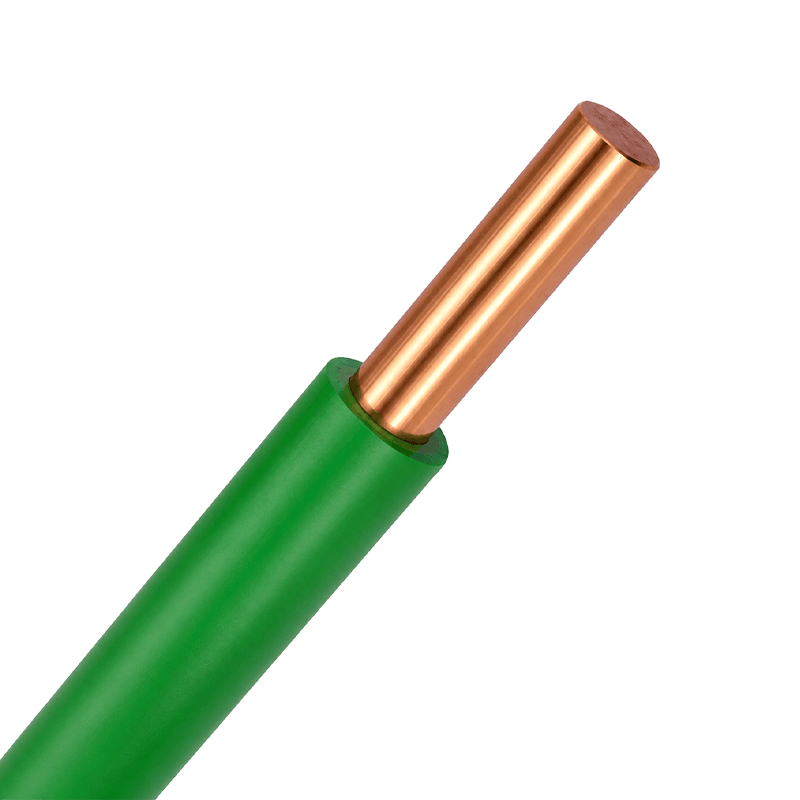 Building Wires Manufacturers, Suppliers, FactoryAs China Building Wires Manufacturers, Building Wires Suppliers and Factory, Huapu offer Custom Cross-linked Polyolefin/PVC/Rubber Insula...View Product →
Practical Installation Tips
Even a good cable will fail early if it is installed carelessly. Respect the minimum bending radius to avoid cracking the sheath. Always strip the sheath with a proper tool so you don’t nick the conductor insulation. In conduit runs, pull with steady pressure and use cable lubricant when needed. For outdoor burial, verify that the cable is rated for direct burial or install it in a duct.
Sheathed wires are forgiving, but the jacket is the key to long service life. A small scratch or crush during installation can let moisture in and cause a fault years later. Careful handling pays off.
Conclusion
Choosing the right sheathed wire is about matching the outer protection to the real working environment. PVC sheathed wires cover most indoor building needs, LSZH adds fire safety, and rubber or armored types handle the harshest site conditions. Take a few minutes to check voltage, current, core count, and sheath material before ordering; the investment in a few simple decisions pays off in faster installation and fewer callbacks.



- +86-13588204183
- No. 39 Zhiyuan Road, Deqing Economic Development Zone, Huzhou City, Zhejiang Province

Copyright © Zhejiang Huapu Cable Co., Ltd. All Rights Reserved.
 ISO 9001 Cable Manufacturer