
 en
en English
 中文简体
中文简体 русский
 Español
 عربى
عربى
How Sheathed Wires Enhance Safety in Industrial and Residential
Content
- What Are Sheathed Wires?
- Mechanical Protection: Preventing Physical Damage
- Fire Safety: Slowing Flame Spread and Reducing Toxic Smoke
- Environmental Resistance: Moisture, Chemicals, and UV Exposure
- Electrical Safety: Reducing Shock and Short-Circuit Risk
- Industrial vs. Residential Applications: Different Demands, Same Principle
- Compliance and Standards: Why Sheath Ratings Matter
- Choosing the Right Sheathed Wire for Your Project
- Conclusion
When it comes to electrical safety, the outer layer of a wire does far more than hold things together. Sheathed wires — cables wrapped in a protective outer covering around their insulated conductors — serve as the first line of defense against fire, moisture, mechanical impact, and chemical exposure. Whether you are wiring a family home or a heavy manufacturing plant, understanding how sheathed wires work is essential to building a system that stays safe over the long term.
What Are Sheathed Wires?
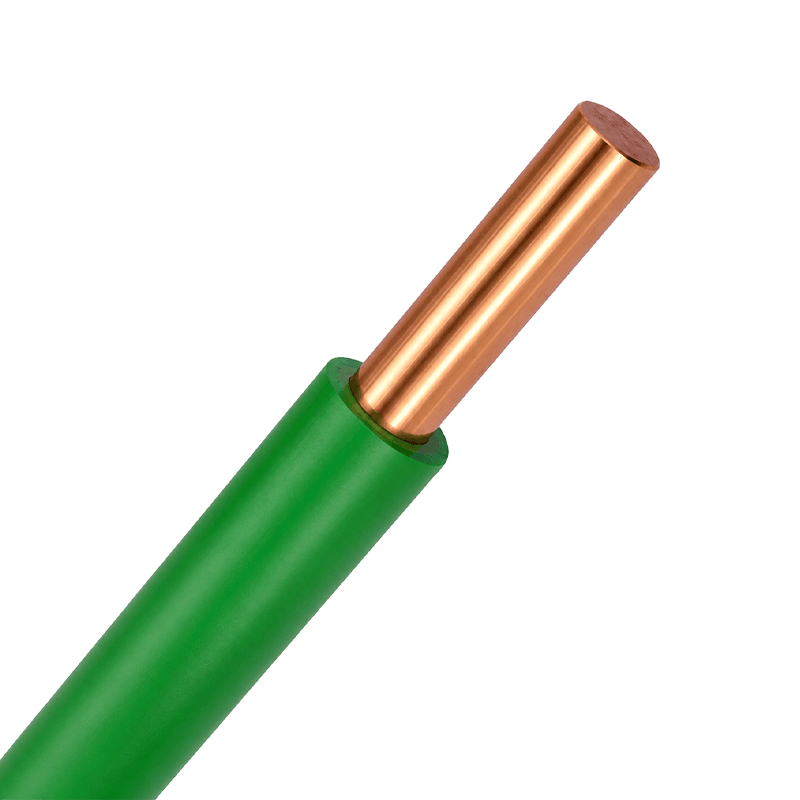
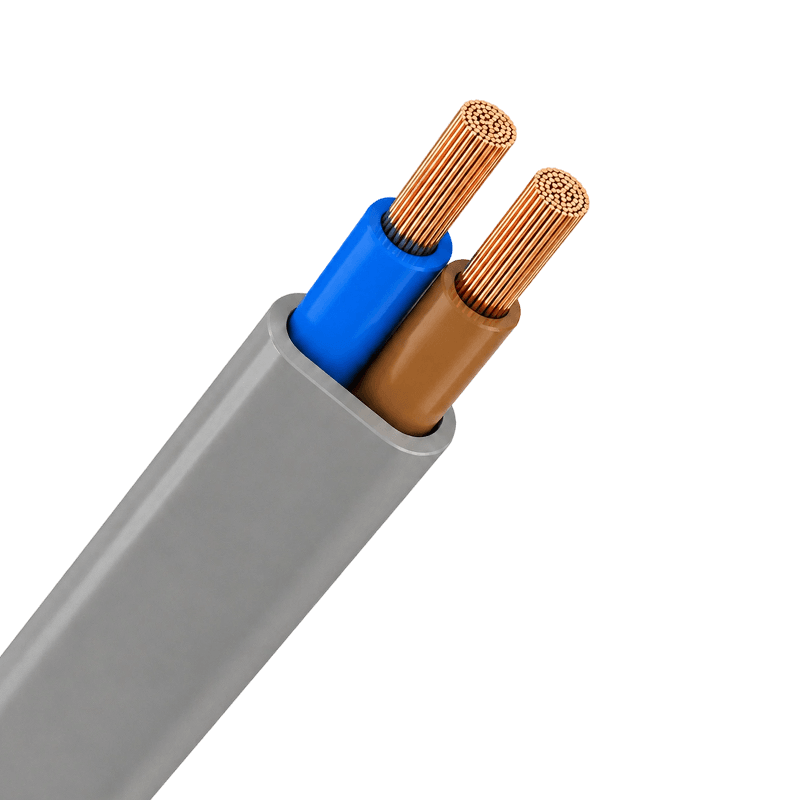
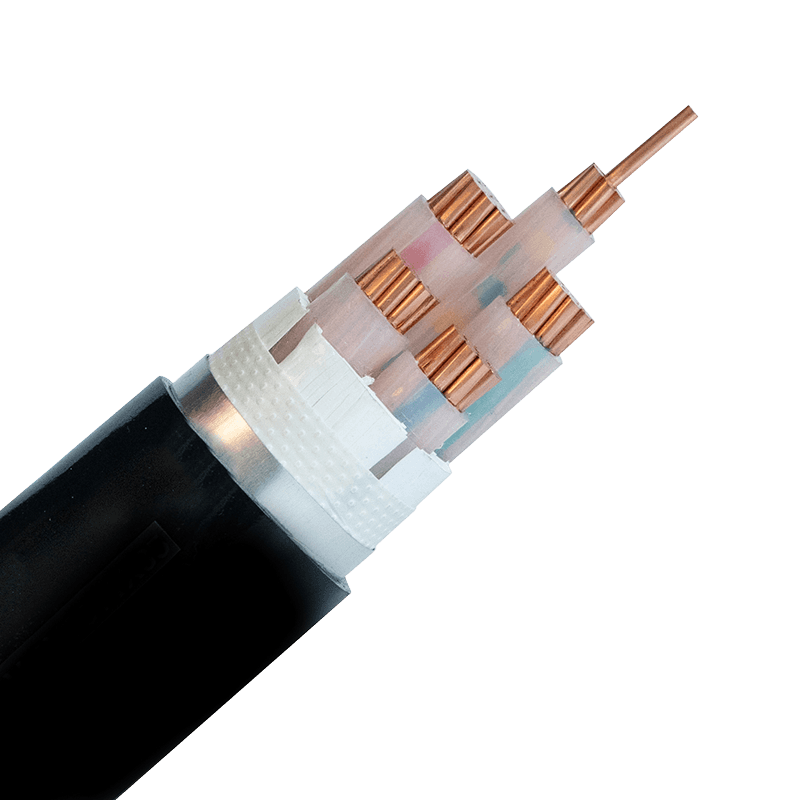
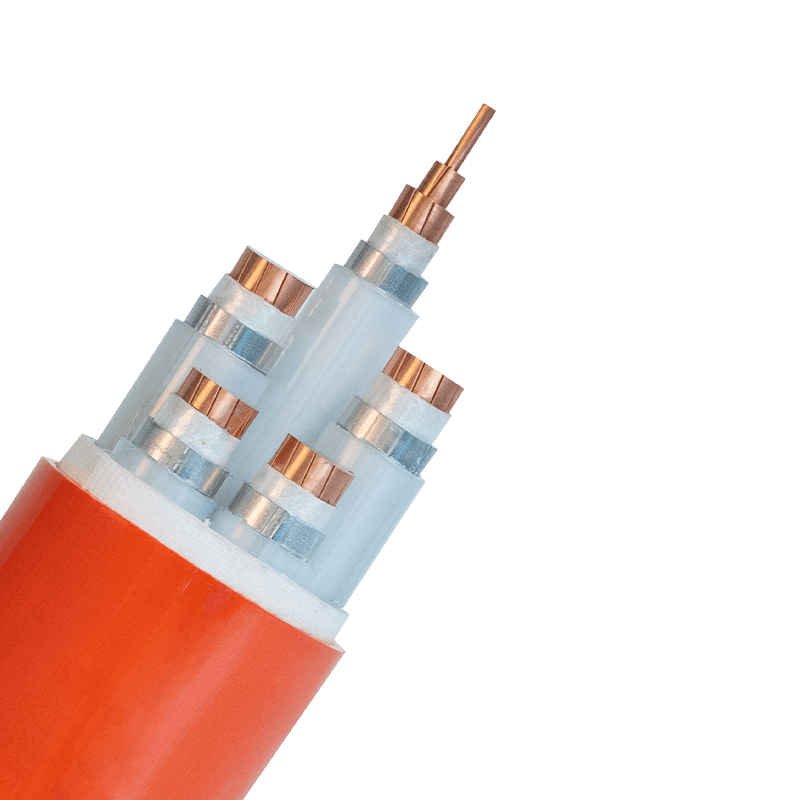
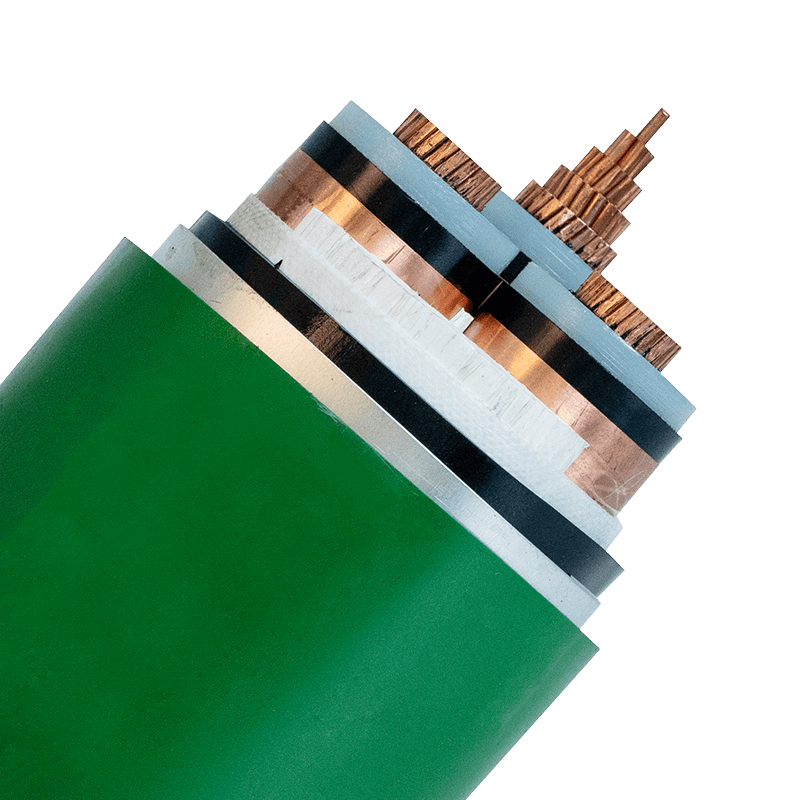
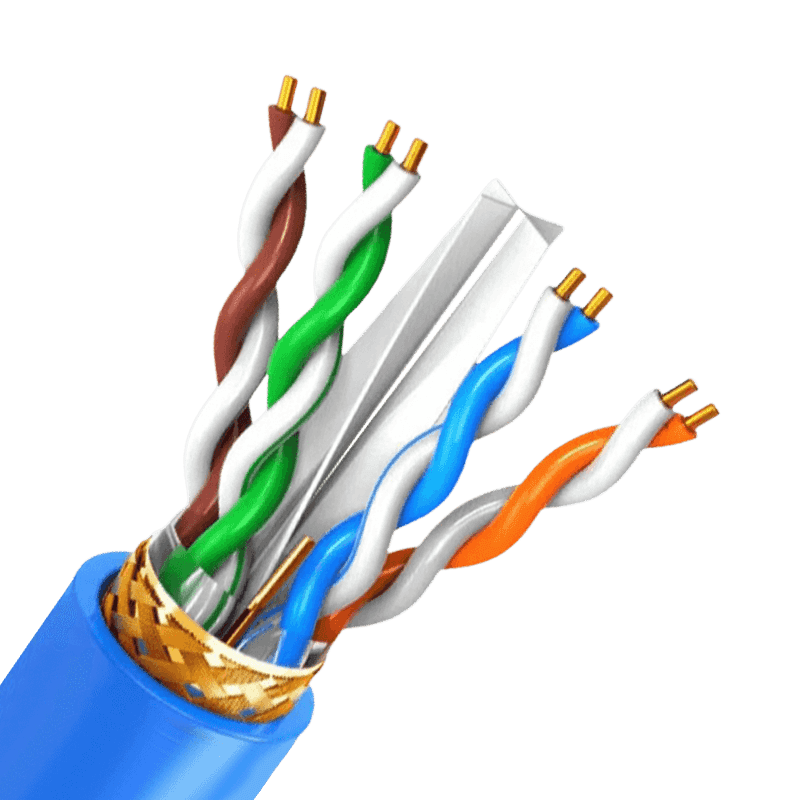
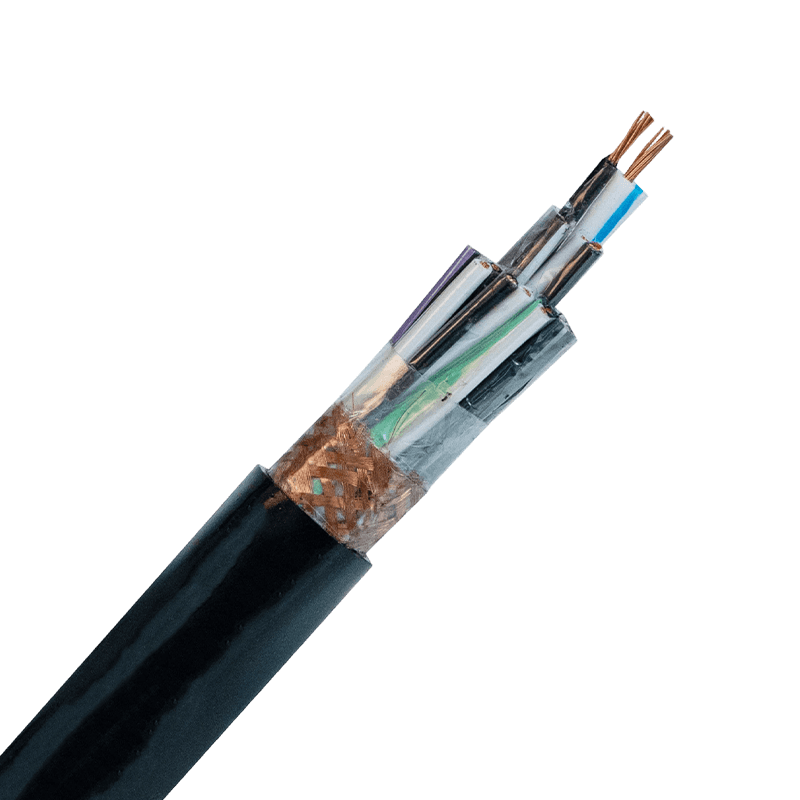
A sheathed wire consists of one or more insulated conductors enclosed within an outer protective layer, known as the sheath. This sheath is distinct from the insulation that coats each individual conductor inside. While insulation prevents electrical current from leaking between conductors, the sheath shields the entire cable assembly from external threats — physical damage, environmental exposure, and in some formulations, fire.
Common sheath materials include PVC (polyvinyl chloride), XLPE (cross-linked polyethylene), PE (polyethylene), rubber, and LSZH (Low Smoke Zero Halogen) compounds. Each material is engineered for a specific range of conditions, and selecting the correct type determines how well the wiring system holds up in the field. For a comprehensive range of options, explore our sheathed wires product series.
Mechanical Protection: Preventing Physical Damage
In any active environment — whether a factory floor or a residential wall — wires are exposed to bending, abrasion, compression, and impact. Without a sheath, even well-insulated conductors can be damaged during installation or daily operation, creating dangerous fault conditions.
Cable sheathing provides strong resistance to crushing, bending, and surface abrasion. This keeps inner conductors intact during handling, routing through conduit, and long-term service in demanding conditions. In industrial settings where equipment is frequently moved or heavy machinery operates nearby, this mechanical resilience is not optional — it is a code requirement.
For applications with extremely high mechanical stress, such as crane systems or mining equipment, rubber-sheathed cables offer superior flexibility combined with tough outer protection, allowing the cable to withstand continuous bending cycles without failure.
Fire Safety: Slowing Flame Spread and Reducing Toxic Smoke
Fire resistance is one of the most critical safety functions a sheath provides. In a building fire, unsheathed or poorly sheathed cables can become a pathway for flames to travel through walls and floors, dramatically accelerating the spread of a fire.
Modern sheath materials address this in two ways. First, flame-retardant compounds — such as treated PVC and LSZH materials — slow down how quickly a flame travels along the cable surface. Second, LSZH sheaths significantly reduce the volume of toxic smoke released if a fire does occur. This is especially important in hospitals, data centers, subway systems, and public buildings where smoke inhalation during evacuation is a primary life-safety concern.
Flame-retardant sheathing is required to meet international safety standards including UL 94 and IEC 60332. For installations where fire safety is the top priority, our flame-retardant and high-temperature resistant cables are purpose-built for exactly these environments.
Environmental Resistance: Moisture, Chemicals, and UV Exposure
Electrical conductors corrode quickly when exposed to moisture. In residential settings, this might mean a bathroom, laundry room, or an outdoor connection point. In industrial environments, the risks include chemical splashes, oils, acidic vapors, and standing water. A quality sheath blocks all of these from reaching the insulation and conductors inside.
Different sheath materials offer different levels of environmental protection:
- PVC — Good moisture and chemical resistance, operating temperatures from -10°C to 70°C, widely used in residential and light commercial wiring.
- PE (Polyethylene) — High tensile strength, excellent corrosion resistance, operating temperatures from -40°C to +70°C; preferred for outdoor and underground runs.
- XLPE — Superior heat resistance and moisture resistance; the standard choice for medium and high-voltage power cables in demanding environments.
- Rubber — Outstanding flexibility and environmental adaptability; widely used in mobile industrial equipment and harsh outdoor conditions.
- PUR (Polyurethane) — Exceptional abrasion resistance, UV resistance, and oil resistance; used in specialty industrial and outdoor applications.
For wet or chemically aggressive environments, choosing a sheath rated for those specific conditions can mean the difference between a 20-year service life and a failure within months.
Electrical Safety: Reducing Shock and Short-Circuit Risk
Beyond protecting against external threats, the sheath adds a second layer of electrical protection around the entire cable. While inner insulation prevents leakage between conductors, the outer sheath reduces the risk of accidental contact with live parts — whether by a person, an animal, or a stray metallic object.
In residential wiring, non-metallic sheathed cable (NM cable, commonly known as Romex) is the standard for dry indoor locations precisely because the sheath keeps the conductors fully enclosed and tamper-resistant within walls. In commercial and industrial settings, metal-clad (MC) cable goes further: its metallic sheath also acts as a grounding path and provides electromagnetic interference (EMI) shielding, critical in environments with sensitive control equipment.
This EMI shielding function is particularly important for control cables used in automation systems, where interference from nearby power circuits can cause false signals and equipment malfunctions.
Industrial vs. Residential Applications: Different Demands, Same Principle
The fundamental safety role of sheathed wires is the same regardless of the setting, but the specific requirements vary considerably.
| Environment | Primary Risks | Recommended Sheath Type |
|---|---|---|
| Residential (dry, indoor) | Physical damage, fire spread | PVC / NM sheathed cable |
| Residential (wet zones, outdoor) | Moisture ingress, UV degradation | PE / XLPE sheathed cable |
| Commercial buildings | Fire safety, EMI, mechanical wear | LSZH / MC cable |
| Industrial plants | Chemicals, heat, mechanical stress | Rubber / XLPE / PUR sheathed cable |
| Underground / direct burial | Moisture, soil pressure, rodents | PE / XLPE with armor layer |
Residential wiring commonly uses non-metallic sheathed cable in dry interior locations and transitions to PE or XLPE-sheathed cables for outdoor or underground runs. Industrial plants operating heavy machinery, processing chemicals, or handling volatile materials require sheaths rated for continuous exposure to those specific hazards. Getting this selection right from the design stage prevents costly retrofits and eliminates foreseeable safety risks.
Compliance and Standards: Why Sheath Ratings Matter
Sheathed wire safety is not simply a matter of good practice — it is codified in national and international standards. In the United States, the National Electrical Code (NEC) specifies which cable types and sheath ratings are permitted in each wiring application. Internationally, IEC standards govern sheath material performance, including flame propagation (IEC 60332), smoke density, and halogen content.
Selecting cables that carry the appropriate certifications — such as ISO 9001-manufactured products tested to IEC or GB standards — ensures that the sheath will perform as specified throughout the cable's service life. It also protects installers and building owners from liability in the event of an incident.
For projects that require both performance data and certification documentation, our building wires range is manufactured under a comprehensive quality management system and certified to meet relevant international standards.
Choosing the Right Sheathed Wire for Your Project
The right sheathed wire for any installation comes down to four key factors: the operating environment, the temperature range, the mechanical stress level, and the applicable safety standards. A cable that is rated for a dry indoor environment should never be substituted in a wet or outdoor location, even temporarily.
When specifying sheathed wires, consider the following questions:
- Will the cable be exposed to moisture, chemicals, or UV radiation?
- Is the installation subject to mechanical movement, vibration, or impact?
- Are there fire safety or low-smoke requirements mandated by local codes?
- Does the circuit involve sensitive control or instrumentation signals that require EMI shielding?
- What is the maximum continuous operating temperature?
Answering these questions before procurement eliminates most common specification errors and ensures the selected cable will remain safe and functional for the full duration of its service life.
Conclusion
Sheathed wires are not a passive component — they are an active safety system integrated into every electrical installation. By providing mechanical protection, fire resistance, moisture and chemical barriers, and an additional layer of electrical insulation, the sheath determines how reliably and safely a wiring system performs over years of service. Matching the sheath material and construction to the specific demands of each application is the most effective single step an installer or engineer can take to improve long-term electrical safety — in any building, at any voltage level.

- +86-13588204183
- No. 39 Zhiyuan Road, Deqing Economic Development Zone, Huzhou City, Zhejiang Province

Copyright © Zhejiang Huapu Cable Co., Ltd. All Rights Reserved.
 ISO 9001 Cable Manufacturer