
 en
en English
 中文简体
中文简体 русский
 Español
 عربى
عربى
Flame-Retardant Cables: How They Work, Standards, and Selection Guide for Buyers
Content
On a high-rise project, twenty floors of power and control cable often share a single vertical riser. Every meter of that cable is wrapped in polymer insulation — PVC, XLPE, rubber — and all of it is fuel. If a fire starts on one floor and the cable lets the flames travel up the bundle, the fire effectively climbs the building along its own wiring. This is the scenario flame-retardant cables are built for, and it is why serious tenders specify them by test standard rather than by a friendly adjective.
The short answer: a flame-retardant cable is engineered to stop fire from spreading along the cable itself. It is not engineered to keep supplying power while the building burns — that is the job of fire-resistant cable, a different product tested to a different standard. Confusing the two either wastes money on circuits that never needed fire-rated construction or, far worse, leaves critical circuits dead at the exact moment they are needed most.
The sections below cover how flame retardancy actually works, which standards govern it, how it differs from fire resistance, and how to match the right category to the way the cable will really be installed.
What a Flame-Retardant Cable Is Designed to Do
Across the industry, the working definition is deliberately blunt: a flame-retardant cable is one that will not convey or propagate flame beyond defined limits when tested. In a typical laboratory procedure, a standardized burner is applied to the cable — either a single sample or a whole bundle mounted on a vertical ladder — and then removed. The cable must self-extinguish within a fixed time, and the charred zone must stop below a set height.
The numbers behind that definition matter more than the label. Under IEC 60332-3, a 3.5-meter bundle of cables burns in a vertical ladder tray, and the damaged portion must not extend more than 2.5 meters above the burner. The series is split into categories by how much non-metallic material the tray holds per meter: Category A (7 liters/m), Category B (3.5 L/m), Category C (1.5 L/m) and Category D (0.5 L/m), so a designer can match the test severity to the real density of the installation. In North America, UL 1685 (often cited together with IEEE 1202) covers vertical-tray fire spread and UL 1666 is the classic riser test; in the EU, EN 50575 makes fire performance a declared, CE-marked property of every cable intended for permanent installation in construction works.
Why all this engineering for a cable? Because modern buildings carry enormous lengths of it, and a burning bundle behaves like a wick: rising heat, dripping molten insulation and fresh unburnt cable feeding in from below. Flame-retardant compounds are what break that loop, confining a small ignition to a small area instead of distributing it through the riser.
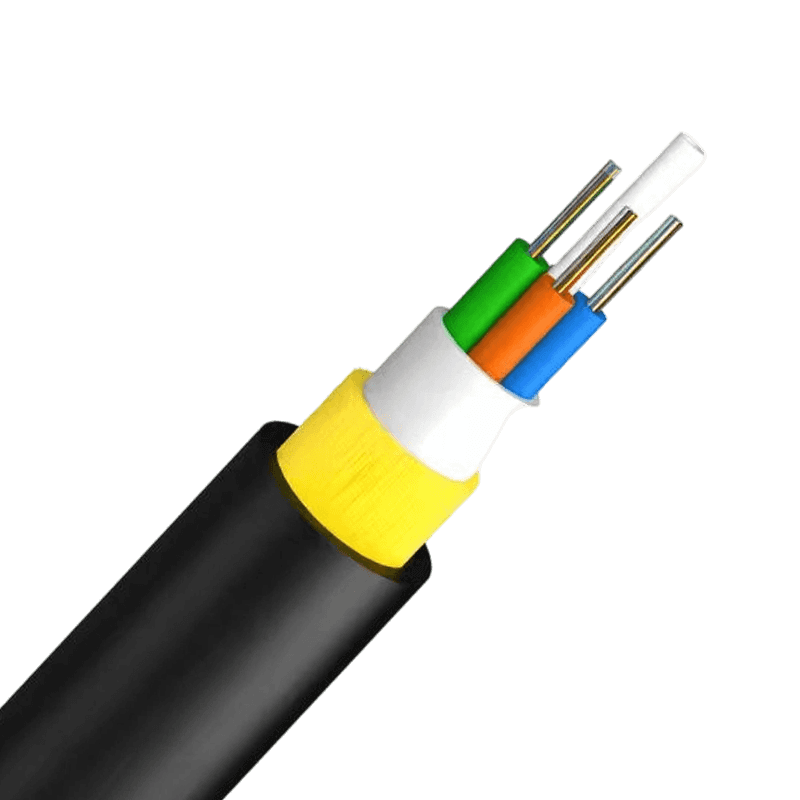
Flame-Retardant and High-Temperature Resistant Wires and Cables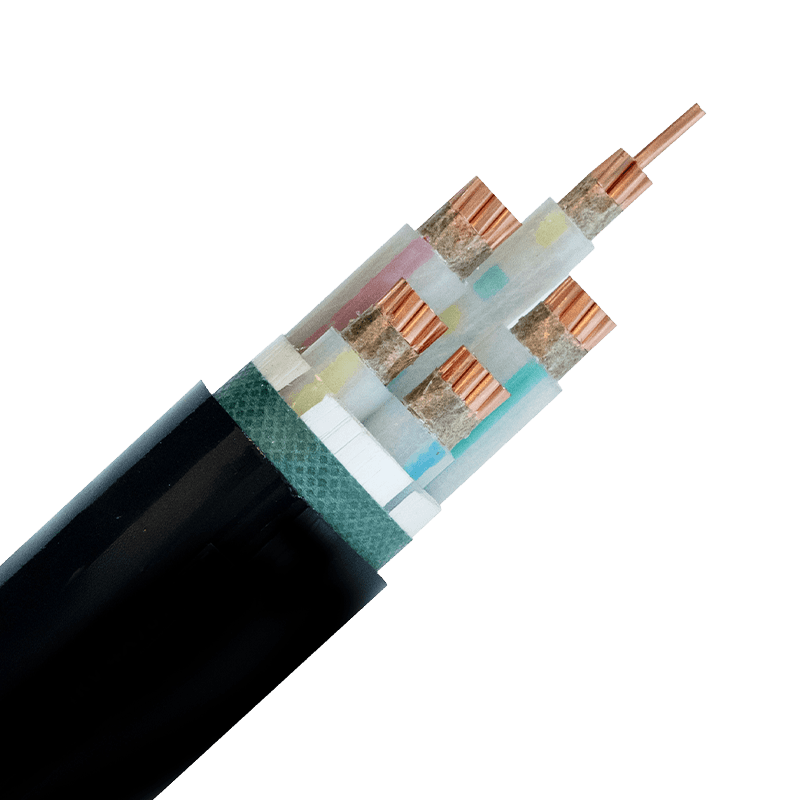 Flame-Retardant Cables ManufacturersHigh-Temperature Resistant Wire and CableView Product →
Flame-Retardant Is Not Fire-Resistant: The Difference That Decides the Spec
Conclusion first: flame-retardant cable protects the building from the cable, while fire-resistant cable protects the circuit from the fire. A flame-retardant feeder that successfully self-extinguishes has still lost its insulation and its electrical continuity once flames reach it. If that feeder happens to serve a fire pump, a smoke-extraction fan, emergency lighting or a sprinkler control panel, losing the circuit during the fire itself is unacceptable — and that is precisely where codes require fire-resistant construction instead.
Fire-resistant (fire-rated) cable is built and tested differently. IEC 60331 exposes the cable to a 750 °C flame for 90 minutes and requires the circuit to stay energized throughout, without short circuit or breakdown. BS 6387 goes further by adding water-spray (W) and mechanical-shock (Z) sequences on top of the fire-alone test (C). On the construction side there are two established routes: fire-resistant mica-glass tape wrapped over each conductor beneath the normal insulation, or true mineral insulated (MI) cable with a solid copper sheath and compressed magnesium oxide insulation that contains nothing combustible at all.
| Aspect | Flame-retardant cable | Fire-resistant cable |
|---|---|---|
| Primary function | Stop flame from propagating along the cable run | Keep the circuit energized during the fire itself |
| Governing tests | IEC 60332 series, UL 1685/IEEE 1202, UL 1666, EN 50575 (CPR Euroclasses) | IEC 60331, BS 6387, UL 2196 |
| Behavior during a fire | Cable self-extinguishes; the circuit may be lost | Circuit remains live for the rated duration |
| Typical applications | General power, lighting, control and data runs in trays and risers | Fire pumps, smoke extraction, emergency lighting, sprinkler controls, emergency power |
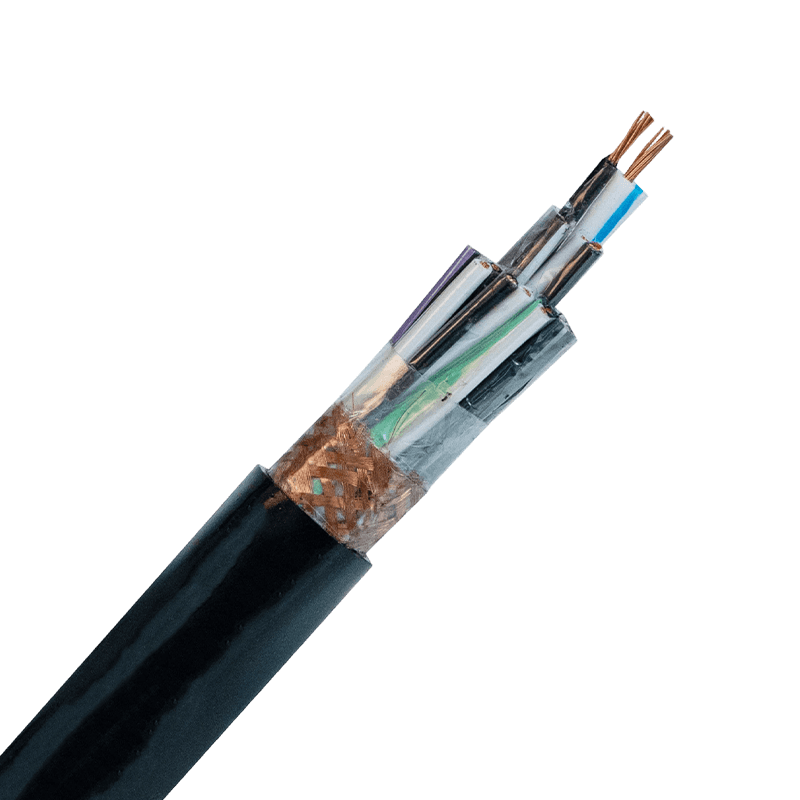
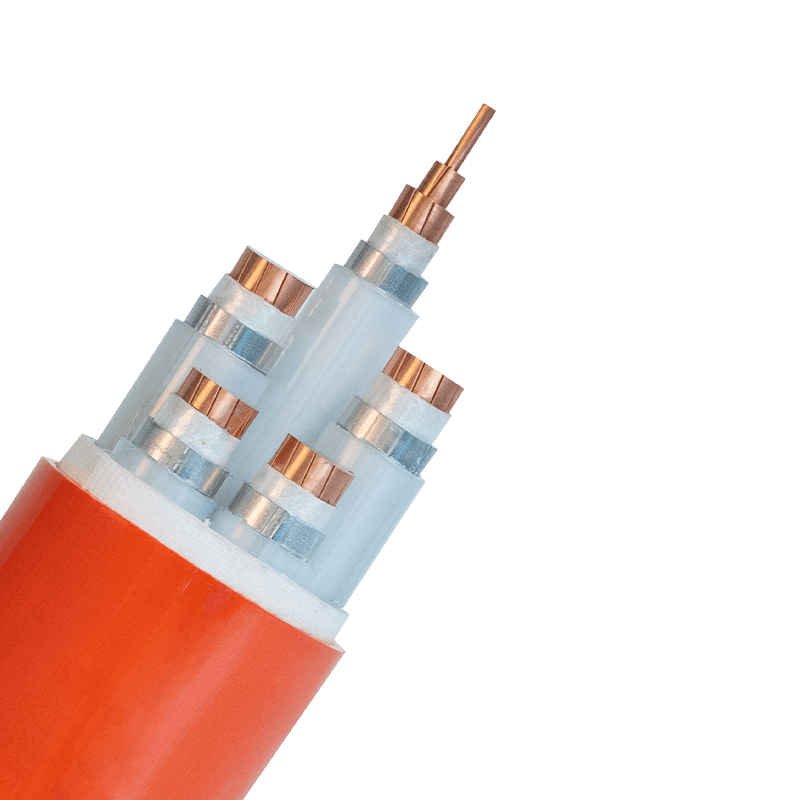 Mineral Insulated Fire-Resistant Cables ManufacturersMineral Insulated Fire-Resistant CablesView Product →
Where Flame Retardancy Comes From: Halogenated vs. Halogen-Free
Two chemistry routes dominate the market, and choosing between them is mostly a smoke question.
The halogenated route
Traditional halogenated designs use PVC compounds, usually with antimony trioxide added. When heated, the formulation releases chlorine species that interfere with the flame's radical chain reactions and promotes charring, so the cable quenches itself. It is economical and still widely used — but while it works, it emits hydrogen chloride, dense black smoke and corrosive gases, which endanger the people evacuating and corrode the electronics that survive the fire.
The halogen-free route
Halogen-free designs replace that chemistry with polyolefin or EVA compounds filled with aluminum trihydrate or magnesium hydroxide. Above roughly 200 °C, aluminum trihydrate releases chemically bound water in an endothermic reaction that cools the burning surface and leaves a stable, ceramic-like char. The cable still resists flame spread, but with little smoke and no corrosive halogen acid gas — the defining property of LSZH (low smoke zero halogen) designs. Smoke density is measured under IEC 61034, where many specifications demand at least 60% light transmittance, and halogen acid output is capped under the IEC 60754 series. For a fuller walkthrough of the labeling and standards, see our guide to what LSZH cables are and the fire-safety standards behind them.
Tunnels, metro stations, airports, hospitals, data centers and high-rise escape routes are where low smoke earns its premium, because evacuation there depends on visibility and breathable air. Price-driven runs in ordinary, ventilated service spaces may not justify it. LSZH compounds generally cost more and can be slightly stiffer to bend, so blanket-specifying them everywhere is not automatically the safest or the cheapest engineering decision.
Matching the Category to the Real Installation
The most expensive mistake in this product family is buying a test result that does not match the installation. A cable that passes the single-cable test of IEC 60332-1 can still spread fire when installed twenty-deep in a ladder tray, because bundle geometry changes flame behavior completely. Specify by geometry instead: single drops in accessible spaces may legitimately rely on single-cable performance, while risers, dense trays and confined routes need bundled performance at a category matched to the expected cable volume.
Regulatory context shapes the paperwork too. In the EU, EN 50575 folds fire performance into CE marking for construction cables, with CPR Euroclasses such as B2ca, Cca and Dca. In China, GB/T 18380 mirrors the IEC 60332 tests, designations ZA, ZB and ZC correspond to Category A, B and C behavior, and the WDZ prefix identifies low-smoke halogen-free constructions. A practical example from our own catalogue is WDZB1N-BYJ building wire, where WD marks low smoke and halogen-free, Z the flame-retardant function, B1 a defined burning-behavior grade and N fire-resistant performance — one construction carrying both protections for fixed building wiring.
The classic demand points are high-rise risers, hospital and airport distribution, shopping-mall lighting and control, metro and rail-tunnel circuits and data-center pathways — in short, most of what modern building and infrastructure electrical installations contain.
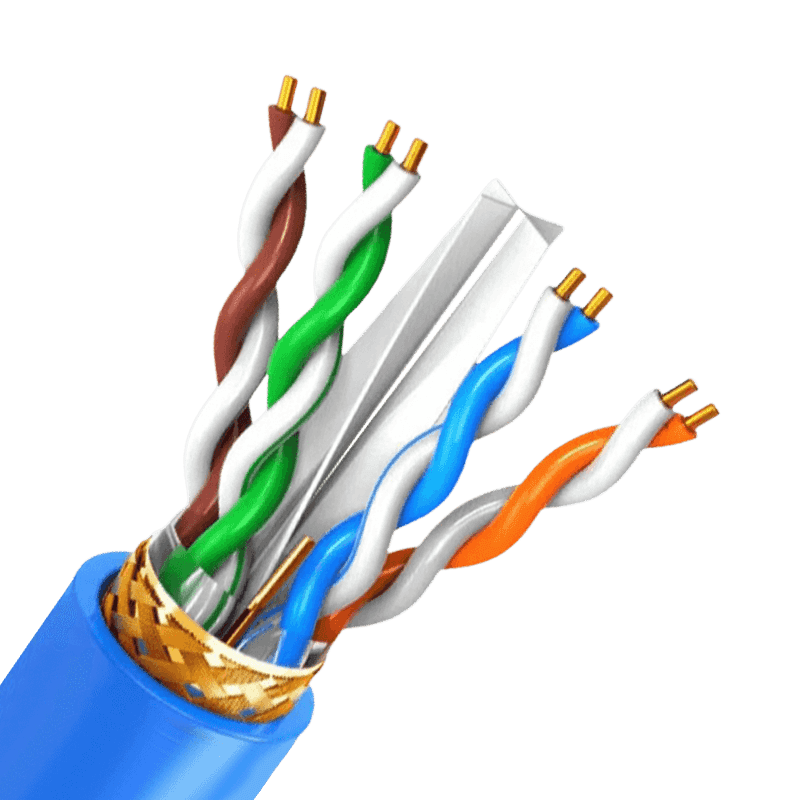
Building Wires for Fixed Installation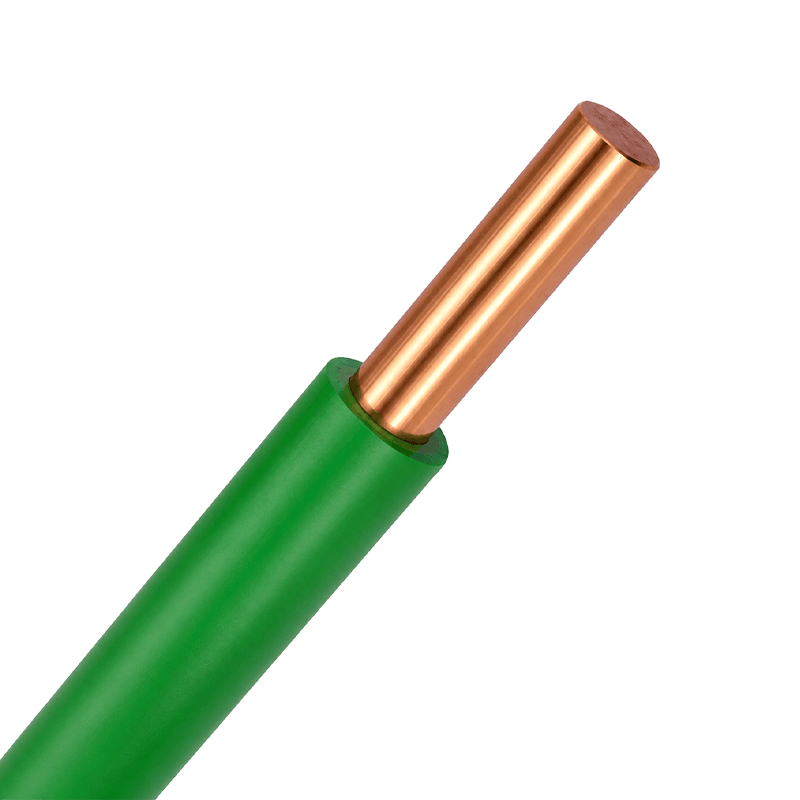 Building Wires ManufacturersCross-linked Polyolefin/PVC/Rubber Insulated Cable with Rated Voltage 450/750V and BelowView Product →
A Procurement Checklist That Survives Review
Before the purchase order goes out, run the specification through these six checks:
- Map the installation first: tray density, vertical runs and confinement decide whether single-cable or bundled-cable performance is required.
- Write the standard and category into the bill of quantities — "IEC 60332-3-24, Category C" — instead of the generic phrase "flame retardant," which invites the cheapest passing interpretation.
- Settle the halogen question explicitly: choose LSZH where evacuation visibility or sensitive electronics matter, and require the smoke and gas tests (IEC 61034, IEC 60754) on the same datasheet.
- Split the two protections deliberately: circuits that must stay live in a fire — fire pumps, smoke extraction, emergency lighting — get IEC 60331 or BS 6387 fire-resistant cable, not just stronger flame retardancy.
- Ask for type-test reports tied to the exact construction, conductor size and voltage rating; a certificate for a different design is decoration, not evidence.
- Check whether one combined construction — flame-retardant, low-smoke and fire-resistant — can replace stacked single-purpose cables; combined designs usually reduce tray congestion and total cost.
Flame-retardant cable is a purchase where the specification language does most of the safety work. Keep the distinction clear — retardancy stops flame spread, resistance keeps the circuit alive — match the test standard to the real installation geometry, and verify every claim with reports rather than adjectives.
Zhejiang Huapu Cable manufactures across the power, electrical-equipment, special and communication cable ranges, including flame-retardant and high-temperature-resistant constructions, mineral insulated fire-resistant cable and LSZH building wire. Our engineers work regularly with buyers and contractors who need a tender's fire-safety clauses translated into the right product with supporting test documentation, and we welcome drawings or specification extracts for exactly that kind of review.



- +86-13588204183
- No. 39 Zhiyuan Road, Deqing Economic Development Zone, Huzhou City, Zhejiang Province

Copyright © Zhejiang Huapu Cable Co., Ltd. All Rights Reserved.
 ISO 9001 Cable Manufacturer