
 en
en English
 中文简体
中文简体 русский
 Español
 عربى
عربى
IPC A 620 Explained: Cable and Wire Harness Acceptance Classes and Tests
Content
A-620 does not ask whether a harness works. It asks whether the harness was built the way the drawing, the product class and the workmanship criteria say it should be built. That is the gap between a functional test and an acceptance decision, and it is why the standard belongs on the production floor rather than on a shelf.
What IPC/WHMA-A-620 Actually Is
IPC/WHMA-A-620 is the joint acceptance standard from IPC and the Wire Harness Manufacturers Association for cable and wire harness assemblies. It shows, in photographs and written criteria, what an acceptable crimp, splice, shield termination and finished bundle looks like, and it scales those criteria across three product classes.
The document is revised on a regular cycle, and Rev E is the version most drawings reference today. Because each revision adjusts criteria and test callouts, the revision letter belongs on the assembly drawing itself rather than in a note that says "latest revision".
Definition: IPC/WHMA-A-620 is a visual acceptance standard for cable and wire harness assemblies. It governs workmanship and inspection of the assembly, not the design, ampacity or material selection of the cable inside it.
Inside the standard
- Wire preparation, strip length and strand damage limits
- Crimped terminals, open and closed barrel
- Soldered, welded and insulation displacement terminations
- Contact insertion, retention and connector assembly
- Shielding, grounding and backshell termination
- Bundling, routing, marking and identification
Outside the standard
- Gauge selection, voltage drop and ampacity
- Insulation material choice and temperature rating
- EMI and signal integrity design
- Material compliance declarations
- Performance of the finished equipment
Teams that confuse A-620 with IPC-A-610 spend review meetings arguing about the wrong document. IPC-A-610 covers printed board assemblies. A-620 covers the cable and wire harness side of the same product, including assemblies that contain no board at all.
The Three Product Classes and What They Change
IPC A 620 acceptance criteria are not a single checklist. Class 1, Class 2 and Class 3 define how much strand damage and process variation is tolerable, how deep inspection goes, and Class 2 is the practical default for most commercial and industrial harnesses.
| Class | Typical end use | Consequence of failure | Inspection depth |
| Class 1 | Consumer and general electronics | Cosmetic or user dissatisfaction | Visual criteria and function check, widest damage allowance |
| Class 2 | Industrial control, machinery, commercial equipment, EV charging | Degraded function, downtime, service call | Full visual criteria plus demand withstand and insulation resistance where specified |
| Class 3 | Aerospace, defence, medical life support, rail signalling | Hazard to personnel or mission | Strictest strand limits, full electrical test, documented traceability |
Default to remember: if the assembly drawing does not name a class, most harness shops build and inspect to Class 2. Writing the class on the drawing costs one line and prevents a first-article dispute three weeks later.
Higher classes also change the testing budget. A Class 3 assembly normally carries full electrical test, documented traceability and tighter revision control, which is why it costs more per unit even when the wire and the connectors are identical to a Class 2 build.
EV charging cable assemblies sit in the same conversation. Charging harnesses with crimped contacts and moulded strain relief are commonly specified as Class 2 with dielectric withstand voltage testing on every unit, and the cable construction has to survive repeated flexing at the connector interface.
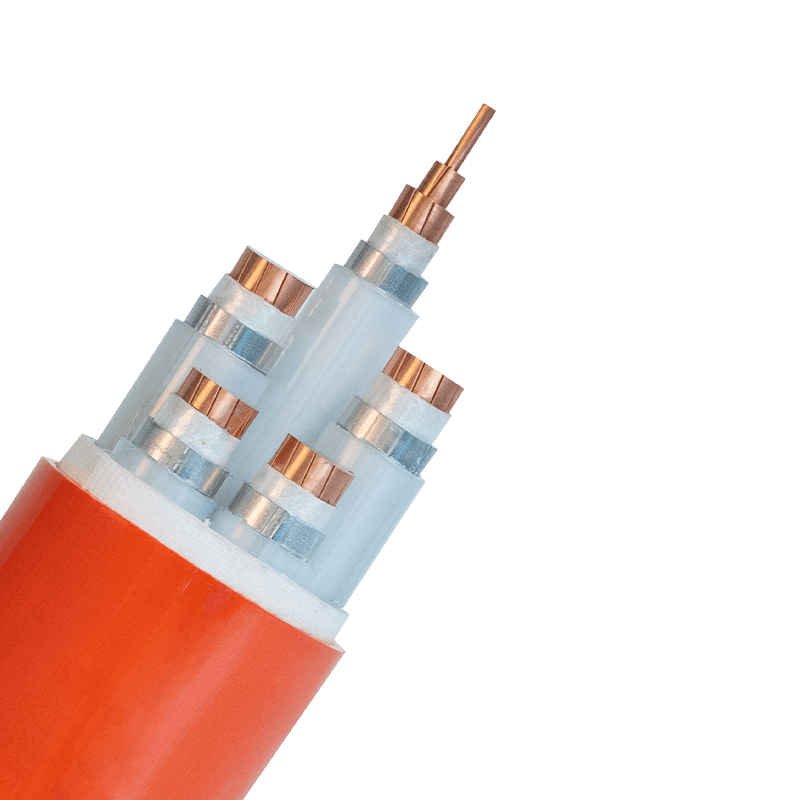
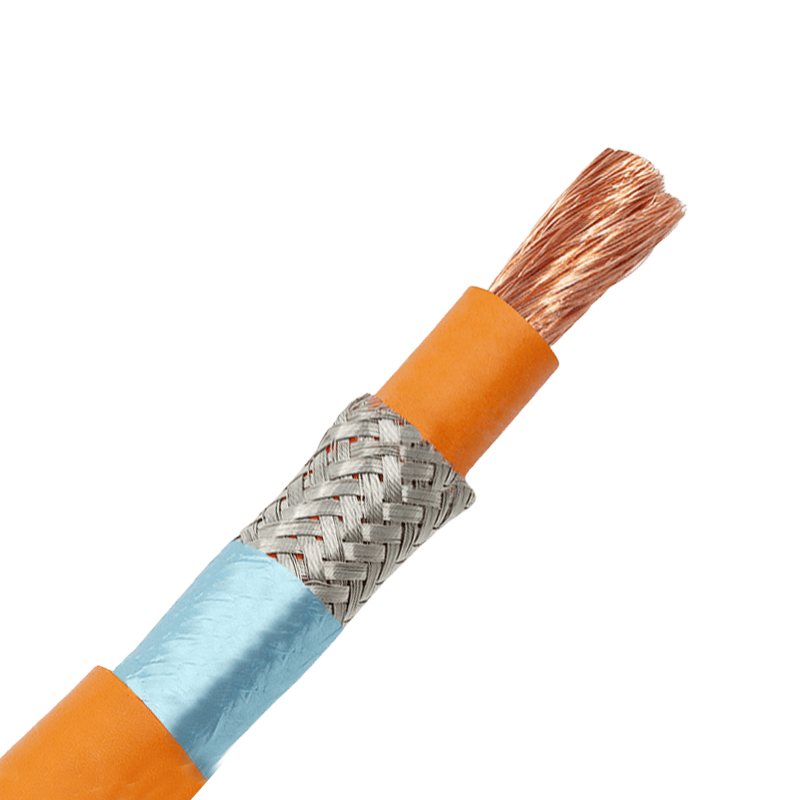 Electric Vehicle Cables ManufacturersElectric Vehicle High Voltage Cables amp; Electric Vehicle Charging CablesView Product →
Electrical Testing Requirements That Scale With Class
A-620 defines four electrical tests for finished assemblies: continuity, shorts, dielectric withstand voltage and insulation resistance, and it allows some of them to be waived when a higher-voltage test already covers the same failure mode.
| Test | Defect detected | How the standard treats it |
| Continuity | Opens, miswires, wrong contact position, high resistance joints | Baseline test for all classes, normally applied to every unit |
| Shorts | Unintended contact between conductors or contacts | May be waived in some Class 2 and all Class 3 assemblies when withstand voltage or insulation resistance testing is performed |
| Dielectric withstand voltage | Insulation weakness, spacing errors, contamination, flashover paths | Specified test voltage with both a minimum and a maximum dwell time |
| Insulation resistance | Leakage paths, moisture ingress, surface contamination | Minimum resistance value per class, with minimum and maximum dwell windows |
Dwell times are written as a minimum and a maximum. Running a withstand voltage or insulation resistance test longer than the specified maximum is not extra safety. The standard treats it as an out-of-specification test, and the record has to show the dwell window actually applied.
If a required test voltage is higher than a component's rated working voltage, that conflict belongs in the design review. A-620 assumes the specified test level is compatible with the hardware being tested, and that assumption has to be verified before production rather than discovered on the test bench.
Where Cable Construction Decides A-620 Results
A-620 judges the finished assembly, but the cable you buy decides how hard that judgement is. Stranding class, insulation hardness and jacket tolerance all show up at the strip and crimp station long before an inspector sees the harness.
- Conductor stranding: IEC 60228 Class 5 and Class 6 fine-strand conductors flex well but need the correct crimp barrel and tool setting, while Class 1 and Class 2 conductors strip more predictably and resist bending less.
- Insulation hardness: cross-linked polyethylene and low smoke zero halogen compounds are harder than PVC, so blade depth and blade wear matter more on the strip line.
- Plating: tinned copper keeps solderability and resists oxidation in humid storage, bare copper is cheaper and needs tighter process control.
- Shield construction: braid coverage and drain wire gauge set the achievable shield termination, not the operator's skill.
- Jacket tolerance: overmoulding and strain relief tooling need a consistent outside diameter, batch after batch.
Practical rule: put the conductor class, the insulation compound and the outside diameter tolerance on the cable purchase specification. Harness shops can compensate for many things, but not for a cable that arrives outside its dimensional window.
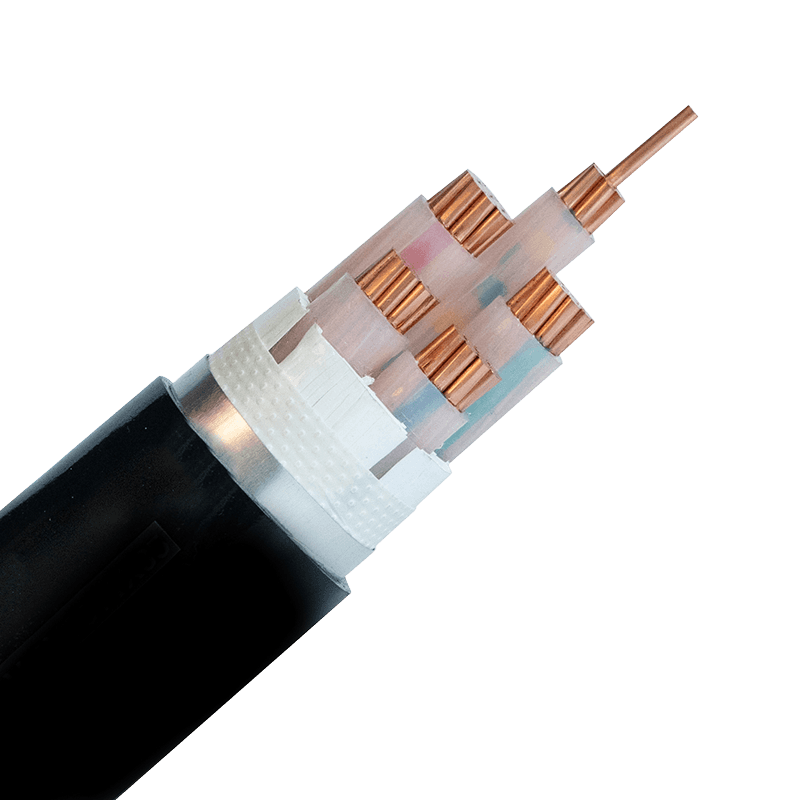
Assemblies built for control cabinets, machine tools and automation panels usually pair a shielded multicore cable with hook-up wire for the shorter internal runs, which is exactly the wiring covered by panel building and equipment wiring ranges.
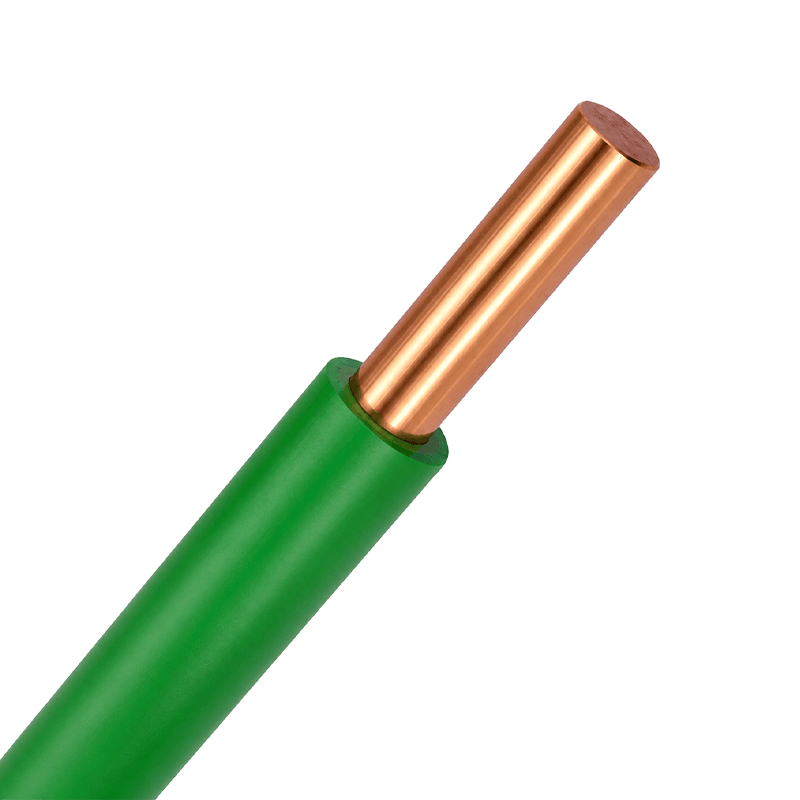 Building Wires ManufacturersCross-linked Polyolefin/PVC/Rubber Insulated Cable with Rated Voltage 450/750V and BelowView Product →
The Non-Conformances Inspectors Flag Most
Most A-620 findings are created in the first two operations of the process, stripping and crimping, and the rest are marking and documentation problems that surface at final inspection.
Wire selection feeds directly into those findings. A practical review of strand count, insulation thickness and flexibility in plastic insulated multicore cables is set out in our control cable selection guide.
Nicked or cut strands
Each class sets a limit on damaged and severed strands. Blade depth, blade wear and strip length matter more on fine-strand conductors.
Missing insulation support
The barrel has to grip the insulation as well as the conductor. A crimp without insulation support is a finding in every class.
Stray strands outside the barrel
A single loose strand is written up, and several strands outside the crimp are a rejection regardless of class.
Solder wicking into flexible strands
Solder that climbs up fine strands creates a rigid point that fails bend and vibration testing long after the unit ships.
Shield termination below drawing
Braid coverage, drain wire length and pigtail length are checked against the drawing, not against what looks tidy on the bench.
Marking and test records
Illegible labels, missing traceability and absent test data are non-conformances even when the assembly itself is perfect.
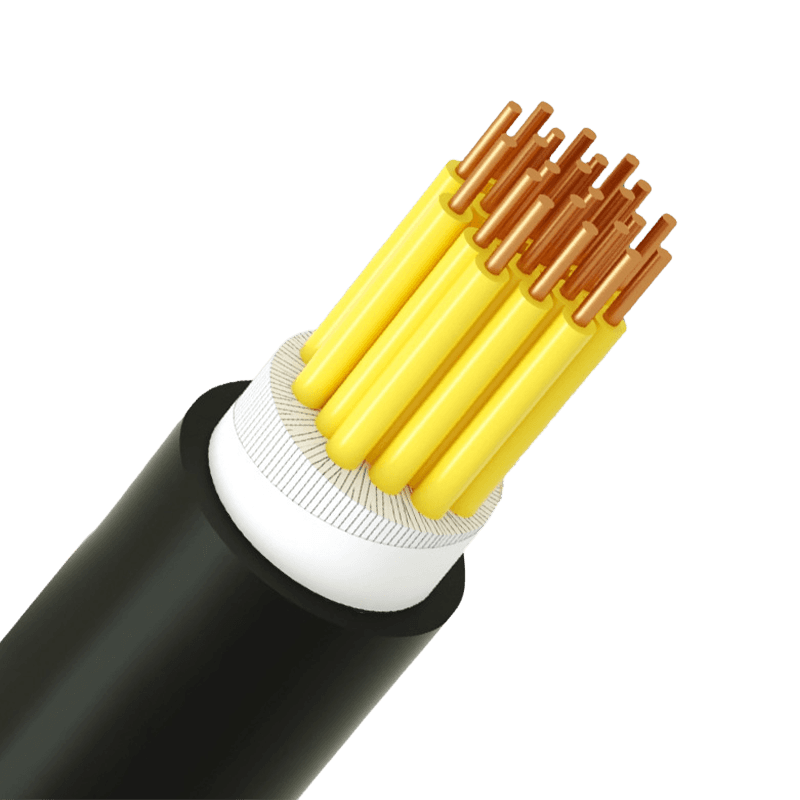 Control Cables ManufacturersPlastic Insulated Control CableView Product →
Writing A-620 Into the Supply Agreement
Compliance is a document problem before it is a manufacturing problem. Name the class, lock the revision and require the test evidence in the purchase documents, then confirm all of it with a first article inspection on the production line.
- State the product class for each assembly, not once for the whole order.
- Lock the A-620 revision on the drawing and control any change to it in writing.
- Require certified inspectors, normally a Certified IPC Specialist on the line and a trainer or expert behind the process.
- Ask for continuity, withstand voltage and insulation resistance records with each shipment, including dwell times.
- Require traceability marking that survives bundling, potting and installation.
- Run a first article inspection and keep the signed record as the baseline for future lots.
A specification that names the class and the revision converts a subjective argument about workmanship into a measurable acceptance decision, which is the whole purpose of the standard.
Harness builders serving automation, switchgear and machinery programmes usually prefer suppliers who already work with these documents and understand how conductor construction affects assembly outcomes, as covered in our overview of the manufacturing industry.
FAQ
Is IPC/WHMA-A-620 the same as IPC-A-610?
No. IPC-A-610 covers printed board assemblies, including solder joints and component placement. IPC/WHMA-A-620 covers cable and wire harness assemblies, including crimps, splices, shield termination, routing, marking and the electrical tests applied to the finished harness.
Does a wire and cable manufacturer need A-620 certification?
A-620 applies to the assembly process, so certification is held by harness shops and by individual inspectors. Cable manufacturers support compliance by supplying wire and cable with controlled stranding, insulation and dimensional tolerances, and by documenting those values on the specification sheet.
Which class should a general industrial harness use?
Class 2 is the normal choice for industrial control, machinery and commercial equipment, where failure causes downtime but not a safety hazard. Specify Class 3 when a failure can endanger people, such as medical life support, aerospace or rail signalling circuits.
How long does an individual A-620 certification stay valid?
IPC certifications for cable and wire harness specialists are typically valid for two years and then require recertification. Build that cycle into training plans so inspection coverage does not lapse between audits.
Short version: A-620 does not measure how well a harness performs, it measures whether the harness was built to the drawing and the class that the drawing names. Get the class and the revision right first, and most inspection arguments disappear.


- +86-13588204183
- No. 39 Zhiyuan Road, Deqing Economic Development Zone, Huzhou City, Zhejiang Province

Copyright © Zhejiang Huapu Cable Co., Ltd. All Rights Reserved.
 ISO 9001 Cable Manufacturer