
 en
en English
 中文简体
中文简体 русский
 Español
 عربى
عربى
How to Choose the Right Electrical Equipment Cables for Industrial Applications
Content
- What Are Electrical Equipment Cables?
- Key Factor 1: Match the Cable Type to Your Application
- Key Factor 2: Conductor Material — Copper or Aluminum?
- Key Factor 3: Insulation and Sheath Materials
- Key Factor 4: Environmental and Mechanical Conditions
- Key Factor 5: Voltage Rating, Current Capacity, and Shielding
- Compliance Standards You Should Know
- Common Mistakes to Avoid When Selecting Industrial Cables
- Conclusion
In industrial environments, cable failures don't just cause inconvenience — they trigger costly downtime, safety hazards, and equipment damage. Yet selecting the right cable is often treated as an afterthought. Electrical equipment cables are a broad and technically demanding category, covering everything from control systems and automation panels to rubber-sheathed portable equipment and computer-grade signal wiring. Making the right choice requires a clear understanding of your application, your environment, and the cable's core specifications. This guide walks through five key factors that every engineer and procurement professional should evaluate before specifying electrical equipment cables for industrial use.
What Are Electrical Equipment Cables?
Electrical equipment cables are a distinct category from high-voltage power transmission cables. While power cables carry electricity over long distances at high voltages, electrical equipment cables are designed for use within machinery, control systems, buildings, and industrial equipment — typically at low to medium voltage levels. They serve as the nervous system of industrial operations, transmitting power, control signals, and data between components.
This category includes several key subcategories, each with its own design specifications:
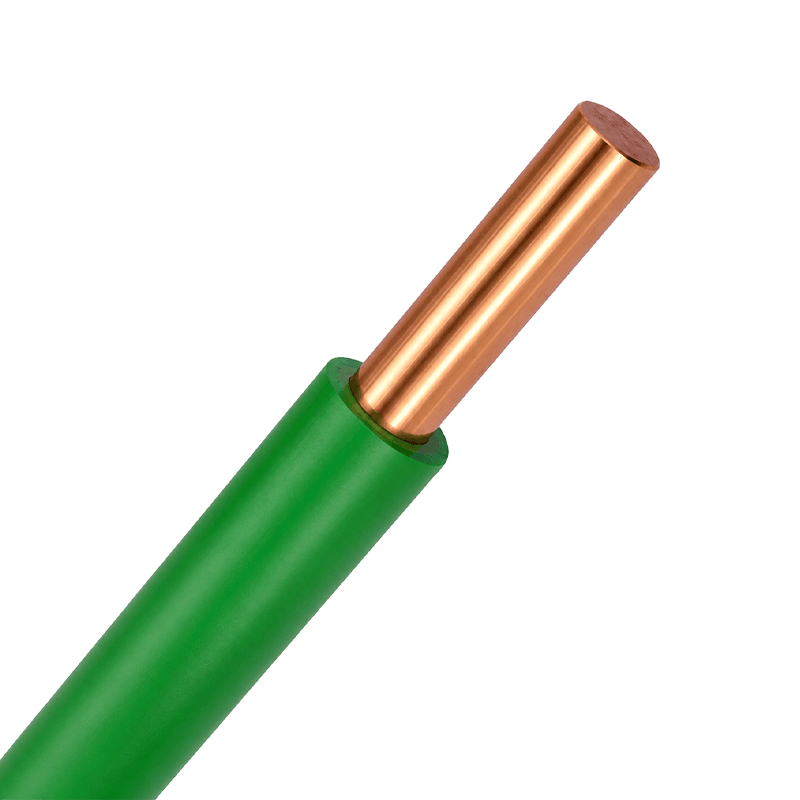
- Building Wires — used in fixed installations within structures for lighting, power outlets, and general electrical supply.
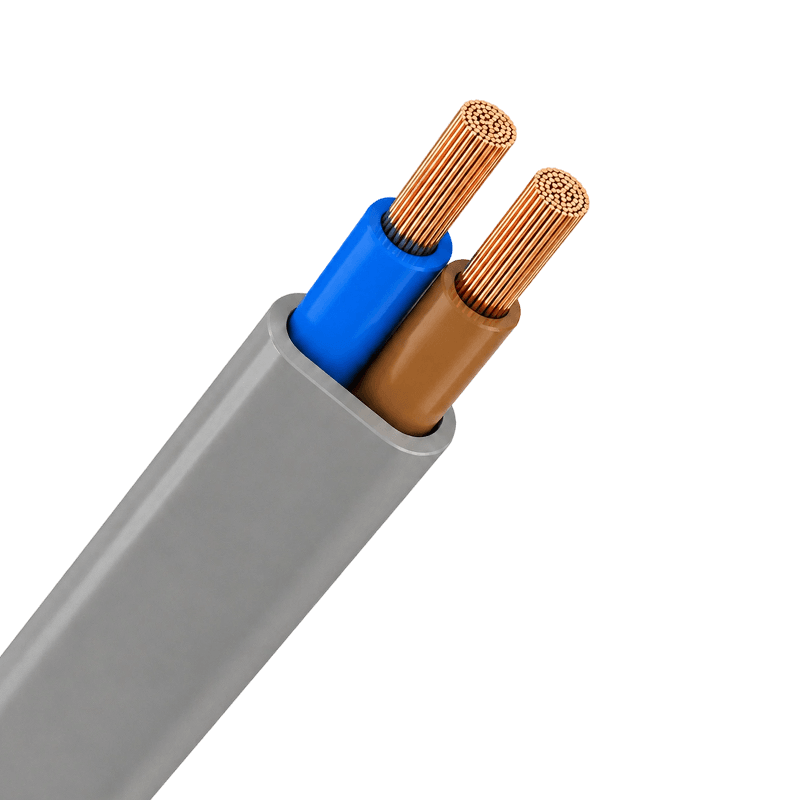
- Sheathed Wires — multi-conductor wires with an outer protective sheath, suited for indoor and light industrial installations.
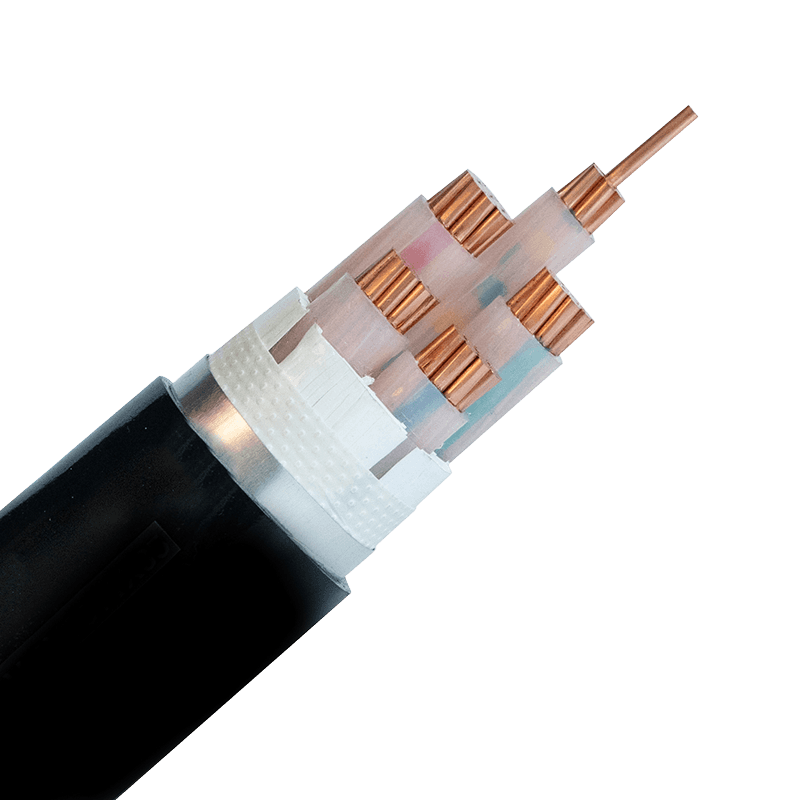
- Control Cables — designed to transmit control signals between equipment, panels, and automation systems.
- Computer Cables — engineered for data and signal transmission within industrial computer and instrumentation systems.
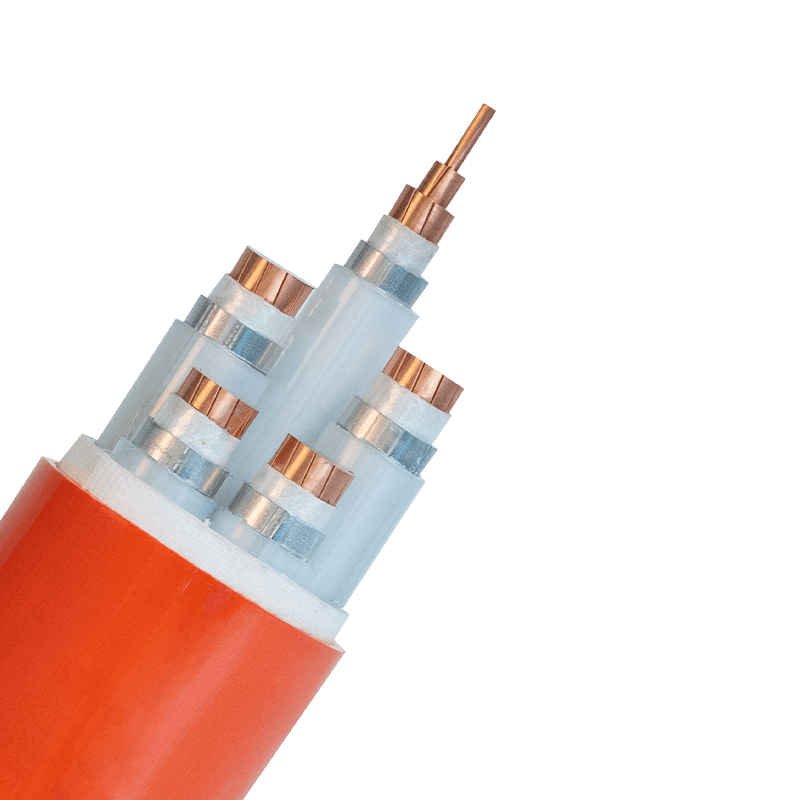
- Rubber-Sheathed Cables — flexible, durable cables suited for mobile equipment, outdoor use, and harsh mechanical conditions.
Understanding which subcategory fits your application is the essential first step — before looking at any other specification.
Key Factor 1: Match the Cable Type to Your Application
The most common and costly mistake in cable selection is choosing a cable type that does not match the actual function it must perform. A cable that works well in a fixed control panel will fail quickly if used on a moving robotic arm. Likewise, a general-purpose building wire is not appropriate for a factory automation system that demands precise signal integrity.
Use the table below as a starting reference for matching cable type to application:
| Application | Recommended Cable Type | Key Requirement |
|---|---|---|
| PLC panels, relay systems, instrumentation | Control Cables | Multi-conductor, shielded, low-voltage signal |
| Industrial computers, data acquisition, sensors | Computer Cables | High signal integrity, EMI shielding |
| Portable equipment, cranes, welding machines | Rubber-Sheathed Cable | Flexibility, mechanical durability, weather resistance |
| Fixed indoor wiring, panels, machine housings | Sheathed Wires | Compact installation, multi-conductor, cost-efficient |
| General building power supply | Building Wires | Single or multi-core, standard insulation |
For applications involving frequent movement — such as conveyor systems, robotic arms, or portable tools — always prioritize cables with finely stranded conductors and flexible insulation materials. Fixed installations can use solid or compact-stranded conductors, which typically offer lower resistance and a smaller diameter for a given current rating.
Key Factor 2: Conductor Material — Copper or Aluminum?
The conductor is the core of any cable, and the choice of material directly affects conductivity, weight, flexibility, and long-term reliability. In industrial electrical equipment applications, copper is the dominant choice, and for good reason.
Copper offers significantly higher electrical conductivity than aluminum — roughly 60% better — which means a copper cable can carry the same current in a smaller cross-section. Copper is also more resistant to corrosion, easier to terminate reliably, and handles mechanical stress and repeated flexing far better than aluminum. For control cables, computer cables, and rubber-sheathed cables used in active equipment, copper conductors are the standard.
Aluminum conductors do have a role in industrial settings, but primarily in power distribution infrastructure — such as overhead lines and service entrances — where weight savings and lower material cost outweigh the conductivity disadvantage. For electrical equipment cables inside machinery and control systems, aluminum is rarely specified.
When specifying copper conductors, also consider the stranding configuration: stranded copper conductors provide the flexibility needed for cables that will be bent, routed through tight spaces, or connected to terminals repeatedly during installation and maintenance.
Key Factor 3: Insulation and Sheath Materials
The insulation and outer sheath determine how well a cable survives its operating environment. Getting this wrong accelerates degradation, causes insulation breakdown, and ultimately leads to system failure. The three most common insulation material families are PVC, XLPE, and rubber — each with distinct performance characteristics.
| Material | Temperature Range | Key Strength | Typical Use Case |
|---|---|---|---|
| PVC (Polyvinyl Chloride) | -15°C to +70°C | Cost-effective, flexible, flame-retardant options available | Indoor control panels, building wiring |
| XLPE (Cross-Linked Polyethylene) | -40°C to +90°C (up to +250°C short-term) | Excellent heat and chemical resistance, low dielectric loss | Industrial machinery, outdoor and underground installations |
| Rubber (EPR / Neoprene) | -40°C to +90°C | Superior flexibility, oil and water resistance, mechanical toughness | Portable equipment, mining, food processing, outdoor use |
For environments with extreme heat or open flame risk, consider Flame-Retardant High-Temperature Resistant Cables, which are specifically engineered to maintain integrity under thermal stress while preventing fire propagation. In food and beverage processing, where cables must endure regular chemical cleaning and high-pressure washdowns, neoprene or EPR rubber sheaths provide the required resistance to caustic substances and moisture ingress.
Low-Smoke Zero-Halogen (LSZH) sheathing is increasingly specified in enclosed or public industrial spaces — such as tunnels, rail terminals, and data centers — because it minimizes toxic gas emission in the event of a fire, protecting both personnel and sensitive equipment.
Key Factor 4: Environmental and Mechanical Conditions
Industrial cables face physical stresses that office or residential cables simply do not. Before selecting a cable, perform a systematic assessment of the environmental and mechanical conditions it will face throughout its service life.
Key questions to evaluate include:
- Temperature extremes: Does the cable operate near furnaces, chillers, or outdoor installations with wide seasonal temperature swings? Ensure the cable's rated temperature range covers the full operating spectrum, not just the average.
- Moisture and chemical exposure: Will the cable be exposed to water, oils, hydraulic fluids, or industrial solvents? These require specific sheath materials and, in some cases, armored construction.
- Mechanical stress: Is the cable in a fixed installation, or will it undergo repeated flexing, torsion, or tension? Cables on robotic arms or cable carriers (e.g., drag chains) require highly flexible designs with reinforced cores.
- Vibration: Equipment with motors, compressors, or rotating machinery generates continuous vibration. Stranded conductors and flexible insulation are essential to prevent fatigue fractures over time.
- UV and weather exposure: Outdoor installations require UV-stabilized outer sheaths to prevent premature degradation from sunlight exposure.
For applications involving variable-speed motor drives, a specialized cable design is critical. Variable Frequency Drive (VFD) Cables are purpose-built to withstand the high-frequency voltage pulses generated by VFD controllers, which can rapidly destroy standard cables through insulation stress and reflected wave effects.
Key Factor 5: Voltage Rating, Current Capacity, and Shielding
Three electrical specifications form the backbone of any cable selection decision: voltage rating, current-carrying capacity (ampacity), and shielding.
Voltage rating defines the maximum operating voltage the cable's insulation can safely withstand. Always select a cable rated at or above the system's nominal voltage — and account for potential voltage spikes or transient overvoltages in the system. Using an undersized voltage rating leads to insulation breakdown and creates serious fire and safety risks.
Current capacity (ampacity) is determined by the conductor cross-section, measured in mm² or American Wire Gauge (AWG). A conductor that is too small for the load will overheat, accelerate insulation aging, and eventually fail. Calculate the maximum expected current, add an appropriate safety margin, and also account for voltage drop over longer cable runs — particularly in production lines where cables may span tens of meters.
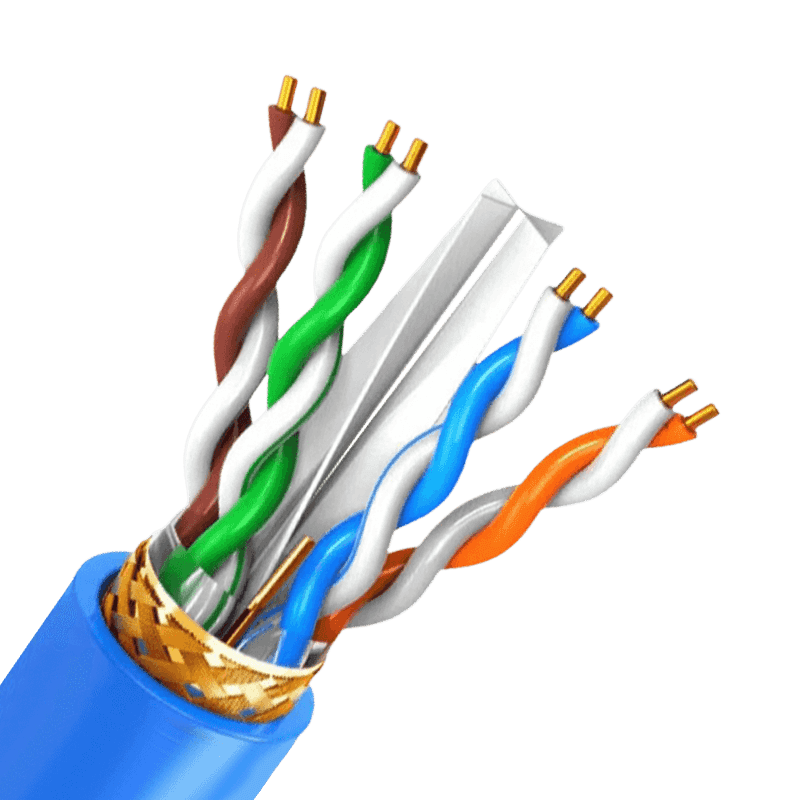
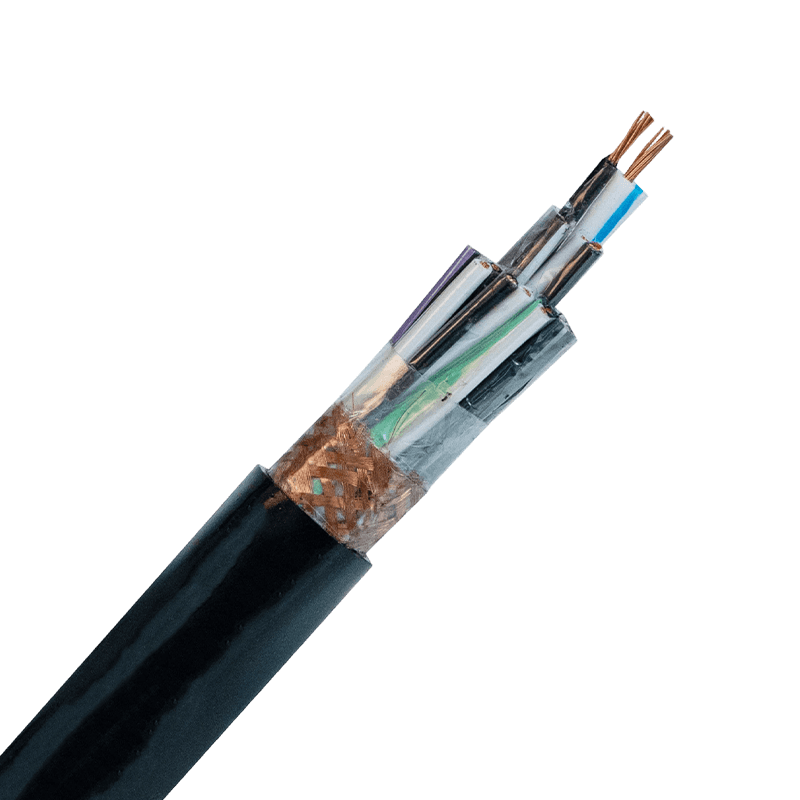
Shielding is critical in environments where electromagnetic interference (EMI) is present. Industrial facilities are dense with EMI sources: variable frequency drives, arc welders, induction furnaces, large motors, and HVAC equipment all generate significant electrical noise. Control cables and computer cables used in these environments must be shielded — typically with a braided copper or aluminum foil shield — to protect signal integrity. Unshielded cables in high-EMI environments are a leading cause of spurious control system faults and data errors that are notoriously difficult to diagnose.
When routing shielded cables, always ensure the shield is properly grounded at one end (or both ends, depending on the frequency of the interference) to be effective.
Compliance Standards You Should Know
Industrial cables must meet recognized safety and performance standards. Purchasing cables without verifiable compliance is a regulatory and safety risk — particularly in export markets or regulated industries such as oil and gas, power generation, and rail transit.
The most important standards to be aware of include:
- IEC (International Electrotechnical Commission): IEC standards (such as IEC 60227 for PVC-insulated cables and IEC 60245 for rubber-insulated cables) are globally recognized and widely required in international projects.
- GB (Chinese National Standard): Required for products manufactured and sold within China, often aligned with IEC but with specific local requirements.
- UL (Underwriters Laboratories) / NEC: Required for projects in the United States and many export markets. UL listing confirms a cable has been tested and meets North American safety requirements.
- CE Marking: Indicates conformity with EU safety, health, and environmental requirements — essential for cables used in European industrial projects.
- ROHS Compliance: Restricts the use of hazardous substances in electrical and electronic equipment — increasingly required by global procurement standards.
Always request certificates of conformity and test reports from your cable supplier. A reputable manufacturer will provide full documentation as a matter of course.
Common Mistakes to Avoid When Selecting Industrial Cables
Even experienced engineers make avoidable errors during cable specification. Being aware of the most common pitfalls can save significant cost and downtime:
- Using commercial-grade cables in industrial environments. Commercial cables are designed for controlled office or residential environments. They lack the mechanical strength, insulation thickness, and environmental ratings required for factory floors, outdoor installations, or machinery with vibration and heat. The upfront cost saving is quickly erased by premature failures.
- Ignoring the installation environment at the specification stage. A cable specified correctly for electrical performance but installed in an environment beyond its temperature or chemical resistance rating will fail early. Always evaluate installation conditions before finalizing the spec.
- Undersizing conductors to reduce cost. Operating a cable at or near its maximum current capacity accelerates insulation aging and reduces the cable's service life significantly. Specify conductors with a reasonable current headroom — typically 20–30% below the cable's rated ampacity under normal operating conditions.
- Skipping shielding in noisy environments. In a facility with multiple VFDs, motors, and welding equipment, running unshielded control or signal cables is asking for trouble. The cost of adding shielded cables is minimal compared to the engineering time spent diagnosing intermittent control faults caused by EMI.
Conclusion
Choosing the right electrical equipment cable for an industrial application is a decision that spans cable type, conductor material, insulation chemistry, mechanical design, and regulatory compliance. Each of these dimensions matters — and a weakness in any one area can compromise the performance and safety of the entire system. By systematically working through the five key factors outlined in this guide, engineers and procurement teams can make selections that are not just adequate, but optimized for long-term reliability and total cost of ownership.
If you need support selecting the right cable for your specific industrial application, Huapu Cable's engineering team is available to provide technical consultation and custom specifications across the full range of electrical equipment cables.

- +86-13588204183
- No. 39 Zhiyuan Road, Deqing Economic Development Zone, Huzhou City, Zhejiang Province

Copyright © Zhejiang Huapu Cable Co., Ltd. All Rights Reserved.
 ISO 9001 Cable Manufacturer