
 en
en English
 中文简体
中文简体 русский
 Español
 عربى
عربى
Benefits of Tinned Copper Wire for Marine Applications
Content
- Why Marine Environments Require Special Electrical Wiring
- What Is Tinned Copper Wire?
- Key Benefits of Tinned Copper Wire for Marine Applications
- Tinned Copper vs Bare Copper: A Quick Comparison
- Conclusion: The Preferred Choice for Marine Electrical Systems
- Looking for High-Quality Marine Tinned Copper Cable?
Why Marine Environments Require Special Electrical Wiring
Marine electrical systems operate in some of the harshest environments on earth. Saltwater exposure, high humidity, temperature fluctuations, and continuous vibration can quickly degrade standard electrical wiring.
For boat builders, marine engineers, and electrical distributors, selecting the right conductor material is critical for safety, reliability, and long-term performance.
While bare copper wire is widely used in land-based electrical systems, tinned copper wire has become the industry standard for marine applications. Its superior resistance to corrosion and long service life make it the preferred choice for marine-grade electrical installations.
This article explains the key benefits of tinned copper wire for marine environments and why it is widely used in marine electrical systems.
What Is Tinned Copper Wire?
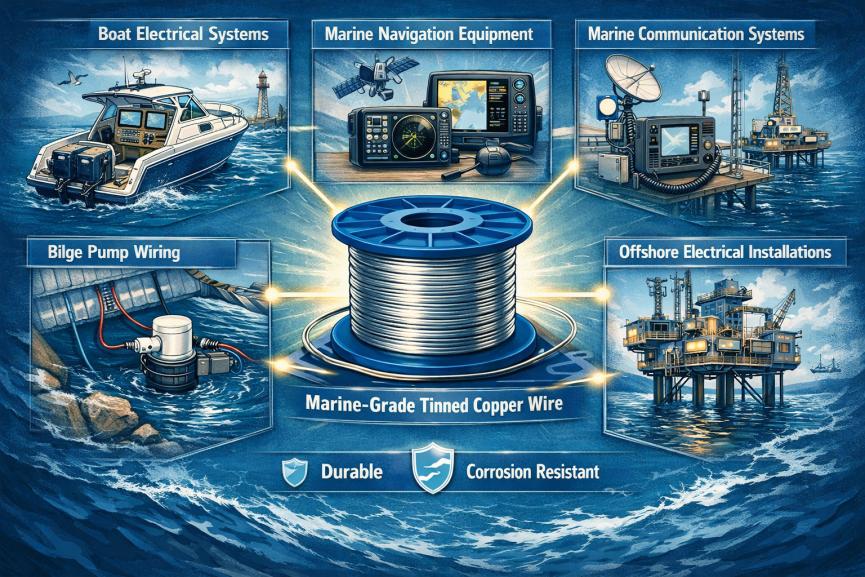
Tinned copper wire is a type of conductor in which each copper strand is coated with a thin layer of tin. This protective coating significantly improves corrosion resistance while maintaining the excellent electrical conductivity of copper.
Marine-grade tinned copper wire is commonly used in:
- Boat electrical systems
- Marine navigation equipment
- Bilge pump wiring
- Marine communication systems
- Offshore electrical installations
Because of its durability and reliability, tinned copper marine cable is widely specified by marine standards such as UL and ABYC.
Key Benefits of Tinned Copper Wire for Marine Applications
1. Superior Corrosion Resistance
One of the primary advantages of tinned copper wire is its excellent resistance to corrosion.
In marine environments, bare copper is highly susceptible to oxidation when exposed to saltwater and humid air. Over time, this oxidation can lead to a condition commonly referred to as “black wire disease,” where copper oxide forms along the conductor.
This oxidation layer increases electrical resistance and can eventually cause wire failure.
The tin coating acts as a protective barrier, preventing moisture and salt from directly reacting with the copper core. Even if the insulation becomes damaged, the tin layer significantly slows down corrosion.
As a result, tinned copper wire offers much longer service life in marine environments.
2. Reliable Electrical Performance Over Time
Electrical connections in marine systems must remain stable and reliable over long periods.
Tinned copper wire helps maintain consistent electrical performance by preventing the formation of non-conductive oxide layers at connection points.
This ensures:
- Lower risk of voltage drop
- Stable power delivery
- Reduced maintenance requirements
For critical marine systems such as navigation equipment, pumps, and communication devices, maintaining a clean and reliable electrical path is essential.
3. Improved Solderability
Another advantage of tinned copper wire is its excellent solderability.
Compared with oxidized bare copper, the tin coating allows solder to bond more easily with the conductor. This results in:
- Stronger electrical joints
- More reliable mechanical connections
- Improved long-term durability
For marine electricians and maintenance technicians, this makes installation and repair work faster and more reliable.
4. Enhanced Flexibility and Vibration Resistance
Marine wiring systems must withstand constant movement, vibration, and mechanical stress from engines and waves.
High-quality marine tinned copper wire typically uses fine-stranded conductors (Type 3 stranding). This design improves flexibility and reduces the risk of metal fatigue.
In addition, the tin coating helps reduce friction between strands, allowing the wire to remain flexible and durable even after long-term use.
This makes tinned copper wire particularly suitable for:
- Engine compartments
- Moving equipment
- Tight installation spaces
5. Compliance with Marine Industry Standards
Marine electrical systems must meet strict safety and performance standards.
High-quality marine tinned copper wire is commonly manufactured in compliance with standards such as:
- UL 1426 Marine Cable Standard
- ABYC (American Boat and Yacht Council) requirements
Marine-grade cables also typically feature specialized insulation materials such as PVC or XLPE, which provide resistance to:
- Oil
- Fuel
- Chemicals
- Heat
- Flame
These additional protections ensure safe operation in demanding marine environments.
Tinned Copper vs Bare Copper: A Quick Comparison
|
Feature |
Bare Copper Wire (Marine Use) |
Tinned Copper Marine Wire |
|
Corrosion Resistance |
Low |
Excellent |
|
Oxidation Risk |
High |
Very Low |
|
Service Life |
1–3 Years (Typical Marine Exposure) |
10+ Years |
|
Solderability |
Poor After Oxidation |
Excellent |
|
Maintenance |
Frequent |
Minimal |
|
Initial Cost |
Lower |
Slightly Higher |
|
Long-Term Value |
Lower |
Much Higher |
Although tinned copper wire costs slightly more initially, the longer lifespan and lower maintenance requirements make it a more economical choice in marine environments.
Conclusion: The Preferred Choice for Marine Electrical Systems
In harsh marine environments, electrical reliability is critical. Corrosion, vibration, and moisture can quickly damage standard wiring and lead to costly system failures.
Tinned copper wire provides the durability and corrosion resistance needed for long-term performance in marine applications.
For boat manufacturers, marine engineers, and electrical installers, choosing marine-grade tinned copper wire is not just a quality upgrade—it is an essential investment in safety and reliability.
Looking for High-Quality Marine Tinned Copper Cable?
We specialize in manufacturing UL-listed tinned copper wire and marine-grade cables designed to perform in demanding environments.
Our product range includes:
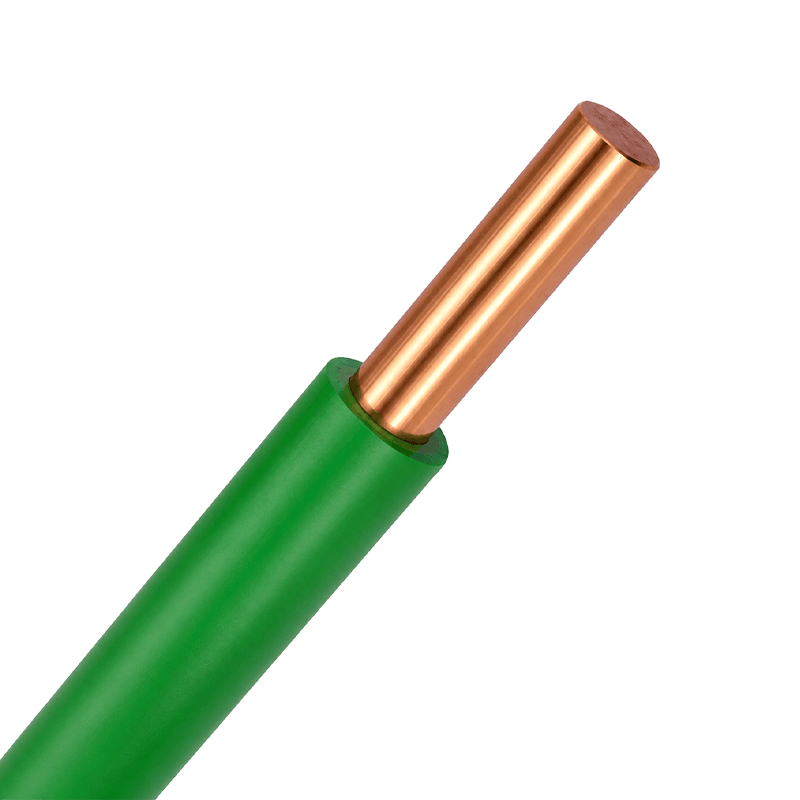
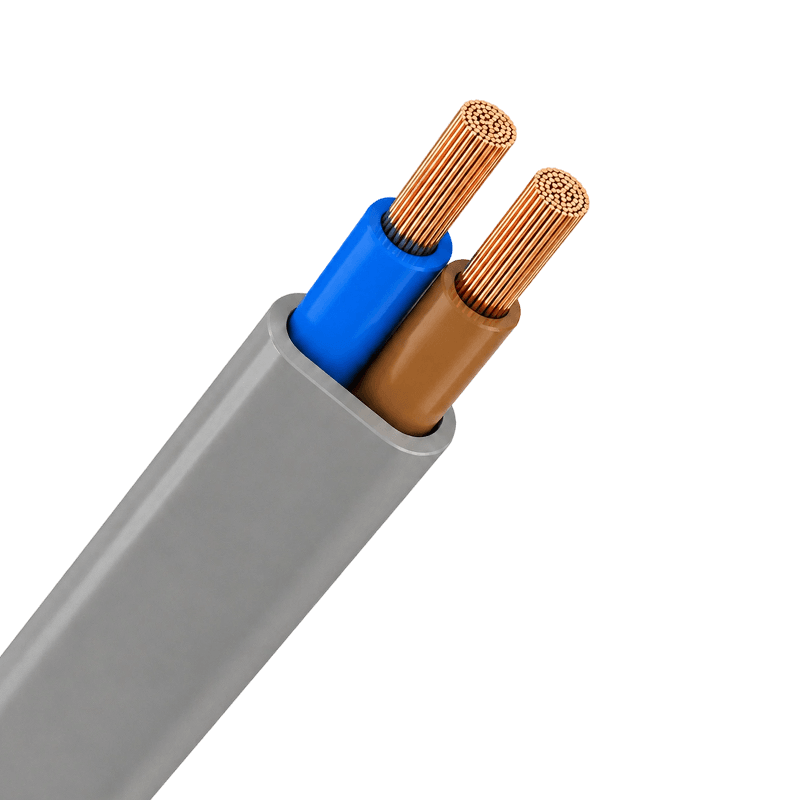
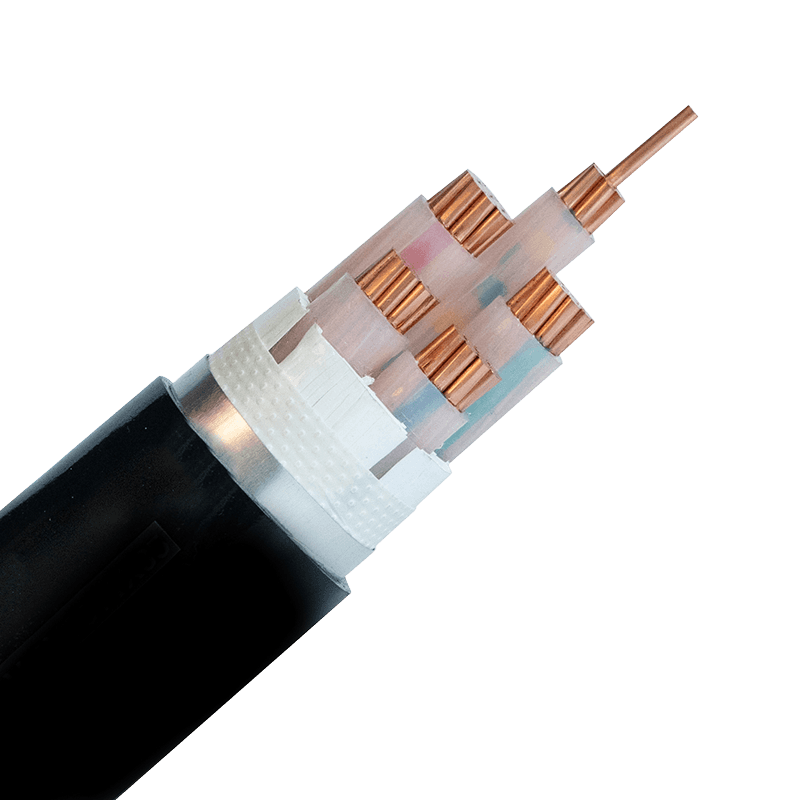
- Marine electrical cables
- UL-certified wiring solutions
- Custom cable manufacturing
- Global standard compliance
Contact us today to learn more about our high-performance marine cable solutions.

- +86-13588204183
- No. 39 Zhiyuan Road, Deqing Economic Development Zone, Huzhou City, Zhejiang Province

Copyright © Zhejiang Huapu Cable Co., Ltd. All Rights Reserved.
 ISO 9001 Cable Manufacturer