
 en
en English
 中文简体
中文简体 русский
 Español
 عربى
عربى
Is It Mandatory to Replace Old Knob and Tube Wiring?
Content
Knob and Tube (K&T) wiring was the standard for residential electrical systems from the 1880s through the 1940s. However, as it is fundamentally incapable of supporting the high power demands of modern households, electrical failures and aging infrastructure have become leading causes of structural residential fires.
I. How to Quickly Identify K&T Systems?
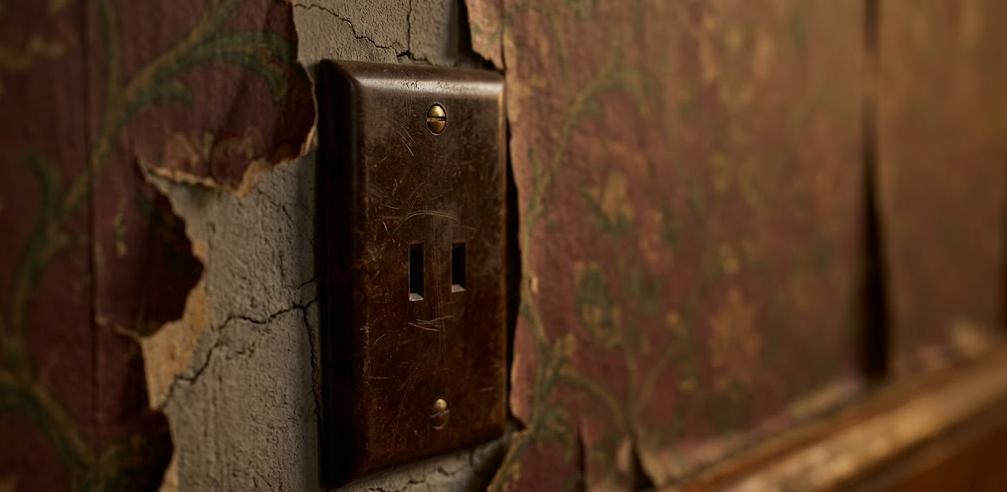
Visual Characteristics: In exposed areas like unfinished basements and attics, look for small white or gray cylindrical ceramic insulators nailed to wooden joists, securing single black or white fabric-covered lines.
Indoor Signals: The widespread presence of ungrounded two-prong outlets in living areas is a strong indicator that vintage infrastructure may still be active behind the walls.
Structural Principle: Live and neutral lines are routed completely separately without a grounding mechanism, relying on ceramic knobs to suspend them in the air and avoid direct physical contact with the wooden framing.
II. The Top 4 Deadly Hazards of K&T Systems
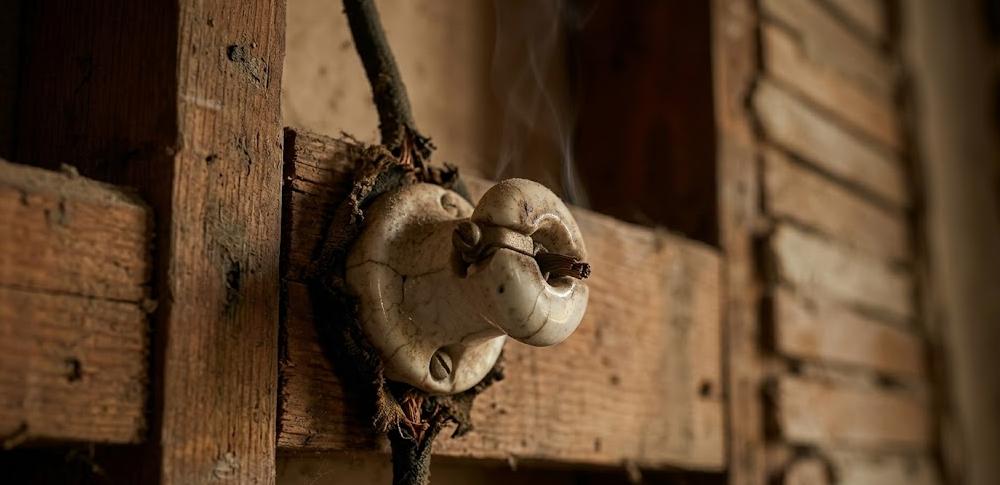
Lack of Grounding Protection: K&T systems only feature live and neutral paths. Without a grounding mechanism, any electrical leak will seek the path of least resistance to the ground, posing a severe and potentially fatal electrocution risk. Furthermore, modern surge protectors are rendered completely useless.
Severe Insulation Degradation: Over nearly a century, natural rubber and cotton fabric degradation leads to severe drying, cracking, and crumbling. Once bare copper is exposed to wooden frames, dust, or rodent activity, it creates a high risk of arcing faults and structural fires.
Overload Heating & Electromagnetic Induction: Forcing modern high-wattage appliances onto K&T circuits causes severe overloading and overheating. Additionally, the wide separation between live and neutral paths creates strong, un-canceled electromagnetic fields. If these fields are near ferromagnetic metals, they can cause dangerous eddy current heating.
The Fatal "Insulation" Conflict: K&T systems were designed to rely strictly on free-flowing air within wall cavities to dissipate heat. If modern thermal insulation materials bury these systems, the trapped heat will rapidly accumulate, inevitably igniting the surrounding materials.
III. Commercial Risks: Insurance Denials & Mortgage Rejections
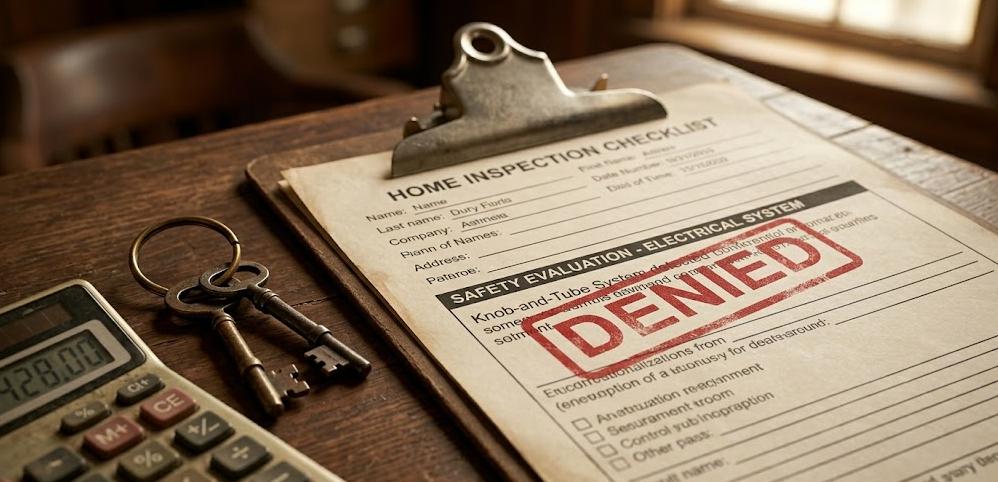
Insurance Obstacles: During the underwriting process, the discovery of active K&T systems typically leads standard carriers to deny homeowners' insurance policies outright or demand mandatory removal. Even if high-risk coverage is secured, premiums are exponentially higher.
Transaction Blocks: During the mortgage approval stage, if an appraiser identifies safety hazards related to vintage systems, the loan process will immediately halt, severely weakening the seller's negotiating power.
Regulatory Bans: The National Electrical Code (NEC) Article 394.12 strictly prohibits the installation of any loose, rolled, or foamed thermal insulation in hollow spaces containing K&T systems.
IV. Modern Alternative Solutions
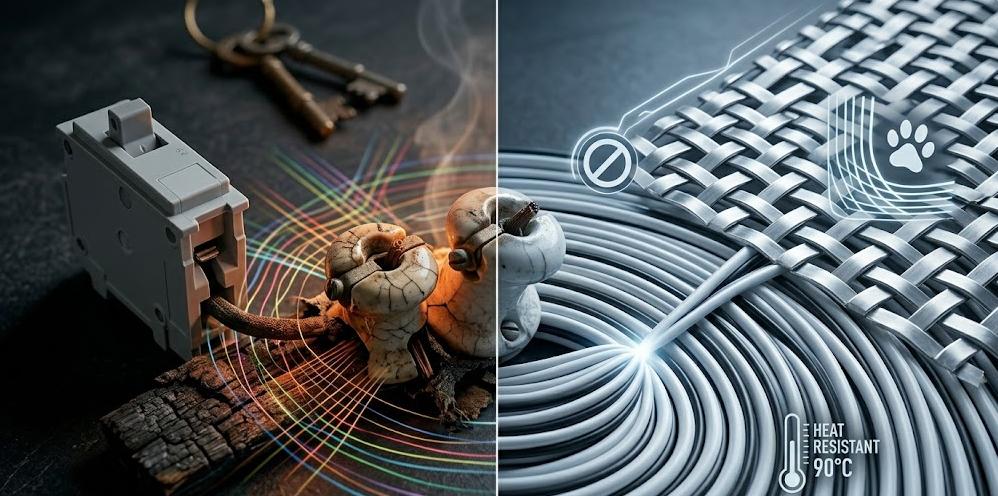
Attempting to improve safety by simply installing modern AFCI/GFCI breakers on old systems usually fails. A complete, professional rewiring by licensed electricians is the only scientifically sound solution.
- Option A: Non-Metallic Sheathed Solutions (NM-B / Romex)
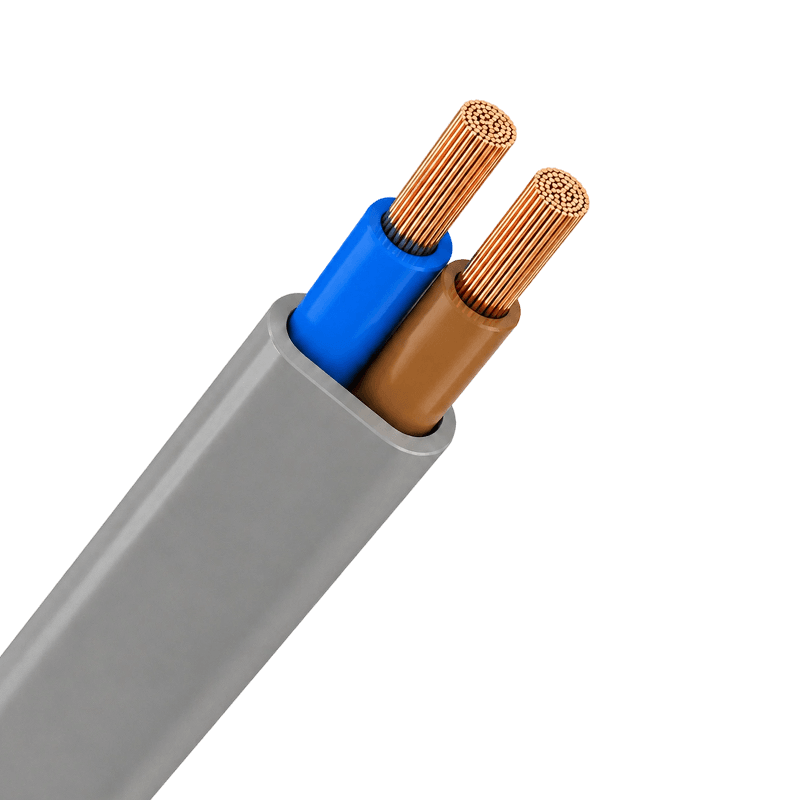
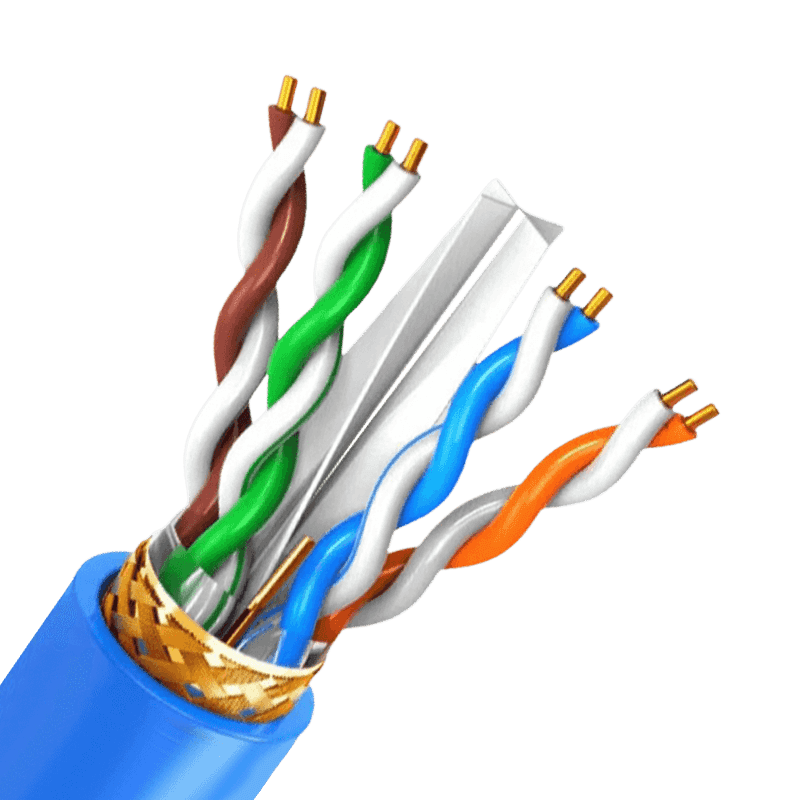
Features: The absolute standard for modern dry indoor routing. It tightly encases the live, neutral, and grounding paths within a PVC jacket, perfectly canceling out electromagnetic induction risks.
Advantages: Heat resistant up to 90°C (194°F), highly flexible, and significantly reduces labor costs for concealed wall installations.
- Option B: Metal-Clad Solutions (Type MC)
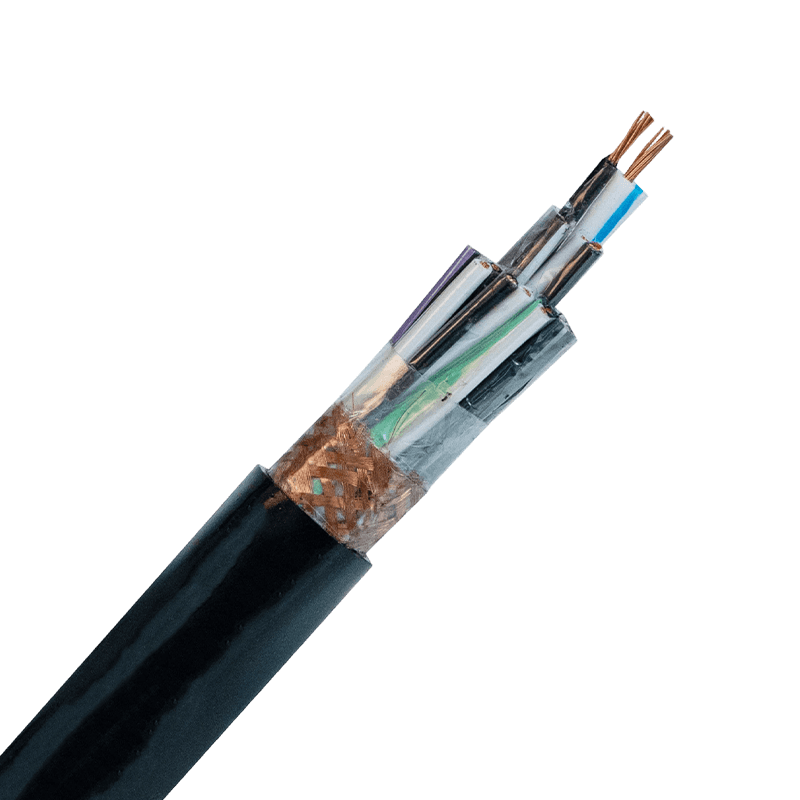
Features: Wrapped in an interlocking metal armor and equipped with an independent insulated green grounding path.
Advantages: Provides superior protection against physical damage and rodent intrusion, allowing for exposed surface installations in historic buildings where wall removal is impossible.
V. Frequently Asked Questions (FAQ)
Q1: Can I just replace the damaged sections or install modern breakers instead of doing a full house upgrade?
No. K&T systems commonly suffer from "shared neutral" violations, which will cause highly sensitive AFCI/GFCI breakers to trip constantly or fail to function. A complete system replacement is the only effective solution.
Q2: Why did contractors refuse to install wall thermal insulation because of my K&T system?
K&T systems rely absolutely on free air circulation to dissipate heat. Covering them with thermal insulation traps the heat, rapidly accumulating temperatures until a fire starts. This practice is explicitly banned by the National Electrical Code (NEC).
Q3: What happens if I hide the existence of a K&T system when buying homeowners' insurance?
The risk is immense. If you intentionally fail to disclose it and a fire occurs, the insurance company has the absolute right to deny your claim based on the concealment of a material risk.
VI. Conclusion
In the face of modern high-density power demands, vintage K&T systems have become outdated and highly hazardous infrastructure. To pass modern regulatory inspections and guarantee absolute property safety, stripping out the obsolete setup and replacing it with code-compliant NM-B or MC armored solutions is mandatory.
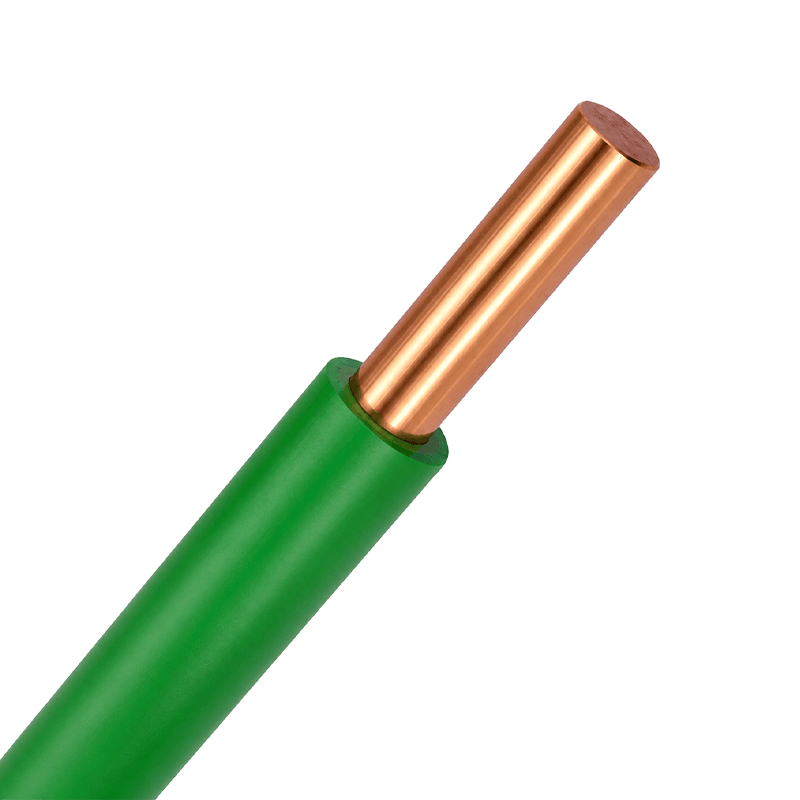
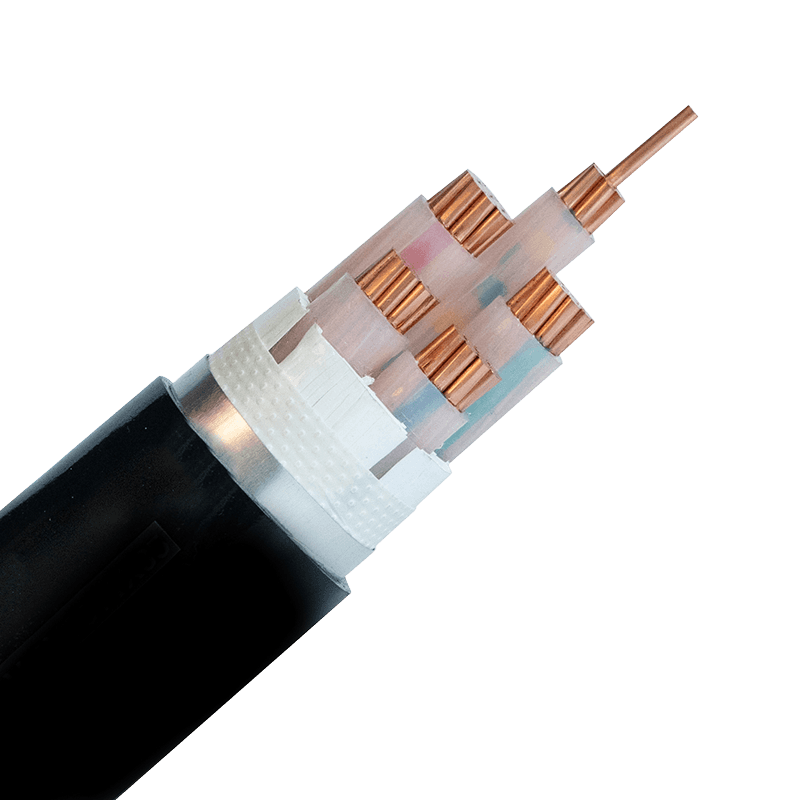
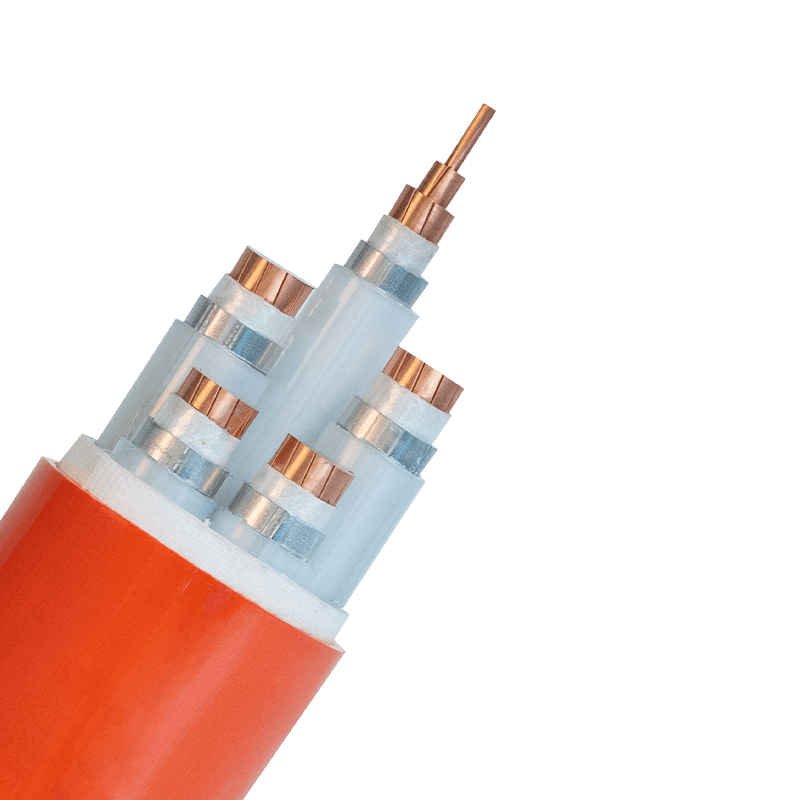
For any residential renovation and engineering routing needs, selecting reliable materials is crucial. With 20 years of manufacturing expertise, Zhejiang Huapu Cable Co., Ltd. provides a full range of premium products, including NM-B and MC armored solutions that meet the highest international safety standards. If you are planning an electrical upgrade for historic properties or require bulk procurement, please contact our international trade team to receive a professional product catalog and customized quotation, ensuring a solid safety foundation for your project.

- +86-13588204183
- No. 39 Zhiyuan Road, Deqing Economic Development Zone, Huzhou City, Zhejiang Province

Copyright © Zhejiang Huapu Cable Co., Ltd. All Rights Reserved.
 ISO 9001 Cable Manufacturer