
 en
en English
 中文简体
中文简体 русский
 Español
 عربى
عربى
Electrical Equipment Cables: Types, Standards & Selection Guide
Content
What Are Electrical Equipment Cables and Why Do They Matter
Electrical equipment cables are the backbone of any power or control system. They transmit electricity, data, and control signals between components — from panels and drives to motors, sensors, and automation devices. Choosing the right cable is not a minor detail; it directly affects system reliability, energy efficiency, maintenance cost, and most importantly, safety.
In industrial and commercial settings, cable failures account for a significant share of unplanned downtime. According to data from the Electric Power Research Institute (EPRI), insulation degradation and improper cable selection are among the top three causes of electrical faults. A well-specified cable lasts decades; a poorly chosen one can fail within months — or worse, cause a fire.
Understanding the fundamentals of electrical equipment cables — their construction, ratings, and application logic — is essential for engineers, procurement teams, and installers alike.
Core Types of Electrical Equipment Cables
Different applications demand different cable designs. The most commonly used categories in electrical equipment installations include:
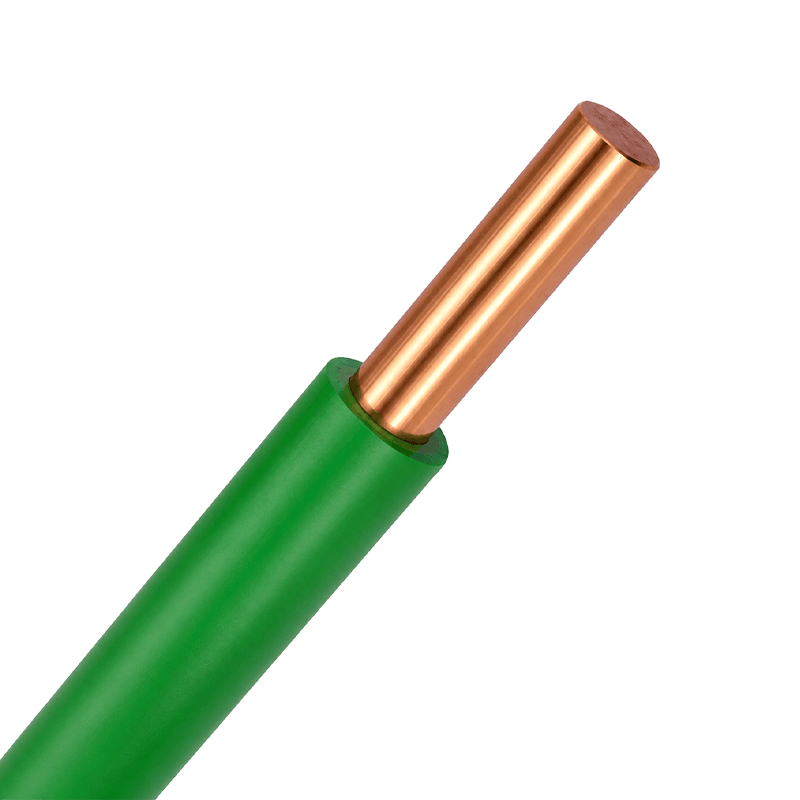
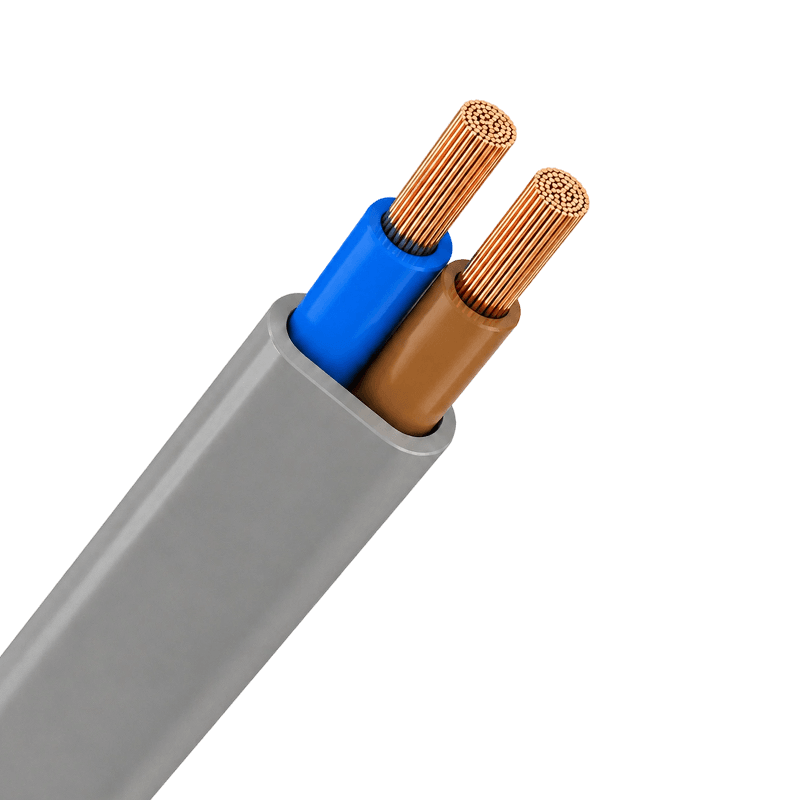
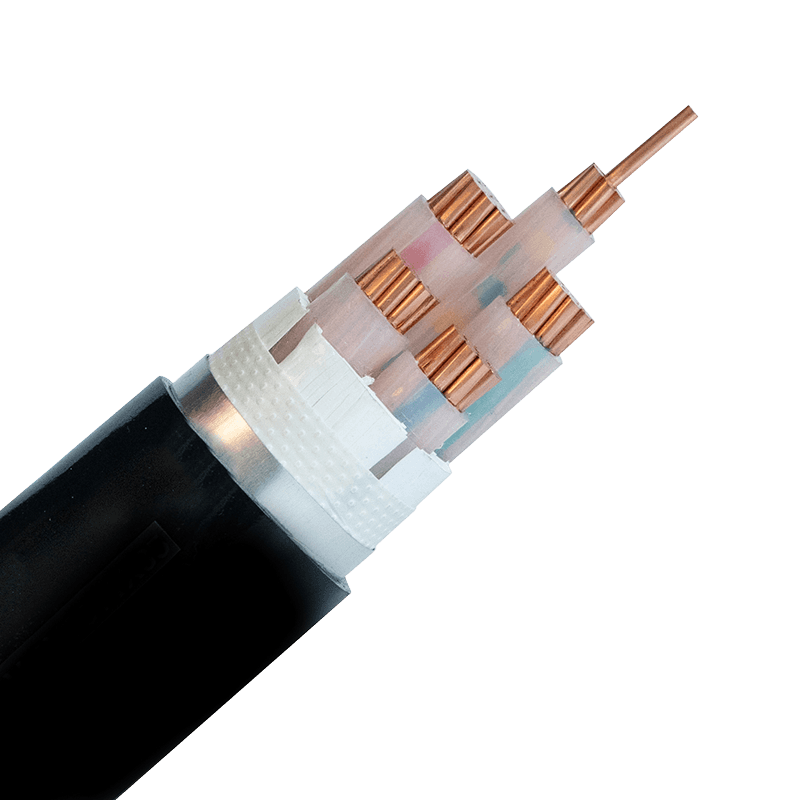
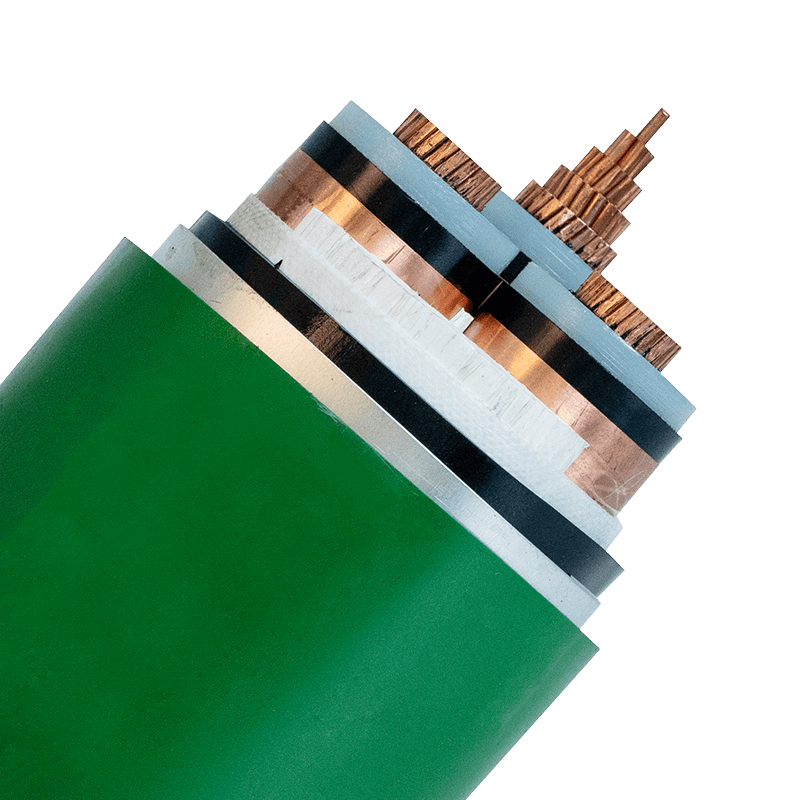
- Power cables — Designed to carry high current loads from the supply source to motors, transformers, and switchgear. Typically constructed with stranded copper or aluminum conductors and rated from 600V to 35kV depending on the system.
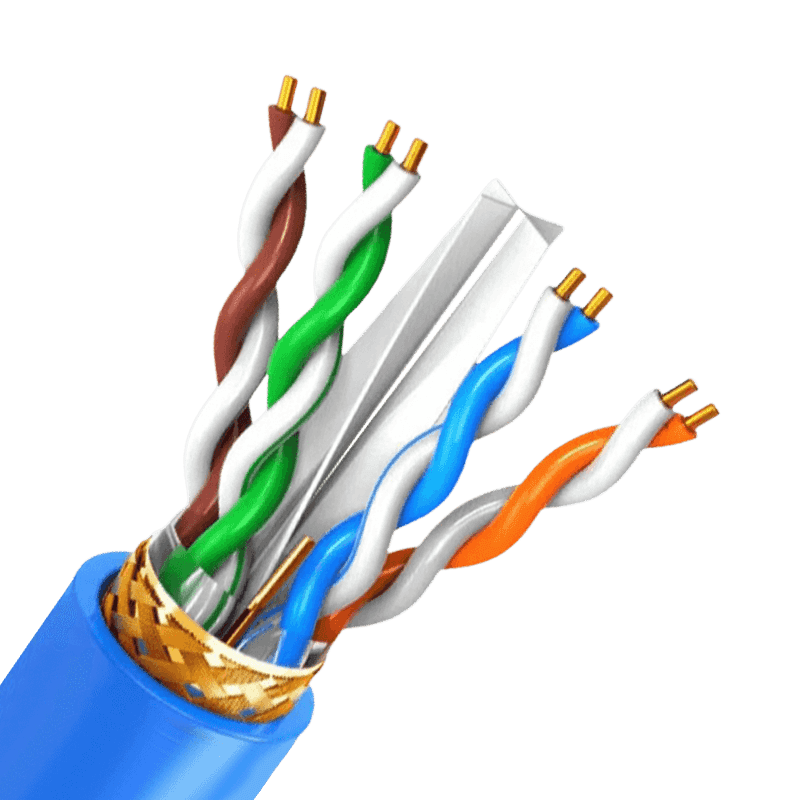
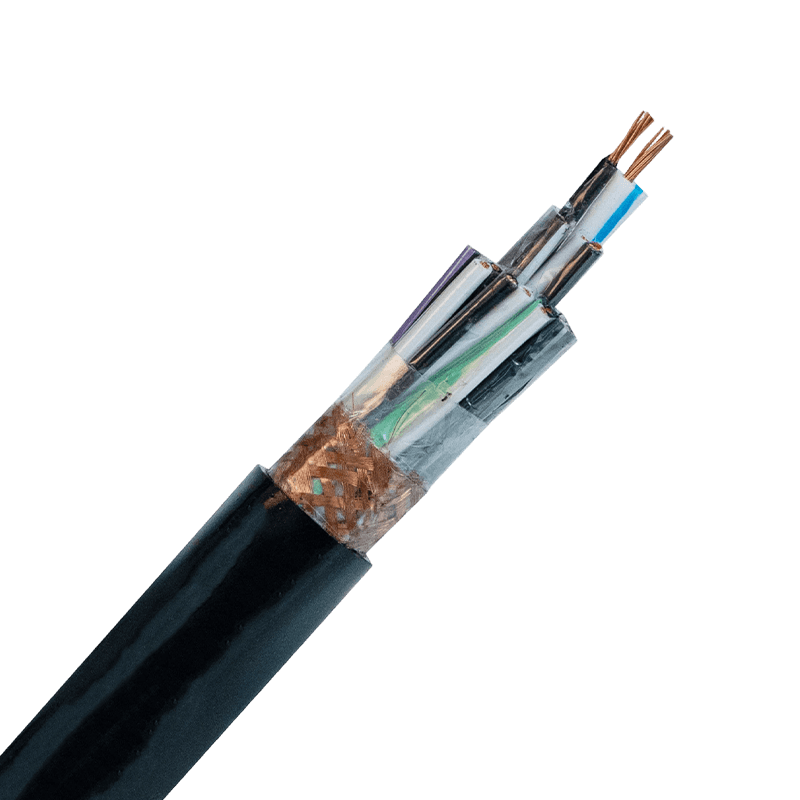
- Control cables — Used in automation and instrumentation systems to transmit low-voltage signals between PLCs, sensors, relays, and actuators. They are typically multi-core (4 to 37 cores) with individual or collective shielding.
- Instrumentation cables — A subcategory of control cables optimized for signal integrity. They feature tight shielding, low capacitance, and resistance to electromagnetic interference (EMI) — critical in process industries like oil & gas, chemicals, and pharmaceuticals.
- Flexible cables — Designed for moving parts, cable trays, and machine tool connections where frequent flexing would fatigue standard cables. Conductor strands are finer, and sheaths are made from highly elastic compounds such as PUR (polyurethane) or TPE.
- Armoured cables (SWA / AWA) — Steel wire armoured or aluminium wire armoured cables provide mechanical protection in underground, outdoor, and industrial environments where physical damage is a real risk.
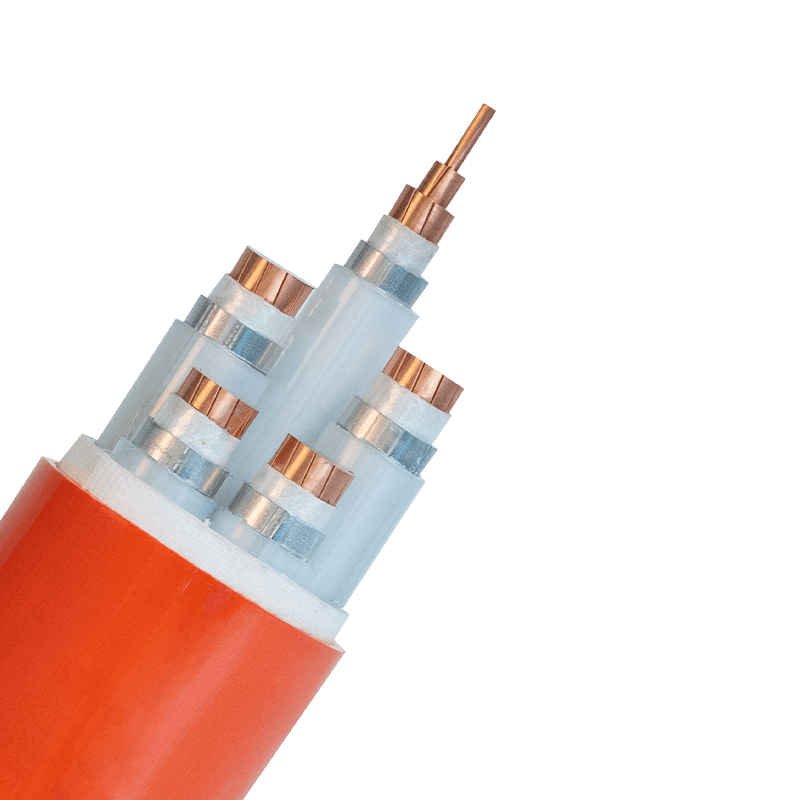
- Fire-resistant and LSZH cables — Low smoke zero halogen (LSZH) cables are mandatory in enclosed public spaces, tunnels, and data centers. Fire-resistant variants maintain circuit integrity for a defined period (typically 30–120 minutes) even when exposed to direct flame.
Each type follows a distinct construction logic, and mixing them up — for example, using a standard control cable in a high-flex application — is a common and costly mistake.
Key Technical Parameters and International Standards
Specifying electrical equipment cables correctly requires evaluating several technical parameters in tandem:
Voltage Rating
Cables are rated by their maximum operating voltage, expressed as U₀/U (e.g., 0.6/1 kV). Exceeding the rated voltage causes insulation breakdown over time. In equipment panels, 300/500V or 450/750V cables are standard; for medium-voltage distribution, ratings of 6/10 kV, 12/20 kV, or higher are required.
Current-Carrying Capacity (Ampacity)
Ampacity is determined by conductor cross-section, insulation material, installation method, and ambient temperature. For example, a 2.5 mm² copper conductor in free air carries approximately 26A, but the same cable installed in a bundled conduit may be derated to 16A or less. Oversizing conductors adds cost; undersizing creates heat — and risk.
Insulation and Sheath Materials
The most common insulation materials and their characteristics are summarized below:
| Material | Max. Temp. | Key Properties | Typical Use |
|---|---|---|---|
| PVC | 70°C / 90°C | Cost-effective, oil-resistant | General wiring, panels |
| XLPE | 90°C | Higher ampacity, moisture-resistant | Power distribution, MV cables |
| LSZH | 70°C – 90°C | Low smoke, halogen-free | Public buildings, tunnels, data centers |
| Silicone | 180°C+ | Extreme heat and cold resistance | Ovens, furnaces, aerospace |
| PUR | 80°C | Highly flexible, abrasion-resistant | Drag chains, robotic arms |
Relevant Standards
Cable procurement should always reference the applicable standard for the region and application:
- IEC 60502 — Power cables with extruded insulation for rated voltages from 1 kV to 30 kV
- IEC 60227 / IEC 60245 — PVC-insulated and rubber-insulated cables for fixed wiring
- EN 50525 — European standard for low-voltage cables used in fixed and flexible installations
- UL 44 / UL 83 — Underwriters Laboratories standards widely required in North American markets
- GB/T 12706 — China national standard for power cables, essential for projects with Chinese equipment suppliers
How to Select the Right Cable for Electrical Equipment Applications
Cable selection is a multi-variable decision. A structured approach prevents both over-specification (which wastes budget) and under-specification (which creates risk). Follow this sequence:
- Define the electrical requirements — Confirm system voltage, maximum load current, and fault current level. These set the floor for conductor size and insulation class.
- Assess the installation environment — Indoor or outdoor? Underground, in conduit, or exposed? Presence of chemicals, oils, UV exposure, or mechanical stress? Each factor narrows the viable cable types.
- Check temperature range — Both ambient operating temperature and any short-circuit heating must stay within the cable's rated limits. Cables in engine rooms or near heat sources require higher-rated insulation.
- Evaluate flexibility requirements — Static installations tolerate standard cables; dynamic applications (drag chains, robots, cranes) demand cables specifically rated for bending cycles — often 5 to 10 million flex cycles for industrial robots.
- Apply safety and code requirements — Public buildings require LSZH. Hazardous areas (ATEX/IECEx zones) require cables with specific flame and ignition resistance ratings. Always verify local regulations.
- Confirm shielding needs — In environments with variable frequency drives (VFDs), motors, or high-frequency switching, unshielded cables pick up EMI and cause signal errors or nuisance trips. Use individually or collectively shielded cables as appropriate.
A common mistake is selecting cable cross-section based solely on current rating without accounting for voltage drop. In long cable runs — especially at 24VDC in automation circuits — a voltage drop of even 1–2V can cause control failures. Always calculate the drop for runs exceeding 20–30 meters.
Installation, Testing, and Long-Term Maintenance
Even the highest-quality electrical equipment cables underperform if improperly installed. Critical installation principles include:
- Respect minimum bend radius — Most cables specify a minimum bend radius of 6–12× the outer diameter. Exceeding this can crack insulation or damage shielding, creating immediate or latent faults.
- Separate power and signal cables — Running control or instrumentation cables parallel to power cables without separation induces noise. Maintain at least 200mm separation or use metal trunking dividers.
- Proper termination and cable management — Loose terminations cause arcing and heat. Use correct ferrules, lug sizes, and torque values as specified by the equipment manufacturer.
- Conduct insulation resistance testing after installation — A megohmmeter test (typically 500V or 1000V DC) confirms insulation integrity before energization. Reference values vary by cable type, but values below 1 MΩ are generally cause for investigation.
For long-term maintenance, periodic thermal imaging of cable terminations reveals hotspots caused by loose connections or overloaded conductors — often catching problems years before a failure occurs. For underground or buried cables, time-domain reflectometry (TDR) testing can pinpoint faults non-destructively.
Cable lifespan in stable indoor environments typically exceeds 30 years for XLPE and 20–25 years for PVC. Harsh environments, UV exposure, chemical contact, or thermal cycling reduce this significantly. Proactive replacement planning, especially for cables installed in the 1990s using older insulation compounds, reduces the risk of unexpected failures in critical systems.

- +86-13588204183
- No. 39 Zhiyuan Road, Deqing Economic Development Zone, Huzhou City, Zhejiang Province

Copyright © Zhejiang Huapu Cable Co., Ltd. All Rights Reserved.
 ISO 9001 Cable Manufacturer