
 en
en English
 中文简体
中文简体 русский
 Español
 عربى
عربى
Can Aluminum Wire Be Directly Connected to Copper Receptacles?
Content
When addressing the question of whether aluminum wire can be directly connected to a standard copper receptacle, materials science and current National Electrical Code (NEC) standards provide a definitive answer: absolutely not.
Data from the U.S. Consumer Product Safety Commission (CPSC) and the Franklin Research Institute reveals that homes wired with pre-1972 "old technology" aluminum wire are 55 times more likely to reach "Fire Hazard Conditions" at receptacle and switch connections compared to homes wired with pure copper. This extreme fire risk does not originate from the aluminum wire inside the walls, but rather concentrates at the mechanical connection points between the aluminum wire and unadapted electrical terminals.
Why is Direct Aluminum-to-Copper Connection Extremely Dangerous?
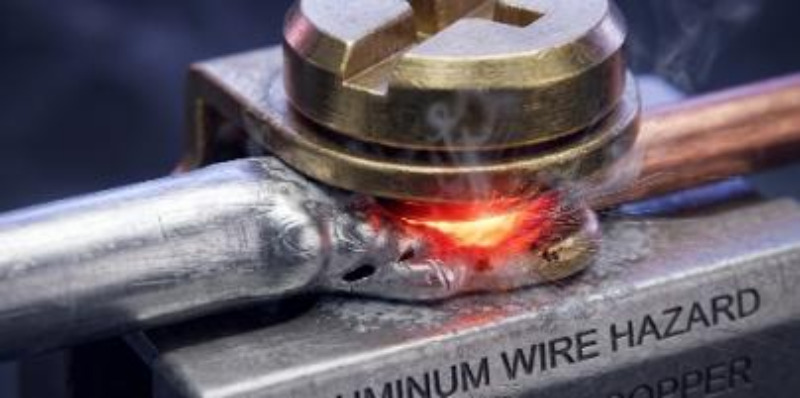
Pressing aluminum and copper together without special mediums or dedicated mechanical designs inevitably triggers a series of slow but irreversible, destructive physical and chemical reactions.
- Thermal Expansion Mismatch and "Cold Flow":The thermal expansion coefficient of aluminum (~23.1 µm/m·°C) is significantly higher than that of copper and steel. When current heats the wire under the rigid constraints of a standard receptacle screw, the aluminum undergoes severe expansion and irreversible transverse plastic deformation, known as "cold flow" or mechanical creep. Upon cooling, the aluminum contracts but loses its original volume, leaving microscopic gaps that cause severe loosening, arcing, and eventual burnout over thousands of thermal cycles.
- Fatal Oxide Insulation Layer:While oxidized copper retains some conductivity, aluminum reacts instantly to oxygen, forming a dense, extremely hard layer of aluminum oxide (Al₂O₃). This layer is an excellent electrical insulator that severely hinders current transmission. As the mechanical connection loosens, oxidation accelerates, causing contact resistance to rise exponentially and generate massive destructive heat.
- Galvanic Corrosion: There is a significant potential difference between aluminum and copper. When these dissimilar metals touch inside a standard receptacle and are exposed to ambient moisture, they form a microscopic galvanic cell. As the highly active anode, the aluminum wire undergoes rapid galvanic corrosion, degrading its physical structure and electrical cross-section.
The Only Compliant Direct Connection Solution: CO/ALR Rated Devices
Standard receptacles marked "CU ONLY" are strictly prohibited from terminating aluminum wire under any circumstances. Due to aluminum's long-term creep, early "AL/CU" devices also failed at high rates.
Modern electrical codes (such as NEC 406.10) mandate by law that devices not marked with CO/ALR (Copper-Aluminum Revised) are absolutely prohibited from directly terminating aluminum conductors. CO/ALR receptacles must pass the stringent UL 1567 standard. They utilize deep tin-plating to minimize galvanic reactions and feature specialized, narrow guide slots to physically lock the aluminum wire in place, preventing cold flow.
The Best Permanent Repair Solution: Copper "Pigtailing"
Because CO/ALR receptacles are expensive and cannot fix the hazards of multiple aluminum wires spliced together inside a junction box, the CPSC's most highly recommended permanent repair is "pigtailing". This involves securely splicing a short piece of pure copper wire to the existing aluminum wire, which is then connected to any standard modern receptacle.
The CPSC officially approves only two permanent pigtailing methods:
1. COPALUM Cold Weld Crimp System (Optimal Permanent Solution)
Developed by TE Connectivity, this is the only repair method the CPSC rates as safe as completely rewiring a home with copper.
- The Mechanism:It uses a specialized tin-plated copper sleeve. A proprietary power tool applies 10,000 pounds of absolute pressure to create a "dry crimp".
- The Result:This extreme pressure forces the metals to plastically flow, instantly tearing the oxide layer and fusing the metal lattices at room temperature to form a "cold weld," permanently eliminating future oxidation and galvanic corrosion.
2. AlumiConn Dedicated Aluminum-to-Copper Terminal (Approved Alternative)
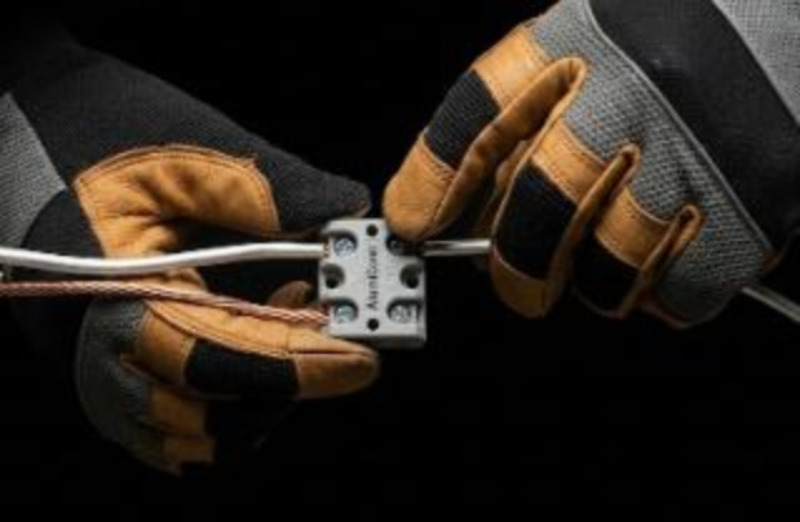
For areas where COPALUM tools are unavailable, the CPSC approves the AlumiConn connector by King Innovation.
- The Mechanism:This is a compact, multi-port miniature terminal block where aluminum and copper wires are inserted into completely isolated ports, cutting off the galvanic corrosion path at the source.
- Anti-Oxidation:The interior is pre-filled with an anti-oxidant paste that instantly coats the bare aluminum crystals upon insertion, blocking oxygen.
Critical Compliance Warning: Mandatory Torque Control (NEC 110.14(D))
When using AlumiConn connectors, NEC 110.14(D) explicitly requires installers to use a calibrated torque tool (like a torque screwdriver) to achieve the exact torque specified by the manufacturer (typically 10 to 15 inch-pounds). Under-tightening causes high-resistance burnouts, while over-tightening crushes the soft aluminum wire. Failure to use a torque tool violates NEC codes and can lead to denied insurance claims after a fire.
Strictly Prohibited: Are Standard or "Purple" Wire Nuts Safe?
No. You must never use standard twist-on wire nuts for aluminum-to-copper connections. Even "purple" wire nuts marketed for aluminum-to-copper connections (such as the Ideal 65, which contains anti-oxidant paste) are not approved by the CPSC for permanent repairs. Laboratory testing shows the spiral springs inside these wire nuts cannot constrain aluminum's severe thermal expansion and cold flow. Wire nut connections on aluminum wire often fail and pose fire hazards even faster than untreated, original old receptacles.
FAQ | Frequently Asked Questions
Q1: Can I connect aluminum wire directly to a standard copper receptacle?
Absolutely not. According to the National Electrical Code (NEC), uncertified devices without a CO/ALR mark are strictly prohibited from terminating aluminum conductors. Direct compression of these two metals without specialized mechanical design triggers irreversible destructive reactions.
Q2: Why does connecting aluminum and copper wire cause fires? There are three core reasons: First, aluminum's higher thermal expansion causes mechanical creep (cold flow) at the connection point, leading to looseness and arcing. Second, exposed aluminum instantly forms a highly insulating oxide layer (aluminum oxide) that generates extreme heat. Third, the contact between the two metals causes galvanic corrosion, rapidly degrading the wire's mechanical strength.
Q3: Can I use "AL/CU" receptacles or "purple" wire nuts with anti-oxidant paste?
No. Early "AL/CU" devices failed because they could not resist aluminum's long-term creep. Similarly, "purple" wire nuts with anti-oxidant paste are not recognized by the CPSC for permanent repairs; their failure rate and fire risk are even faster than untreated old receptacles.
Q4: What is the most compliant and safest way to repair old aluminum wiring?
There are only two fully compliant paths to permanently eliminate overheating risks: either completely replace the devices with dedicated CO/ALR receptacles that pass the UL 1567 standard ; or use copper pigtailing with the COPALUM cold weld system or AlumiConn terminals, ensuring you use a precision torque tool to meet NEC 110.14(D) torque specifications during installation.
Professional Tip: Securing Electrical Engineering from the Source
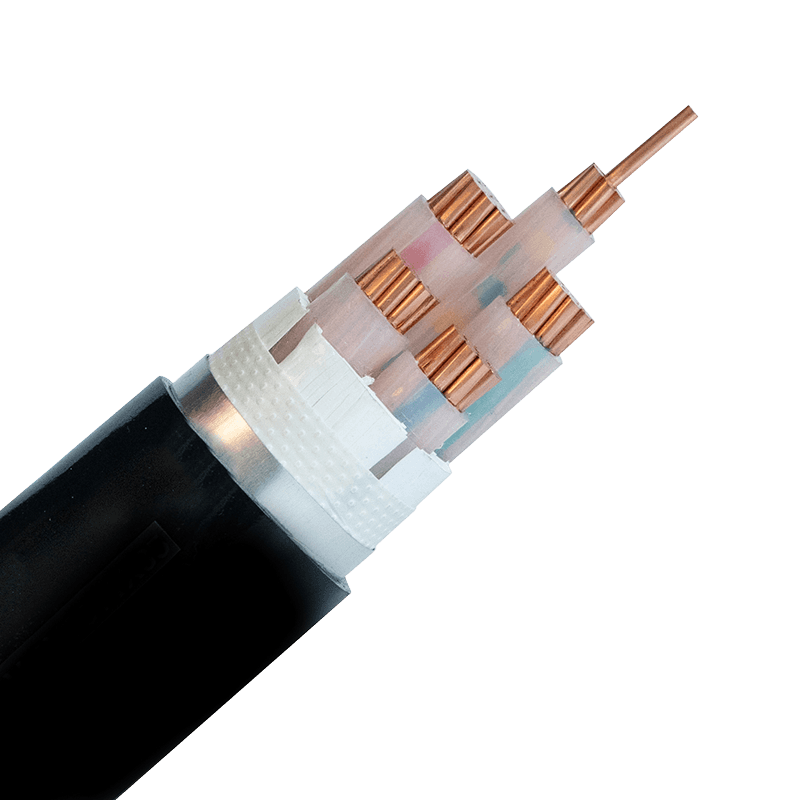
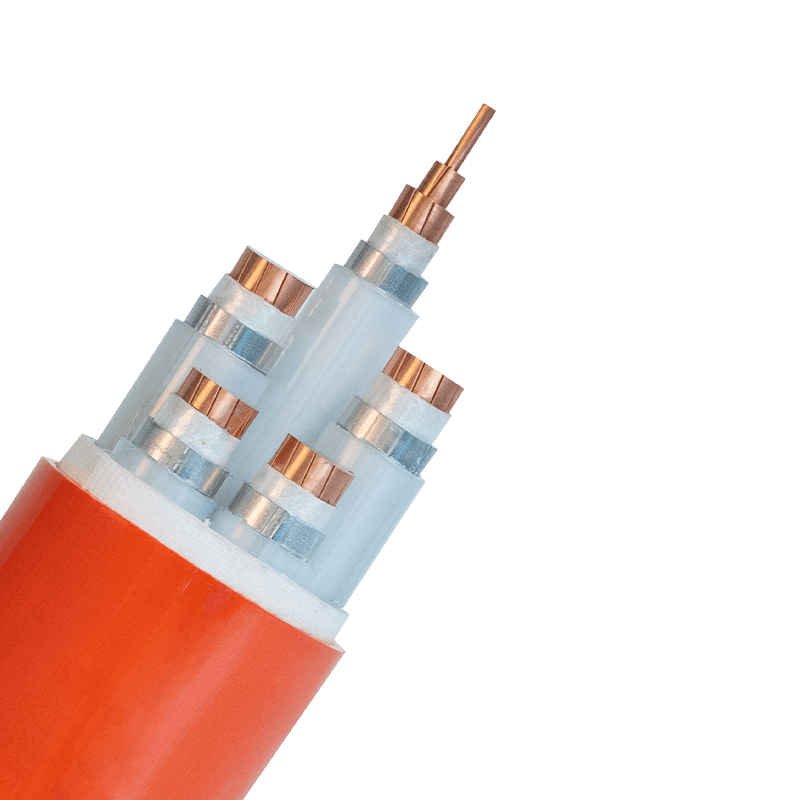
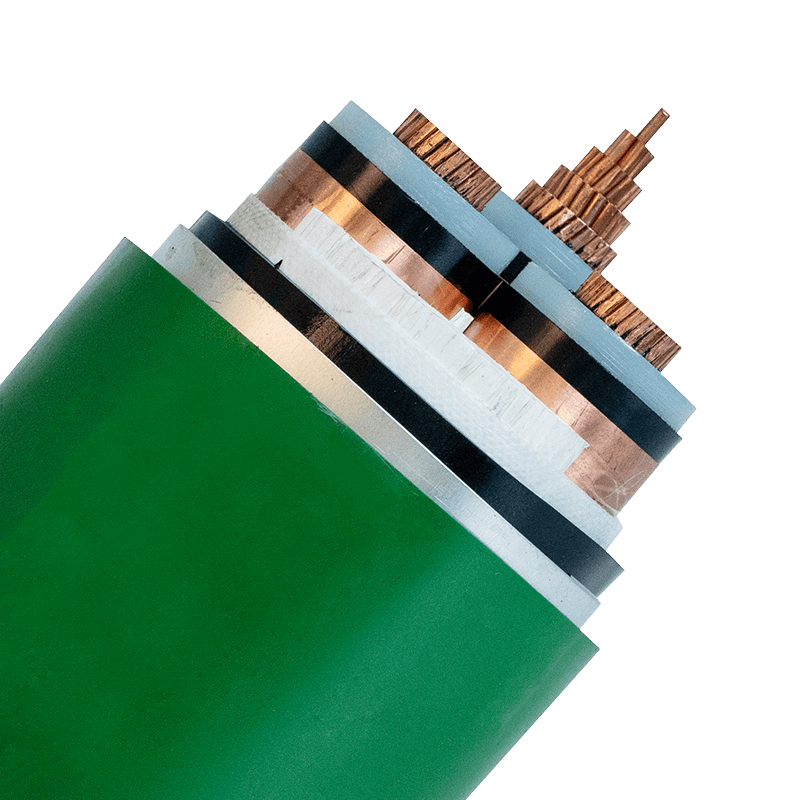
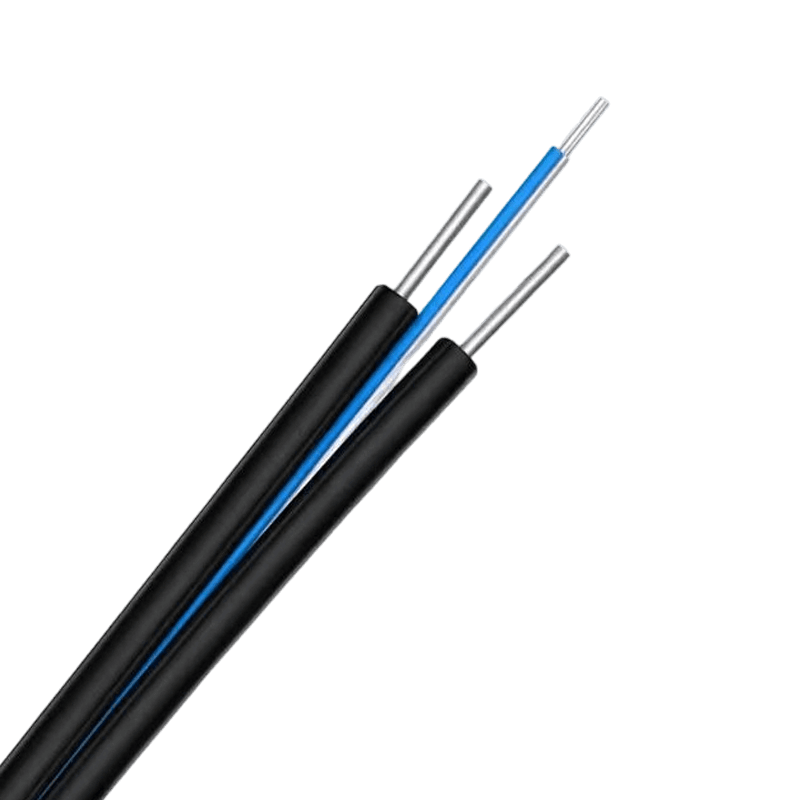
Long-term stability in electrical systems relies not only on compliant terminal wiring techniques but, more fundamentally, on the core quality of the cables themselves. Whether handling complex commercial wiring upgrades or bulk procurement for large-scale international projects, material reliability is the lifeline of any installation.
As a dedicated manufacturer deeply engaged in the global B2B market, HUAPUCABLE provides global clients with high-performance cables that strictly adhere to international safety and quality standards. From rigorous raw material selection to advanced manufacturing processes, we eliminate electrical safety hazards at the source, ensuring that your international construction and infrastructure projects are executed safely, efficiently, and successfully.

- +86-13588204183
- No. 39 Zhiyuan Road, Deqing Economic Development Zone, Huzhou City, Zhejiang Province

Copyright © Zhejiang Huapu Cable Co., Ltd. All Rights Reserved.
 ISO 9001 Cable Manufacturer