Data Center Power Cable Suppliers
Home / Cable Series / Power Cables

XLPE Insulated Power Cable Manufacturers

Power cables are core components for transmitting and distributing electrical energy in power systems, industrial equipment, and residential infrastructure. Composed of conductors, insulation layers, shielding layers, and outer sheaths, they are classified by conductor material (copper/aluminum) and insulation type (PVC, XLPE, rubber) to adapt to diverse working conditions.

Copper conductors feature low resistance and high conductivity, ideal for high-load scenarios; aluminum options offer cost-efficiency for low-to-medium load applications. XLPE insulation ensures excellent heat resistance (operating temperature up to 90°C) and corrosion resistance, suitable for underground and overhead installations.

Designed to meet national safety standards, power cables ensure stable power transmission while preventing leakage and short circuits. Widely applied in power grids, renewable energy projects, industrial machinery, and building wiring, they deliver reliable energy support for modern production and daily life, with their performance strictly matching the technical parameters of application scenarios.

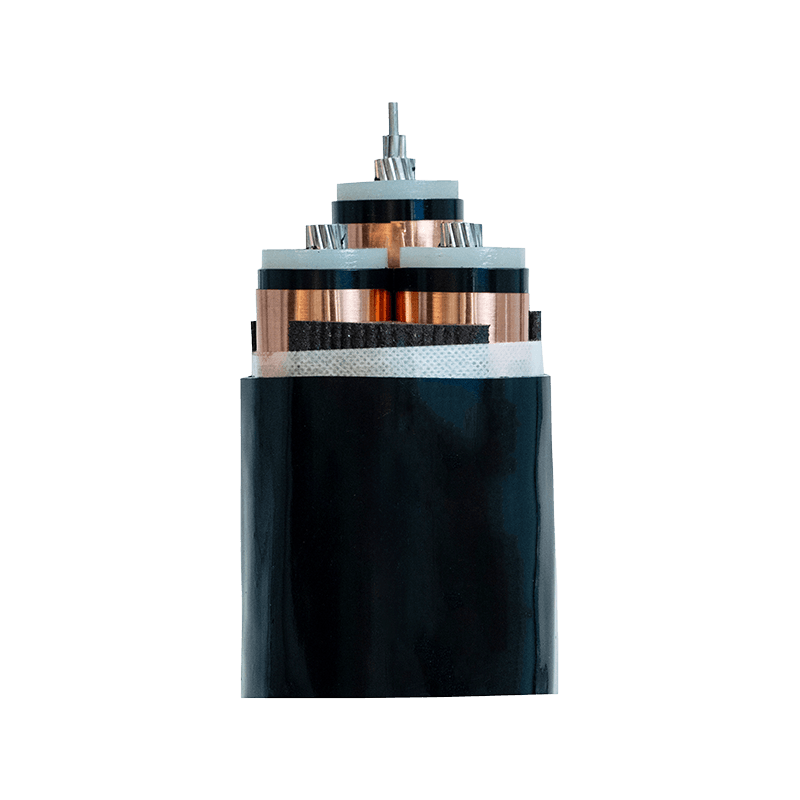
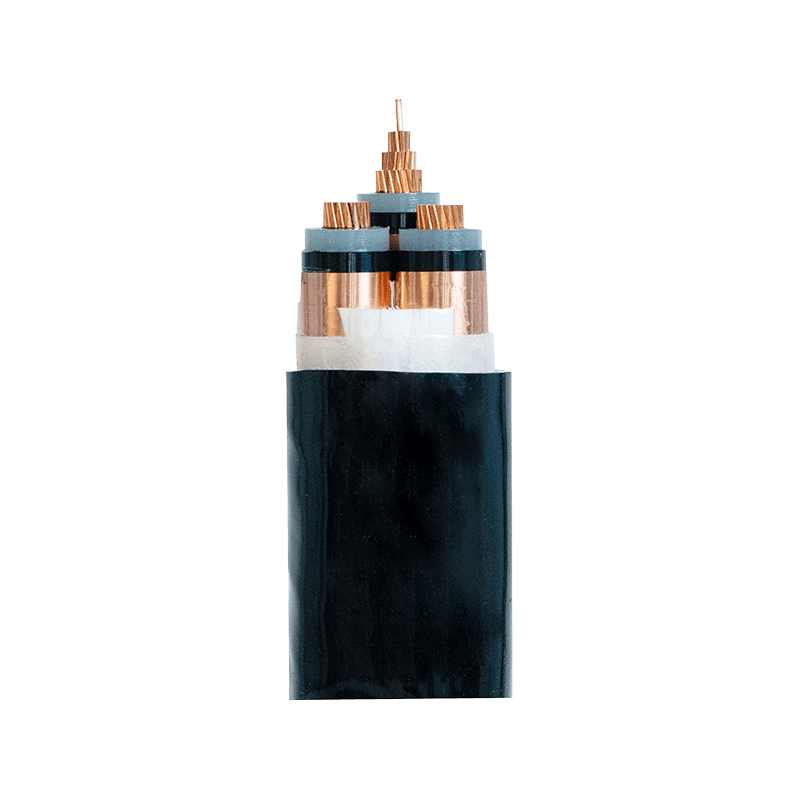
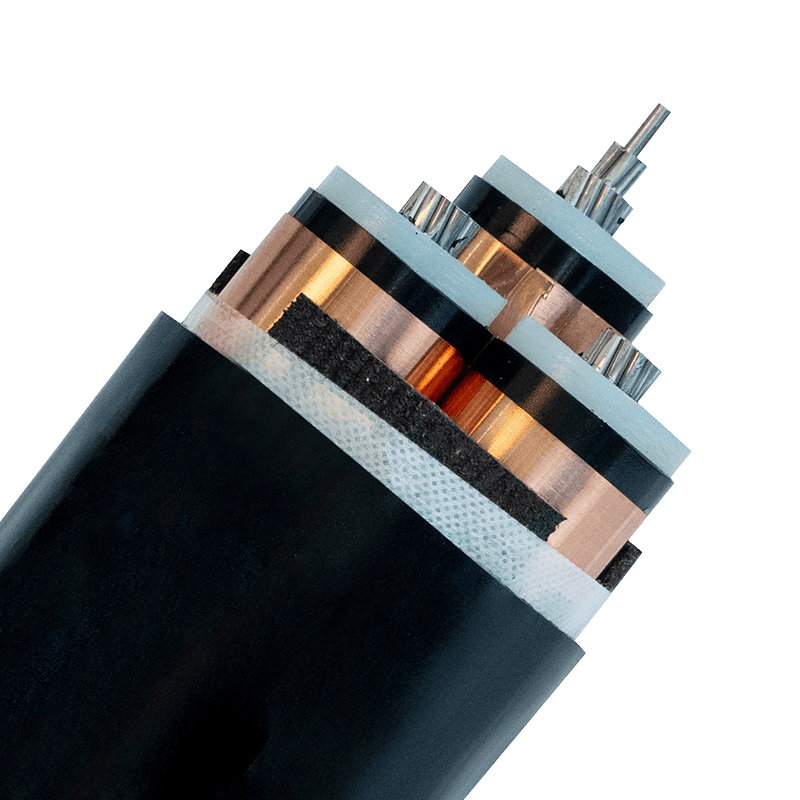
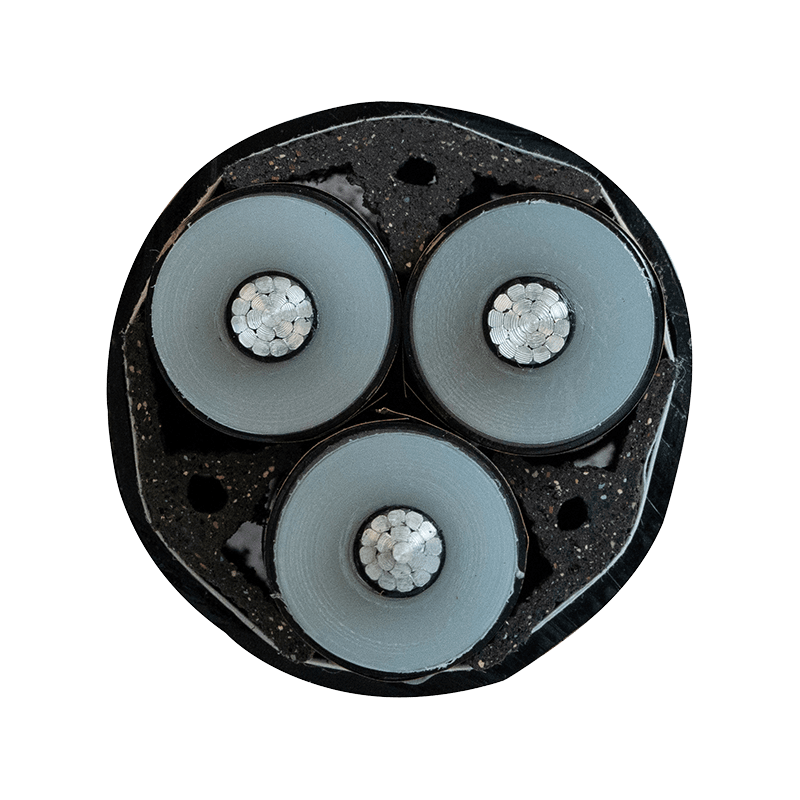
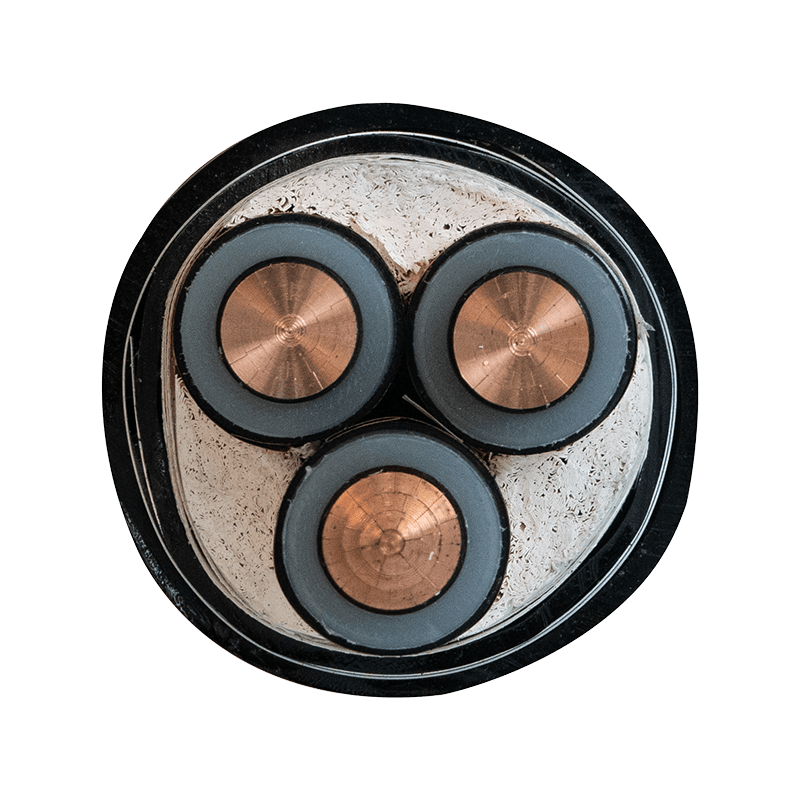
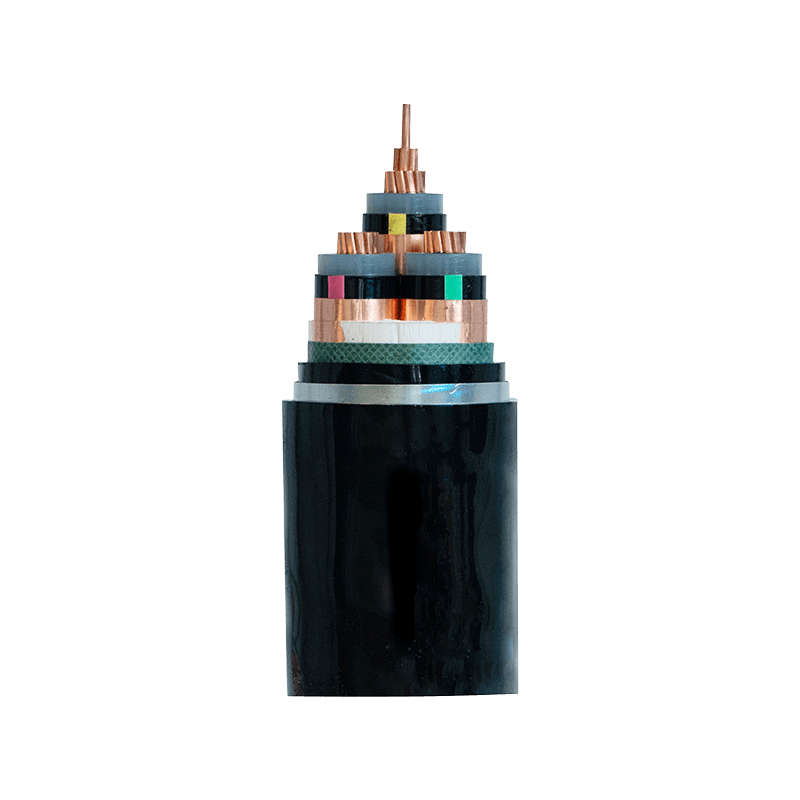
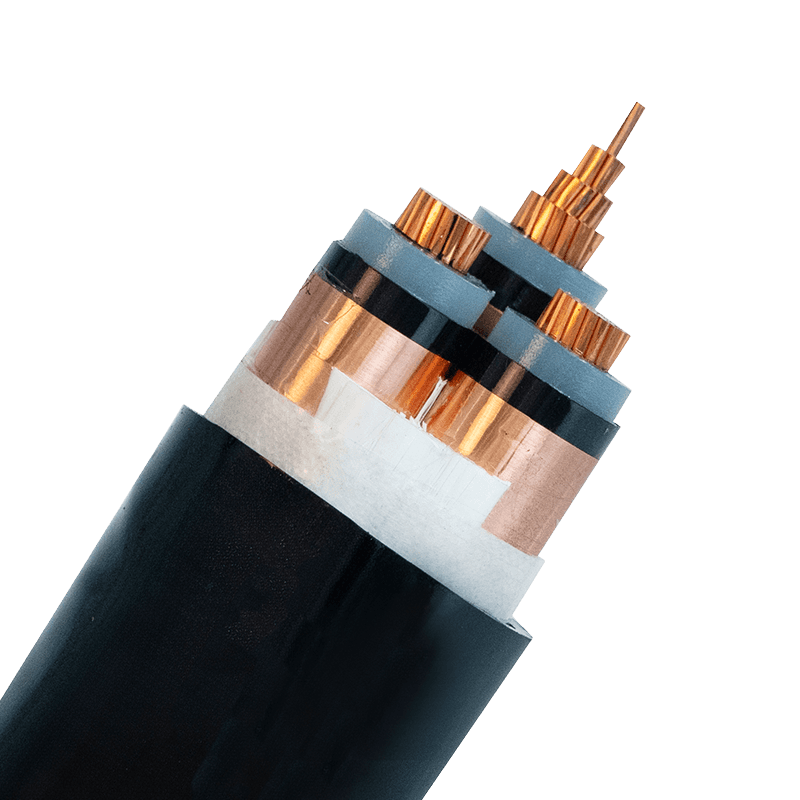
YJLV 26/35KV 3*95

26/35 kV XLPE Insulated Power Cable

Conductor Aluminum
Conductor shielding layer Cross-linked Polyethylene
Insulation Cross-linked Polyethylene
Insulating shielding layer Cross-linked Polyethylene
Filling Polypropylene-filled Rope
Bag strap Non-woven Fabric
Shielding layer Copper Tape
Sheath PVC
Highest temperature of conductor 90
Bending radius 12-15D
Obtain Quotations
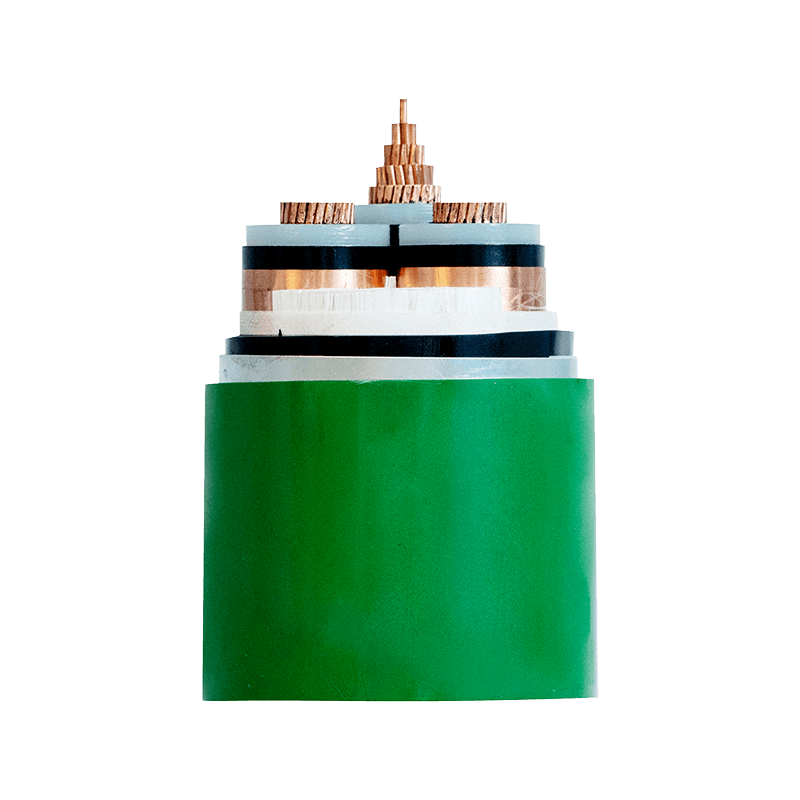
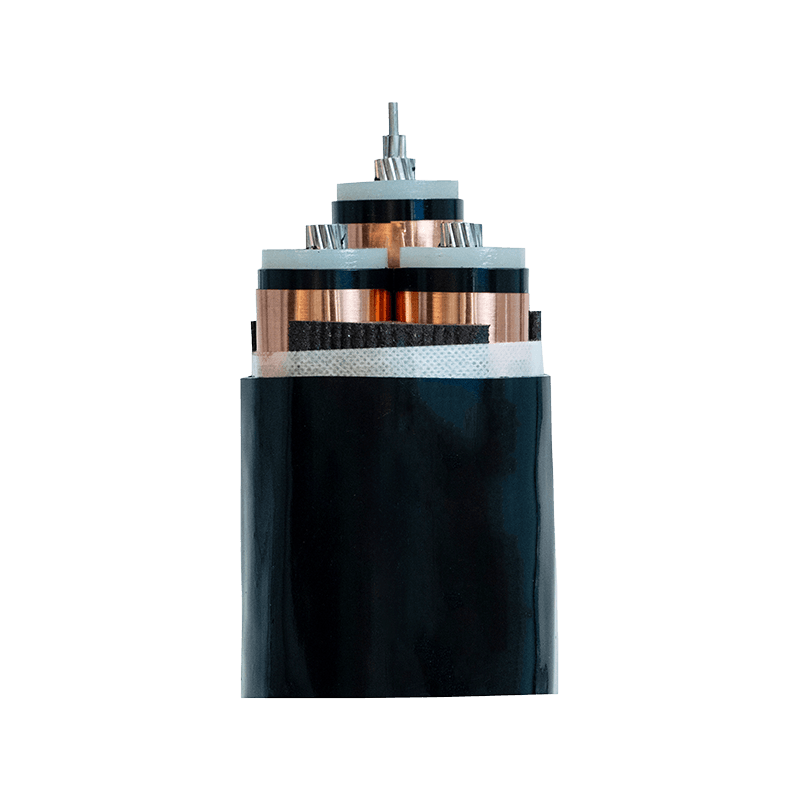
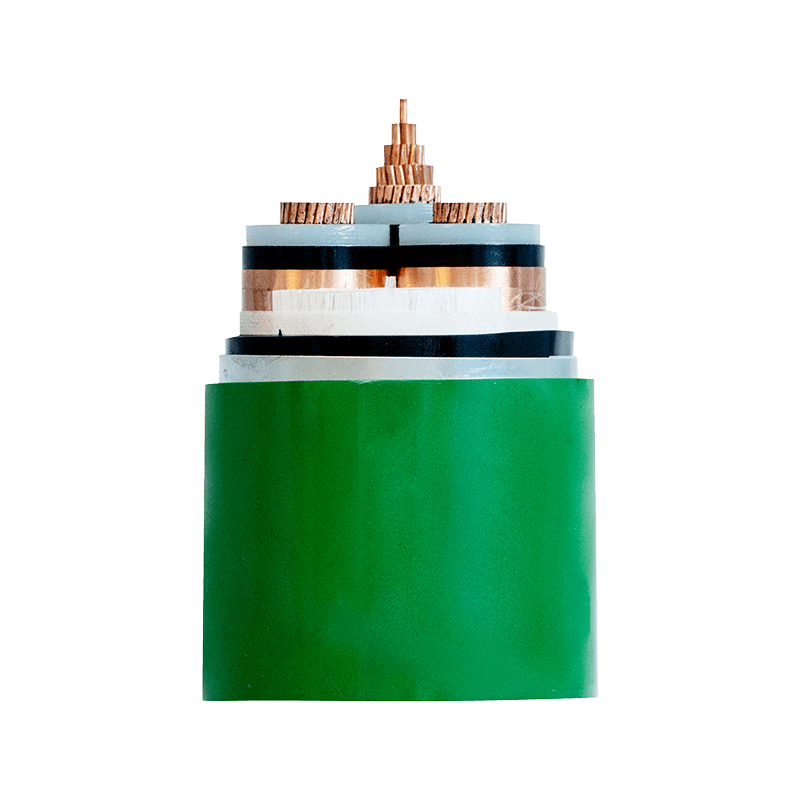
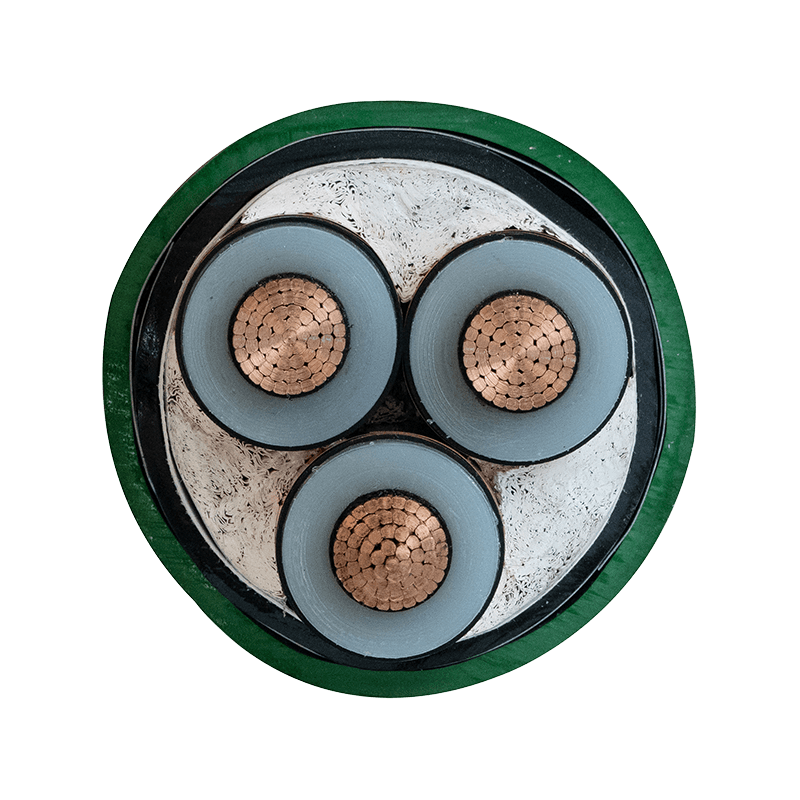
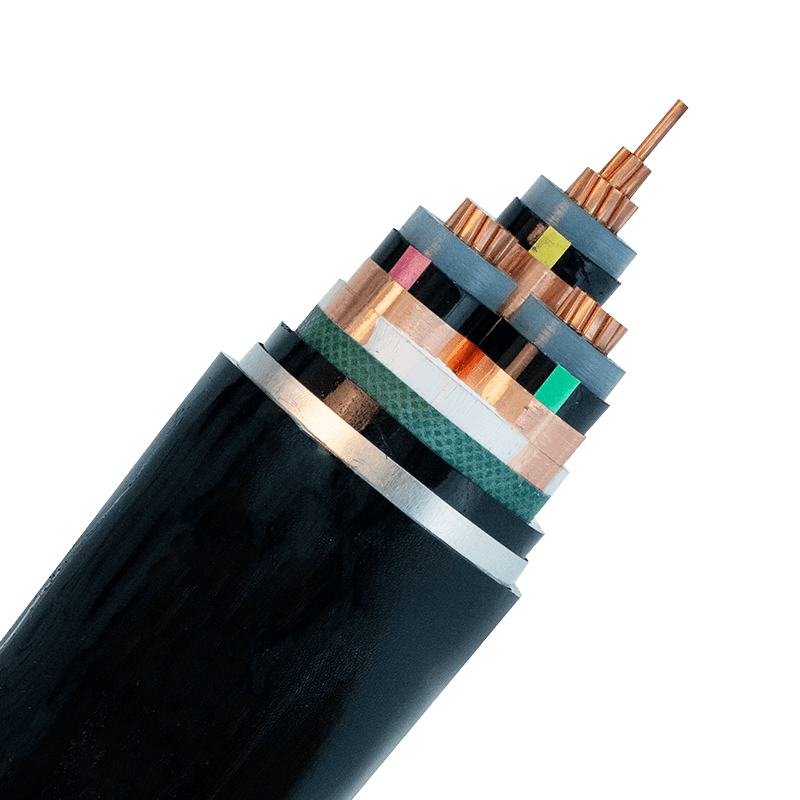
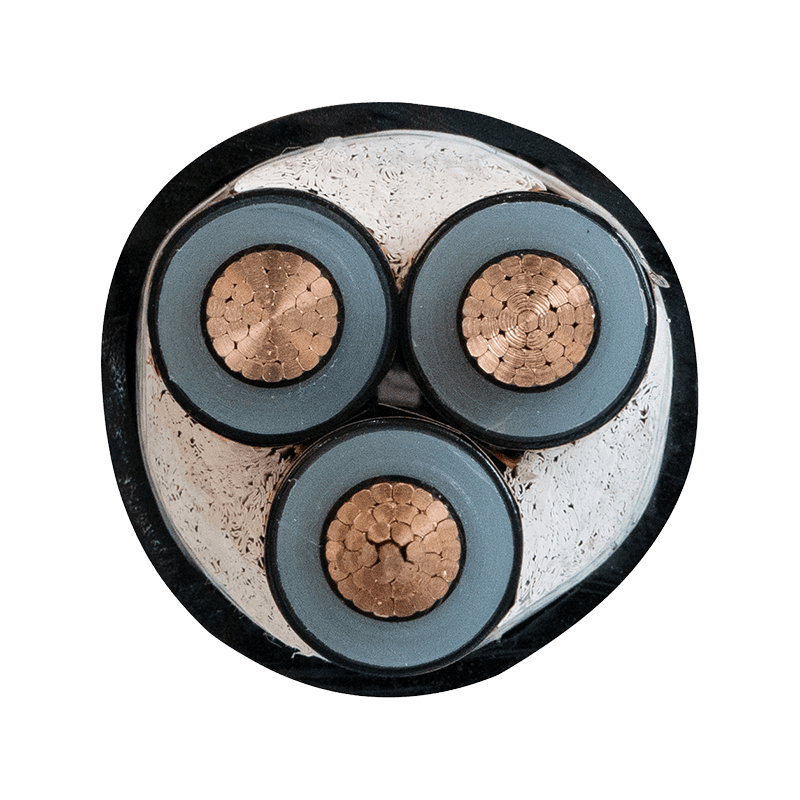
YJV22 18/30KV 3*300

18/30 kV XLPE Insulated Power Cable

Conductor Copper
Conductor shielding layer Cross-linked Polyethylene
Insulation Cross-linked Polyethylene
Insulating shielding layer Cross-linked Polyethylene
Filling Polypropylene-filled Rope
Bag strap Non-woven Fabric
Shielding layer Copper Tape
Armor(Mechanical properties) Galvanized Steel Tape
Sheath PVC
Highest temperature of conductor 90
Bending radius 12-15D
Obtain Quotations
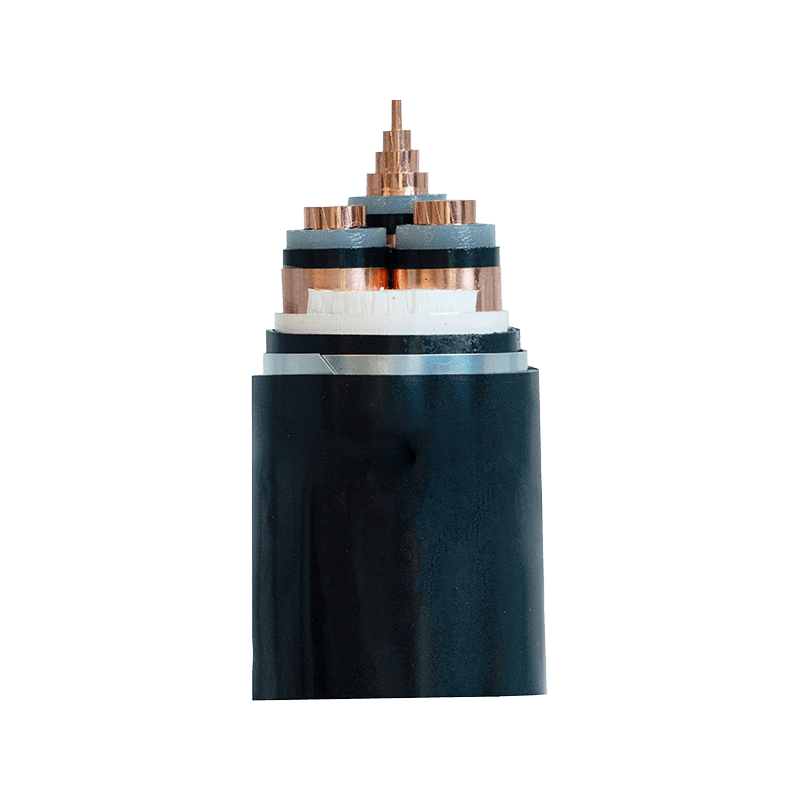
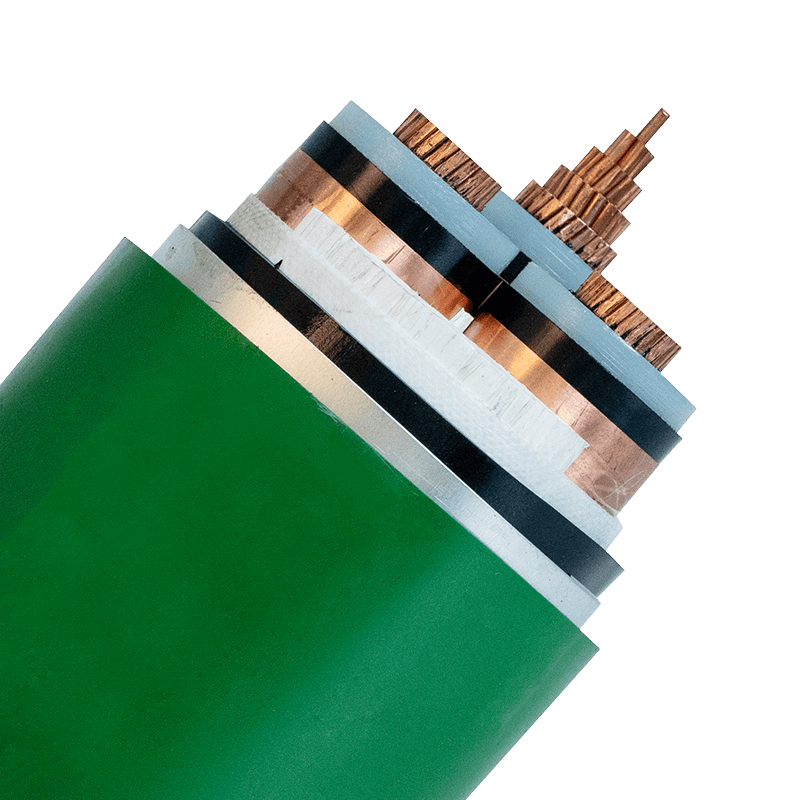
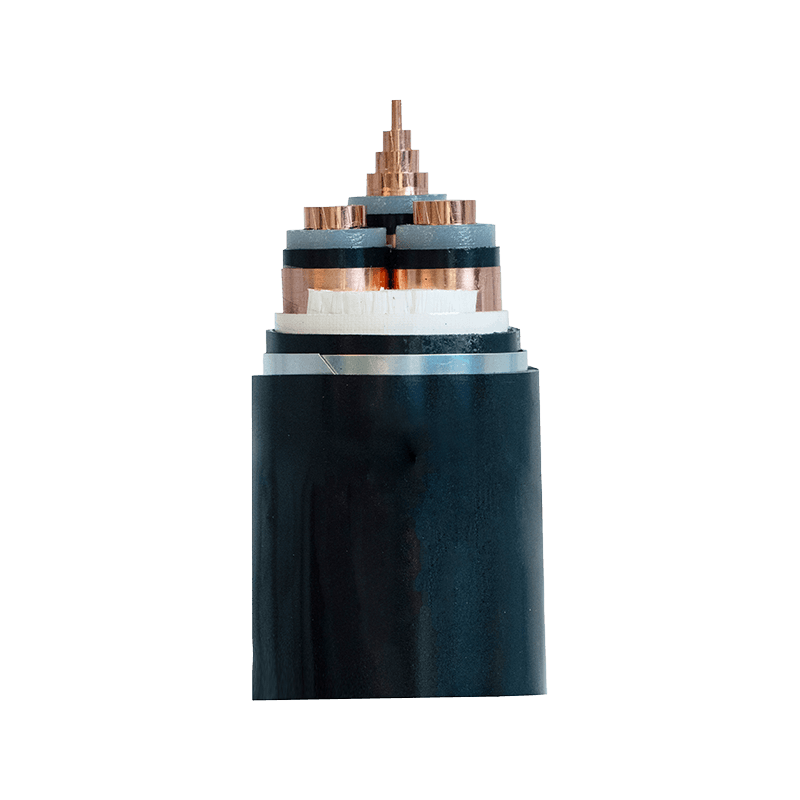
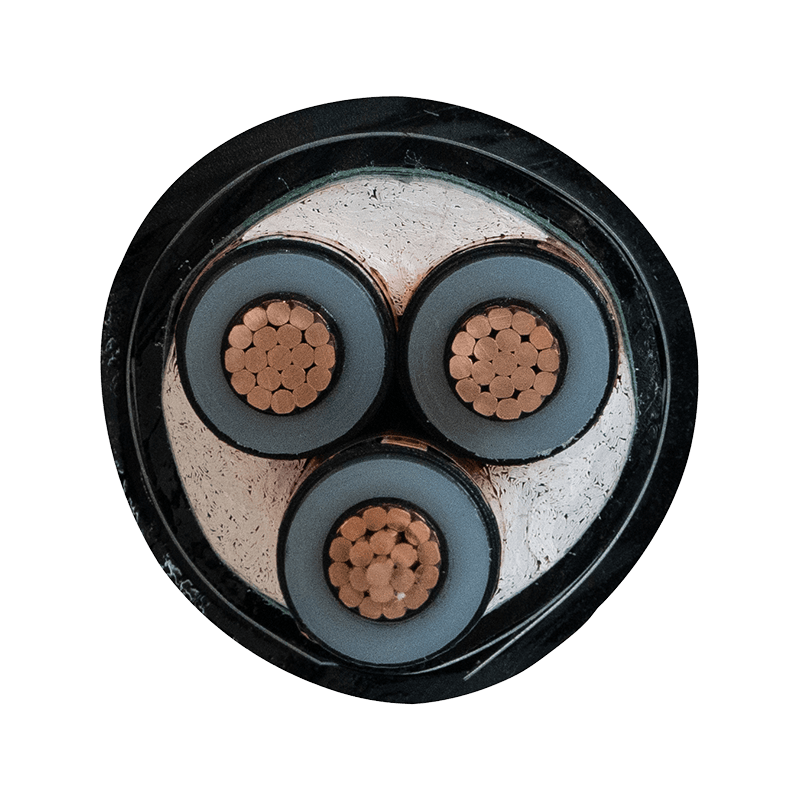
YJV22 8.7/15KV 3*300

8.7/15 kV XLPE Insulated Power Cable

Conductor Copper
Conductor shielding layer Cross-linked Polyethylene
Insulation Cross-linked Polyethylene
Insulating shielding layer Cross-linked Polyethylene
Filling Polypropylene-filled Rope
Bag strap Non-woven Fabric
Shielding layer Copper Tape
Armor(Mechanical properties) Galvanized Steel Tape
Sheath PVC
Highest temperature of conductor 90
Bending radius 12-15D
Obtain Quotations
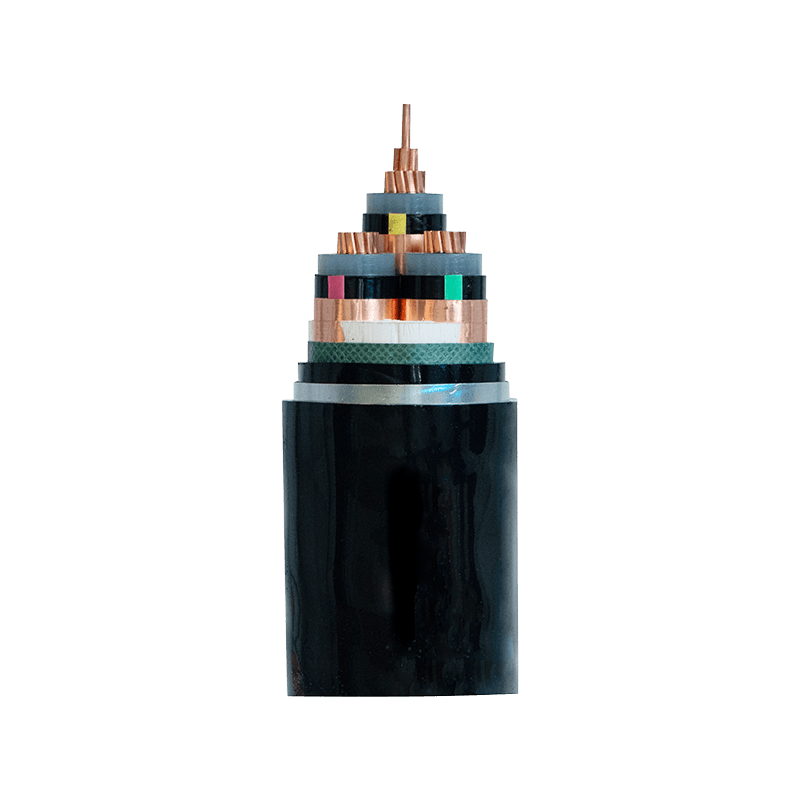
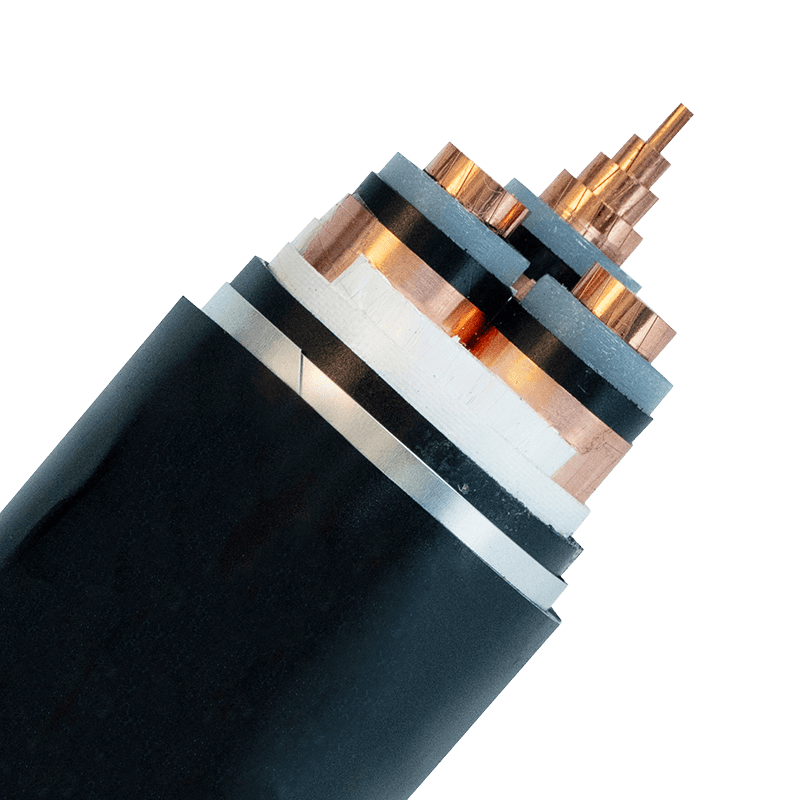
YJV22 8.7/15KV 3*95

8.7/15 kV XLPE Insulated Power Cable

Conductor Copper
Conductor shielding layer Cross-linked Polyethylene
Insulation Cross-linked Polyethylene
Insulating shielding layer Cross-linked Polyethylene
Filling Polypropylene-filled Rope
Bag strap Non-woven Fabric
Shielding layer Copper Tape
Armor(Mechanical properties) Galvanized Steel Tape
Sheath PVC
Highest temperature of conductor 90
Bending radius 12-15D
Obtain Quotations
YJV22 8.7/15KV 3*120

8.7/15 kV XLPE Insulated Power Cable

Conductor Copper
Conductor shielding layer Cross-linked Polyethylene
Insulation Cross-linked Polyethylene
Insulating shielding layer Cross-linked Polyethylene
Filling Polypropylene-filled Rope
Bag strap Non-woven Fabric
Shielding layer Copper Tape
Armor(Mechanical properties) Galvanized Steel Tape
Sheath PVC
Highest temperature of conductor 90
Bending radius 12-15D
Obtain Quotations
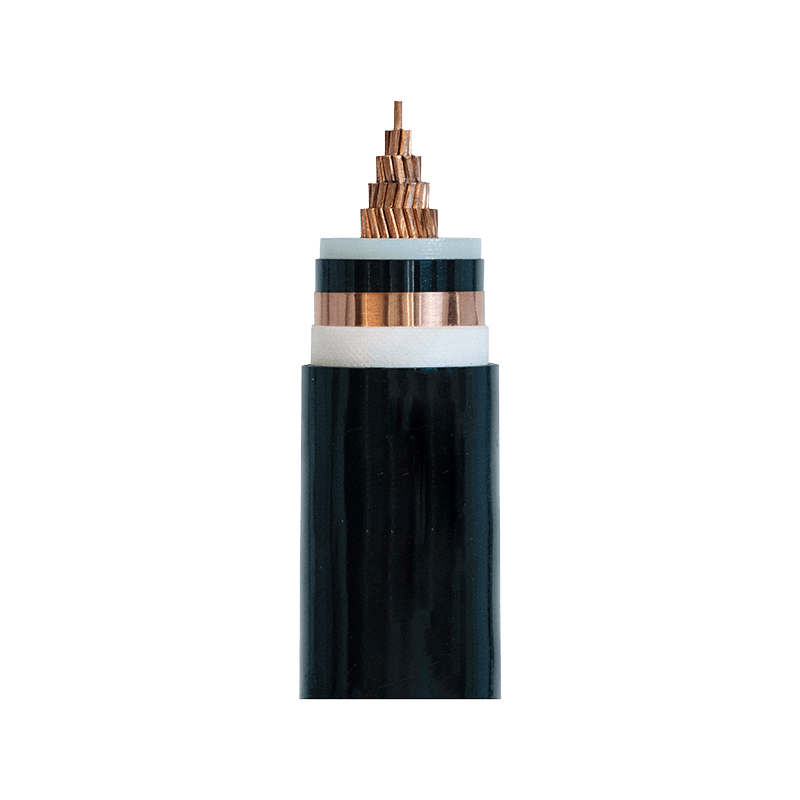
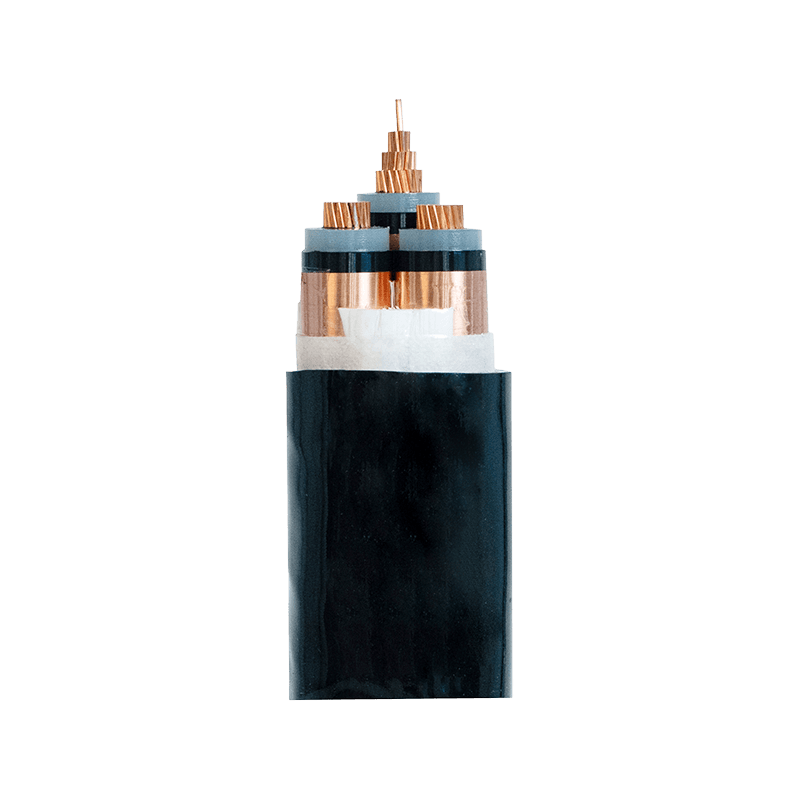
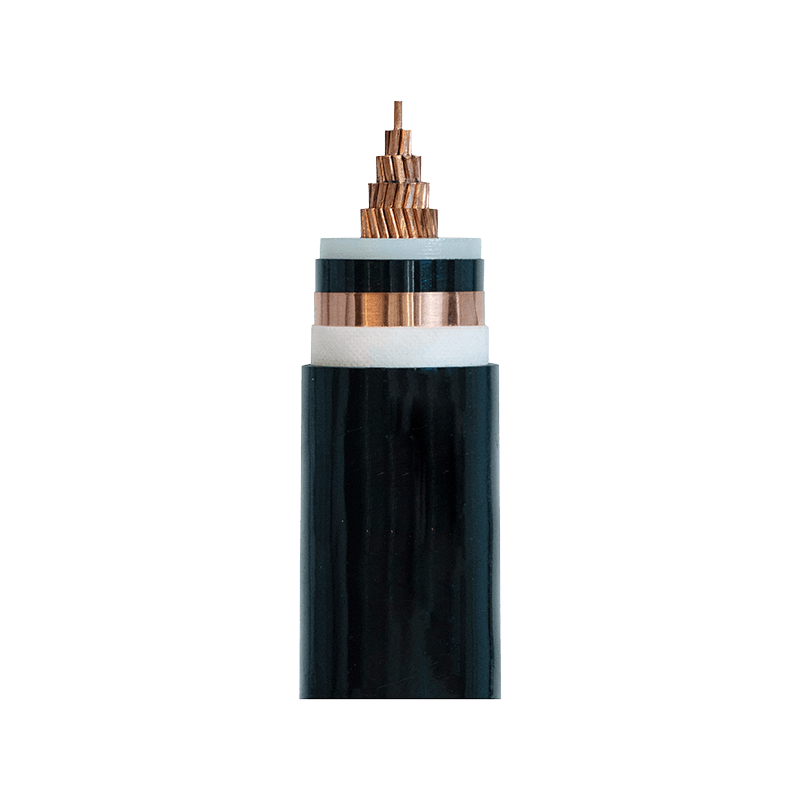
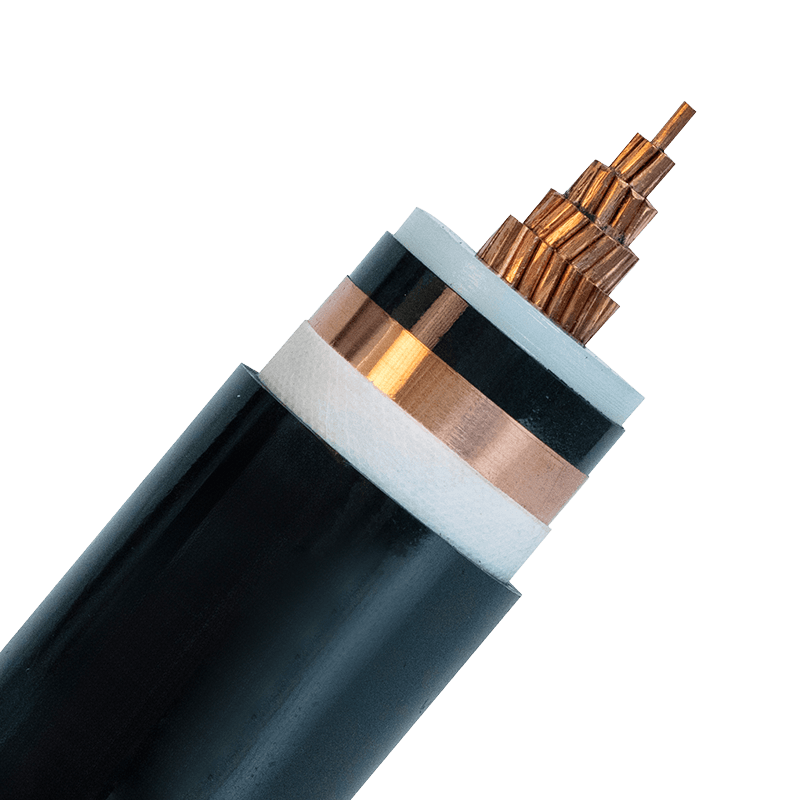
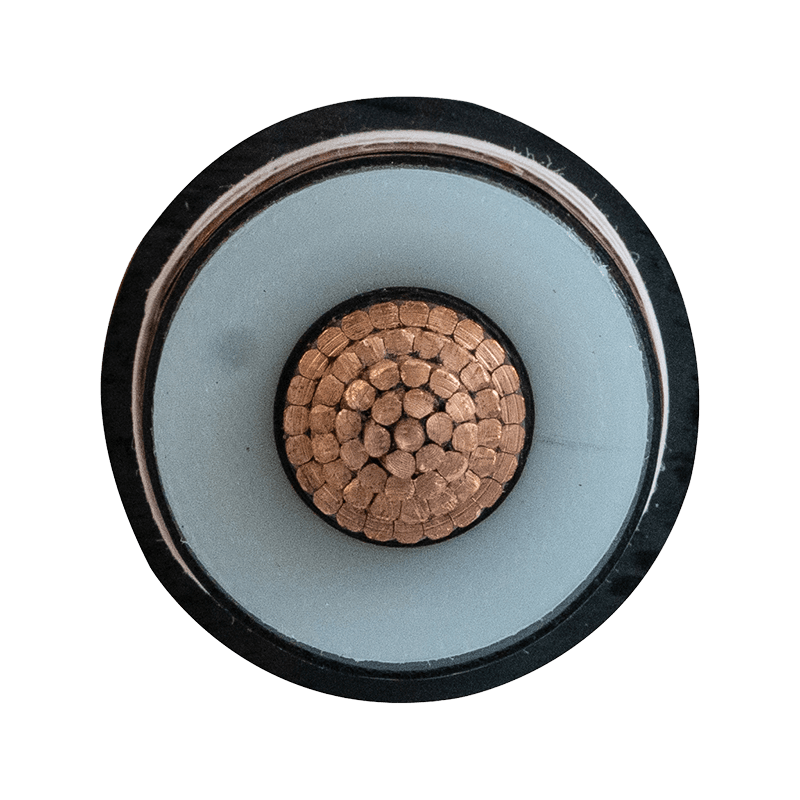
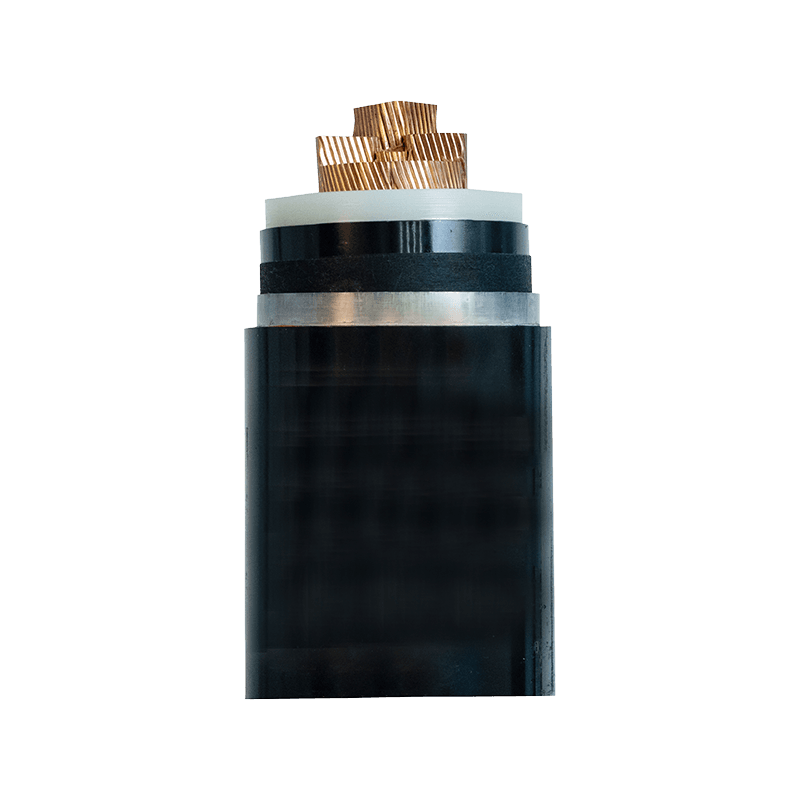
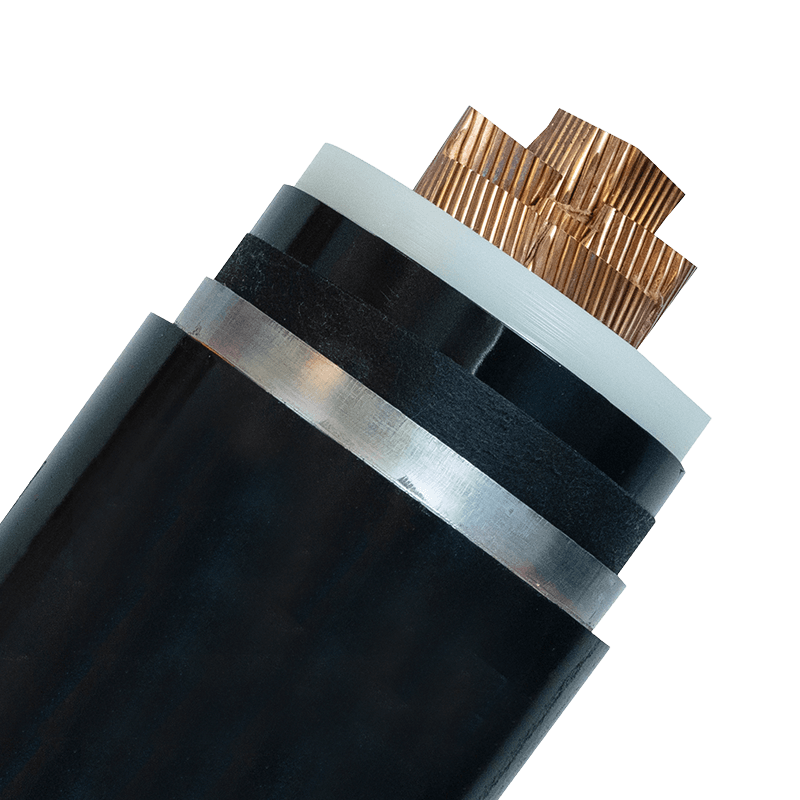
YJV 26/35KV 1*300

26/35 kV XLPE Insulated Power Cable

Conductor Copper
Conductor shielding layer Cross-linked Polyethylene
Insulation Cross-linked Polyethylene
Insulating shielding layer Cross-linked Polyethylene
Bag strap Non-woven Fabric
Shielding layer Copper Tape
Sheath PVC
Highest temperature of conductor 90
Bending radius 12-15D
Obtain Quotations
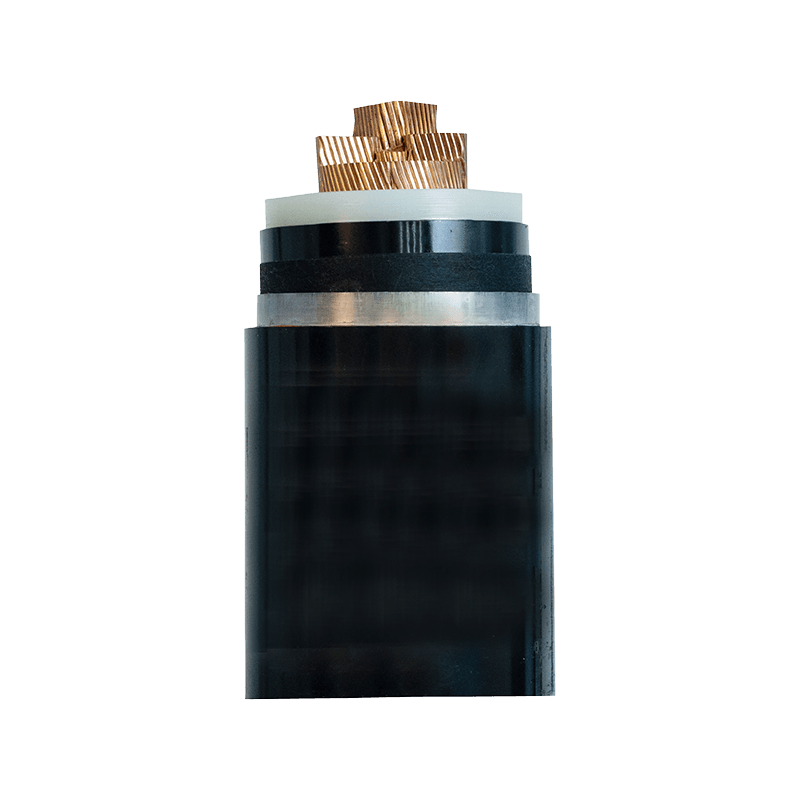
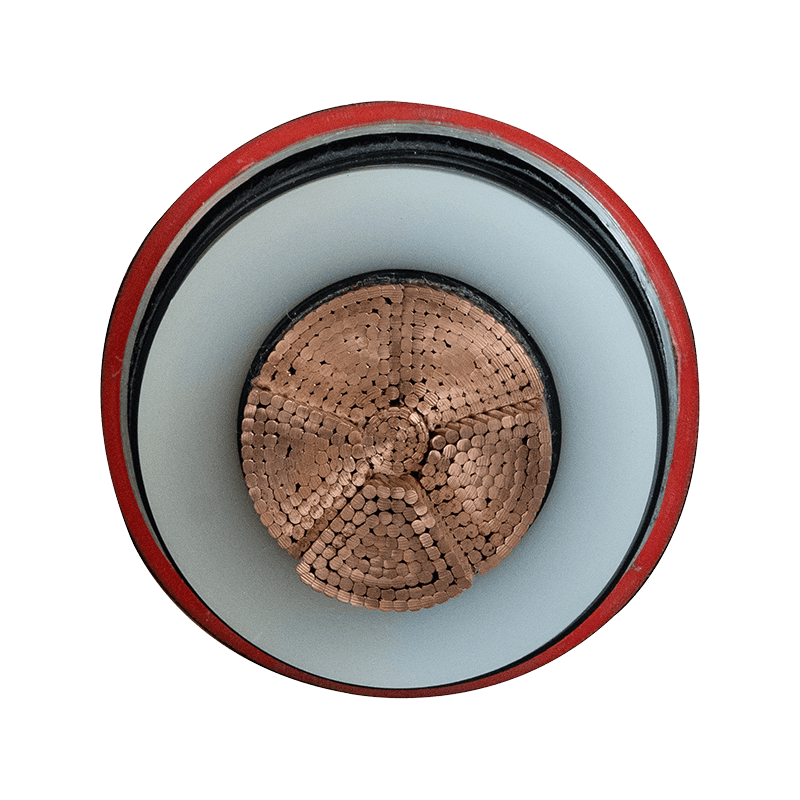
ZC-YJPL03 127/220KV 1*3500

127/220 kV XLPE Insulated Cable

Conductor Copper
Conductor shielding layer Cross-linked Polyethylene
Insulation Cross-linked Polyethylene
Insulating shielding layer Cross-linked Polyethylene
Metal layer(Anti-interference) Aluminum Tape
Sheath PVC
Highest temperature of conductor 90
Obtain Quotations

About us

Zhejiang Huapu Cable Co., Ltd.

Zhejiang Huapu Cable Co., Ltd. is a professional wire and cable manufacturer integrating production, sales, R&D, and service. The company specializes in the production and development of a wide range of products, including cross-linked polyethylene and PVC insulated power cables, control cables, overhead cables, aluminum stranded wires, steel-cored aluminum stranded wires, building wires, general rubber-sheathed flexible cables, power plug cords, radio frequency cables, communication cables, computer cables, as well as special electrical equipment products such as low-smoke halogen-free, flame-retardant, fire-resistant, and fireproof cables.

As XLPE Insulated Power Cable Manufacturers and Data Center Power Cable Suppliers in China, Equipped with advanced technology, robust technical expertise, comprehensive testing capabilities, and well-equipped laboratory facilities, the company operates modern production lines and utilizes state-of-the-art inspection and testing equipment. It has obtained certifications including National High-Tech Enterprise recognition, ISO 9001 Quality Management System, ISO 14001 Environmental Management System, OHSAS 18001 Occupational Health and Safety Management System, "Zhejiang Manufacturing" standards, and China Compulsory Product (CCC) certification. The company also holds a National Industrial Product Production License.

As XLPE Insulated Power Cable Factory and Data Center Power Cable Suppliers, the company has established a comprehensive management system, firmly believing that superior quality is the key to customer satisfaction and market success, which helps build a high-end brand image. Based on customer needs, the company continuously strives for innovation to maximize benefits for its clients.

Guided by the principles of rigor, efficiency, integrity, pragmatism, humility, and unity, the company aims to become a global advocate for green and environmentally friendly products. While providing top-tier wire and cable products, supply Custom Data Center Power Cable, it is committed to collaborating with partners from all sectors through scientific management, standardized production, premium quality, satisfactory service, and an outstanding reputation to achieve mutual success.

  • Zhejiang Huapu Cable Co., Ltd.

    0 01

    Company registered

  • Zhejiang Huapu Cable Co., Ltd.

    0acres 02

    Factory area

  • Zhejiang Huapu Cable Co., Ltd.

    003

    Employees

  • Zhejiang Huapu Cable Co., Ltd.

    0%04

    Employees with more than 3 years of work experience account

HIGH STANDARD HONOUR

Environmental protection certification and standards

News & Blog
Industry knowledge

Thermal Performance and Load Capacity in XLPE Insulated Power Cable Systems

In medium and high-load power transmission environments, thermal performance is one of the most decisive factors influencing cable reliability and service life. Cross-linked polyethylene insulation is widely used in modern power cable systems because it maintains structural stability under elevated temperatures and electrical stress. Compared with traditional thermoplastic insulation, the cross-linking process transforms polyethylene into a thermoset material, which significantly improves heat resistance and mechanical strength.

In practical power engineering design, cable load capacity is determined by several interacting factors, including conductor material, insulation type, installation method, ambient temperature, and soil thermal resistivity for buried installations. Designers often calculate allowable current using thermal balance models to ensure that the conductor temperature does not exceed safe operating limits.

Insulation Type Continuous Operating Temperature Short-Circuit Temperature Limit Typical Application Environment
PVC 70°C 160°C Light building wiring
Rubber 75–85°C 200°C Flexible industrial cables
XLPE 90°C 250°C Power grids, data centers, underground cables
Thermal capability comparison of common power cable insulation materials

From our experience in manufacturing and testing cable systems, we have observed that thermal stability directly determines long-term reliability. For this reason, we focus heavily on insulation cross-linking quality and conductor purity to ensure consistent heat dissipation performance in demanding industrial environments.

Shielding Structures and Electromagnetic Compatibility in Power Cable Design

In modern power networks, electromagnetic compatibility (EMC) has become increasingly important, particularly in environments such as data centers, communication hubs, and automated manufacturing facilities. Power cables carrying high currents can generate electromagnetic fields that interfere with nearby control systems or communication equipment.

To mitigate these effects, shielding layers are incorporated into cable structures. These layers typically consist of copper tapes, copper wires, or aluminum foil combined with drain wires. Shielding performs multiple functions simultaneously: it stabilizes the electric field distribution within the cable, reduces external electromagnetic radiation, and provides a path for fault currents.

  • Copper tape shielding offers uniform electric field control for medium-voltage cables.
  • Copper wire braiding improves flexibility while maintaining shielding efficiency.
  • Aluminum foil shielding is commonly used in communication and data cables.
  • Combined shielding structures enhance both mechanical strength and EMI suppression.

In facilities with dense electrical equipment, such as server clusters or large-scale renewable energy installations, effective cable shielding significantly improves operational stability. In our own production lines, shielding integrity and electrical resistance are verified through comprehensive laboratory testing to ensure reliable performance in complex electromagnetic environments.

Installation Environment and Cable Selection Strategies

Choosing the correct cable specification requires careful evaluation of the installation environment. Factors such as humidity, mechanical stress, temperature fluctuations, and exposure to chemicals all influence cable structure selection. Engineers often analyze environmental risks before determining insulation type, sheath material, and conductor size.

For example, underground installations require cables with strong moisture resistance and mechanical protection, while overhead installations emphasize lightweight conductors and weather resistance. Data center environments focus on thermal efficiency, flame retardancy, and high reliability to ensure uninterrupted operation.

  • Underground power distribution requires corrosion-resistant insulation and protective sheaths.
  • Industrial plants often require flame-retardant or fire-resistant cable structures.
  • Outdoor installations must withstand ultraviolet radiation and temperature variation.
  • Data center infrastructure demands cables with stable conductivity and low heat generation.

As manufacturers deeply involved in cable engineering, we often work with clients to evaluate these parameters during project planning. In many cases, correct cable selection at the design stage can significantly reduce long-term maintenance costs while improving operational safety.

Quality Testing and Certification in Modern Cable Manufacturing

Data Center Power Cable operate in critical infrastructure systems where failure can lead to costly downtime or safety risks. As a result, manufacturers implement strict quality verification processes covering raw material inspection, production monitoring, and final product testing. These procedures ensure that electrical, mechanical, and thermal properties meet regulatory requirements.

A comprehensive testing program typically includes conductor resistance measurement, insulation thickness verification, high-voltage withstand testing, flame retardancy testing, and environmental durability evaluation. Laboratories simulate extreme conditions to confirm that cable structures maintain stability under electrical and mechanical stress.

  • Conductor resistance testing verifies electrical conductivity and material purity.
  • High-voltage insulation testing ensures safe operation under rated voltage.
  • Flame-retardant performance testing evaluates fire safety characteristics.
  • Mechanical testing confirms tensile strength and structural durability.

At Zhejiang Huapu Cable Co., Ltd., we operate modern production lines supported by advanced inspection and testing equipment and well-equipped laboratory facilities. Our manufacturing and management systems follow internationally recognized standards including ISO 9001, ISO 14001, OHSAS 18001, and CCC certification. Through continuous technical development and strict quality control, we aim to provide stable and efficient cable solutions for power grids, industrial infrastructure, and data center environments.

From our perspective, reliable cables are not only a product but also the foundation of stable energy systems. That is why we continuously refine manufacturing processes and testing methods to deliver durable solutions that meet the evolving demands of modern electrical networks.