
 en
en English
 中文简体
中文简体 русский
 Español
 عربى
عربى
Low Voltage Cable: The Invisible Cornerstone of Modern Civilization
Content
1. Definition: Low Voltage Cable
Low Voltage Cable, according to the internationally common IEC standard system, contains two levels of scope in its technical definition:
Core Voltage Levels: The vast majority of industrial and civil scenarios adopt 0.6/1kV voltage levels.
Standard Extension Scope: 1.8/3kV (3.6kV) cables are classified under the technical coverage of IEC 60502-1 (1kV & 3kV) in terms of manufacturing standards, sharing similar insulation structures and production processes with low voltage cables. In addition, definitions of “low voltage” in electrical codes differ across global regions. 1000V is commonly used as the boundary; whereas the North American system (NEC/UL standards) traditionally rates such cables at 600V.
2. Structure & Classification
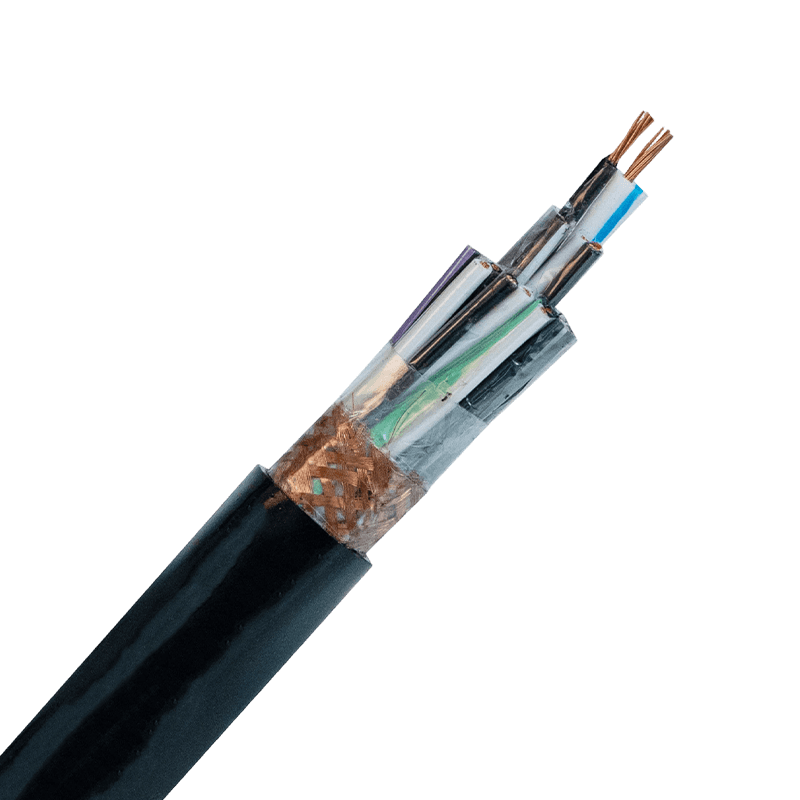
Industrial-grade low voltage cables are not single wires, but composite systems precision-engineered from multiple layers of functional materials, their structure and classification systems are extremely rigorous.
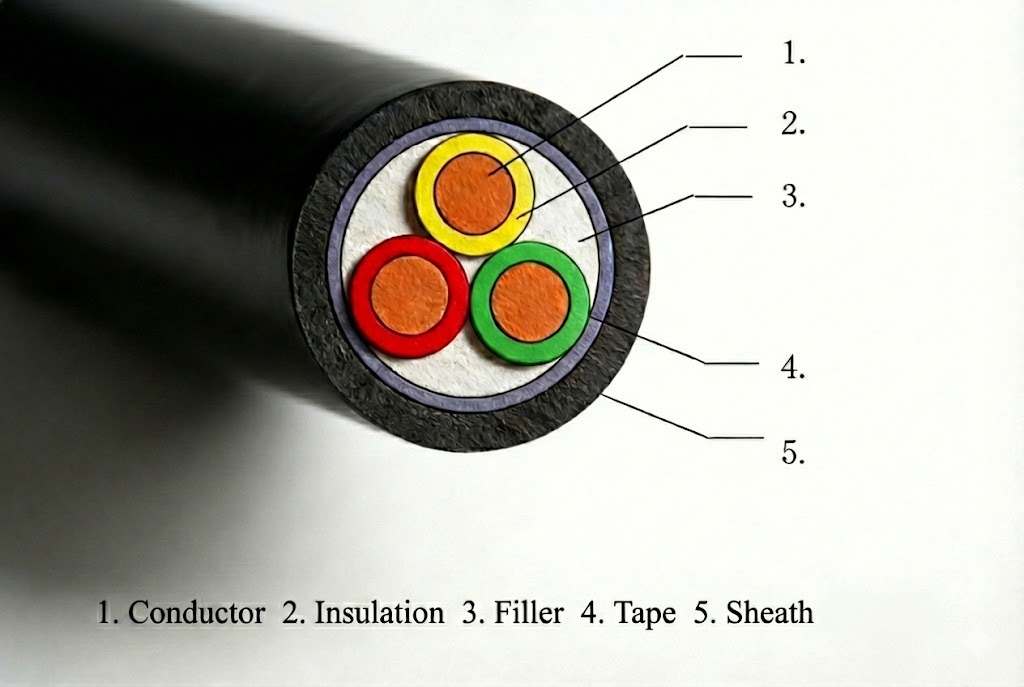
2.1 Structural Analysis
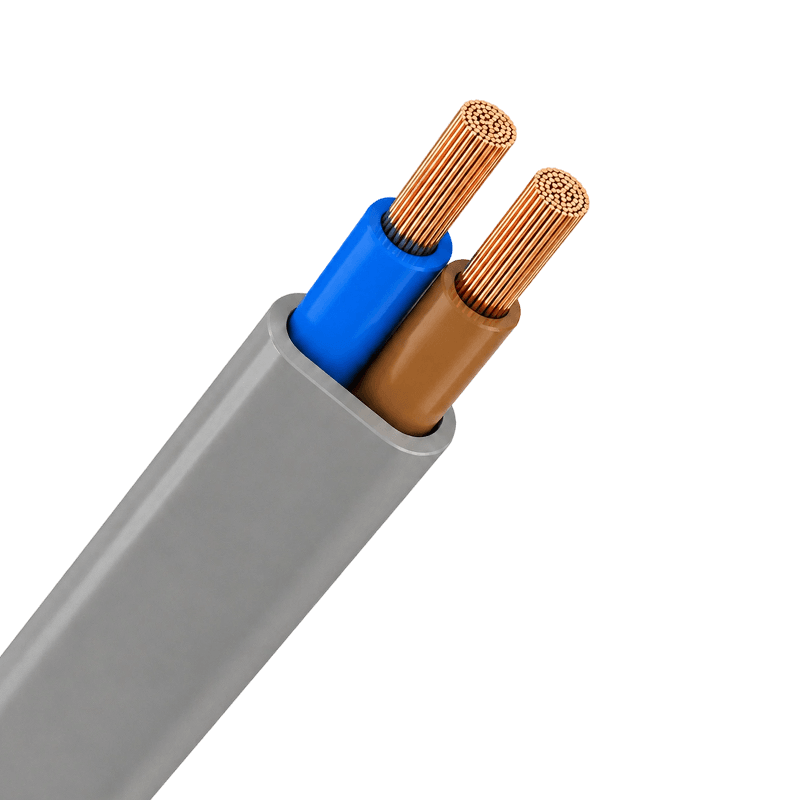
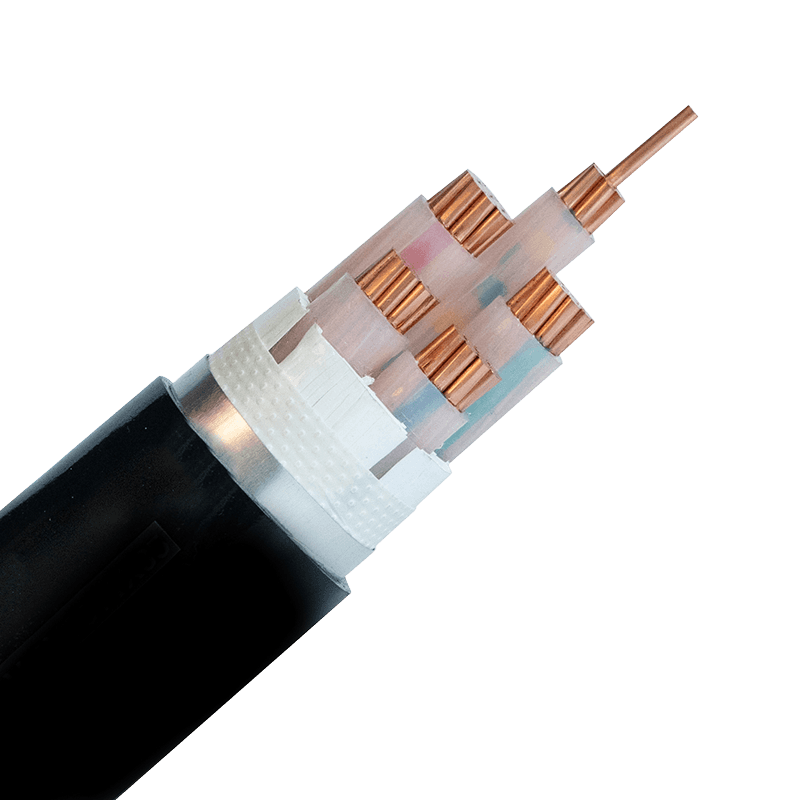
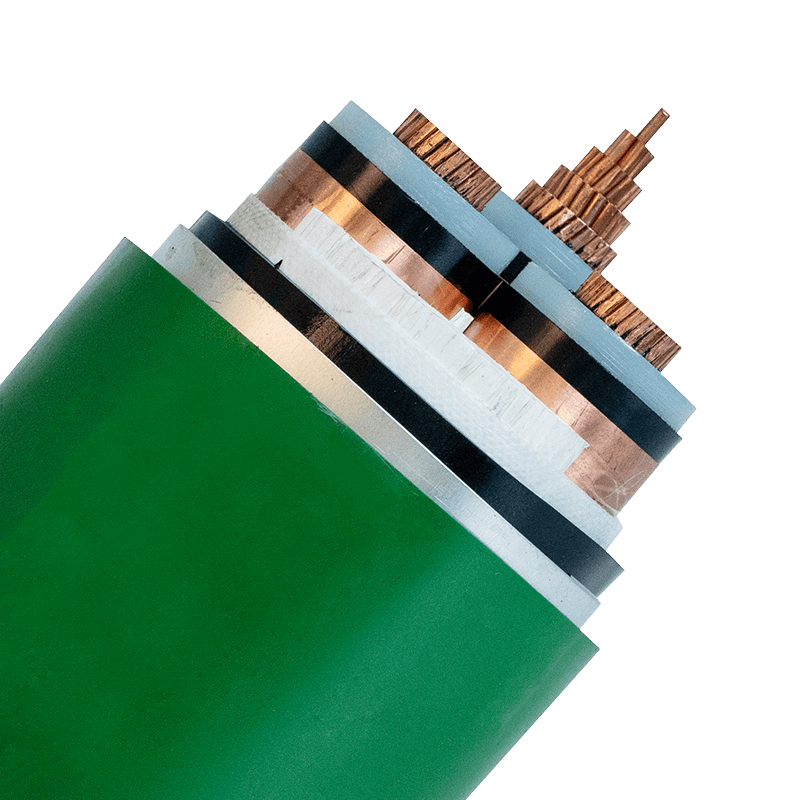
Conductor: The core unit for current transmission. Usually adopts annealed copper or aluminum. Copper conductors have high conductivity and oxidation resistance; aluminum conductors offer lightweight advantages in long-distance transmission.
Insulation: Wrapped around the conductor surface, responsible for electrical isolation. Its material’s physical and chemical properties directly determine the cable’s maximum rated operating temperature and ampacity upper limit.
Filler: Structural forming unit. Fills gaps in the cable core to ensure a circular cross-section.
Tape: Fixes the core shape, isolates the sheath to prevent sticking, and ensures cable roundness.
Sheath: Environmental protection unit. Serving as the first line of defense, it resists UV rays, moisture, chemical media, and physical wear.
2.2 Comprehensive Classification
To meet compliance requirements of different industries, we usually divide low voltage cables from the following four dimensions:
(1) By Insulation Material
This is the core indicator determining cable performance benchmarks:
XLPE (Cross-linked Polyethylene): Adopts a chemical cross-linking process to form a three-dimensional network structure.
PVC (Polyvinyl Chloride): Thermoplastic material.
| Parameter Items | PVC (Polyvinyl chloride) | XLPE (cross-linked polyethylene) |
| Long-term operating temperature | 70°C | 90°C |
| Short-circuit Resistance Temp | 160°C (5 seconds) | 250°C (5 seconds) |
| Physical feel | Softer | Harder |
| price | Economical | Slightly higher ( higher processing costs ) |
| Water /chemical resistance | good | Excellent (more resistant to acid, alkali, water) |
| Insulation performance | Insulation performance | Excellent (extremely low dielectric loss) |
| Service life | Approx. 20 years | Approx. 30-40 years |
(2) By Functional Characteristics
Derived models for complex working conditions, reflecting the cable’s special protection capabilities:
Fire Protection Series:
Flame Retardant: Self-extinguishes when away from fire.
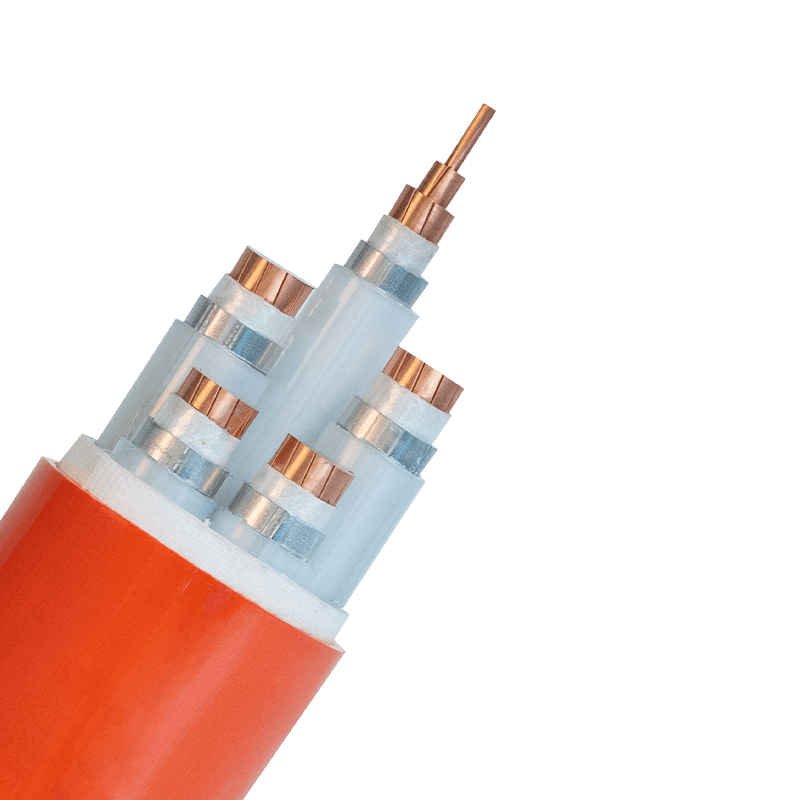
Fire Resistant: Conductor wrapped with Mica Tape, maintains power supply during fire.
LSZH (Low Smoke Zero Halogen): Non-toxic and low smoke when burning, suitable for densely populated areas.
Anti-Biological Infestation Series:
Anti-Termite/Rodent: Sheath contains special additives or physical protection layers, suitable for tropical areas or direct burial.
Weather and Chemical Resistance Series:
Oil Resistant: Suitable for petrochemical plants, preventing mineral oil from swelling the insulation layer.
Cold Resistant: Special formula sheath, maintains flexibility without cracking in -40°C extreme cold.
UV Resistant: Black sheath with special carbon black added to prevent aging from outdoor exposure.
(3) By Armour Type
SWA (Steel Wire Armour): High tensile strength, suitable for vertical installation or large-span suspension.
STA (Steel Tape Armour): High compression strength, suitable for direct burial underground to prevent rock crushing.
AWA (Aluminum Wire Armour): Non-magnetic material, specifically for single-core cables to eliminate eddy current losses.
(4) By Conductor Shape
Circular Conductor (rm/re): Standard structure, high versatility, convenient for terminal crimping.
Sector Conductor (sm): For large cross-section multi-core cables, compacting into a sector shape can reduce outer diameter, weight, and sheath cost.
3. Application Scenarios
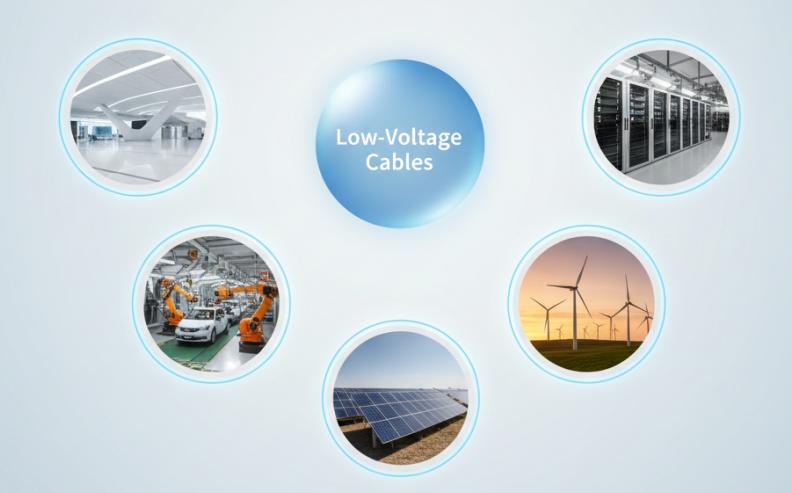
With diverse structural designs, low voltage cables are widely used in the following fields:
Infrastructure & Construction:
Airport terminals, data centers, hospitals, skyscrapers, subway rail transit.
Industry & Manufacturing:
Petrochemical, metallurgical steel, paper mills, automobile production lines, motor drive systems.
Energy & Utilities:
Urban distribution networks, street lighting systems, underground pipe galleries, water treatment plants.
Renewable Energy:
Solar Farms, Wind Farms, Energy Storage Stations.
4. Future Trends
Sustainability: Fully compliant with RoHS 3.0 and REACH regulations, phasing out heavy metal stabilizers like lead and cadmium.
High Performance: Liquid-cooled cable technology for high current adapted to Electric Vehicle (EV) supercharging piles.
Digitalization: Intelligent cables integrating RFID or optical fiber sensing to achieve full lifecycle traceability and status monitoring.
5. Frequently Asked Questions (FAQ)
Q1: Is it mandatory to use armored structures for direct-buried cables?
Recommended. Although non-armored cables can be direct-buried in physical conduits, SWA/STA armored cables provide extra mechanical redundancy, effectively preventing insulation damage caused by ground settlement, root growth, and accidental excavation.
Q2: What is the reliability of aluminum conductor cables?
Modern Aluminum Conductors compliant with IEC standards are quite mature in mechanical and electrical performance. While traditional views harbor concerns about creep risks at connections, in modern engineering practice, using standardized Bi-metallic Lugs can effectively avoid contact hazards. Given its weight is only about 50% of copper cables at the same ampacity, aluminum cable is often seen as a preferred option balancing cost-effectiveness and lightweight.
Q3: How to verify if cable insulation thickness meets the standard?
Cables of different cross-sections have prescribed nominal insulation thicknesses. Quality products should ensure thickness concentricity and avoid “thin spots,” otherwise breakdown is likely under high load operation.
6. Conclusion
The safety and reliability of power systems begin with strict adherence to manufacturing standards. Zhejiang Huapu Cable Co., Ltd. has long been committed to the R&D and manufacturing of various cables. If you have related questions, feel free to contact us at any time.

- +86-13588204183
- No. 39 Zhiyuan Road, Deqing Economic Development Zone, Huzhou City, Zhejiang Province

Copyright © Zhejiang Huapu Cable Co., Ltd. All Rights Reserved.
 ISO 9001 Cable Manufacturer