Medium-Voltage Power Cables Supplier
Home / Cable Series / Power Cables / Medium-Voltage Power Cables / YJV22 8.7/15kV Medium Voltage XLPE Insulated Armoured Power Cable 3×300mm²

YJV22 8.7/15kV Medium Voltage XLPE Insulated Armoured Power Cable 3×300mm²

Product Overview
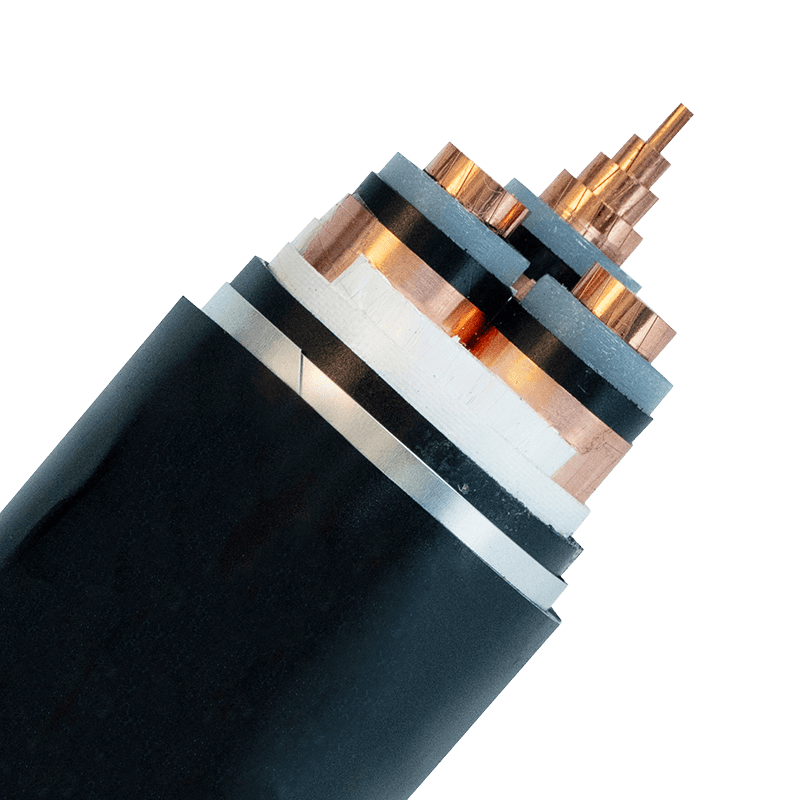
The YJV22 8.7/15kV series is a medium voltage, cross-linked polyethylene (XLPE) insulated power cable, purpose-built for utility-grade and heavy industrial power distribution networks.
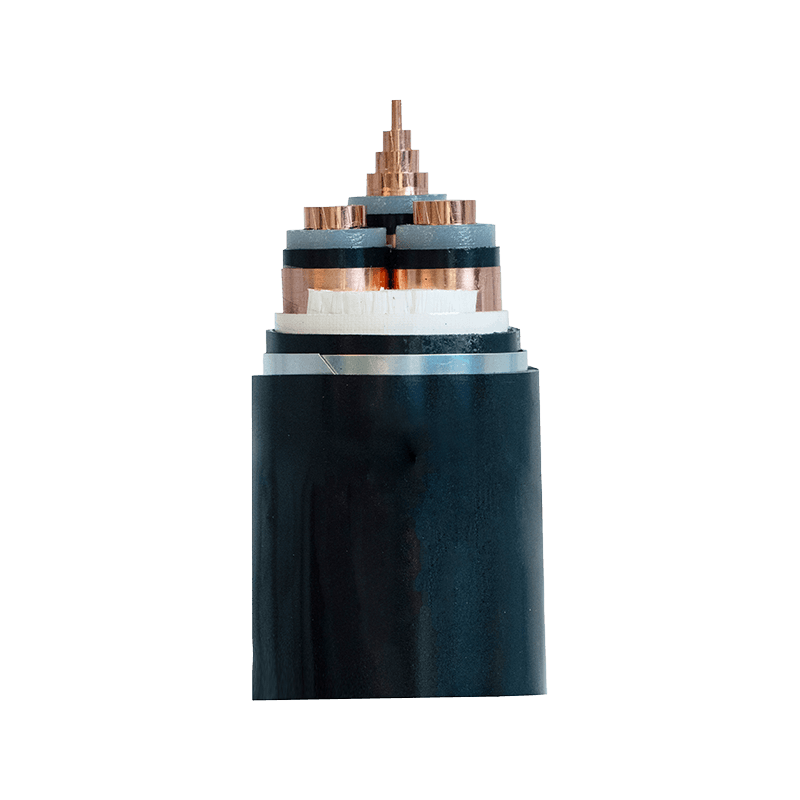
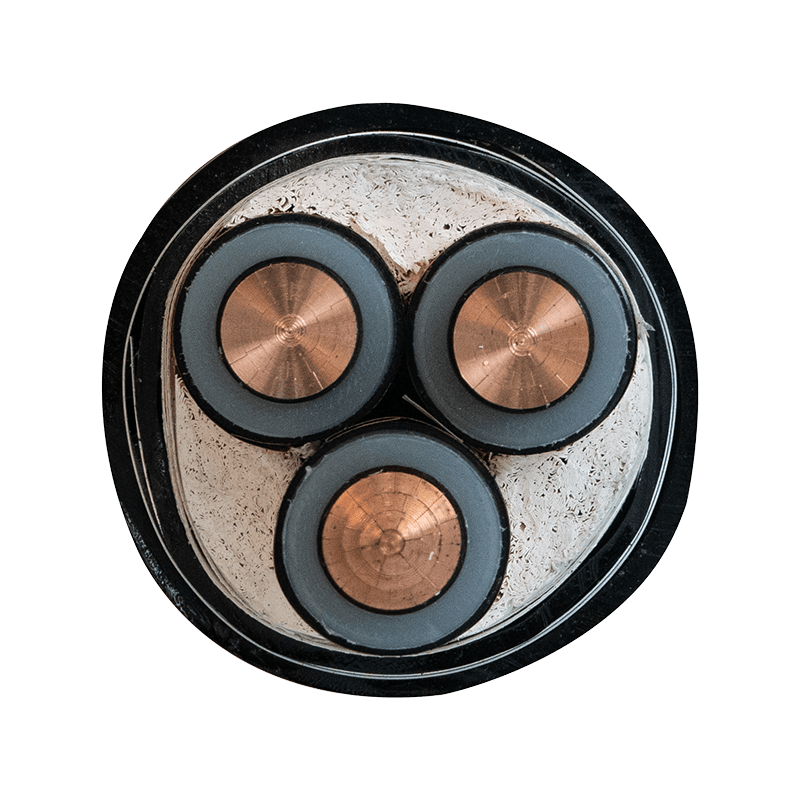
This cable features a three-layer extrusion construction — conductor shielding, XLPE insulation, and insulation shielding — that ensures a smooth, void-free electric field distribution and enhances long-term dielectric strength. A copper tape shielding layer provides effective grounding and electromagnetic protection, while the galvanized steel tape armour adds robust mechanical resistance for direct burial and harsh-environment installation.
Engineered to meet the demands of medium voltage transmission, the YJV22 8.7/15kV cable combines electrical reliability with structural durability, making it a trusted choice for power utilities, substations, and large-scale industrial facilities.

Obtain Quotations
  • Conductor Copper
    Conductor shielding layer Cross-linked Polyethylene
    Insulation Cross-linked Polyethylene
    Insulating shielding layer Cross-linked Polyethylene
    Filling Polypropylene-filled Rope
    Bag strap Non-woven Fabric
    Shielding layer Copper Tape
    Armor(Mechanical properties) Galvanized Steel Tape
    Sheath PVC
    Highest temperature of conductor 90
    Bending radius 12-15D
    Key Features:
    • Conductor: Stranded copper
    • Construction: Conductor shielding + XLPE insulation + insulation shielding (three-layer extrusion)
    • Shielding: Copper tape (grounding/EMI protection)
    • Armour: Galvanized steel tape
    • Filling: Polypropylene-filled rope
    • Voltage class: 8.7/15kV medium voltage
Application

Ideal for medium voltage power distribution in utility grids, substations, industrial plants, and infrastructure projects requiring high dielectric performance and mechanical strength.

High Standard industries

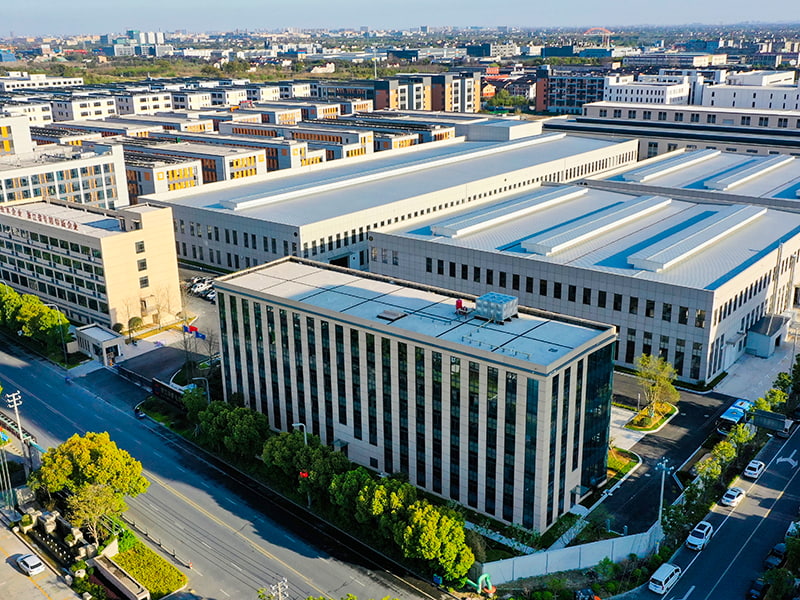
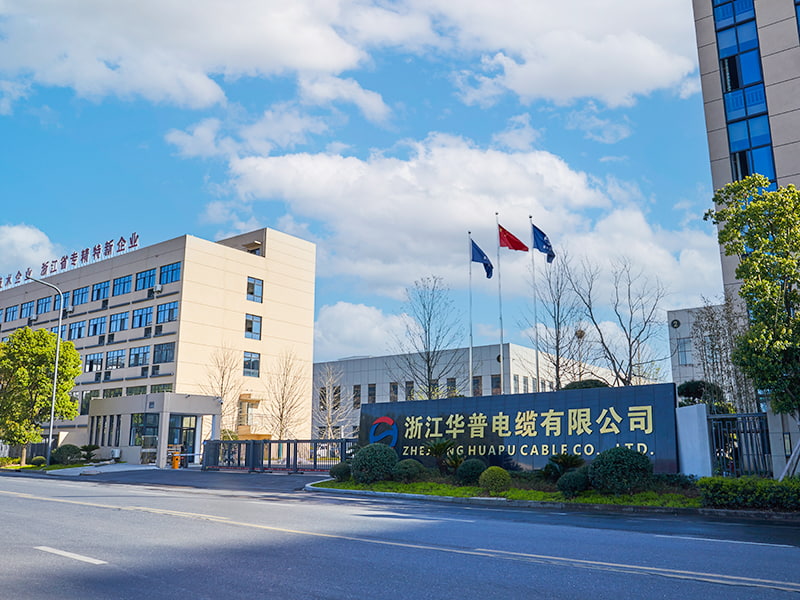
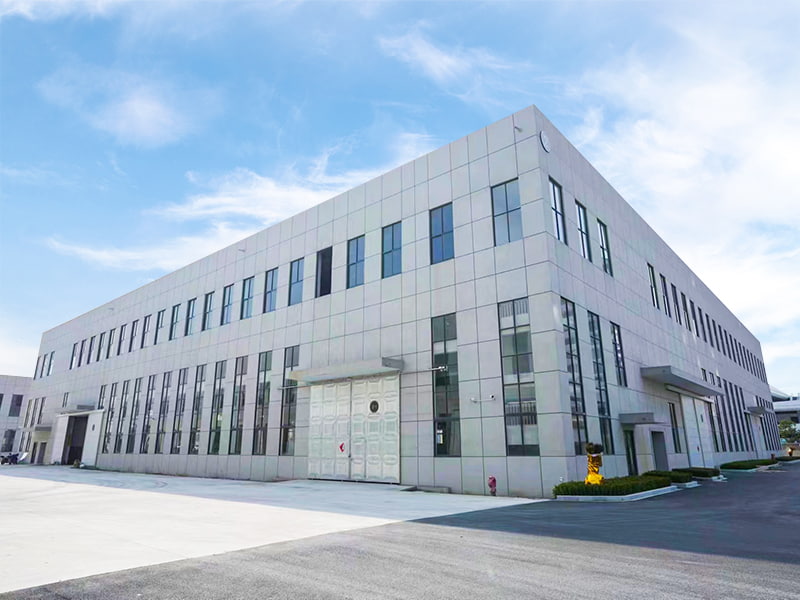
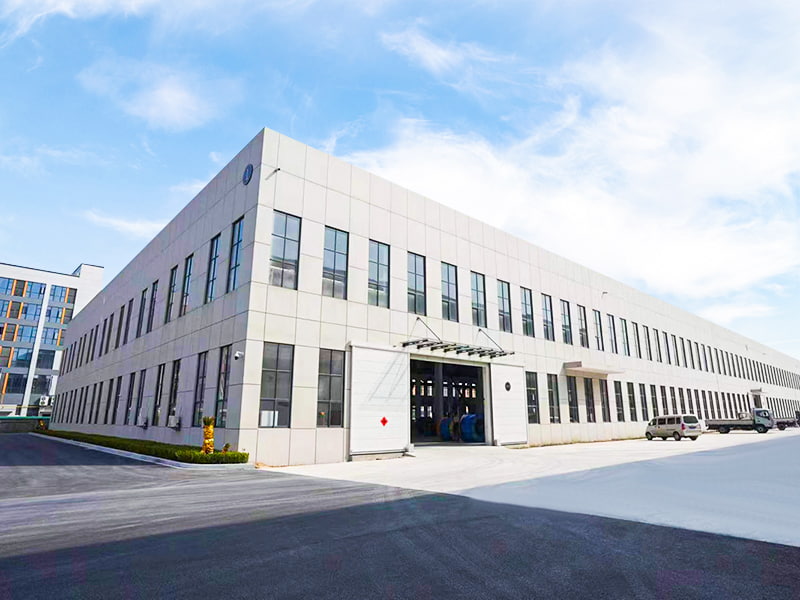
  • Zhejiang Huapu Cable Co., Ltd.
  • Zhejiang Huapu Cable Co., Ltd.
  • Zhejiang Huapu Cable Co., Ltd.
  • Zhejiang Huapu Cable Co., Ltd.
  • Zhejiang Huapu Cable Co., Ltd.

About us

Zhejiang Huapu Cable Co., Ltd.

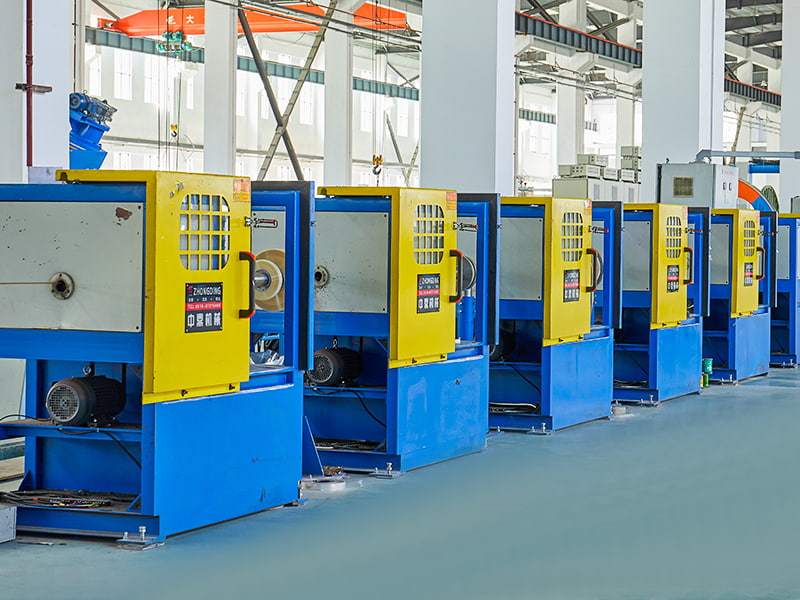
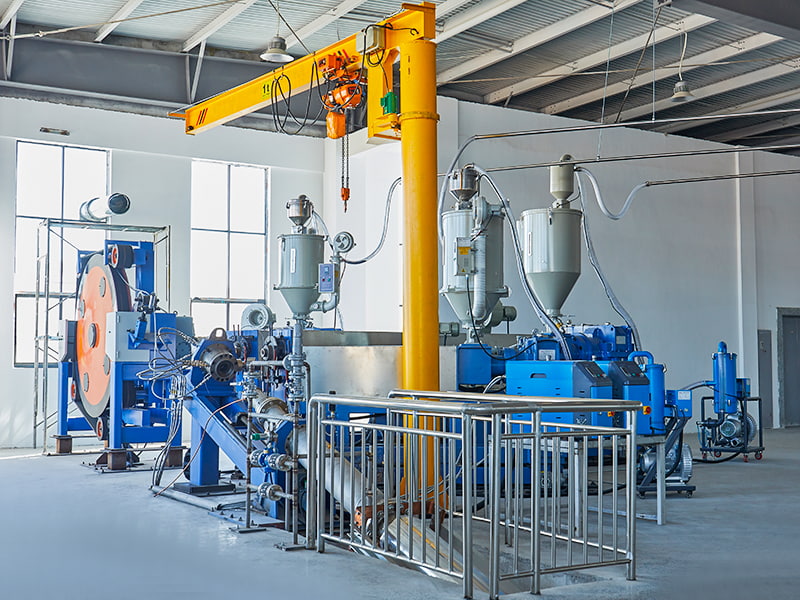
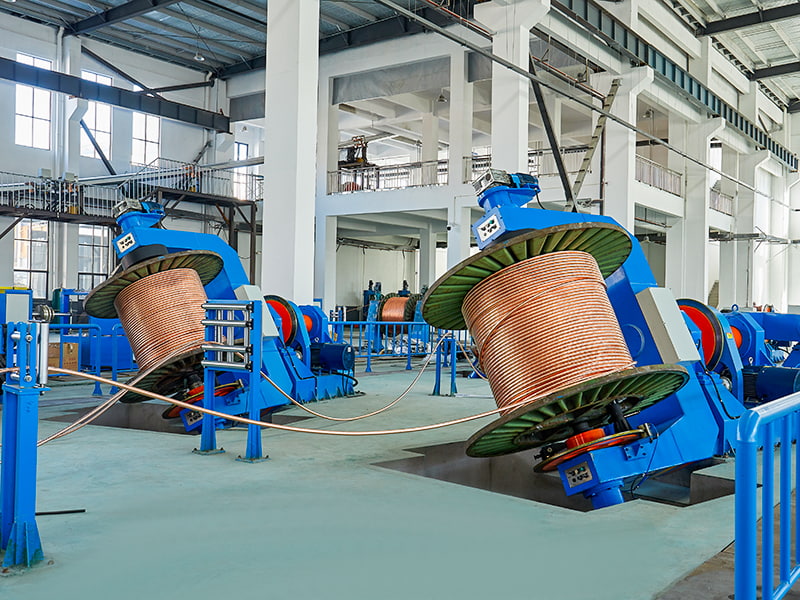
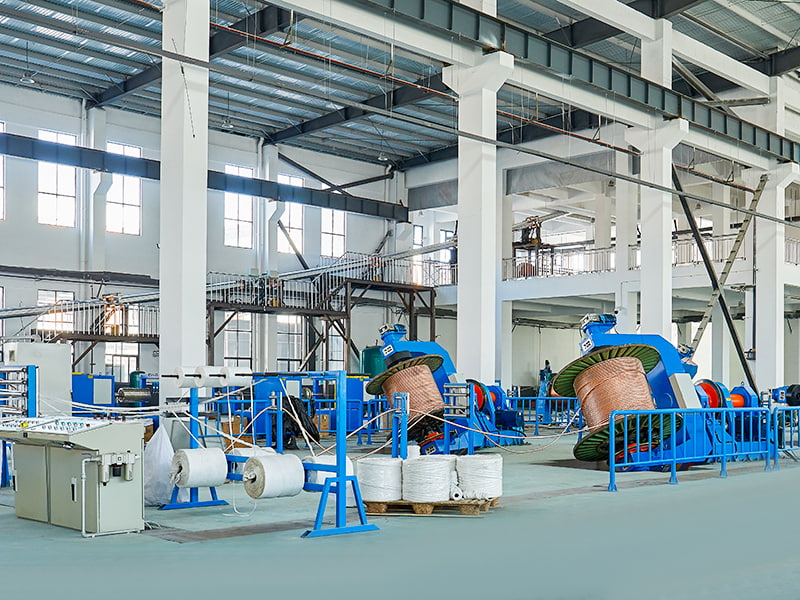
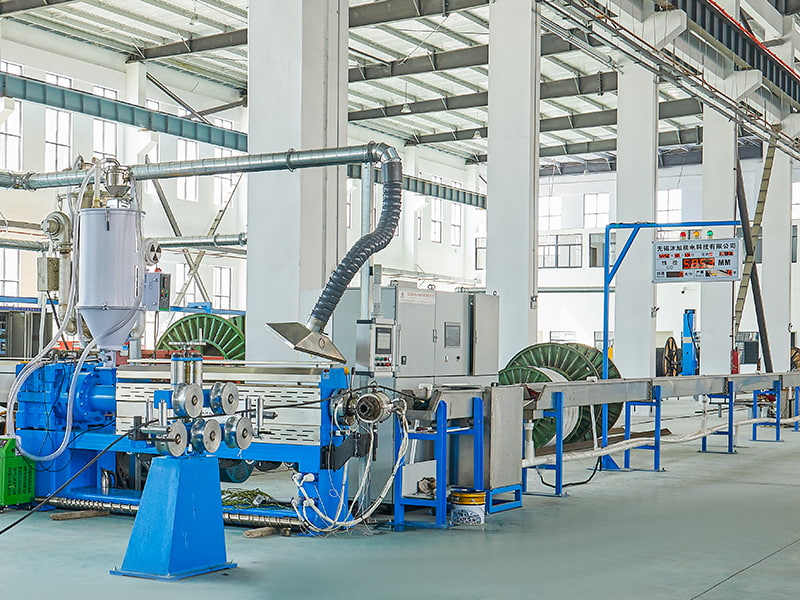
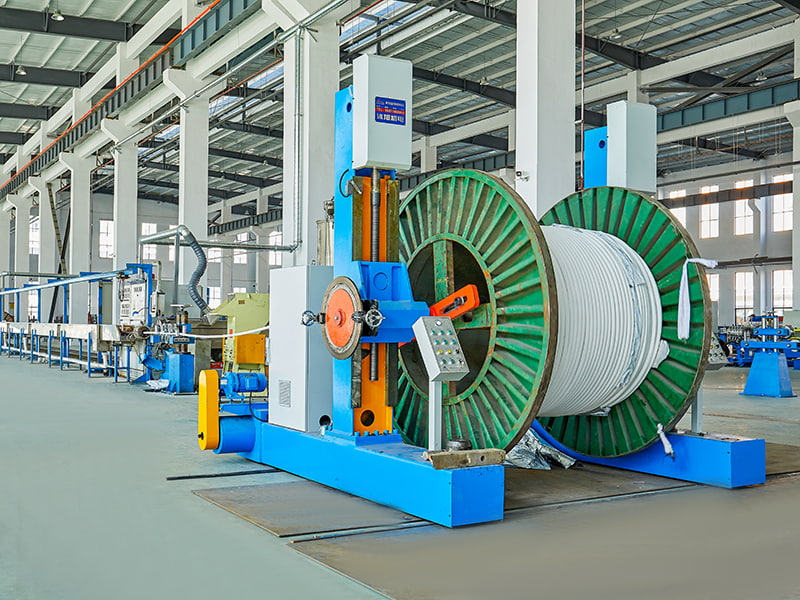
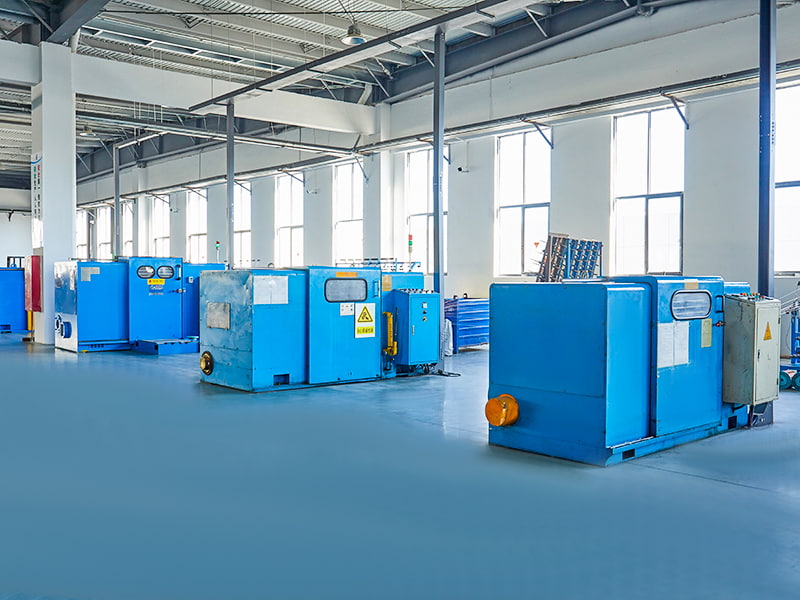
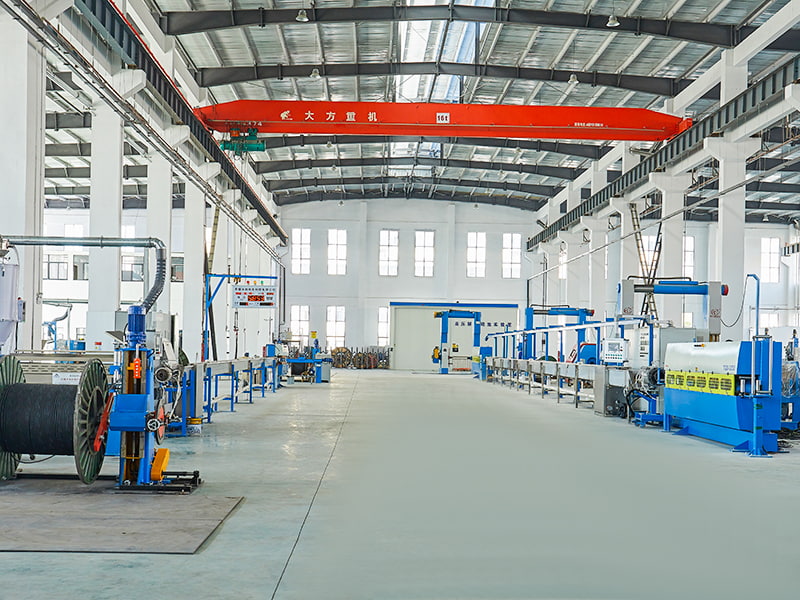
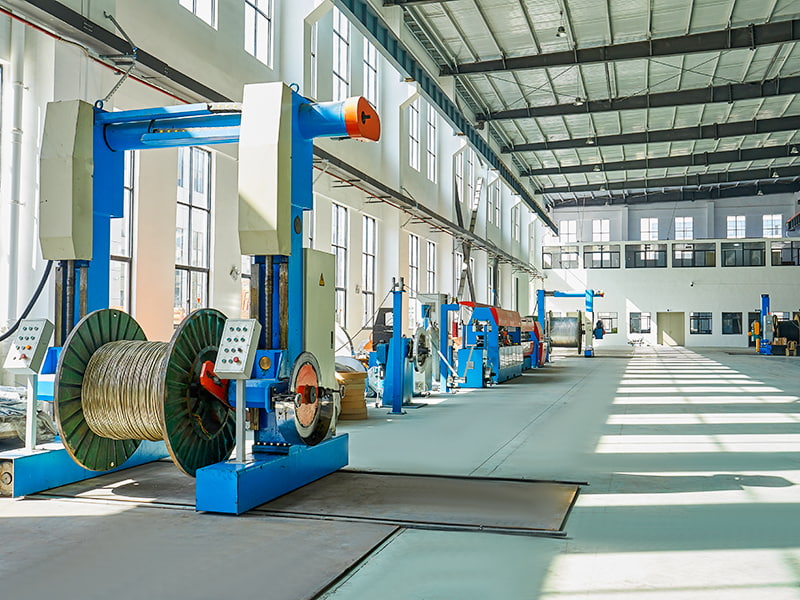
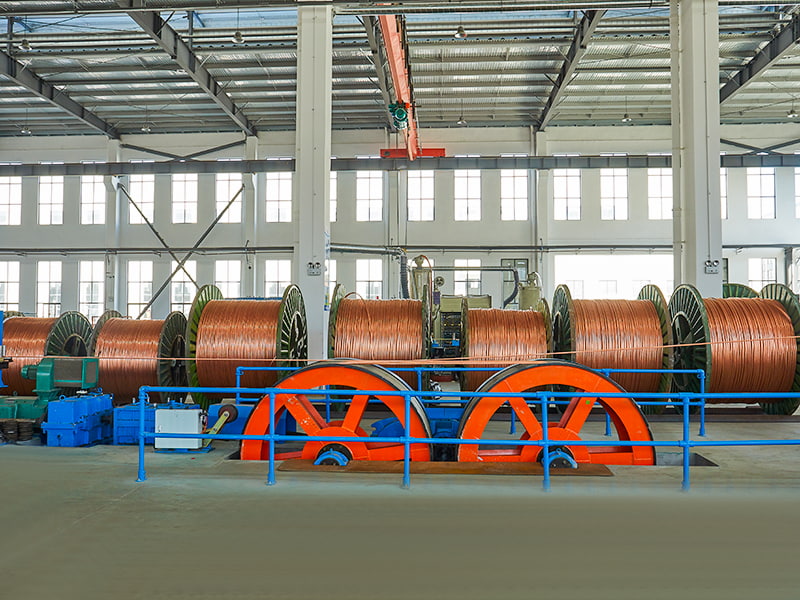
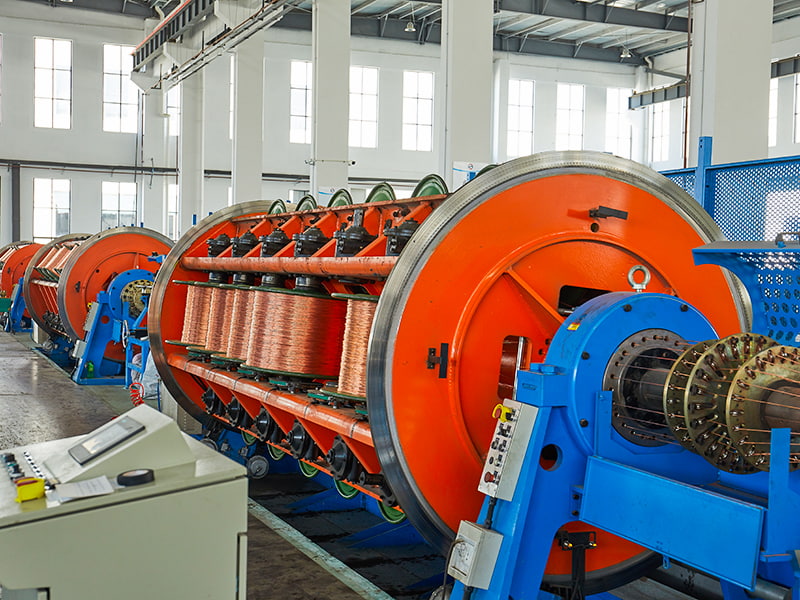
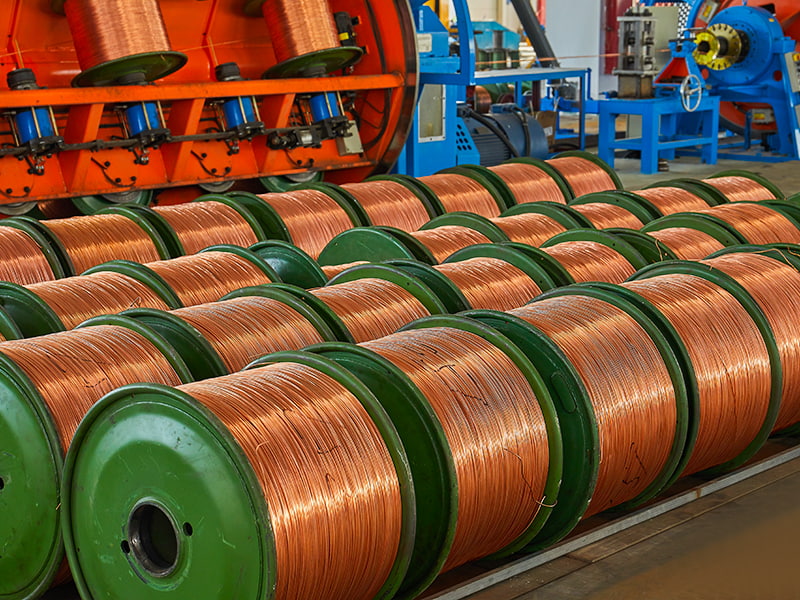
Zhejiang Huapu Cable Co., Ltd. is a professional wire and cable manufacturer integrating production, sales, R&D, and service. The company specializes in the production and development of a wide range of products, including cross-linked polyethylene and PVC insulated power cables, control cables, overhead cables, aluminum stranded wires, steel-cored aluminum stranded wires, building wires, general rubber-sheathed flexible cables, power plug cords, radio frequency cables, communication cables, computer cables, as well as special electrical equipment products such as low-smoke halogen-free, flame-retardant, fire-resistant, and fireproof cables.

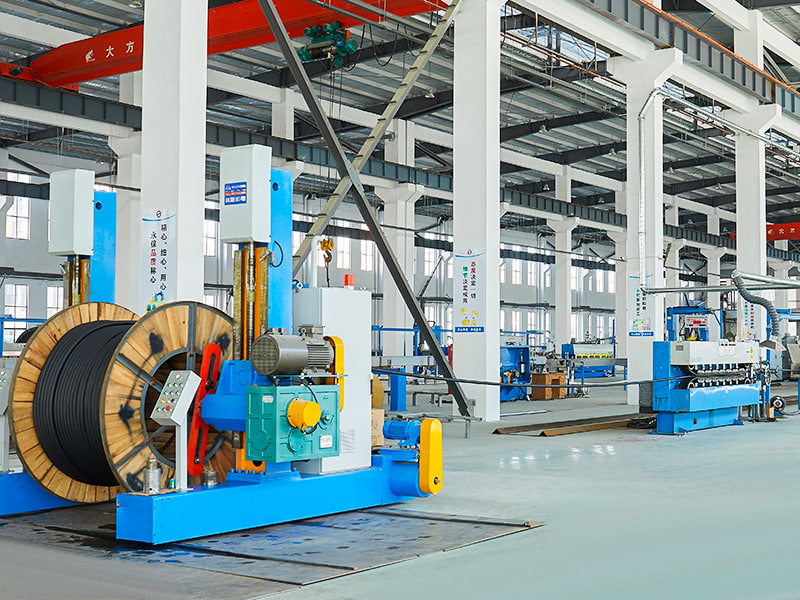
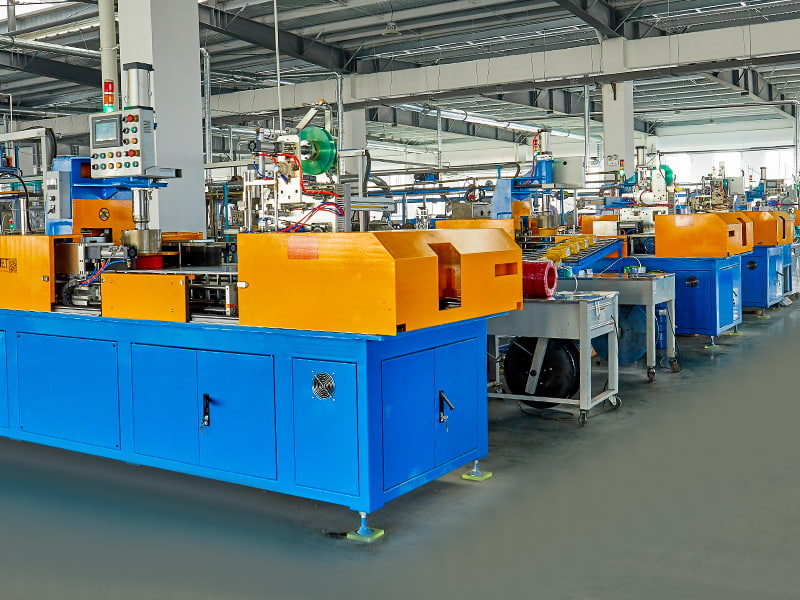
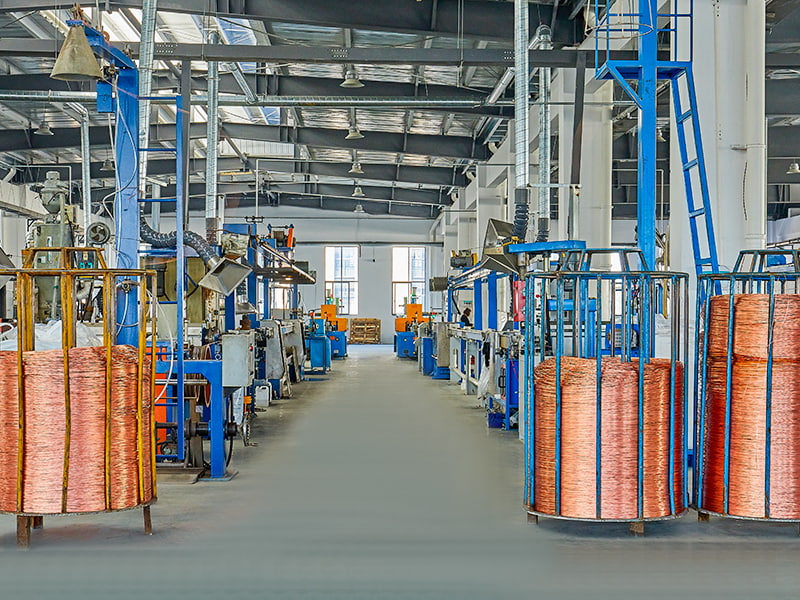
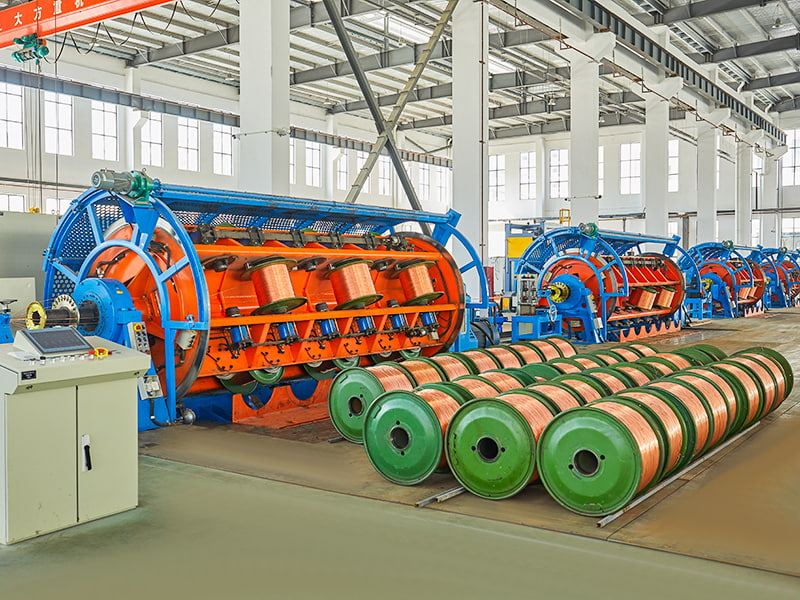
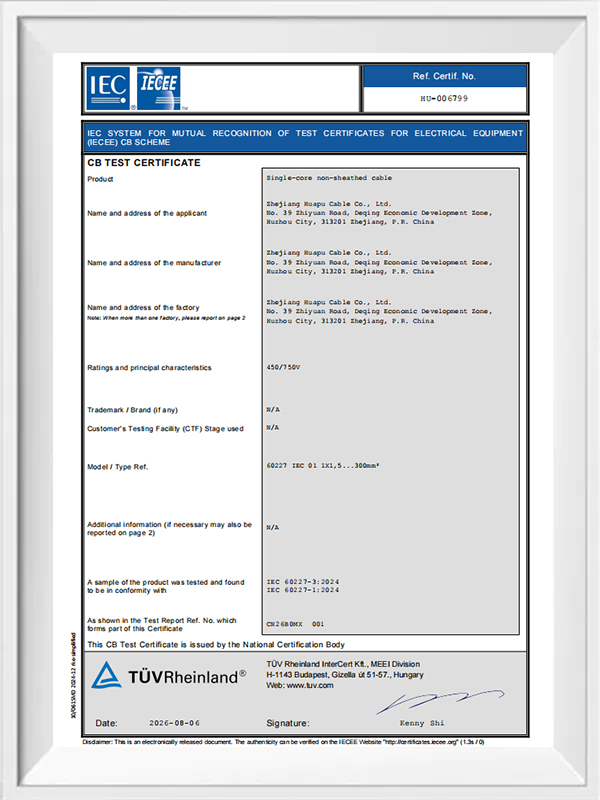
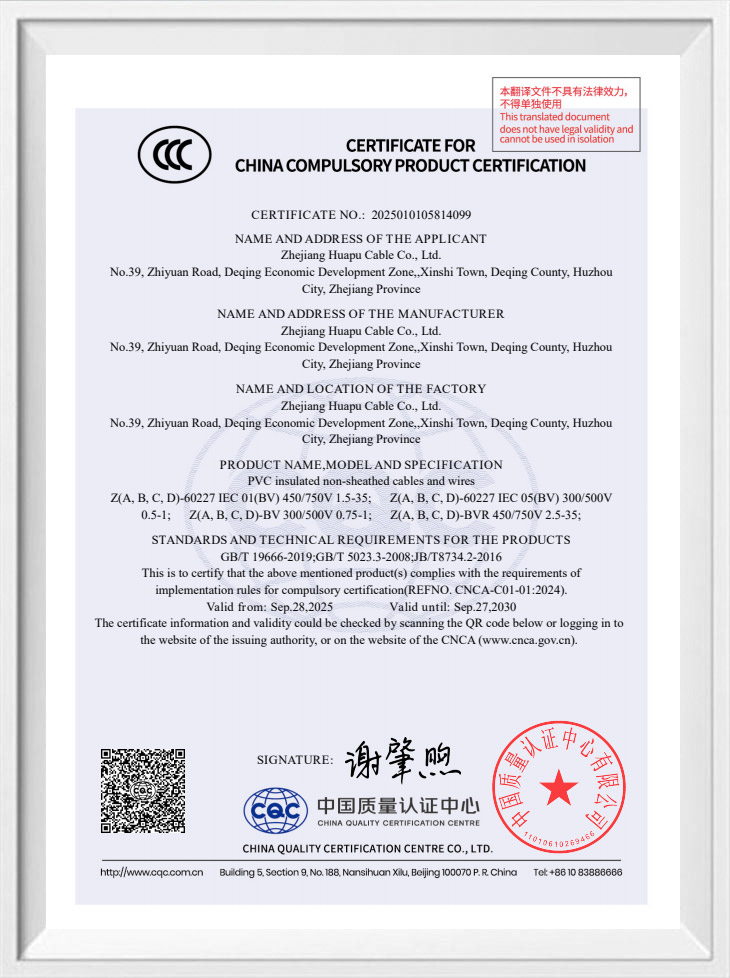
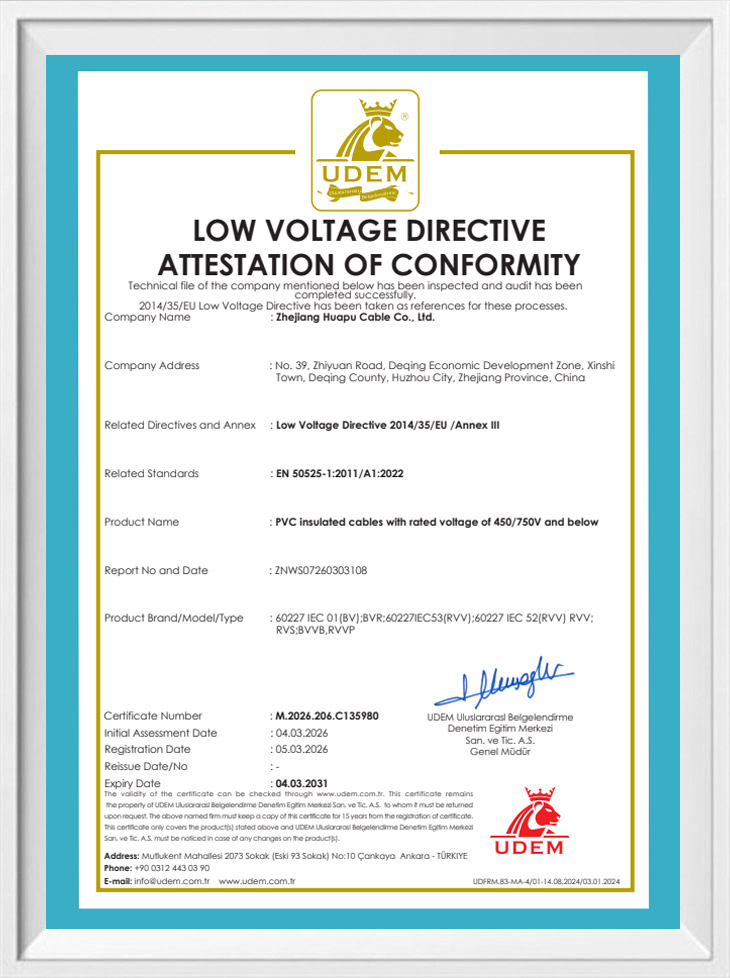
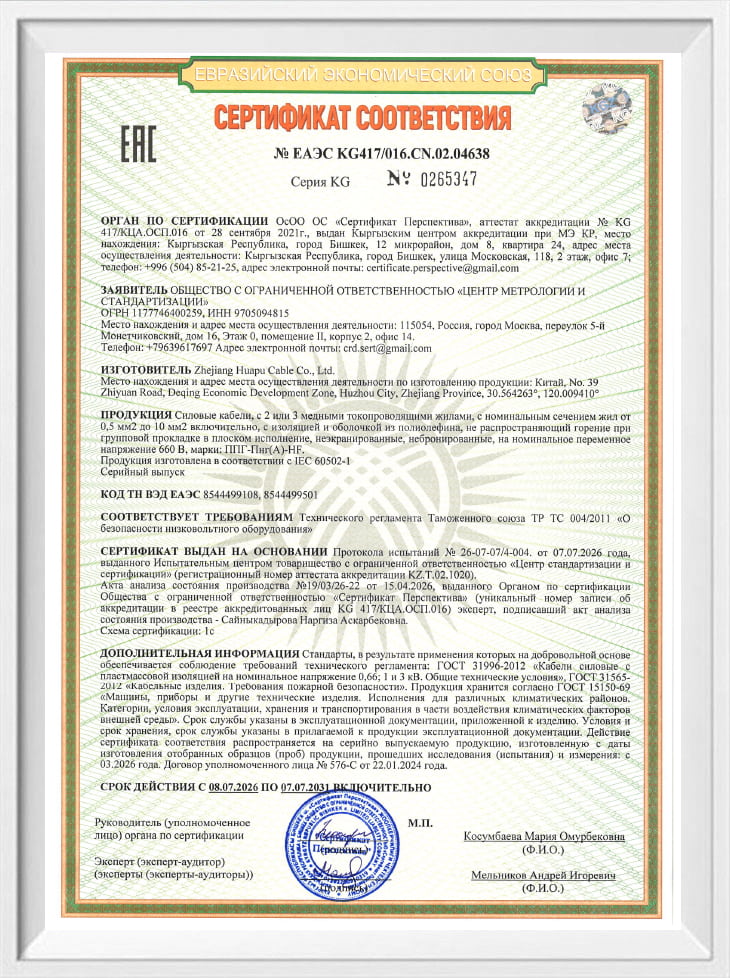
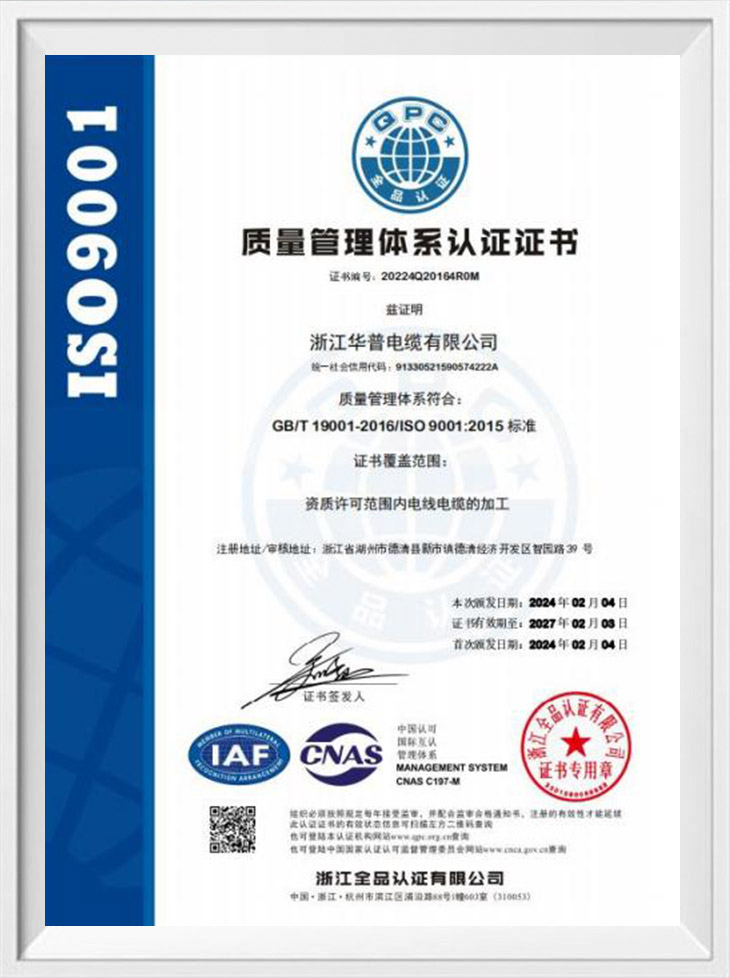
As YJV22 8.7/15kV Medium Voltage XLPE Insulated Armoured Power Cable 3×300mm² Manufacturers and YJV22 8.7/15kV Medium Voltage XLPE Insulated Armoured Power Cable 3×300mm² Suppliers in China, Equipped with advanced technology, robust technical expertise, comprehensive testing capabilities, and well-equipped laboratory facilities, the company operates modern production lines and utilizes state-of-the-art inspection and testing equipment. It has obtained certifications including National High-Tech Enterprise recognition, ISO 9001 Quality Management System, ISO 14001 Environmental Management System, OHSAS 18001 Occupational Health and Safety Management System, "Zhejiang Manufacturing" standards, and China Compulsory Product (CCC) certification. The company also holds a National Industrial Product Production License.

As YJV22 8.7/15kV Medium Voltage XLPE Insulated Armoured Power Cable 3×300mm² Factory and 3.6/6kV-26/35kV Cross-Linked Polyethylene XLPE Insulated Power Cable Suppliers, the company has established a comprehensive management system, firmly believing that superior quality is the key to customer satisfaction and market success, which helps build a high-end brand image. Based on customer needs, the company continuously strives for innovation to maximize benefits for its clients.

Guided by the principles of rigor, efficiency, integrity, pragmatism, humility, and unity, the company aims to become a global advocate for green and environmentally friendly products. While providing top-tier wire and cable products, supply Custom 3.6/6kV-26/35kV Cross-Linked Polyethylene XLPE Insulated Power Cable, it is committed to collaborating with partners from all sectors through scientific management, standardized production, premium quality, satisfactory service, and an outstanding reputation to achieve mutual success.

  • Zhejiang Huapu Cable Co., Ltd.

    0 01

    Company registered

  • Zhejiang Huapu Cable Co., Ltd.

    0m² 02

    Factory area

  • Zhejiang Huapu Cable Co., Ltd.

    003

    Employees

  • Zhejiang Huapu Cable Co., Ltd.

    USD0million04

    Annual Sales Volume

HIGH STANDARD HONOUR

Environmental protection certification and standards

News & Blog
  • Erbil Build Expo 2026 Successfully Concluded — Huapu Cable Connects with the Kurdistan Market Erbil Build Expo 2026 Successfully Concluded — Huapu Cable Connects with the Kurdistan Market
    10 Sep 26- Exhibition News | Zhejiang Huapu Cable Co., Ltd.   Zhejiang Huapu Cable Co., Ltd. successfully participated in Erbil Build Expo 2026, held from August 27 to 30, 2026, in Erbil, Iraq. As one of the important construction and building exhibitions in the Kurdistan Region, the event brought together contractors, distributors, engineering companies, traders, project owners, and professionals from the construction and electrical industries. During the four-day exhibition, Huapu Cable welcomed visitors from Iraq and other Middle Eastern markets at Booth B6 & B6A, introducing its wire and cable manufacturing capabilities, product portfolio, quality standards, and international supply experience. Connecting with Customers in the Kurdistan Market For Huapu Cable, Erbil Build Expo was more than an exhibition—it was an opportunity to better understand the local market and establish direct communication with potential customers. During the show, our team had meaningful discussions with cable distributors, electrical wholesalers, contractors, engineering companies, and project-related buyers. Customers showed particular interest in: Low-voltage power cables Building wires and electrical wires XLPE insulated power cables PVC insulated cables Control cables Special cables Photovoltaic cables Communication cables Customized/OEM cable solutions Introducing Huapu Cable's Manufacturing Capabilities At the exhibition, Huapu presented its capabilities as a professional wire and cable manufacturer integrating production, sales, R&D, and service. Established in 2006, Huapu Cable operates a 100,000-square-meter manufacturing facility and provides a wide range of cable solutions for construction, power distribution, industrial, photovoltaic, communication, and other applications. Our product portfolio includes: XLPE and PVC insulated power cables Building wires Control cables Overhead conductors Photovoltaic cables RF and communication cables Low-smoke halogen-free cables Flame-retardant cables Fire-resistant cables Specialty cables Quality and International Standards Quality and reliability remain at the center of Huapu Cable's manufacturing philosophy. Huapu has obtained a range of certifications and qualifications, including ISO 9001, ISO 14001, OHSAS 18001, CCC, TUV, EAC, and CE, supporting our products in different international markets. Our products are supplied to customers across Asia, Africa, and Latin America, with experience in serving different market requirements and applications. For customers in Iraq and the Kurdistan Region, we are also continuing to study local market requirements, technical specifications, project standards, and supplier qualification procedures in order to provide more suitable cable solutions. Building Long-Term Partnerships One of the most valuable outcomes of Erbil Build Expo 2026 was the opportunity to meet customers face-to-face. For an international cable manufacturer, understanding a market cannot rely only on product catalogs and price quotations. Direct communication with local distributors, contractors, and project companies allows us to better understand: Local product preferences Purchasing and distribution channels Technical requirements Project specifications Certification expectations Delivery and logistics requirements Long-term cooperation opportunities  Looking Forward to the Iraqi Market The successful completion of Erbil Build Expo 2026 marks another important step in Huapu Cable's international market development. We sincerely thank everyone who visited Booth B6 & B6A, shared their projects and requirements with our team, and expressed interest in working with Huapu Cable. The exhibition has concluded, but our communication continues. Huapu Cable will continue to follow up with customers and partners we met during the exhibition, provide technical and commercial support, and explore opportunities for long-term cooperation in Iraq, the Kurdistan Region, and the wider Middle East market. We look forward to turning the connections made at Erbil Build Expo into lasting partnerships. Huapu Cable — Trust, Quality, Innovation Zhejiang Huapu Cable Co., Ltd.Professional Wire & Cable Manufacturer Since 2006Your Reliable Cable Partner from China....
  • Meet Huapu Cable at Booth B6 & B6A | Erbil Build Expo 2026 Meet Huapu Cable at Booth B6 & B6A | Erbil Build Expo 2026
    23 Jul 26- We are delighted to announce that Zhejiang Huapu Cable Co., Ltd. will participate in Erbil Build Expo 2026, one of the largest and most influential construction and infrastructure exhibitions in Iraq and the Kurdistan Region. As a professional wire and cable manufacturer from China, we warmly invite distributors, EPC contractors, electrical wholesalers, construction companies, project developers, and industry professionals to visit our booth and discover our latest cable solutions.   Exhibition Information Exhibition:Erbil Build Expo 2026 Date:August 27–30, 2026 Venue:Erbil International Fairground, Erbil, Iraq Booth:B6 & B6A  Products on Display:Building Wires, Power Cables, Solar Cables, Fire-Resistant Cables, Flame-Retardant Cables, Control Cables and Customized Cable Solutions Erbil Build Expo is one of Iraq's premier construction exhibitions, attracting hundreds of exhibitors and thousands of professional visitors from Iraq, the Middle East, and neighboring countries. It provides an excellent platform for manufacturers, suppliers, contractors, and distributors to establish new partnerships and explore business opportunities in the region. Visit Huapu Cable at Booth B6 & B6A If you are looking for a reliable wire and cable manufacturer in China, we invite you to visit Booth B6 & B6A during Erbil Build Expo 2026. Our experienced sales and technical teams will be available throughout the exhibition to introduce our latest products, discuss your project requirements, and explore long-term cooperation opportunities. Whether you are sourcing products for residential construction, commercial buildings, industrial facilities, renewable energy projects, or infrastructure developments, Huapu Cable is ready to support your business with reliable products and professional service. Why Iraq Is an Important Market for Wire & Cable Driven by continuous investment in housing, commercial construction, industrial facilities, renewable energy, and public infrastructure, Iraq's demand for high-quality electrical cables continues to grow. Professional distributors and contractors are increasingly seeking manufacturers capable of supplying products that offer consistent quality, competitive pricing, and reliable delivery. Huapu Cable is committed to supporting customers in Iraq with dependable cable solutions tailored to local market requirements. Products We Will Showcase During Erbil Build Expo 2026, visitors will have the opportunity to explore our comprehensive range of cable products. Building Wires Reliable building wires designed for residential, commercial, and industrial electrical installations with excellent safety and durability. Low Voltage Power Cables Suitable for power distribution systems, industrial plants, utility projects, commercial buildings, and infrastructure applications. Solar PV Cables Designed for photovoltaic systems with outstanding UV resistance, weather resistance, and long service life under harsh outdoor environments. Fire-Resistant & Flame-Retardant Cables Ideal for hospitals, airports, shopping malls, metro systems, high-rise buildings, and other projects requiring enhanced fire safety. Control Cables Reliable solutions for industrial automation, machinery, instrumentation, and process control applications. Customized Cable Solutions We also provide customized services including: OEM & ODM manufacturing Customized cable structures Private label printing Special packaging Project-specific specifications Why Choose Huapu Cable With more than 20 years of manufacturing experience, Zhejiang Huapu Cable Co., Ltd. has become a trusted supplier serving customers in multiple international markets. Our advantages include: Modern manufacturing facilities Advanced production equipment Strict quality management Professional R&D and engineering support International manufacturing standards Flexible OEM & ODM services Stable production capacity Competitive pricing Reliable delivery Professional export experience Our mission is to provide high-quality cable products that help our partners succeed in competitive markets. Looking for Business Partners in Iraq At Erbil Build Expo 2026, we are actively seeking long-term cooperation with: Electrical distributors Cable wholesalers EPC contractors Construction companies Government project suppliers Renewable energy companies Industrial manufacturers Engineering consultants Whether you require standard products or customized cable solutions, our team is ready to discuss your business needs and provide professional technical support. Let's Meet at Booth B6 & B6A If you will be attending Erbil Build Expo 2026, we sincerely invite you to visit Booth B6 & B6A. Meet our sales and technical specialists, explore our latest products, discuss your projects, and discover how Huapu Cable can become your reliable cable manufacturing partner for Iraq and the Middle East. Exhibition Details Booth: B6 & B6A Date: August 27–30, 2026 Venue: Erbil International Fairground, Erbil, Iraq We look forward to welcoming you and building long-term partnerships together. Frequently Asked Questions (FAQ) What products will Huapu Cable exhibit at Erbil Build Expo 2026? We will showcase building wires, low-voltage power cables, solar PV cables, fire-resistant cables, flame-retardant cables, control cables, and customized cable solutions for residential, commercial, industrial, and infrastructure projects. Can Huapu Cable provide OEM cable manufacturing? Yes. We offer comprehensive OEM and ODM services, including customized cable specifications, packaging, printing, branding, and project-specific manufacturing. Do you export cables to Iraq and the Middle East? Yes. Huapu Cable is actively expanding its presence in Iraq and the Middle East and is seeking long-term partnerships with distributors, contractors, EPC companies, and project developers throughout the region. Why should I visit Booth B6 & B6A? At Booth B6 & B6A, you can meet our experienced sales and technical team, explore our latest products, discuss your project requirements, request quotations, and discover customized cable solutions tailored to your business....
  • Zhejiang Huapu Cable Successfully Wraps Up at ASEW Thailand 2026: Expanding Our Footprint in Southeast Asia Zhejiang Huapu Cable Successfully Wraps Up at ASEW Thailand 2026: Expanding Our Footprint in Southeast Asia
    09 Jul 26- Bangkok, Thailand — What an incredible week of innovation and connection! Zhejiang Huapu Cable Co., Ltd. is proud to announce the successful conclusion of our exhibition at the ASEAN Sustainable Energy Week (ASEW) 2026 in Bangkok. First and foremost, we would like to extend our deepest gratitude to the Zhejiang Provincial Department of Commerce for their gracious invitation and ongoing support. It was a privilege to represent the strength and quality of Zhejiang’s manufacturing industry on one of Southeast Asia's most prominent international stages. Exploring a Vibrant and Dynamic Thai Market Navigating the bustling exhibition floor at ASEW 2026 made one thing abundantly clear: Thailand is a remarkably vibrant, dynamic, and forward-looking market. With rapid advancements in local infrastructure, industrial development, and renewable energy sectors, the demand for reliable and high-quality electrical cable solutions has never been higher. As a dedicated global electrical cable manufacturer, we were thrilled to see how perfectly our high-standard cable products align with the technical demands of Thailand's expanding energy grid and industrial projects. Building Global Connections and Local Partnerships   An exhibition is only as successful as the relationships it builds. Throughout the event, our sales and technical teams had the pleasure of meeting a diverse group of industry professionals, project engineers, and new friends from across the region. We engaged in deep, highly productive conversations regarding global cable manufacturing standards (such as IEC and TISI) and discussed tailored solutions for specific local applications. Thanks to these meaningful B2B exchanges, Zhejiang Huapu Cable has successfully reached preliminary cooperation agreements with several prominent local companies. Looking Ahead: Deepening Our Presence in Thailand These new partnerships mark a fantastic milestone for our international market expansion. We are incredibly optimistic about the future and look forward to deeply rooting our presence in Thailand. By continuously providing superior cable manufacturing, strict quality control, and exceptional customer service, we aim to grow alongside our new Thai partners and contribute to the region's sustainable development. Thank you to everyone who visited our booth, shared their industry insights, and made this exhibition a resounding success. We look forward to our next meeting! Are you looking for a reliable cable manufacturer for your next project? Explore our comprehensive range of high-quality industrial and residential cables today.  ...
  • Grid Upgrades: Policy Momentum and the Copper vs Aluminium Conductor Decision Grid Upgrades: Policy Momentum and the Copper vs Aluminium Conductor Decision
    15 Oct 26- Reconductoring a 132 kV corridor used to be a decade-long argument about permits. In 2026 it is increasingly a procurement decision. During 2025 and 2026, nine US states advanced legislation requiring utilities to evaluate grid-enhancing technologies, the European Union kept working through a grid action plan worth hundreds of billions of euros, and interconnection queues in several markets began to clear. None of that builds a metre of line, but all of it turns into conductor orders. Policy momentum does not add capacity on its own. It adds demand for conductor, hardware and terminations, and it turns the copper-or-aluminium decision into an engineering, cost and supply question that must be settled before the tower and termination design is frozen. What follows is a practical read on that decision: what the policy shift changes, how copper and aluminium behave as grid conductors, where the cost gap really sits, and which standard ends up making the choice for you. Policy Momentum Is Now Measurable as Mandated Planning, Not Pilot Projects Grid upgrade policy momentum is best measured by what utilities are now required to evaluate, and that list grew faster in 2025 and 2026 than at any point in the previous decade. In the United States, nine states advanced grid-enhancing technology legislation during the 2025 sessions, among them Utah, Indiana, New Mexico, South Carolina, Ohio, Oregon, Louisiana, Connecticut and Delaware. The instruments differ, but the mechanism is the same: transmission planners must show that they considered advanced conductors, dynamic line ratings or comparable technologies before a conventional rebuild is approved. A planning requirement sounds soft until it changes the default answer from a new right-of-way to reconductoring an existing one. 9US states advancing grid-enhancing technology legislation in 2025 1.5xTypical ampacity gain from advanced conductors on existing towers EUR 584bnGrid investment targeted by the EU action plan through 2030 The pattern repeats elsewhere. The EU grid action plan targets roughly EUR 584 billion of investment by 2030 against distribution networks where many assets are more than forty years old, while Asian markets run ultra-high-voltage and rural distribution programmes in parallel and consume aluminium and copper in volume. Policy momentum is not a sentiment indicator. In this context it means a documented planning requirement, a funded programme or a queue reform that converts a study into a purchase order. Three things follow for anyone buying conductor. Reconductoring dominates the pipeline, and reconductoring is a conductor decision before it is a civil one. Planning mandates push specifications toward advanced conductor types, which shifts the mix of aluminium alloy, aluminium-clad steel and composite core. And capacity added inside an existing right-of-way does not wait on a permitting clock. Aluminium Carries 61 Percent of Copper Conductivity, and That Ratio Drives Everything Else Electrical-grade aluminium conducts at roughly 61 percent IACS against copper at 100 percent IACS, so an aluminium conductor needs about 1.6 times the cross-sectional area of a copper conductor to deliver the same DC resistance. Conductivity, as used in conductor selection, is the IACS percentage. Annealed copper is the 100 percent reference and electrical-grade aluminium sits near 61 percent. Mass, sag, tower loading, connector design and cost per amp-kilometre all follow from that single ratio. The consequences are not symmetric, and the second-order effects are the ones that cause trouble on site. Area and mass. For equal resistance, aluminium needs about 1.64 times the cross-section but weighs about half as much, which is why long overhead spans are built on aluminium. Sag. Aluminium expands roughly 40 percent more than copper for the same temperature rise, so a like-for-like swap changes clearance and tension behaviour, not just losses. Strength. Soft aluminium has low tensile strength, so overhead aluminium is used as alloy strand or reinforced with a steel or composite core. Interfaces. Aluminium forms an insulating oxide layer within seconds of exposure and creeps under sustained compression, so aluminium-to-copper joints need bimetallic hardware, oxide inhibitor and a documented re-torque. Copper and aluminium compared for grid conductor applications. Attribute Copper Aluminium Conductivity, IACS 100 percent, reference about 61 percent Density, g/cm3 8.96 2.70 Mass for equal DC resistance 1.00 about 0.49 Thermal expansion lower roughly 40 percent higher Typical overhead form rarely specified at transmission level AAAC, ACSR, ACSS, ACAR Typical insulated form LV and MV cores, flexible class 5 LV and MV cores, all-aluminium designs Jointing compression or brazed bimetallic splice, inhibitor, re-torque Relative metal price about three times aluminium reference Aluminium Conductors for Overhead Transmission and DistributionCompare AAC, AAAC, ACSR and related aluminium strand options for overhead lines, with conductor types spanning 10–1000 mm².View Product → Overhead work usually arrives as bare aluminium or aluminium alloy strand, where strand configuration and temper compliance matter more than the headline price. The same conductor question appears on the insulated side, and our comparison of copper versus aluminium wiring trade-offs covers that part in detail. The Cost Gap Is Roughly Three to One on Bare Conductor, and Much Narrower on Insulated Cable Per tonne, copper has traded at roughly three times the aluminium price through 2025 and 2026, but the gap per unit of delivered ampacity shrinks sharply once insulation, screening and sheathing are added. Cost index per unit of current-carrying capability, bare aluminium overhead = 100 Bare aluminium overhead, equal ampacity100 Aluminium-core MV XLPE cable100 Copper-core MV XLPE cable138 Bare copper overhead, equal ampacity290 On a 12/20 kV three-core cable, the conductor is a modest share of the finished price, so an aluminium core costing roughly a third as much per tonne produces a cable that is perhaps 30 to 40 percent cheaper overall, not 70 percent. The overhead case is far more sensitive, because there the conductor is essentially the whole product. A conductor that is 30 percent cheaper per tonne is not 30 percent cheaper per amp-kilometre. Landed cost, installed cost and connector hardware have to be compared together, at the ampacity the structure can actually carry. Trade measures add a second layer. Through 2025 and 2026, steel, aluminium and copper products all carried elevated tariff exposure in the United States, with the aluminium rate rising sharply during 2025 and copper products drawn into scope over the same period. The exposure is asymmetric: aluminium is the more tariff-sensitive input in North America, while copper is the more import-dependent input across Europe and parts of Asia. Two projects with the same drawing set can therefore reach different economic answers in different markets. Scrap value belongs in the same calculation, because copper is worth roughly three times as much per tonne at the yard, which makes bare copper overhead conductor a theft target in some regions and adds security and replacement cost to the whole-life number. The Standard Usually Settles the Metal Choice Before the Buyer Does For most grid projects the applicable standard and the utility specification fix the conductor material, so the useful question is not which metal is better but which one is permitted on that line. Standards that most often determine conductor type in grid upgrade work. Application Governing standard Conductor normally specified Overhead distribution and transmission IEC 61089, ASTM B232, EN 50182 AAAC, ACSR, ACSS, ACAR Low voltage power cable, 0.6/1 kV IEC 60502-1 Class 2 copper or aluminium Medium voltage cable, 6 kV to 30 kV IEC 60502-2 Class 2 copper or aluminium High voltage cable, 30 kV to 150 kV IEC 60840 Project specific, copper or aluminium Conductor classes IEC 60228 Class 1, 2, 5 and 6 Flexible equipment cable IEC 60228 class 5 Copper, often tinned Medium-Voltage XLPE Power Cables up to 26/35 kVReview 3.6/6–26/35 kV XLPE cable options by voltage rating, conductor material, armoring, core count and cross-section for distribution networks.View Product → Where aluminium is permitted in insulated cable, two adjustments appear in almost every design: the cross-section steps up by one or two standard sizes for the same current, and the termination schedule changes to bimetallic lugs with inhibitor compound. Neither is difficult, but both have to be in the drawing set before the cable is ordered. A conductor that complies with the standard but not with the utility's internal specification is still a rejected delivery. Check the approved vendor list before the price comparison, not after. Aluminium Wins Span Length and Cost, Copper Wins Terminations and Hostile Environments Aluminium is the default for long overhead spans and cost-driven distribution, while copper stays the safer choice at terminations, in confined switchgear, in saline or sulphide environments and in flexible cable. Specify aluminium when Span length and tower loading drive the design. An existing right-of-way is reconductored with a lighter conductor. Rural feeders are long and load density is low. Large cross-section MV or LV cable has duct space available. Specify copper when Terminations, link boxes and cramped switchgear are involved. The route is coastal, marine, chemical or sulphide bearing. Flexible class 5 or class 6 cable is needed for machinery or charging equipment. Runs are short enough that resistance losses dominate whole-life cost. Aerial Insulated Cables for Medium- and Low-Voltage Overhead LinesCompare 1–35 kV overhead insulated cables with aluminium conductors, XLPE or HDPE insulation, and single-core or bundled ABC configurations.View Product → The interface is where most field problems begin. A bolted aluminium-to-copper joint needs a bimetallic plate or transition splice, abrasive cleaning to remove oxide, inhibitor compound and a re-torque schedule tied to the first thermal cycles. On utility reconductoring and smart grid and distribution upgrade programmes, that procedure is normally written into the method statement rather than left to the installation crew. Freeze the Conductor Before the Tower and Termination Design Freezes The most expensive mistake in a grid upgrade is changing conductor material after the structure and termination design are fixed, because the metal is the cheapest part of that change. Fix the ampacity target State the continuous and emergency rating at the design ambient temperature before anyone discusses metal. Conductor choice is downstream of that number. Test the existing structure Tower loading, sag margin, clearance and foundation capacity decide whether a lighter aluminium conductor is a shortcut or a trap. Compare landed cost per amp-kilometre Metal price, tariff, freight, connector hardware and installation labour belong in one comparison, at the rating the line can really carry. Freeze the termination design with the conductor Bimetallic hardware, inhibitor compound, torque value and re-torque interval should be specified in the same package as the cable. Confirm the supply path Check the standard size range, strand configuration, mill lead time and whether the specification allows an equivalent alloy before the tender closes. Lead time, not metal price, usually decides a 2026 upgrade schedule. A cheaper conductor that arrives six weeks late and forces a redesigned termination costs more than the premium on copper. Frequently Asked Questions Is aluminium a direct substitute for copper in grid conductors? For bare overhead conductor, usually yes, provided the structure can carry the larger diameter and the sag change is checked. For insulated cable the answer is more conditional: aluminium is permitted by most low and medium voltage standards, but it needs a larger cross-section for the same current and bimetallic terminations. Why do utilities still specify copper for medium voltage cable? Because at medium voltage the core is a modest share of the finished cable price, while terminations, joints and installation labour are not. Copper's higher conductivity allows a smaller cross-section in the same duct or switchgear compartment, and it removes the bimetallic interface from cable trenches that are humid and hard to inspect. How much capacity can reconductoring add without new towers? Typically 1.5 to 2 times the original rating with advanced conductors, and less where the existing structure limits tension or ambient temperature is high. The gain comes from higher allowable operating temperature, lower sag and a higher strength-to-weight ratio, so the tower and foundation stay as they are. How do copper and aluminium tariffs change conductor selection in 2026? They change relative landed cost rather than engineering limits. Where the standard fixes the material, the practical response is to lock conductor orders earlier, confirm whether the specification accepts an equivalent aluminium alloy or a compacted strand, and price termination hardware in the same exercise as the conductor. The metal is rarely the largest line in a grid upgrade budget, but it is the one that decides lead time, termination design and how much existing infrastructure can be reused. .grid-upgrades-policy-article { --accent: #f1760c; --accent-soft: #fde9db; --text-color: #1b1f24; --bg-color: #ffffff; --muted: #5c6670; counter-reset: hsec; background: var(--bg-color); color: var(--text-color); font-family: Georgia, "Times New Roman", serif; line-height: 1.7; padding: 10px 22px 34px 22px; } .grid-upgrades-policy-article .article-section { margin-top: 0; } .grid-upgrades-policy-article .article-section:nth-of-type(2) { margin-top: 54px; } .grid-upgrades-policy-article .article-section:nth-of-type(3) { margin-top: 76px; } .grid-upgrades-policy-article .article-section:nth-of-type(4) { margin-top: 62px; } .grid-upgrades-policy-article .article-section:nth-of-type(5) { margin-top: 70px; } .grid-upgrades-policy-article .article-section:nth-of-type(6) { margin-top: 58px; } .grid-upgrades-policy-article .article-section:nth-of-type(7) { margin-top: 80px; } .grid-upgrades-policy-article .article-section:nth-of-type(8) { margin-top: 66px; } .grid-upgrades-policy-article .article-section h2 { font-size: 22px; font-weight: bold; text-align: left; margin-bottom: 12px !important; margin-top: 0; color: var(--text-color); line-height: 1.4; } .grid-upgrades-policy-article .article-section:nth-of-type(2) h2 { border-left: 5px solid var(--accent); padding-left: 16px; } .grid-upgrades-policy-article .article-section:nth-of-type(3) h2 { border-top: 3px solid var(--accent); padding-top: 12px; letter-spacing: 0.4px; } .grid-upgrades-policy-article .article-section:nth-of-type(4) h2 { background: var(--accent-soft); border-left: 4px solid var(--accent); padding: 10px 14px; } .grid-upgrades-policy-article .article-section:nth-of-type(5) h2 { text-transform: uppercase; letter-spacing: 1.4px; border-bottom: 2px dashed var(--accent); padding-bottom: 10px; } .grid-upgrades-policy-article .article-section:nth-of-type(6) { counter-increment: hsec; } .grid-upgrades-policy-article .article-section:nth-of-type(6) h2::before { content: counter(hsec); display: inline-block; width: 28px; height: 28px; margin-right: 10px; border-radius: 6px; background: var(--accent); color: #ffffff; font-size: 16px; line-height: 28px; text-align: center; vertical-align: 2px; } .grid-upgrades-policy-article .article-section:nth-of-type(7) h2 { background: linear-gradient(90deg, var(--accent), var(--accent-soft)); color: #ffffff; padding: 11px 16px; border-radius: 0 14px 14px 0; } .grid-upgrades-policy-article .article-section:nth-of-type(8) h2 { background: #ffffff; box-shadow: inset 6px 0 0 0 var(--accent), 0 2px 8px rgba(0,0,0,0.08); border-radius: 8px; padding: 10px 14px; } .grid-upgrades-policy-article .article-section h3 { font-size: 16px; font-weight: bold; text-align: left; margin-bottom: 12px; margin-top: 18px; color: var(--accent); line-height: 1.8; letter-spacing: 0.2px; } .grid-upgrades-policy-article .article-section p { font-size: 16px !important; margin-bottom: 12px; color: var(--text-color); line-height: 1.8; } .grid-upgrades-policy-article .article-section p.lead { font-size: 18px !important; line-height: 1.7; font-weight: 600; } .grid-upgrades-policy-article .article-section p.chart-title { font-size: 14px !important; line-height: 2; color: var(--muted); text-transform: uppercase; letter-spacing: 0.9px; font-weight: bold; margin-bottom: 10px; } .grid-upgrades-policy-article .article-section ul { margin-bottom: 12px; list-style-type: disc; list-style-position: inside; } .grid-upgrades-policy-article .article-section ol { margin-bottom: 12px; list-style-type: decimal; list-style-position: inside; padding-left: 0; } .grid-upgrades-policy-article .article-section li { list-style: inherit; font-size: 16px; margin-bottom: 6px; color: var(--text-color); line-height: 1.8; } .grid-upgrades-policy-article .article-section .key-list { margin: 18px 0 24px 0; } .grid-upgrades-policy-article .article-section .key-list li { border-left: 3px solid var(--accent); padding-left: 12px; margin-bottom: 10px; background: #fcfcfd; } .grid-upgrades-policy-article .article-section .dot-list li::marker { color: var(--accent); font-size: 17px; } .grid-upgrades-policy-article .article-section a { color: var(--accent); text-decoration: underline; text-decoration-thickness: 2px; text-underline-offset: 3px; transition: color 0.2s ease; } .grid-upgrades-policy-article .article-section a:hover { color: var(--text-color); } .grid-upgrades-policy-article .hl { margin: 24px 0; } .grid-upgrades-policy-article .hl-intro { background: var(--accent); color: #ffffff; font-size: 18px; line-height: 1.7; font-weight: bold; padding: 18px 22px; border-radius: 8px; } .grid-upgrades-policy-article .hl-policy { border: 1px solid var(--accent); background: var(--accent-soft); color: var(--text-color); font-size: 16px; line-height: 1.8; padding: 16px 18px; } .grid-upgrades-policy-article .hl-def { font-size: 20px; line-height: 1.4; color: var(--accent); font-style: italic; border-bottom: 3px solid var(--accent); padding: 4px 0 14px 0; } .grid-upgrades-policy-article .hl-cost { border: 2px dashed var(--accent); background: #ffffff; color: var(--text-color); font-size: 16px; line-height: 1.8; padding: 16px 18px; } .grid-upgrades-policy-article .hl-standard { border-top: 5px solid var(--accent); background: #ffffff; box-shadow: 0 6px 18px rgba(0,0,0,0.07); color: var(--text-color); font-size: 16px; line-height: 1.8; padding: 18px; border-radius: 0 0 8px 8px; } .grid-upgrades-policy-article .hl-wins { border: 1px solid var(--accent); box-shadow: inset 0 0 0 5px var(--accent-soft); color: var(--text-color); font-size: 16px; line-height: 1.8; padding: 18px 20px; border-radius: 20px; } .grid-upgrades-policy-article .hl-play { border-top: 3px solid var(--accent); border-bottom: 3px solid var(--accent); color: var(--text-color); font-size: 18px; line-height: 1.7; padding: 16px 4px; } .grid-upgrades-policy-article .hl-faq { background: var(--accent-soft); border-left: 4px dashed var(--accent); color: var(--text-color); font-size: 16px; line-height: 1.8; padding: 14px 18px; border-radius: 0 10px 10px 0; } .grid-upgrades-policy-article .metrics { display: flex; flex-wrap: wrap; gap: 14px; margin: 24px 0; } .grid-upgrades-policy-article .metric { flex: 1 1 150px; background: #ffffff; border-top: 4px solid var(--accent); box-shadow: 0 5px 16px rgba(0,0,0,0.06); border-radius: 0 0 10px 10px; padding: 16px 16px 14px 16px; } .grid-upgrades-policy-article .metric strong { display: block; font-size: 26px; line-height: 1.2; color: var(--accent); font-variant-numeric: tabular-nums; margin-bottom: 6px; } .grid-upgrades-policy-article .metric span { display: block; font-size: 14px; line-height: 2; color: var(--muted); } .grid-upgrades-policy-article .chart { margin: 18px 0 24px 0; } .grid-upgrades-policy-article .bar-row { display: flex; align-items: center; gap: 12px; margin-bottom: 12px; } .grid-upgrades-policy-article .bar-label { flex: 0 0 40%; font-size: 14px; line-height: 2; color: var(--text-color); } .grid-upgrades-policy-article .bar-track { flex: 1 1 auto; height: 16px; background: var(--accent-soft); border-radius: 8px; overflow: hidden; } .grid-upgrades-policy-article .bar-fill { display: block; height: 16px; border-radius: 8px; background: var(--accent); } .grid-upgrades-policy-article .bar-val { flex: 0 0 46px; text-align: right; font-size: 14px; line-height: 2; font-weight: bold; color: var(--accent); font-variant-numeric: tabular-nums; } .grid-upgrades-policy-article .bar-row:nth-child(1) .bar-fill { width: 33%; } .grid-upgrades-policy-article .bar-row:nth-child(2) .bar-fill { width: 33%; } .grid-upgrades-policy-article .bar-row:nth-child(3) .bar-fill { width: 46%; } .grid-upgrades-policy-article .bar-row:nth-child(4) .bar-fill { width: 97%; } .grid-upgrades-policy-article .vs-grid { display: grid; grid-template-columns: 1fr 1fr; gap: 18px; margin: 24px 0; } .grid-upgrades-policy-article .vs-col { background: #ffffff; border: 1px solid #e7e9ec; border-radius: 12px; box-shadow: 0 4px 12px rgba(0,0,0,0.05); padding: 16px 18px; } .grid-upgrades-policy-article .vs-col:first-child { border-top: 4px solid var(--accent); } .grid-upgrades-policy-article .vs-col:last-child { border-top: 4px solid #7b8794; } .grid-upgrades-policy-article .vs-col h3 { margin-top: 0; margin-bottom: 10px; } .grid-upgrades-policy-article .vs-col ul { margin-bottom: 0; } .grid-upgrades-policy-article .steps { counter-reset: step; margin: 26px 0 26px 4px; border-left: 2px solid var(--accent-soft); padding-left: 26px; } .grid-upgrades-policy-article .step { position: relative; counter-increment: step; margin-bottom: 22px; } .grid-upgrades-policy-article .step::before { content: counter(step); position: absolute; left: -41px; top: 0; width: 28px; height: 28px; border-radius: 50%; background: var(--accent); color: #ffffff; font-size: 14px; line-height: 28px; text-align: center; font-weight: bold; } .grid-upgrades-policy-article .step h3 { margin-top: 0; margin-bottom: 6px; } .grid-upgrades-policy-article .step p { margin-bottom: 0; } .grid-upgrades-policy-article .article-section table { display: table !important; width: 100%; border-collapse: collapse; margin: 22px 0; } .grid-upgrades-policy-article .article-section thead { display: table-header-group !important; } .grid-upgrades-policy-article .article-section tbody { display: table-row-group !important; } .grid-upgrades-policy-article .article-section tr { display: table-row !important; } .grid-upgrades-policy-article .article-section th { display: table-cell !important; } .grid-upgrades-policy-article .article-section td { display: table-cell !important; } .grid-upgrades-policy-article .article-section th { font-weight: bold; border: 1px solid #cccccc; padding: 8px; color: var(--text-color); font-size: 15px; line-height: 2; } .grid-upgrades-policy-article .article-section td { border: 1px solid #cccccc; padding: 8px; color: var(--text-color); font-size: 15px; line-height: 2; } .grid-upgrades-policy-article .article-section caption { caption-side: bottom; font-size: 16px; margin-bottom: 12px; font-style: italic; color: #808080; line-height: 1.8; } .grid-upgrades-policy-article .article-section table td { padding: 12px 14px; } .grid-upgrades-policy-article .article-section table tr:nth-child(odd) td { background: #fbfbfc; } .grid-upgrades-policy-article .article-section table tr:nth-child(even) td { background: var(--accent-soft); } .grid-upgrades-policy-article .article-section table td:first-child { border-left: 3px solid var(--accent); font-weight: bold; } .grid-upgrades-policy-article .article-section table tr:first-child td { background: var(--accent); color: #ffffff; font-weight: bold; letter-spacing: 0.3px; } .grid-upgrades-policy-article .article-section table tr:not(:first-child):hover td { background: #f1f3f5; transition: background 0.2s ease; } @media (max-width: 768px) { .grid-upgrades-policy-article { padding: 8px 14px 26px 14px; } .grid-upgrades-policy-article .metric { flex: 1 1 100%; } .grid-upgrades-policy-article .vs-grid { grid-template-columns: 1fr; } .grid-upgrades-policy-article .bar-row { flex-wrap: wrap; gap: 6px; } .grid-upgrades-policy-article .bar-label { flex: 0 0 100%; } .grid-upgrades-policy-article .bar-track { flex: 1 1 60%; } .grid-upgrades-policy-article .bar-val { flex: 0 0 46px; } .grid-upgrades-policy-article .steps { padding-left: 20px; margin-left: 2px; } .grid-upgrades-policy-article .step::before { left: -35px; } .grid-upgrades-policy-article .article-section:nth-of-type(2), .grid-upgrades-policy-article .article-section:nth-of-type(3), .grid-upgrades-policy-article .article-section:nth-of-type(4), .grid-upgrades-policy-article .article-section:nth-of-type(5), .grid-upgrades-policy-article .article-section:nth-of-type(6), .grid-upgrades-policy-article .article-section:nth-of-type(7), .grid-upgrades-policy-article .article-section:nth-of-type(8) { margin-top: 42px; } .grid-upgrades-policy-article .article-section table td { padding: 10px 10px; } .grid-upgrades-policy-article .hl-def { font-size: 18px; line-height: 1.7; } .grid-upgrades-policy-article .hl-intro { padding: 16px; } } .product-card{display:block;margin:20px 0;border:1px solid #e5e7eb;border-radius:10px;overflow:hidden;font-style:normal;background:#fff;box-shadow:0 0 5px rgba(31,41,55,.08)} .pc-inner{display:flex;text-decoration:none;color:inherit;align-items:center;min-height:148px} .product-card .pc-img{width:auto!important;min-width:0!important;max-width:min(36%,240px)!important;height:auto!important;min-height:0!important;max-height:148px!important;aspect-ratio:auto!important;object-fit:contain!important;flex:0 0 auto;display:block;align-self:center} .pc-body{padding:12px 16px;flex:1;min-width:0;display:flex;flex-direction:column;align-self:stretch;justify-content:center} .pc-title{display:block;font-size:15px;font-weight:600;color:#111;margin:0 0 6px;line-height:1.4} .pc-desc{display:-webkit-box;font-size:13px;color:#6b7280;margin:0 0 8px;line-height:1.5;overflow:hidden;-webkit-line-clamp:2;line-clamp:2;-webkit-box-orient:vertical} .pc-cta{display:block;font-size:13px;font-weight:600;color:inherit;margin-top:auto} .pc-inner:hover .pc-title{text-decoration:underline} .article-section a:not(.pc-inner),article a:not(.pc-inner){color:inherit}.pc-cta{color:inherit!important}...

  • Steel Wire vs Steel Tape Armour in Power Cables Steel Wire vs Steel Tape Armour in Power Cables
    12 Oct 26-Steel wire armour (SWA) generally offers better support for longitudinal tensile loads, while conventional steel tape armour (STA) is commonly used for external mechanical protection on fixed cable routes. The right choice depends on the installation load, cable construction and project requirements. Neither type is automatically superior in every application. This guide compares steel wire vs steel tape armoured cable from ten practical angles, helping engineers, contractors and purchasing teams specify the appropriate protection for a power cable installation.   1. Construction: Round Wires vs Flat Tapes What Is Steel Wire Armoured Cable? A typical SWA cable has galvanised steel wires laid helically around the bedding beneath the outer sheath. The individual wires form a mechanically protective layer around the cable cores. The conductor, insulation and sheath remain separate components with their own functions. What Is Steel Tape Armoured Cable? Conventional STA uses flat steel tapes wrapped around the cable bedding. A common design has two tape layers arranged so that the outer layer covers gaps in the inner layer. Double steel tape armour is also described as DSTA. This article compares round-wire armour with conventional wrapped tape armour. Flat-wire armour, wire braid and interlocked metallic armour are different constructions and should be assessed separately.   SWA vs STA Cable Comparison Table Selection factor Steel wire armour (SWA) Steel tape armour (STA) Armour geometry Individual helically laid round wires Flat steel tapes helically wrapped, commonly in two layers Longitudinal (tensile) loading Usually the stronger candidate for tensile duty Generally selected where significant axial loading is absent Crush and impact protection Discrete wires; depends on wire dimensions and complete construction Continuous tape coverage; depends on tape thickness and complete construction Typical routes Industrial routes; engineered vertical or inclined installations Fixed underground, duct or tunnel routes with limited axial loading Size, weight and price Compare the specified product; do not assume Often more economical in comparable conventional designs; confirm with like-for-like quotations Single-core AC suitability Both types: Conventional magnetic steel armour is generally unsuitable for either type; non-magnetic armour such as AWA is normally used instead Bending and pulling limits Both types: Use the exact manufacturer's limits for either type; no universal values apply Termination Both types: The gland must suit the armour type and the cable dimensions   2. Mechanical Protection: Crush, Impact and Penetration Both SWA and STA add a metallic barrier against mechanical damage. However, tensile strength, crush resistance and impact resistance are different properties. A cable that handles a higher pulling load does not necessarily outperform another cable under every crushing or impact condition. Because flat tapes cover the surface continuously, they tend to spread localised contact over a wider area, whereas wire armour consists of discrete load-carrying elements. Actual performance also depends on steel grade, wire diameter or tape thickness, bedding support and the direction of the applied force. Ask for test evidence relevant to the expected hazard. Do not infer an impact rating or resistance to excavation damage from the letters SWA or STA alone. 3. Tensile Loads: Pulling, Vertical Runs and Inclined Routes Longitudinal loading is often the most useful distinction. Wire armour can contribute to tensile load capacity when the cable and load-transfer arrangement are designed for that purpose. For a vertical riser or steep incline, assess cable self-weight, support spacing and the loads transferred to clamps and terminations. Selecting SWA does not, by itself, establish an allowable unsupported length. For either construction, specify the permitted pulling method and maximum pulling tension. An installation calculation should also consider friction, bends and sidewall pressure. The armour label alone cannot provide these limits. 4. Flexibility and Minimum Bending Radius Neither SWA nor STA has one universal bending radius. Cable diameter, conductor design, insulation, screens, armour geometry and installation temperature all affect handling. Compare equivalent products and distinguish installation bending limits from final fixed-position limits. Standard fixed-installation armoured cable should not be assumed suitable for continuous flexing or repeated movement. 5. Cable Diameter, Weight and Total Cost Armour geometry changes the amount and distribution of steel around a cable. Thin tape layers can produce a compact armour build, but STA is not automatically smaller or lighter than every SWA cable. Compare overall diameter and mass per metre for the same conductor size, core count, voltage rating and sheath specification. STA is often the more economical option in otherwise comparable conventional designs. A useful purchasing comparison includes cable, transport, drum handling, installation labour, supports, glands and any additional route protection. A lower cable price can be offset by installation requirements. 6. Electrical Performance: Earthing and Single-Core AC Cables Current-Carrying Capacity Armour is primarily a mechanical protection component. SWA or STA alone does not determine ampacity. Use ratings or calculations for the actual conductor, insulation, installation method and thermal environment. Earthing and Fault Protection Armour bonding and its use as a protective conductor are separate design questions. Where armour is intended to carry fault current, verify continuity, fault-loop impedance, thermal withstand and protective-device operation under the applicable rules. Single-Core AC Applications Conventional ferromagnetic steel armour around an individual AC conductor can create additional magnetic losses and heating. Single-core AC power cables therefore normally use non-magnetic armour, such as aluminium wire armour (AWA), where armour is required. Switching from steel wire to steel tape does not resolve this issue. 7. Corrosion, Moisture and Fire Performance Corrosion and Moisture The complete cable construction determines environmental suitability. Galvanising helps protect steel, but sheath damage or poorly sealed accessories can expose the armour to moisture and corrosive conditions. Specify the appropriate sheath, seals and any water-blocking requirements for the route; the armour itself is not a watertight barrier. Fire Performance SWA and STA do not identify a fire-performance class. Flame spread, smoke, halogen emissions and circuit integrity depend on the specified materials and tested construction. PVC and low smoke zero halogen (LSZH) sheath options are separate from the choice of armour. 8. Cable Glands, Joints and Installation Work An armour termination must match the cable's geometry and dimensions. A gland suitable for one SWA cable is not automatically suitable for an STA cable of the same outside diameter. Confirm the armour clamping range, bedding diameter, outer diameter, sealing requirements and equipment entry. Follow the accessory manufacturer's instructions for armour retention and electrical continuity. Accessory compatibility should be checked before ordering the cable, particularly when replacing an existing cable with a different armour type. 9. Applications: Which Armour Fits the Route? The following examples apply the distinctions above to preliminary selection: Fixed underground distribution:Evaluate STA or SWA against the specified mechanical hazards, earthing arrangement and local installation requirements. Suitability for direct burial applies to the complete cable and installation, not to the armour type alone. Long pulls or vertical and inclined routes:Evaluate SWA where longitudinal loading matters, together with pulling calculations and engineered supports. Industrial trays and ducts:Compare both constructions against impact exposure, route geometry, available space and accessory compatibility. Single-core AC feeders:Begin with an approved non-magnetic armour design, commonly AWA. Submarine, suspended or moving applications:Require a cable specifically designed for that duty. Ordinary SWA is not automatically a submarine cable, aerial support member or dynamic cable.   10. Standards and What to Include in a Request for Quotation (RFQ) Specify the governing product standard and edition, together with the local installation rules. IEC 60502-1 covers extruded-insulation power cables rated at 1 kV and 3 kV; IEC 60502-2 covers those rated from 6 kV to 30 kV. An armour abbreviation does not prove compliance with either standard. For a meaningful SWA-versus-STA quotation, provide: Voltage rating, AC or DC service, conductor material, size and core count. Installation route, burial conditions, bends and vertical sections. Required mechanical duty, pulling limits and support arrangement. Insulation, sheath, environmental and fire-performance requirements. Earthing design, compatible accessories and required test documentation. Request the construction drawing, dimensional data and installation limits for each proposed cable. Select the armour that meets the documented duty at an appropriate total installed cost. Summary: Choosing Between SWA and STA SWA is generally the stronger candidate where longitudinal tensile loading matters, such as long pulls and vertical or inclined runs. STA is commonly chosen for fixed routes with limited axial loading and is often more economical in otherwise comparable conventional designs. Neither armour type resolves magnetic losses in single-core AC cables, identifies a fire-performance class or replaces manufacturer data. Base the final choice on the documented duty, the complete cable construction, accessory compatibility and total installed cost. Frequently Asked Questions What Is the Main Difference Between SWA and STA Cable? SWA uses individual steel wires, while conventional STA uses wrapped steel tapes. Wire armour is generally the stronger candidate when longitudinal tensile loading is a key requirement. Is Steel Tape Armoured Cable Suitable for Underground Installation? It can be, provided the complete cable is approved for the burial conditions, the expected mechanical hazards and the applicable installation rules. Is SWA Always Stronger Than STA? No. Tensile capacity, crush resistance and impact resistance require different assessments, so “stronger” depends on the property being compared. SWA is generally the stronger candidate for tensile duty, but that does not make it superior in every application. Is STA Cheaper Than SWA? Often, in otherwise comparable conventional designs, but not always. Compare like-for-like quotations and include transport, drum handling, installation labour, supports and glands in the total installed cost. Can Steel Armour Be Used as the Earth Conductor? Only where the applicable rules permit it and the design verifies adequate continuity, impedance and fault-current withstand. Its presence alone is insufficient. Are Armoured and Armored Cable Different Products? No. These are British and American spellings. Compare the cable specification, rather than the spelling used in a catalogue.  ...
  • Cable Testing Explained: Type Tests, Field Tests and What the Data Proves Cable Testing Explained: Type Tests, Field Tests and What the Data Proves
    09 Oct 26- A 400 m drum of 0.6/1 kV XLPE feeder cable can pass a visual inspection, sit inside every dimensional tolerance, and still fail its first insulation resistance check on site. Cable testing exists to close the gap between what a cable is supposed to do and what it actually does. Testing happens at three separate moments, and each one answers a different question. Type tests prove that a construction meets a standard. Routine tests catch defects in the length you are actually buying. Acceptance tests prove that the installed circuit is intact before it is energised. Buyers who mix up the three end up arguing about the wrong document. 3.5 kVAC withstand applied for five minutes to every length of 0.6/1 kV power cable during routine testing 0.1 HzThe VLF frequency used for field withstand testing of extruded cable 1,000 hOrder of magnitude for accelerated xenon-arc UV exposure on permanently exposed cable jackets 100 mMaximum channel length for copper certification testing; the permanent link stops at 90 m What Cable Testing Actually Verifies Cable testing is the set of measurements used to confirm that a cable meets its declared standard, that the finished reel matches the tested design, and that the installed circuit will survive the environment it is clipped, buried or racked in. Cable testing is a layered verification process. Type tests prove a design, routine tests prove a production batch, and acceptance tests prove an installed circuit. No single layer substitutes for the other two. Four families of properties get measured, and they rarely fail for the same reason: Electrical: conductor resistance, insulation resistance, dielectric withstand and continuity, plus insertion loss, return loss and crosstalk on data cable. Mechanical: tensile strength, elongation at break, minimum bend radius, abrasion and torsional cycling. Fire performance: flame propagation, smoke density, halogen acid gas release and circuit integrity under fire. Environmental: UV weathering, water immersion, ozone, oil and chemical resistance. The four layers of cable testing, from design qualification through to on-site commissioning. Test layer Who runs it Typical checks What it proves Type test Manufacturer or third-party laboratory, once per design Flame propagation, UV weathering, bending, dielectric type test The construction meets the standard Routine test Manufacturer, on every finished length Conductor resistance, insulation resistance, AC withstand at 3.5 kV for five minutes The batch is free of production defects Sample test Manufacturer, per production period Insulation thickness, armour and sheath dimensions, conductor form Process control is holding Acceptance test Commissioning contractor, on site Insulation resistance, VLF withstand, continuity, phase identification The installed circuit is safe to energise Dielectric Testing on Installed Power Cable For extruded power cable already in the ground, two measurements decide whether a circuit can be energised: insulation resistance and a 0.1 Hz very low frequency withstand test. Insulation resistance is measured with a DC supply, commonly 500 V or 1,000 V for low voltage cable and higher for medium voltage, then read after one minute and again after ten. The ratio between the two readings says more about moisture and contamination than either number alone. Values are corrected to 20 degrees C before comparison with the acceptance limit, because insulation resistance roughly halves for every ten degrees of extra temperature. DC withstand test Compact, widely available test sets Historically applied to paper-insulated cable Leaves trapped space charge in extruded XLPE A pass says little about power-frequency behaviour VLF 0.1 Hz withstand test Sine or cosine-rectangular waveform Typical hold time of 15 to 60 minutes Stress distribution closer to service conditions Accepted practice for extruded cable under IEEE 400.2 A field acceptance sequence on a low voltage feeder usually follows five steps: Isolate the circuit, apply earths at both ends and prove the absence of voltage. Record insulation resistance at one minute and ten minutes, and note the cable temperature. Apply the VLF withstand voltage for the full hold time and log the leakage current. Re-measure insulation resistance and compare it with the pre-test value. For critical feeders, add partial discharge mapping or a dissipation factor measurement before re-energising. A dielectric test tells you whether the insulation still holds, not where the damage is. If a withstand test trips at a third of its hold time, locate the fault before repeating it. Every extra cycle pushes more stress into a defect that is already degraded. Most of the cable that goes through this routine is a standard construction. A 0.6/1 kV XLPE insulated power cable, for instance, is routine-tested at 3.5 kV for five minutes long before it reaches a site. YJV22 0.6/1kV XLPE Armoured Power Cable 4×70+1×35mm²XLPE-insulated, galvanised steel tape-armoured YJV22 cable for industrial and underground power distribution, with PVC sheath and 90°C conductor rating.View Product → Environmental and Mechanical Testing Environmental cable testing concentrates on four failure routes: sunlight, moisture, flame and movement. UV and weathering Xenon-arc exposure per ISO 4892-2 for 1,000 to 2,000 hours, followed by checks for crazing, colour change and retention of tensile strength and elongation. Solar cable standards such as EN 50618 and IEC 62930 push this furthest. Water resistance Immersion or cyclic wetting followed by an insulation resistance measurement. Cable rated for wet locations relies on a filled or laminated barrier, not on a thicker jacket alone. Flame propagation IEC 60332-1-2 for a single vertical wire, IEC 60332-3-24 for bunched cables. Smoke density per IEC 61034 and halogen acid gas per IEC 60754 matter in tunnels and data halls. Mechanical testing covers the handling a cable actually sees: repeated bending around the declared minimum radius, cold impact at the lowest installation temperature, abrasion against tray edges, and torsional cycling for festoon or robotic applications where a cable flexes thousands of times a day. A jacket that fails UV testing at 1,000 hours will not survive a decade on an open rack. That jacket is the only thing standing between the conductor and twenty-five years of weather, and it is the first item to be thinned when a price target appears. Photovoltaic Cables: H1Z2Z2-K, General PV, and PV-FBrowse solar PV cable options including H1Z2Z2-K, general photovoltaic cable, and PV-F for DC connections, rooftop arrays, and energy storage systems.View Product → Copper and Fiber Certification Testing For copper and fiber cabling, field testing is a pass or fail judgement against defined limits rather than a connectivity check. The tester must be configured with the correct standard, cable category, connector model and adapter set before the first measurement. The physical rules are fixed: a permanent link may not exceed 90 m, and a channel including patch cords at both ends may not exceed 100 m. Copper certification records wiremap, length, propagation delay, delay skew, insertion loss, return loss, near-end crosstalk and its power-sum variant. Fiber splits into Tier 1 testing with an optical loss test set for insertion loss and length, and Tier 2 testing with an OTDR for a loss profile along the route. Frequency and length limits that decide whether copper certification testing passes. Category Tested frequency Channel limit Most common field failure Cat 5e 100 MHz 100 m Poor termination at the patch panel Cat 6 250 MHz 100 m Untwisted pairs inside the connector Cat 6A 500 MHz 100 m Alien crosstalk from parallel bundles Cat 8 2,000 MHz 30 m Patch cord and connector mismatch A link that negotiates a given speed is not a certified channel. The guide to verifying network cable speed explains where the two methods diverge. A certification report that passes against the wrong test limit is worse than no report at all. Check three things before accepting results: the reported standard, the cable category, and the patch cord model. If those three do not match the specification, the numbers mean nothing. How to Read a Cable Test Report Before You Release a Batch A usable cable test report names the standard and its edition, identifies the sample, puts acceptance limits next to measured values, and can be traced back to the drum you received. Standard and edition. IEC 60502-1, IEC 62930, EN 50618 or TIA-568.2-D, not an internal reference nobody outside the factory can verify. Sample identity. Drum number, length and production date. A report that cannot be matched to a drum is paperwork, not evidence. Values beside limits. A conductor resistance of 0.153 ohm per km against a 0.161 ohm per km limit can be audited; a bare "pass" cannot. Test conditions. Conductor resistance is corrected to 20 degrees C, and insulation resistance depends on temperature and humidity at the time of measurement. Calibration status. The instrument certificate date should fall inside its validity window for the test date. Type test or routine record. The two prove different things, and a batch release needs the routine record. None of this requires a laboratory of your own. It requires asking for the right sheet before the goods leave, and knowing how the factory is set up to produce and test the cable. You will rarely get to watch the test being run. You can insist that the numbers survive onto the shipping documents. That single request removes most of the risk from buying cable on price alone. Frequently Asked Questions About Cable Testing Is a type test the same as a routine test on cable? No. A type test is carried out once on a representative sample to prove the design meets a standard, covering items such as flame propagation, UV weathering and dielectric type tests. A routine test is carried out on every finished length to catch production defects, usually conductor resistance, insulation resistance and a short AC withstand. Type data describes the family; routine data describes the drum in front of you. Can a DC hipot test be used on XLPE cable? Not for acceptance testing of extruded XLPE. DC stress can leave trapped space charge in the insulation, which raises the risk of premature failure after the cable is energised. Use a 0.1 Hz VLF test or a power-frequency test at a level agreed with the applicable standard, and follow IEEE 400.2 or local utility practice. How often should installed cable be re-tested? Commissioning is the baseline. After that, re-test after any fault, repair, water ingress, or excavation close to the route. For critical feeders a cycle of three to five years is common, but the interval should follow circuit criticality and the history of the route rather than a fixed calendar. Does passing a flame test make a cable fire-resistant? No. IEC 60332-1-2 and IEC 60332-3-24 only demonstrate limited flame propagation. A fire-resistant circuit needs the cable to maintain circuit integrity under fire, tested to IEC 60331, and in occupied spaces it usually also needs low smoke and halogen-free performance verified with IEC 61034 and IEC 60754. Test the layer that matches your risk. Type test data covers design risk, routine records cover batch risk, and on-site acceptance results cover installation risk. .cable-testing-guide { --accent: #f1760c; --accent-soft: #fde9db; --row-alt: #fbf5ef; --on-accent: #ffffff; --text-color: #1f2328; --bg-color: #ffffff; color: var(--text-color); background-color: var(--bg-color); font-family: "Segoe UI", Arial, Helvetica, sans-serif; font-size: 16px; line-height: 1.8; padding-bottom: 32px; } .cable-testing-guide .article-section { margin: 0 0 12px; } .cable-testing-guide h2 { font-size: 22px; font-weight: bold; text-align: left; margin-bottom: 12px !important; color: var(--accent); } .cable-testing-guide h3 { font-size: 16px; font-weight: bold; text-align: left; margin-bottom: 12px; color: var(--text-color); padding-left: 12px; border-left: 3px solid var(--accent-soft); letter-spacing: 0.3px; } .cable-testing-guide p { font-size: 16px !important; margin-bottom: 12px; line-height: 1.8; color: var(--text-color); } .cable-testing-guide ul { margin-bottom: 12px; list-style-type: disc; list-style-position: inside; padding-left: 0; } .cable-testing-guide ol { margin-bottom: 12px; list-style-type: decimal; list-style-position: inside; padding-left: 0; } .cable-testing-guide li { list-style: inherit; font-size: 16px; margin-bottom: 6px; line-height: 1.8; } .cable-testing-guide th { font-weight: bold; border: 1px solid #cccccc; padding: 8px; } .cable-testing-guide td { border: 1px solid #cccccc; padding: 8px; } .cable-testing-guide caption { caption-side: bottom; font-size: 16px; margin-bottom: 12px; font-style: italic; color: #808080; } .cable-testing-guide .article-section table { display: table !important; width: 100%; border-collapse: collapse; margin: 20px 0 28px; } .cable-testing-guide .article-section thead { display: table-header-group !important; } .cable-testing-guide .article-section tbody { display: table-row-group !important; } .cable-testing-guide .article-section tr { display: table-row !important; } .cable-testing-guide .article-section th { display: table-cell !important; } .cable-testing-guide .article-section td { display: table-cell !important; } .cable-testing-guide .article-section table td, .cable-testing-guide .article-section table th { padding: 12px 14px; font-size: 15px; line-height: 2; } .cable-testing-guide .article-section table tr { transition: background 0.25s ease; } .cable-testing-guide .article-section table tr:nth-of-type(odd) td { background: var(--row-alt); } .cable-testing-guide .article-section table tr:first-of-type td { background: var(--accent-soft); font-weight: bold; border-bottom: 2px solid var(--accent); } .cable-testing-guide .article-section table td:first-child { border-left: 4px solid var(--accent); font-weight: bold; } .cable-testing-guide .article-section table tr:hover td { background: var(--accent-soft); } .cable-testing-guide a { color: var(--accent); text-decoration: underline; font-weight: 600; transition: color 0.2s ease; } .cable-testing-guide a:hover { color: var(--text-color); } .cable-testing-guide .article-section > a[data-product-card] { display: block; height: 0; line-height: 0; } .cable-testing-guide .lead { font-size: 20px; line-height: 1.4; font-weight: 600; color: var(--text-color); margin: 8px 0 20px; letter-spacing: -0.2px; } .cable-testing-guide .metric-row { display: flex; flex-wrap: wrap; gap: 14px; margin: 24px 0 36px; } .cable-testing-guide .metric-card { flex: 1 1 190px; background: var(--accent-soft); border-top: 4px solid var(--accent); border-radius: 0 0 12px 12px; padding: 16px; transition: transform 0.25s ease, box-shadow 0.25s ease; } .cable-testing-guide .metric-card:hover { transform: translateY(-3px); box-shadow: 0 10px 20px rgba(0, 0, 0, 0.1); } .cable-testing-guide .metric-card strong { display: block; font-size: 24px; line-height: 1.2; color: var(--accent); margin-bottom: 6px; font-variant-numeric: tabular-nums; } .cable-testing-guide .metric-card span { display: block; font-size: 14px; line-height: 2; color: var(--text-color); } .cable-testing-guide section.article-section:nth-of-type(2) h2 { border-left: 6px solid var(--accent); padding-left: 16px; margin-top: 64px; } .cable-testing-guide section.article-section:nth-of-type(3) h2 { border-top: 3px solid var(--accent); padding-top: 10px; text-transform: uppercase; letter-spacing: 2px; margin-top: 72px; } .cable-testing-guide section.article-section:nth-of-type(4) h2 { background: var(--accent); color: var(--on-accent); padding: 10px 16px; border-radius: 4px; margin-top: 56px; box-shadow: 0 8px 16px rgba(0, 0, 0, 0.16); } .cable-testing-guide section.article-section:nth-of-type(5) h2 { background: var(--accent-soft); border-bottom: 4px dashed var(--accent); padding: 10px 16px; margin-top: 68px; } .cable-testing-guide section.article-section:nth-of-type(6) h2 { border: 1px solid var(--accent); box-shadow: 6px 6px 0 var(--accent-soft); padding: 8px 14px; letter-spacing: 0.5px; margin-top: 76px; } .cable-testing-guide section.article-section:nth-of-type(7) h2 { border-top: 1px solid var(--accent); border-bottom: 1px solid var(--accent); padding: 8px 0; letter-spacing: 3px; margin-top: 80px; } .cable-testing-guide .definition { background: var(--accent-soft); border-left: 6px solid var(--accent); border-radius: 0 18px 18px 0; padding: 20px 24px; margin: 22px 0 28px; font-size: 20px; line-height: 1.4; color: var(--text-color); } .cable-testing-guide .callout-bar { background: var(--bg-color); border-top: 5px solid var(--accent); border-radius: 0 0 8px 8px; box-shadow: 0 8px 20px rgba(0, 0, 0, 0.09); padding: 18px 22px; margin: 24px 0 28px; font-size: 16px; line-height: 1.8; color: var(--text-color); } .cable-testing-guide .callout-dashed { border: 2px dashed var(--accent); padding: 18px 20px; margin: 24px 0 28px; font-size: 18px; line-height: 1.7; font-style: italic; color: var(--text-color); } .cable-testing-guide .callout-cut { background: var(--accent-soft); clip-path: polygon(36px 0, 100% 0, 100% 100%, 0 100%, 0 36px); padding: 26px 24px 22px; margin: 24px 0 28px; font-size: 16px; line-height: 1.8; color: var(--text-color); } .cable-testing-guide .callout-inset { background: var(--bg-color); border-radius: 18px; box-shadow: inset 0 0 0 2px var(--accent-soft), inset 0 0 30px rgba(0, 0, 0, 0.05); padding: 22px 26px; margin: 24px 0 28px; text-align: center; font-size: 18px; line-height: 1.7; color: var(--text-color); } .cable-testing-guide .callout-faq { background: var(--accent-soft); border: 1px solid var(--accent); border-radius: 10px; padding: 18px 22px; margin: 26px 0 10px; text-align: center; font-size: 16px; line-height: 1.8; color: var(--text-color); } .cable-testing-guide .compare-grid { display: grid; grid-template-columns: repeat(2, minmax(0, 1fr)); gap: 18px; margin: 24px 0 30px; } .cable-testing-guide .compare-col { background: var(--row-alt); border-radius: 10px; box-shadow: 0 3px 0 var(--accent); padding: 18px 20px; } .cable-testing-guide .compare-col h3 { color: var(--accent); border-left: none; padding-left: 0; letter-spacing: 0.4px; } .cable-testing-guide .tri-grid { display: grid; grid-template-columns: repeat(3, minmax(0, 1fr)); gap: 16px; margin: 22px 0 30px; } .cable-testing-guide .tri-card { background: var(--bg-color); border: 1px solid var(--accent-soft); border-radius: 10px; padding: 16px 16px 6px; transition: border-color 0.25s ease, box-shadow 0.25s ease; } .cable-testing-guide .tri-card:hover { border-color: var(--accent); box-shadow: 0 8px 18px rgba(0, 0, 0, 0.08); } .cable-testing-guide .tri-card h3 { color: var(--accent); border-left: none; padding-left: 0; font-size: 16px; } .cable-testing-guide .steps { counter-reset: fieldstep; list-style: none; margin: 22px 0 30px; padding-left: 0; } .cable-testing-guide .steps li { position: relative; list-style: none; padding: 4px 0 18px 52px; margin-left: 16px; border-left: 2px solid var(--accent-soft); font-size: 16px; line-height: 1.8; } .cable-testing-guide .steps li::before { counter-increment: fieldstep; content: counter(fieldstep); position: absolute; left: -15px; top: 0; width: 28px; height: 28px; border-radius: 50%; background: var(--accent); color: var(--on-accent); font-weight: bold; font-size: 14px; line-height: 2; text-align: center; } .cable-testing-guide .steps li:last-child { border-left-color: transparent; padding-bottom: 0; } .cable-testing-guide .check-list { list-style: none; margin: 20px 0 28px; padding-left: 0; } .cable-testing-guide .check-list li { list-style: none; background: var(--row-alt); border-left: 5px solid var(--accent); padding: 12px 16px; margin-bottom: 10px; font-size: 16px; line-height: 1.8; transition: background 0.25s ease, transform 0.25s ease; } .cable-testing-guide .check-list li:hover { background: var(--accent-soft); transform: translateX(4px); } @media (max-width: 768px) { .cable-testing-guide { padding-bottom: 20px; } .cable-testing-guide .lead { font-size: 18px; line-height: 1.7; } .cable-testing-guide .metric-card { flex: 1 1 100%; } .cable-testing-guide .compare-grid { grid-template-columns: minmax(0, 1fr); } .cable-testing-guide .tri-grid { grid-template-columns: minmax(0, 1fr); } .cable-testing-guide section.article-section h2 { margin-top: 40px !important; letter-spacing: 1px; } .cable-testing-guide .article-section table td, .cable-testing-guide .article-section table th { padding: 8px; font-size: 14px; } .cable-testing-guide .callout-cut { clip-path: polygon(24px 0, 100% 0, 100% 100%, 0 100%, 0 24px); } } .product-card{display:block;margin:20px 0;border:1px solid #e5e7eb;border-radius:10px;overflow:hidden;font-style:normal;background:#fff;box-shadow:0 0 5px rgba(31,41,55,.08)} .pc-inner{display:flex;text-decoration:none;color:inherit;align-items:center;min-height:148px} .product-card .pc-img{width:auto!important;min-width:0!important;max-width:min(36%,240px)!important;height:auto!important;min-height:0!important;max-height:148px!important;aspect-ratio:auto!important;object-fit:contain!important;flex:0 0 auto;display:block;align-self:center} .pc-body{padding:12px 16px;flex:1;min-width:0;display:flex;flex-direction:column;align-self:stretch;justify-content:center} .pc-title{display:block;font-size:15px;font-weight:600;color:#111;margin:0 0 6px;line-height:1.4} .pc-desc{display:-webkit-box;font-size:13px;color:#6b7280;margin:0 0 8px;line-height:1.5;overflow:hidden;-webkit-line-clamp:2;line-clamp:2;-webkit-box-orient:vertical} .pc-cta{display:block;font-size:13px;font-weight:600;color:inherit;margin-top:auto} .pc-inner:hover .pc-title{text-decoration:underline} .article-section a:not(.pc-inner),article a:not(.pc-inner){color:inherit}.pc-cta{color:inherit!important}...