
 en
en English
 中文简体
中文简体 русский
 Español
 عربى
عربى
Stop Undersizing Your Cables: A Practical Guide to PVC Sheathed Flexible Cable
Content
A 2.5 mm² cable rated at 25 A sounds perfectly adequate — until you bundle six of them in a conduit and that rating quietly drops to around 16 A. That gap between nameplate capacity and real-world performance is where most sheathed wires fail. Not due to manufacturing defects, but due to overlooked installation factors.
This guide cuts to the decisions that actually matter when selecting and installing PVC sheathed flexible cable for industrial, commercial, or residential use.
Cross-Section vs. Real Ampacity: The Gap Nobody Talks About
Conductor cross-section is the starting point, not the answer. The table below shows typical ampacity for single-core PVC-insulated conductors at 30°C — the numbers you see on datasheets. Real installation conditions pull these figures down.
| Cross-Section (mm²) | Typical Max Current (A) | Common Use Cases |
|---|---|---|
| 0.75 | 6–10 | Control signal lines, lamp cords |
| 1.5 | 13–16 | Household appliances, office equipment |
| 2.5 | 20–25 | Power tools, conveying equipment |
| 4.0 | 30–32 | Small machinery, temporary fixed wiring |
When cables are grouped together or pulled through conduit, ampacity can drop by 20–40% depending on how many conductors share the run. A bundle of six 2.5 mm² cables in conduit might safely carry only 16–17 A per conductor — not 25 A. Ignoring this derating factor is the single most common cause of undersized cable failures in production line control cabinets.
For long runs, voltage drop compounds the problem. A 4.0 mm² cable feeding a motor 50 meters away may need to step up to 6 mm² purely to keep voltage drop within the 3–5% limit — not because the current rating is insufficient.
What the Cable Code Actually Tells You
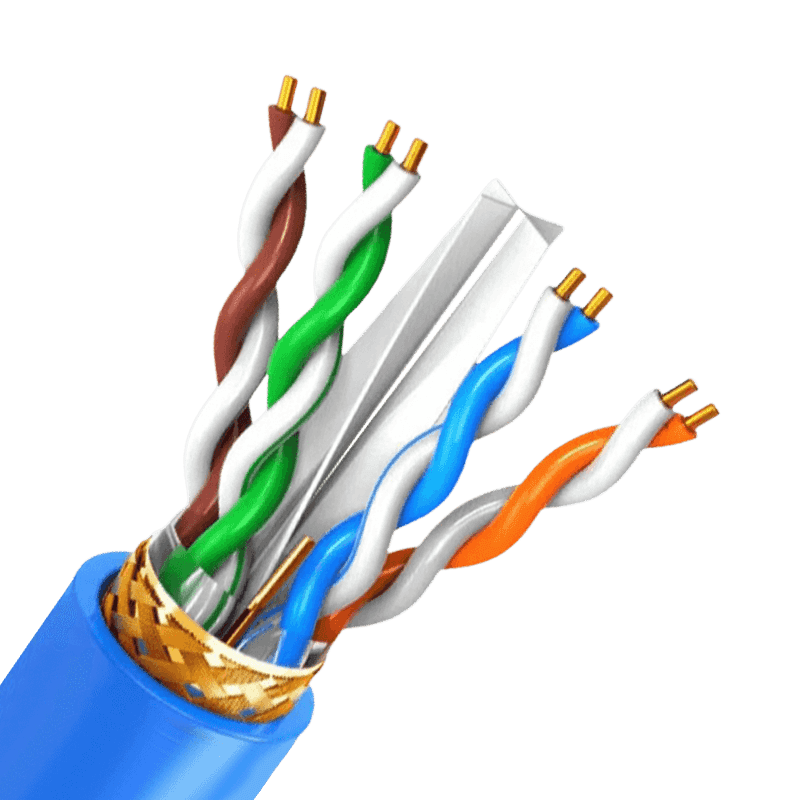
The designation printed on every PVC sheathed flexible cable is a compressed specification sheet. Reading it correctly eliminates guesswork.
Take RVV 3×1.5 — the most common residential flex designation under GB standards:
- R — Flexible (stranded) conductor
- V — PVC insulation on each core
- V — PVC outer sheath
- 3×1.5 — Three conductors, each 1.5 mm² cross-section
The voltage marking on the sheath (e.g., 450/750V) refers to conductor-to-earth and conductor-to-conductor ratings respectively — not the maximum system voltage that can be installed without additional precautions. This matters when specifying cables for control panels fed from 400 V three-phase systems.
Under IEC standards, the equivalent designation is H05VV-F (300/500V) or H07VV-F (450/750V), where H = harmonized, 05/07 = voltage class, VV = PVC insulation + PVC sheath, and F = flexible. The governing standard for these cables is IEC 60227, which covers PVC-insulated cables rated up to 450/750 V.
Key Specifications for 450/750V PVC Sheathed Cables
The RVV series operates within clearly defined thermal boundaries. The maximum continuous conductor temperature is 70°C. Under short-circuit conditions lasting no more than five seconds, conductors can withstand up to 160°C — a safety margin that protects the system during fault events before protection devices clear the fault.
Installation ambient temperature must stay above 0°C. Below that, PVC stiffens and becomes prone to cracking during handling. If cold-weather installation is unavoidable, the cable should be preheated to restore flexibility before routing.
The conductor itself uses multi-strand oxygen-free copper — fine-stranded for flexibility, which is what makes this cable suitable for applications involving frequent movement and bending, from portable power tools to logistics conveying equipment.
Bending Radius: The Number Most Installers Ignore
Exceeding the minimum bend radius is invisible damage. The conductor strands fatigue internally, and the insulation develops micro-cracks that don't show on the surface — until they cause a fault under load.
- Unarmored flexible cables: minimum bend radius of 6× the outer diameter
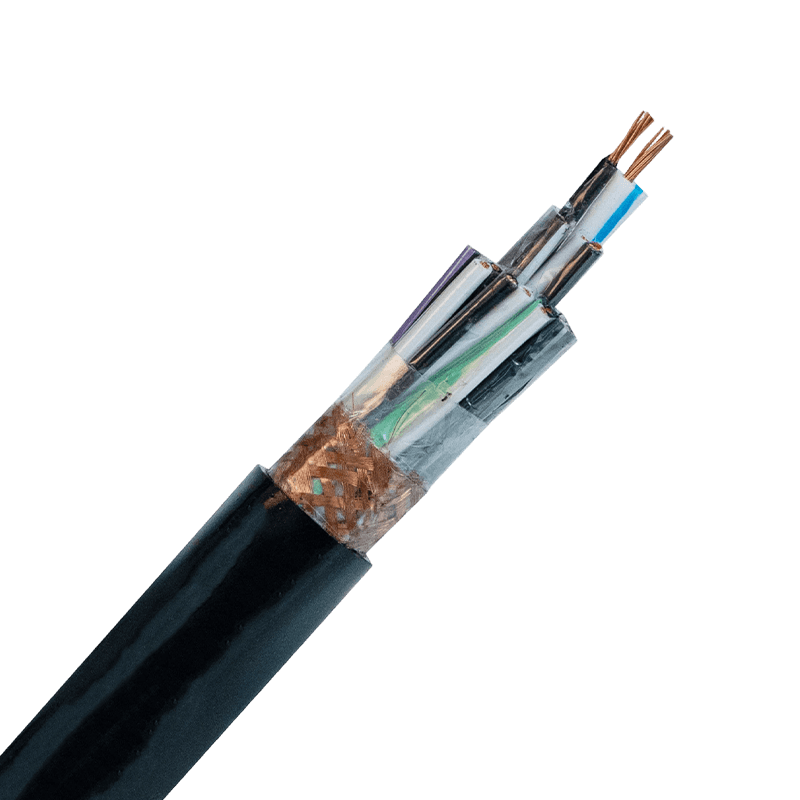
- Armored or copper tape shielded cables: minimum 12× the outer diameter
- Cables in continuous motion (drag chains, conveying equipment): allow up to 10× the outer diameter for fatigue margin
At termination points — plugs, cable glands, junction box entries — mechanical strain is highest. Proper strain relief clamps transfer pull forces to the outer sheath rather than the conductor terminations. Skipping this step on extension cords and portable tool cables is a leading cause of early failure at connection ends.
One more installation detail worth remembering: coiled cables under load trap heat. Current-carrying coils raise local ambient temperature and effectively reduce safe ampacity. Fully extend cables before operating them near rated current.
Where PVC Sheathed Cables Fit — and Where They Don't
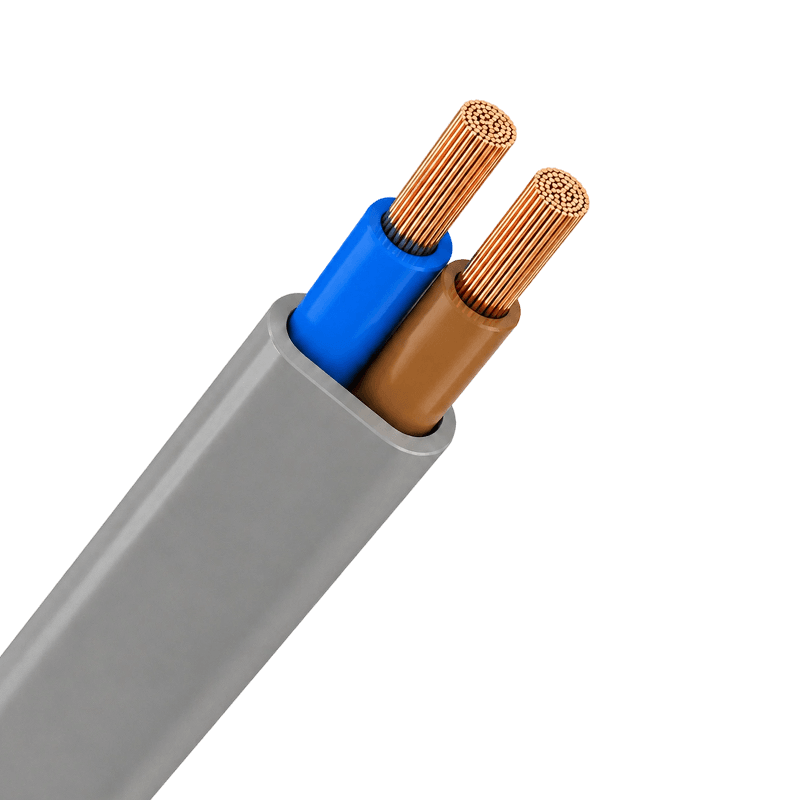
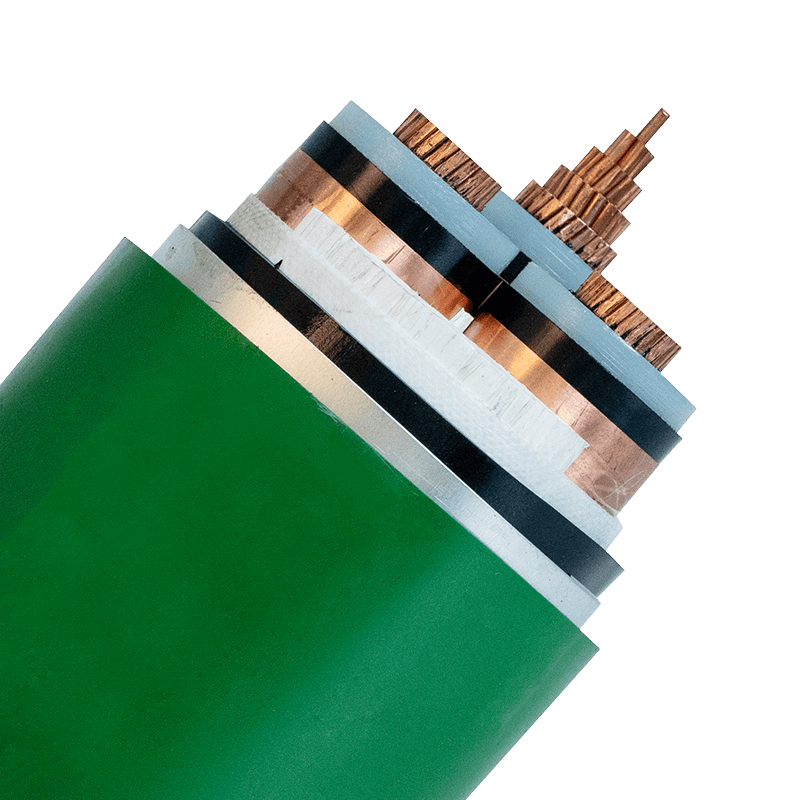
PVC sheathed flexible cables cover a broad range of applications well: indoor surface wiring in residential and commercial spaces, control cabinet connections, temporary power supplies, power cords for household appliances, and light industrial equipment. The double-layer PVC construction — separate core insulation plus an outer sheath — provides good mechanical protection, oil resistance, moisture resistance, and a long service life without the cost of specialty materials.
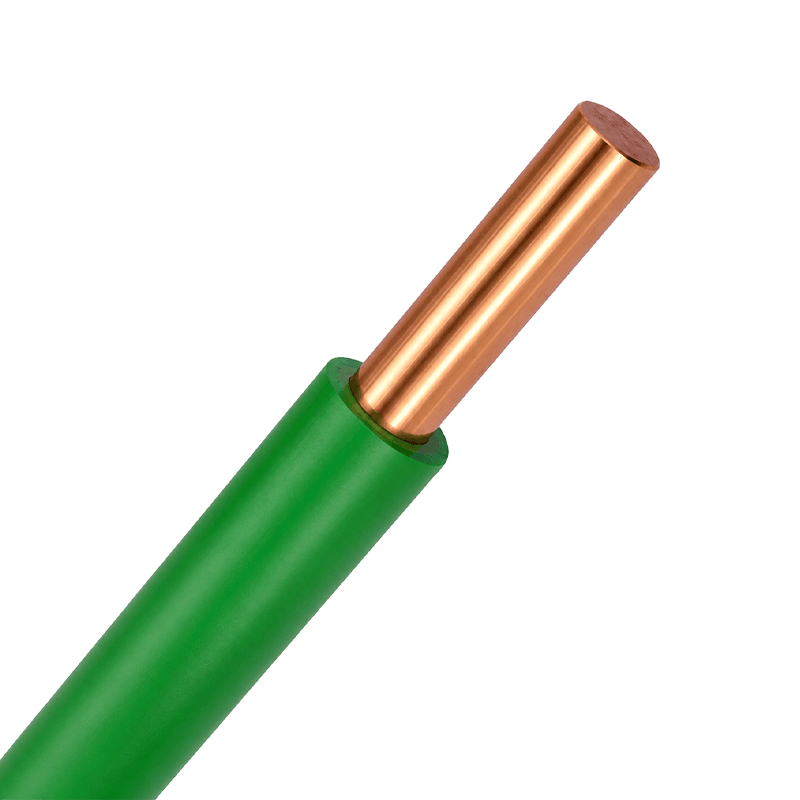
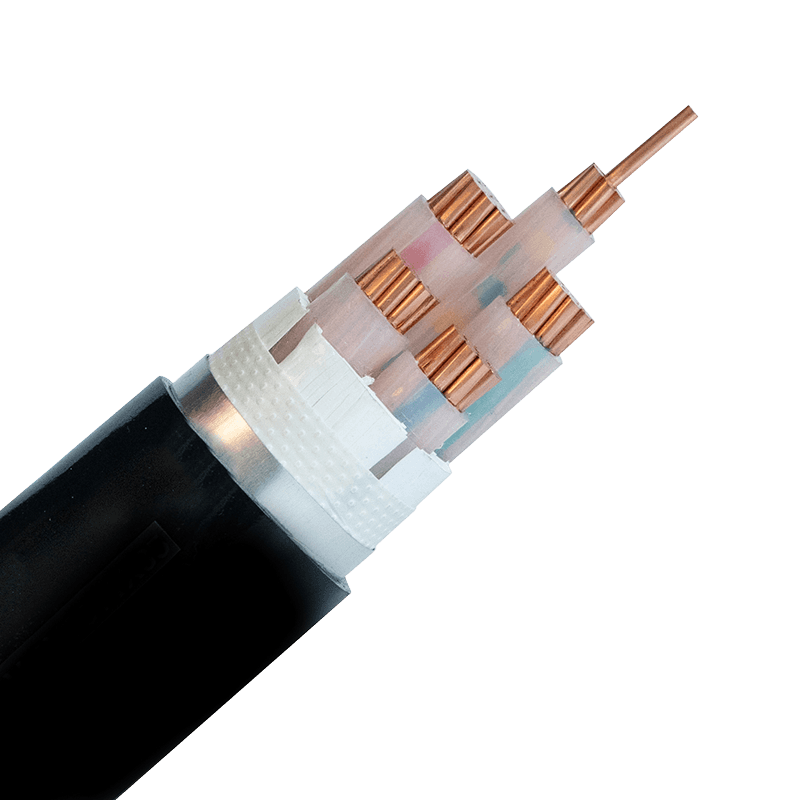
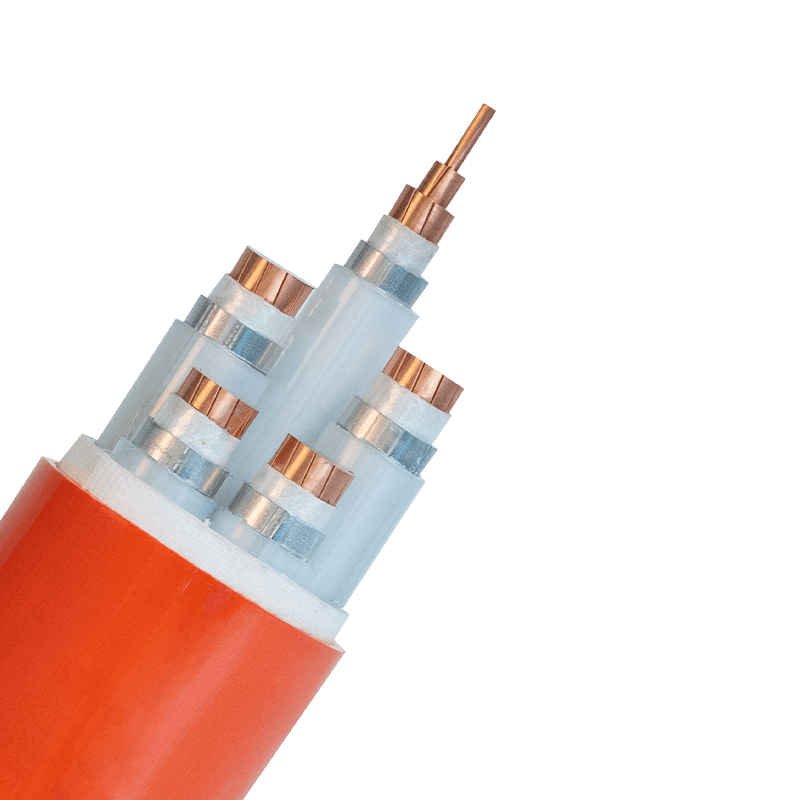
They are not the right choice for continuous submersion, extreme UV exposure over long periods, or environments with heavy chemical contact beyond light oil and moisture. For those conditions, rubber-sheathed cables rated for heavy-duty outdoor and wet environments are the appropriate step up. For fixed building wiring in walls and conduits, building wires with single PVC insulation offer a more economical solution where a separate outer sheath is not required. For signal and process control runs, multi-core control cables with shielding options provide the interference rejection that flexible power cables lack.
Matching the cable type to the specific duty — rather than defaulting to a familiar product — is what separates a reliable installation from one that causes problems two years later.

- +86-13588204183
- No. 39 Zhiyuan Road, Deqing Economic Development Zone, Huzhou City, Zhejiang Province

Copyright © Zhejiang Huapu Cable Co., Ltd. All Rights Reserved.
 ISO 9001 Cable Manufacturer