
 en
en English
 中文简体
中文简体 русский
 Español
 عربى
عربى
IEC 60331 Fire Resistant Cables for Data Centers: What Engineers Must Know
Content
A data center fire that knocks out a single power circuit can cascade into hours of downtime and millions in losses. Yet the cables running emergency power, fire alarms, and backup lighting are still one of the most under-specified elements in critical infrastructure design. Choosing the right IEC 60331 Flame-Retardant Cable is not just a compliance checkbox — it is the difference between a controlled shutdown and a catastrophic failure.
IEC 60331 vs. IEC 60332: Why the Distinction Matters
Engineers frequently confuse flame retardancy with fire resistance, and the consequences can be severe. IEC 60332 governs flame propagation — how far a fire spreads along a cable. IEC 60331 governs circuit integrity — whether the cable continues to deliver power during a fire.
Under IEC 60331-21, a low-voltage cable (rated ≤0.6/1.0 kV) must maintain continuous electrical function at flame temperatures of at least 750 °C for a minimum of 90 minutes. The more demanding IEC 60331-1 extends this to at least 830 °C with simultaneous mechanical shock — the condition that simulates a burning ceiling collapsing onto cables. For data centers, where emergency generators, UPS bypass circuits, and evacuation systems must survive the initial stages of a fire, only IEC 60331-compliant cables provide the necessary assurance. Detailed test requirements are published by the International Electrotechnical Commission's official standard repository.
What the Structural Specifications Actually Tell You
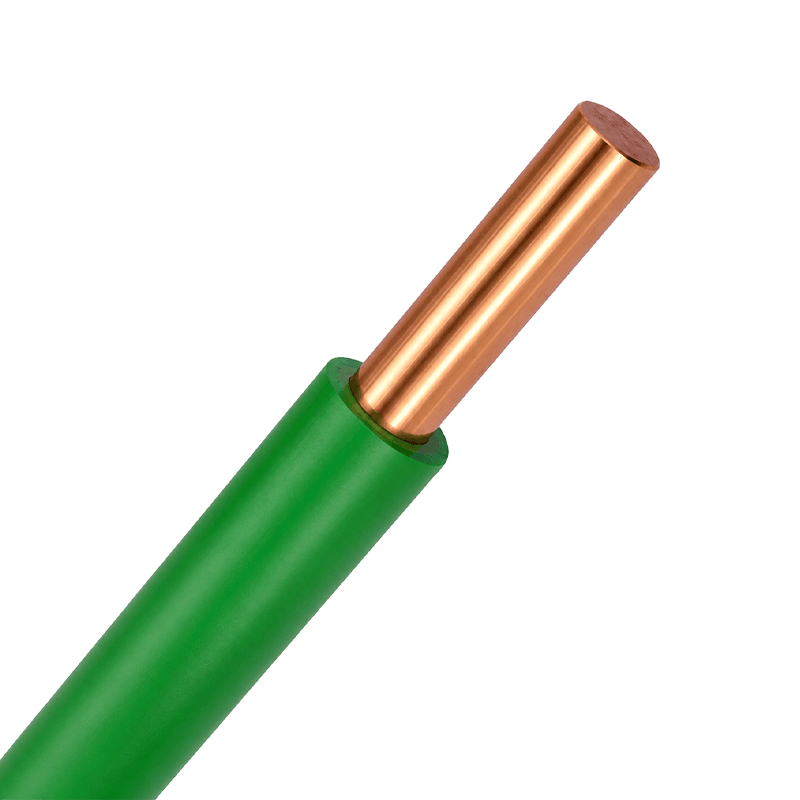
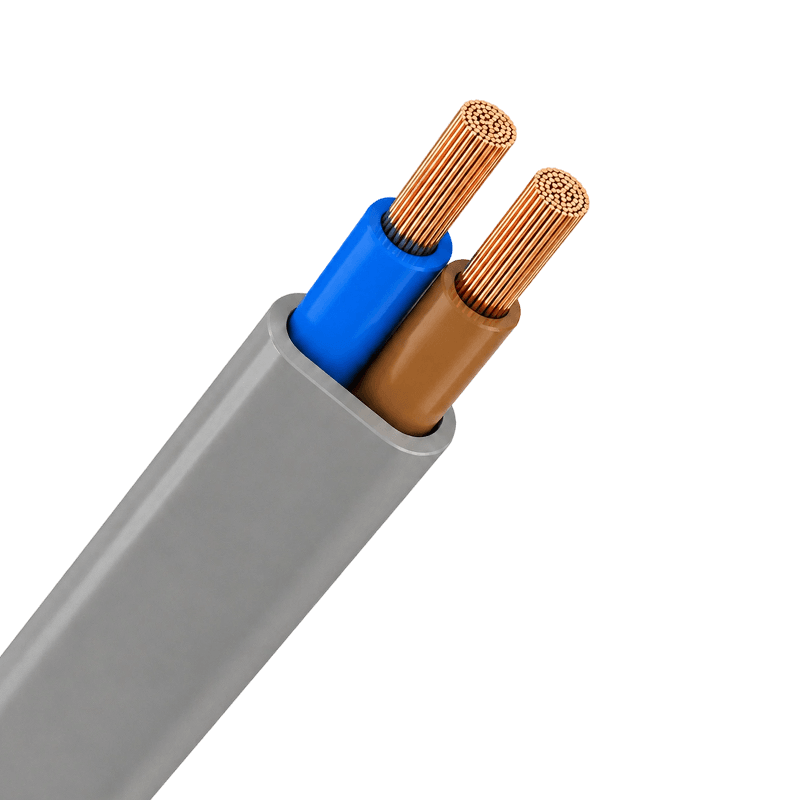
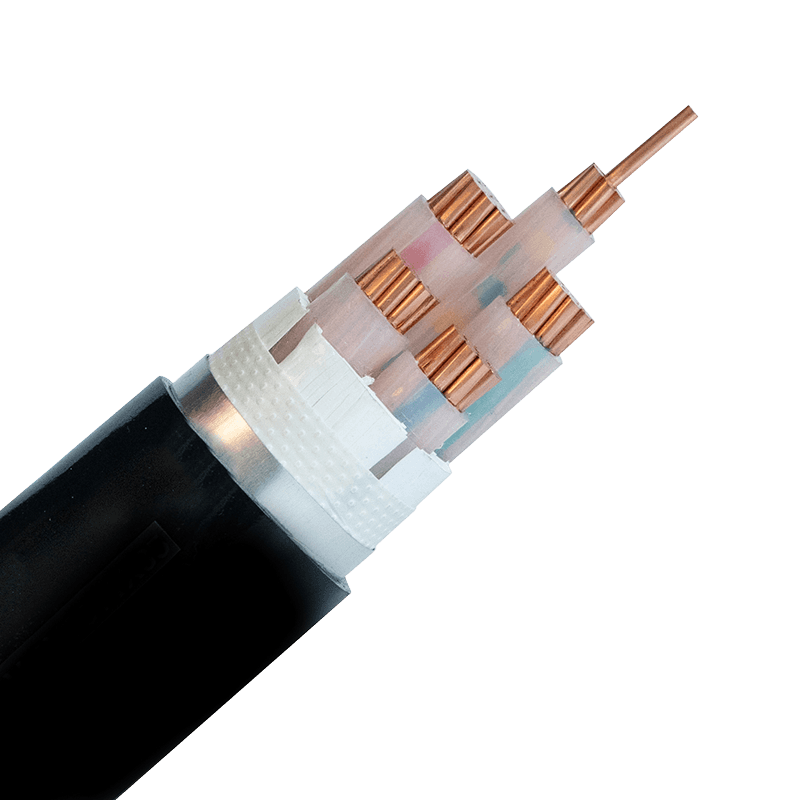
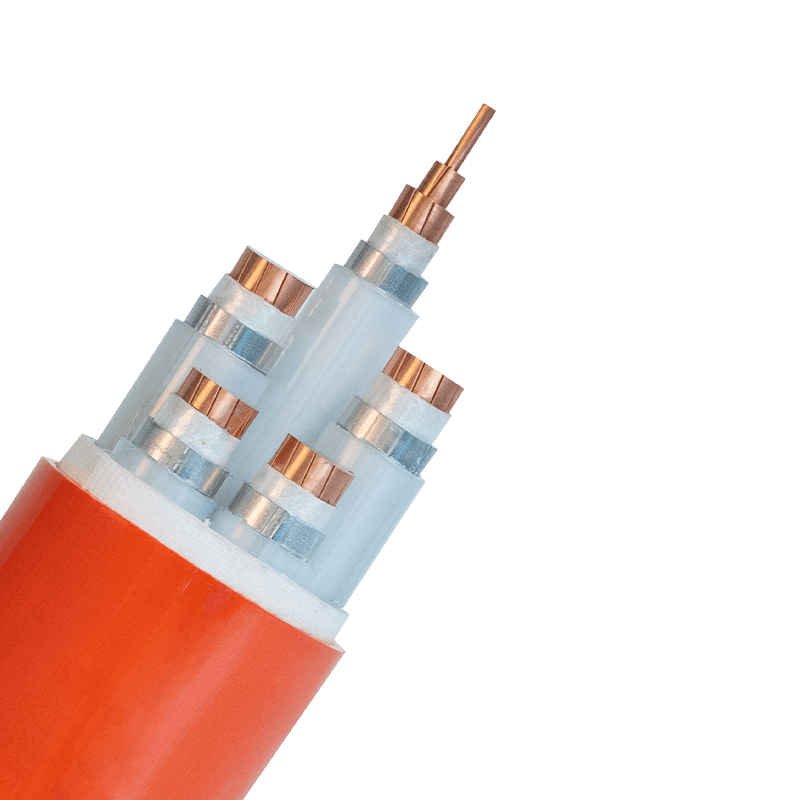
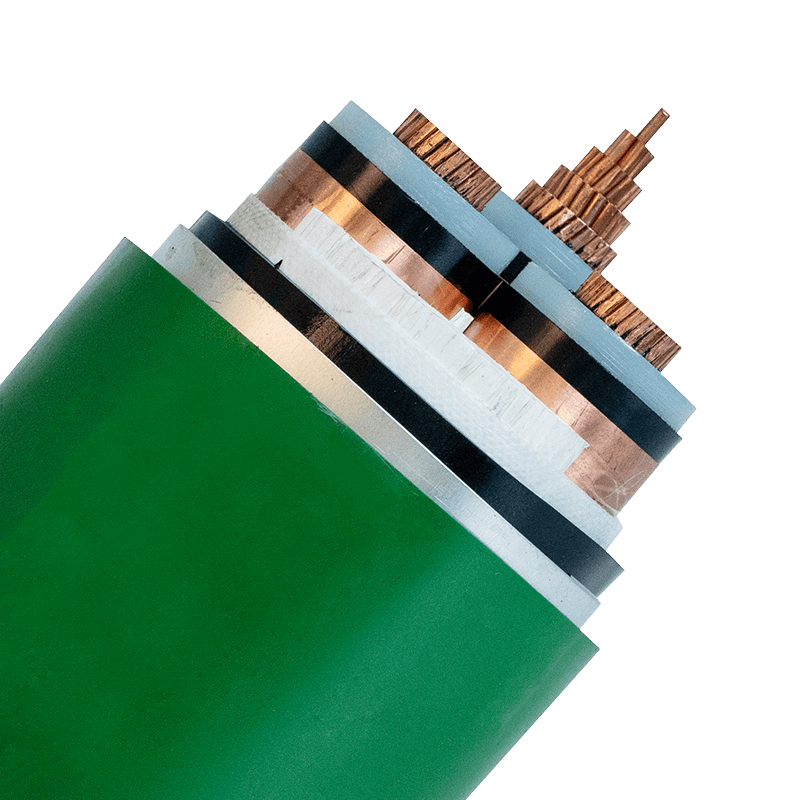
Understanding a cable datasheet is the fastest way to evaluate real-world performance. The table below summarizes the structural parameters of Huapu's High-Temperature Resistant Cables, which cover the full range of data center power applications:
| Component | Options / Specification |
|---|---|
| Conductor | Cu / Bare Cu / Tinned Cu / Al / CCA |
| Fire-Resistant Layer | Mica Tape / Ceramic Silicone Tape / Glass Fiber Tape / Double-Layer Mica Tape |
| Insulation | XLPE / PVC / FR-PVC / LSZH / EPR / Silicone Rubber |
| Sheath | LSZH Polyolefin / FR-PVC / PUR / XLPE / Silicone Rubber / CPE |
| Max Conductor Temp. | 90–250 °C (XLPE/EPR: 90–105 °C; Silicone: 180–250 °C) |
| Cross-Section Range | 1.5–400 mm² (AWG 16 – 1000 kcmil) |
| Core Configuration | 1–5 Cores (multi-core up to 37C available) |
| FR Standard | IEC 60332-1 / -3 (A/B/C/D) / BS 6387 (CWZ) / EN 50200 |
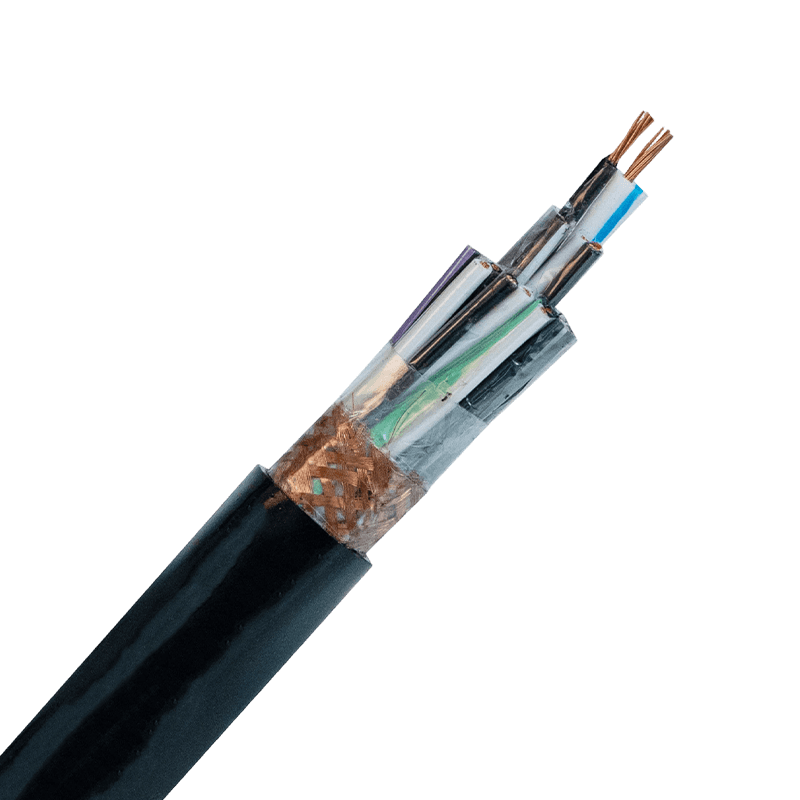
The fire-resistant layer is the structural heart of an IEC 60331-compliant cable. Mica tape is the most common choice because mica retains its insulating properties well past 1000 °C — far above any realistic building fire temperature. Double-layer mica tape constructions are used where both fire and mechanical shock resistance are required simultaneously (IEC 60331-1 / BS 6387 CWZ-rated installations).
For silicone rubber insulation variants, the maximum continuous operating temperature reaches 180 °C, making them the preferred choice in boiler rooms, generator halls, and hot-aisle corridors where ambient temperatures already run high before any fire event.
Selecting the Right Fire Resistant Cable for Data Center Infrastructure
Data center cable selection involves three parallel criteria: fire performance class, sheath material, and physical routing constraints. Getting any one of them wrong creates either a safety gap or unnecessary cost overrun.
Fire performance class: Emergency generator feeders and UPS input circuits require IEC 60331 fire resistance — not just IEC 60332 flame retardancy. Fire alarm loops and evacuation lighting circuits fall under the same requirement. Standard distribution and IT power cables between server racks typically require IEC 60332-3 (bunched cable flame retardancy) but not circuit integrity.
Sheath material: Enclosed server rooms with limited ventilation mandate LSZH cable sheaths. PVC sheaths release hydrogen chloride during combustion, which corrodes server hardware and is toxic to personnel. LSZH polyolefin sheaths emit minimal smoke and no halogen acids — a critical factor in densely populated data halls.
Physical routing: The bending radius for Huapu's unarmored fire-resistant cables must be at least 12× the outer diameter; armored or copper tape shielded types require 15×. In high-density cable trays where routing space is constrained, this parameter directly affects layout design. Cables rated for operation down to 0 °C laying temperature are also recommended for data centers in cold climates or those with high-power cooling systems that keep cable pathways near-ambient cold.
Procurement teams specifying Fire Resistant Cable Data Center solutions should request third-party test reports (SGS, TÜV, or CNAS) alongside the product certificate. Self-declared conformity to IEC 60331 is insufficient for insurance underwriting and local fire authority approval in most jurisdictions.
Installation Practices That Preserve Fire Resistance Performance
Even a fully compliant cable loses its fire safety advantage if installed incorrectly. Four practices directly impact performance:
- Route emergency circuits in dedicated cable trays — isolated from IT and general power cables — using metal trays with fire-resistant coating for structural stability at high temperatures.
- Avoid overcrowding trays. Bundling reduces heat dissipation and can degrade the flame-retardant sheath before a fire even starts, through sustained thermal stress during normal operation.
- Install fire barriers or protective conduits at penetrations through fire compartment walls. The cable's performance is voided if the surrounding structure fails first.
- For the highest-criticality circuits — such as those feeding cooling system controls or backup power transfer switches — consider upgrading to mineral-insulated fire-resistant cables, which provide superior mechanical robustness and continuous operation beyond 3 hours under extreme conditions.
Balancing Cost Against Risk
IEC 60331-compliant cables carry a cost premium over standard flame-retardant types due to mica tape layers, specialized insulation compounds, and more rigorous third-party testing. That premium is only justified where circuit continuity during a fire is a functional requirement — emergency power, fire detection, evacuation systems, and life-safety loads.
The practical approach: zone your data center circuits by criticality. Apply full IEC 60331 specifications to safety-system feeders and emergency generation inputs. Use IEC 60332-3 / LSZH cables for IT power distribution within aisles. This tiered strategy delivers regulatory compliance without specifying fire-resistant construction across every meter of cable in the facility.
Cable selection is never just a procurement decision. For data centers, it is a risk management decision — and getting it right starts with understanding exactly what each standard requires and matching that requirement to where the cable actually runs.

- +86-13588204183
- No. 39 Zhiyuan Road, Deqing Economic Development Zone, Huzhou City, Zhejiang Province

Copyright © Zhejiang Huapu Cable Co., Ltd. All Rights Reserved.
 ISO 9001 Cable Manufacturer