
 en
en English
 中文简体
中文简体 русский
 Español
 عربى
عربى
PVC Sheathed Flexible Cable: Selection Guide & Installation Tips
Content
Why Most Cable Failures Start With the Wrong Selection
Electrical fires, equipment damage, and unexpected downtime — a surprising share of these incidents trace back to one decision made at the procurement stage: choosing the wrong cable. Sheathed wires are among the most widely used cable types in industrial and residential settings, yet they are frequently misapplied. Understanding exactly what this cable category is, how it performs under real conditions, and how to select the right specification can prevent costly mistakes before they happen.
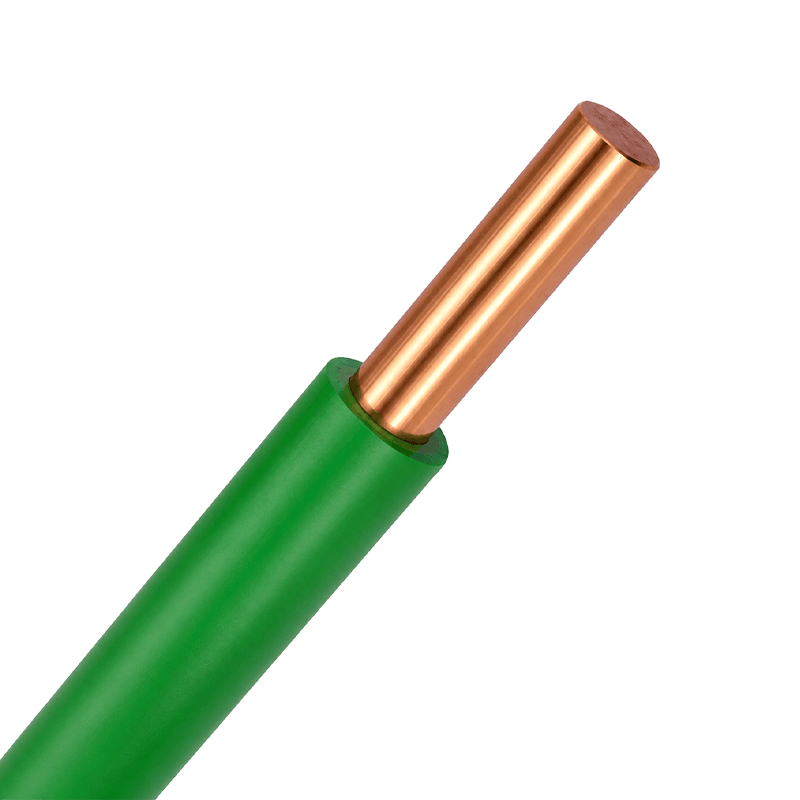
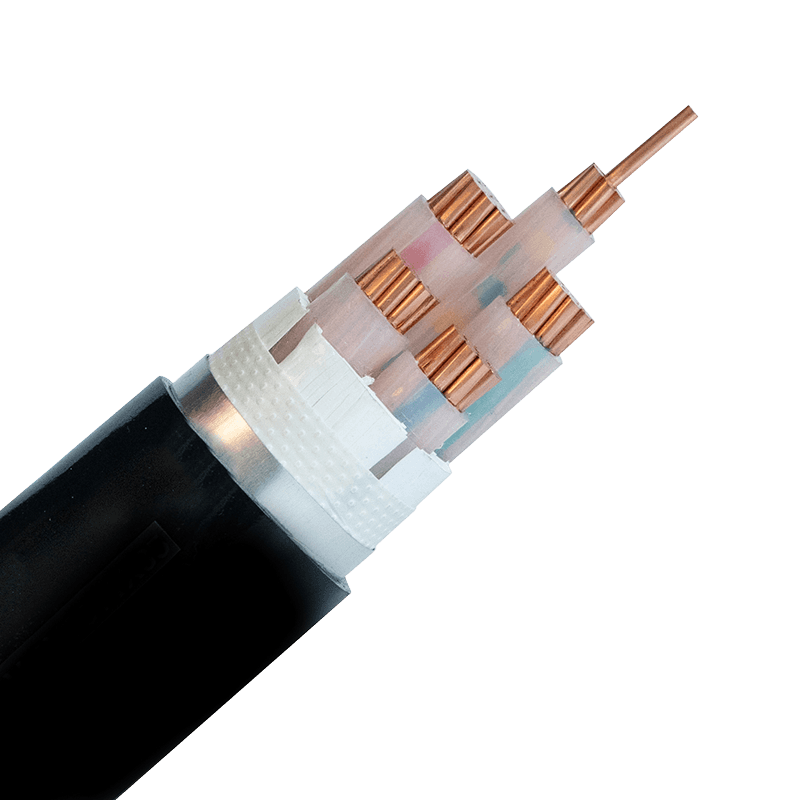
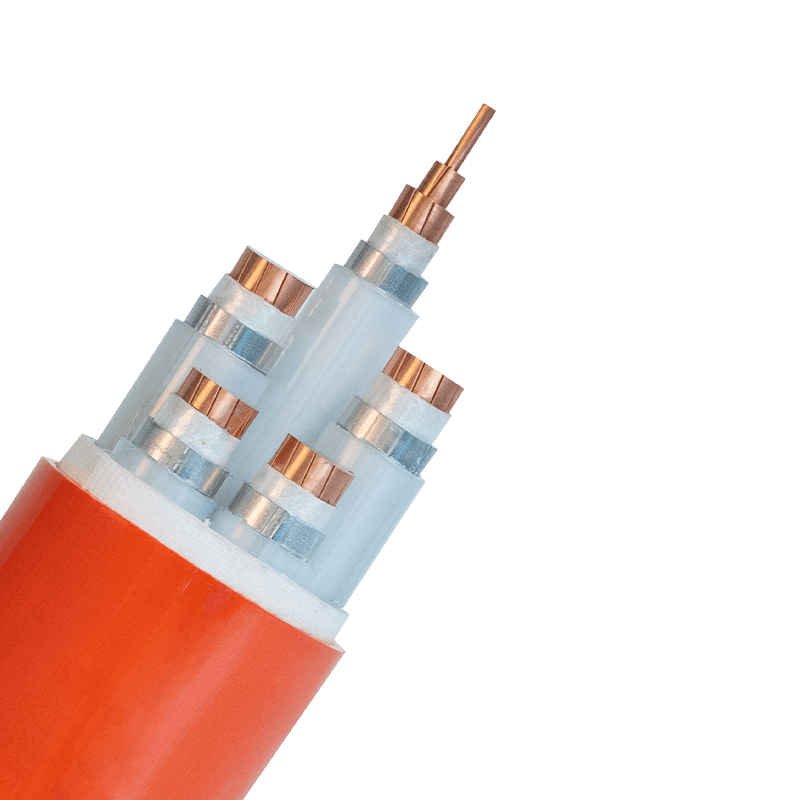
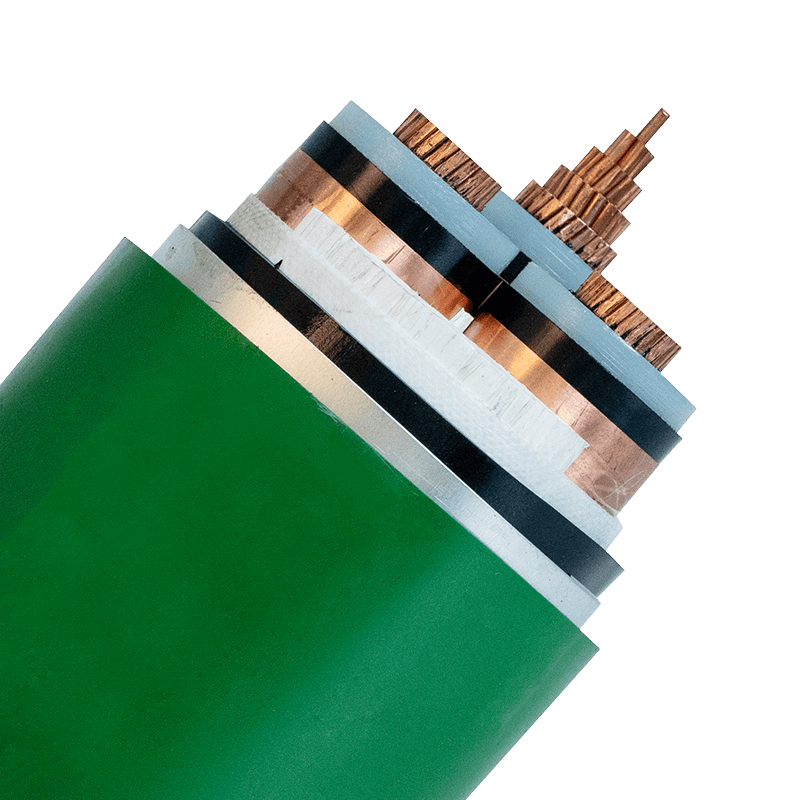
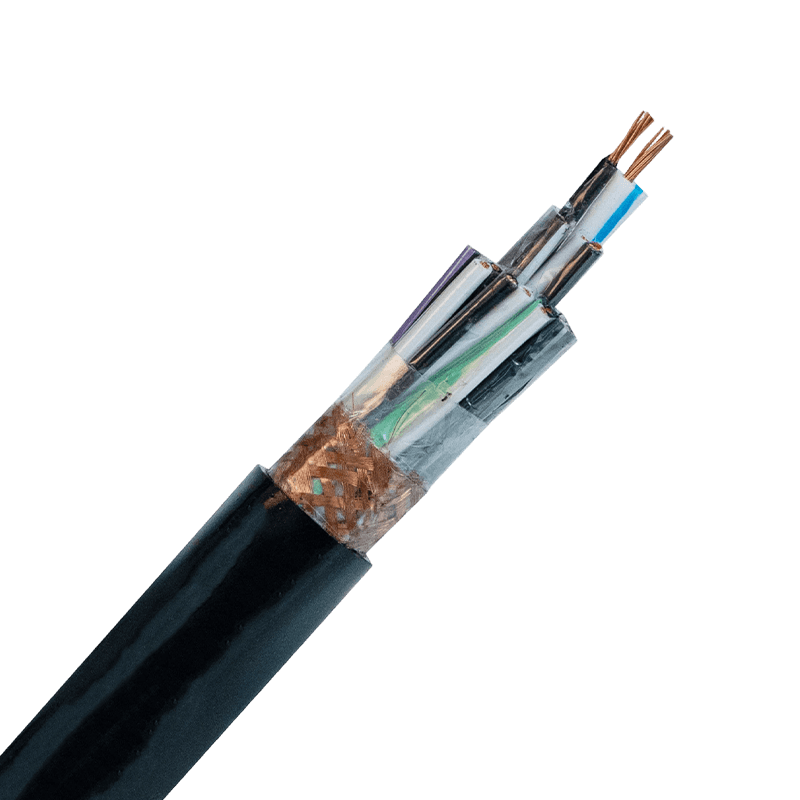
A sheathed wire differs from a basic building wire by having an additional outer protective layer — the sheath — applied over the individually insulated conductors. This dual-layer structure (insulation + sheath) provides mechanical protection, oil and moisture resistance, and keeps multi-core conductors neatly bundled for clean installation. It is this combination of practicality and protection that makes sheathed wires the default choice for portable power tools, production line wiring, office equipment connections, and exposed indoor wiring.
PVC Sheathed Flexible Cable: Structure, Ratings, and What They Mean
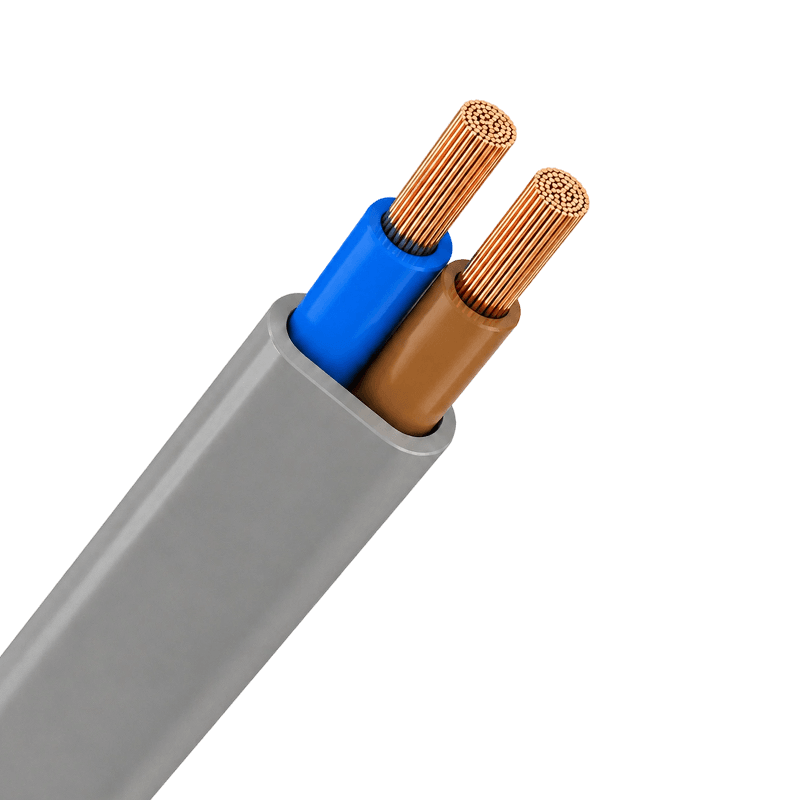
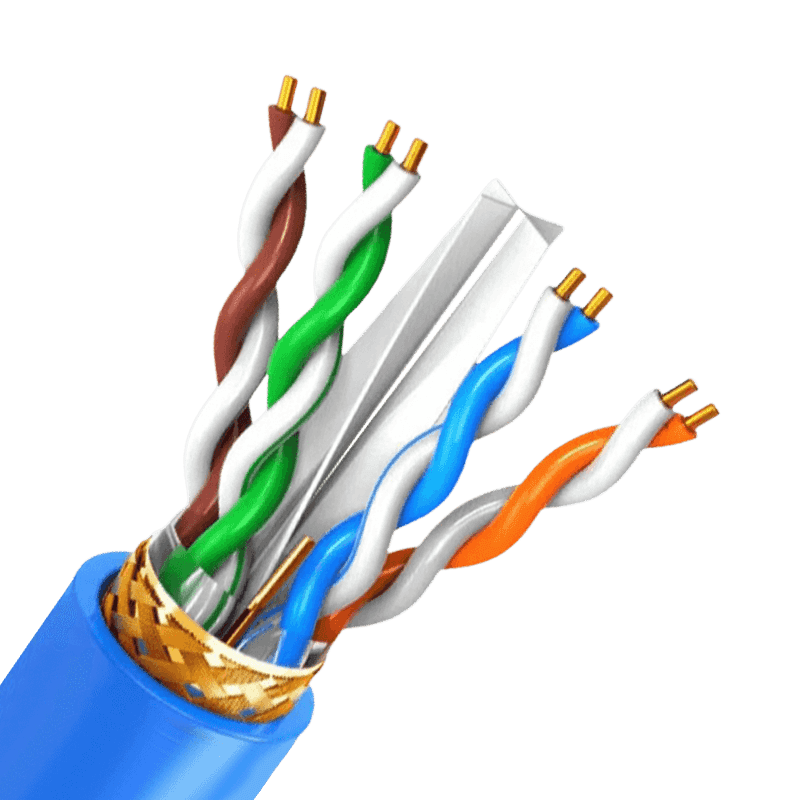
The PVC Sheathed Flexible Cable (commonly designated RVV under GB standards) is the most widely deployed variant in this category. Its construction consists of multi-strand oxygen-free copper conductors — providing the flexibility needed for frequent bending — wrapped in PVC insulation, with a second PVC outer sheath over the bundled cores.
Key rated parameters for the 450/750V series:
- Rated voltage: 450/750V (conductor-to-earth / conductor-to-conductor). This is not the maximum system voltage — consult IEC 60364 or GB 50054 for installation voltage class requirements.
- Max continuous conductor temperature: 70°C. Exceeding this threshold accelerates PVC degradation and reduces service life.
- Short-circuit withstand temperature: 160°C for up to 5 seconds — providing a critical safety margin during fault conditions.
- Minimum installation temperature: 0°C. Below this, PVC stiffens significantly; preheating is recommended to avoid sheath cracking during laying.
- Minimum bending radius: 6× outer diameter for unarmored flexible cables; 12× for armored or shielded variants.
These are not abstract specifications — they directly govern how the cable must be installed and what loads it can safely carry.
Conductor Sizing: The Numbers Most Buyers Get Wrong
Selecting conductor cross-section based on nameplate wattage alone is one of the most common — and consequential — errors in cable procurement. Actual ampacity depends on ambient temperature, bundling configuration, and duty cycle. The table below provides a practical starting reference, but correction factors per IEC 60364 or GB 50054 must be applied for real installation conditions.
| Cross-Section (mm²) | Typical Max Current (A) | Common Applications |
|---|---|---|
| 0.75 | 6–10 | Control signal lines, lamp cords |
| 1.5 | 13–16 | Household appliances, office equipment |
| 2.5 | 20–25 | Power tools, conveying equipment |
| 4.0 | 30–32 | Small machinery, temporary fixed wiring |
One factor that catches many engineers off guard: when cables are bundled or routed through conduit, ampacity can fall by 20–40% depending on how many conductors are grouped together. For production line control cabinet wiring, this bundling derating is the single most frequently overlooked cause of undersized cable failures in service.
Reading the Cable Code: What RVV and H05VV-F Actually Tell You
Cable markings carry more information than most buyers realise. Decoding them takes seconds and eliminates the need to rely on supplier descriptions alone. Using RVV 3×1.5 as an example under the GB designation system:
- R — Flexible (stranded) conductor
- V — PVC insulation on each core
- V — PVC outer sheath
- 3×1.5 — 3 conductors, each 1.5 mm²
Under IEC, the H05VV-F designation follows similar logic: voltage class (300/500V), insulation, sheath type, and conductor flexibility. The voltage marking printed on the sheath (e.g., 300/500V or 450/750V) refers to conductor-to-earth and conductor-to-conductor ratings — not the maximum permissible system installation voltage without further precautions.
Where heavier mechanical protection is needed, rubber-sheathed variants (YZ for medium-duty, YC for heavy-duty) should be considered instead of PVC. We supply a full range of sheathed wires covering both PVC and rubber sheathing options to suit different environmental demands.
Installation Details That Determine How Long the Cable Lasts
Even correctly specified cables fail early when installation shortcuts are taken. The three most common failure points in sheathed wire deployments:
Bend Radius Violations
Repeatedly bending tighter than the rated minimum radius fatigues copper strands from the inside out — damage that is invisible until the cable fails under load. For flexible sheathed cables in continuous motion (drag chains, conveying lines), design for a dynamic bend radius of 10× the outer diameter rather than the static minimum of 6×.
Inadequate Strain Relief
At plugs, cable glands, and junction box entries, mechanical pull forces must be transferred to the sheath — not the conductor terminations. Missing or undersized strain relief clamps are the leading cause of early failure in portable tool cords and extension cords operating in high-movement environments.
Coiling Under Load
Tightly coiled cables carrying rated current trap heat that has nowhere to dissipate — effectively raising the local ambient temperature and reducing safe ampacity below the rated value. Always fully extend cables before use when operating near rated current. This single practice prevents a disproportionate share of overheating failures in temporary power supply deployments.

- +86-13588204183
- No. 39 Zhiyuan Road, Deqing Economic Development Zone, Huzhou City, Zhejiang Province

Copyright © Zhejiang Huapu Cable Co., Ltd. All Rights Reserved.
 ISO 9001 Cable Manufacturer