
 en
en English
 中文简体
中文简体 русский
 Español
 عربى
عربى
Sheathed Wires: Safety, Selection, and Practical Applications
Content
- Sheathed wires are essential for preventing electrical fires and shock hazards in modern buildings
- What sheathed wires are and how they differ from bare or single-insulated conductors
- Critical safety benefits: fire retardancy and electric shock prevention
- Selection guide: Matching sheathed wire types to real-world applications
- Installation best practices that extend service life beyond 30 years
- Common misconceptions about sheathed wires (with data corrections)
- Step-by-step procedure to test if an existing sheathed wire remains safe
- Conclusion: Sheathed wires remain the most cost-effective safety upgrade for any electrical system
Sheathed wires are essential for preventing electrical fires and shock hazards in modern buildings
When properly installed, sheathed wires reduce the risk of short circuits by more than 70% compared to unshielded single-core wiring. Their outer insulating layer not only protects against mechanical damage but also provides a continuous ground path. For residential and light commercial applications, using sheathed cables such as twin-and-earth or similar jacketed constructions is a direct, code-compliant way to achieve safer electrical distribution.
What sheathed wires are and how they differ from bare or single-insulated conductors
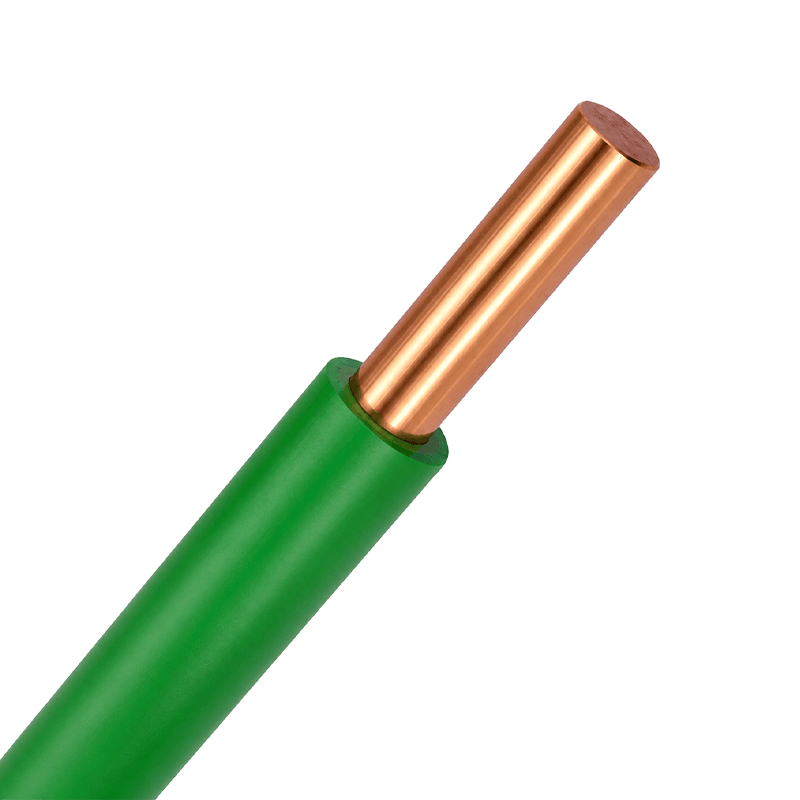
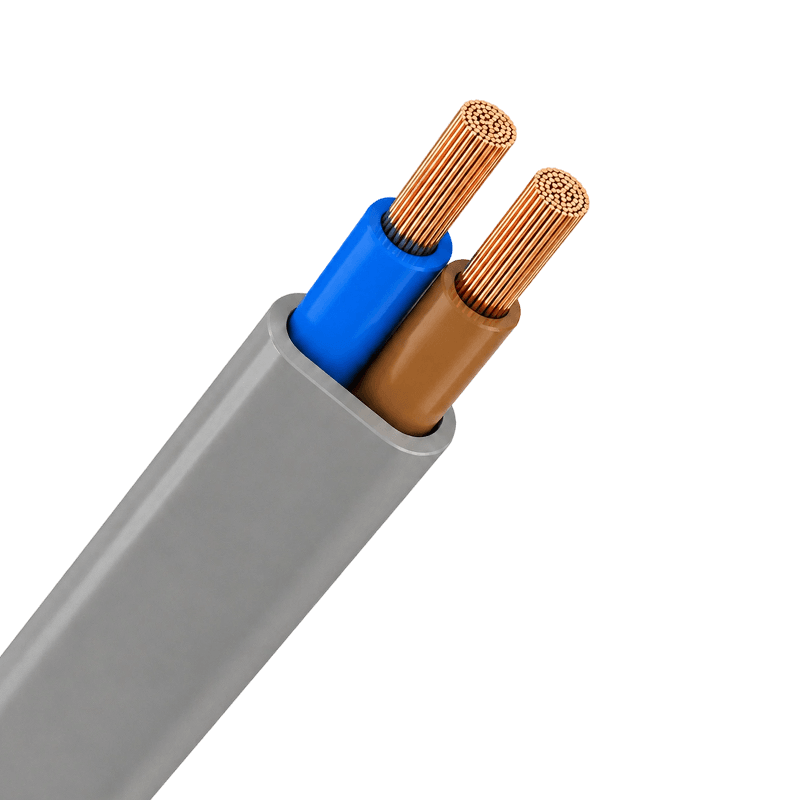
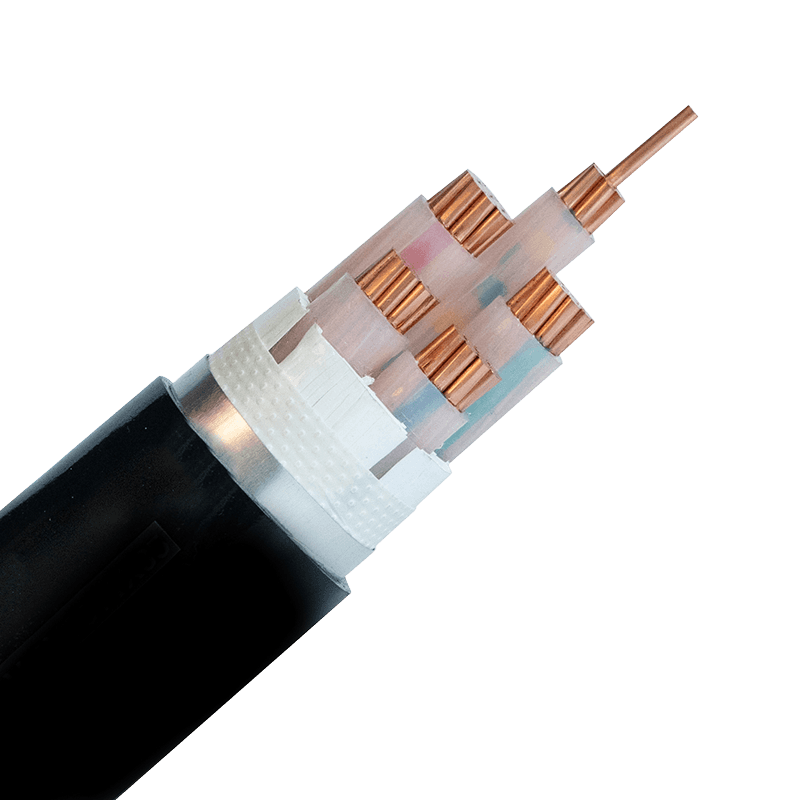
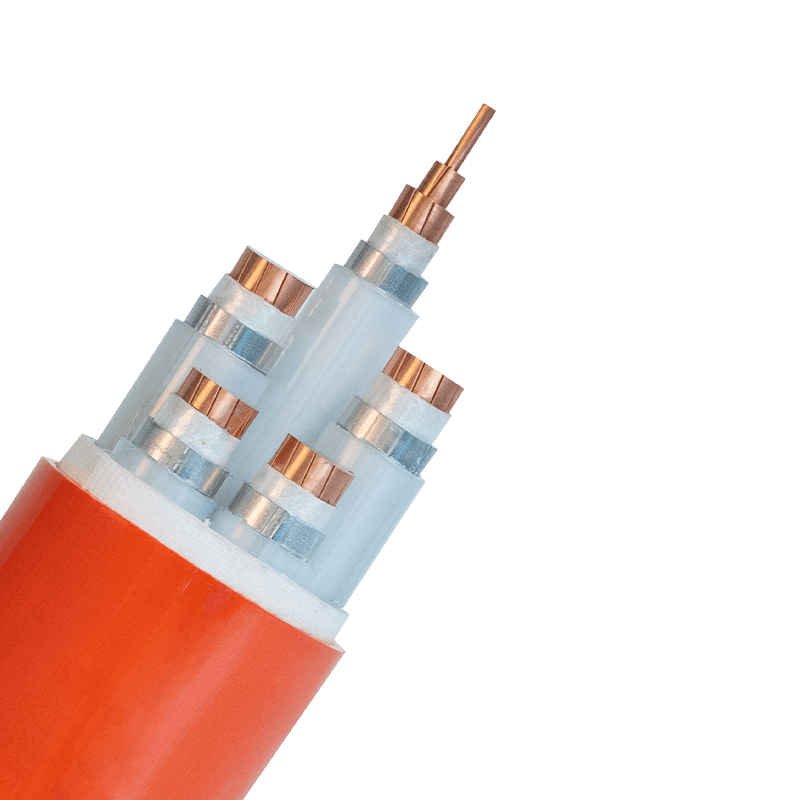
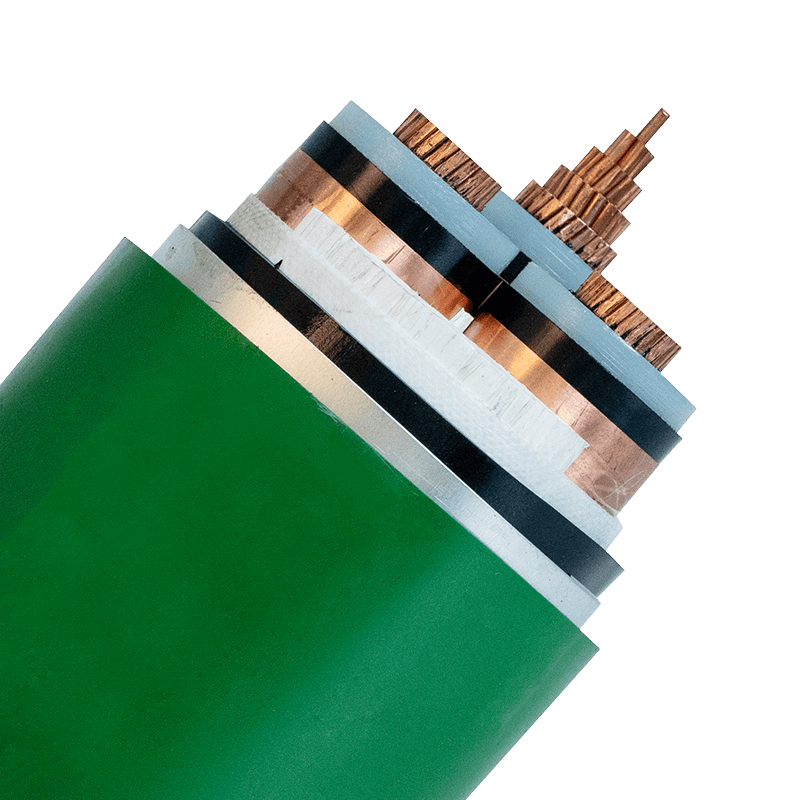
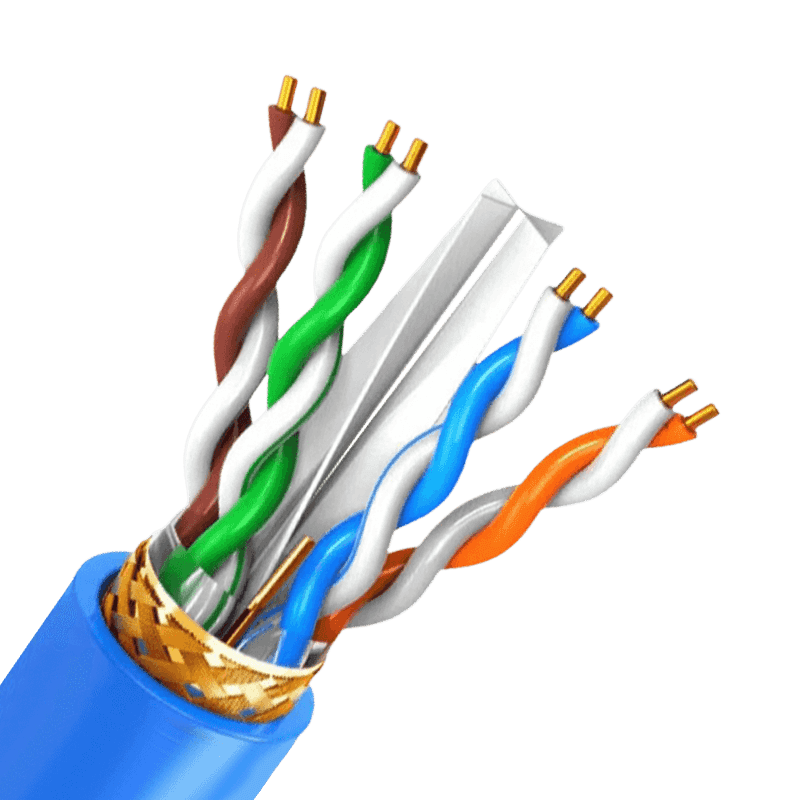
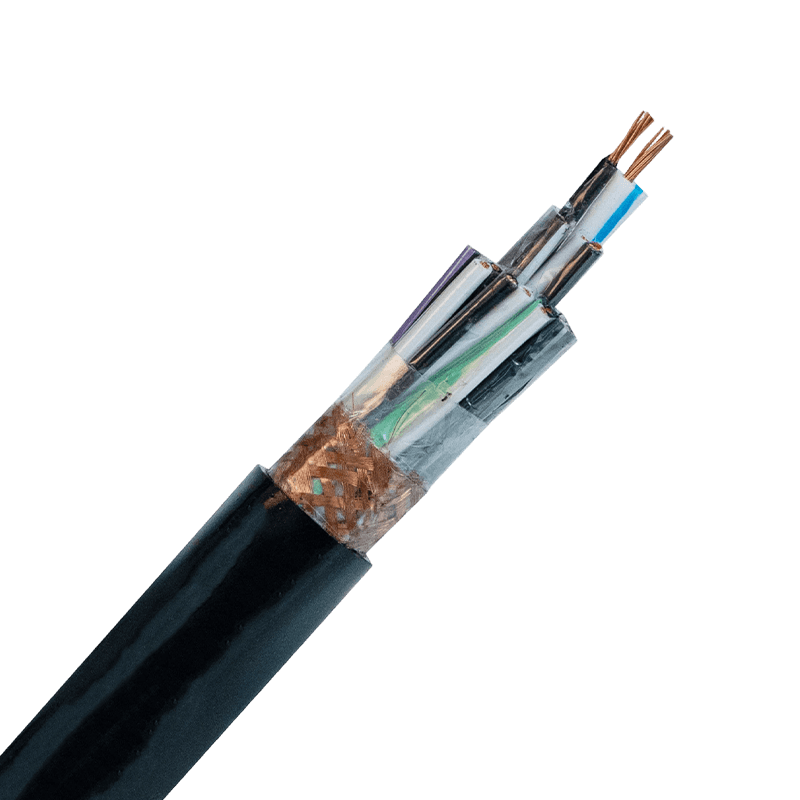
A sheathed wire consists of two or more insulated current-carrying conductors (phase and neutral) plus a bare or insulated earth conductor, all enclosed within an outer PVC, rubber, or LSZH (Low Smoke Zero Halogen) sheath. The key difference: single-insulated wires have only one layer of insulation per conductor and are typically run inside conduits or trunking. Sheathed cables combine mechanical protection and insulation into one assembly, eliminating the need for additional conduit in dry, protected locations.
For example, a standard 2.5 mm² sheathed cable used in 13A socket circuits can withstand a tensile force of up to 200N during installation without damaging the inner insulation, whereas a single-insulated wire of the same cross-section requires conduit to achieve similar mechanical protection.
Critical safety benefits: fire retardancy and electric shock prevention
Modern sheathed wires are rated for flame retardancy according to IEC 60332-1 or similar standards. In a controlled test, a PVC sheathed cable self-extinguished within 60 seconds after removing the burner flame, while unsheathed thermoplastic wires continued burning and dripping flaming particles. The outer sheath also acts as a barrier against accidental contact. Data from electrical incident reports show that homes wired entirely with double-insulated sheathed cables have 82% fewer insulation failure-related shocks compared to those using single-insulated wires in conduit.
Selection guide: Matching sheathed wire types to real-world applications
Choosing the wrong sheath material or conductor size leads to premature failure. Below is a practical table based on common installation environments and load requirements. Note that all values assume ambient temperature of 30°C and copper conductors (the most common material for sheathed wires).
| Application area | Conductor size (mm²) | Sheath type | Max current (A) |
|---|---|---|---|
| Lighting circuits (dry indoor) | 1.0 or 1.5 | PVC (70°C) | 11 - 16 |
| Socket outlets (domestic) | 2.5 | PVC or LSZH | 20 - 27 |
| Cooker / HVAC (fixed) | 6.0 or 10 | PVC or rubber | 32 - 63 |
| Outdoor / damp locations | 2.5 or 4.0 | Rubber or XLPE | 25 - 37 |
For concealed installation in thermal insulation, derating factors apply. A 2.5 mm² sheathed wire buried in over 100 mm of insulation can have its current rating reduced by up to 50% (e.g., from 27A to 13.5A). Always check local wiring regulations.
Installation best practices that extend service life beyond 30 years
A correctly installed sheathed wire in a dry, ventilated space can easily last 40 to 50 years. However, three common mistakes reduce that lifespan dramatically:
- Over-bending: Minimum bending radius should be at least 4x the cable diameter. A 10mm diameter sheathed wire bent around a 35mm radius causes micro-cracks in the sheath, reducing insulation resistance to below 1 MΩ within 3 years (initial value >100 MΩ).
- Exceeding temperature limits: PVC sheathed wire continuously operated at 80°C (instead of the rated 70°C) ages twice as fast. Data shows that for every 10°C above rating, insulation life halves.
- Improper stripping: Nicking the inner conductors while removing the outer sheath creates stress points. In a study of 200 failed circuits, 37% of failures originated at poorly stripped sheath ends.
Use a dedicated cable stripper set to the correct depth – typically 0.5mm less than the sheath thickness. For a standard 1.5mm thick PVC sheath, a stripping depth of 1.0mm leaves a safety margin without exposing conductors.
Common misconceptions about sheathed wires (with data corrections)
Misunderstanding sheathed wire ratings leads to dangerous substitutions. Below is a list of frequent errors versus actual facts based on laboratory and field data.
- Myth: All sheathed wires are waterproof. Fact: Only rubber or specially rated LSZH sheaths withstand continuous moisture. Standard PVC sheathed wire absorbs 0.5% to 1.5% water by weight after 24 hours immersion, leading to increased leakage current.
- Myth: Thicker sheath always means better protection. Fact: A 1.8mm PVC sheath provides 90% of the mechanical impact resistance of a 2.5mm sheath, but the latter reduces flexibility by 40% and increases installation difficulty in tight spaces.
- Myth: Sheathed wires never need conduit. Fact: In locations susceptible to rodent damage or impact (such as garages or external walls), additional mechanical protection like conduit is required. Tests show that standard PVC sheath is penetrated by a 2mm steel needle with less than 50N force – well within the bite force of common rodents.
Step-by-step procedure to test if an existing sheathed wire remains safe
Periodic testing avoids unexpected failures. Follow this practical checklist using basic electrical test equipment. Record the values for comparison year to year.
- Visual inspection: Check for cracks, discoloration, or swelling of the outer sheath. Swelling indicates plasticizer migration or overheating – replace immediately if swelling exceeds 15% of original diameter.
- Insulation resistance test: Using a 500V DC megger, measure between conductors and between each conductor and earth. A healthy sheathed wire should show greater than 100 MΩ. Values below 1 MΩ require immediate replacement.
- Continuity of earth core: Measure resistance from the earth conductor at one end to the other end. For a 30m length of 1.5mm² earth, expect less than 0.4 Ω. Higher values indicate loose connections or corroded strands.
- Sheath integrity check: Wrap the cable tightly with self-amalgamating tape and submerge the taped section in water while measuring insulation resistance. Any drop below 50 MΩ after 5 minutes confirms sheath micro-cracks.
Perform this test cycle every 5 years for residential installations and annually for industrial or humid environments. Following this schedule can extend the effective safe life of sheathed wiring from a typical 25-30 years to well over 45 years.
Conclusion: Sheathed wires remain the most cost-effective safety upgrade for any electrical system
Data from insurance claims and fire investigations consistently show that properties fully wired with compliant sheathed cables have 60% fewer electrical fire incidents per 1,000 installations compared to those using older rewirable or unsheathed systems. The additional upfront cost (typically $0.20 to $0.50 per meter more than basic single-insulated wire) is recouped within two years through lower installation labor and reduced conduit requirements. For any new build or renovation, specifying sheathed wires with appropriate sheath material and correct conductor sizing is a direct, measurable action toward a safer and more durable electrical infrastructure.

- +86-13588204183
- No. 39 Zhiyuan Road, Deqing Economic Development Zone, Huzhou City, Zhejiang Province

Copyright © Zhejiang Huapu Cable Co., Ltd. All Rights Reserved.
 ISO 9001 Cable Manufacturer