
 en
en English
 中文简体
中文简体 русский
 Español
 عربى
عربى
Electrical Equipment Cables: Types, Materials & Selection Guide
Content
A mismatched cable does not just underperform — it fails. Insulation that can't handle the operating temperature degrades within months; a conductor sized too small causes voltage drops that damage connected equipment. Electrical equipment cables are the physical backbone of every power and signal circuit, and choosing the right one requires understanding what separates one type from another.
What Are Electrical Equipment Cables?
Electrical equipment cables are purpose-built connecting components that transmit power and signals between devices in industrial, commercial, and residential settings. Unlike power transmission cables designed for fixed grid infrastructure, electrical equipment cables are optimized for flexibility, precise signal handling, and compatibility with end-user devices — from household appliances to automated factory machinery.
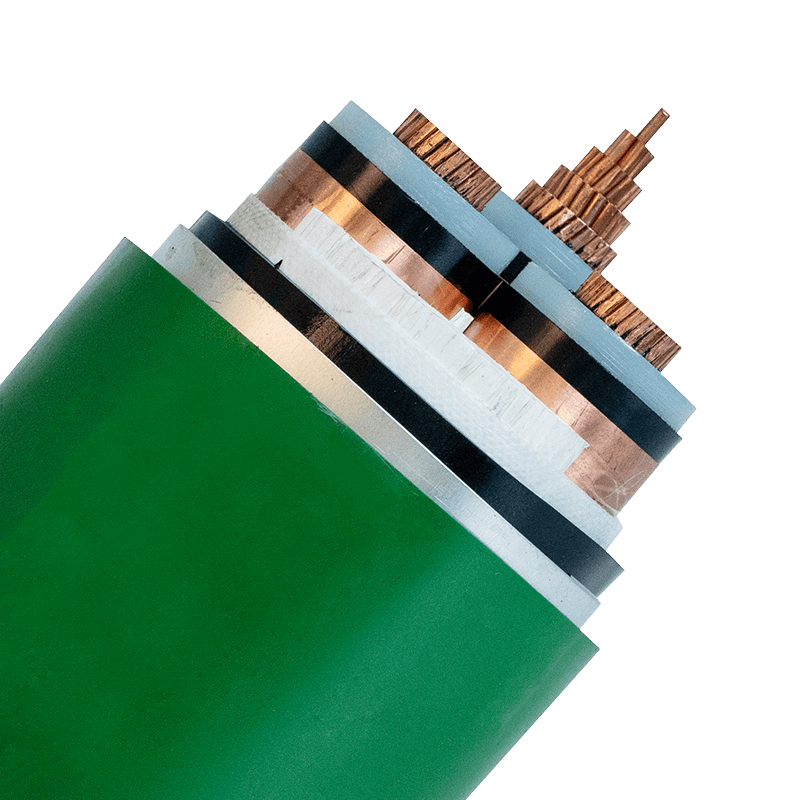
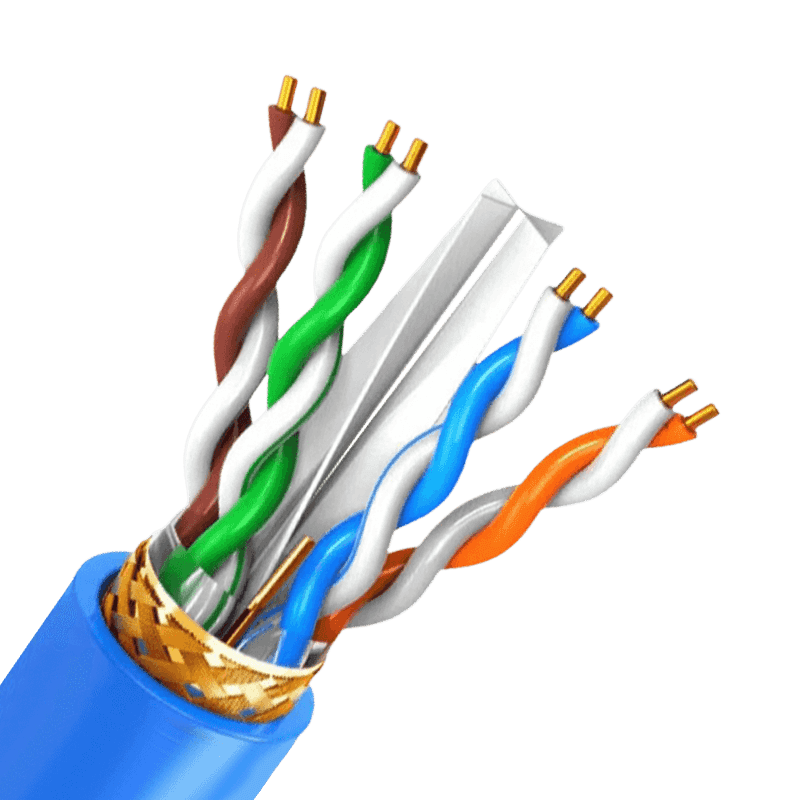
They consist of three core layers: a conductor (copper or aluminum) for current flow, an insulation layer (PVC, XLPE, or rubber) to contain and protect the electrical path, and an outer sheath that provides mechanical and environmental protection. Each layer is specified to match the application's voltage, temperature, and physical environment.
Main Types and Their Applications
The five primary categories of electrical equipment cables each serve distinct functions:
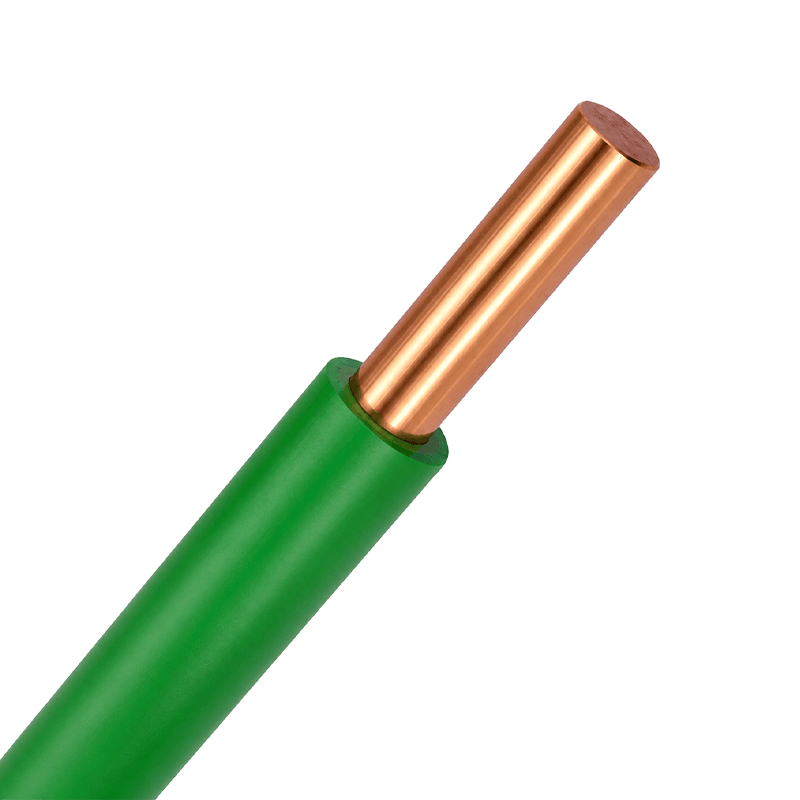
- Building wires for residential and commercial wiring — Single-conductor PVC-insulated wires (such as the BV type, rated 70°C) used in fixed wall and conduit installations. They supply lighting circuits, outlets, and general power equipment. Simple construction keeps costs low.
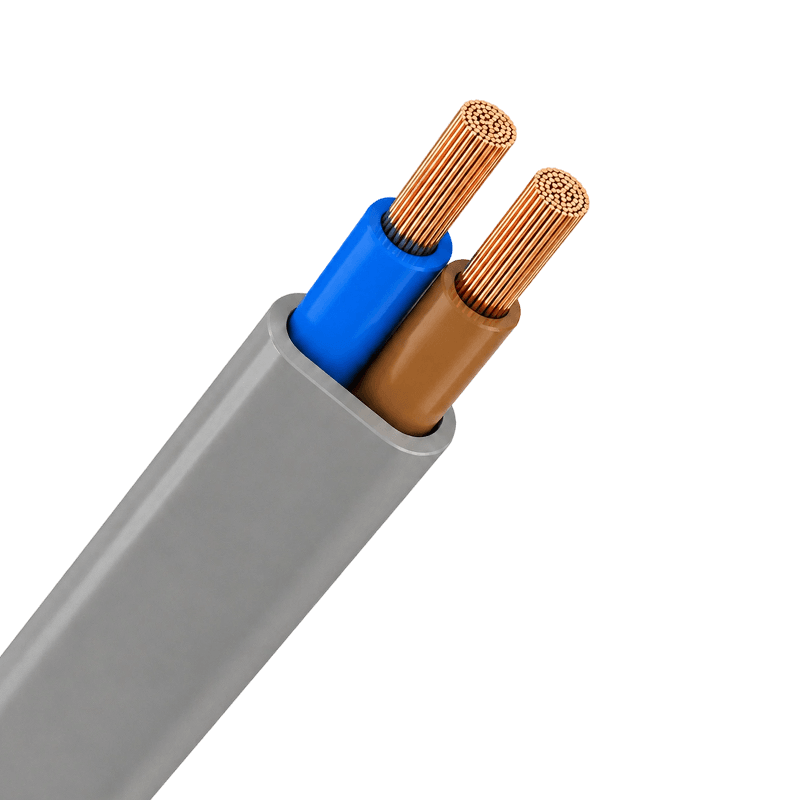
- Sheathed wires for flexible multi-conductor routing — Multi-core cables with an outer PVC sheath (e.g., RVV type), suited for portable devices, security systems, and light equipment connections that require some flexibility.
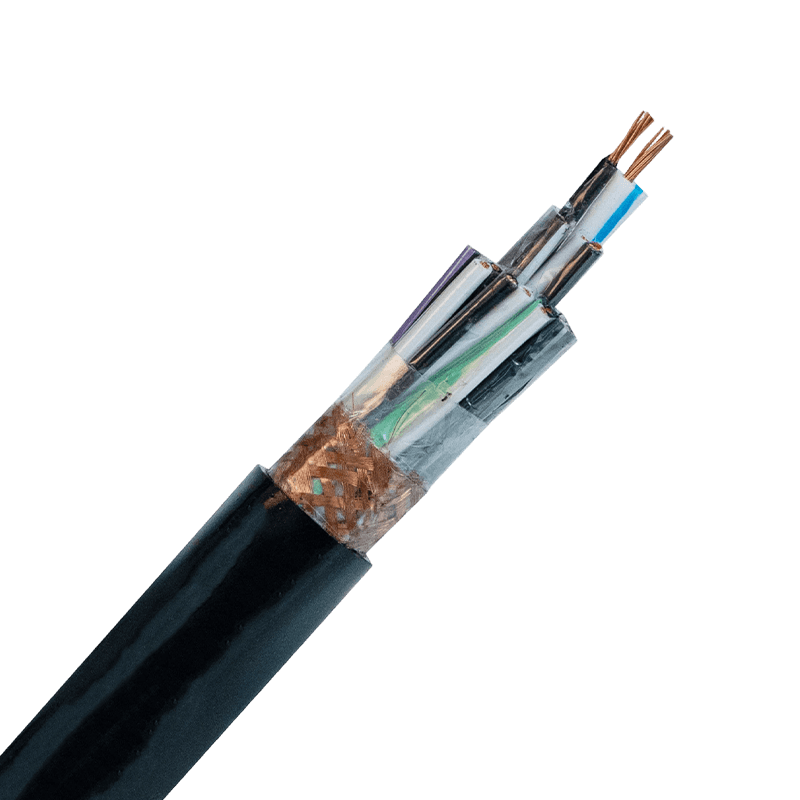
- Control cables for industrial automation — Plastic-insulated multi-core cables (e.g., KVV type) transmit signals between PLCs, sensors, and actuators. Typically rated at 450/750V, with conductor temperatures up to 70°C and bending radii of 6–12D.
- Computer cables for shielded signal transmission — PE-insulated shielded cables (e.g., DJYPVPR, DJYP3VP3) rated at 300/500V, designed for electronic instruments and data acquisition systems where electromagnetic interference must be suppressed. Individual and overall shielding configurations are available depending on noise rejection requirements.
- Rubber-sheathed cables for mobile and outdoor use — YC-type cables with ethylene propylene rubber insulation and synthetic elastomer sheathing. Designed for repeated flexing, outdoor exposure, and mechanical stress — construction sites, portable tools, and industrial equipment that moves.
Conductor Material: Copper vs. Aluminum
The conductor is where current actually flows, and the choice between copper and aluminum determines conductivity, weight, flexibility, and cost. Most electrical equipment cables use high-purity copper conductors — the performance difference is significant enough to justify the price premium in nearly every equipment application.
| Property | Copper Conductor | Aluminum Conductor |
|---|---|---|
| Electrical Conductivity | ~100% IACS | ~61% IACS |
| Weight | Heavier | ~1/3 lighter |
| Material Cost | Higher | 30–50% lower |
| Flexibility | Excellent — suited for tight routing | Less flexible, prone to cracking at bends |
| Typical Application | Control cables, computer cables, household appliances | Overhead lines, long-span power transmission |
For control, signal, and equipment wiring — where flexibility and reliable terminations matter — copper is the standard choice. Aluminum-based conductors are more appropriate for overhead and long-distance installations where weight reduction takes priority over flexibility.
Insulation Materials: PVC, XLPE, and Rubber
The insulation layer sets the cable's performance envelope. Specifying the wrong material for an operating environment is one of the most common causes of premature cable failure — not a matter of cutting corners, but of using the wrong tool.
- PVC (Polyvinyl Chloride) — Operating range typically −15°C to +70°C. Cost-effective and widely available, suitable for most indoor commercial and household applications. Not recommended for confined or public spaces because PVC emits toxic fumes when burned. Used in building wires, sheathed cables, and general power plug cords.
- XLPE (Cross-Linked Polyethylene) — Continuous operating temperature up to +90°C, with short-circuit tolerance to +250°C. Superior dielectric strength and moisture resistance make it the preferred choice for higher-demand industrial applications. Lighter than rubber with better long-term mechanical stability.
- Rubber (Ethylene Propylene / Synthetic Elastomer) — Maintains excellent flexibility even at low temperatures and handles repeated bending and mechanical stress. The material of choice for portable equipment, construction applications, and any cable that moves during service. Rubber-sheathed cables are rated for these conditions by design, not by approximation.
Standards That Actually Matter
Compliance claims are only as useful as the standard being referenced. Three designations appear most frequently in electrical equipment cable specifications, and each covers something distinct:
- IEC 60227 — Covers PVC-insulated cables for rated voltages up to 450/750V. This is the benchmark standard for building wires and light equipment cables across most global markets. Products like the BV type are manufactured to this specification.
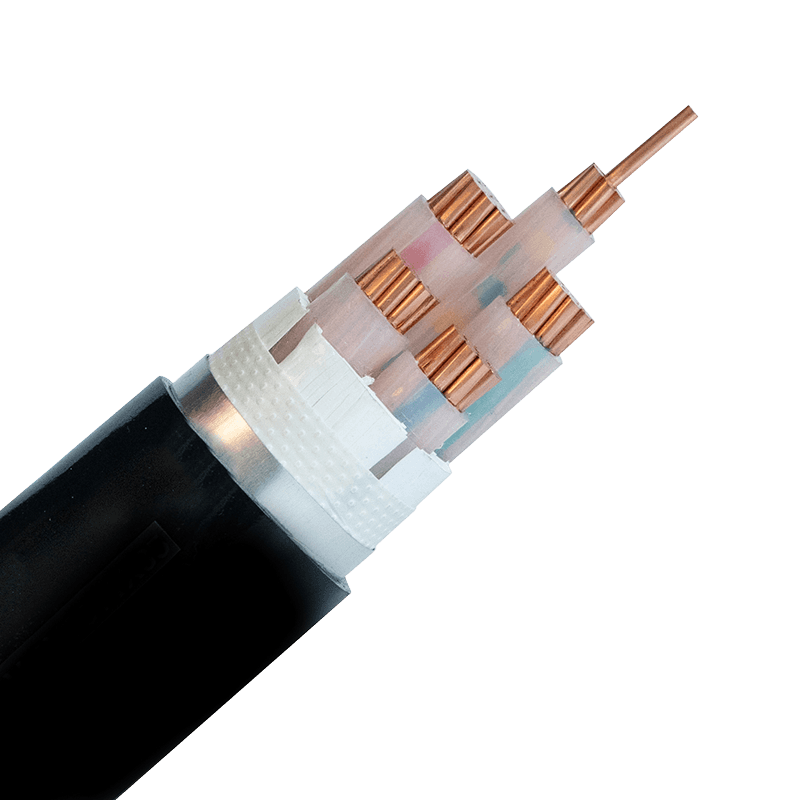
- IEC 60502-1 for low-voltage power cable construction and testing — Specifies construction, dimensions, and test requirements for cables at 1kV and 3kV. It is the internationally recognized benchmark for fixed distribution and industrial installations, accepted in markets from Europe to Southeast Asia.
- ISO 9001 — Applies to the manufacturer's quality management system, not the cable product itself. It confirms that manufacturing processes are controlled and documented consistently — a meaningful indicator of production reliability, but not a substitute for product-level test certificates.
When evaluating a supplier, request test reports that reference the specific IEC standard and edition year (e.g., IEC 60227:2007, IEC 60502-1:2021). A certificate number without a traceable test report offers limited assurance. Voltage rating and conductor cross-section should always be confirmed against your system's operating parameters — not assumed from a catalog description alone.

- +86-13588204183
- No. 39 Zhiyuan Road, Deqing Economic Development Zone, Huzhou City, Zhejiang Province

Copyright © Zhejiang Huapu Cable Co., Ltd. All Rights Reserved.
 ISO 9001 Cable Manufacturer