
 en
en English
 中文简体
中文简体 русский
 Español
 عربى
عربى
Best Cable for Underground Direct Burial---A Comprehensive Engineering Guide
Content
Document Version: 1.0 Purpose: To provide electrical engineers, contractors, and project managers with objective guidance on selecting cables suitable for direct burial applications, ensuring long-term reliability and compliance with international standards.
1. Introduction
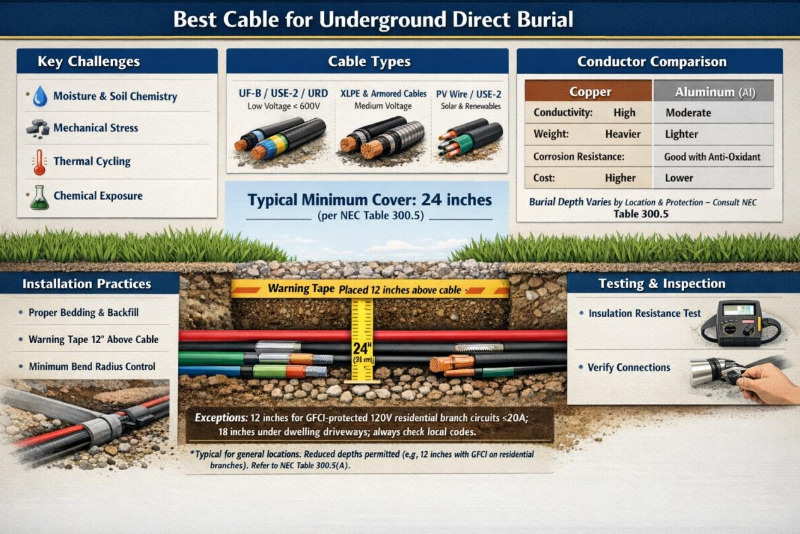
When it comes to infrastructure longevity, selecting the right cable for Direct Burial (DB) is one of the most critical decisions in electrical design and installation. Unlike conduit-installed cables, direct-buried cables are continuously exposed to:
- Soil moisture and groundwater
- Variable soil chemistry and pH
- Mechanical stresses from rocks, backfill, and ground movement
- Thermal cycling during operation
This guide defines key requirements, recommends cable types by application, compares conductor materials, and outlines essential installation practices to achieve a service life of 30+ years.
2. Direct Burial Cable Requirements
A cable is considered suitable for direct burial only when its insulation and outer jacket are specifically engineered to resist:
- Moisture ingressand degradation phenomena such as water treeing
- Mechanical damagefrom sharp objects, soil settlement, or accidental excavation
- Chemical attackfrom soil contaminants, fertilizers, or groundwater
- Thermal and environmental stressunder normal and overload conditions
Standard indoor-rated cables (e.g., THHN, ordinary PVC building wire) are not suitable for direct burial without additional mechanical protection.
3. Recommended Cable Types by Application
Cable selection depends on voltage class, load requirements, environmental conditions, and prevailing regional/national standards (e.g., NEC, IEC 60502, or local equivalents).
3.1 Residential and Light Commercial (Low Voltage ≤ 600 V)
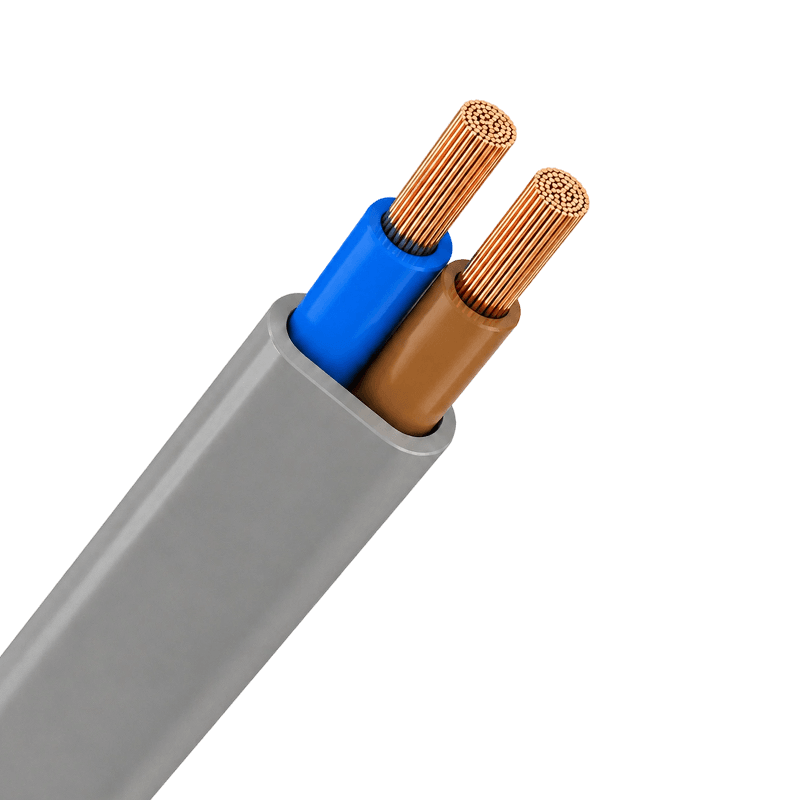
- UF-B (Underground Feeder)Tough thermoplastic jacket encasing all conductors; widely used for branch circuits in wet locations.
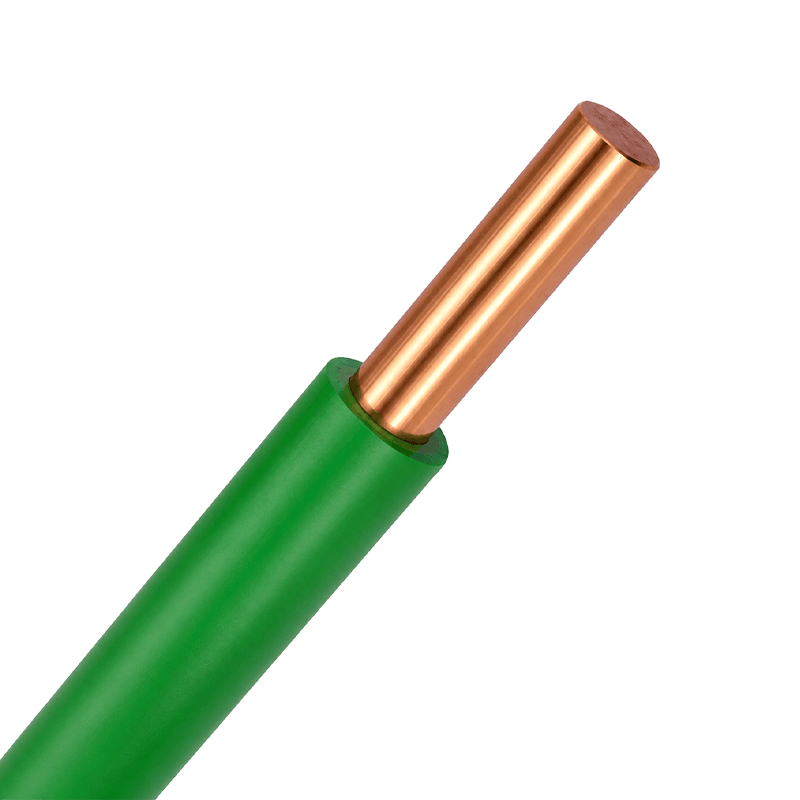
- USE-2 / RHW-2 / XHHW-2XLPE-insulated single conductors, 90°C wet/dry rated; common for service entrances and feeders. Many carry multiple ratings for versatility.
- URD (Underground Residential Distribution)Pre-assembled aluminum triplex/quadruplex cables with XLPE insulation; dominant choice for cost-effective residential underground services.
3.2 Commercial, Industrial, and Utility (Medium Voltage & High Load)
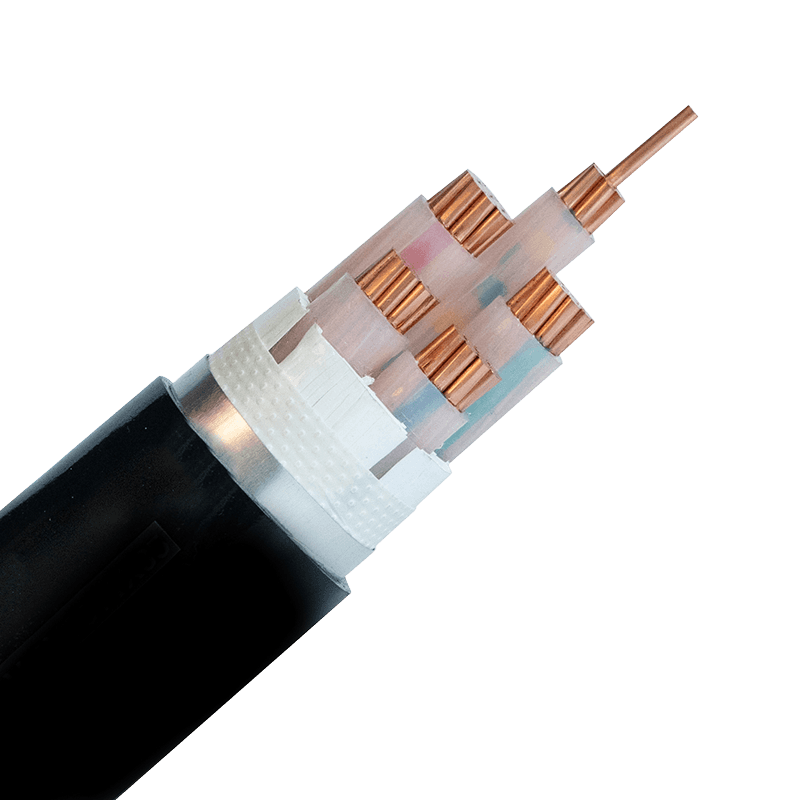
- XLPE-Insulated Cables Cross-Linked Polyethylene insulation provides excellent thermal stability (90–105°C continuous), resistance to environmental stress cracking, and long-term performance in moist environments. Common constructions: single-core or multi-core with PVC, PE, or LSOH sheath. Applicable standards: IEC 60502-1 (LV), IEC 60502-2 (MV), UL 44, UL 854, etc.
- Armored Cables(for enhanced mechanical protection)
- STA (Steel Tape Armor)— Effective against crushing and rodent damage.
- SWA (Steel Wire Armor) — Superior tensile strength; ideal for unstable soils or long pulls.
3.3 Renewables and Photovoltaic Installations
- USE-2or PV Wire (UL 4703) UV-resistant, high-temperature rated (90–150°C); suitable for exposed runs and buried segments.
- Dual-rated XLPE conductors (e.g., RHW-2/USE-2) are increasingly specified.
4. Conductor Material Comparison
|
Feature |
Copper (Cu) |
Aluminum (Al / Alloy / ACSR) |
|
Electrical Conductivity |
High (≈100% IACS) |
Moderate (≈61% IACS for EC grade; alloys better) |
|
Weight |
Heavier |
Significantly lighter (easier handling/pulling) |
|
Corrosion Resistance |
Excellent |
Good when properly terminated with inhibitors |
|
Material Cost |
Higher |
Lower, especially in larger conductor sizes |
|
Typical Applications |
High-load circuits, tight spaces, critical terminations |
Long-distance feeders, utility distribution, cost-driven projects |
Important Note for Aluminum Conductors: Always use UL-listed or equivalent connectors, apply approved anti-oxidant compound, and follow manufacturer torque specifications to minimize oxidation-related connection failures.
5. Essential Installation Practices
To maximize cable life and safety:
1. Minimum Burial DepthComply with local/national electrical codes. Typical values (example from NEC Table 300.5):
- Residential branch circuits (120/240 V with GFCI protection): 12–18 inches
- General direct burial (most locations): 24 inches
- Under vehicular traffic areas (driveways, roads): 24 inches or greater
- In conduit: reduced depths permitted (6–18 inches depending on conduit type)
2. Bedding and Backfill Place 4–6 inches of clean sand or fine, rock-free soil beneath and around the cable to protect against sharp objects.
3. Warning and Mechanical Protection
- Install detectable underground warning tape 12 inches above the cable.
- Use concrete slabs, protective boards, or sleeving in high-risk excavation zones.
4.Additional Best Practices
- Observe minimum bending radius per manufacturer specification.
- Control pulling tension to avoid jacket or insulation damage.
- Perform insulation resistance (megger) testing after installation and backfill.
6. Summary – Selection Guidelines
|
Project Type |
Recommended Cable Types |
Key Advantages |
|
Standard residential / light commercial |
UF-B, USE-2/RHW-2/XHHW-2, URD aluminum |
Cost-effective, widely available |
|
Industrial / utility power distribution |
XLPE-insulated (armored STA/SWA when needed) |
Superior thermal & environmental performance |
|
Solar PV / renewable energy |
USE-2, PV Wire (UL 4703), dual-rated XLPE |
UV resistance, high temperature rating |
Always verify compliance with the latest edition of applicable standards (NEC, IEC 60502 series, or local regulations), review manufacturer data sheets, and conduct site-specific risk assessments.
Let us support your project: Reach out to our technical experts for tailored specifications, standard compliance assistance, or detailed data sheets on XLPE armored cables, USE-2 equivalents, SWA variants, and more.

- +86-13588204183
- No. 39 Zhiyuan Road, Deqing Economic Development Zone, Huzhou City, Zhejiang Province

Copyright © Zhejiang Huapu Cable Co., Ltd. All Rights Reserved.
 ISO 9001 Cable Manufacturer