
 en
en English
 中文简体
中文简体 русский
 Español
 عربى
عربى
STA vs. SSTA Armour: Structure and Applications in Medium Voltage Cables
Content
STA vs. SSTA: Why Does Armour Structure Matter in Medium Voltage Cables?
For medium voltage cables, cable selection is not only about conductor size and voltage rating.
In underground power distribution, industrial plants, substations, renewable energy projects, and infrastructure systems, cables may be exposed to mechanical impact, soil pressure, moisture, chemicals, and long-term environmental stress.
The armour layer provides an additional level of mechanical protection. However, the appropriate armour material depends on the installation environment.
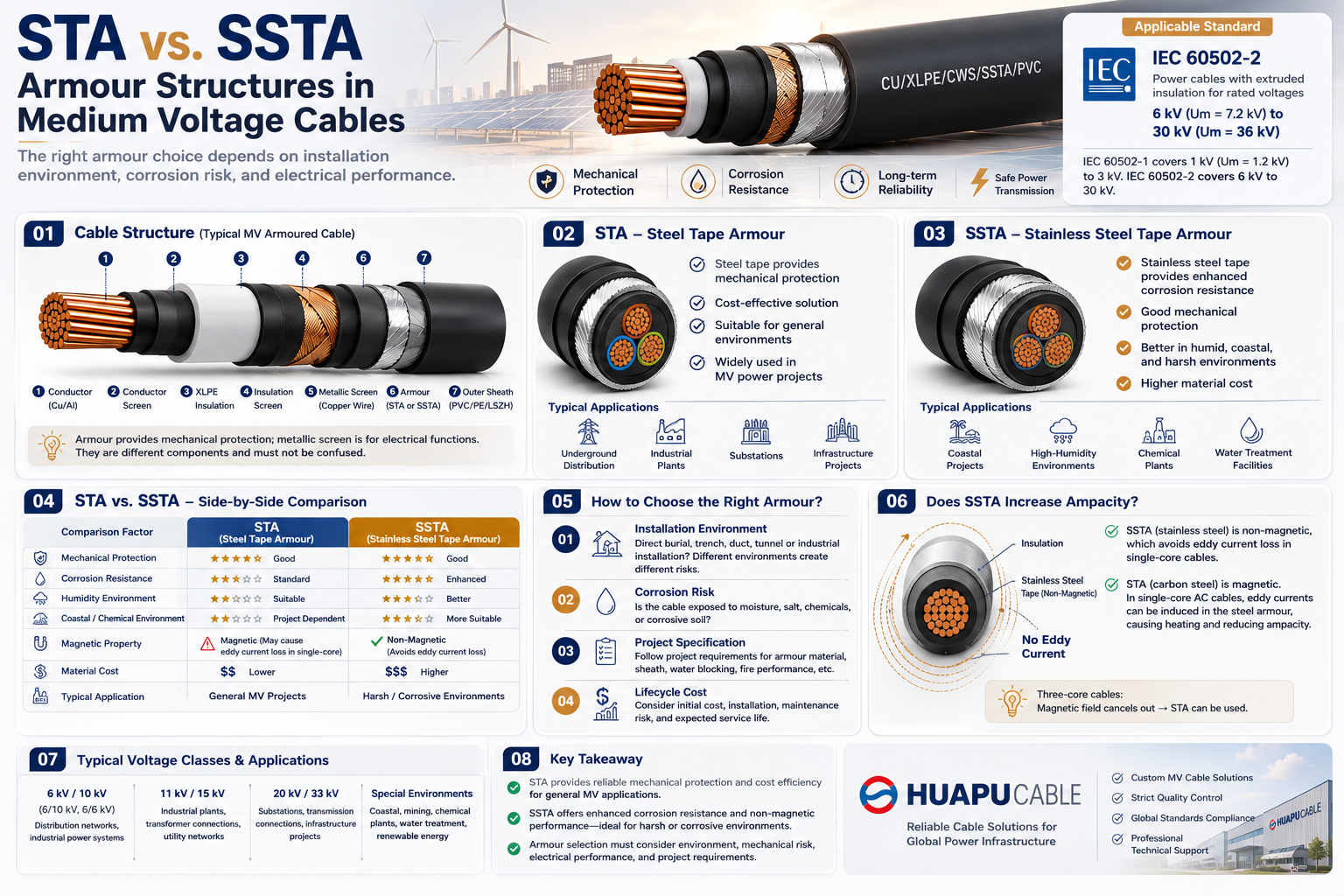
Two armour constructions frequently specified for power cables are:
STA — Steel Tape Armour
SSTA — Stainless Steel Tape Armour
Although both use tape armour, the material and environmental performance are different.
This guide explains the structure, material characteristics, advantages, limitations, and typical applications of STA and SSTA medium voltage cables.
01. Cable Structure | Typical MV Armoured Cable Construction
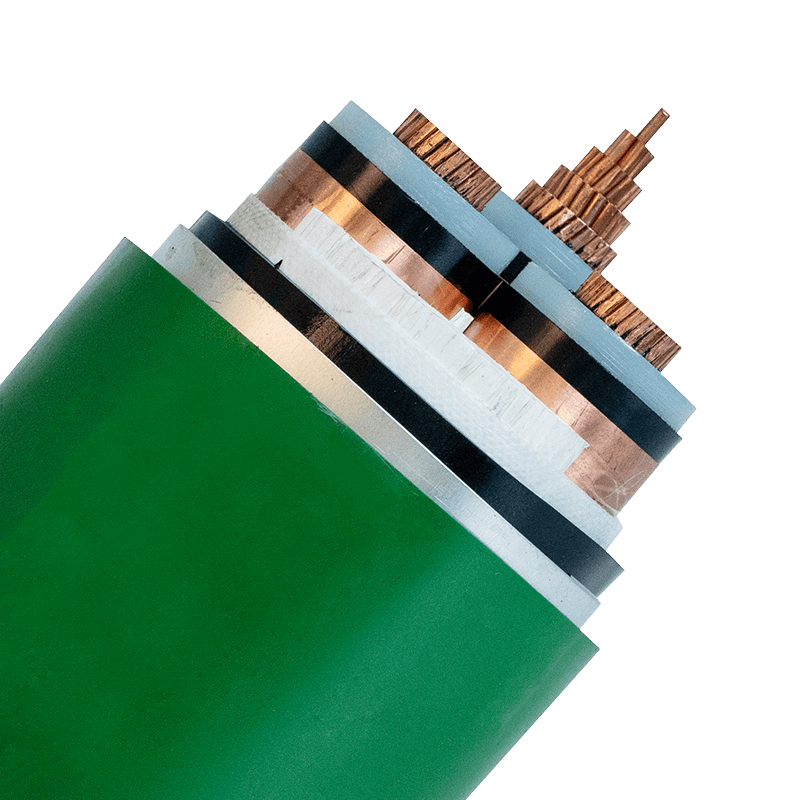
A typical XLPE insulated medium voltage power cable may consist of:
Conductor → Conductor Screen → XLPE Insulation → Insulation Screen → Metallic Screen → Inner Covering → Armour → Outer Sheath
A typical construction can be represented as:
CU / XLPE / CWS / STA / PVC
Where:
- CU— Copper Conductor
- XLPE— Cross-Linked Polyethylene Insulation
- CWS— Copper Wire Screen
- STA— Steel Tape Armour
- PVC— PVC Outer Sheath
The exact construction depends on the required voltage class, national standards, project specifications, installation method, and manufacturer design.
For IEC-based medium voltage applications, IEC 60502-2 is an important reference for power cables with extruded insulation in the applicable voltage range.
02. What Is STA Armour?
STA = Steel Tape Armour
STA uses steel tape as the armour layer around the cable assembly.
A typical structure is:
Conductor → XLPE → Metallic Screen → Inner Covering → Steel Tape → Outer Sheath
The main purpose of the steel tape is to provide mechanical protection.
It can help protect the cable against:
- External impact
- Compression
- Soil pressure
- Mechanical damage during installation
- Rodent damage
- External forces in underground applications
Key Characteristics
Good Mechanical Protection
Provides a protective metallic layer around the cable.
Cost Effective
Conventional steel tape is generally more economical than stainless steel tape.
Widely Used
STA is commonly considered for underground and fixed industrial power cable applications.
Typical Applications
- Underground power distribution
- Industrial power systems
- Substations
- Cable trenches
- Utility networks
- Infrastructure projects
- General medium voltage installations
03. What Is SSTA Armour?
SSTA = Stainless Steel Tape Armour
SSTA uses stainless steel tape instead of conventional steel tape.
The basic cable structure remains similar:
Conductor → XLPE → Metallic Screen → Inner Covering → Stainless Steel Tape → Outer Sheath
The main additional advantage is enhanced corrosion resistance.
SSTA can therefore be considered when the cable is exposed to more demanding environmental conditions.
Key Characteristics
- Enhanced corrosion resistance
- Good mechanical protection
- Better resistance in humid environments
- Suitable for demanding outdoor environments
- Higher material cost
Typical applications may include:
- Coastal power projects
- High-humidity environments
- Chemical and industrial facilities
- Water treatment facilities
- Corrosive soil conditions
- Specialized infrastructure projects
Important: SSTA is not a universally standardized abbreviation across all cable standards. The actual armour material, stainless steel grade, thickness, and construction should always be confirmed from the manufacturer's technical specification.
04. STA vs. SSTA | Side-by-Side Comparison
|
Comparison Factor |
STA |
SSTA |
|
Armour Material |
Steel Tape |
Stainless Steel Tape |
|
Mechanical Protection |
Good |
Good |
|
Corrosion Resistance |
Standard |
Enhanced |
|
Humid Environment |
Suitable with proper design |
Better suited |
|
Coastal Environment |
Project dependent |
More suitable |
|
Chemical Environment |
Project dependent |
May be preferred |
|
Material Cost |
Lower |
Higher |
|
Typical Application |
General MV Projects |
Harsh / Corrosive Environments |
The fundamental difference is simple:
STA focuses on mechanical protection and cost efficiency.
SSTA combines mechanical protection with enhanced corrosion resistance.
Therefore, SSTA should not automatically be considered "better." The correct selection depends on the actual project environment.
05. Why Does Armour Material Matter?
Medium voltage power cables are often designed for long-term service.
During underground installation, the armour may be exposed to:
- Moisture
- Groundwater
- Salts
- Soil contaminants
- Chemicals
- Temperature variations
For this reason, armour material can become an important part of the cable's long-term reliability strategy.
However, corrosion resistance does not depend on armour material alone.
The complete cable system should be evaluated, including:
Armour + Outer Sheath + Water Resistance + Soil Conditions + Installation Method
For projects with severe moisture or water-ingress risks, additional cable design measures may be required rather than simply changing STA to SSTA.
06. Typical Applications | Where Is STA Used?
STA is generally suitable for conventional medium voltage power distribution projects.
Underground Power Distribution
STA armoured cables can provide additional mechanical protection for underground installations.
Industrial Plants
They may be used for connections between:
- Transformers
- Switchgear
- Motors
- Distribution panels
- Industrial equipment
Substations
STA constructions may be used for fixed cable connections where the project specification requires armoured cable.
Infrastructure Projects
For standard environmental conditions, STA offers a practical balance between mechanical protection and material cost.
07. Typical Applications | Where Is SSTA Used?
SSTA becomes more attractive when corrosion is an important consideration.
Coastal Projects
Salt and moisture can create additional corrosion risks for metallic components.
High-Humidity Environments
Long-term moisture exposure can increase the importance of corrosion-resistant armour materials.
Chemical Plants
Industrial environments may expose cables to aggressive chemical conditions. The complete cable construction should be selected according to the specific chemical exposure.
Water and Infrastructure Projects
Projects near water treatment facilities, reservoirs, or other high-moisture environments may consider stainless steel armour where appropriate.
08. Armour vs. Metallic Screen
This distinction is particularly important for medium voltage XLPE cables.
Metallic Screen and Armour are not the same component.
For example:
XLPE Insulation → Copper Wire Screen → Inner Covering → Steel Tape Armour → Outer Sheath
The metallic screen is primarily associated with:
- Electric field control
- Earthing
- Fault-current paths
The armour primarily provides:
- Mechanical protection
- External damage resistance
Depending on the cable design and bonding arrangement, armour may also have an electrical function.
Therefore, armour cannot simply replace the metallic screen.
09. Does SSTA Increase Cable Ampacity?
Not automatically.
Changing the armour from steel tape to stainless steel tape does not by itself increase the current-carrying capacity of a medium voltage cable.
Cable ampacity depends on factors such as:
- Conductor material
- Conductor cross-sectional area
- XLPE insulation
- Installation method
- Ambient temperature
- Soil thermal resistivity
- Cable spacing
- Metallic screen arrangement
- Armour characteristics
For example, the ampacity of an 11kV or 33kV cable must be evaluated according to its complete construction and actual installation conditions.
10. How to Choose the Right Armour?
01 — Installation Environment
First determine whether the cable will be installed by:
- Direct burial
- Cable trench
- Duct
- Tunnel
- Cable tray
- Industrial installation
Different installation methods create different mechanical and environmental requirements.
02 — Corrosion Risk
Ask:
Is the cable exposed to moisture, salt, chemicals, or corrosive soil?
If the corrosion risk is low, STA may be sufficient.
If corrosion resistance is a major concern, SSTA may be worth considering.
03 — Project Specification
EPC contractors, utilities, and industrial customers may specify:
- Armour material
- Armour thickness
- Sheath material
- Water-blocking requirements
- Fire performance
- Mechanical protection
- Testing requirements
The project specification should always take priority.
04 — Lifecycle Cost
The lowest purchase price is not always the lowest lifecycle cost.
A better comparison is:
Initial Cost + Installation Cost + Maintenance Risk + Expected Service Life
This approach helps determine whether the additional cost of SSTA provides meaningful value.
11. Applicable Standards
For IEC-based medium voltage power cables, IEC 60502-2 is an important international reference.
The standard covers power cables with extruded insulation for rated voltages from 1 kV (Um = 1.2 kV) up to 30 kV (Um = 36 kV).
However, the terms STA and SSTA alone do not determine whether a cable complies with a particular standard or project requirement.
Always verify the complete:
Cable Construction + Voltage Rating + Materials + Tests + Installation Requirements
with the manufacturer's technical datasheet.
12. Quick Selection Guide
|
Project Condition |
Recommended Direction |
|
Standard underground MV distribution |
STA |
|
General industrial power distribution |
STA |
|
Cable trench installation |
STA |
|
Cost-sensitive projects |
STA |
|
Coastal environment |
Evaluate SSTA |
|
High-humidity environment |
Evaluate SSTA |
|
Corrosive soil |
SSTA may be preferred |
|
Chemical / industrial environment |
SSTA may be preferred |
|
High mechanical risk |
Evaluate the complete armour design |
The key principle: Select the armour according to the environment, not simply according to the assumption that one material is universally better.
FAQ
Is STA suitable for medium voltage cables?
Yes. STA is widely used for fixed medium voltage cable applications where additional mechanical protection is required.
Is SSTA better than STA?
Not in every application. SSTA primarily provides enhanced corrosion resistance, while STA offers a more economical solution for conventional environments.
What does STA stand for?
STA stands for Steel Tape Armour.
What does SSTA stand for?
SSTA generally refers to Stainless Steel Tape Armour. The exact designation should be confirmed according to the manufacturer's cable construction.
What is the difference between STA and SWA?
STA uses steel tape armour, while SWA uses steel wire armour. They have different mechanical characteristics and are selected according to the installation requirements.
Can STA be used for underground power cables?
Yes. STA is commonly used in underground power distribution and industrial power cable applications where mechanical protection is required.
KEY TAKEAWAY
STA and SSTA are different armour solutions for different project requirements.
STA — Steel Tape Armour
- Cost-effective
- Good mechanical protection
- Suitable for general medium voltage applications
SSTA — Stainless Steel Tape Armour
- Enhanced corrosion resistance
- Good mechanical protection
- More suitable for demanding or corrosive environments
- Higher material cost
The right choice depends on:
Installation Environment + Mechanical Risk + Corrosion Risk + Project Specification + Lifecycle Cost
For medium voltage power cable projects, armour should always be evaluated as part of the complete cable construction.
HUAPU CABLE | Medium Voltage Cable Solutions
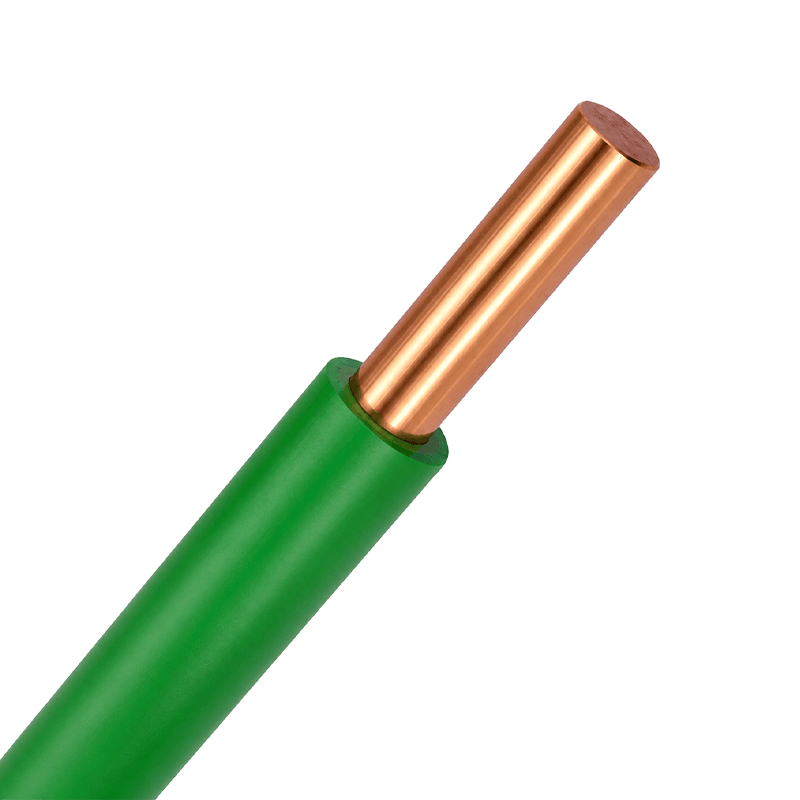
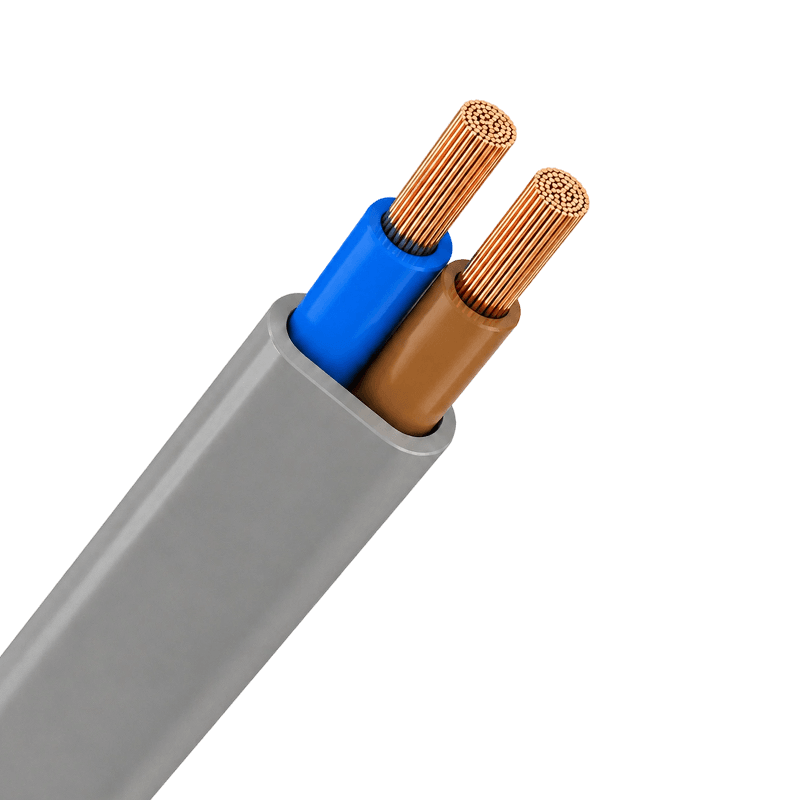
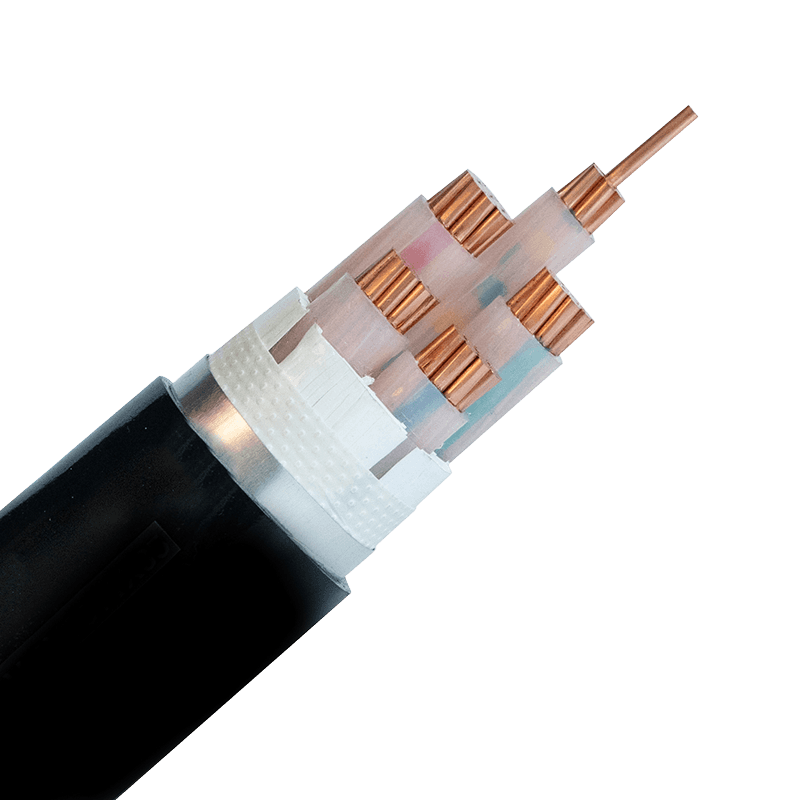
We provide customized XLPE medium voltage cables, armoured power cables, underground power cables, and MV cable solutions according to voltage rating, conductor material, armour construction, sheath material, and installation requirements.

- +86-13588204183
- No. 39 Zhiyuan Road, Deqing Economic Development Zone, Huzhou City, Zhejiang Province

Copyright © Zhejiang Huapu Cable Co., Ltd. All Rights Reserved.
 ISO 9001 Cable Manufacturer