
 en
en English
 中文简体
中文简体 русский
 Español
 عربى
عربى
The Hardcore Guide to Smart Home Lighting Wiring: Protocols, Standards, and Pitfall Avoidance
Content
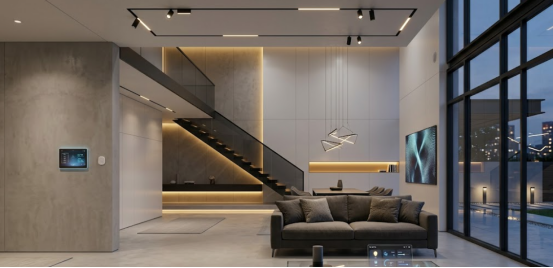
Modern smart homes have evolved from single devices to deep whole-house ecosystem coordination. The underlying wiring architecture of the lighting system determines the stability, scalability, and safety of the network. Wiring errors can easily lead to huge maintenance costs later on. This article provides a hardcore breakdown of smart lighting wiring guidelines based on actual engineering logic and international electrical standards.
1.Communication Protocols and Topology Architecture
- KNX and Physical Isolation
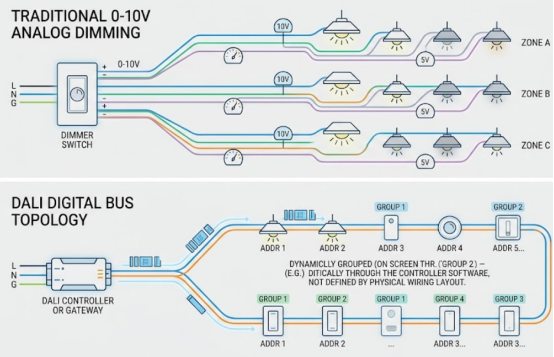
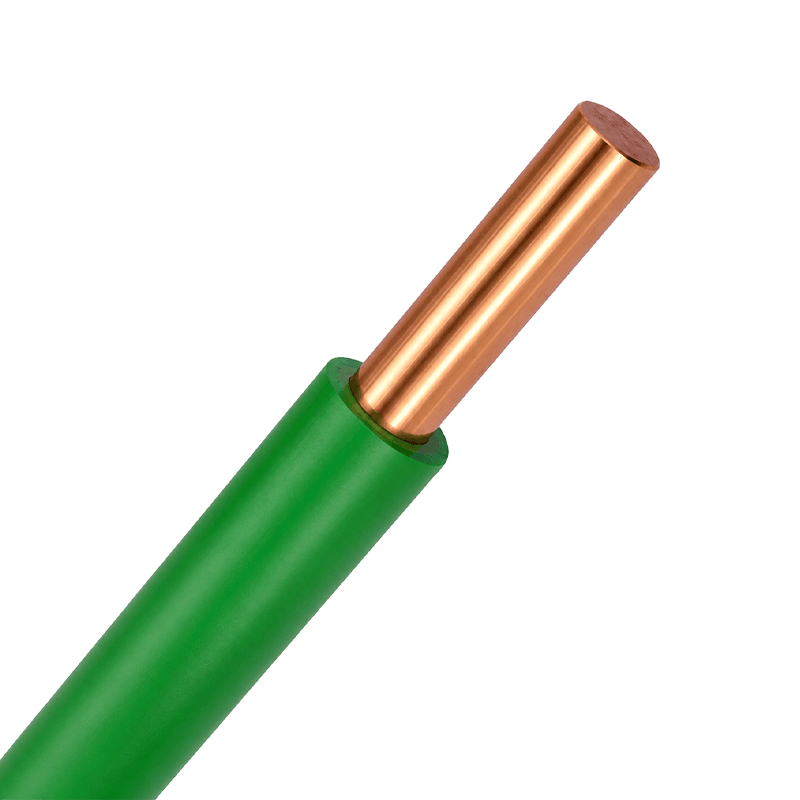
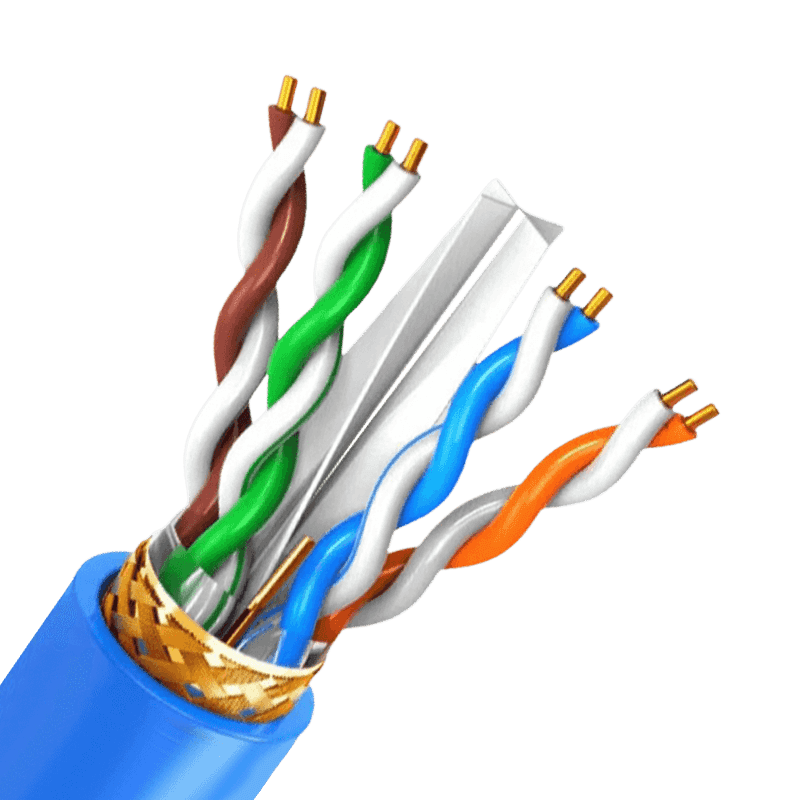
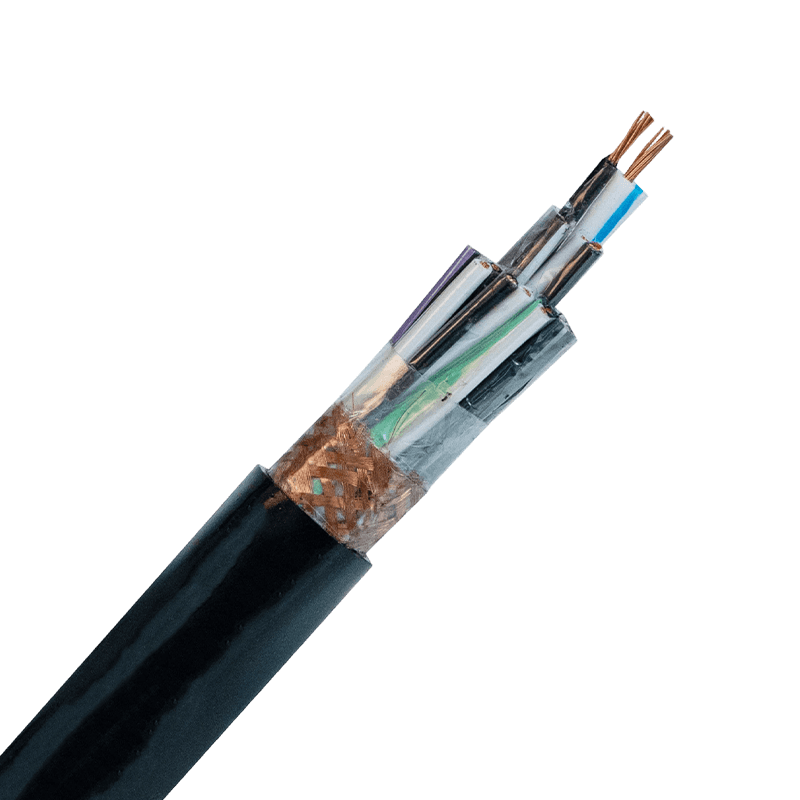
In infrastructure-grade smart lighting, KNX uses a dedicated green twisted pair cable, completely physically isolating data transmission from the 220V mains. Its decentralized architecture means there is no single central host; no single node failure will paralyze the entire network, offering extremely high reliability.
- DALI Digital Protocol
Compared to the voltage drop and flickering issues common in 0-10V analog dimming, the DALI protocol is a true two-way digital communication. According to the IEC 62386-101 standard, the DC voltage drop between any two devices on the DALI bus must not exceed 2VDC, and the maximum distance to the power supply must not exceed 300 meters.
2. Core Specifications for High-Voltage Wiring
- Completely Abandon 'No Neutral' Wiring
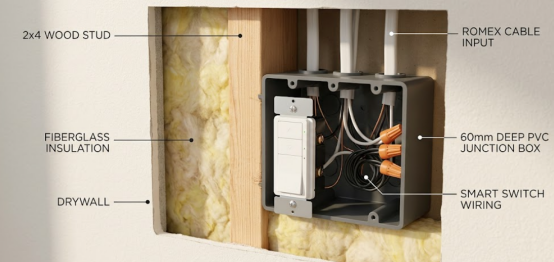
Traditional switches only control the live wire. If a smart switch lacks a neutral wire, it must rely on a compromised "no neutral" standby power mechanism, which causes fatal, periodic LED "flickering" or "ghost light" phenomena. Furthermore, 'no neutral' maximum loads are usually limited to around 800 watts, far below the 2500 watts of standard neutral-live switches. In new or renovation projects, an independent neutral wire must be installed in all junction boxes.
- 60mm Deep Junction Boxes
Smart panels generate significant heat during full-load operation and need to house more wiring terminals. Traditional 50mm boxes easily cause insulation damage under pressure, potentially leading to thermal shutdowns or fires. It is highly recommended to strictly use 60mm deep, large-capacity PVC boxes that meet the UL 94 V-0 highest flame-retardant certification.
- Strictly Prohibit Shared Neutrals
Mixing neutral wires from different circuits can cause the supposedly safe neutral to carry lethal backfed voltage if a breaker is mistakenly flipped during maintenance, leading to severe electric shock. Furthermore, it causes severe current imbalance, triggering frequent tripping of the distribution box's leakage protection switch, paralyzing the smart system.
3.Low-Voltage DC Driver Technology
- Constant Voltage (CV):
Suitable for LED flexible strips, using a parallel wiring architecture. Advantage: supports random on-site cutting and splicing; Disadvantage: severely limited by line voltage drop, making the far end of long strips dim and yellow.
- Constant Current (CC):
Suitable for high-power anti-glare spotlights, requiring series physical connection. Completely prevents LED thermal runaway burnouts and eliminates the impact of long-distance voltage drops from a physical level, ensuring absolute brightness consistency from end to end.
4.Control Deadlocks and Decoupled Mode
When a user presses a physical smart wall switch to cut the power, the communication chip integrated inside the ceiling RGBW smart bulb instantly loses power and is forced offline. This causes the mobile App or voice assistant to completely lose control, and can even cause the topology of the whole-house wireless mesh network to continuously collapse.
Ultimate Solution: Software Decoupling
Force enable the "Detached Mode" in the device backend. The physical relay controlling high voltage inside the switch is permanently locked in the "closed" conduction state, ensuring power supply is never cut. Physical button actions are converted into pure digital commands sent to the system brain. This "always-on" solution requires highly visible warning labels at the distribution box to prevent accidental electric shock during bulb replacement.
FAQ
Q1: Can low-voltage signal wires and high-voltage power lines share the same conduit?
A: Absolutely not. The alternating magnetic field and transient surges of high voltage cause severe electromagnetic interference (EMI), leading directly to data packet loss or control failure in the low-voltage network. International standards mandate a minimum parallel clearance of 30 cm (12 inches); if crossing is unavoidable, they must cross perpendicularly at a 90-degree angle.
Q2: Why do smart LED downlights faintly flicker even after being turned off?
A: This is usually due to compromised "no neutral" smart switches. In the off state, they use a bypass circuit to draw a tiny current through the bulb for power. Charges accumulate in the LED capacitor to the conduction threshold, emit light, and then extinguish, repeating to form a flickering or "ghost light" phenomenon.
Q3: What is the biggest safety hazard when purchasing cross-border or using cheap relay modules?
A: Failing to obtain local statutory safety certifications (like IEC/CE, UL, CCC) or failing to match the wire gauge with the nominal current rating. If a small-current module is connected to a high-power load, the contacts will rapidly heat and oxidize, accelerating the thermal aging and disintegration of insulation materials, ultimately causing equipment burnout or even fires.

- +86-13588204183
- No. 39 Zhiyuan Road, Deqing Economic Development Zone, Huzhou City, Zhejiang Province

Copyright © Zhejiang Huapu Cable Co., Ltd. All Rights Reserved.
 ISO 9001 Cable Manufacturer