
 en
en English
 中文简体
中文简体 русский
 Español
 عربى
عربى
PVC vs. LSZH Cable Materials: Life Cycle, Environmental Impact, and TCO Analysis
Content
Overview
Driven by the exponential growth of digital infrastructure, cable material selection now strictly involves environmental toxicology and Total Cost of Ownership (TCO). The transition from Polyvinyl Chloride (PVC) to Low Smoke Zero Halogen (LSZH) is an irreversible engineering trend.
1. Micro-Chemical & Manufacturing Data
- Polyvinyl Chloride (PVC):
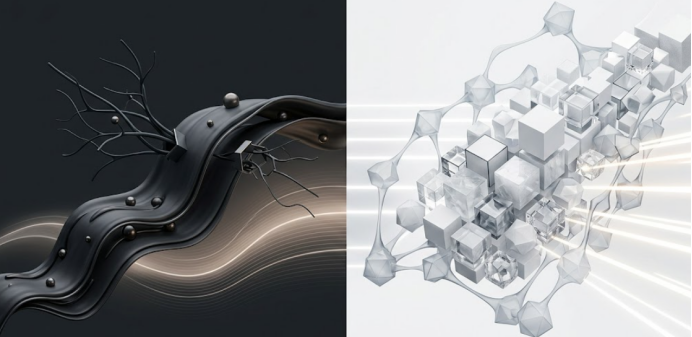
The polymer contains approximately 56% chlorine, relying on chemical free-radical capture for flame resistance. Extrusion occurs at a highly efficient 70°C to 90°C, but formulas must use heavy metals and plasticizers for flexibility.
- Low Smoke Zero Halogen (LSZH):
Utilizes halogen-free polyolefins (XLPE, PP, EVA) with 50% to 70% mineral flame retardants like ATH. Because ATH decomposes at ~200°C, manufacturing requires strict temperature control and low-speed, high-torque extrusion.
2. Fire Behavior & Secondary Corrosion
- The PVC Risk:
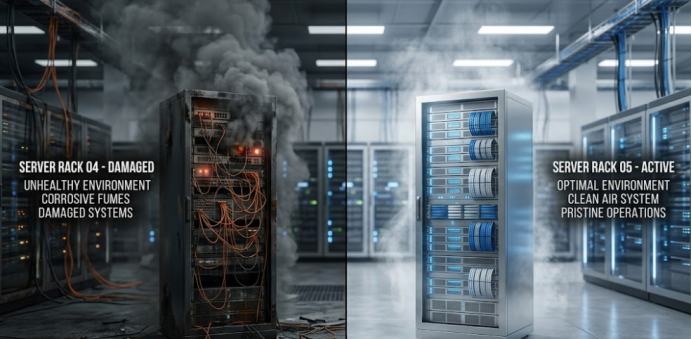
Under thermal stress, PVC releases up to 28% toxic HCl gas. This gas mixes with moisture to form hydrochloric acid aerosols, causing catastrophic "secondary corrosion" to sensitive server motherboards. It generates dense black smoke (>400% density) and risks synthesizing highly toxic Dioxins (POPs) during low-temperature smoldering (80°C-230°C).
- The LSZH Advantage:
LSZH controls HCl emissions strictly below 0.5% and relies on endothermic physical reactions to release water vapor. This reduces smoke density by over 80%, completely eliminates acid corrosion, and presents zero dioxin generation risk.
3. LCA Paradox & Carbon Footprint
- The Carbon Footprint Paradox:
Traditional PVC has a cradle-to-grave carbon footprint of ~7.83 kg CO2-eq/kg. Surprisingly, traditional fossil-based LSZH can exceed this due to the massive energy required for mining 70% mineral fillers and complex extrusion.
- The Bio-based Solution:
Next-generation LSZH eliminates this paradox. By utilizing 100% renewable castor oil (PA11) and green energy, the footprint is drastically compressed to 1.3 kg CO2-eq/kg, achieving true Net-Zero targets.
4. Regulations & TCO Economics
- Compliance Deadlines:
RoHS 3 strictly caps lead (<0.1%) and four core plasticizers (DEHP, BBP, DBP, DIBP) at 0.1%. In Europe, CPR (EN 50575) demands B2ca/Cca levels (s1, d0/d1, a1) for critical infrastructure, functionally banning PVC.
- TCO Analysis:
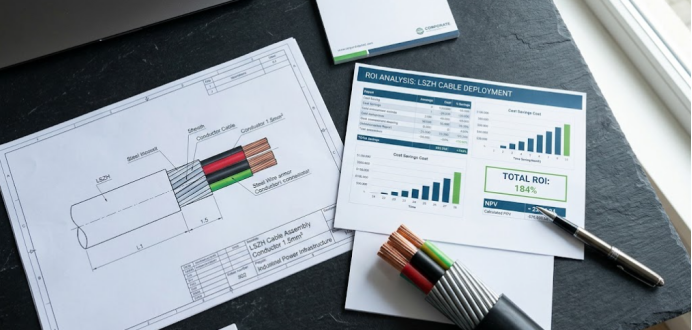
LSZH cables carry a 15% to 30% unit cost premium. However, cables represent <1% of total data center investments. Choosing LSZH is an economical "perpetual insurance policy" against hardware destruction and downtime, driving a global market CAGR of 6.5%.
FAQ
Q1: Why is LSZH mechanically harder to recycle than PVC?
A : LSZH's 70% mineral filler ratio destroys polymer melt fluidity. Furthermore, high-end LSZH often uses electron beam or silane cross-linking, turning it into a thermoset material with a 3D network that cannot be simply remelted.
Q2: Are there new labeling laws for recycled PVC?
A : Yes. By May 2026, EU directives dictate that recycled rigid PVC containing ≥0.1% lead must carry highly visible warning labels, and its end-use will be severely restricted.

- +86-13588204183
- No. 39 Zhiyuan Road, Deqing Economic Development Zone, Huzhou City, Zhejiang Province

Copyright © Zhejiang Huapu Cable Co., Ltd. All Rights Reserved.
 ISO 9001 Cable Manufacturer