
 en
en English
 中文简体
中文简体 русский
 Español
 عربى
عربى
Stranded vs Solid Wire: Differences, Applications, and Selection Guide
Content
In electrical engineering and practical wiring applications, solid wire and stranded wire are the two most commonly used conductor types. Although both are typically made from high-conductivity materials such as copper or aluminum and sized using AWG (American Wire Gauge) or metric cross-sectional area (mm²), their structural differences lead to distinct mechanical and electrical characteristics.
Understanding these differences is essential for ensuring safety, reliability, and compliance with electrical standards.
1. Construction and Manufacturing
Solid Wire
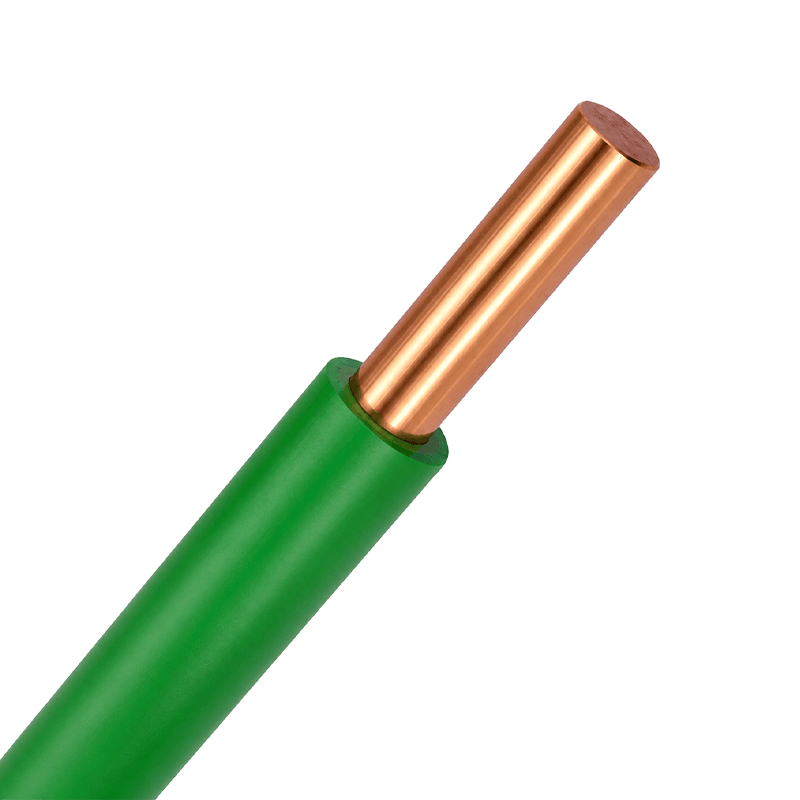
Solid wire consists of a single continuous metal conductor, usually insulated with materials such as PVC, XLPE, or rubber.
- Simple structure and manufacturing process
- Lower production cost
- Consistent physical properties
This type of wire is widely used in permanent and fixed installations.
Stranded Wire
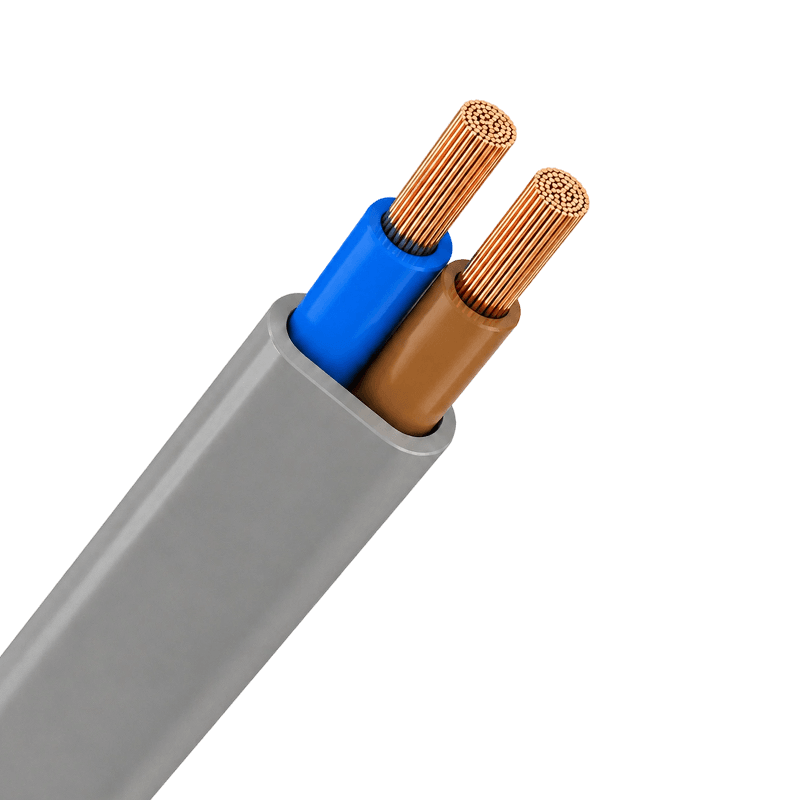
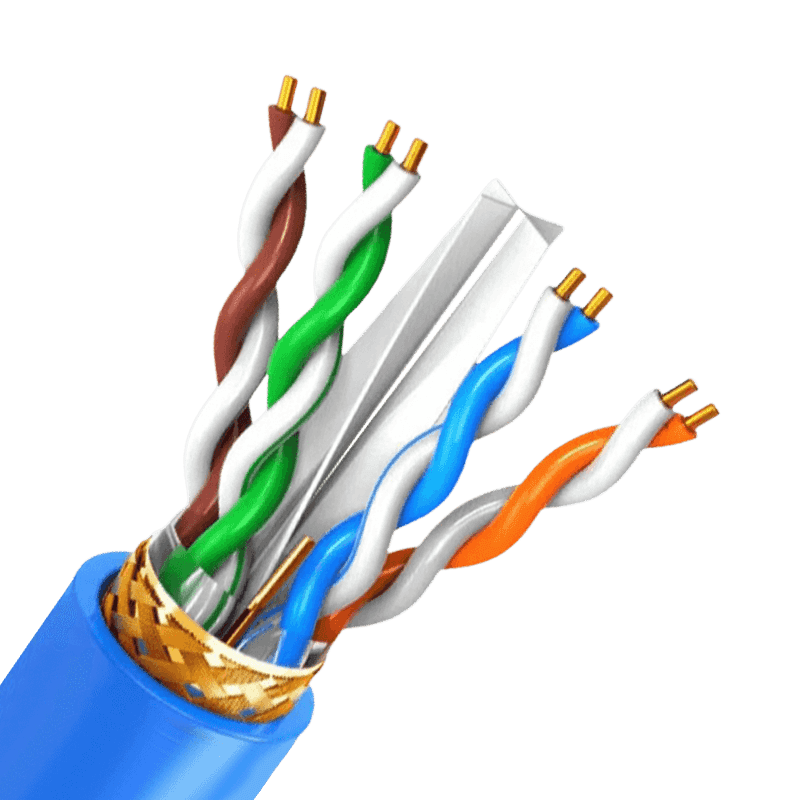
Stranded wire is composed of multiple smaller conductors twisted together to form a single equivalent conductor.
- Strand counts range from a few to several thousand
- Increased flexibility due to strand movement
- Slightly longer conductor path due to twisting geometry
In practical engineering terms, the difference in weight compared to solid wire is negligible.
2. Mechanical and Electrical Differences
Flexibility and Bend Radius
Stranded wire offers significantly greater flexibility:
- Suitable for repeated bending and motion
- Resistant to fatigue failure
Solid wire is more rigid:
- Requires a larger minimum bend radius (typically 8–10× conductor diameter)
- Prone to breakage under repeated mechanical stress
Electrical Resistance
For DC and standard power frequencies (50/60 Hz):
- Solid wire has slightly lower resistance due to a continuous path
- Stranded wire has marginally higher resistance due to contact between strands
The difference is typically less than 1–2% and is negligible in most applications.
High-Frequency Performance (Skin Effect)
At higher frequencies, current tends to flow near the conductor surface, a phenomenon known as the skin effect.
- Standard stranded wire provides only limited improvement
- Specialized constructions such as Litz wireare required to significantly reduce skin-effect losses
Stranded wire is therefore commonly used in audio, signal, and electronic applications, primarily for flexibility rather than electrical advantage.
Durability and Fatigue Resistance
- Stranded wire performs well in environments with vibration and movement
- Solid wire is more susceptible to fatigue and fracture at stress points
This makes stranded wire the preferred choice in:
- Automotive systems
- Industrial equipment
- Robotics and moving assemblies
Termination and Installation
Solid wire:
- Easy to insert into screw terminals and push-in connectors
- Maintains shape during installation
- Suitable for long conduit runs
Stranded wire:
- Requires ferrules, crimp terminals, or connectors
- Risk of loose strands if improperly terminated
- More difficult to push through long conduits
Proper termination is critical to prevent overheating, arcing, or connection failure.
Cost Considerations
- Solid wire is typically 10–20% lower in cost
- Stranded wire has higher manufacturing complexity
However, total system cost should consider application requirements rather than material price alone.
3. Typical Applications
Applications for Solid Wire
- Residential and commercial building wiring
- Distribution panels and switchgear
- Fixed conduit or cable tray installations
Applications for Stranded Wire
- Power cords and extension cables
- Automotive and marine wiring
- Industrial machinery
- Robotics and automation systems
- Audio and signal cables
4. Standards and Code Compliance
Both wire types must comply with applicable standards, including:
- UL 83
- National Electrical Code (NEC)
- IEC 60228
General practice:
- Fixed installations use solid conductors
- Flexible applications require stranded conductors
Using the wrong type may lead to code violations or safety risks.
5. Best Practices
- Use solid wire only in stable, non-moving environments
- Use stranded wire for any application involving motion or vibration
- Always follow proper termination methods
- Comply with local electrical codes and manufacturer specifications
Conclusion
The difference between stranded and solid wire lies in their mechanical behavior and application suitability, rather than current-carrying capability.
- Solid wire provides simplicity, lower cost, and ease of installation
- Stranded wire offers flexibility, durability, and reliability under movement
Selecting the appropriate conductor type ensures long-term performance, safety, and compliance in any electrical system.

- +86-13588204183
- No. 39 Zhiyuan Road, Deqing Economic Development Zone, Huzhou City, Zhejiang Province

Copyright © Zhejiang Huapu Cable Co., Ltd. All Rights Reserved.
 ISO 9001 Cable Manufacturer