
 en
en English
 中文简体
中文简体 русский
 Español
 عربى
عربى
Is Co-Packaged Optics (CPO) Replacing Pluggable Transceivers in 2026?
Content
As AI computing, cloud data centers, and high-performance networking continue to scale, the
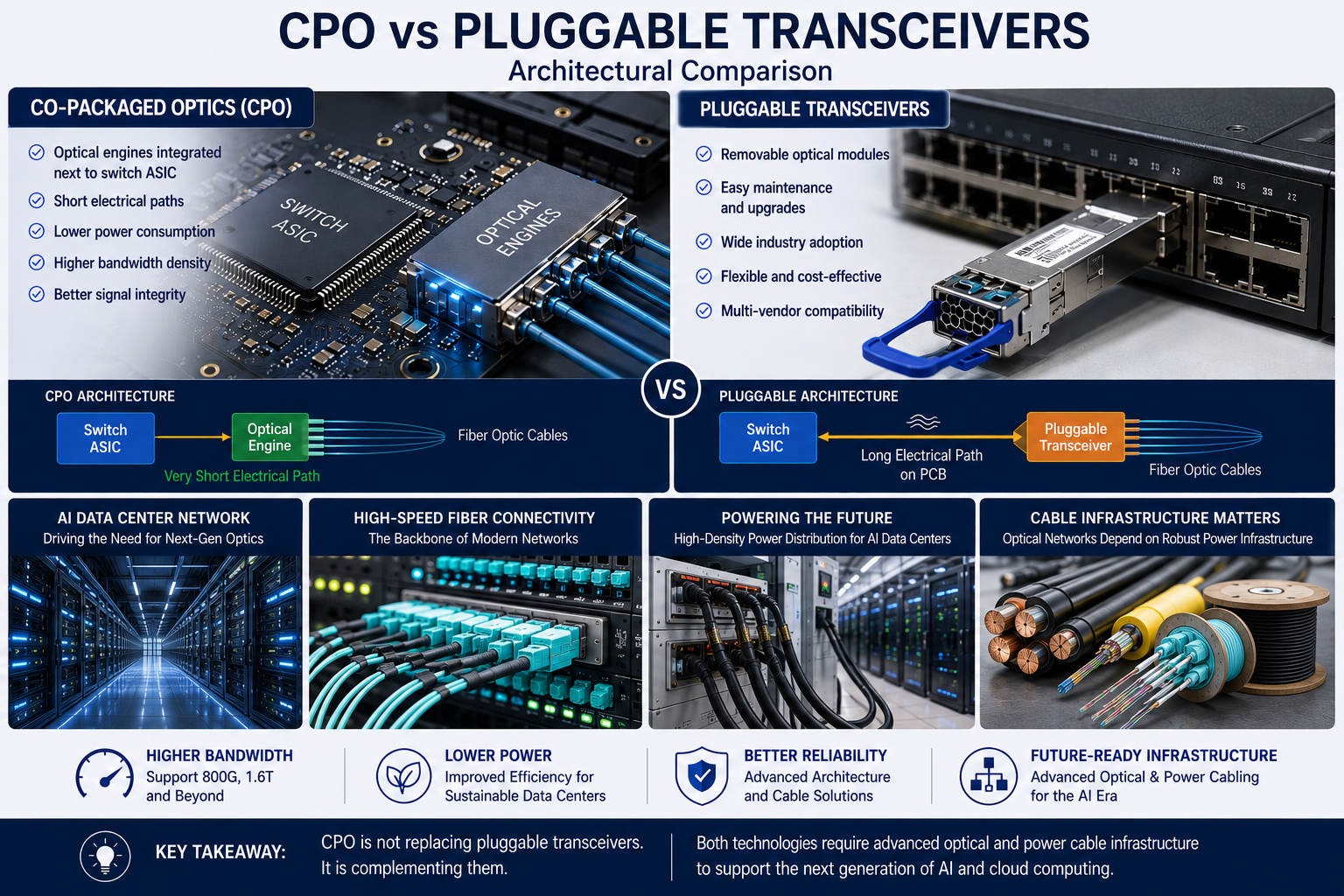
demand for faster and more energy-efficient data transmission is reaching unprecedented levels. This has led to growing industry interest in Co-Packaged Optics (CPO), a technology designed to overcome the bandwidth and power limitations of traditional pluggable optical transceivers.
But a key question remains:
Is Co-Packaged Optics (CPO) replacing pluggable transceivers in 2026?
The short answer is not yet. While CPO is gaining momentum in hyperscale data centers and AI clusters, pluggable transceivers remain the dominant solution across most networking applications. Understanding the differences between these technologies is essential for network operators, data center designers, and cable infrastructure suppliers.
What Is Co-Packaged Optics (CPO)?
Co-Packaged Optics is an advanced networking architecture that places optical engines directly adjacent to network switch ASICs inside the same package.
Traditional networking equipment uses electrical signals to travel from the switch chip to front-panel pluggable transceivers through high-speed PCB traces. As speeds increase to 800G, 1.6T, and beyond, signal loss and power consumption become major challenges.
CPO addresses these issues by:
- Reducing electrical trace lengths
- Lowering power consumption
- Increasing bandwidth density
- Improving signal integrity
- Supporting next-generation AI networking
This architecture is considered one of the most promising technologies for future ultra-high-speed data centers.
What Are Pluggable Transceivers?
Pluggable transceivers are removable optical modules that convert electrical signals into optical signals for transmission over fiber optic cables.
Common form factors include:
- SFP+
- QSFP28
- QSFP-DD
- OSFP
- QSFP112
- OSFP-XD
These modules are widely used in:
- Enterprise networks
- Cloud computing facilities
- Telecommunications infrastructure
- Data centers
- AI clusters
- High-performance computing (HPC)
Their modular design allows easy upgrades, replacement, and maintenance without replacing the entire switch system.
Why Is CPO Attracting Attention?
The explosive growth of artificial intelligence is creating enormous networking demands.
Large AI training clusters often require:
- Hundreds of thousands of GPUs
- Massive east-west traffic
- Ultra-low latency connectivity
- High-density optical interconnects
In these environments, traditional pluggable optics face several challenges:
Power Consumption
As networking speeds move beyond 800G, pluggable modules consume increasing amounts of power.
CPO significantly reduces electrical transmission distances, helping lower overall energy consumption.
Thermal Management
High-speed transceivers generate considerable heat.
By integrating optical engines closer to the switch silicon, CPO can improve thermal efficiency and system-level power management.
Bandwidth Scaling
Future AI data centers may require:
- 6T Ethernet
- 2T Ethernet
- Advanced optical interconnects
CPO offers a potential path toward these bandwidth targets.
Why Pluggable Transceivers Still Dominate in 2026
Despite growing interest in CPO, pluggable optics remain the preferred choice for most deployments.
1. Easier Maintenance
A failed pluggable module can be replaced in minutes.
With CPO systems, replacing integrated optical components can be significantly more complex and costly.
2. Lower Operational Risk
Network operators value flexibility.
Pluggable transceivers allow:
- Incremental upgrades
- Multi-vendor compatibility
- Simplified inventory management
This reduces operational risk compared with highly integrated architectures.
3. Existing Infrastructure Compatibility
Most global data centers already rely on:
- Fiber optic cables
- Structured cabling systems
- High-density patch panels
- Existing transceiver ecosystems
Replacing these infrastructures would require substantial investment.
4. Strong Industry Ecosystem
The pluggable transceiver market benefits from mature manufacturing, standardized interfaces, and broad supplier support.
For many organizations, the advantages of proven technology outweigh the potential efficiency gains offered by CPO.
CPO vs Pluggable Transceivers
|
Feature |
Pluggable Transceivers |
Co-Packaged Optics |
|
Deployment Maturity |
Very High |
Emerging |
|
Maintenance |
Easy |
More Complex |
|
Power Efficiency |
Good |
Excellent |
|
Upgrade Flexibility |
High |
Lower |
|
Initial Cost |
Lower |
Higher |
|
AI Cluster Suitability |
Good |
Excellent |
|
Industry Adoption |
Widespread |
Early Stage |
Impact on the Cable Industry
Although CPO changes switch architecture, it does not eliminate the need for high-quality cable infrastructure.
In fact, growing AI and data center deployments continue to increase demand for:
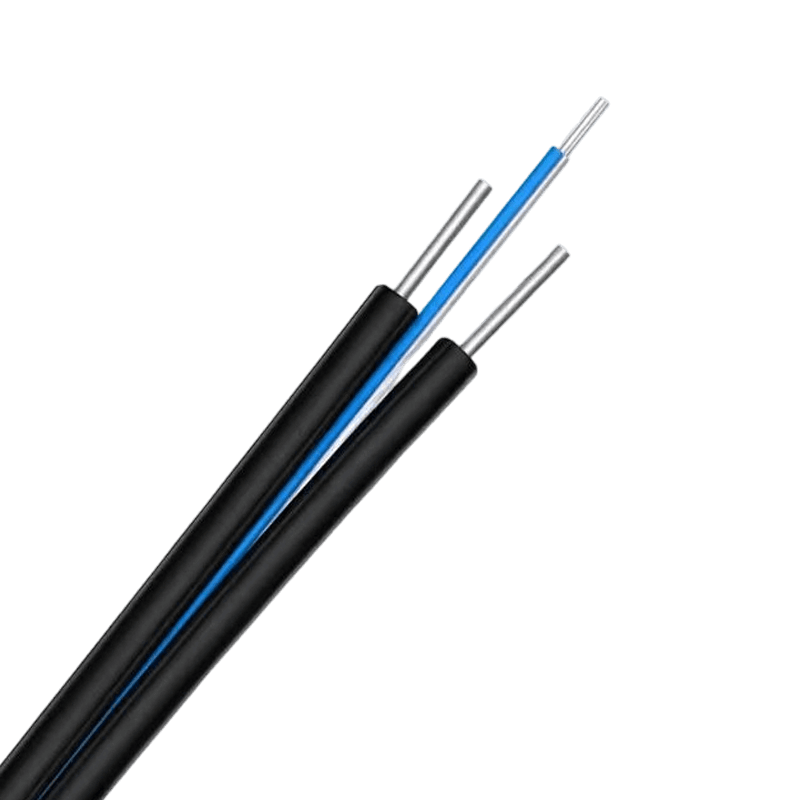
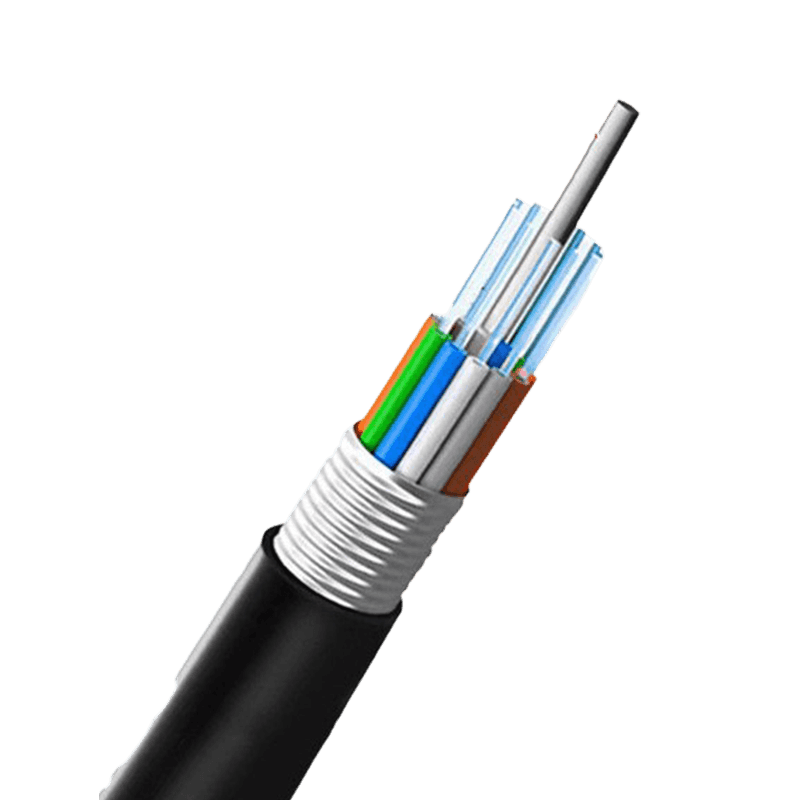
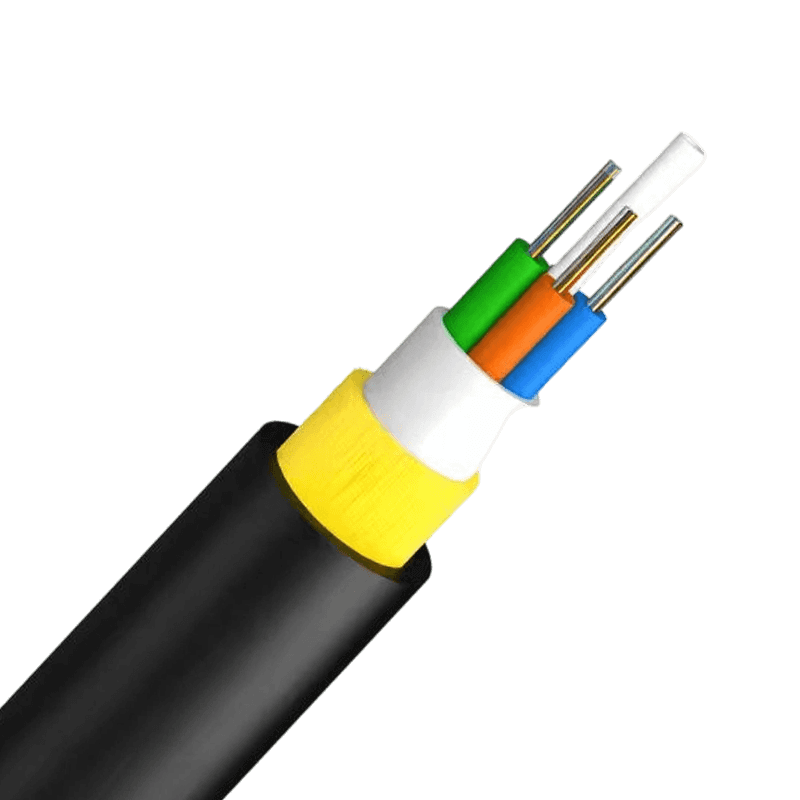
- Fiber optic cables
- Data center cables
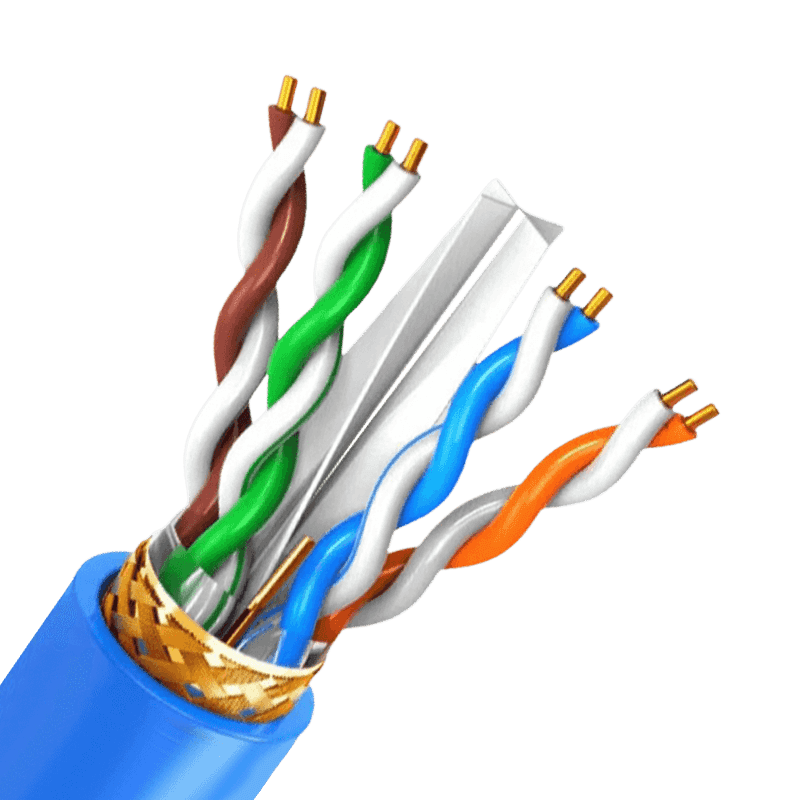
- High-speed network cables
- Structured cabling systems
- Copper cables
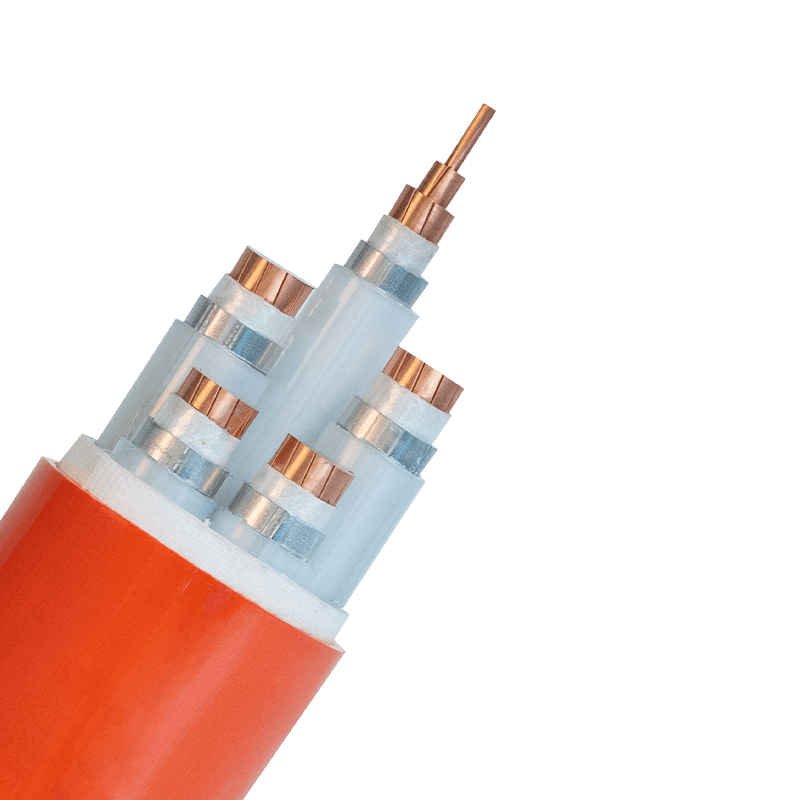
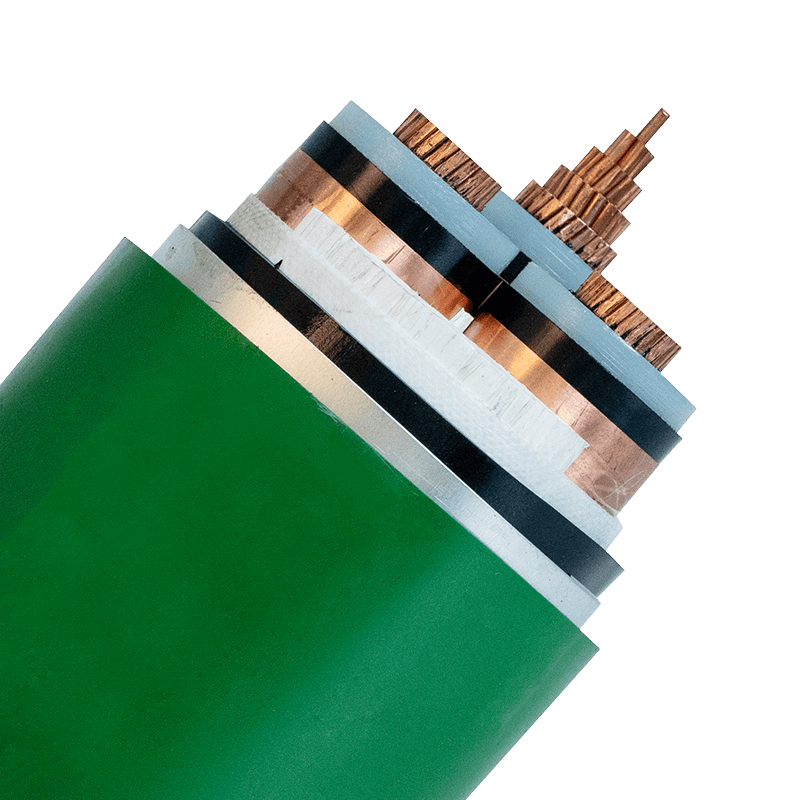
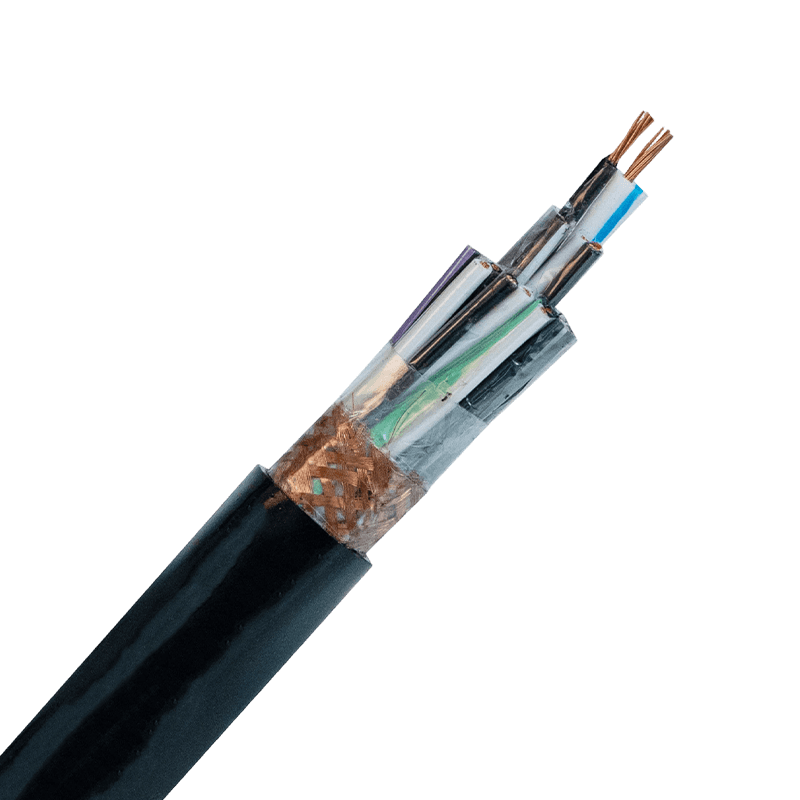
- Power cables
- High-voltage power cables
- Low-voltage power cables
- Flexible cables
- XLPE insulated cables
- Industrial power cables
Modern AI facilities require not only advanced optical connectivity but also reliable electrical power distribution systems capable of supporting thousands of high-performance servers and networking devices.
As data center power densities continue to rise, demand for premium power cable solutions is expected to grow alongside optical networking technologies.
What Does the Future Look Like?
Industry experts generally expect a hybrid approach during the coming years.
Short Term (2026–2028)
- Pluggable transceivers remain dominant.
- CPO adoption is limited to selected hyperscale and AI deployments.
- 800G and 1.6T pluggable optics continue expanding.
Medium Term (2028–2032)
- CPO deployments increase in large-scale AI infrastructure.
- Optical integration becomes more mature.
- Power efficiency becomes a greater purchasing factor.
Long Term (Beyond 2032)
- CPO could become mainstream for ultra-high-bandwidth computing environments.
- Pluggable optics may continue serving enterprise, telecom, and traditional cloud applications.
Conclusion
In 2026, Co-Packaged Optics is not replacing pluggable transceivers.
Instead, CPO is emerging as a complementary technology aimed at solving the bandwidth, power, and scalability challenges of next-generation AI data centers.
Pluggable transceivers remain the industry's dominant solution due to their flexibility, serviceability, and mature ecosystem. However, as AI workloads continue to grow, CPO is expected to play an increasingly important role in future networking architectures.
For cable manufacturers, data center operators, and infrastructure suppliers, both technologies create opportunities. The continued expansion of AI computing, cloud services, fiber optic networks, power cables, XLPE cables, and high-density data center infrastructure will drive sustained demand for reliable connectivity and power distribution solutions.

- +86-13588204183
- No. 39 Zhiyuan Road, Deqing Economic Development Zone, Huzhou City, Zhejiang Province

Copyright © Zhejiang Huapu Cable Co., Ltd. All Rights Reserved.
 ISO 9001 Cable Manufacturer